You love your cat, but sometimes you wonder what’s going on behind those mysterious eyes. Is your indoor feline truly happy, or are they secretly yearning for more excitement? While keeping your cat indoors protects them from outdoor dangers, it also means you’re responsible for creating a world that keeps them mentally sharp and physically active. The good news is that enriching your cat’s environment doesn’t require expensive gadgets or complicated setups.
Think of it this way: your cat has the instincts of a wild hunter trapped in a cozy apartment or house. Without proper outlets for those natural behaviors, even the most pampered cat can become restless, bored, or even develop behavioral problems. Let’s dive into some practical, easy ways to transform your home into a feline paradise that’ll keep your cat engaged, healthy, and genuinely content.
Create Vertical Territory With Cat Trees and Perches
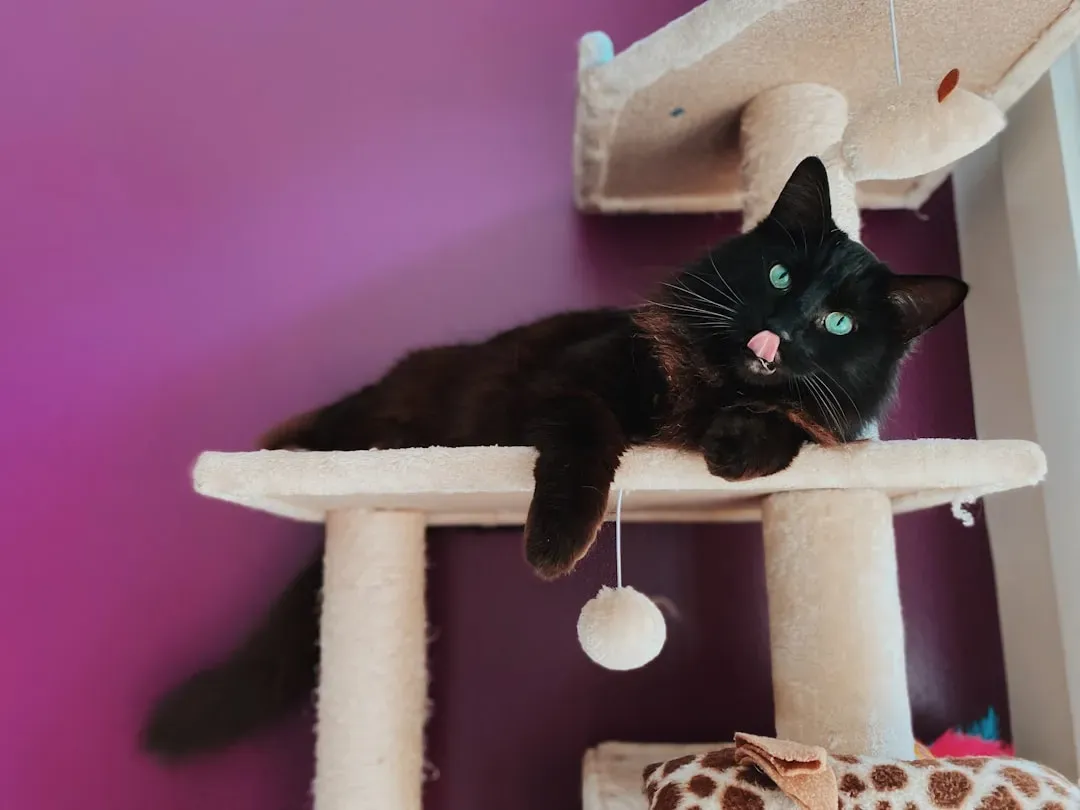
Your cat doesn’t just want to explore your home horizontally. Cats feel more comfortable and confident when they can survey their environment from above, a behavior rooted in their heritage as both predators and prey animals. Vertical territory provides safety, confidence, and exercise for your indoor companion.
Start by placing cat trees near windows or in rooms where your family spends the most time. Installing floating shelves around your home at different levels, spaced so your cat can jump from one to the other, can transform blank walls into exciting climbing adventures. Even clearing off the back of a couch near a window can give your cat a new vantage point. The key is variety, so don’t feel pressured to buy everything at once.
Set Up Window Perches for Natural Entertainment
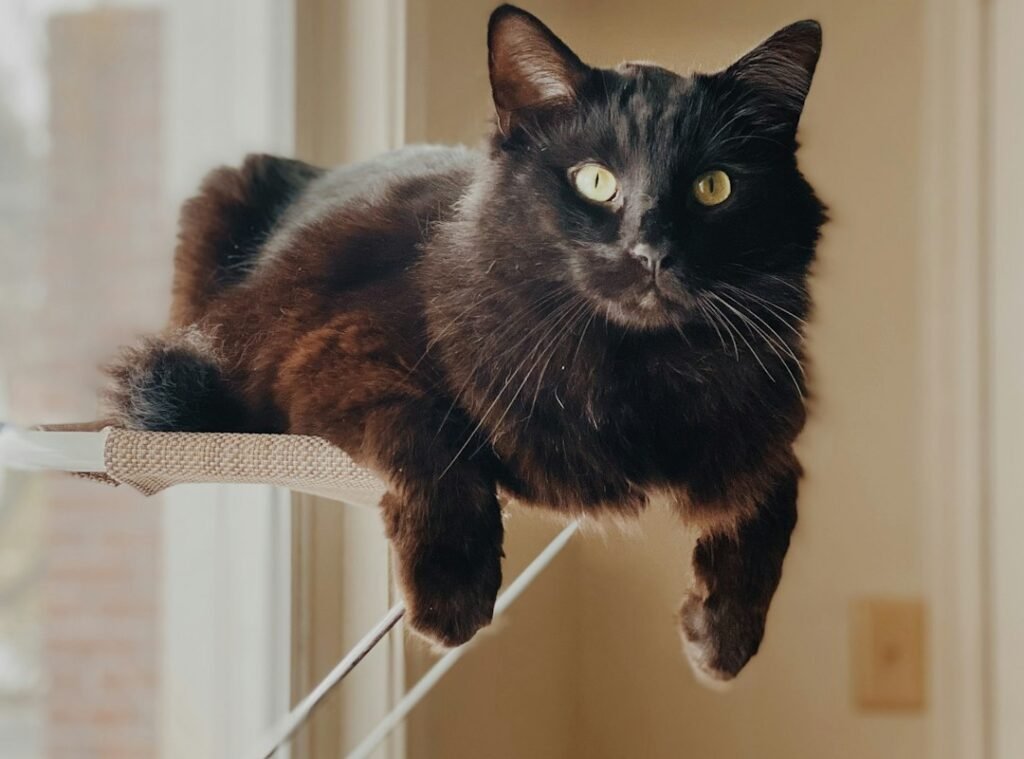
Windows are like television for cats, offering endless entertainment through the changing scenery outside. A window perch allows cats to enjoy the outdoor view, and watching birds and squirrels can provide hours of entertainment, with a bird feeder outside attracting wildlife that’ll captivate your feline friend.
Position sturdy perches at various windows throughout your home to give your cat different “channels” to watch. Morning sun in the east-facing window, afternoon action in the south-facing one. Just be mindful of outdoor cats that might wander by, as their presence can stress some indoor cats. Regularly moving beds and perches around mimics a changing outdoor environment and encourages ongoing exploration.
Introduce Interactive Puzzle Feeders
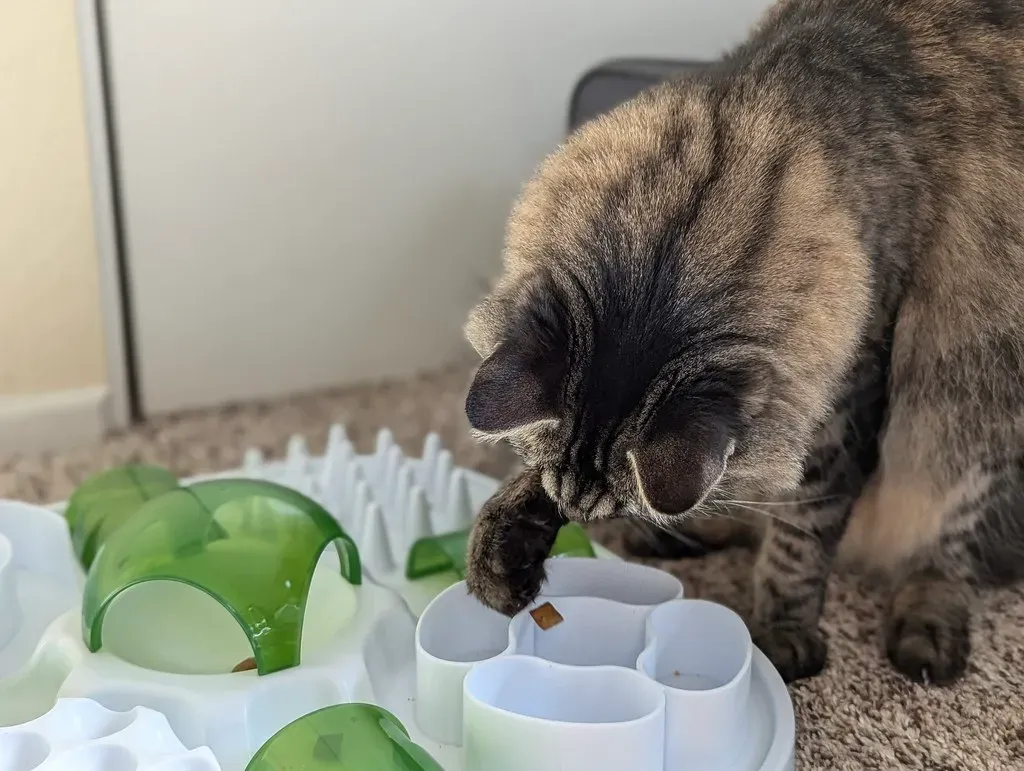
Here’s something most people don’t realize: cats are hardwired to hunt for their meals, yet we often just pile food in a bowl. Puzzle feeders hide kibble or treats inside interactive toys that require pawing or nudging to release food, while scattering small portions of food around the house encourages searching. This taps directly into your cat’s natural instincts.
The beauty of puzzle feeders is they work double duty. Problem-solving exhausts both physical and mental energy, and you’ll be surprised to see how ready your cat will be for a long nap after just five minutes of training or eating from an interactive toy. Start with easier puzzles and gradually increase the difficulty as your cat masters each level. You can even make your own using a muffin tin with tennis balls covering the cups that hide treats underneath.
Establish Daily Interactive Play Sessions
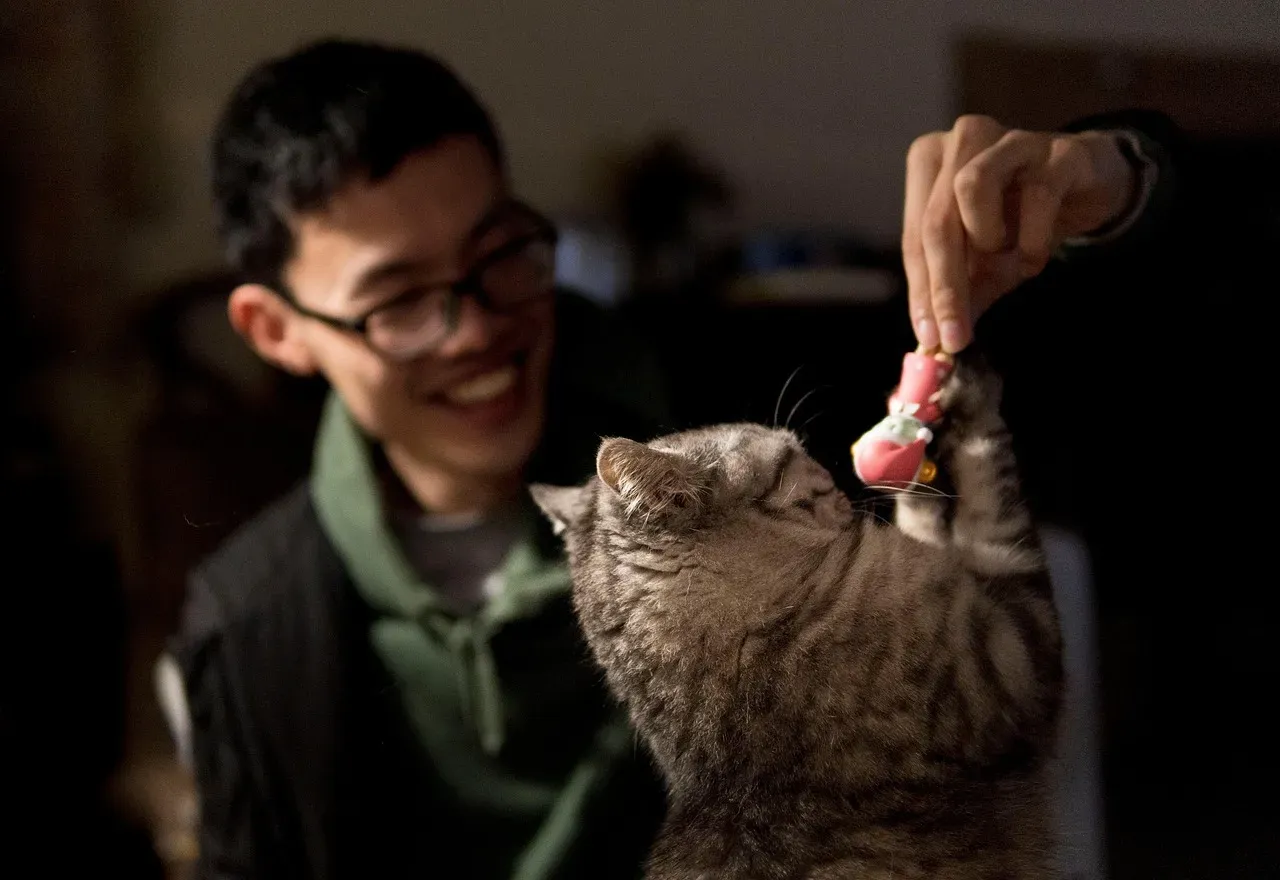
Let’s be real: no toy can replace you. Social activities with humans can be the single most effective way to enrich your indoor cat’s environment, so set a timer for five minutes twice daily and play with your cat, rotating the toys and activities during these periods. This consistent interaction strengthens your bond while giving your cat the physical outlet they desperately need.
Use wand toys with feathers or ribbons to mimic the erratic movements of birds or mice. Let your cat stalk, pounce, and “catch” their prey. Most cats thrive on two or three short play sessions daily, about 10 to 15 minutes each, adjusted for their age and activity level. End each session by letting your cat “win” and catch the toy, followed by a small treat to simulate the reward of a successful hunt.
Rotate Toys to Maintain Novelty
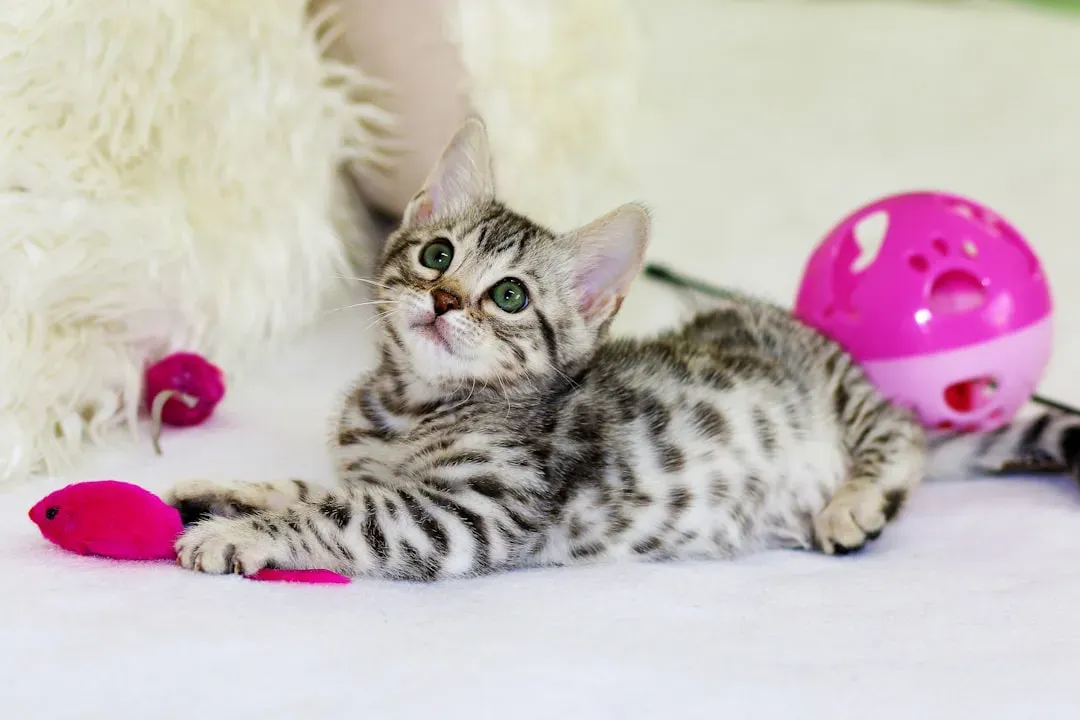
Cats get bored with the same toys, so instead of buying new ones constantly, rotate her favorites every few days. This simple strategy makes old toys feel brand new again. Think about it: that feather wand your cat ignored last week might suddenly become fascinating after it’s been hidden away for ten days.
Keep several sets of toys in rotation and store them in airtight containers with catnip to “marinate” them for added intrigue. Mix different textures, shapes, and sounds to keep your cat curious and engaged. Some cats love crinkly toys, others prefer plush mice, and many go crazy for anything with bells. Pay attention to what your cat gravitates toward and ensure those types appear regularly in the rotation.
Provide Appropriate Scratching Options
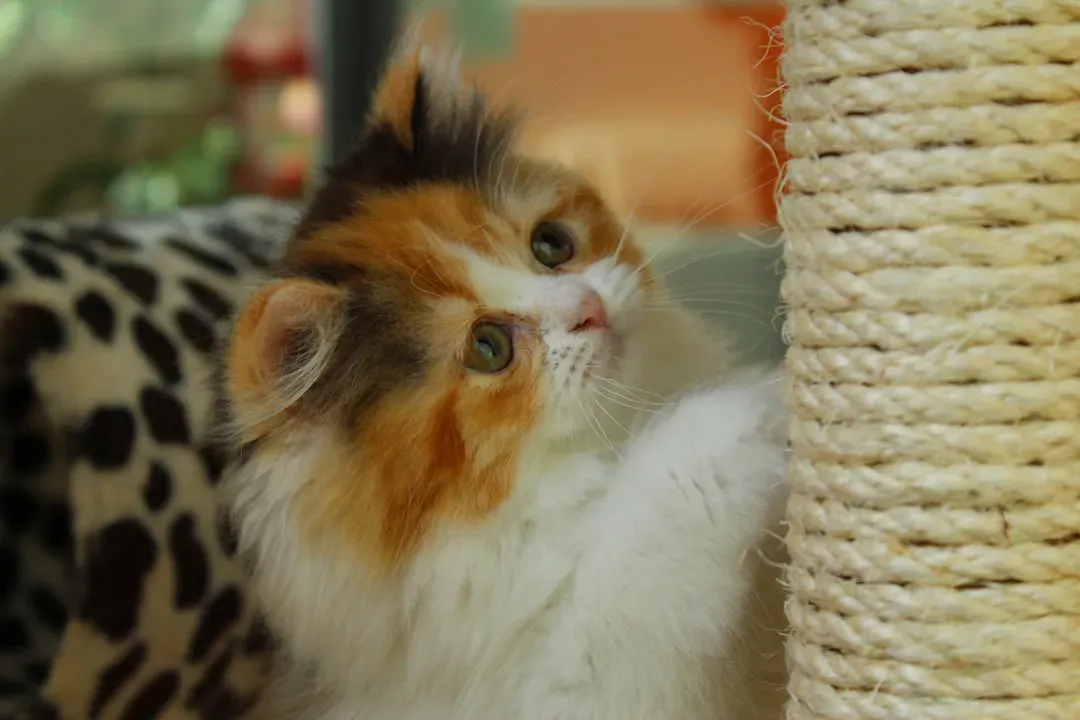
Scratching is a natural instinct for cats that’s essential for their mental health, as cats scratch to keep their claws healthy, stretch out their muscles, and leave scent messages. Without proper outlets, your furniture becomes the unfortunate substitute. The solution isn’t to stop your cat from scratching, it’s to redirect the behavior to appropriate surfaces.
Offer both vertical posts and horizontal pads since cats have individual preferences. Scratching posts come in various materials, such as sisal, cardboard, and rope, so offer several options at first to determine your cat’s scratching preference. Place scratchers near where your cat sleeps since they love a good stretch-and-scratch session right after waking. Reward your cat with treats and praise when they use the appropriate scratching surfaces to reinforce the behavior.
Try Clicker Training and Simple Tricks
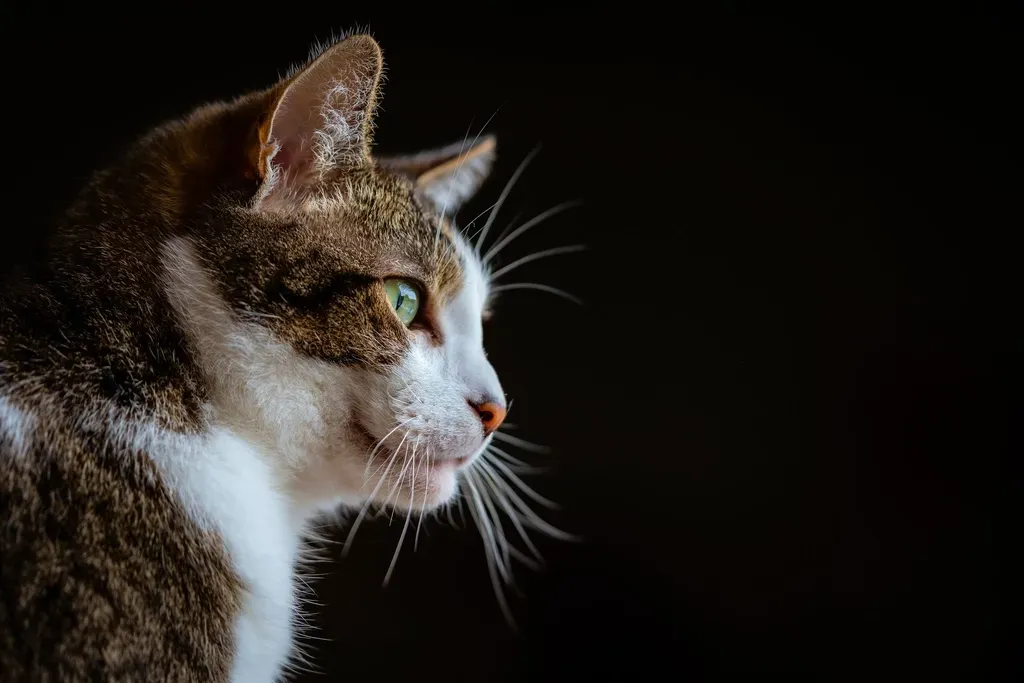
Yes, you can train your cat! Contrary to popular belief, cats are incredibly trainable when motivation aligns with their interests. Using positive reinforcement and a clicker to teach tricks like sit, high five, or spin stimulates your cat’s mind, boosts confidence, and deepens your bond. Training also provides mental enrichment that tires out your cat just as much as physical play.
Start with something simple like sitting or touching their nose to your finger. Keep training sessions short, around three to five minutes, and always end on a positive note. Training isn’t just about tricks either. You can teach cooperative behaviors that make vet visits less stressful, like getting comfortable with nail trims or going into a carrier willingly. The mental challenge keeps your cat engaged and gives them a sense of accomplishment.
Create Safe Outdoor Experiences
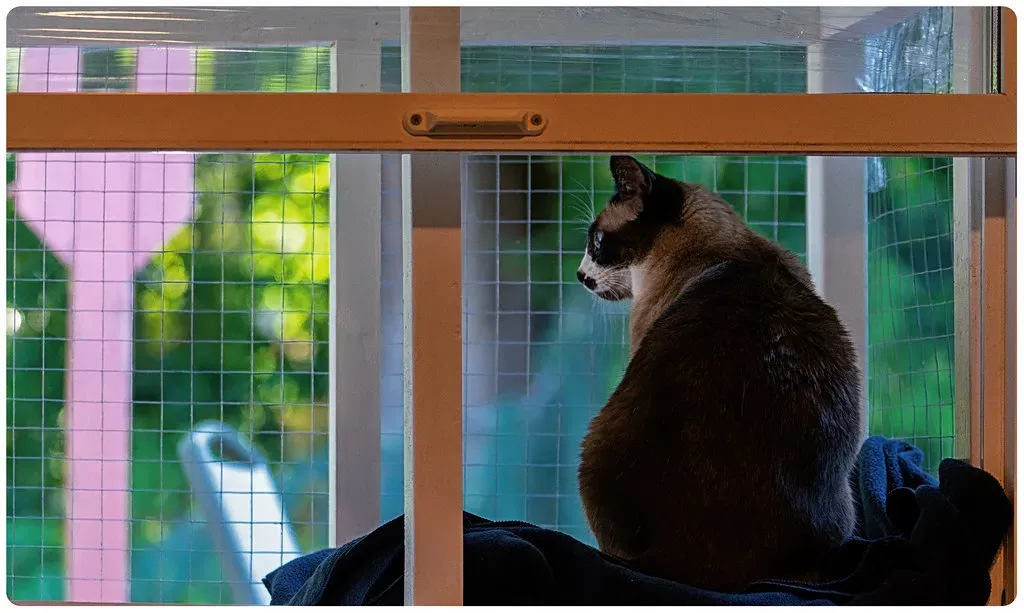
Your indoor cat doesn’t need to roam free to enjoy the outdoors. A catio (cat patio) gives your indoor cat safe access to the outdoors, and you can build one from scratch or purchase modular kits. Even a small enclosed balcony space can become a fascinating outdoor room where your cat experiences fresh air, sunshine, and natural sounds safely.
If a catio isn’t feasible, consider leash training with a proper cat harness. Introduce the harness gradually indoors first, letting your cat get comfortable wearing it before venturing outside. Some cats take to it naturally, while others need more time and patience. Even if your cat never becomes an outdoor adventurer, they can still benefit from screened windows that let in fresh breezes carrying interesting outdoor scents.
Incorporate Sensory Enrichment
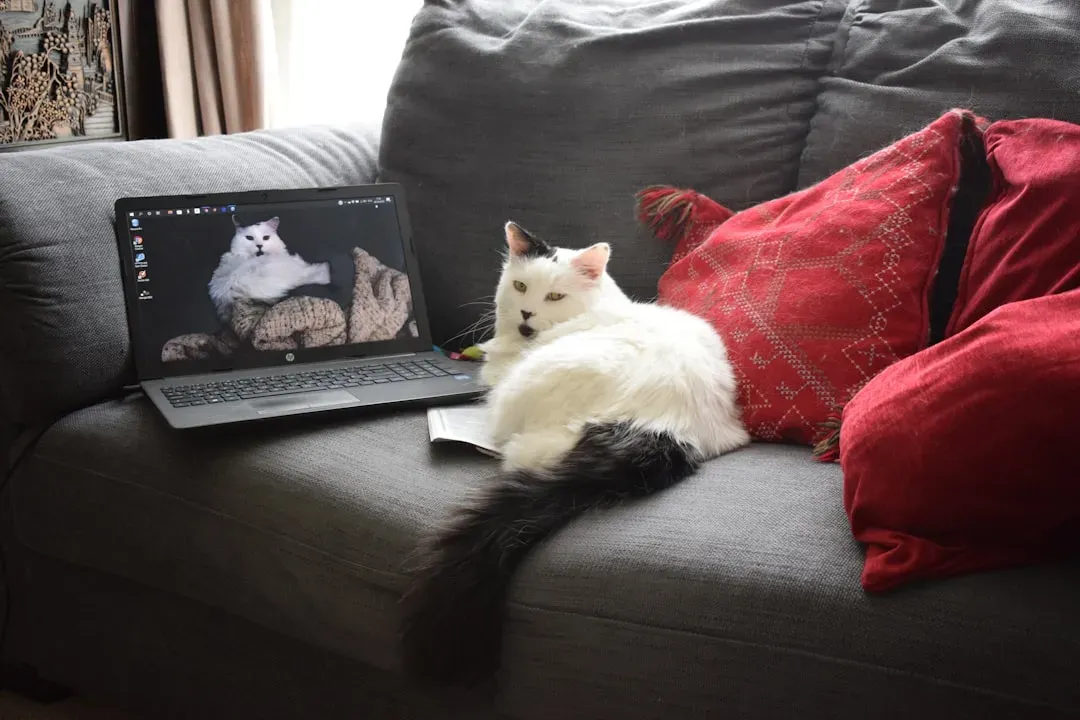
Cats experience the world through all their senses, not just sight. Try playing videos designed for cats featuring birds, fish, or small prey animals on a tablet or television. Some felines respond enthusiastically to these visual stimuli, especially when combined with matching sounds like chirping birds. It sounds silly, but many cats genuinely enjoy this form of entertainment when left alone.
Don’t forget about smell either. Introduce safe, interesting scents like catnip, silvervine, or even herbs like rosemary or mint rubbed on toys or scratching posts. Some cats crave plant matter, so provide safe options while avoiding toxic plants like lilies, pothos, or philodendron. Growing a small patch of cat grass indoors gives your cat something to nibble on that satisfies their natural grazing instinct.
Build DIY Enrichment From Household Items
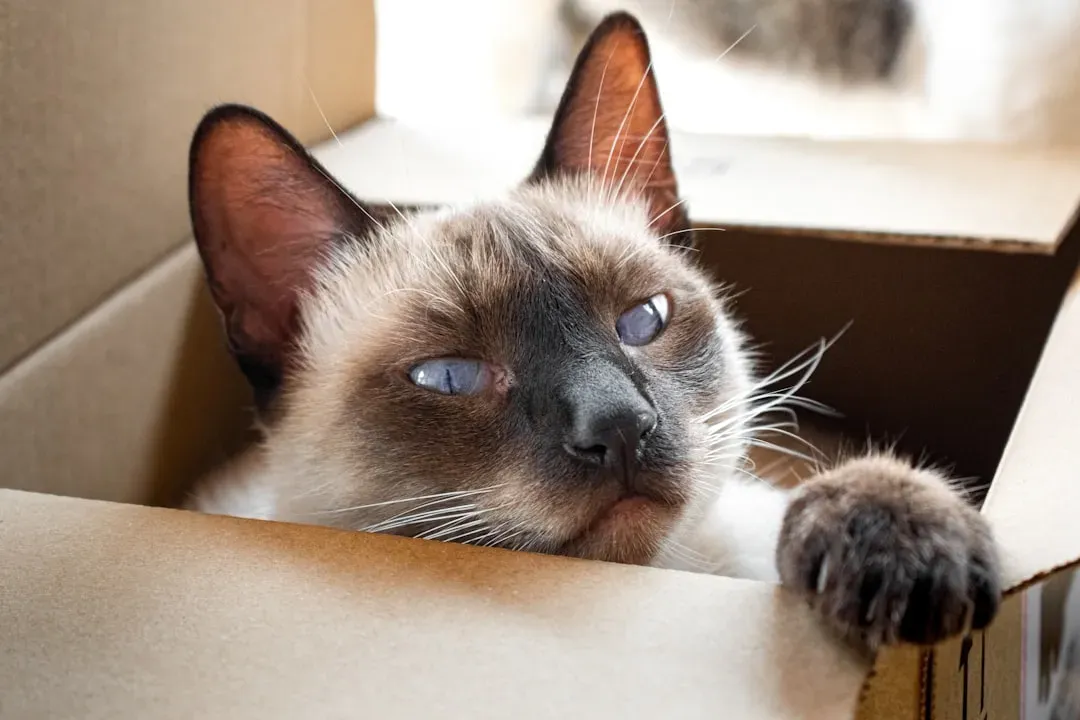
Honestly, some of the best cat entertainment comes from things you probably already have lying around. Cardboard boxes, large paper bags with handles removed for safety, and crumpled pieces of paper are simple and cheap options, along with catnip-filled toys and springs. A plain cardboard box can become a hiding spot, a fort, or a toy all in one.
Create tunnels by connecting multiple boxes with cut-out doorways. Crumple up paper bags for cats to pounce on and explore. Hide treats in toilet paper rolls with the ends folded shut for a DIY puzzle toy. The beauty of household item enrichment is that it’s disposable, so when your cat loses interest or destroys it, you simply recycle it and create something new. This constant novelty keeps your cat’s environment feeling fresh without emptying your wallet.
Conclusion: Small Changes, Big Impact
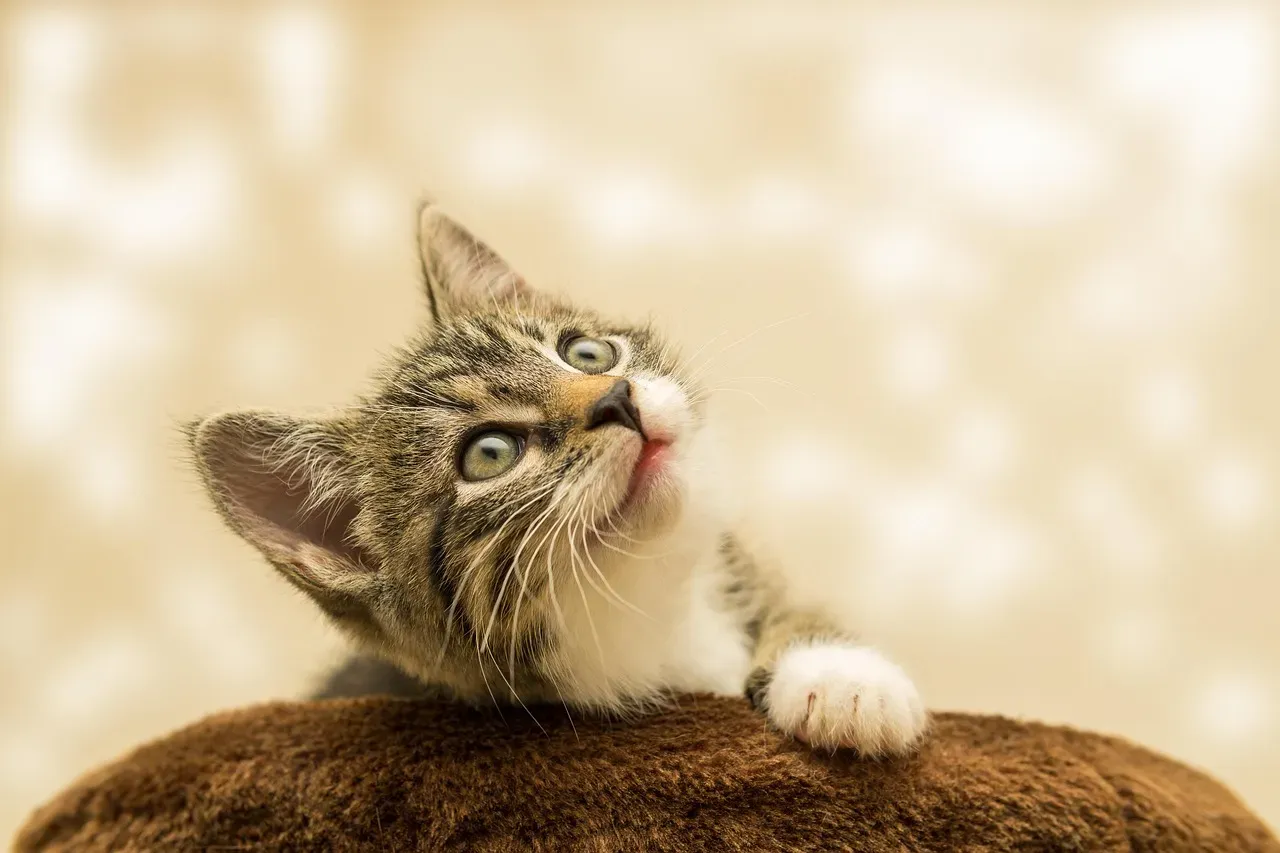
Housing cats indoors confers the responsibility to provide conditions that ensure good health and welfare, as cats maintain their natural behaviors while living indoors, and they may develop health and behavior problems when deprived of appropriate environmental outlets. The good news is that enrichment doesn’t have to be complicated or expensive.
Start with just one or two strategies from this list and observe how your cat responds. Every cat has unique preferences, so what captivates one might bore another. The goal is to create an environment where your cat can express natural behaviors like climbing, scratching, hunting, and exploring in safe, appropriate ways. When you invest time in enriching your indoor cat’s world, you’re not just preventing boredom, you’re actively improving their physical health, mental wellbeing, and overall quality of life. What’s the first enrichment idea you’re going to try? Your cat is watching and waiting!