Have you ever watched your cat suddenly perk up their ears, staring intently at seemingly nothing? While you’re standing there hearing absolute silence, your feline companion is tuned into an entirely different acoustic world. Your cat’s extraordinary hearing abilities put our human ears to shame, detecting sounds that exist far beyond our sensory reach.
Cats can detect sounds in a range of 48Hz to around 85kHz, while we humans detect sounds of 20Hz to 20 kHz. This means your furry friend experiences a significantly broader frequency range, particularly in higher frequencies. Their incredible hearing evolved as a survival tool, helping them hunt tiny prey whose communications occur in frequencies we can’t even imagine. Let’s dive into the fascinating world of sounds that .
Mouse Ultrasonic Conversations
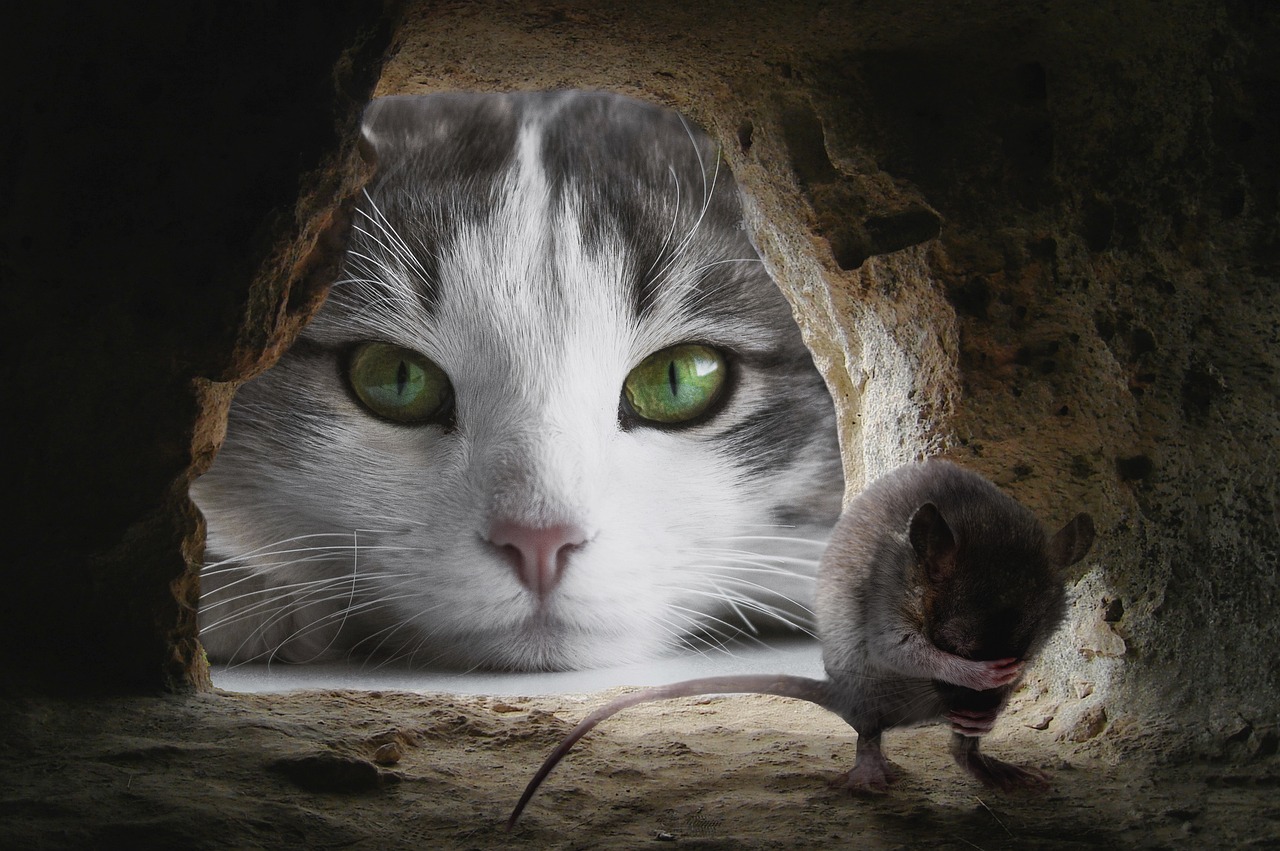
Mice communicate through ultrasonic vocalizations (USVs), which are above the upper limit of human hearing, with frequencies from 30 to 110 kHz. Cats do not use their ability to hear ultrasound for communication but it is probably important in hunting, since many species of rodents make ultrasonic calls.
Think of it like a secret radio station broadcasting right in your living room. While you’re completely oblivious to the chatter, every squeak, chirp, and distress call that mice make to each other. When one pup is separated from their littermates, they produce ultrasonic vocalizations at high rates, originally referred to as “whistles of loneliness”.
Rat Social Communications
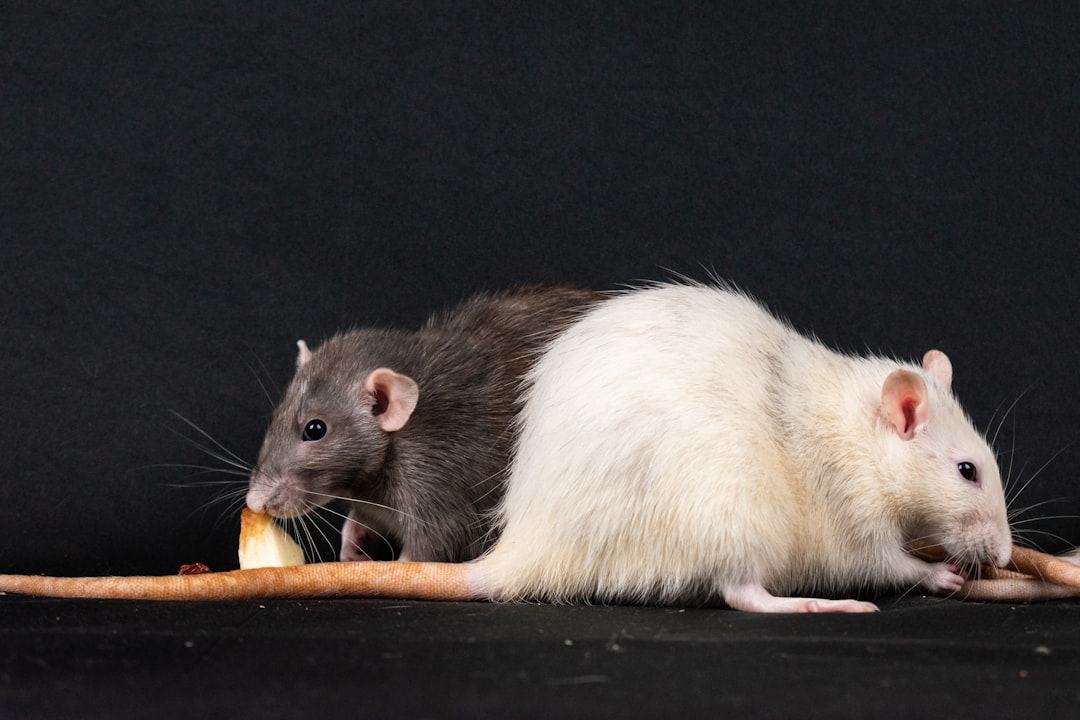
There are three classifications of rat vocalizations: 22-kHz vocalizations, 40-kHz vocalizations, and 50-kHz vocalizations, with adults emitting the 22-kHz and 50-kHz calls while pups emit 40-kHz calls. The 22-kHz vocalizations are emitted in response to aversive situations, while 50-kHz vocalizations are produced during appetitive situations such as social play and mating behavior.
Your cat essentially has access to the complete emotional spectrum of rat conversations. Since 22-kHz calls are emitted in response to unpleasant situations, they serve as threat signaling to decrease aggressive encounters or as alarm calling to warn others of danger. It’s like having subtitles for rodent drama playing out in your walls.
Electronic Device High-Frequency Emissions
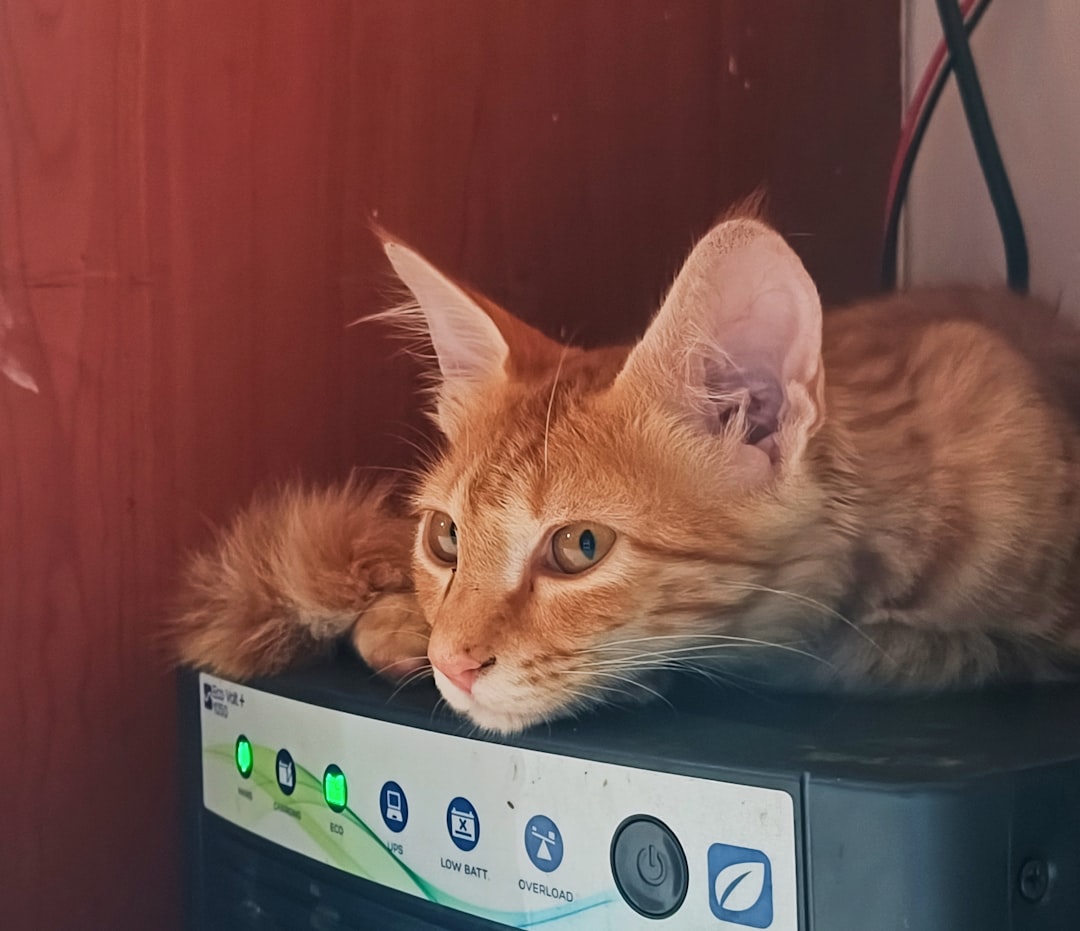
Many human engineered devices produce sound in the ultrasonic range, including cell phones, smart TVs, security cameras, computers, televisions, smoke detectors, and even remote controls. Because they can hear at the ultrasonic level, mechanical whining noises from things like refrigerators, air conditioners, fans, and vacuum cleaners may be especially annoying.
Your peaceful home might sound like a construction site to your cat. Many household items, especially machinery, makes ultrasonic noise – “ultrasonic” only means that we can’t hear it, but our hearing is far inferior to our cat’s. This explains why some cats seem agitated around certain appliances or electronic equipment that appear completely silent to us.
Ultrasonic Pest Repeller Frequencies

Ultrasonic pest repellers emit high-frequency sound waves, typically ranging from 20 kHz to 65 kHz, and cats’ hearing range spans from 48 Hz to 85 kHz, making them capable of detecting these sounds. Cats have a frequency range of 48 Hz to 85 kHz, which is well within the high frequencies emitted by ultrasonic pest repeller devices, though they are generally unbothered by the high-frequency sounds.
Ironically, devices designed to repel pests using sounds we can’t hear are perfectly audible to your cat. Cats are sensitive to changes in volume or intensity, and loud noises can cause irritation, discomfort, and even anxiety. The good news is that most cats adapt well to these devices when used at reasonable volumes.
Bat Echolocation Calls
Bats have hearing ranges that can reach up to 200 kHz for some species, and cats can hear ultrasonic pulses that bats use. Ultrasound is necessary for the type of prey cats hunt, and they can hear ultrasonic pulses bats use as well as the sounds of mice and other rodents.
While bats navigate through the night using sophisticated sonar systems, your indoor cat picks up on these acoustic signals too. This ancient predator-prey detection system means your cat might become alert to bat activity long before you notice any flying visitors around your home. It’s like having a natural early warning system that operates on frequencies beyond human perception.
Air Conditioner and Fan Motor Harmonics

Cats hear at ultrasonic frequencies and their health may be at risk, as “inaudible sounds” have been found to affect endocrine and cardiovascular function, sleep-wake cycles, seizure susceptibility and behavior. Many household items, especially machinery, makes ultrasonic noise, and if your cat howls when it’s on and stops when it’s off, it’s probably because it’s making sound that we can’t hear.
Those seemingly quiet appliances running in the background create a constant soundtrack for your cat. Motor vibrations and electrical components generate harmonics that extend well into ultrasonic ranges. This might explain why some cats prefer certain rooms or seem restless when specific appliances are operating, even when they appear completely silent to human ears.
Mobile Phone and WiFi Router Electromagnetic Noise
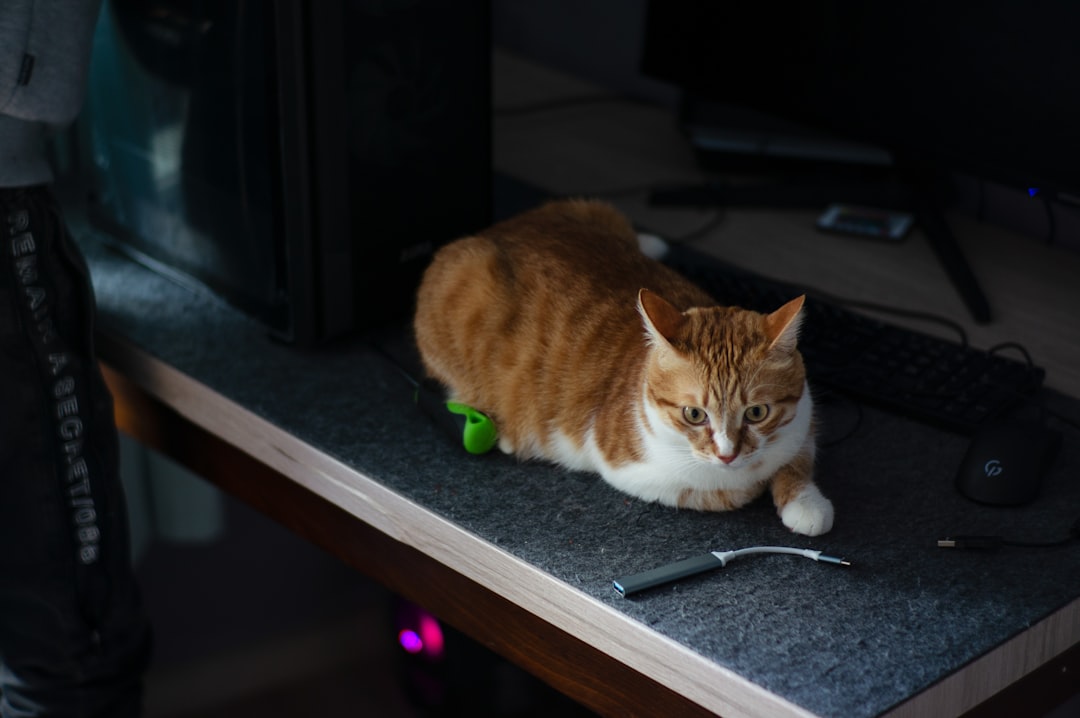
Some noise we may not even hear, although our cats do, and given their ability to hear noises that are inaudible to humans, cats can be annoyed by sounds we don’t even know exist, though we don’t know how this cacophony of electronic sounds affects our cats’ health. It’s wiser to set aside a quiet room free of electronic devices, and locate home media equipment in a closet or garage to isolate ultrasound as well as audible noises.
Your connected home creates an invisible acoustic environment that’s constantly active. Modern wireless devices, charging stations, and network equipment generate electromagnetic interference that can manifest as audible frequencies within your cat’s hearing range. This digital noise pollution represents a completely new environmental challenge that cats have had to adapt to in recent decades.
Insect Communication Frequencies
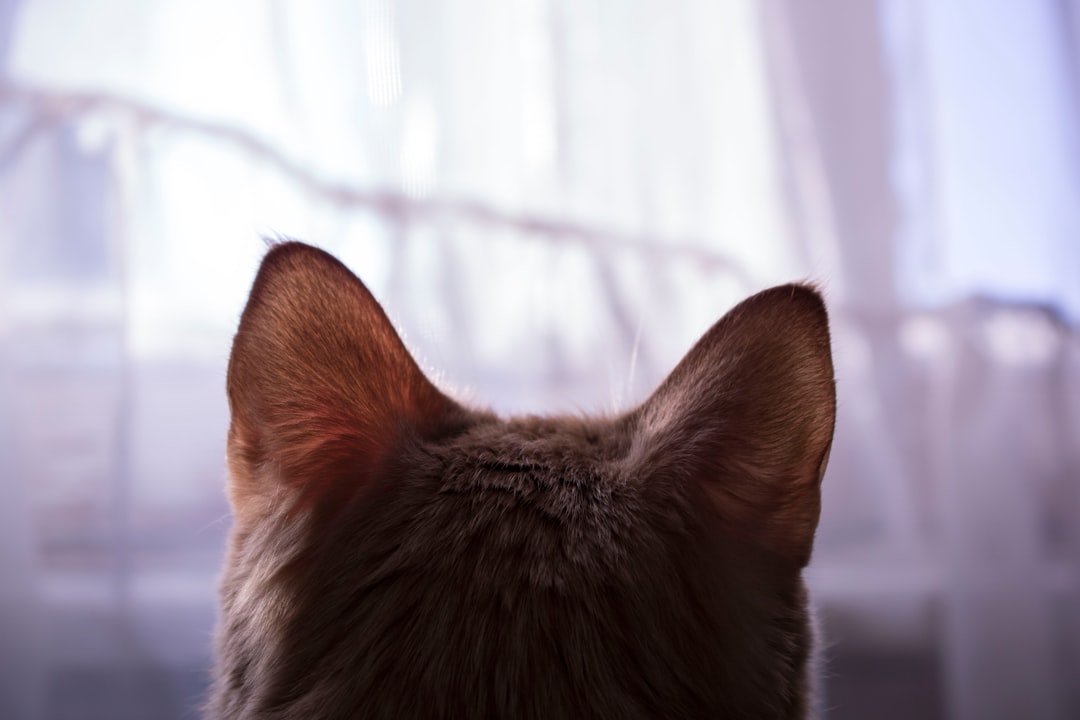
Greater wax moths have the highest recorded sound frequency range at 300 kHz, likely to help them evade bats. Many insects use ultrasonic frequencies for communication and predator avoidance that fall within your cat’s remarkable hearing range.
The insect world operates on a frequency spectrum that’s largely invisible to us but crystal clear to your feline companion. Grasshoppers, moths, and many other small creatures produce calls and defensive sounds in ultrasonic ranges. Your cat can detect the subtle acoustic signatures of tiny prey moving through grass or hiding in corners, giving them a significant hunting advantage that we can barely comprehend.
High-Frequency Mechanical Vibrations
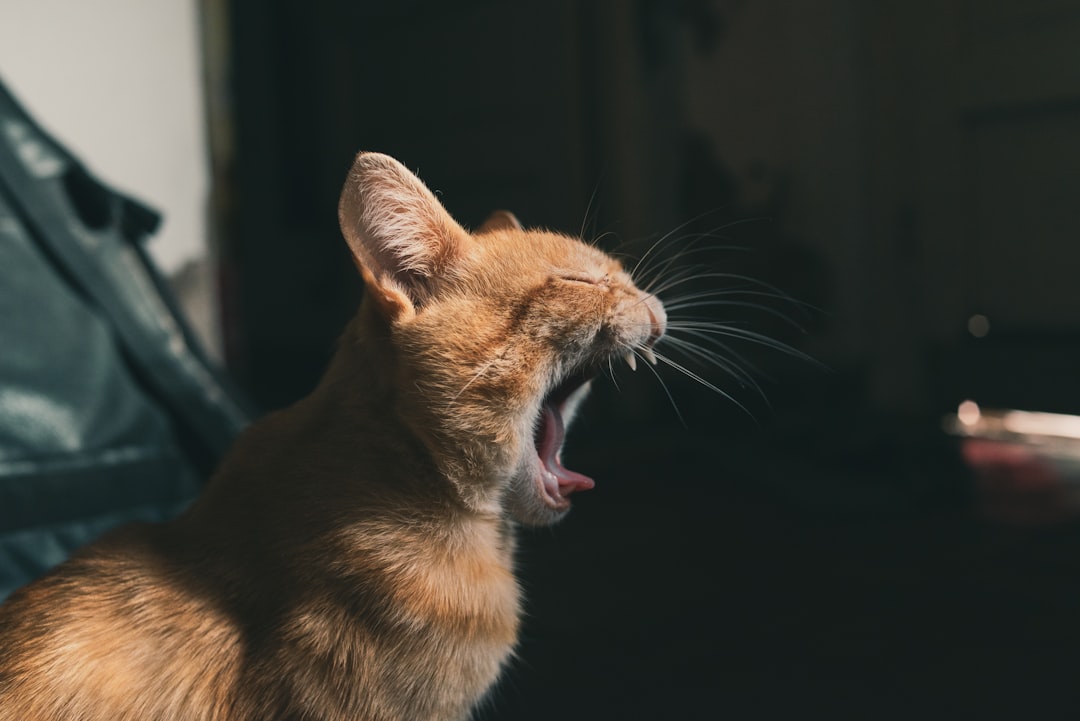
Cats can hear sounds from approximately four to five times farther away than humans can, and under optimal conditions, they can detect subtle sounds like the movement of small prey from up to 100 feet away. Cats can distinguish between sounds that are just 3 inches apart from a distance of 3 feet, and they can do this in less than 0.06 seconds.
Structural vibrations in buildings, subtle creaking in furniture, and microscopic movements in walls all register in your cat’s acoustic world. When pipes expand with temperature changes or wooden structures settle, these mechanical processes generate frequencies that travel well beyond human hearing capabilities. Your cat essentially has access to the building’s acoustic fingerprint, detecting structural changes and movements that completely escape our notice.
Weather-Related Infrasonic and Ultrasonic Activity
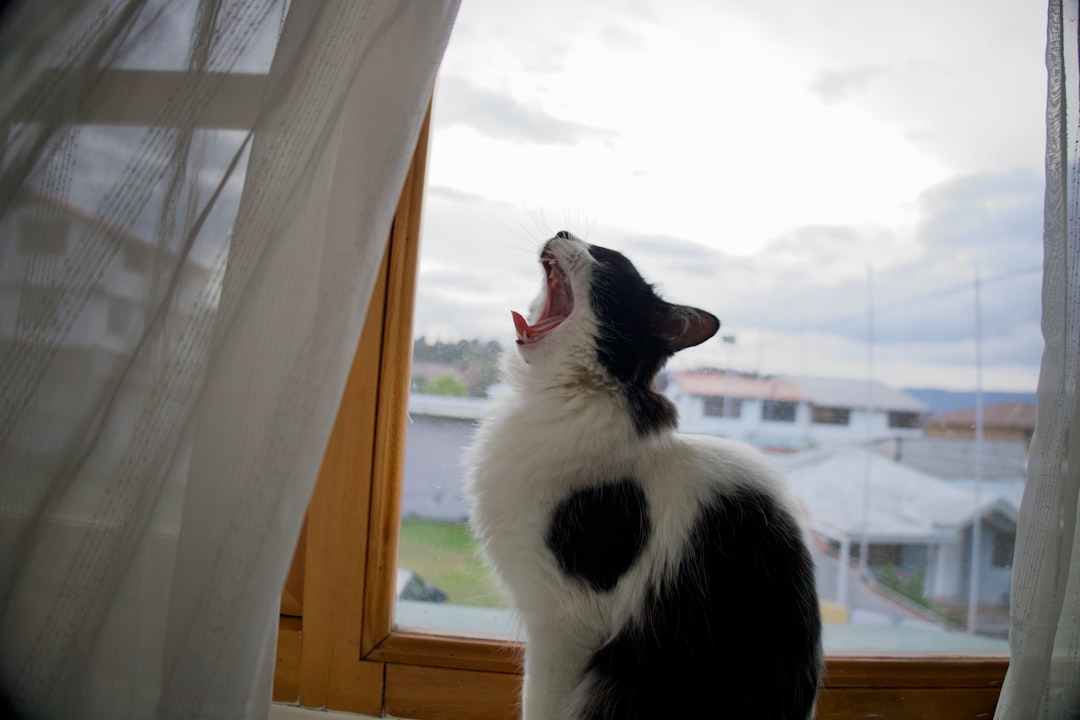
The bigger wild cats can detect infrasonic sounds, and many natural occurrences such as avalanches, earthquakes, volcanoes and severe weather produce infrasonic sound, with infrasonic sound generating a feeling of impending doom or dread. Whether cats can detect impending natural disasters by hearing subsonic sound waves is unclear, although detecting movement of some natural occurrences such as earthquakes may be more likely.
Atmospheric disturbances create complex acoustic signatures that extend far beyond human perception. While large weather systems generate infrasonic rumbles below our hearing threshold, they also produce ultrasonic components from wind interactions, pressure changes, and electrical activity. Your cat might sense approaching storms or atmospheric shifts through these acoustic early warning signals, explaining why some cats become restless before weather changes that seem to come out of nowhere to us humans.
The acoustic world your cat inhabits is incredibly rich and complex, filled with conversations, warnings, and environmental information that we can only imagine. Cat hearing is most sensitive between 500 Hz and 32 kHz, being among the best of any mammal. Next time you see your cat suddenly alert to something you can’t detect, remember that they’re tuned into frequencies and sounds that exist in a parallel acoustic dimension, giving them sensory superpowers that continue to amaze researchers and cat lovers alike.
What do you think about your cat’s incredible hearing abilities? Tell us in the comments if you’ve noticed your feline friend reacting to sounds you couldn’t detect.