Cats are mysterious creatures. They strut around your home like tiny landlords, occasionally grace you with their presence, and somehow manage to make you feel both deeply loved and completely irrelevant – sometimes within the same hour. Honestly, it’s part of their charm. The question is, beneath all that feline independence, does your cat actually feel safe and at peace in your home?
Here’s the thing most cat owners don’t realize: your cat is sending you signals all the time. Quiet, subtle, easy-to-miss signals that, once you learn to read them, paint a surprisingly vivid picture of how your cat truly feels. You don’t need a degree in animal behavior to understand them. You just need to know what to look for. Let’s dive in.
1. Your Cat Sleeps in Vulnerable, Wide-Open Positions
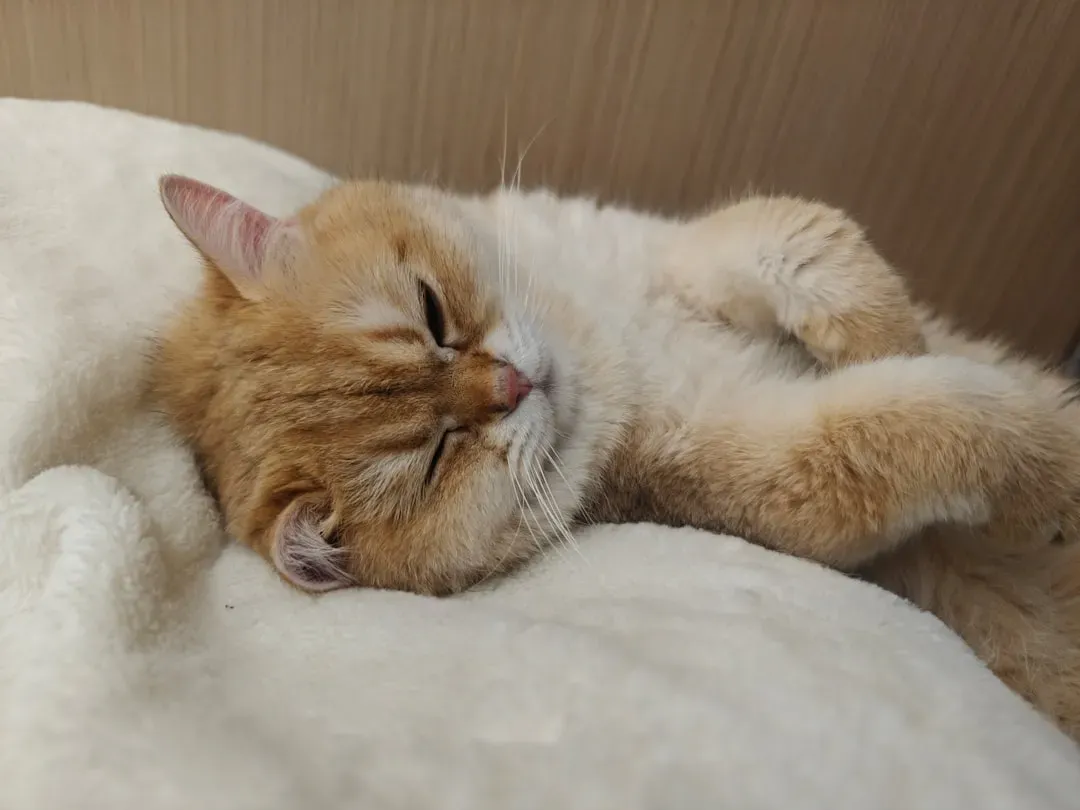
Think about it this way: would you fall into a deep, sprawling sleep in a place where you felt even slightly unsafe? Probably not. Cats operate on the exact same instinct. A cat that feels safe and comfortable in their home will confidently sleep in vulnerable positions, like lying in the middle of the living room with their belly fully exposed. That fluffy belly pointed skyward isn’t just adorable. It’s a statement of total trust.
One of the clearest signs your cat feels emotionally safe is when they choose to sleep near you, or even on you, because sleep is when cats are most vulnerable, and their willingness to drift off in your company speaks volumes. An animal is never more vulnerable than when asleep, so the fact that your cat sleeps near you is a major indicator that they feel safe in your presence. If you find your cat snoozing belly-up right in the middle of the room, take it as the highest of compliments.
2. You Receive the Slow Blink
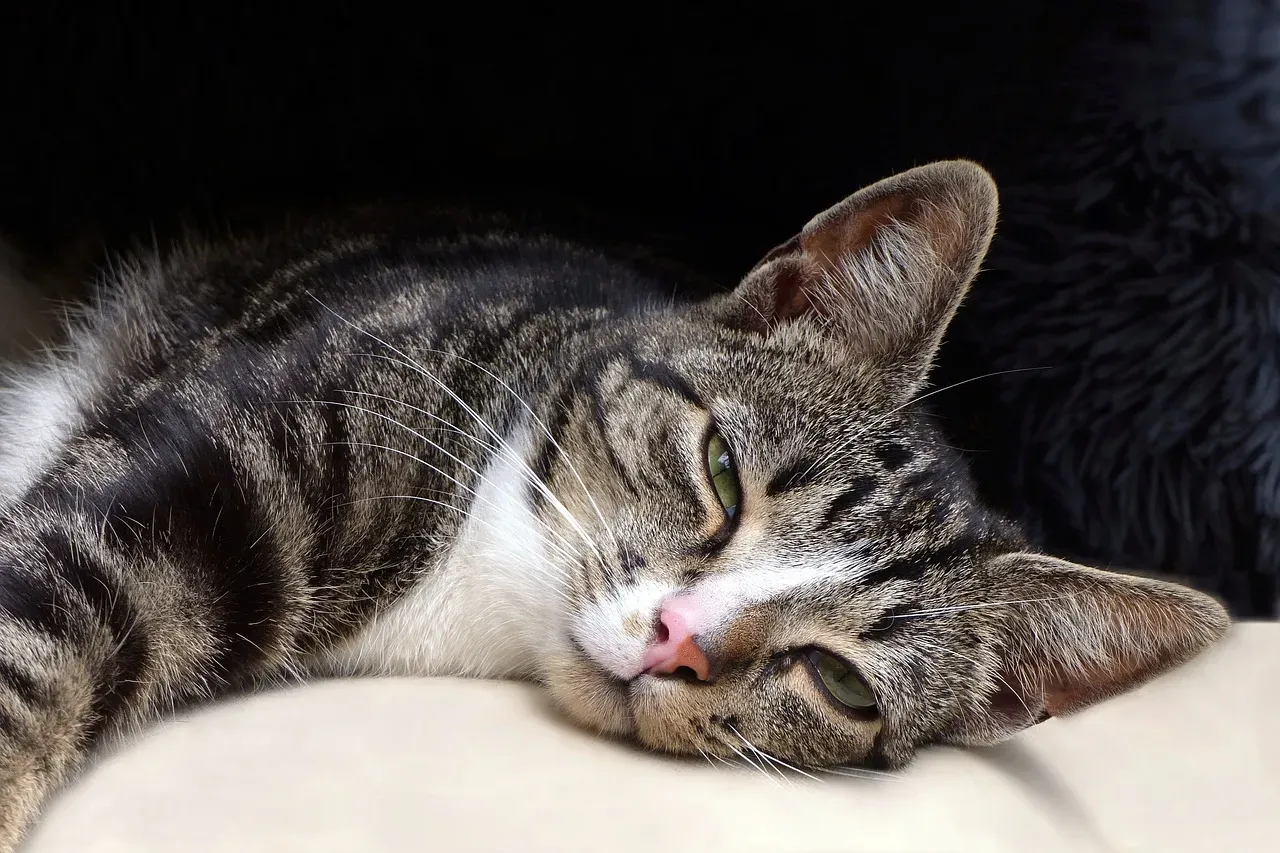
There’s something almost magical about a cat that looks at you from across the room and slowly, deliberately closes and reopens its eyes. It looks lazy, almost dismissive. In reality, it’s one of the most affectionate gestures a cat can offer. Cats use slow blinking to demonstrate affection and trust, and eye contact is an important form of communication for them – if your cat holds eye contact with you while relaxed and gives a slow blink every now and again, this is a definite sign of affection and trust.
If your cat gives you a slow blink or gently closes their eyes around you, it’s a sweet sign your cat trusts you, as cats actually communicate with their eyes – in fact, a slow blink is like a “cat kiss,” showing they feel safe, relaxed, and affectionate toward you. Try blinking slowly back at your cat next time. To bond with a cat that blinks slowly at you, you can return their gesture by blinking slowly back at them. It’s surprisingly effective.
3. Your Cat Walks Around With a High, Upright Tail
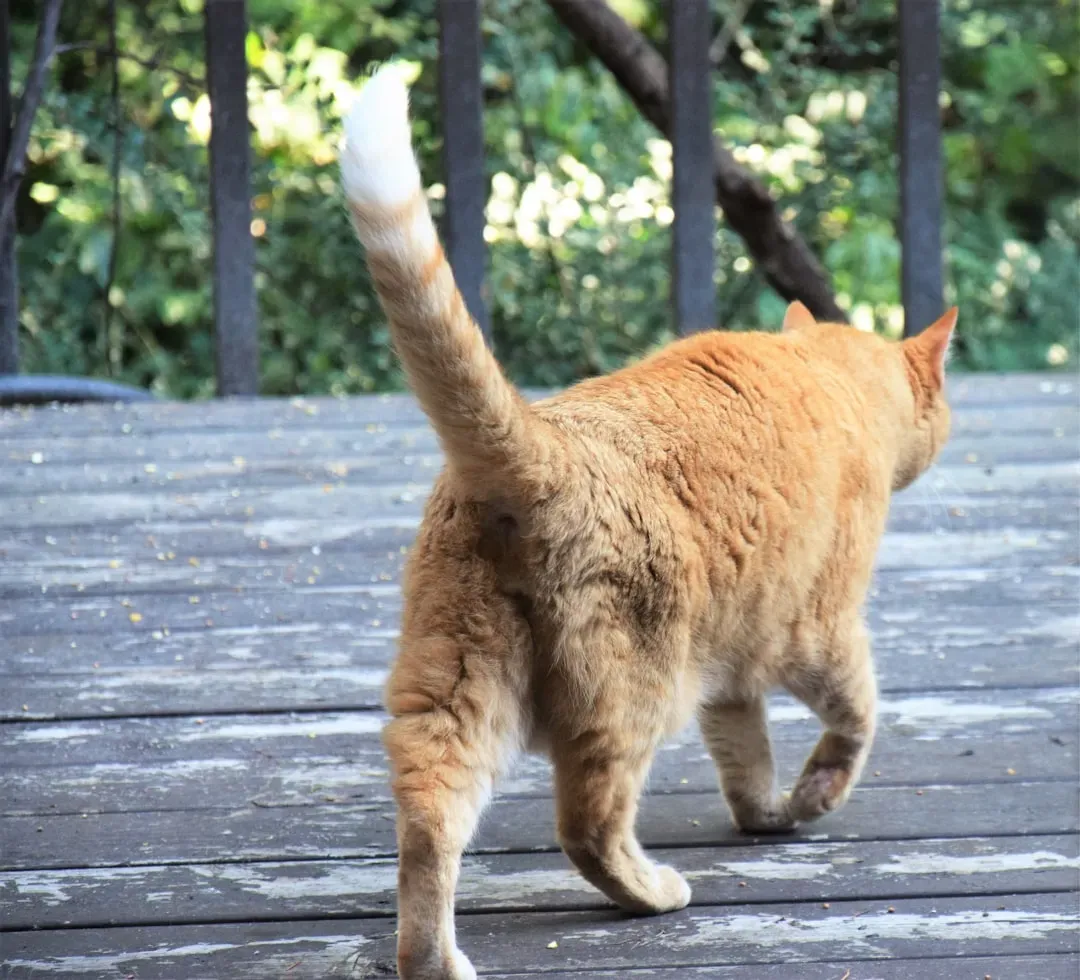
Your cat’s tail is basically a mood barometer, and once you start paying attention to it, you’ll never unsee it. A cat holding its tail up high is a classic sign of confidence and comfort, and along with other confident body language such as erect ears and a relaxed posture, this behavior indicates that your cat feels safe and happy in their surroundings. It’s the feline equivalent of someone walking into a room with their head held high.
When your cat approaches you with their tail held high, sometimes with a gentle kink at the tip, it’s a sweet sign your cat trusts you and feels confident around you. One of the most positive signs in cat body language is a tail held straight up, as this upright position shows confidence, happiness, and approachability – often the tail tip may curve slightly, almost like a friendly wave, and cats that greet you at the door with this posture are expressing warmth and affection. You’re their person, and that tail is essentially waving hello.
4. Your Cat Kneads on You or Your Belongings
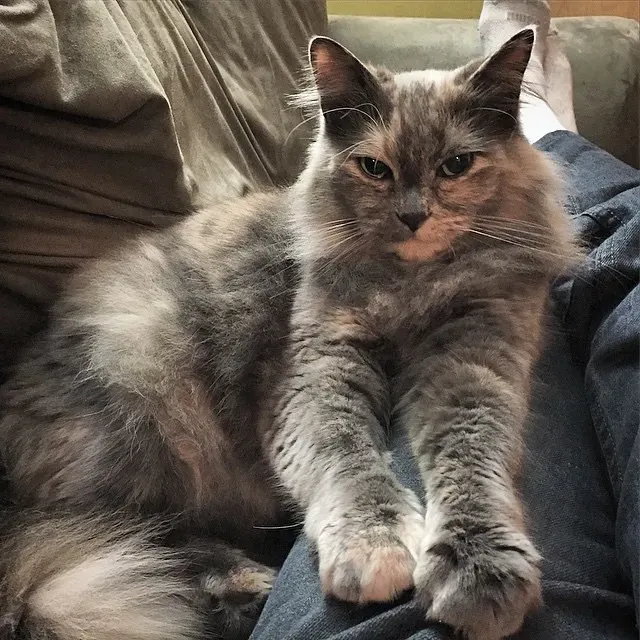
If your cat has ever climbed onto your lap and started rhythmically pressing their paws into your legs like they’re making bread dough, you’ve witnessed one of the most deeply rooted comfort behaviors in the feline world. It might feel a little strange – especially when the claws come out – but I think it’s genuinely one of the sweetest things a cat can do. Cats may knead blankets, clothing, or even your skin, and this behavior brings comfort and releases endorphins in the cat’s brain that make it feel safe and content.
Cats knead for several reasons – they may be doing this as a way of showing that they feel secure with you, just as they felt when they were with their feline mother and their litter, and as they have scent glands on their paws, it could also be that they’re marking you as their territory, a sure sign of trust. Those tiny rhythmic paw presses are actually a loving behavior rooted in kittenhood, as kneading is when a cat rhythmically presses their paws into you, and it’s a behavior that stems back to that early bond with their mother. Your home has become their safe haven, and you’ve become their person.
5. Your Cat Headbutts and Rubs Against You
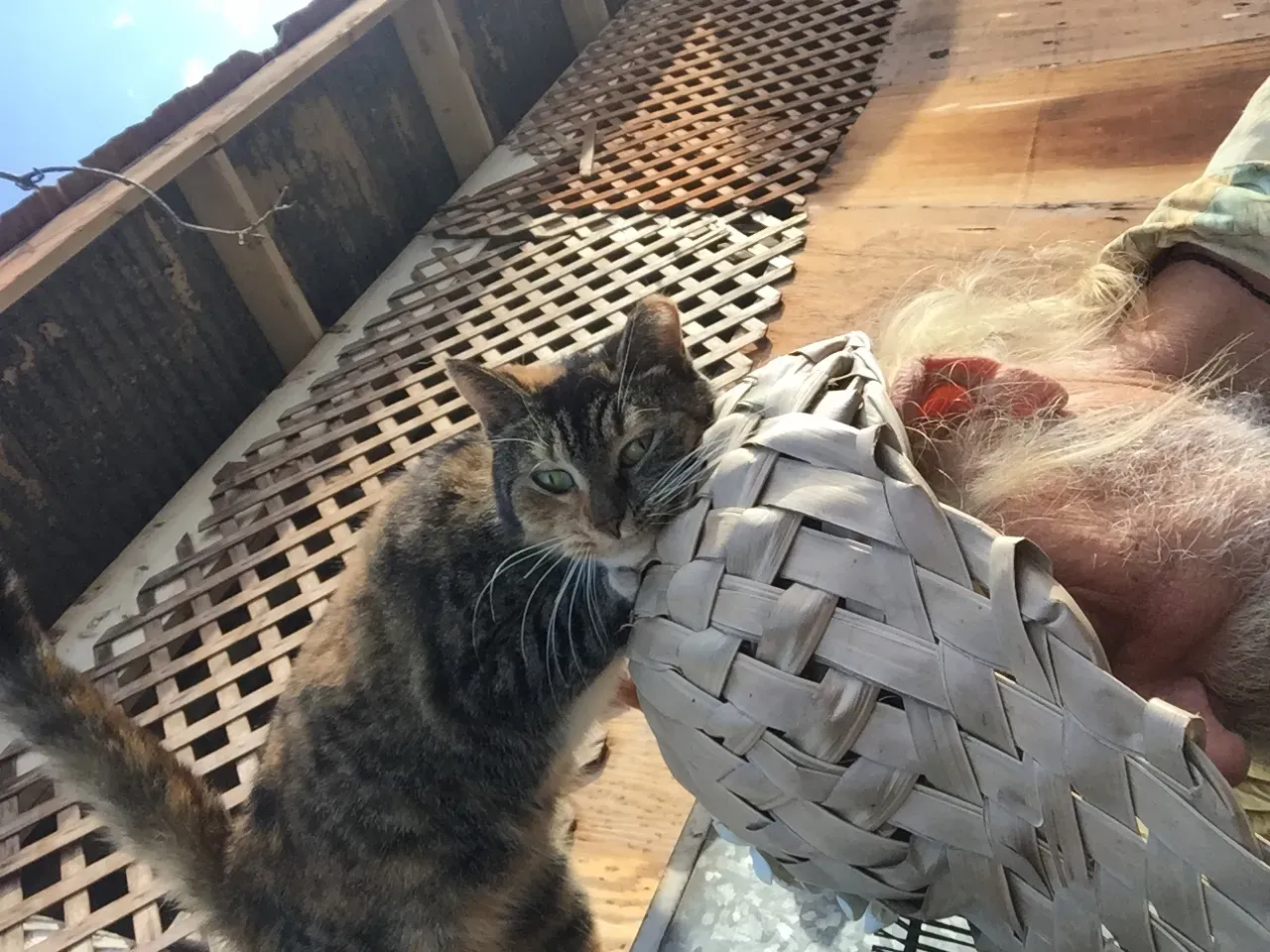
Let’s be real – getting headbutted by a small furry animal sounds almost comical. Yet in the world of cats, this gentle bonk of the head is one of the most sincere and meaningful expressions of trust they can offer. Bunting, or head-butting, is when cats bump you with their heads as their way of saying hello, and cats will also perform a behavior called allorubbing, completing “circle-eights” around your legs or bumping their bodies up against yours – this is their way of transferring their scent to you and “claiming” you as their human.
If your feline friend likes to headbutt you or rub their head against you, this is a sign that you’re familiar to them and they’re showing you their respect – cats deposit pheromones on you when they headbutt, which is a way for them to mark their territory and show that you’re safe to be around, meaning if your cat does this, they trust you and see you as their best friend. Think of it as the cat equivalent of signing their name on you. You belong to them, and they’re proud of it.
6. Your Cat Follows You From Room to Room
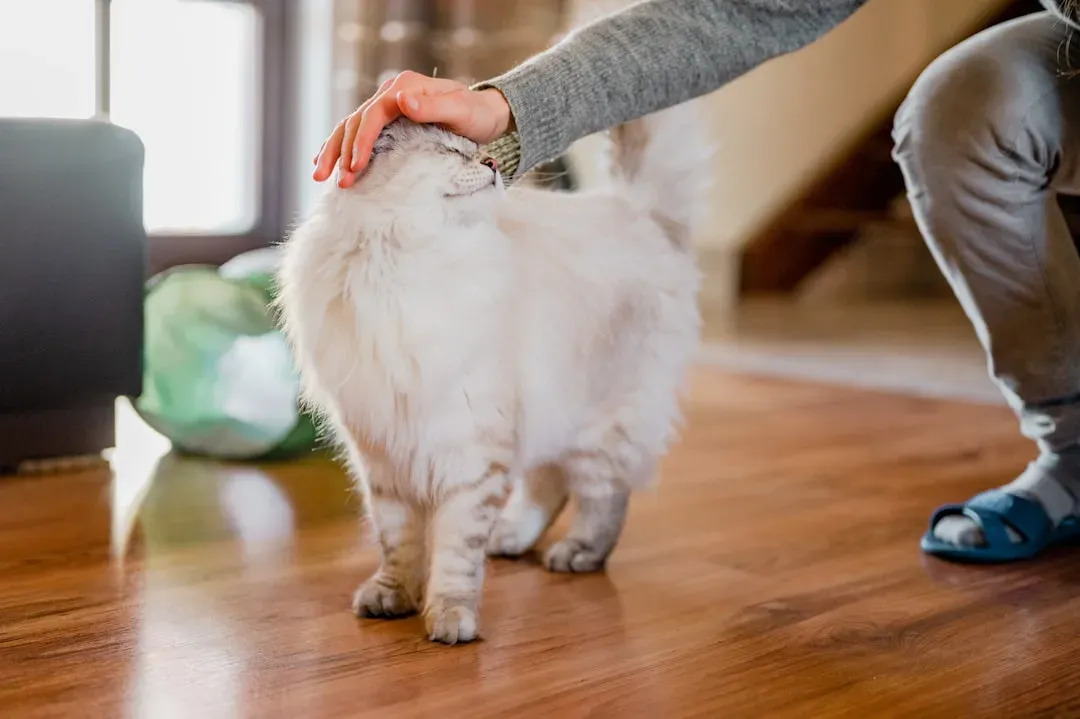
You’ve probably noticed it – you get up to make coffee, and suddenly there’s a small furry shadow at your heels. You head to the bathroom, and somehow your cat is already there waiting. It might feel like surveillance, but it’s actually something far warmer than that. Not every cat will follow you around, but when they do, it’s a clear sign your cat trusts you – “In the wild, cats do not follow other animals unless they feel secure and protected,” and when a cat follows you around, “it is choosing you as its safe person.”
If your cat chooses to spend the majority of their time in the same room as you, that’s a good indicator that they feel safe – this doesn’t necessarily mean they are always cuddled up next to you, as some cats simply don’t like being touched, but given the option, a cat who feels safe with you will usually choose to at least be in the same room as you, rather than off on their own. Your presence is their anchor. Your home, with you in it, is where they feel most at peace.
7. Your Cat Grooms You
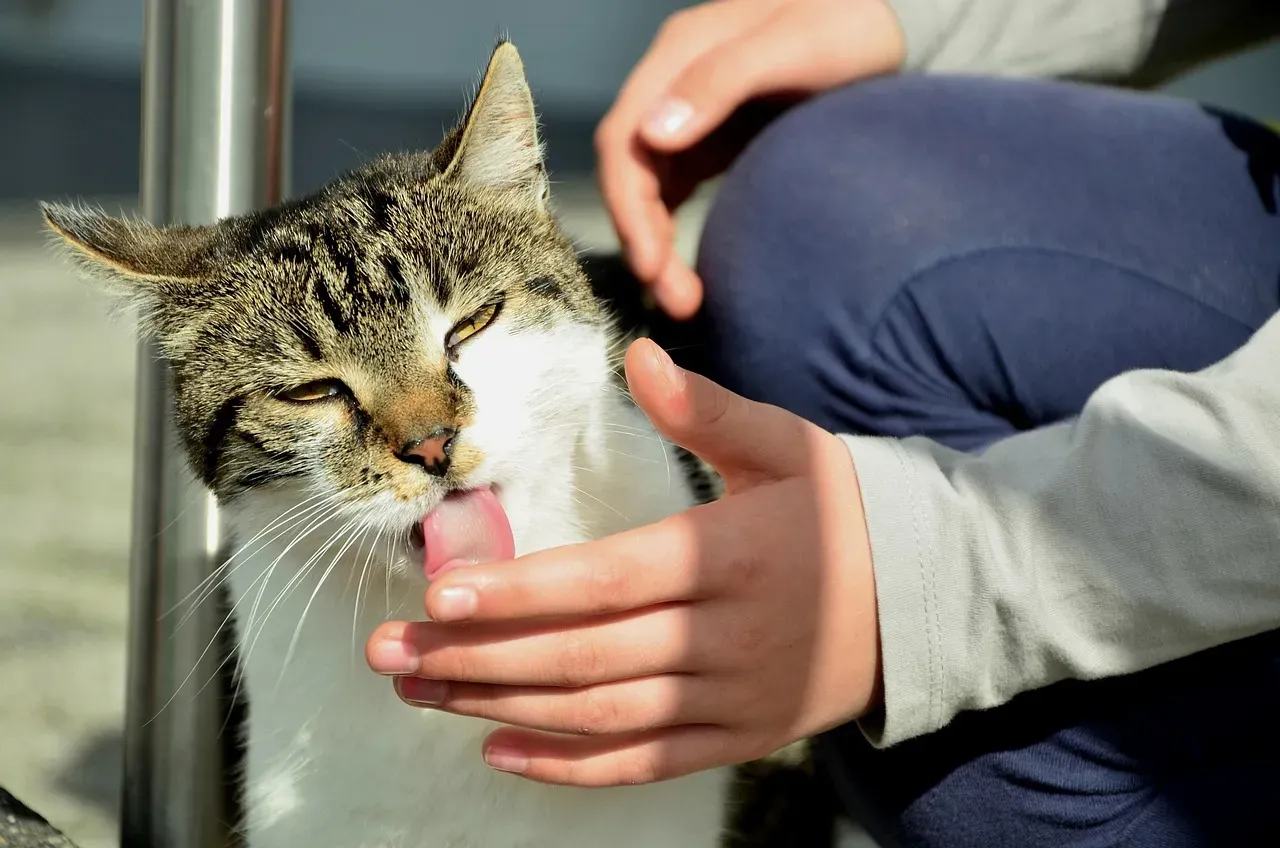
The moment a cat starts licking your hand, arm, or even your hair, a lot of people instinctively pull away. It feels a little odd, especially if you know where that tongue has been. But honestly, if your cat is grooming you, you should be deeply flattered. Grooming is a way cats show their affection – when a cat licks your skin or hair, it’s mimicking the grooming behavior they use with other cats, and this action signifies that they see you as part of their social group and trust you enough to share this intimate behavior.
If your cat starts licking you or grooming your hair, you’ve been accepted as a member of their family – cats groom those they love and trust, and returning the favor by brushing them won’t go unnoticed. In their world, grooming is reserved for those they consider family. There’s no higher social invitation in the feline universe. Your home has essentially become their pride, and you’ve been inducted into it.
8. Your Cat Gives You Their Belly
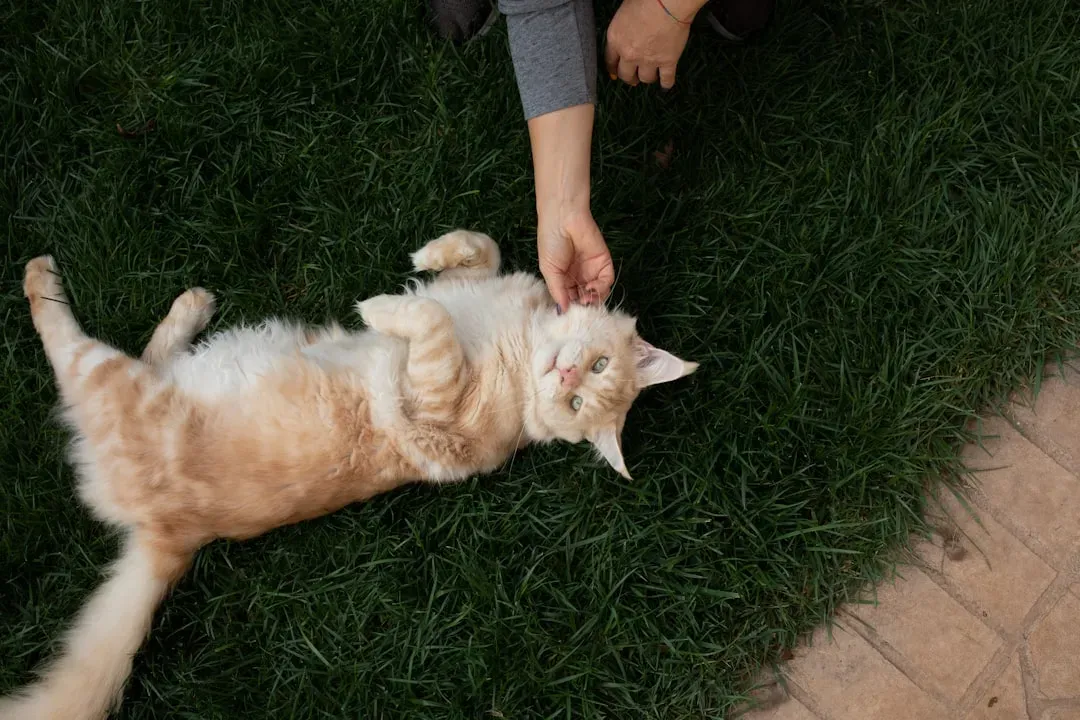
The belly roll. Few things are more tempting to a cat owner than spotting your cat flopped over, belly fully exposed, eyes half-closed in bliss. It looks like an invitation. It feels like one. Proceed carefully, though, because the meaning behind it and the permission to touch it are two very different things. When a cat rolls over and exposes its belly, it’s showing a great deal of trust – the belly is a vulnerable area, and by exposing it, your cat is indicating that they feel safe and comfortable with you, though not all cats enjoy belly rubs.
Showing their belly – while displaying their most vulnerable part of their body is the ultimate display of relaxation and trust from a cat, you should heed the warning: don’t mistake this for an invitation to actually rub their belly or you might end up getting a bite or scratch. Cats who roll around or lay on their backs are demonstrating that they are happy, comfortable, and feel safe being around you, as in stressful or dangerous environments, these body behaviors are not observed. Read the room, enjoy the moment, and maybe resist the urge to dive in for the belly rub.
9. Your Cat Uses Soft, Conversational Vocalizations
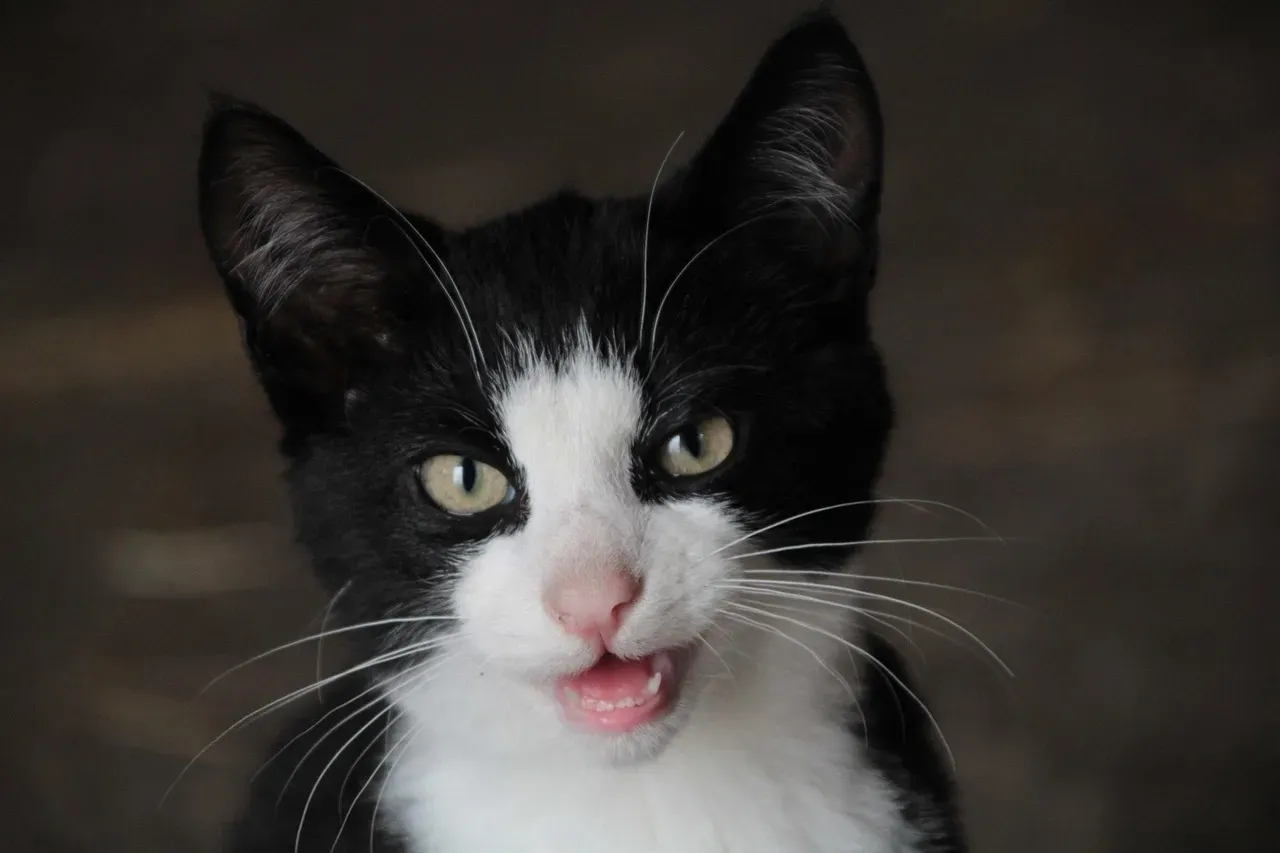
There’s a big difference between a cat yowling at 3 a.m. for breakfast and a cat that chirps softly at you as you walk past. Most people don’t realize how much meaning is packed into those quiet little sounds. Gentle and soft vocalizations, like low talking or chirping sounds similar to purring, can be a sign your cat feels safe and relaxed, and understanding these subtle cat vocalizations is key to recognizing when your feline friend is happy and comfortable in their environment.
Safe and happy cats often express themselves with gentle sounds like soft meows, trills, or chirps – these are friendly, conversational noises that invite interaction, and if your cat greets you with a quiet “hello” or “talks” to you during daily routines, it’s a sign they feel comfortable and want to communicate, as these soft vocalizations are far different from the loud yowls or hisses that signal distress or discomfort. If your cat holds little conversations with you throughout the day, your home has become their world, and you’re their favorite company in it.
10. Your Cat Eats Comfortably in Your Presence
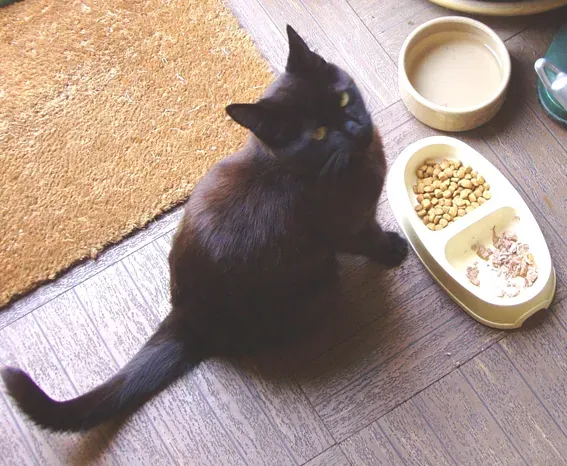
This one is easy to overlook because it seems so ordinary. Your cat walks to the bowl, eats, walks away. Perfectly mundane. Except it isn’t. In the wild, eating is one of the most vulnerable moments an animal faces – it’s when their guard is fully down, their attention is divided, and they’re most exposed to danger. In the wild, animals are most vulnerable when eating, so a cat that dines in your presence feels safe, and if your cat sometimes waits for you to be nearby before starting their meal, it’s a subtle but meaningful indication of their emotional comfort.
Using the litter box regularly and confidently is another sign of emotional safety, because cats that feel stressed or unsafe may avoid the litter box or seek alternative spots – a cat that uses their box with no issues is telling you they trust their environment and feel at ease in their territory. When your cat eats, drinks, and uses their litter box without hesitation and without watching the door, it means one thing clearly: this is home. Real, genuine, deeply felt home.
Conclusion: Your Cat Has Already Decided
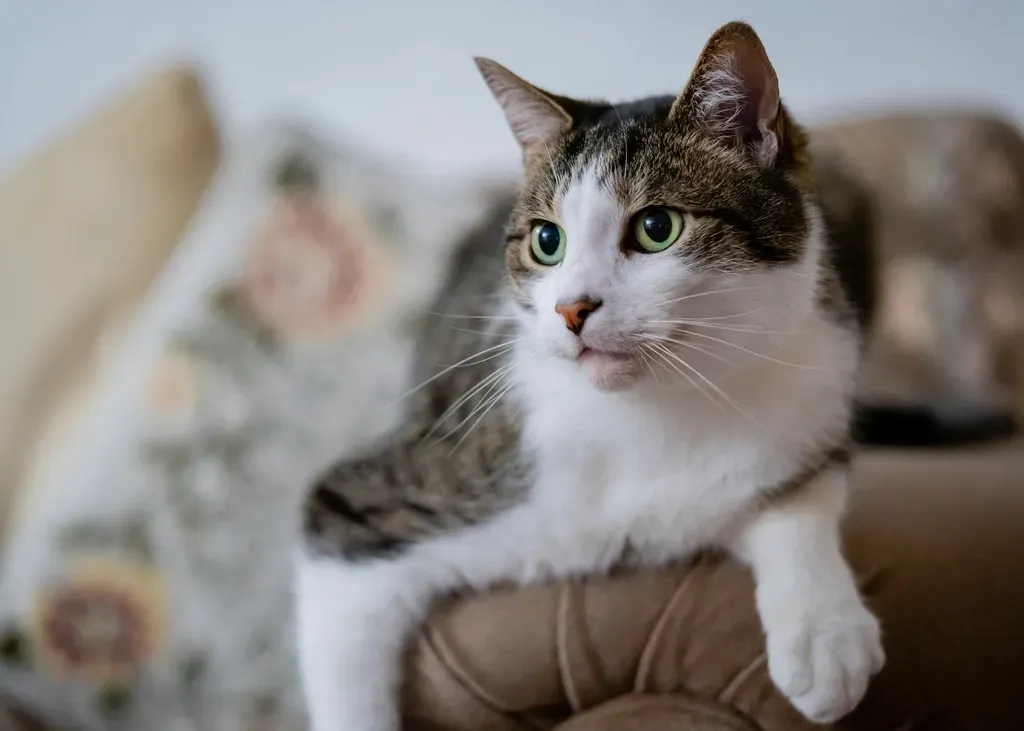
Here’s what’s beautiful about all of this: your cat didn’t just end up tolerating your home. They made a choice. Cats are far more deliberate than people give them credit for, and every slow blink, every belly roll, every tiny chirp is a verdict they’ve already reached about you and the space you’ve built together.
You don’t need a perfectly decorated house or an endless supply of fancy treats to earn that trust. Cats thrive on routine, so making your interactions with them as calm and predictable as possible helps – the more they know what to expect from you, the more relaxed they’ll feel. Consistency, gentleness, and simply being present are what cats respond to most.
So the next time your cat plops down in the middle of the room, stretches out completely, and stares at you with those slow, heavy eyes – know that you’ve done something right. They feel safe. They feel at home. And in the feline world, there is absolutely no greater compliment than that. What signs have you noticed in your own cat? Drop a comment and let us know.