You’ve probably heard a million times that purring equals a happy cat. But here’s the thing: feline happiness goes way deeper than that rhythmic rumble. Cats are masters of subtlety, communicating their contentment through gestures so small you might miss them if you blink. Unlike dogs, who practically shout their emotions from the rooftops, cats whisper theirs through body language, quirky behaviors, and blink-and-you-miss-it moments.
Understanding these quiet signals can transform your relationship with your feline friend. Let’s be real, wouldn’t you want to know if your cat is genuinely thriving or just tolerating your existence? The signs are there, hiding in plain sight, waiting for you to decode them. So let’s dive into the subtle world of cat happiness and discover what your kitty has been trying to tell you all along.
The Tail Question Mark
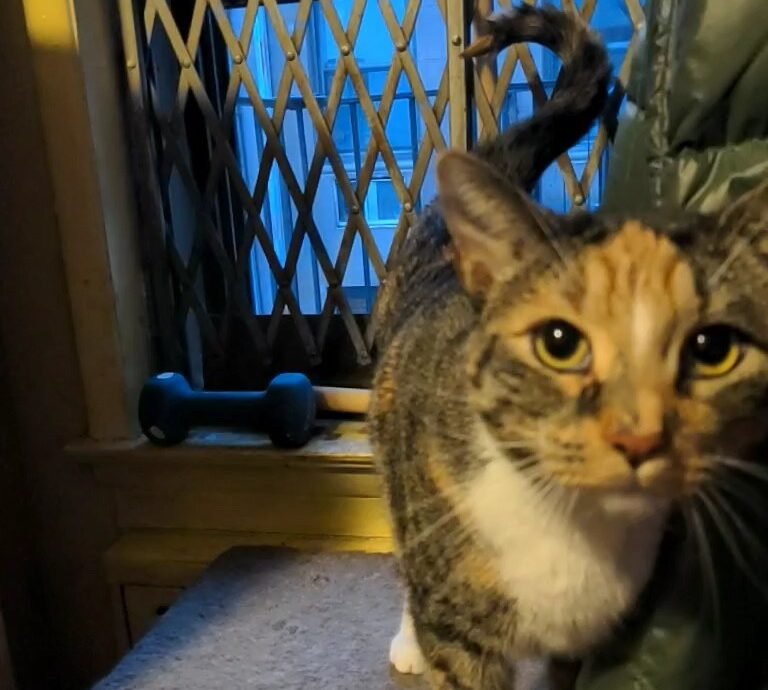
When your cat’s tail stands upright with the tip curved like a question mark, you’re witnessing one of the clearest signs of feline confidence and contentment. This upright tail with a gentle curve signals confidence and greeting behavior, an important marker of trust that shows your cat feels completely safe in their environment. Think of it as your cat’s way of waving hello with genuine enthusiasm.
Subtle variations offer further insights: a tail quiver often indicates excitement, flicks can suggest mild agitation, and a gentle wrap around your leg conveys affectionate bonding. Pay attention to these nuances. The next time your cat approaches you with that distinctive question mark tail, know that they’re not just saying hi, they’re expressing deep trust and happiness in your presence.
The Cat Kiss Phenomenon
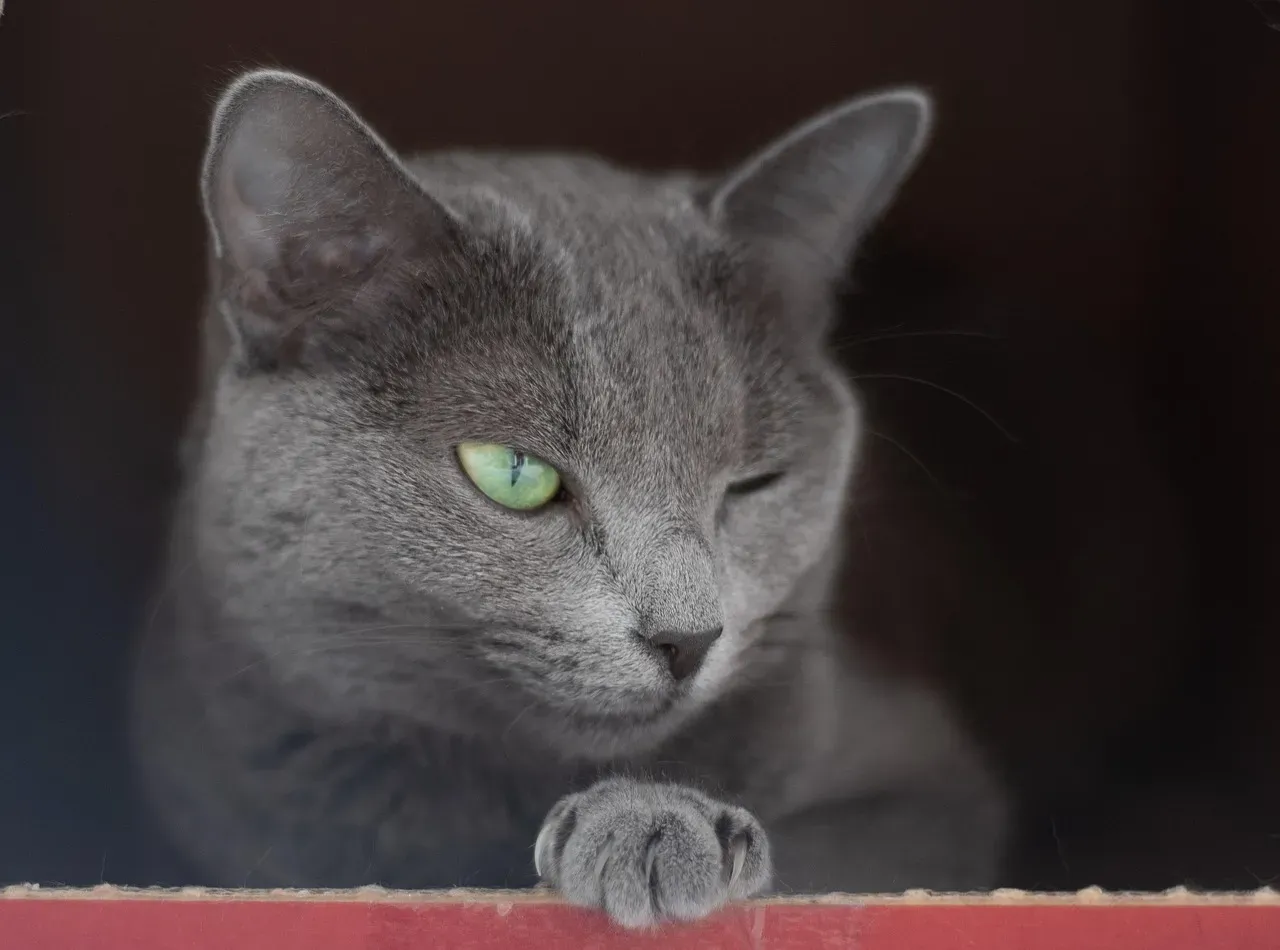
A slow blink is a sign of a relaxed cat (and it’s a good idea to slow blink back), creating a moment of genuine connection between you and your feline companion. Slow blinking in cats is a fascinating form of feline communication that screams trust and relaxation, signaling that they feel safe and content in your presence. It’s honestly one of the most beautiful forms of nonverbal communication in the animal kingdom.
What makes this gesture even more special is its mutual nature. When you return the slow blink, you’re speaking your cat’s language, reinforcing that bond of trust. They’re letting their guard down, both literally and figuratively, because keeping eyes wide open is crucial for survival in the wild. So when your cat slow-blinks at you, they’re essentially saying they feel so secure that they don’t need to stay on high alert.
Making Biscuits on Your Lap
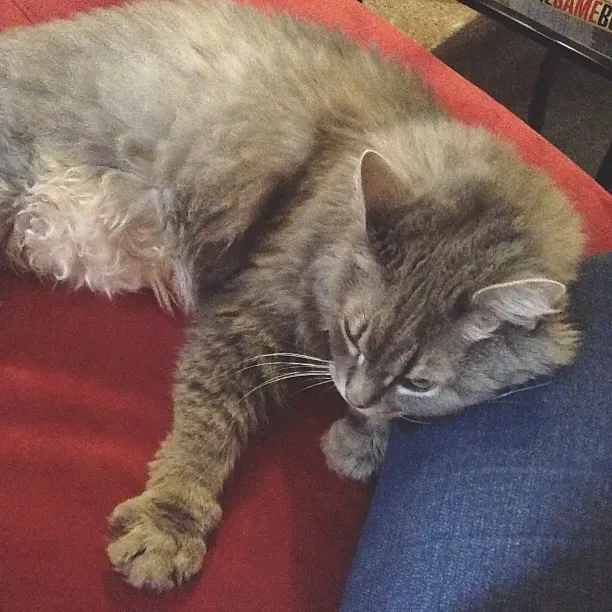
Cats often knead on soft surfaces or laps when they are feeling content, pushing rhythmically with alternating front paws while extending and retracting their claws. This adorable behavior, affectionately called making biscuits, is rooted deep in kittenhood memories. This kneading motion is something they would have done as kittens to stimulate milk flow from their mother’s nipples, and they carry this behavior into adulthood when in pleasurable situations.
When your cat kneads you, they’re basically regressing to their happiest, most secure moments as a baby. It’s hard to say for sure, but many experts believe this behavior signals ultimate contentment. Some cats get so into it that they drool a little while kneading, which might seem odd but is actually another sign of pure bliss. If your cat makes biscuits on you, consider it a massive compliment.
The Social Roll Welcome
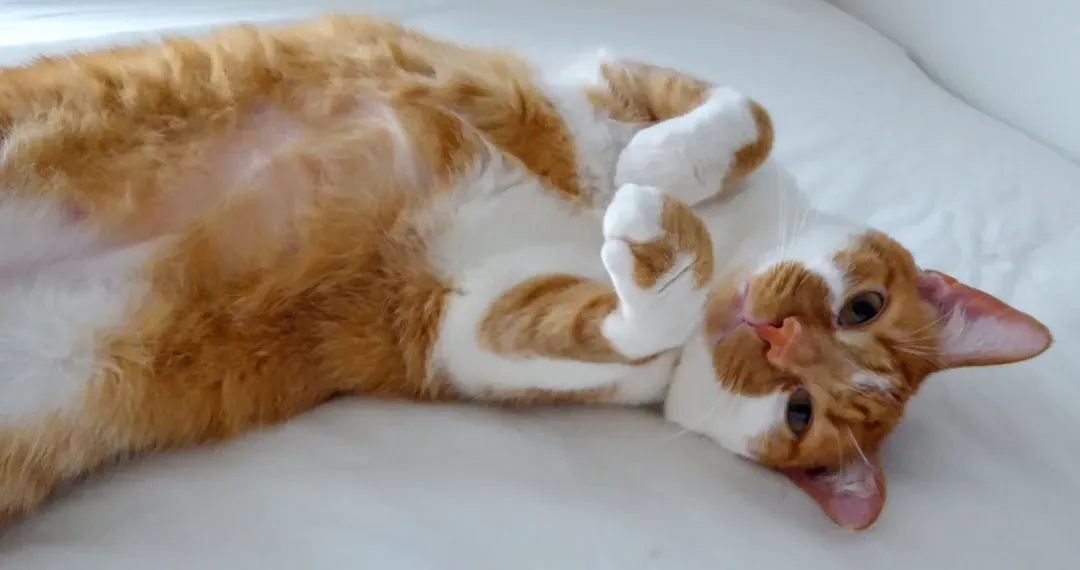
The social roll is when a cat gets in front of you, puts their head down, and rolls over exposing their stomach, doing this roll out of affection and happiness to see you. This vulnerable display is genuinely remarkable when you consider cat psychology. Exposing the belly is a huge risk in the wild, so when your cat does this casually in your presence, it speaks volumes.
Cats that sleep in exposed, relaxed positions are cats that feel happy and secure. The social roll combines this vulnerability with an active greeting, making it doubly significant. Watch for this behavior when you come home from work or enter a room where your cat has been waiting. Just be careful, because sometimes this joyful display can become a tripping hazard when you’re carrying groceries or rushing to answer the door.
Grooming in Your Presence
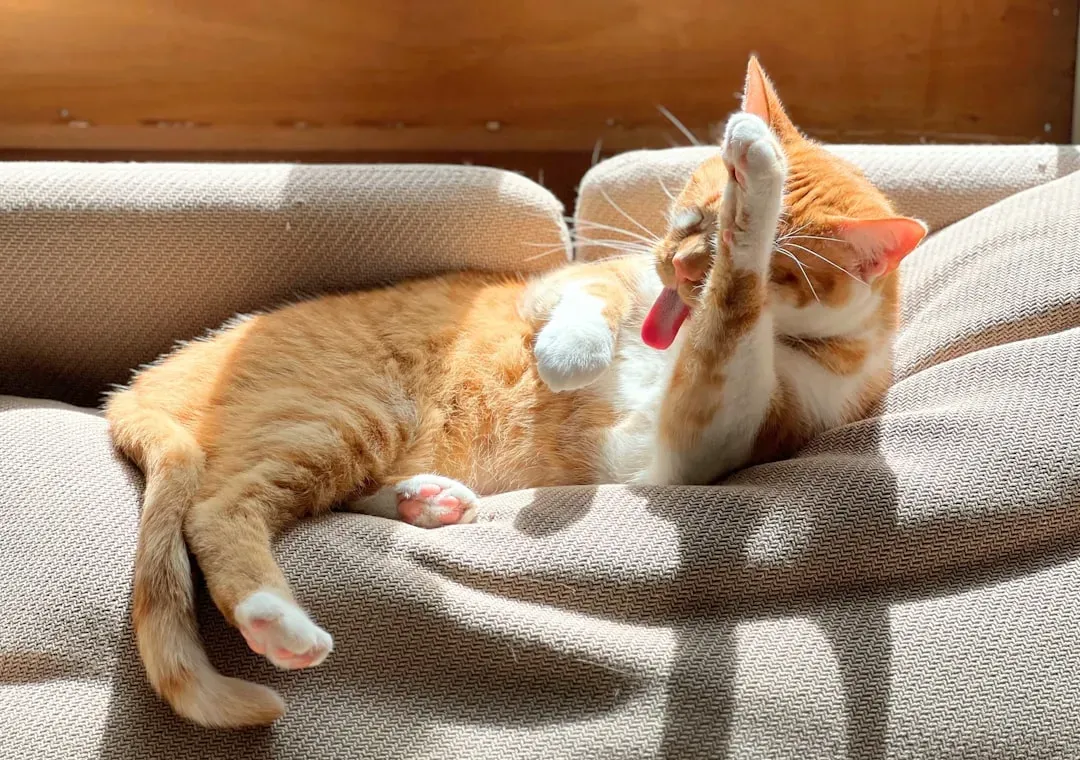
A cat who will come out into the middle of the room, throw up a leg, and begin grooming in front of you feels comfortable and at ease. This seemingly mundane behavior is actually packed with meaning. Cats are vulnerable when grooming, preoccupied with their task and less alert to potential threats. Grooming spreads natural oils for skin and coat health, while the repetitive, rhythmic motion provides comfort and reduces anxiety.
When your cat chooses to groom right in front of you rather than hiding away, they’re making a statement about how safe they feel. Cats that are stressed or ill often neglect their grooming, so a cat who regularly grooms is likely in good spirits. It’s one of those subtle indicators that everything in your cat’s world is just right.
Forward Facing Relaxed Ears
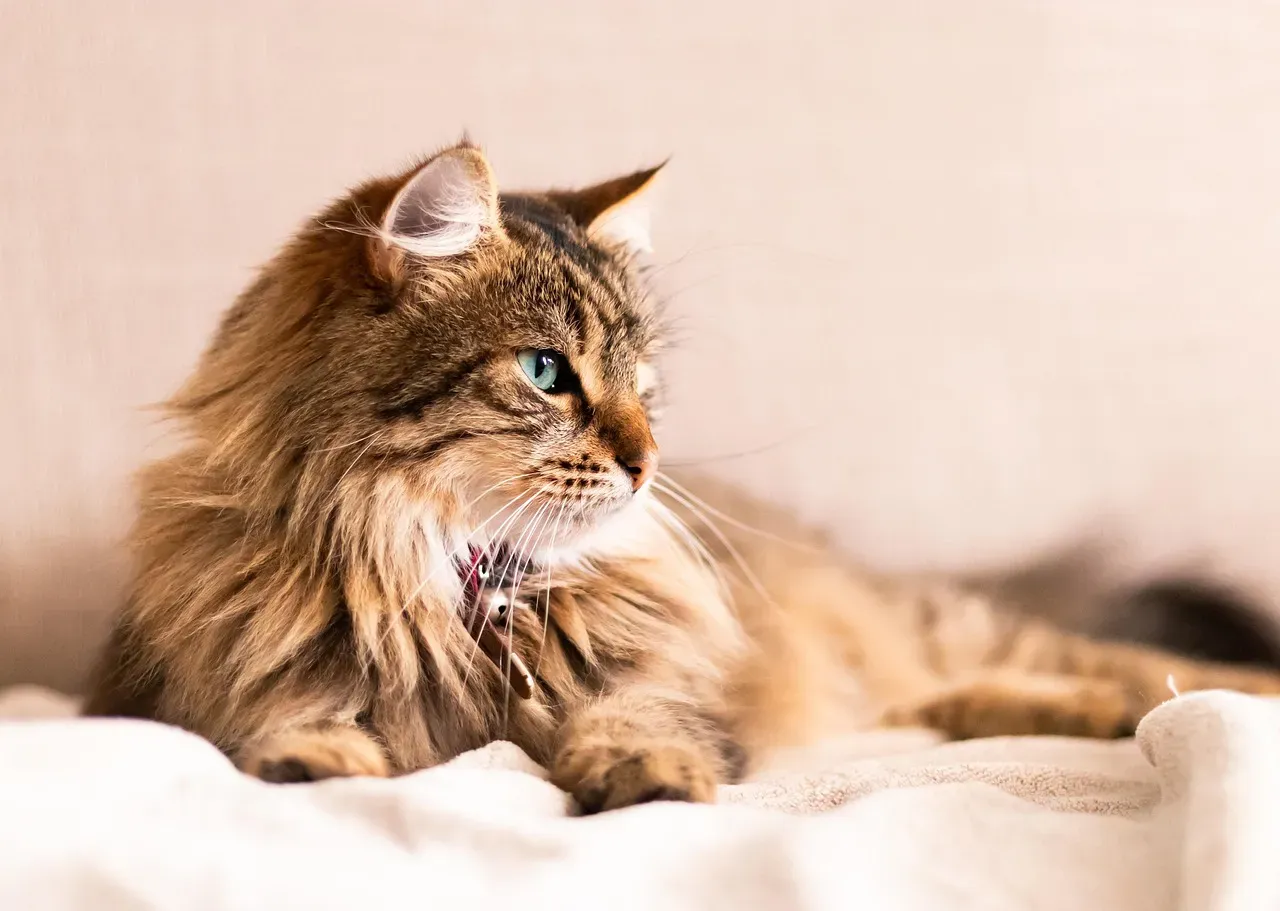
When a cat’s ears are relaxed and facing forward, but not rigidly alert, it’s generally a positive sign that your cat is happy. The position of those adorable ear flaps tells a surprisingly detailed story about your cat’s emotional state. When sitting, your cat will be relaxed and upright, with ears pointed up and forward but relaxed, sometimes swiveling gently towards familiar sounds like your family’s voices.
Relaxed ears are a way for your cat to communicate that they’re at ease in their environment and not on high alert for potential threats. Unlike flattened ears that signal fear or sideways ears indicating anxiety, forward-facing relaxed ears show a cat that’s comfortable engaging with their surroundings. Pay attention to this subtle cue, especially in combination with other body language signals.
Stretching Out Fully
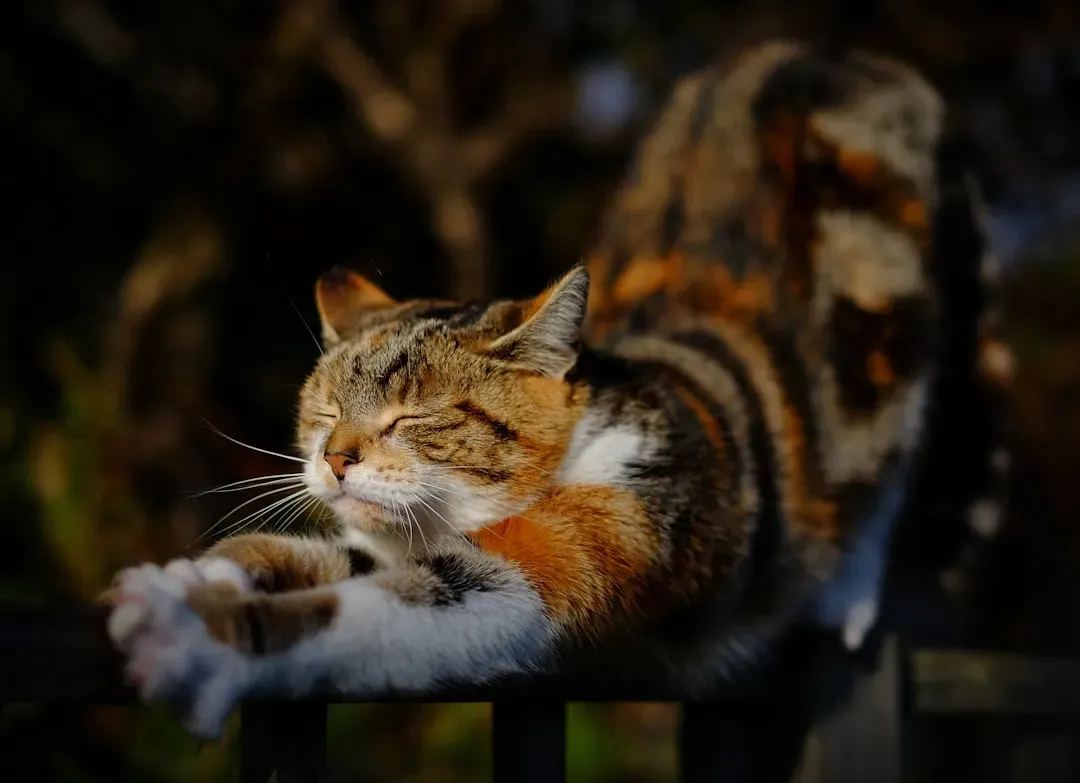
When a cat is happy, their posture is typically loose, with their limbs and tail stretched out away from their body when lying down. This full-body stretch is the opposite of the tense, hunched posture cats adopt when stressed or unwell. When your cat sprawls across the couch or floor with complete abandon, legs splayed out at odd angles, that’s pure contentment on display.
A happy cat will be relaxed when around you, meaning they will stretch out long and show vulnerable parts such as their stomachs. Some cats even sleep in what can only be described as ridiculous positions, twisted like pretzels or flopped over with zero regard for dignity. These awkward poses are actually wonderful signs that your cat feels absolutely no threat in their environment.
Enthusiastic Greeting Behavior
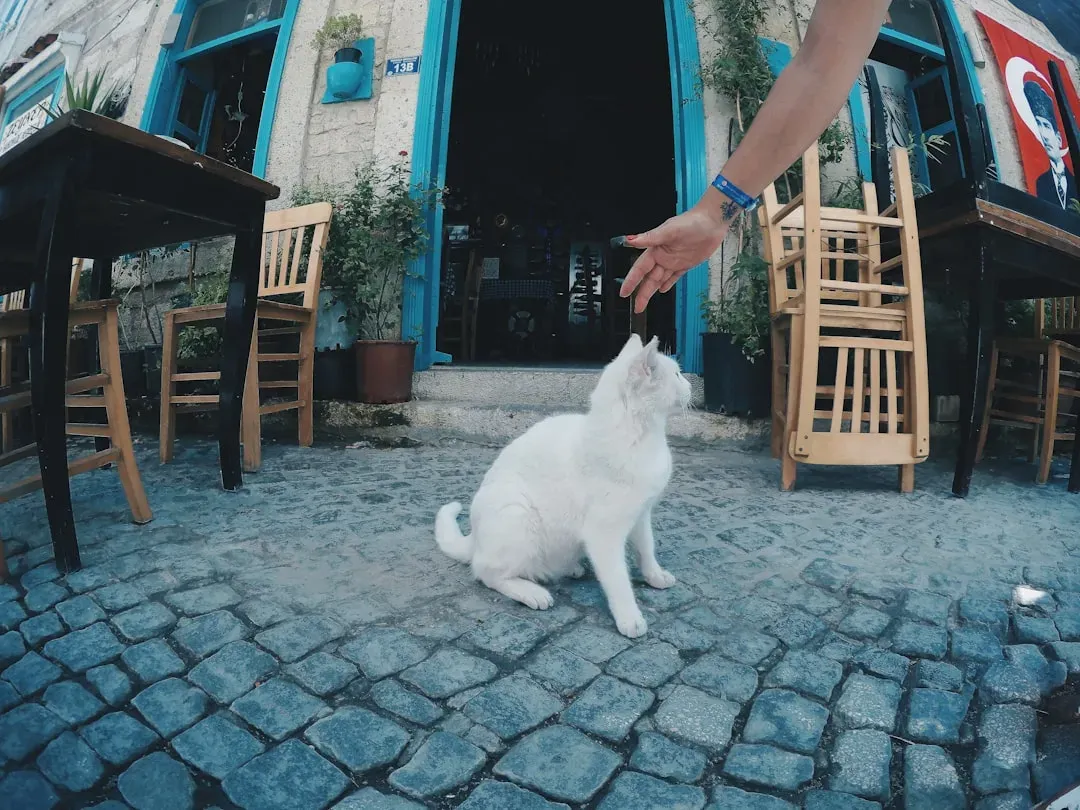
If your cat comes to the door when you get home, lifts her head and meows, or gives you a chirrup to say hello, she is a happy kitty. Not every cat bounds to the door like an overeager puppy, but even subtle greeting behaviors carry significant weight. Some cats might jump or dash around when their favorite human comes home, while others might show their happiness in more subdued ways like a gentle headbutt or curling up on your lap.
The key is consistency and initiation. A happy cat seeks you out rather than avoiding you. They might follow you from room to room, sit nearby while you work, or simply acknowledge your presence with a soft chirp. These small gestures of recognition show that your cat values your company and feels positive about your relationship.
Engaging in Playful Behavior

Play is a great indication of happiness, with kitties playing with other pets and humans they like or trust through exuberant sprints, wrestling matches, or calm paw patting. Happy cats will play with their toys and with other people and cats, while stressed cats tend to hide, avoid interaction, and ignore or refuse to play. The willingness to engage in play shows mental stimulation and emotional well-being.
Regular play behavior like stalking, pouncing, and chasing toys indicates mental and physical satisfaction. Even if your cat’s play style is more subdued as they age, any voluntary engagement with toys or interactive games signals contentment. Keep in mind that play preferences vary wildly between individual cats, some love feather wands while others prefer solo play with small balls or crinkly toys.
Consistent Appetite and Mealtime Excitement
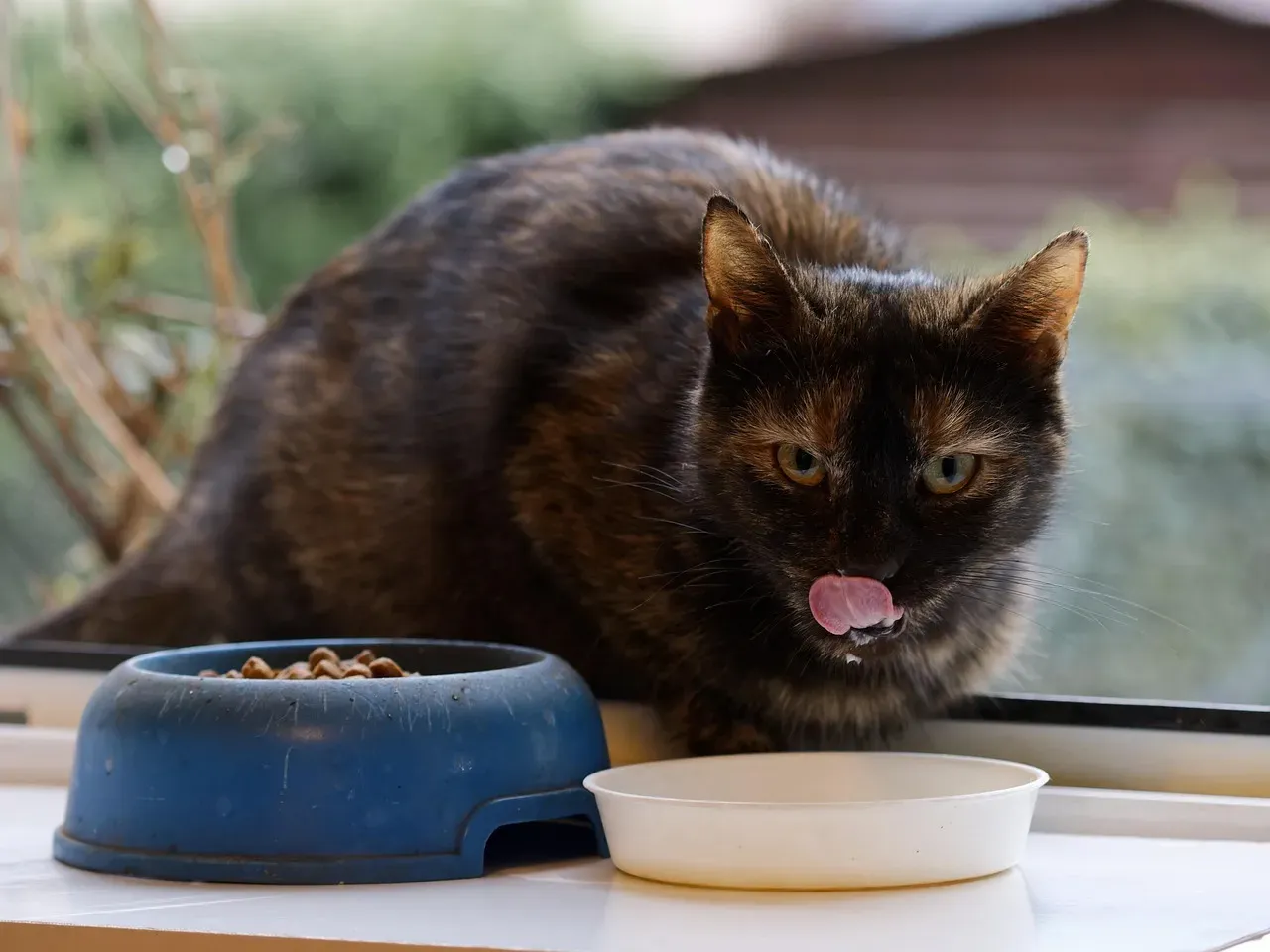
Happy and content cats have good appetites and enjoy their food, with many happy cats relishing their treats and having routines with their parents around mealtime. Food enthusiasm is a reliable barometer of feline happiness. When your cat shows up promptly at feeding time, perhaps even reminding you with gentle meows or figure-eight leg weaves, that’s a cat who feels secure and optimistic.
A healthy appetite is a terrific sign of a happy cat, with kitties asking for food by rubbing around your legs and meowing, leading you to their bowl in a behavior that shows trust and happiness. The ritual of mealtime becomes a bonding experience for happy cats. They’ve learned to trust that food will appear regularly, and they actively participate in the routine with enthusiasm rather than anxiety or disinterest.
Conclusion: Reading the Whispers of Happiness
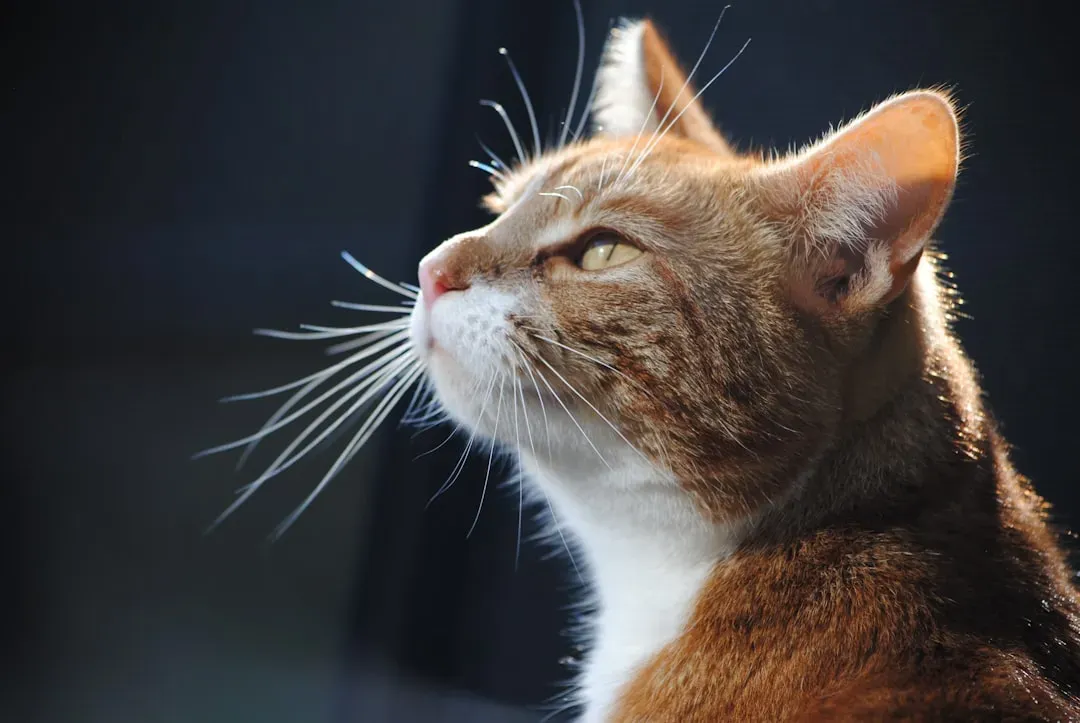
The subtle signs of cat happiness paint a picture far more nuanced than simple purring. From the gentle curve of a question mark tail to the vulnerable belly-up social roll, your cat is constantly communicating contentment through small, easy-to-miss gestures. These whispers of happiness, the slow blinks, the kneading paws, the relaxed ear positions, all combine to show you a cat who feels genuinely secure and content in their environment.
Learning to recognize these signs transforms you from a cat owner into a true cat communicator. You begin to see the world through your feline’s eyes, understanding their emotional landscape in ways that deepen your bond immeasurably. The next time your cat stretches out fully on the living room rug or greets you at the door with that distinctive chirrup, you’ll know exactly what they’re saying: life is good.
What subtle happiness signs does your cat display most often? Have you noticed any of these behaviors that you hadn’t recognized as contentment before? The more you observe, the more you’ll discover about your unique feline companion.