Most people think of dogs when they hear the word “guard animal.” You picture a German Shepherd sitting alert by the front door, chest puffed, ready to bark at anything that moves. Your cat, meanwhile, is curled on the sofa looking completely unbothered. But here’s the thing – that seemingly lazy, aloof little creature might actually be running a full home security operation you know absolutely nothing about.
While cats are often perceived as independent and aloof creatures, many cat owners have witnessed their feline companions displaying surprisingly protective behaviors. From subtle vigilance to remarkable acts of heroism, cats can indeed be protective – just in ways that differ significantly from their canine counterparts. The signs are real. You just have to know what you’re looking for. So let’s dive in.
1. Your Cat Stations Themselves at Entry Points
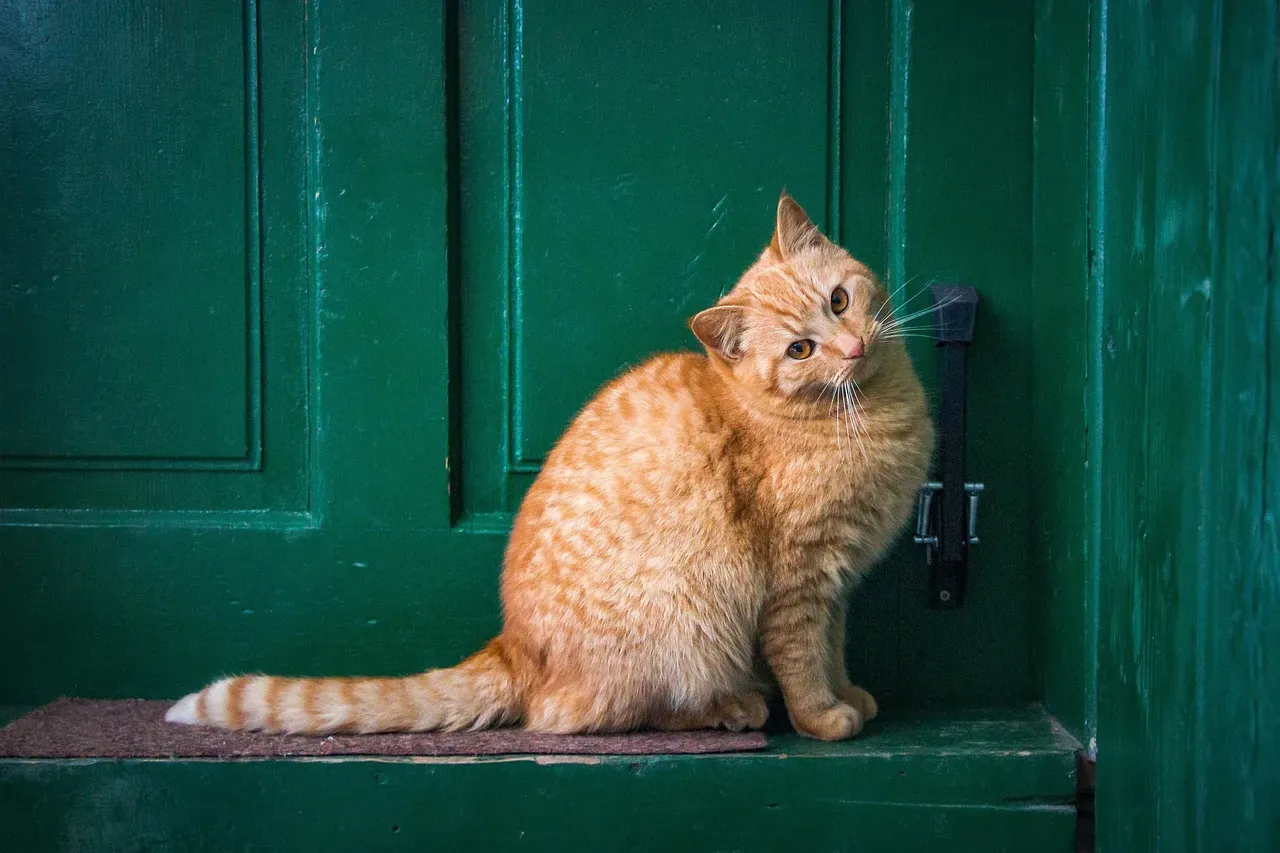
Cats are renowned for their independent nature and mysterious behaviors, but one puzzling habit many feline companions share is their tendency to guard doors. Whether it’s the front door, a bedroom entrance, or even the bathroom, cats seem to take their role as gatekeepers quite seriously. You might have brushed it off as your cat simply wanting to be nosy or waiting for you. Honestly, it’s more intentional than that.
Cats are territorial creatures by nature, and guarding doors may stem from their innate desire to defend their territory and assert dominance. By positioning themselves near a door, they may be signaling to other animals, both inside and outside the home, that this area belongs to them and should be approached with caution. Think of your cat as a tiny, silent bouncer who never clocks out. If yours has a favorite spot near your front entrance, that is not coincidence.
2. They Seek Out High Ground to Observe the House
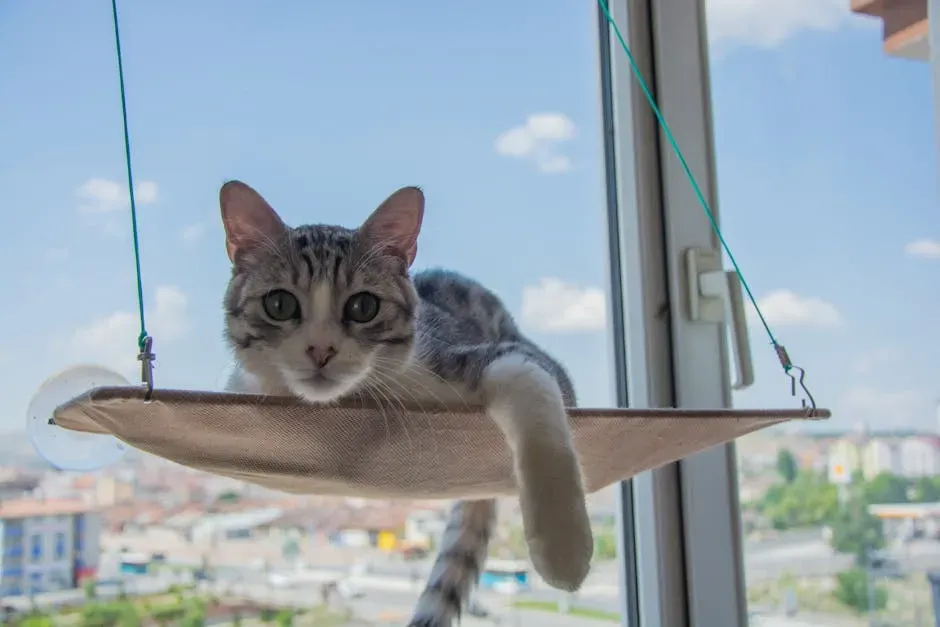
Cats’ protective nature is subtle and rooted in territorial instincts and emotional attachment. They tend to use vigilance and warning signals rather than direct confrontation. Signs of guarding behavior include positioning themselves in elevated spots to observe their surroundings and reacting to unusual sounds or movements. You might notice your cat perching on top of the refrigerator, a bookshelf, or the highest point of a cat tree. It’s not just casual lounging.
From up high, your cat gets a full panoramic view of the entire room. This is a classic predator strategy, and your cat is borrowing it to monitor your home the way a watchtower guard would survey a fort. Studies have revealed that cats’ protective behaviors are rooted in both instinct and emotional connection. Their acute senses allow them to detect environmental changes that humans might miss, making them excellent early warning systems for potential dangers.
3. They React to Sounds Before You Even Hear Them
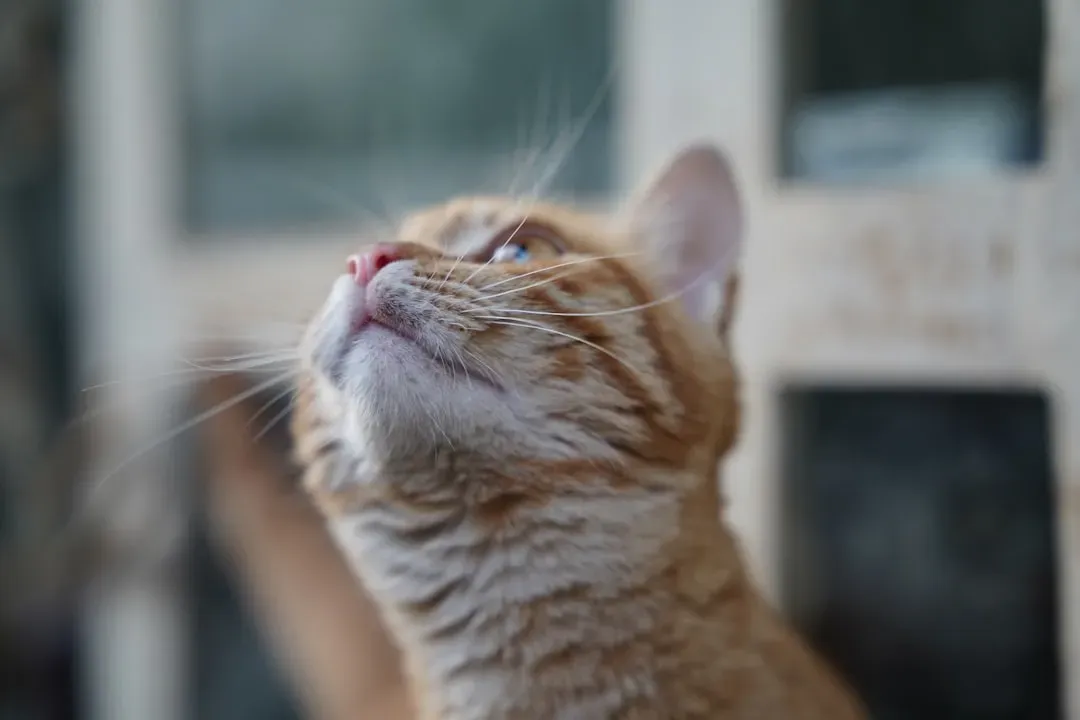
It’s your pet’s instinct to react when they smell, hear, or otherwise sense something strange. It’s also in their DNA to go on the defense when they’re frightened. You’ve seen it – your cat’s ears swivel like tiny satellites toward the wall, long before you hear a car door slam outside. That reaction is not random.
When cats want to pay attention to something, they will often point their ears toward that object, person, or event. It helps them hear a bit better and gives them the focus they need to act if necessary. If your cat is trying to protect you from something they think is dangerous, they will likely act in this manner. Your cat’s hearing range is vastly superior to yours. They can detect frequencies well beyond what you can process, which means they may be hearing intruders, unusual activity, or even animals near your home well before any alarm system would trigger.
4. They Rub Against You and Your Belongings Constantly
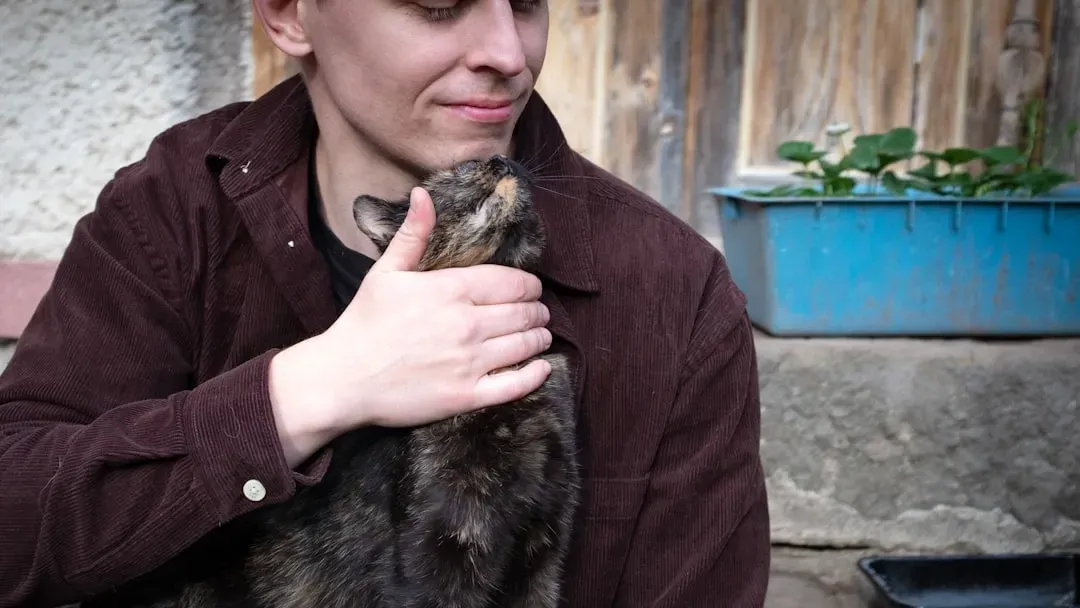
By leaving their scent on you, your cat is practicing protective behavior and asserting feline guarding instincts. This marking is a way a cat communicates to other animals that you’re theirs to watch over, almost like a silent declaration that they’re committed to keeping you safe. While it may seem like a simple rub, this gesture is a meaningful sign of protection, showcasing loyalty, care, and a deep bond.
You’ve seen it when your cat rubs their cheeks and body against items in your home, including you and your family members. They can also mark by scratching. Scent marking is your cat essentially stamping everything in the house with a label that reads “mine, protected, back off.” It is one of the oldest forms of territorial communication in the feline world, and it extends directly to you.
5. They Sleep Near You at Night
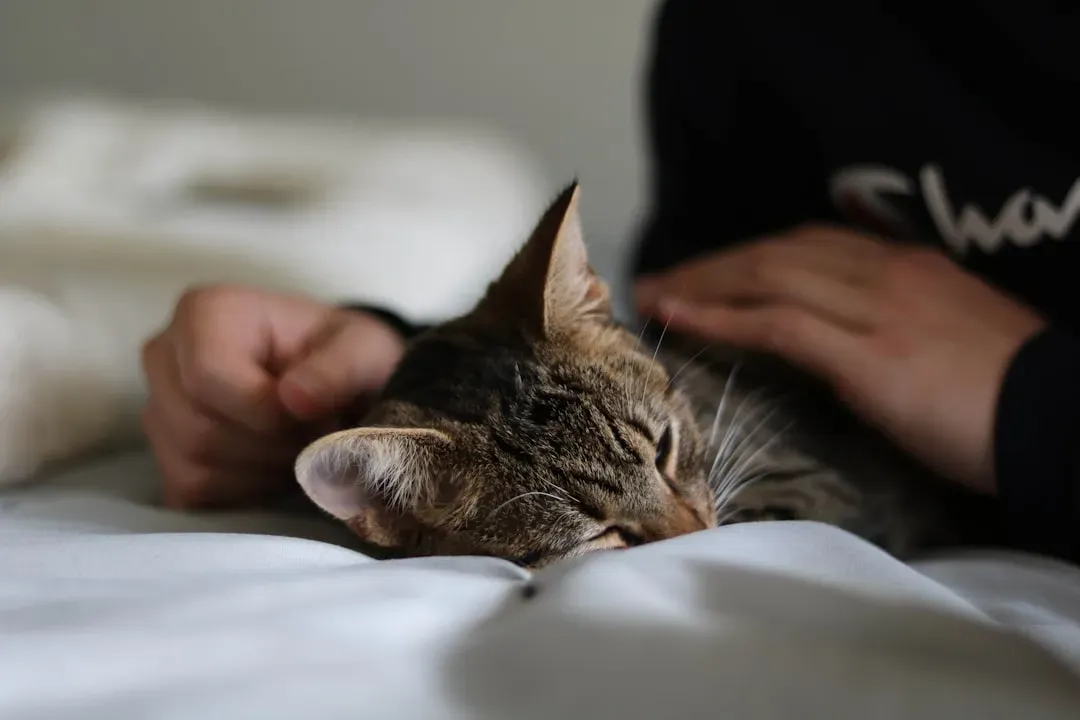
Sleeping near your head or chest is one of the most intimate signs of trust and protection. Cats are drawn to your scent, warmth, and the rhythmic sound of your breathing or heartbeat. By resting close, they can monitor your well-being and feel reassured by your presence. This behavior also allows them to stay alert to any disturbances during the night.
Cats remain alert to subtle movements or sounds in their environment, even when they rest, and this protective cat behavior allows them to monitor their environment for your safety. Let’s be real – a cat sleeping near you is not just adorable, it is strategic. They are a living alarm system who never fully turns off, even in sleep. Your comfort and their watchfulness go hand in hand.
6. They Follow You From Room to Room
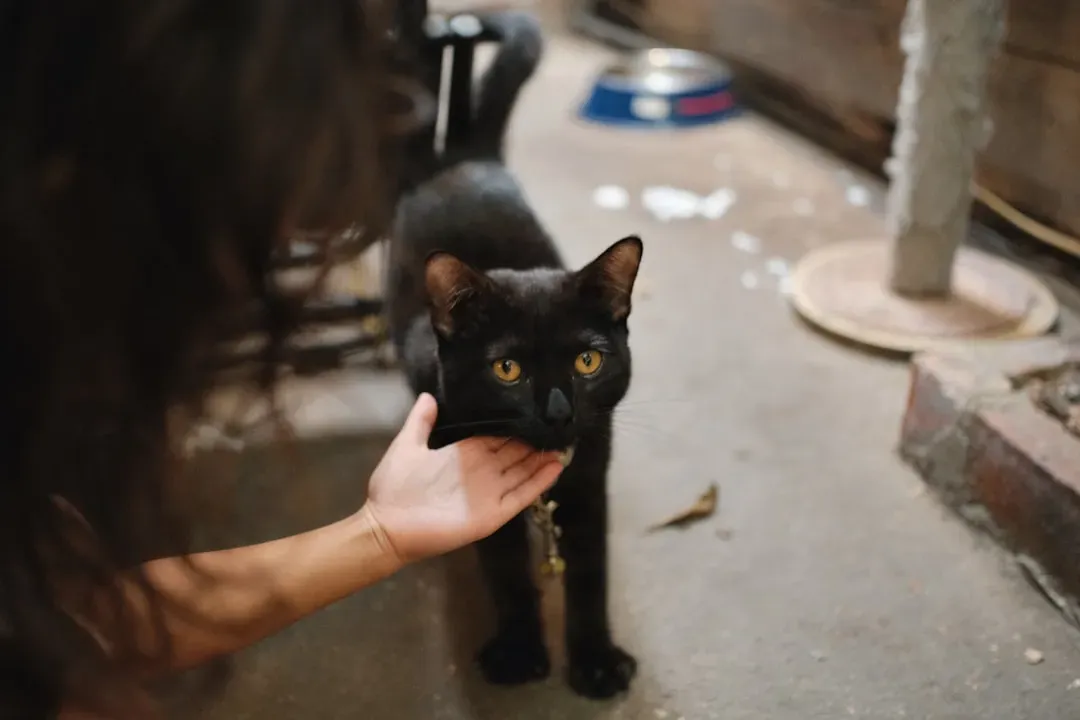
If your kitty transforms into a “velcro cat” overnight, following you everywhere and jumping on your legs and tummy, it might mean it senses something is amiss and wants to comfort you since it is adept at reading emotions and detecting things we cannot. This behavior can feel clingy, but it runs much deeper than simple affection or attention-seeking.
Cats that feel bonded to their owners like to stay within sight to ensure everything is safe. This behavior can also stem from curiosity or a desire for companionship. However, if your cat follows you more closely when you’re upset or unwell, it may be expressing protective concern. It is worth paying attention to when this behavior intensifies. A cat that suddenly becomes your shadow during stressful weeks or when strangers are visiting is not being needy. It’s working.
7. They Hiss, Growl, or Puff Up Around Unfamiliar People
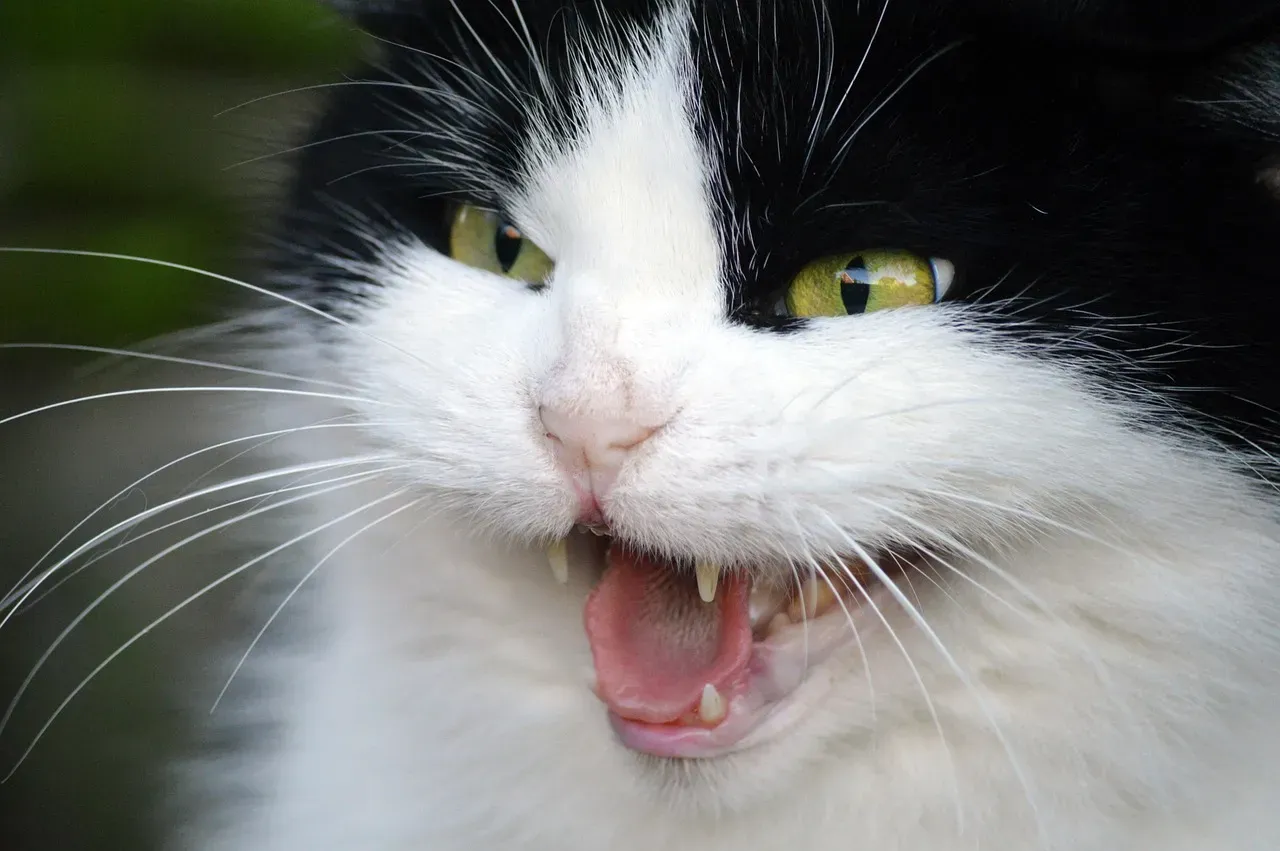
When cats feel threatened and ready to defend themselves or you, they puff out their fur and appear much bigger. You’ll notice the fur being particularly puffy along the spine and on the tail, which is called piloerection. This is a response through the nervous system that occurs due to natural reflexes in reaction to shock, anger, or fright.
While cats are not typically physical defenders, they can act boldly when they perceive a threat. Some cats will hiss, growl, or even swipe at other animals that approach their owners too closely. This reaction is more about deterrence than combat – it’s their way of warning intruders to back off. Think of it like a tiny knight raising a shield. The armor may be invisible, but the intent is crystal clear.
8. They Give You the Slow Blink
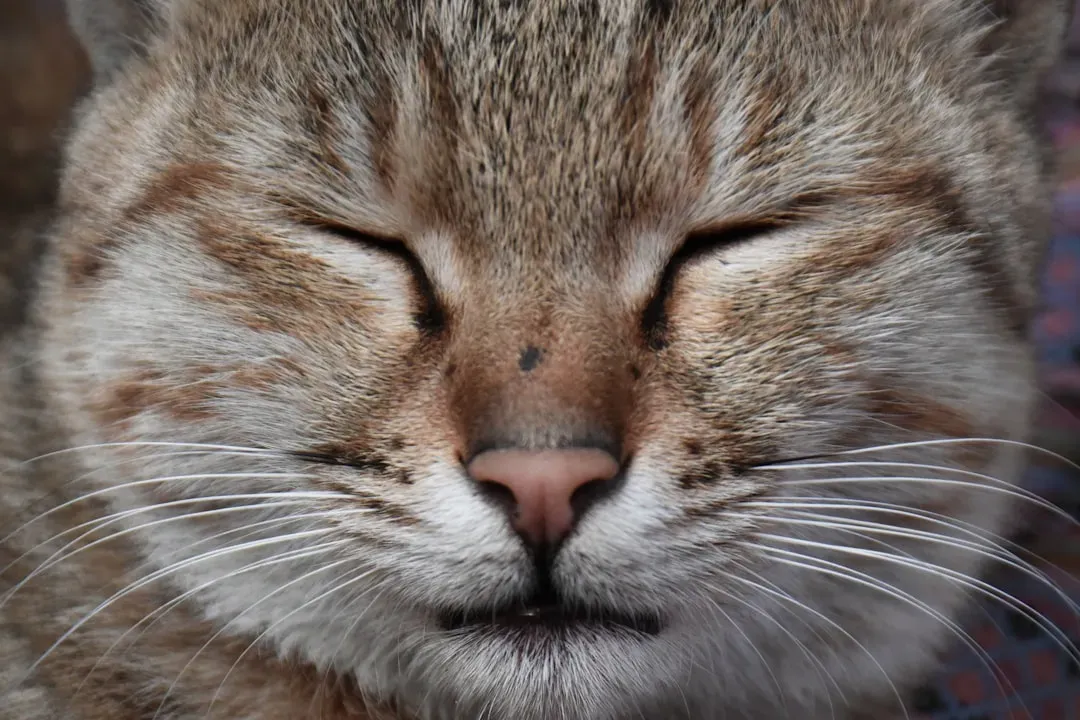
A slow blink from your cat – often called a “cat kiss” – is how your cat talks with its eyes and is a subtle but powerful sign your cat is protecting you and feels completely safe in your presence. I think this is one of the most misunderstood signals in all of cat behavior. Most people just think it looks cute. In reality, it carries enormous meaning.
Cats may not bark or bite to protect like dogs, but many owners report their feline companions showing concern, guarding behaviors, or sticking close in times of need. While science around feline protective behavior is still evolving, anecdotal evidence and expert observations suggest that the bond between cat and human can include elements of protection, loyalty, and empathy. When your cat slow blinks at you, they are communicating total trust and calm dominance over the space. They are essentially saying the environment is safe – because they made it so.
9. They Position Themselves Between You and a Perceived Threat
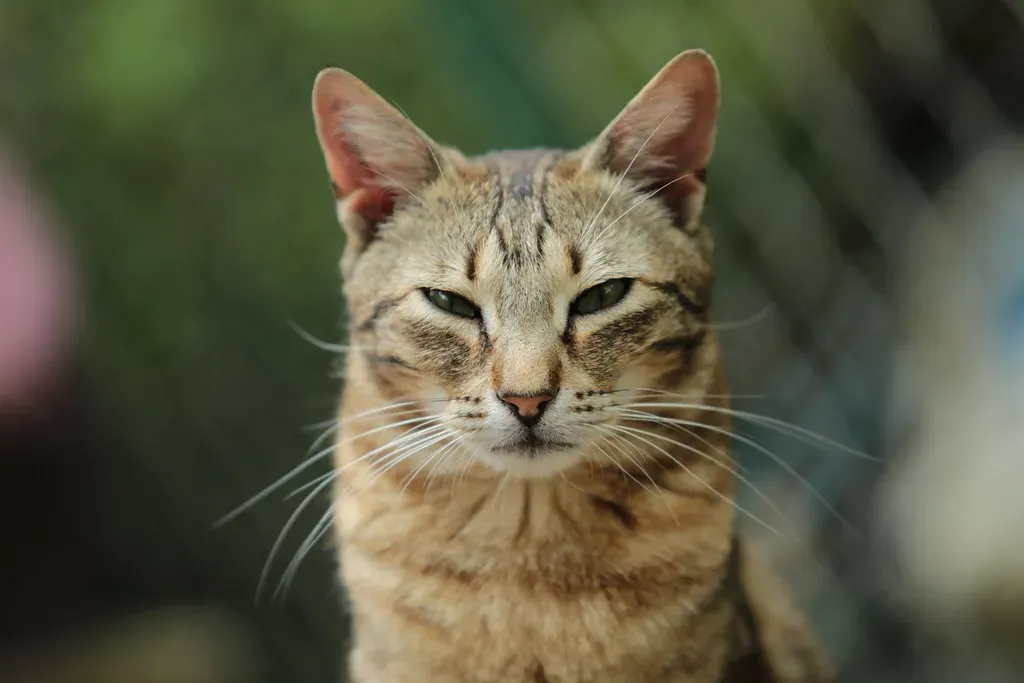
Cats may position themselves between you and what they sense as a threat, such as new guests, loud noises, or even other pets. You might have noticed your cat casually sliding in front of you when a stranger walks in, or stepping between you and another animal. That is not an accident or coincidence.
Feline protection stems from both evolutionary and emotional roots. In the wild, cats are territorial animals that rely on vigilance to survive. When domesticated, this instinct doesn’t disappear – it simply redirects toward their human family. Your home becomes their territory, and you become part of their social group. Protecting you, therefore, is an extension of protecting their domain. It is a small gesture. But that deliberate placement of their body between you and the unknown is as protective a move as any dog has ever made.
10. They Become Extra Attentive When You Are Sick or Stressed
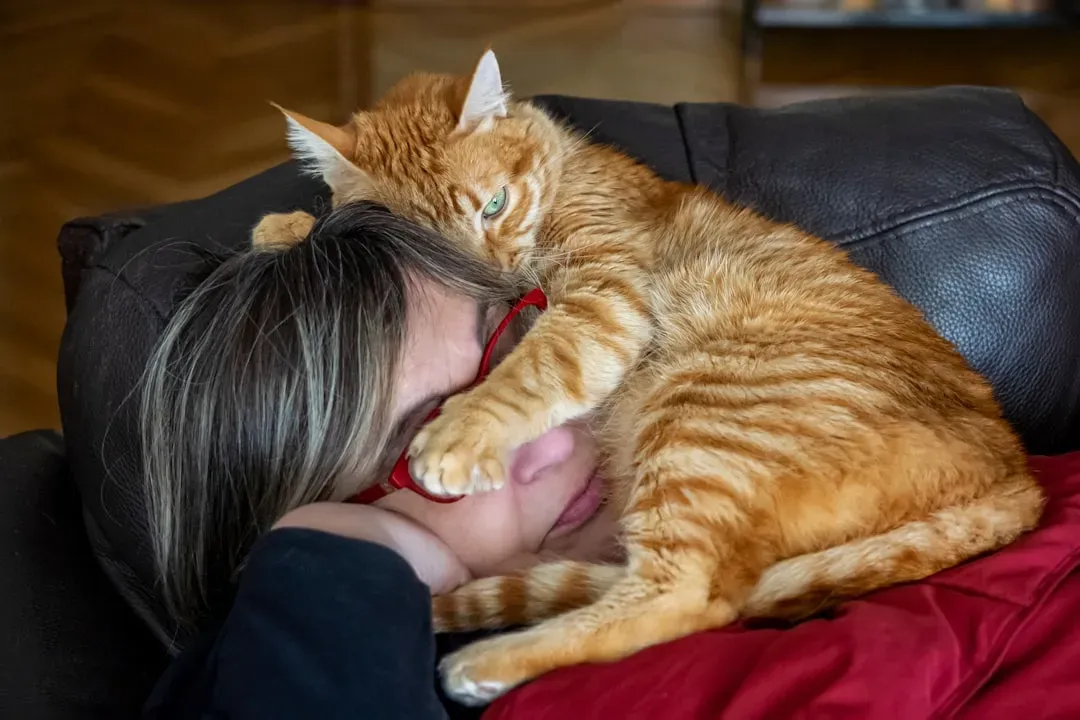
Cats that feel secure and loved often reciprocate by watching over their owners. They may sense subtle changes in your mood or health and respond accordingly. For instance, some cats become more attentive when their owners are sick or stressed, offering companionship and quiet support. You may have experienced this yourself – a rough week at work, a cold that knocks you flat, and suddenly your cat will not leave your side.
Cats can respond to emotional shifts with incredible altruism, stepping in to alert their owners to danger or health risks. This unique sensitivity not only enhances the bond between cats and humans but also reveals their role as protective companions. This remarkable ability to sense and respond to unseen forces underscores why cats are often seen as intuitive protectors. It’s hard to say for sure exactly what they detect, but many researchers believe it involves picking up on changes in body chemistry, behavior, and even scent. Your cat is, in its own quiet way, running a health check on you.
Conclusion: Your Cat Is More Guardian Than You Think
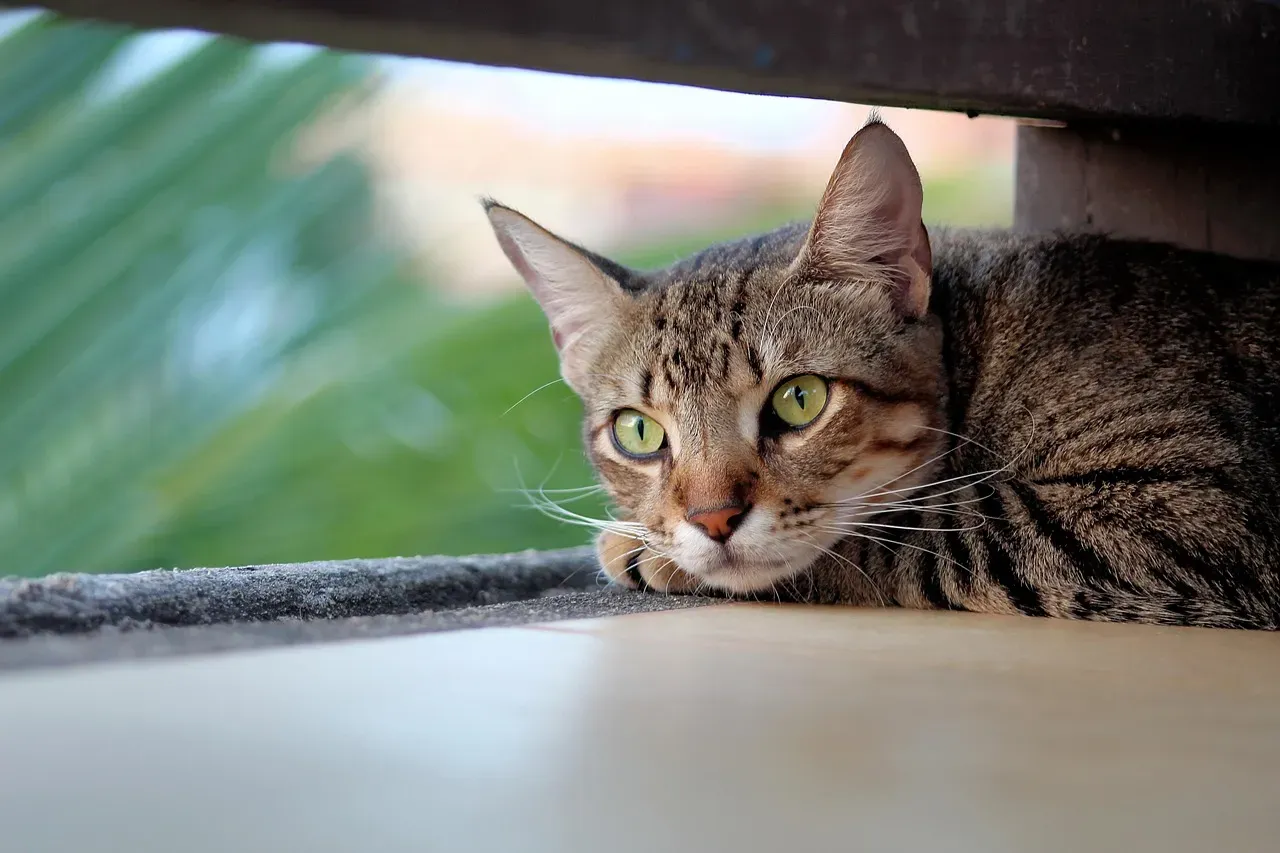
Contrary to popular belief, cats are some of the most loyal pets you can have, but they show their affection in small and subtle ways. Just keep an eye on the obvious signs your cat is protecting you so you keep it away from frightening situations. Many believe cats are aloof and don’t care about anything, which isn’t necessarily true, as they still watch over their owners in their own unique way.
Cats may not guard their owners with loud barks or physical defense, but their protective instincts run deep. Through subtle gestures – like staying close, watching over you, or reacting to unfamiliar sounds – they express loyalty and care in their own quiet way. Understanding these signs allows you to appreciate the emotional depth behind their behavior and respond with the same trust and affection they offer you.
The next time your cat parks themselves at the door or follows you to the kitchen for the fifth time in a row, maybe don’t shoo them away. They might just be doing their job. Had you ever suspected your cat was watching over you all along? Drop your thoughts in the comments – we’d love to know!