Have you ever wondered if your feline companion is truly happy living with you? Unlike dogs who wear their hearts on their furry sleeves, cats are masters of mystery. They communicate their feelings through subtle behaviors that often go unnoticed by even the most devoted pet parents. Learning to decode these signals can transform your understanding of your cat’s emotional world and strengthen the incredible bond you share. Your home might already be a feline paradise, yet the clues are quietly hiding in plain sight.
Cats don’t express happiness as openly as dogs do, yet their subtler cues are just as meaningful. Once you know what to look for, you’ll discover a fascinating language of contentment. Let’s dive into the hidden indicators that reveal your cat is not just surviving but genuinely thriving under your care.
The Slow Blink Connection
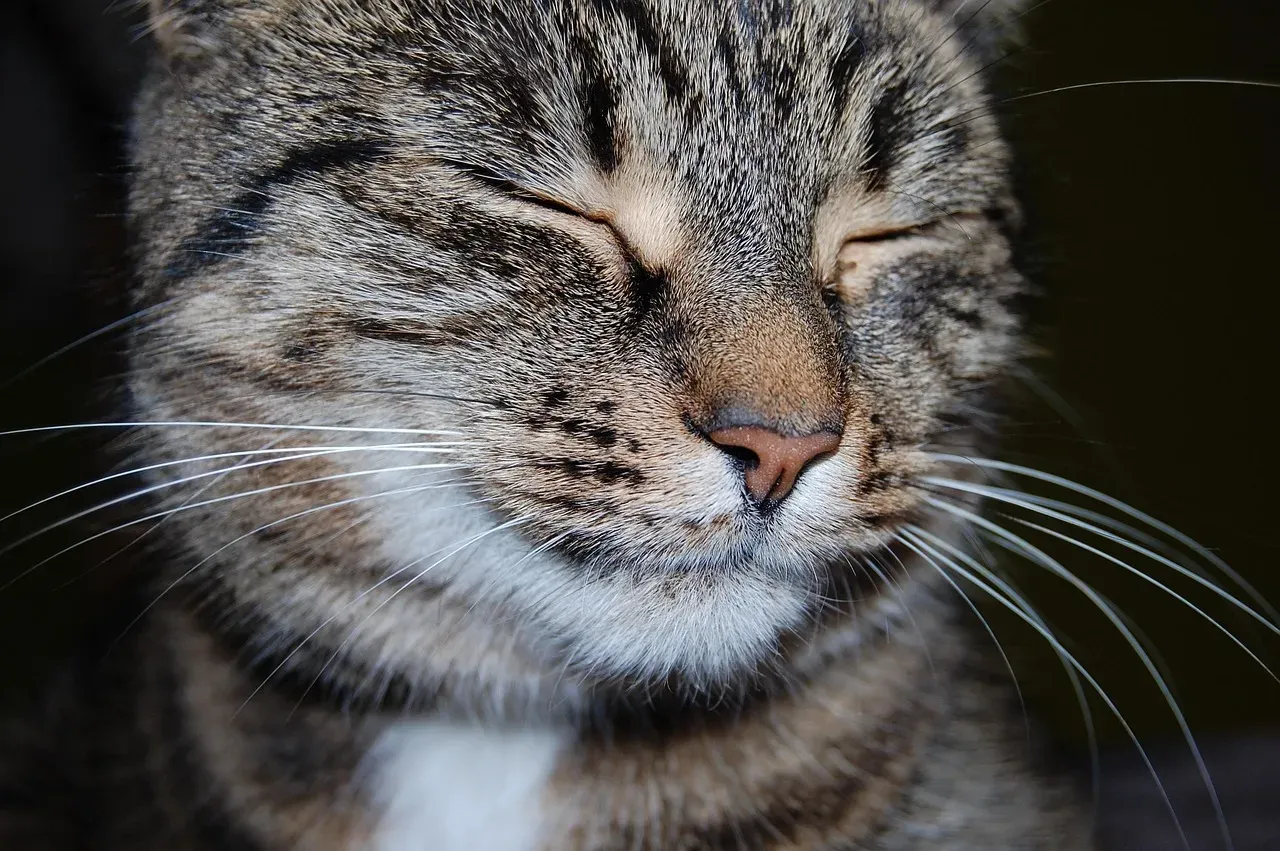
When your cat slow-blinks at you, they’re signaling that they feel safe and content in your presence. This gesture is often called a cat kiss, representing one of the most intimate expressions of trust your feline can offer. Think of it as your cat dropping all defenses and telling you without words that you’re their safe space. In the wild, keeping eyes wide open is essential for detecting threats, so this relaxed gesture speaks volumes.
Returning the slow blink can even deepen the emotional connection between cat parents and their kitty. Try it yourself next time your cat gazes at you. Slowly close your eyes, hold for a moment, then gently reopen them. You might just get another slow blink back, creating a beautiful moment of mutual understanding that transcends species barriers.
That Gentle Rumbling Purr
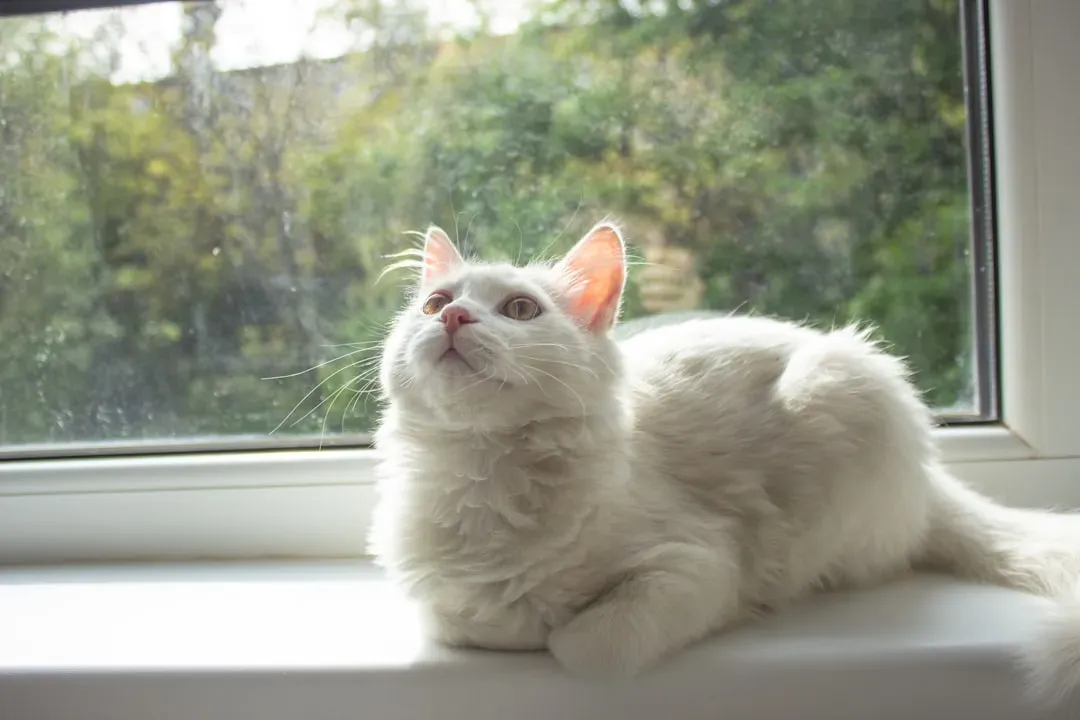
A rhythmic, steady purr often expresses a sense of satisfaction and ease. When you’re cuddling on the couch and hear that familiar hum emanating from your cat’s body, it’s like listening to a symphony of happiness. However, here’s the thing: purring isn’t always straightforward. Cats sometimes purr when anxious or in pain as a self-soothing mechanism, which can make interpretation tricky.
If your cat seems otherwise content and is letting the purrs roar, you can assume they’re happy, especially if your feline friend is lazing in the sun. Context matters enormously here. A cat purring while stretched out in their favorite sunbeam, eyes half-closed, is definitely sharing their joy with you. Add in some soft meows or chirps, and you’ve got yourself one seriously satisfied kitty.
Playful Pouncing Energy
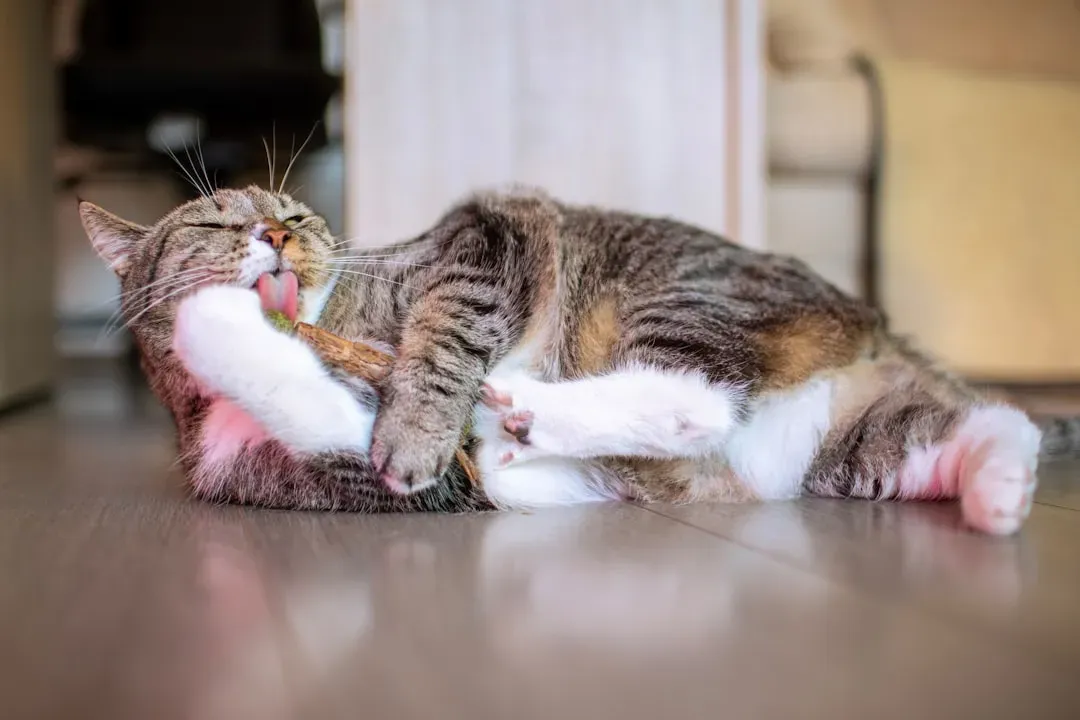
When your cat suddenly pounces on their cat toys or initiates a game, it’s not just about burning off calories but a showcase of contentment and well-being. Play is a remarkable indicator of your cat’s emotional state. A playful cat feels secure enough in their environment to let loose and have fun, which requires a baseline level of safety and trust.
Playfulness indicates that your furry friend is not only in good physical health but also mentally stimulated and content. When cats are stressed or unwell, they typically withdraw and avoid play altogether. So if your feline companion is chasing feather toys at three in the morning or ambushing your ankles from behind the sofa, celebrate it. Those zoomies and hunting games are your cat’s way of saying life is pretty darn good.
The Tail Tells All
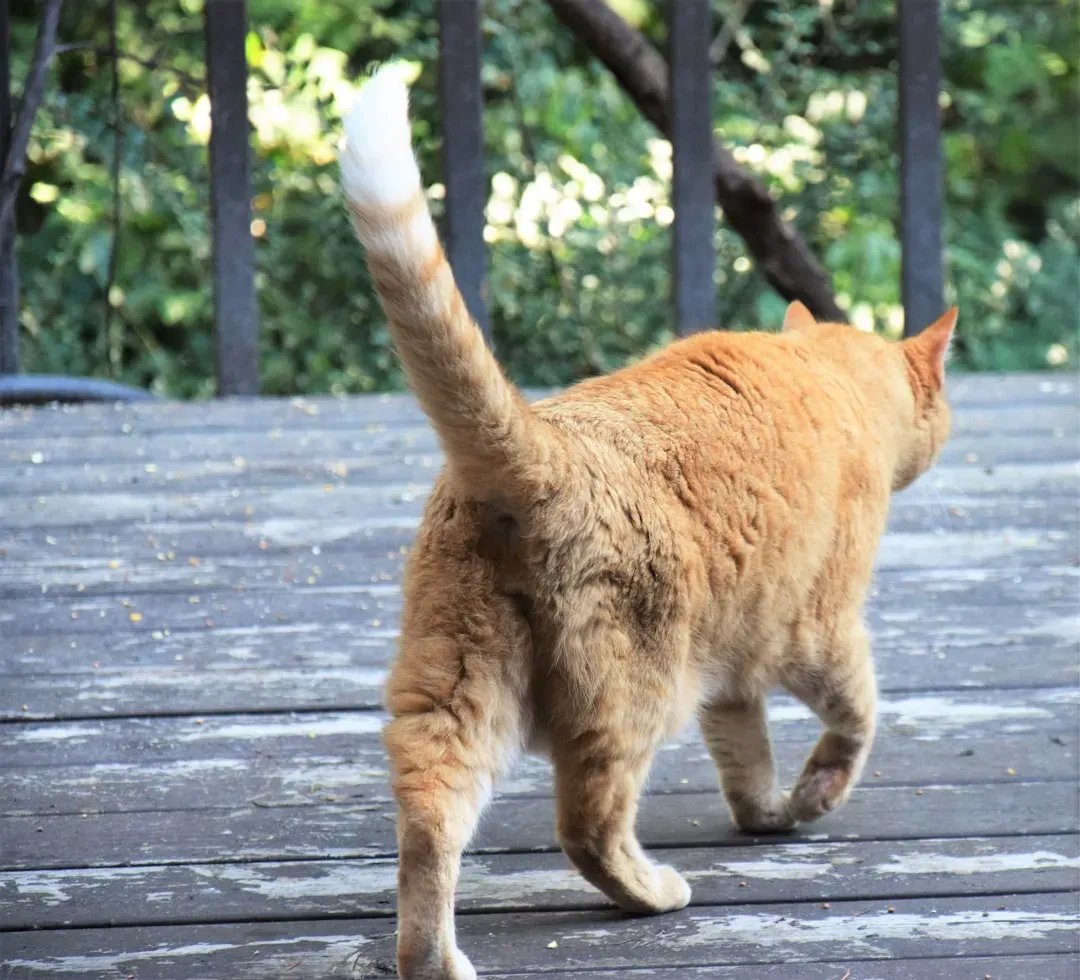
A raised yet relaxed tail, swaying gently, often signifies a kitty on cloud nine. Your cat’s tail is basically a mood antenna broadcasting their emotional state to anyone who knows how to read it. When you see that tail held high with just a slight curve at the tip, it’s like seeing a flag of happiness waving proudly.
A tail held upright with a gentle curl at the tip signals confidence and friendliness, and if they approach you this way, it’s a clear hello from your kitty. Conversely, a puffed-up or rapidly thrashing tail indicates irritation or fear. Pay attention to tail language during different situations. That confident strut with the question-mark tail means your cat feels absolutely comfortable and secure in their domain.
Making Biscuits with Love
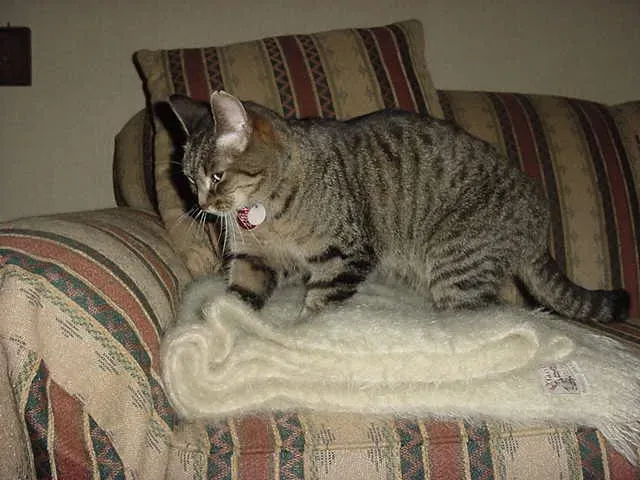
Kneading, popularly referred to as making biscuits, is a classic sign of a relaxed, happy cat. This rhythmic pressing motion with alternating paws harks back to kittenhood when they kneaded their mother’s belly to stimulate milk flow. It’s one of those behaviors that carries deep associations with comfort, warmth, and maternal safety.
Kneading against a soft surface carries associations of maternal comfort and safety, and when accompanied by purring, this tactile ritual conveys affection and security. If your cat kneads on your lap, your bed, or a favorite blanket, they’re essentially telling you they feel as safe and loved as they did with their mother. Honestly, is there anything more heartwarming than being your cat’s chosen biscuit-making surface?
Grooming as Self-Care
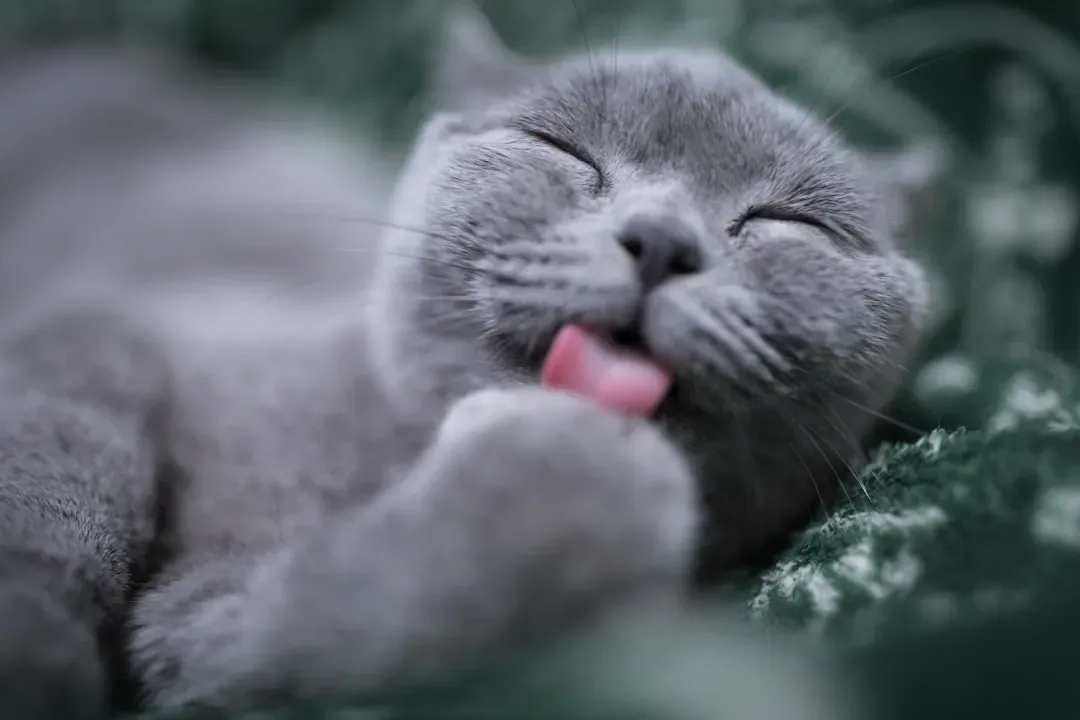
When a cat is happy, their coat is likely to be sleek, clean, and free of mats, showing that the cat is engaged in regular grooming. Cats are meticulous creatures who dedicate significant portions of their day to personal hygiene. A well-groomed cat with a shiny, smooth coat is broadcasting good health and emotional stability to the world.
A clean cat is a happy cat, and if your cat is not grooming as much as usual, they could be overweight, painful, or just not feeling like themselves. Grooming in your presence also demonstrates trust and comfort. If your cat throws up a leg and starts their grooming routine right in the middle of the living room while you’re watching TV, they’re showing you they feel completely at ease. Scruffy or matted fur, on the other hand, can signal stress or illness worth investigating.
Healthy Appetite and Mealtime Joy
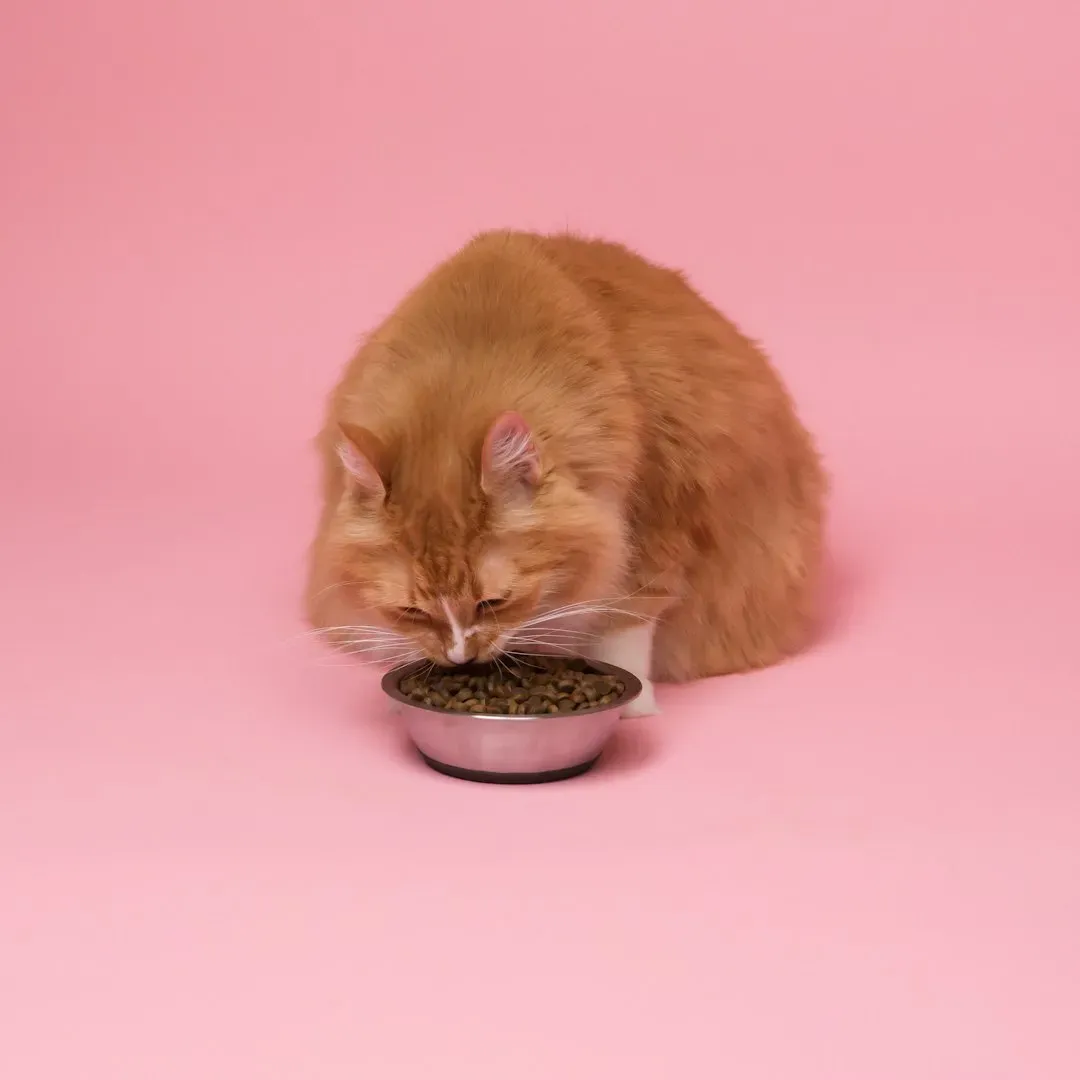
A cat’s emotional state can influence their appetite, and a happy cat looks forward to mealtime and treats with a healthy appetite. Food motivation varies among individual cats, but consistent eating patterns generally indicate contentment. Some cats come sprinting the moment they hear a can opener, while others approach their meals more casually.
Happy and content cats have good appetites and enjoy their food, and many happy cats relish their treats and have routines with their parents around mealtime. What matters most is knowing your cat’s normal relationship with food. Sudden changes in appetite, whether increased or decreased, warrant closer attention. Yet when your cat maintains their regular eating habits and shows enthusiasm for meals, it’s a reassuring sign that all is well in their world.
Affectionate Head Bunting
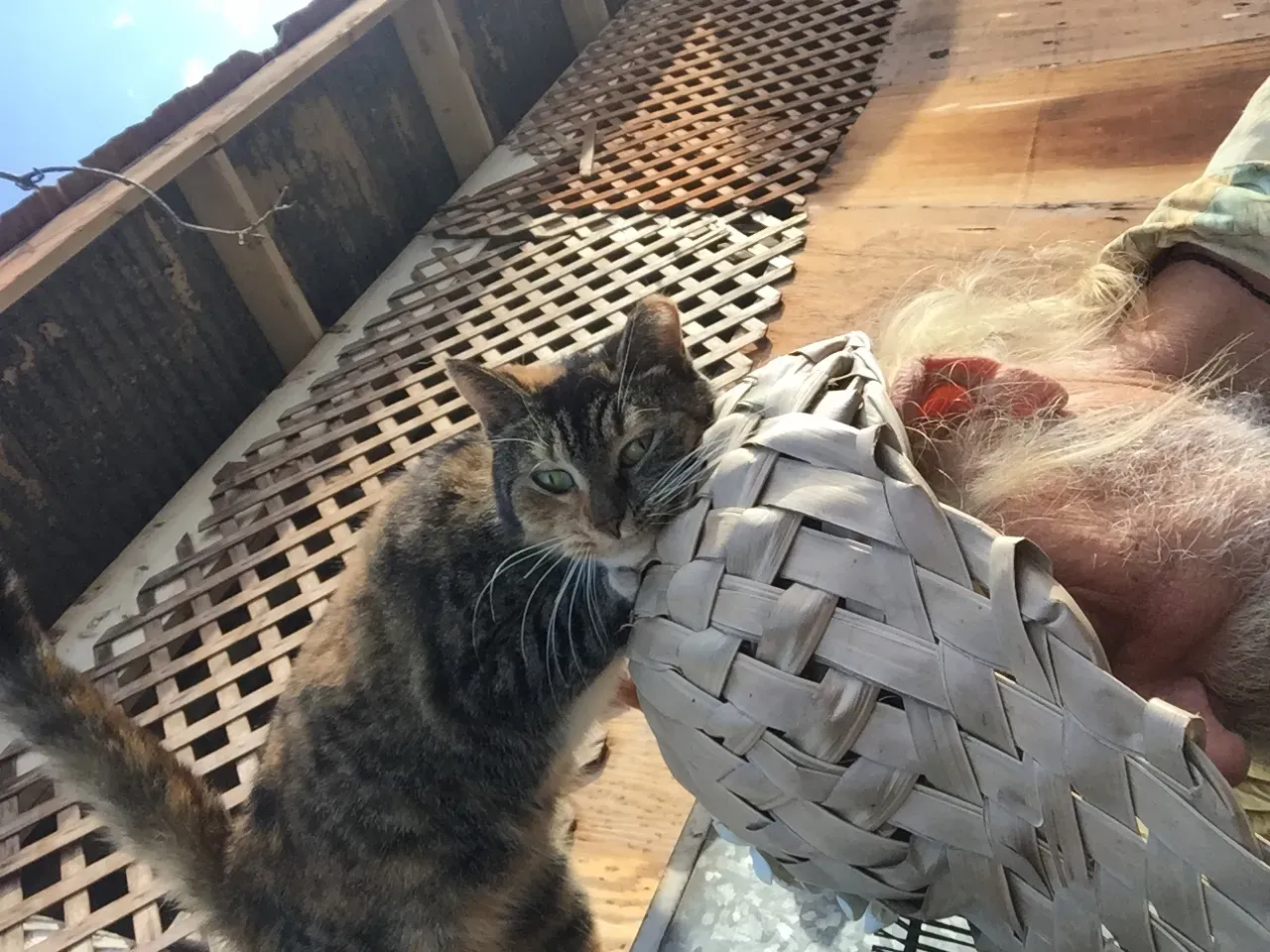
When your cat frequently headbutts or gently rubs their head against you, it’s more than just seeking attention. This behavior, known as bunting, serves multiple purposes in the feline world. Cats have scent glands on their cheeks, chin, and forehead, and when they rub against you, they’re depositing their unique scent signature.
In doing so, they’re leaving their scent on you, kind of like saying you’re part of their family. It’s simultaneously a territorial claim and an expression of deep affection. Your cat is essentially marking you as theirs, integrating you into their social group, and declaring to the world that you belong together. Those gentle head bumps against your leg or face are among the highest compliments a cat can give.
Relaxed Body Language
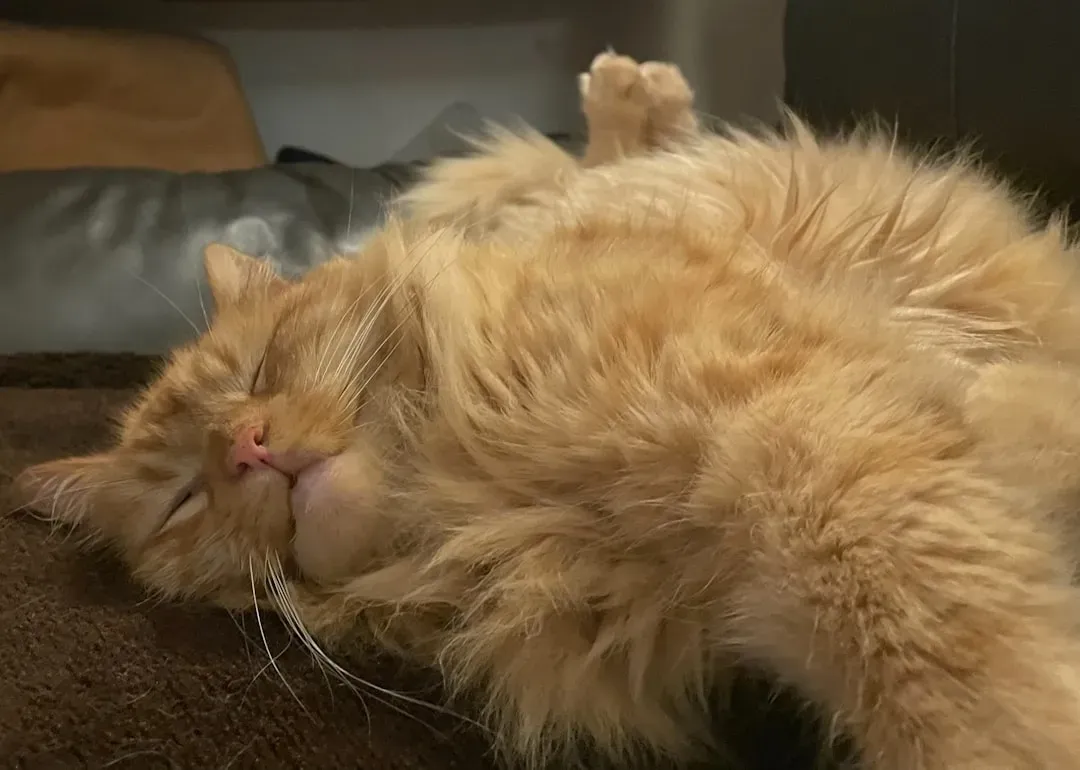
A happy cat usually has relaxed body language, with a raised tail, upright ears, and a calm demeanor indicating contentment. Observe how your cat holds their body when they’re lounging around. Content cats often sprawl out on their sides or backs, completely exposing their vulnerable belly area. This posture demonstrates they feel utterly safe and secure.
Even their posture speaks volumes, as a relaxed posture, a tail held high, or the tail casually lying beside them when they sit usually implies a sense of security and satisfaction. Tense muscles, flattened ears, or a hunched position suggest discomfort or fear. When your cat melts into their favorite resting spot, limbs akimbo and whiskers relaxed, you’re witnessing pure feline contentment. Those peaceful moments of total relaxation are your cat’s way of saying they trust you completely.
Chirps, Trills, and Happy Sounds
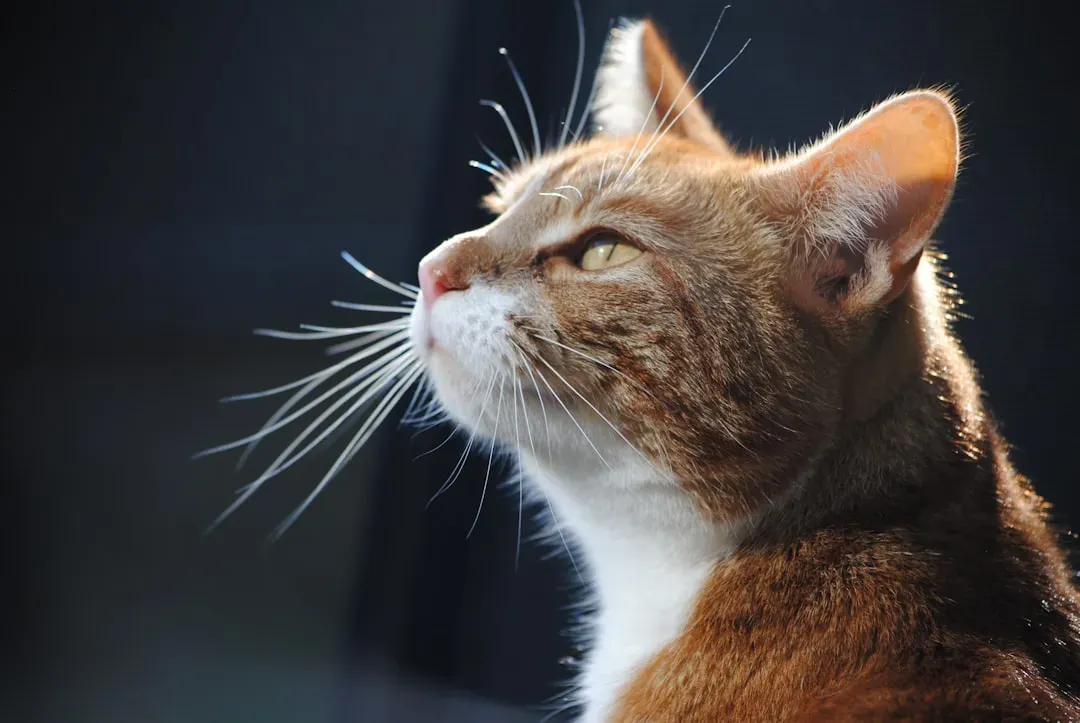
Trilling and chirping are signs that your cat is content, often signaling excitement or a friendly greeting. Beyond the classic purr, cats possess an entire vocabulary of sounds that reveal their emotional states. Those soft chirping noises and melodic trills are particularly endearing vocalizations reserved for positive interactions.
Chirps or trills are typically used to greet those they feel safe around, while soft, melodic meows can also signify a cat’s contentment and willingness to interact. Listen to the tone and context of your cat’s vocalizations. A chatty cat who greets you with trills when you come home or chirps at birds through the window is expressing engagement with their environment and happiness in their daily life. These cheerful sounds are your cat’s way of sharing their joy and inviting connection.
Conclusion
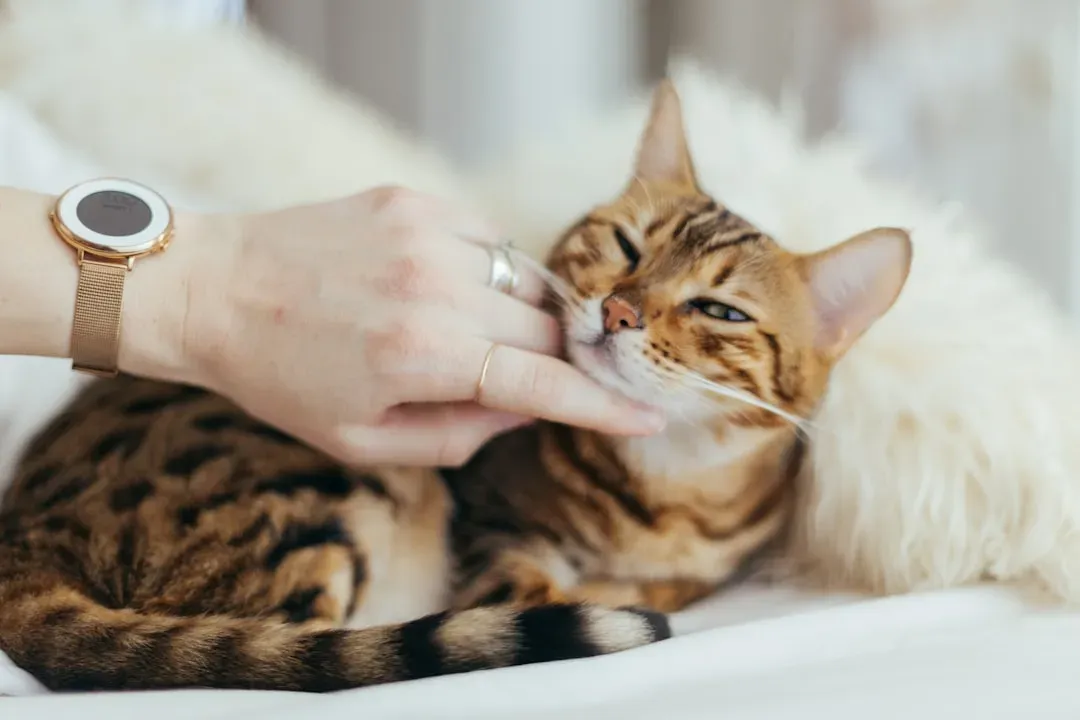
Recognizing these subtle signs transforms your daily interactions with your feline friend into a rich dialogue of trust and affection. Understanding these signs is key to creating a supportive and enriching environment for your feline companion, ultimately improving their quality of life and strengthening the bond you share. Each slow blink, playful pounce, and gentle head bunt represents your cat choosing you as their safe haven.
The beauty of cats lies in their understated expressions of love. They don’t need grand gestures to show contentment. Instead, they offer these quiet moments of connection that reveal the depth of their happiness. Did you notice any of these signs in your own cat today? What would you have guessed before reading this?