You know your cat better than anyone, yet somehow these mysterious little creatures always manage to surprise you. One moment they’re purring contentedly on your lap, and the next, you’re wondering if something might be off. Cats are famously skilled at masking discomfort, a trait inherited from their wild ancestors who needed to hide weakness from predators. This makes spotting illness early a real challenge for even the most attentive cat parents.
Cats have evolved to hide signs of illness and pain, which means by the time symptoms become obvious, your feline friend might already be quite unwell. Still, there are telltale clues if you know where to look. Let’s dive into those subtle hints that something’s not quite right with your furry companion.
Changes in Grooming Habits
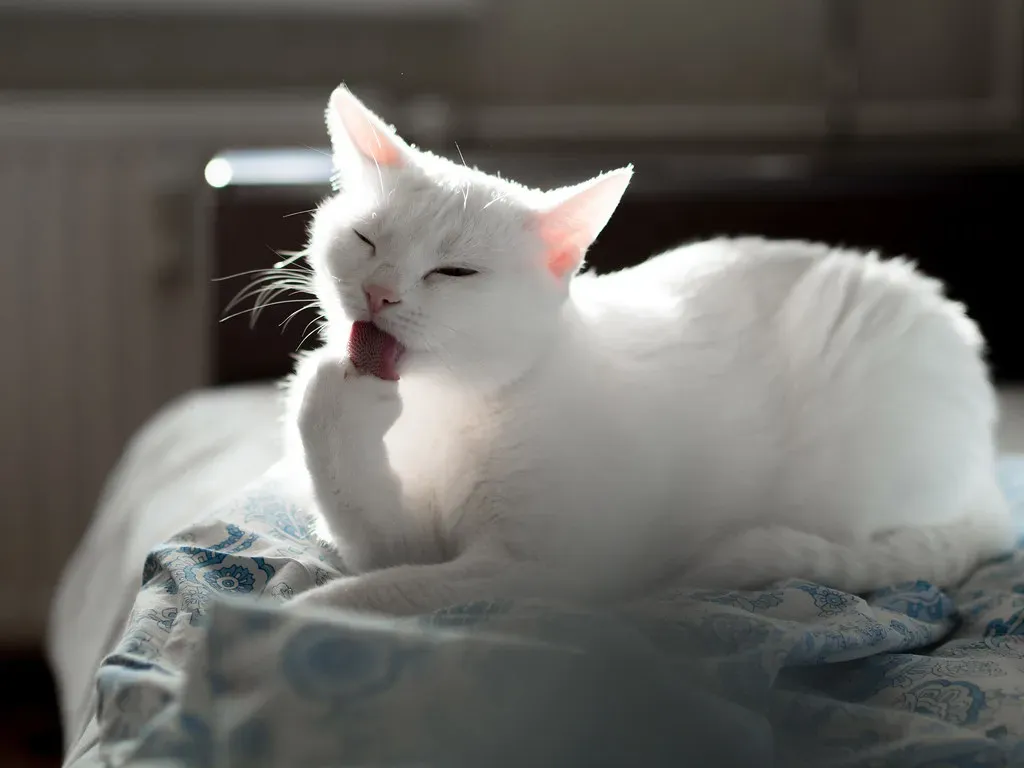
A healthy cat typically spends up to 50% of their waking hours grooming, keeping their coat pristine and well-maintained. When your normally immaculate kitty starts looking disheveled, with matted or greasy fur, it’s often one of the first red flags. Cats that are not feeling well do not tend to groom themselves well.
Here’s the thing though. Excessive grooming may be a reaction to a skin problem such as allergies; a parasite such as fleas, mites, or ringworm; pain such as that from arthritis or a bladder problem; or stress. You might notice your cat creating bald patches in specific areas, which is just as concerning as neglecting grooming altogether.
Appetite and Thirst Fluctuations
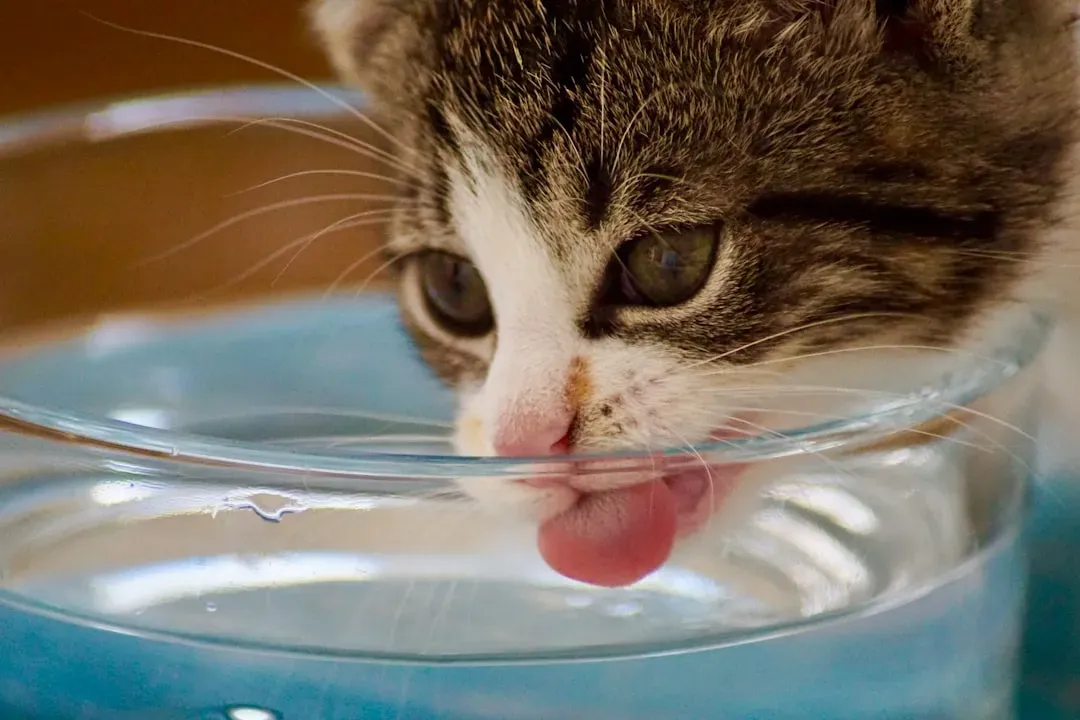
Let’s be real, most cats take their meals pretty seriously. Sick cats may eat less or more than usual, and they may drink less or more than usual, so any change in appetite or thirst may be of concern. If your cat suddenly turns up their nose at their favorite food, that’s your cue to pay attention.
What’s equally worrying is when they start drinking water like there’s no tomorrow. Endocrine disorders like diabetes and hyperthyroid disease cause excessive thirst and are common, especially in older cats. I know it sounds crazy, but monitoring your cat’s water bowl can actually save their life.
Hiding More Than Usual

Sick cats usually become withdrawn and may hide, although this depends on the personality of the individual cat. If your social butterfly suddenly wants nothing to do with you and spends hours tucked away in closets or under the bed, something’s brewing.
A classic sign of illness is hiding: kitty feels bad, tries to hide from “predators” and hides in a closet or under a bed. This instinctive behavior is hardwired into them. Conversely, some cats flip the script entirely and become unexpectedly clingy when they’re unwell, desperately seeking comfort they normally wouldn’t want.
Unusual Behavioral Shifts
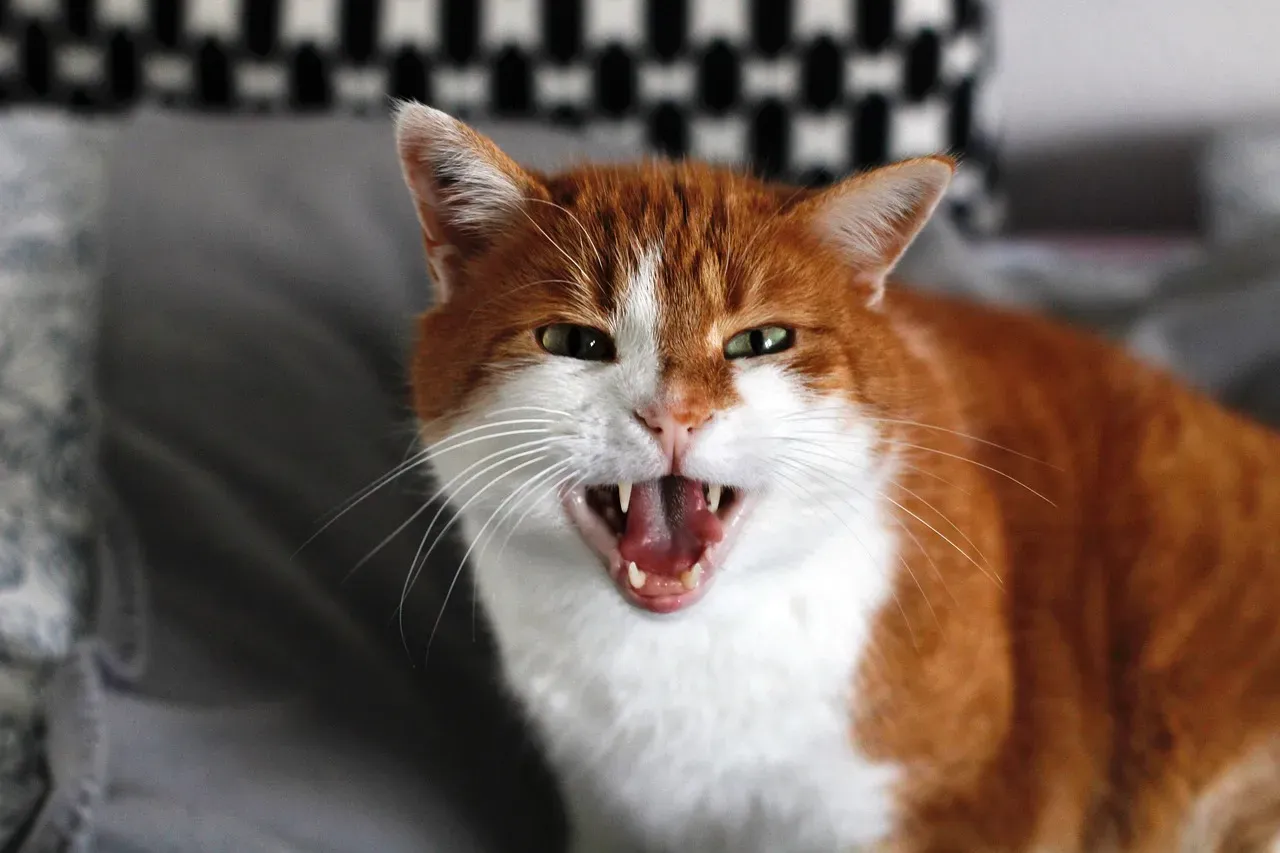
Some cats become clingier or demand more attention, while others just become cranky. Your normally sweet-tempered tabby might suddenly hiss when you try to pet them, or your aloof Persian might transform into a velcro cat overnight.
These personality changes aren’t just mood swings. If your furball is usually a cuddlebug who purrs as soon as you pick her up, but suddenly hisses when you touch her, there’s a red flag there. On the opposite end of the spectrum, a normally aloof cat that suddenly wants to cuddle may not be feeling well. Trust your gut on this one.
Energy Level Changes
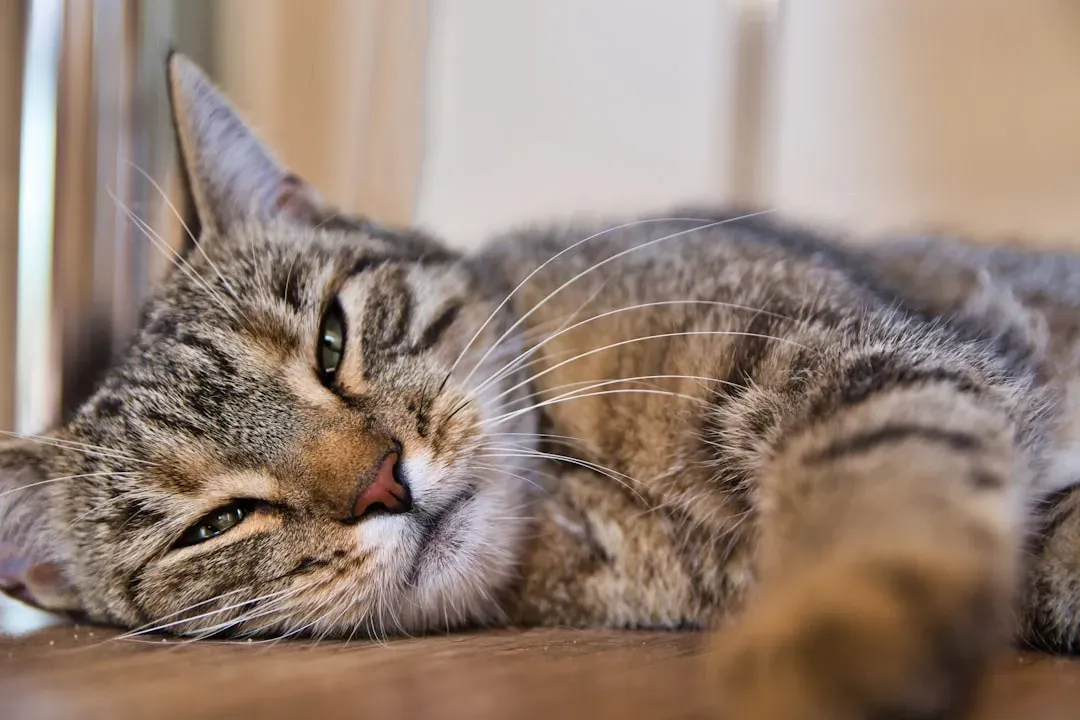
Generally, sick cats also have lower energy levels. The only thing you may notice is that your cat sleeps more, does not play as much, or is restless. Think about it like this: when you’re coming down with something, you don’t exactly feel like running a marathon, right?
Interestingly enough, with some diseases, especially hyperthyroidism, your cat’s energy level may seem to increase to the point of hyperactivity. Cats with hyperthyroidism are often restless at night and may suddenly begin howling or waking family members up. It’s hard to say for sure, but sudden bursts of unusual energy can be just as concerning as lethargy.
Litter Box Issues
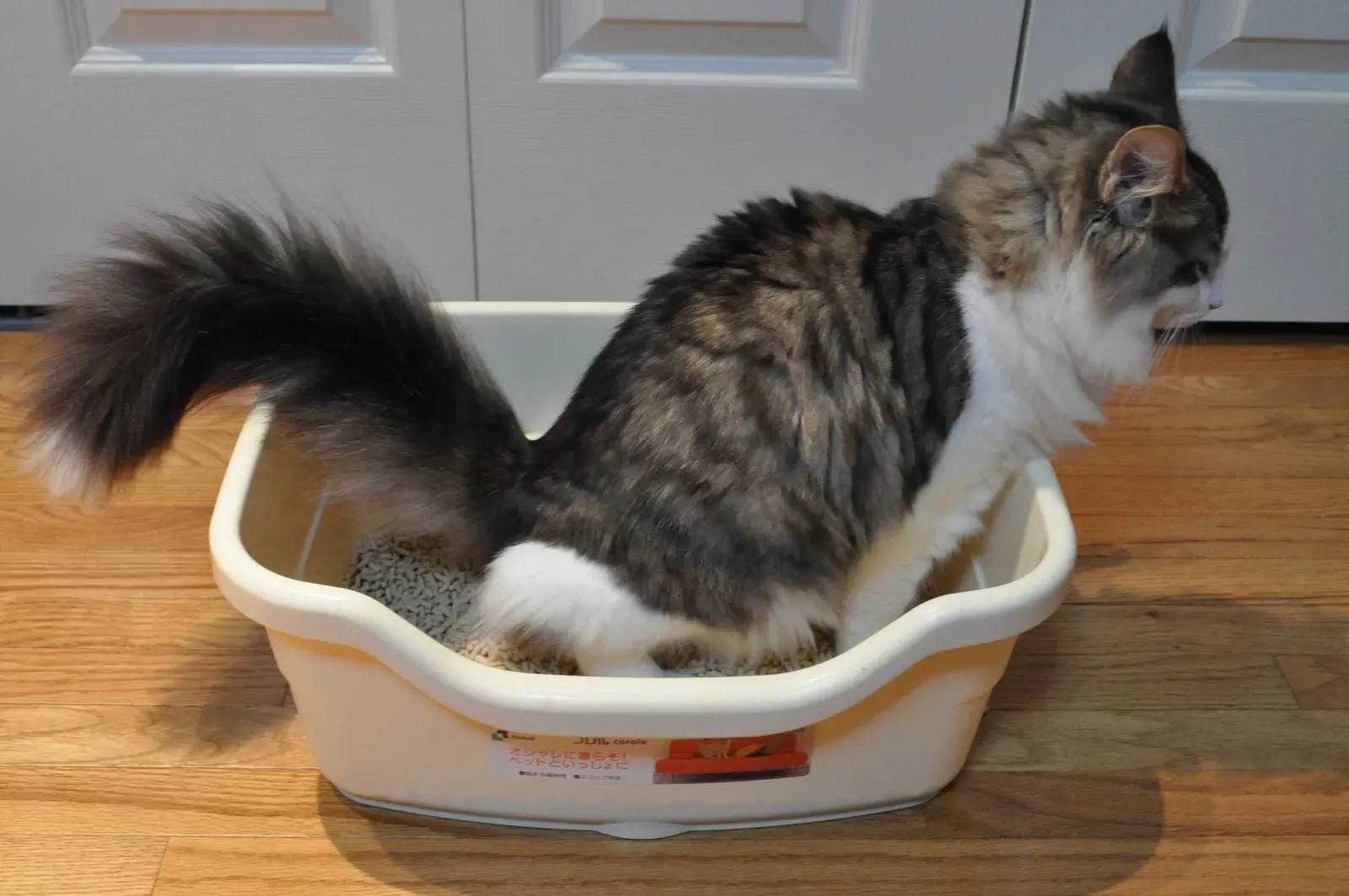
Monitoring your cat’s litter box habits can help you detect health issues early on. Increased frequency of urination or a change in the size of the clumps could indicate conditions such as diabetes or kidney disease. Nobody enjoys litter box duty, but it’s actually one of your best diagnostic tools.
The sudden appearance of litter box issues could indicate anything from a urinary tract infection to bladder stones or kidney disease. If you notice your cat straining in the box or going outside it entirely, that’s an emergency situation, especially for male cats who can develop life-threatening blockages.
Increased Vocalization
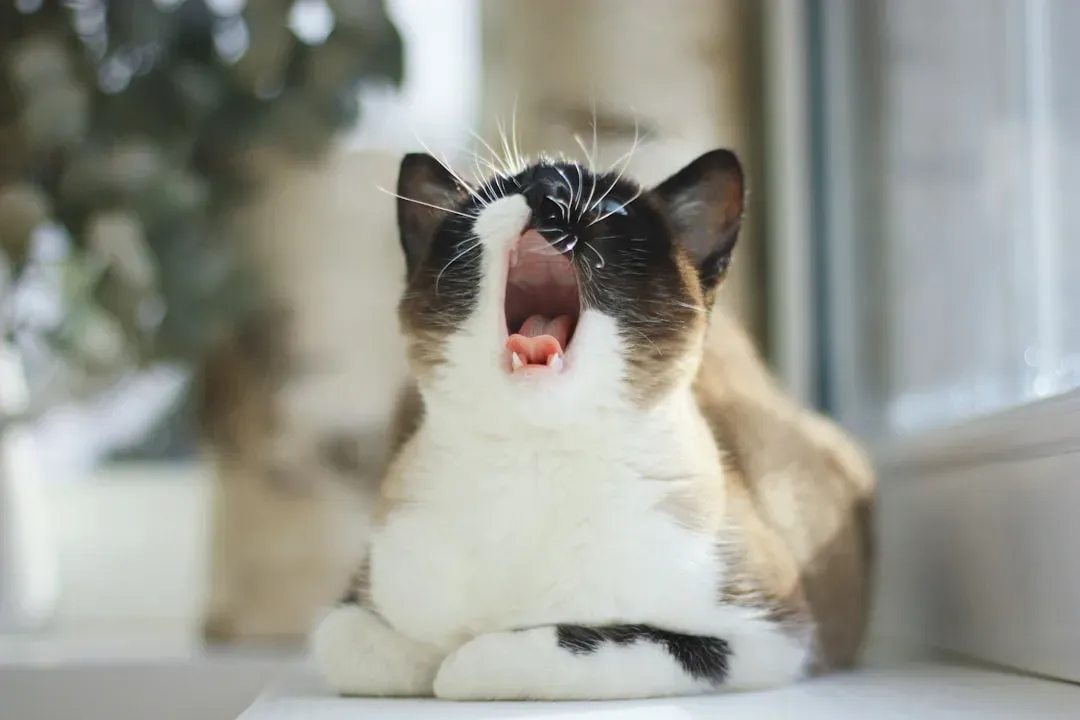
When a cat who is normally as quiet as a church mouse turns into a chatterbox, they could be trying to tell you that something is wrong. It is especially concerning if the behavior lasts for more than 24 to 36 hours.
Increased vocalization can signify many things. It could mean that your cat is in pain, has an upset stomach, or is even suffering from a neurological problem. Your cat might be literally trying to tell you they need help, so listen to those meows and yowls.
Eye Abnormalities
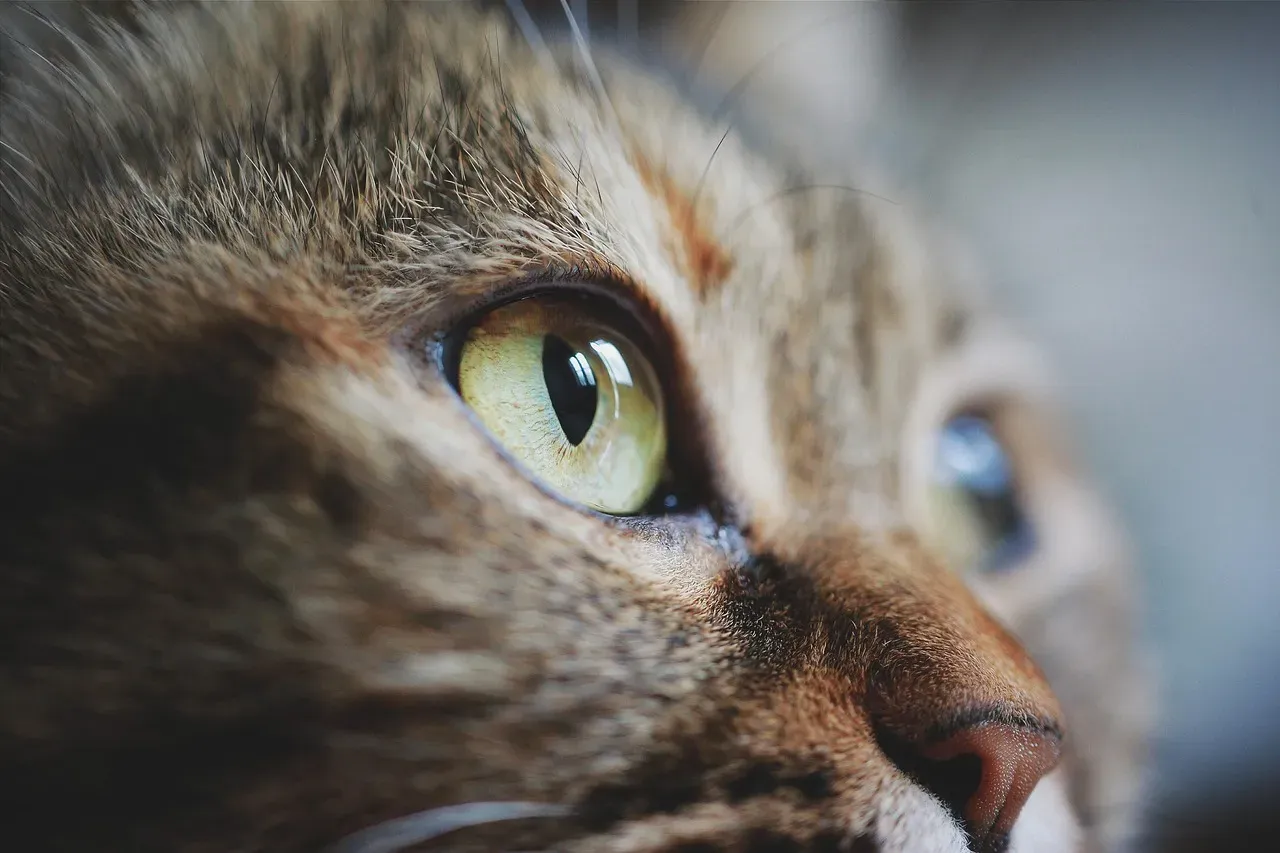
The third eyelid is located beneath the lower eyelid and, in a sick cat, it will cover part of the eyeball. Any abnormality with the eyes can result in blindness; if in doubt, do not delay. Your cat’s eyes should be clear and bright, not cloudy, squinty, or producing discharge.
Apart from discharge, redness, and cloudiness, also look for squinting or keeping the eye partially closed, which can indicate discomfort or pain. A noticeable increase or decrease in tear production can be a sign of eye conditions. Additionally, any swelling around the eye or changes in the size or color of the pupil should be taken seriously.
Weight Changes
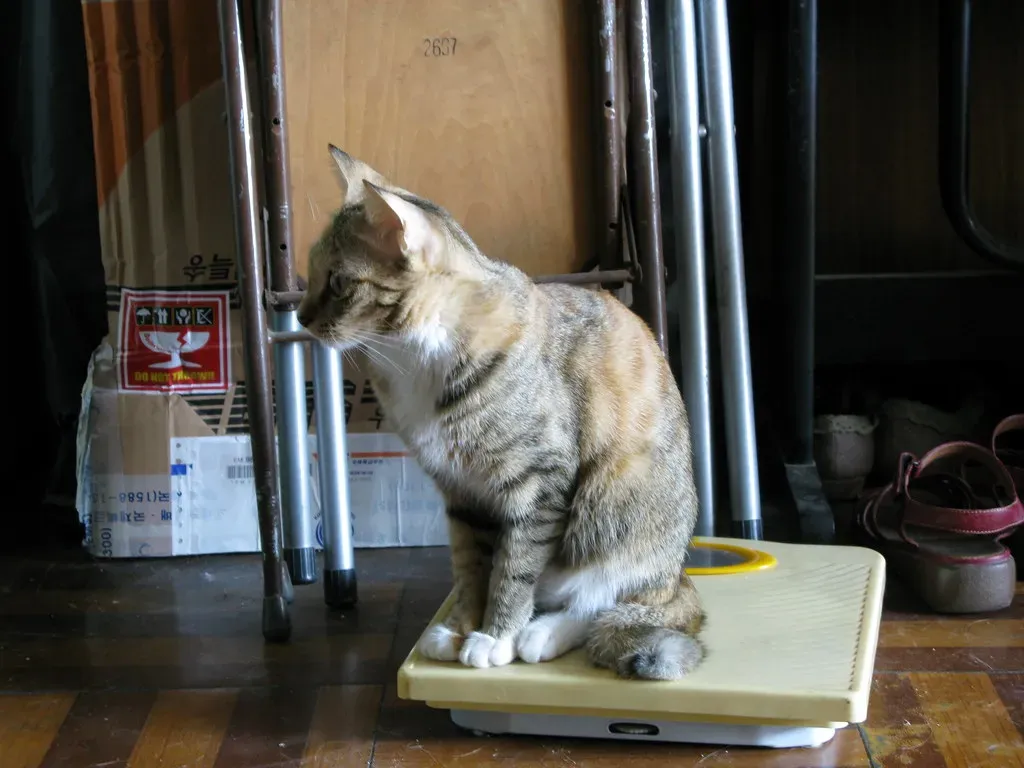
Cats with a chronic illness may develop slow and subtle weight loss that is only obvious when you run your hands along the ribs and spine. Honestly, this is one reason why regular petting sessions are so important – you’re literally feeling for changes.
Weight loss can be an indication of thyroid disease or worse, cancer. It’s tricky because cats are covered in fur, so visual checks don’t always cut it. Make it a habit to gently feel along your cat’s body during cuddle time, and you’ll be more likely to catch gradual changes before they become severe.
Breathing Difficulties
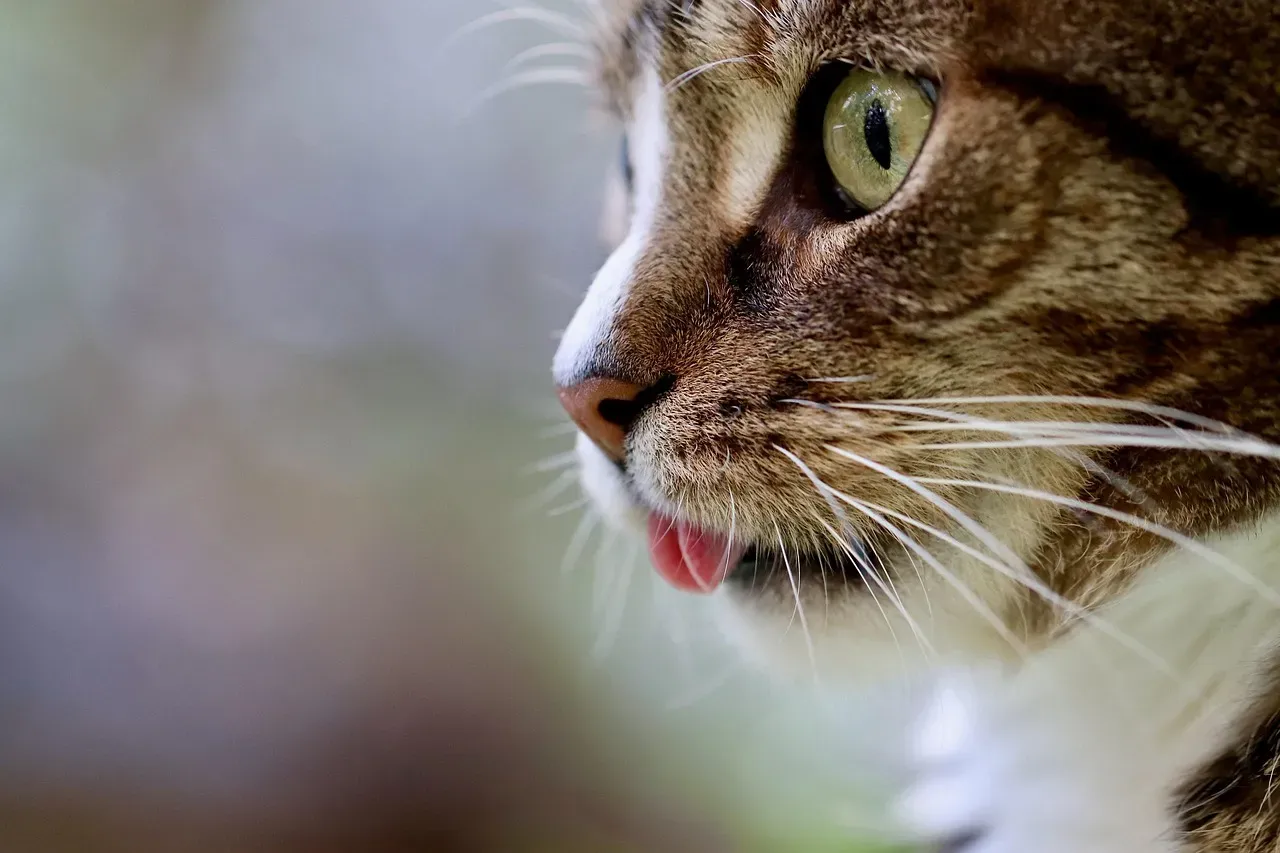
Breathing difficulty, such as shallow breathing, mouth breathing, or panting, may indicate a problem with the airways or lungs. Cats with breathing problems often extend their head and neck or may be unable to sleep in a normal position.
Count her breaths by watching the rise and fall of her chest for 15 seconds and multiplying by four. Anything over 40 breaths per minute warrants immediate attention from veterinarians. Cats shouldn’t pant like dogs do, so if you see your cat breathing with their mouth open or struggling for air, that’s a veterinary emergency.
Conclusion
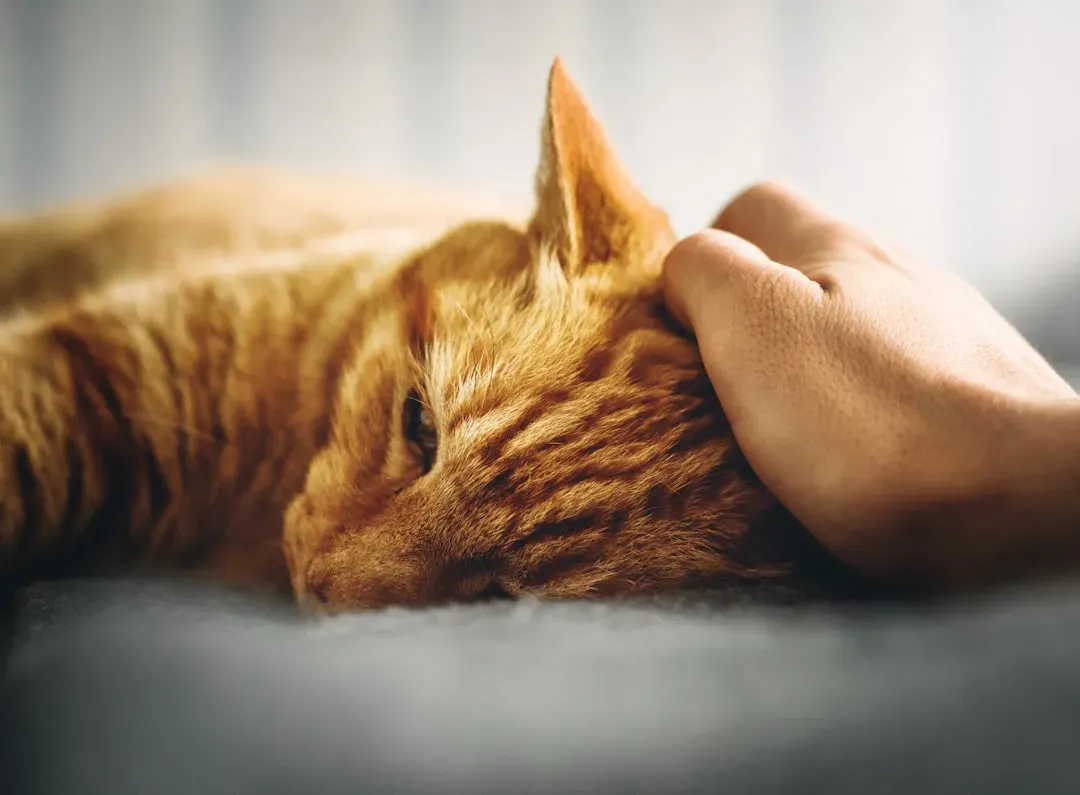
In the early stages of illness, often the only thing that a cat owner may notice is that the cat has become quiet and withdrawn. Unfortunately, this also means a cat may be very sick before the owner realizes something is wrong. The key is staying observant and trusting your instincts when something feels off.
Regular vet checkups are your best defense, but between visits, you’re the expert on what’s normal for your cat. Small changes in behavior, appetite, grooming, or energy levels can speak volumes if you’re paying attention. When in doubt, it’s always better to call your vet than to wait and see.
What subtle signs have you noticed in your own cat that turned out to be important? Your experience might help another cat parent catch something early.