Ever catch your cat staring intensely at absolutely nothing? Or maybe they’re stationed at your bedroom door like a tiny, furry sentinel? While it might look like your feline friend is just being weird again, there’s actually something more going on beneath that mysterious exterior. Your cat might be acting as your personal bodyguard, tuned into dangers you can’t even perceive.
Cats exist in a state of heightened awareness, constantly scanning for both prey and potential threats. Their senses are so much sharper than ours that they genuinely experience a different version of reality. What seems like quirky behavior could actually be your cat’s way of keeping watch over you. Let’s dive into the subtle signs that reveal your feline is secretly standing guard.
They Position Themselves Between You and the Unknown
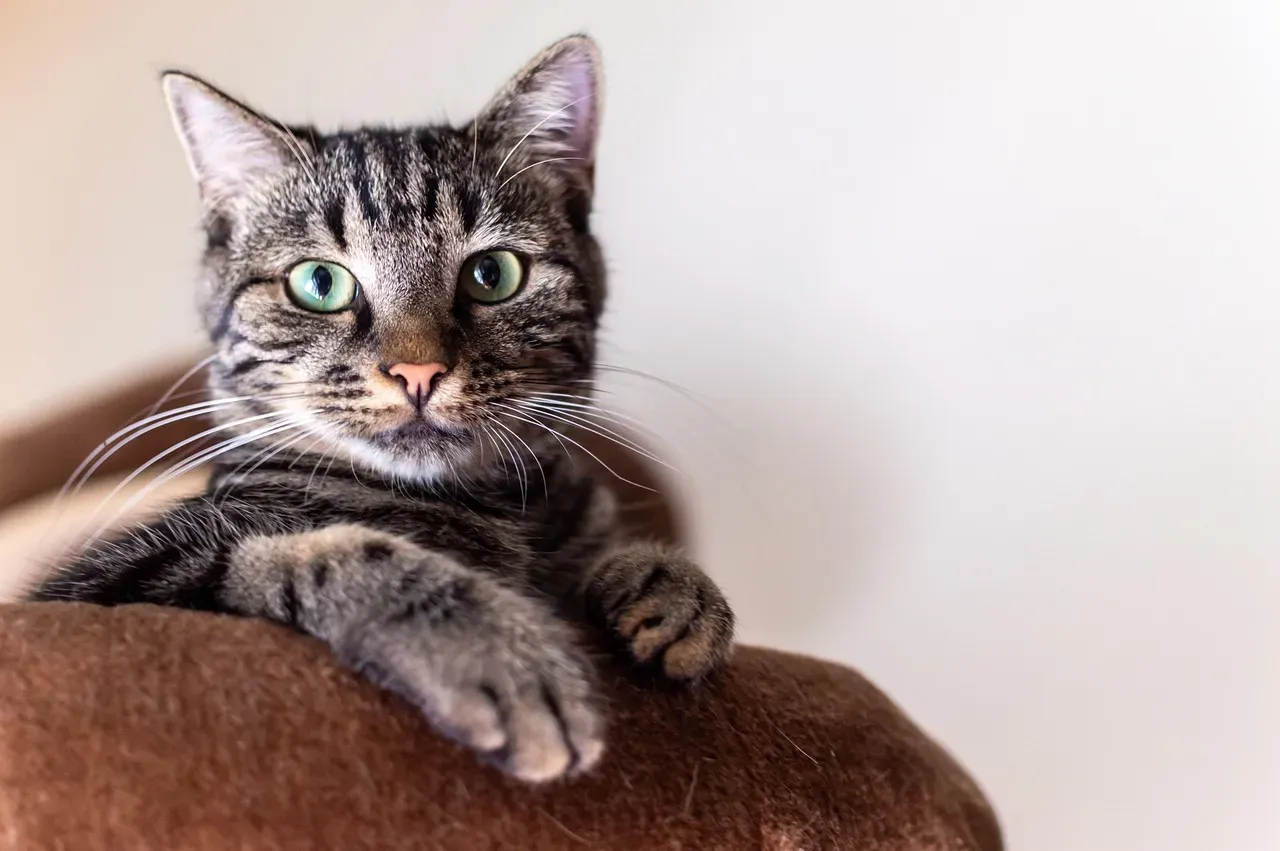
One of the most common protective signs is when your cat positions itself between you and something unfamiliar, such as a new visitor, another pet, or even a strange noise. This isn’t random. Your cat is literally putting their body on the line, creating a buffer zone between you and whatever they perceive as potentially dangerous.
You might notice this when someone knocks at the door or when there’s an unusual sound outside. Cats may position themselves between you and what they sense as a threat, such as new guests, loud noises, or even other pets. It’s their instinctive way of saying they’ve got your back, even if the threat turns out to be just the mailman.
Their Eyes Become Laser Focused on Empty Space
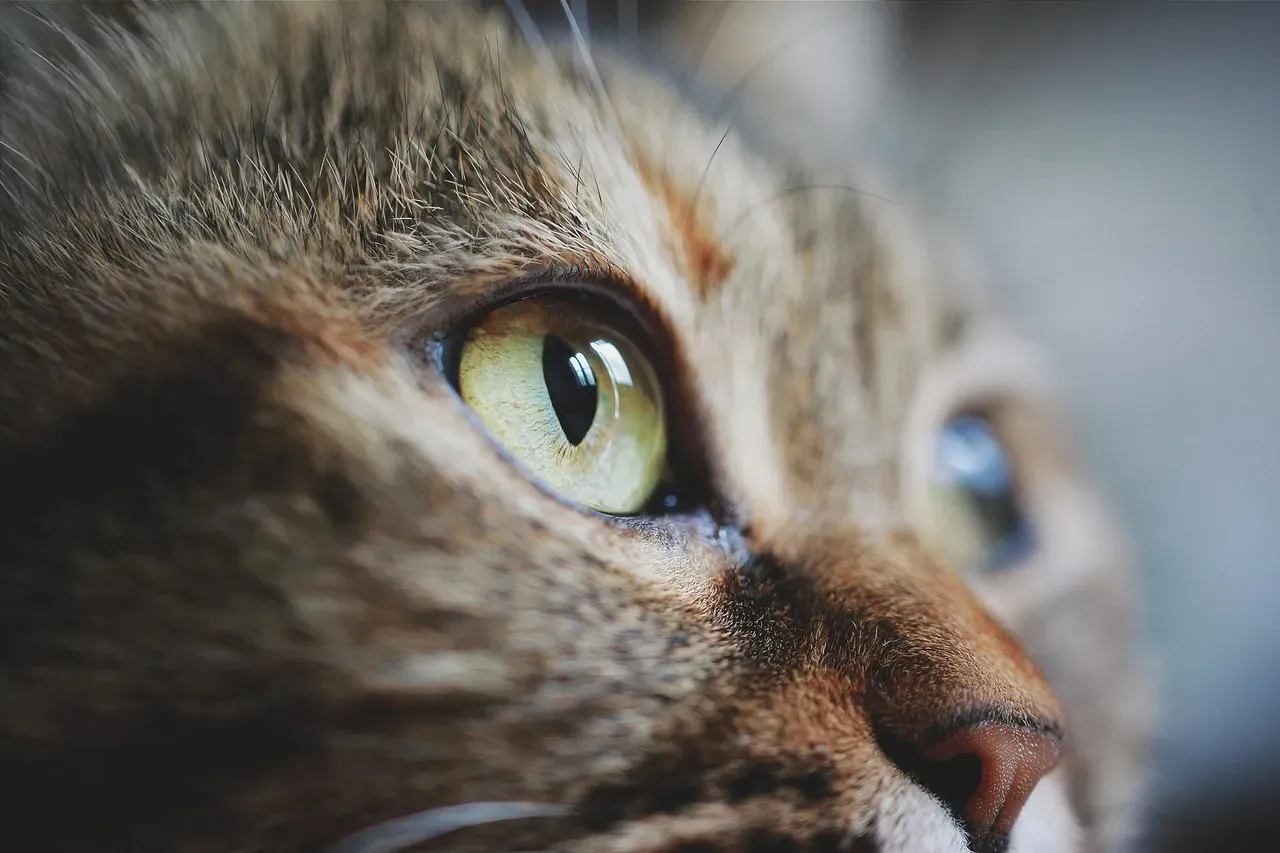
Cats that are concentrating, alert, frightened, or hunting often have dilated eyes, which helps them track movement and see better. When your cat stares intensely at what appears to be nothing, their pupils might widen dramatically. They’re picking up on something their superior senses have detected.
Cats possess remarkable night vision and their vision focuses on movement, allowing them to detect, define shapes, and look out for threats much better than humans. That blank wall they’re fixated on? There could be vibrations, sounds, or even tiny movements happening that are completely invisible to you. Your cat is essentially monitoring threats you can’t perceive.
They Shadow You From Room to Room
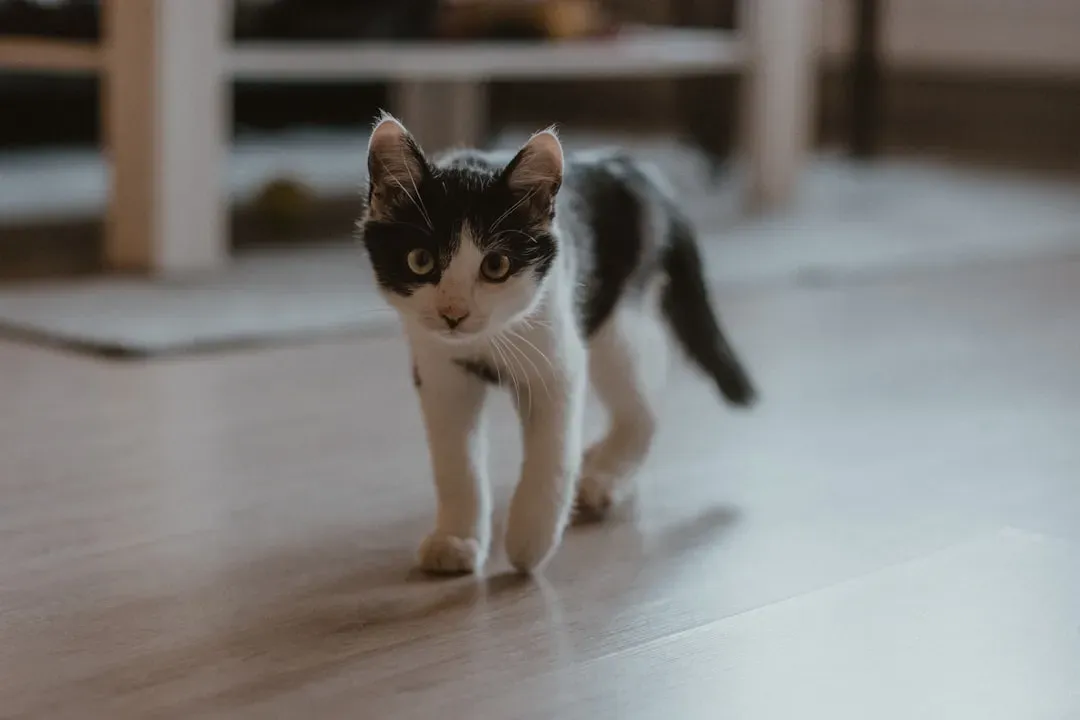
Does your cat follow you everywhere, even to the bathroom? A protective cat may follow you from room to room, keeping a close eye on your movements. This isn’t clinginess or separation anxiety in all cases. Sometimes it’s genuine vigilance.
Some cats follow their owners from room to room, always keeping a watchful eye. They’re essentially acting as your personal security detail, making sure you’re safe in every area of your territory. It might seem excessive, but to your cat, staying close means they can respond quickly if something threatens you.
Their Ears Swivel Like Tiny Satellite Dishes
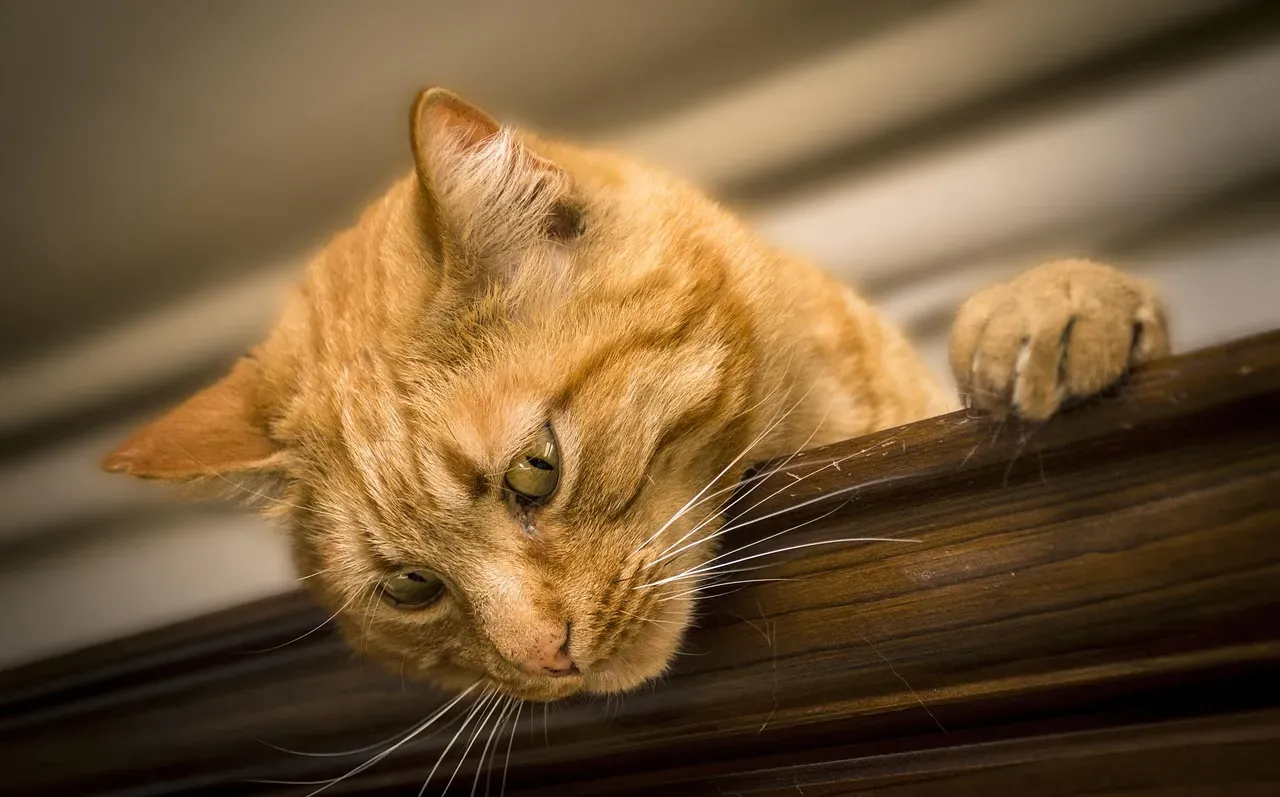
When cats want to pay attention to something, they will often point their ears toward that object, person, or event, which helps them hear better and gives them the focus they need to act if necessary. Watch your cat’s ears closely. If they’re constantly rotating and adjusting, your cat is actively scanning the environment for audio threats.
Cats can hear, see, and smell much better than humans. Those swiveling ears aren’t just adorable; they’re sophisticated detection equipment picking up sounds from frequencies and distances we can’t access. Your cat might hear an approaching stranger long before you do.
They Maintain a Vigilant Crouch Position
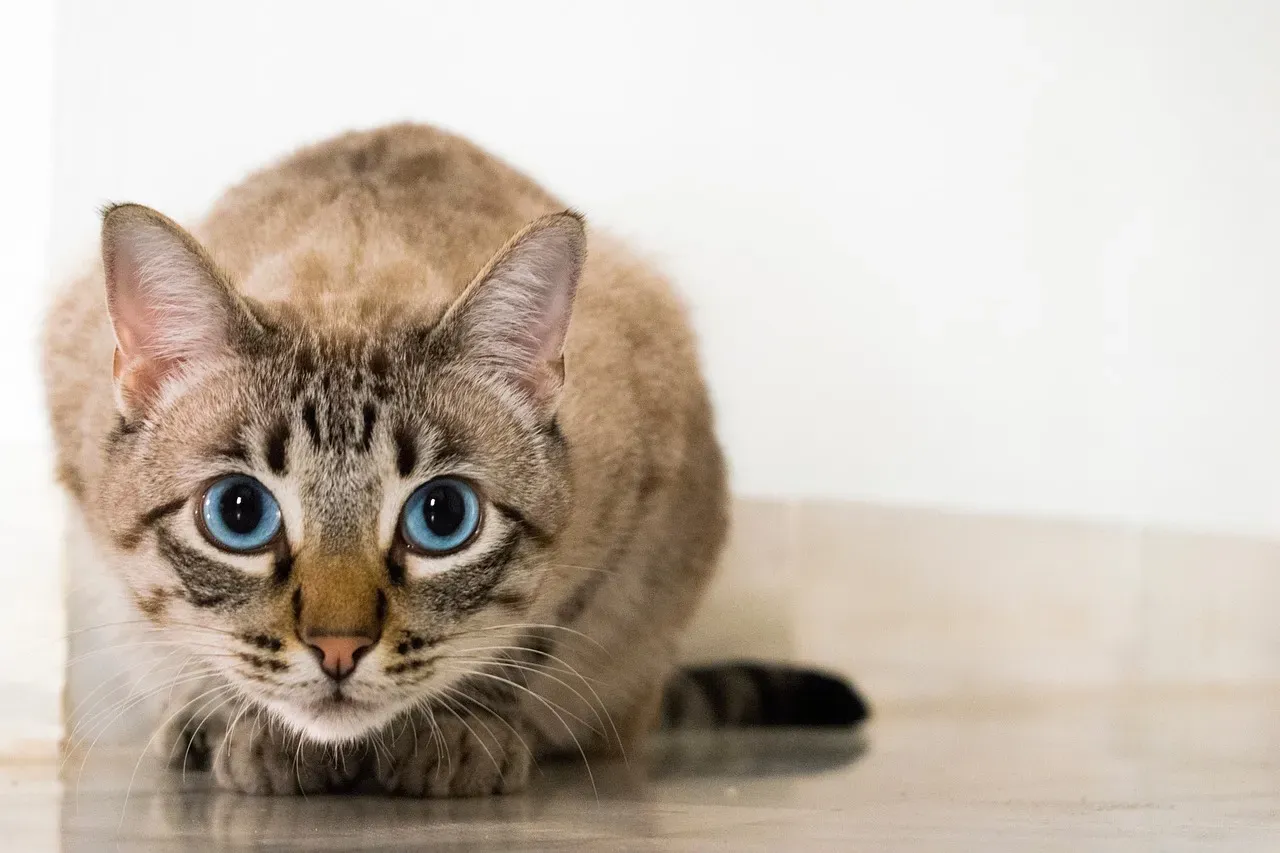
Cats crouch because it allows them to jump into action very quickly, so if they’re trying to protect you from something, they may crouch in preparation. This isn’t your cat relaxing; it’s them coiling like a spring, ready to react in an instant.
You might see this tense posture when your cat is near you but seems unusually alert. Cats may lay nearby in a seemingly comfortable manner but they will appear to be unusually uptight and tense. They look relaxed, yet something about their energy feels different. That’s protective mode.
They Sleep Near Your Head or Chest
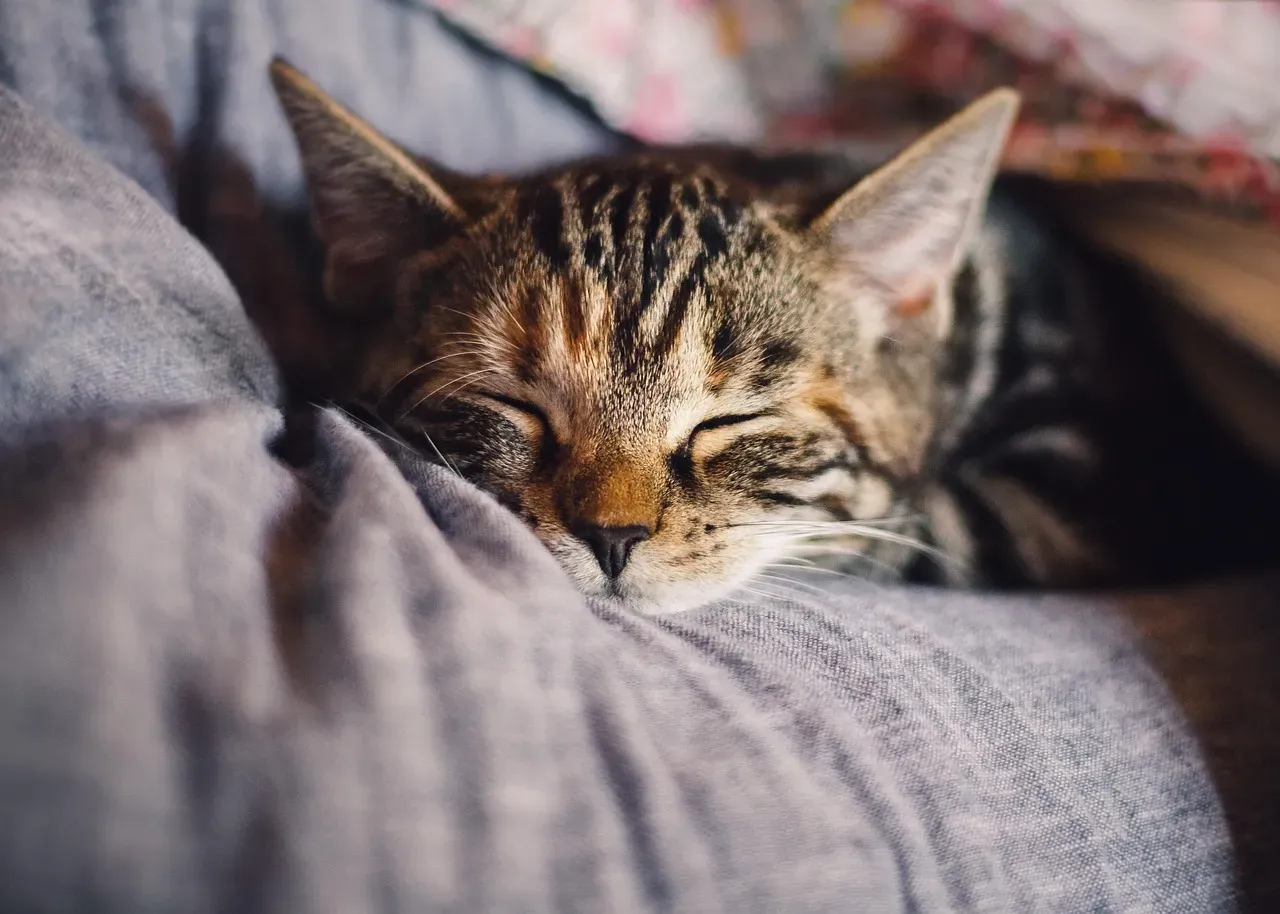
Sleeping near your head or chest allows cats to monitor your breathing and heartbeat. This isn’t just about warmth or comfort. By positioning themselves this close to your vital signs, your cat can immediately sense if something is wrong with you.
Cats that sleep close to or on their owner’s bed may be providing comfort while subtly keeping watch, particularly if they rest by the door or foot of the bed. They’re strategically placed to both monitor you and guard potential entry points. It’s honestly pretty tactical when you think about it.
They React to Changes You Haven’t Noticed Yet
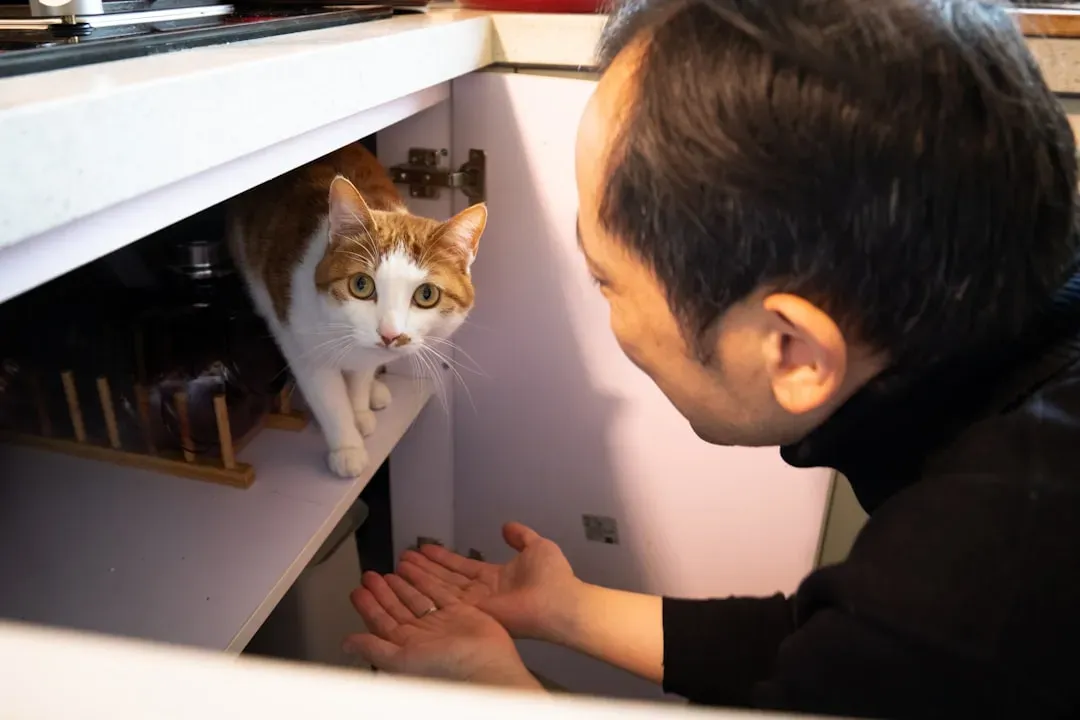
Cats are highly attuned to their owners’ moods and behaviors, and may react differently when they sense that their human is in distress. Have you ever had your cat act strangely right before you realized you were getting sick? That’s not coincidence.
Cats are highly perceptive to changes in body language, tone of voice, and scent, all of which shift when humans experience stress or illness. They’re picking up on chemical changes in your body that signal something’s off. Your cat knows before you do, and they’re staying close to keep watch.
They Issue Low Vocalizations at Seemingly Nothing

Growling, hissing, or a low yowl can indicate they perceive a threat and are prepared to protect you. When your cat makes these sounds without an obvious target, they’re detecting something in the environment that concerns them.
Hissing, growling, or yowling are all signs that your cat is feeling threatened and trying to scare off potential predators or attackers. These vocalizations serve as both a warning to the perceived threat and an alert to you. Your cat is essentially sounding the alarm about invisible dangers.
They Exhibit Unusual Restlessness Before Events

Cats may become agitated or try to hide before earthquakes, storms, and floods due to their ability to sense subtle vibrations and pressure changes in the environment. If your normally calm cat suddenly becomes hyperactive or anxious without apparent reason, pay attention.
Many cats display high energy behavior, often darting around or zooming through the house, when they sense barometric shifts before storms. They’re reacting to environmental changes you can’t detect. This behavior might seem random, but your cat is responding to genuine shifts in atmospheric conditions that signal incoming danger.
They Maintain Watch While You’re Most Vulnerable
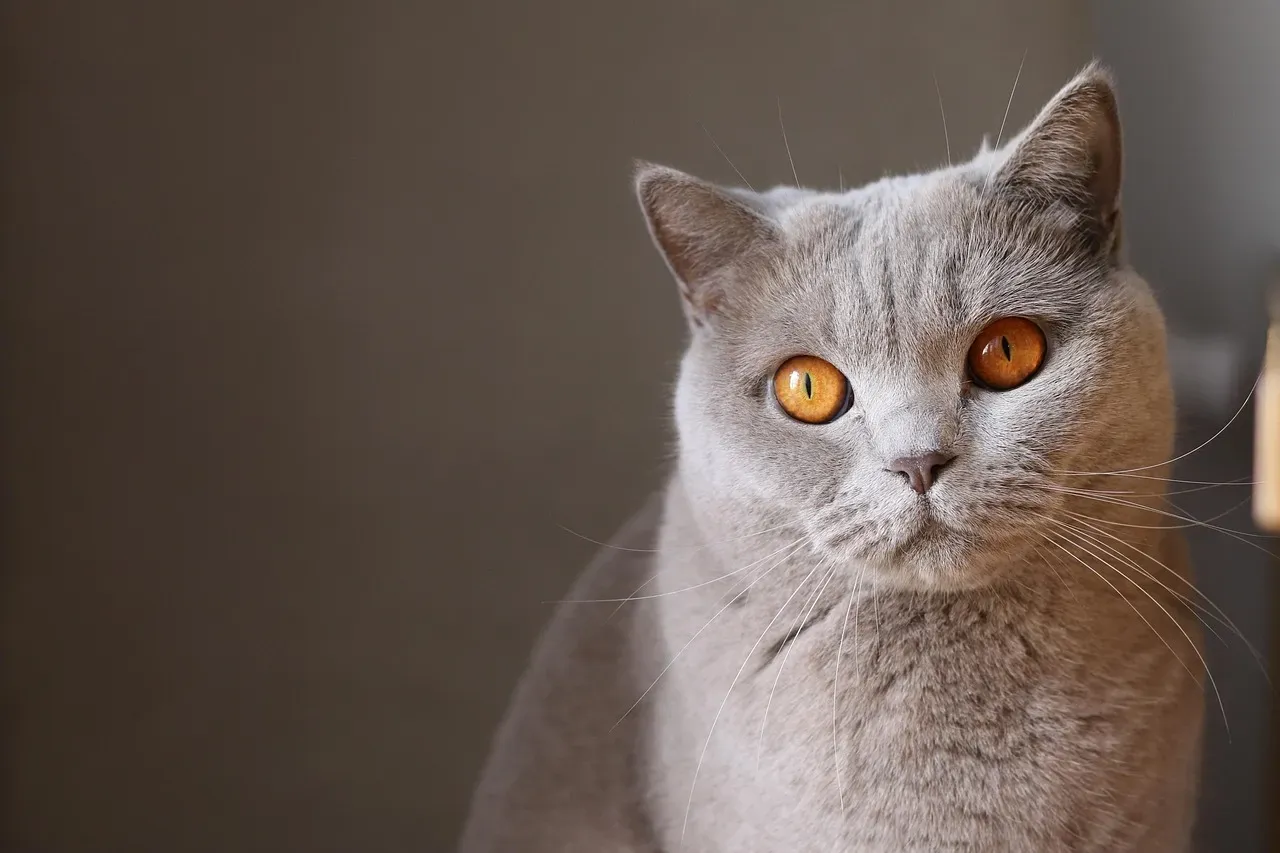
Cats often stay alert, especially at night, to ward off potential intruders, and with their extraordinarily sharp senses and ability to detect faint noises earlier than humans, they serve as an early warning system. When you’re asleep, you’re at your most defenseless.
Even while resting, a cat’s sharp hearing remains active, and they may react to unfamiliar sounds to ensure there’s no immediate threat. That’s why your cat might seem to be “doing nothing” while you sleep, but they’re actually on duty. They’re your night shift security, monitoring the environment while you’re unconscious and vulnerable.
Conclusion: Your Silent Guardian

Cats can be just as protective of their people as dogs are of theirs, even though they express it differently. While dogs are loud and obvious about their protective instincts, cats operate in the shadows, using their superior senses and strategic positioning to keep watch over you.
The next time your cat does something that seems strange or purposeless, consider that they might be tuning into frequencies, scents, and vibrations completely beyond your perception. Cats’ protective nature is more subtle and rooted in territorial instincts and emotional attachment, and they tend to use vigilance and warning signals rather than direct confrontation. Your feline isn’t just being weird; they’re being protective in their own mysterious, subtle way.
So what do you think? Have you noticed your cat exhibiting any of these guardian behaviors? Maybe that intense stare at the corner isn’t so random after all.