Ever wondered if your furry companion actually cares when you’re having a rough day? Those mysterious creatures we call cats might seem aloof, yet they possess an incredible ability to sense our emotions and respond in their own unique ways.
Recent research reveals that cats are remarkably attuned to human emotions and can pick up on subtle changes in their owner’s emotional state. When you’re feeling down, your feline friend might be orchestrating their own version of emotional support therapy. The signs are often so subtle that we might miss them entirely, mistaking their comforting gestures for ordinary cat behavior. Let’s explore these gentle ways your cat tries to lift your spirits.
The Silent Sentinel Approach

When sadness strikes, you might notice your cat seems to be around more often than usual, staying nearby without being clingy as they try to reassure you in their own way. This behavior represents one of the most understated forms of feline support.
Your cat transforms into a quiet guardian, positioning themselves within your line of sight or just close enough to monitor your well-being. Their calming presence through simply sitting nearby or lying down can provide solace during challenging times and create a comforting atmosphere. This isn’t coincidence; it’s calculated compassion from a creature who understands that sometimes presence matters more than action.
The Strategic Cuddle Campaign
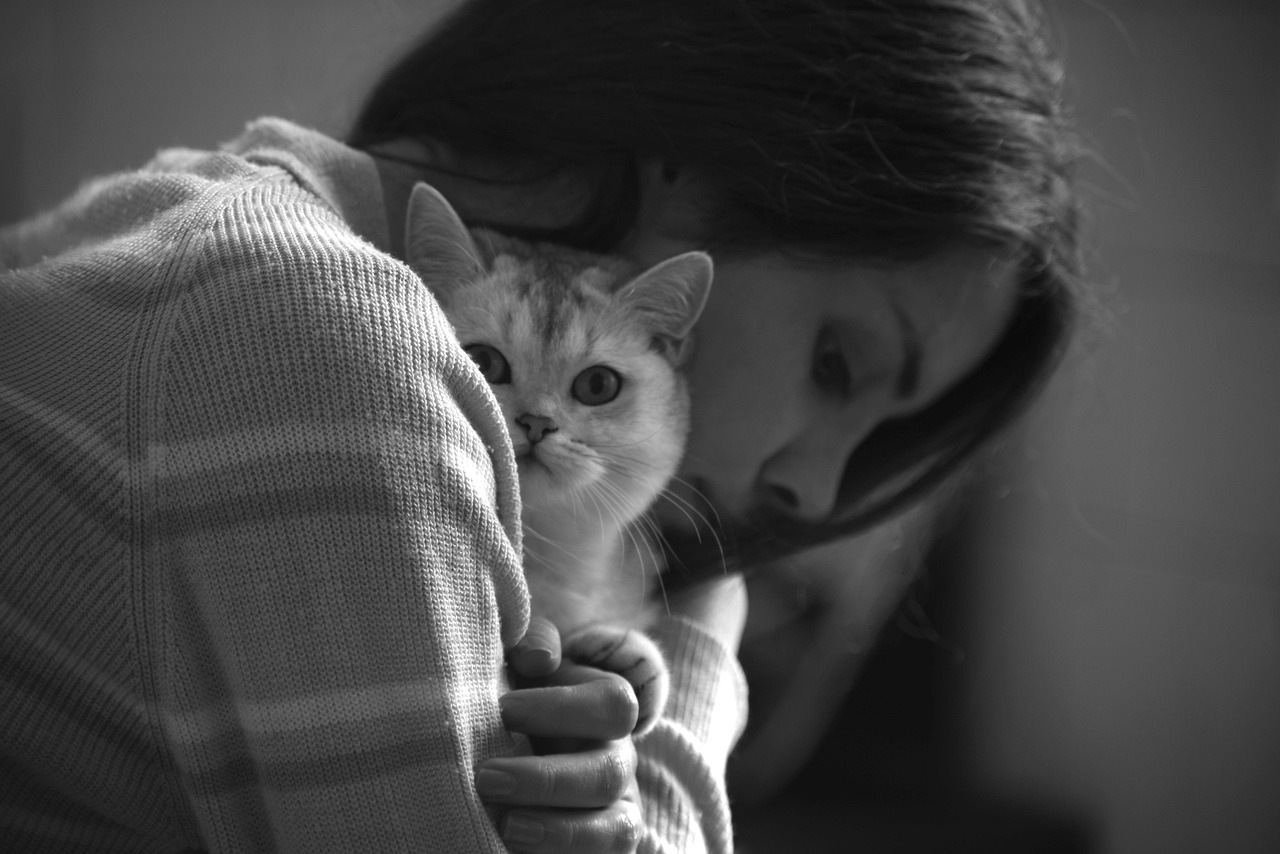
Cats may attempt to comfort their owners by cuddling, lying on their lap, offering affectionate exchanges like head-butting and kneading, or laying on their chest with rhythmic purring and warmth. These aren’t random acts of affection but deliberate comfort missions.
When cats curl up beside their owner, gently nuzzling or purring, they demonstrate their understanding that physical contact can be soothing during times of emotional distress. Your typically independent feline suddenly becomes a furry therapist, using body heat and gentle vibrations as their therapeutic tools. The timing is never accidental; they seem to know exactly when you need that extra warmth.
The Healing Power of Purrs

Purring can comfort you when you cry, and research suggests that the frequency of a cat’s purr has similar soothing and healing properties for humans. This biological phenomenon goes beyond simple contentment expression.
Purring serves as one of the cat’s primary communication methods, indicating happiness and comfort, with frequencies that have been found to have therapeutic effects on humans. When your cat increases their purring volume during your low moments, they’re essentially offering their own version of sound therapy. Think of it as nature’s white noise machine, specifically calibrated for emotional healing.
The Slow Blink Love Letter
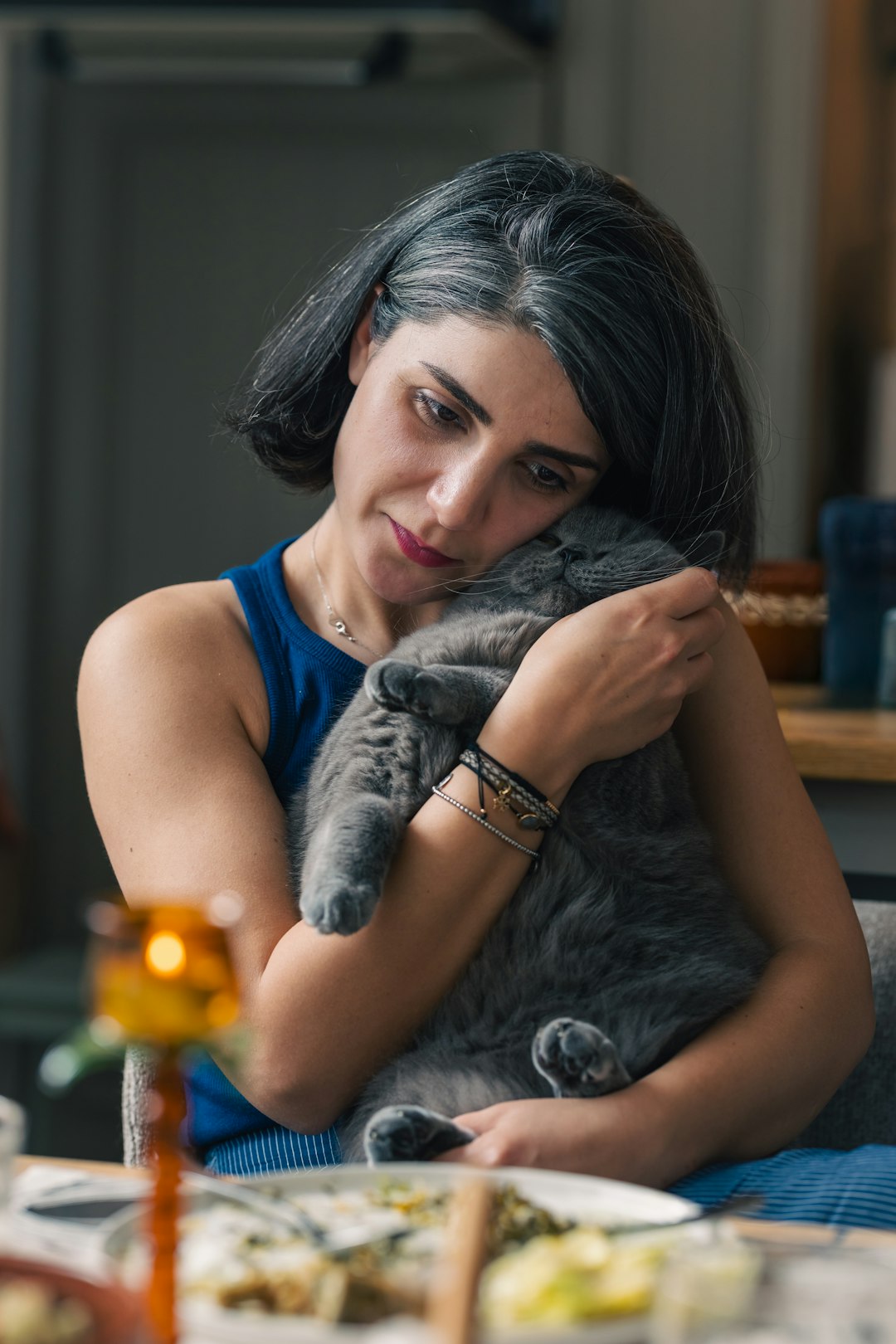
Cats use narrowed eyes and slow blinks to communicate positive emotions, and when you cry, your cat may make eye contact and narrow their eyes at you to try and comfort you, with slow blinking being their way to tell their owners they love and care for them. This gesture represents the feline equivalent of sending a love note.
When a cat looks at you and slowly closes and reopens their eyes, it’s a sign of trust and affection, signaling that your cat feels safe and comfortable around you, essentially saying “I love you”. These deliberate eye movements during your emotional moments aren’t sleepy indifference; they’re calculated communications of support and affection.
The Gentle Touch Technique
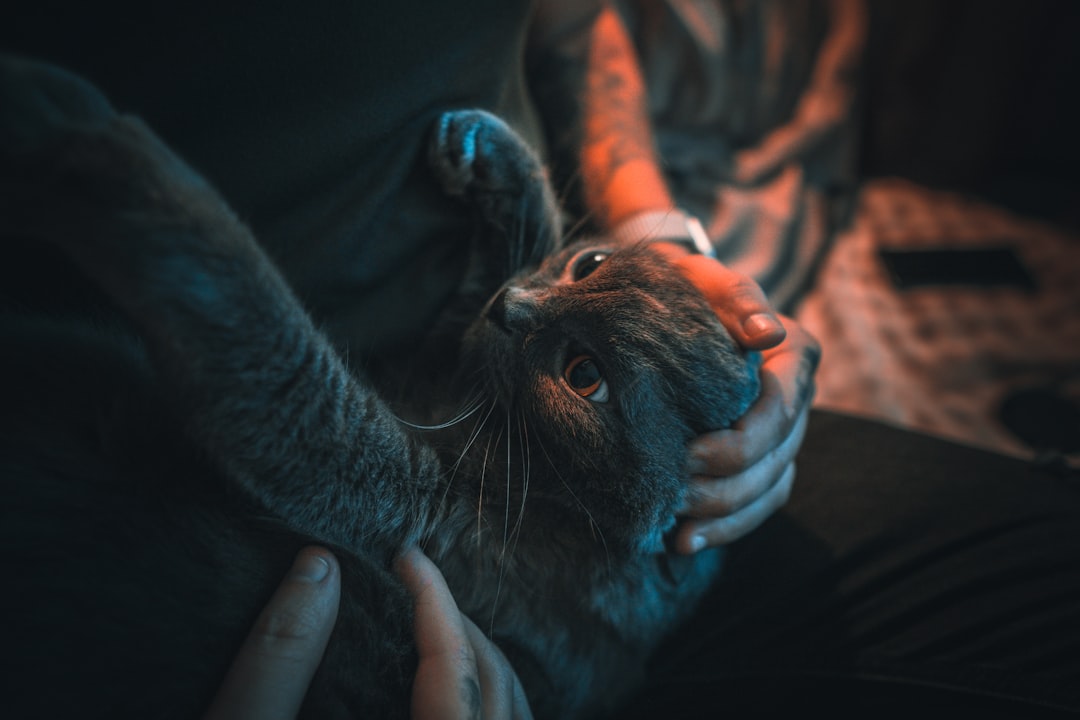
When cats see their owner crying or upset, they may approach with a gentle touch or rub against their legs as their way of trying to offer comfort and support. These soft physical contacts serve as feline reassurance signals.
Cats typically show comfort through physical closeness, gentle touching, and maintaining visual contact, with some cats vocalizing softly or following their owners around to provide support. Your cat’s subtle paw placement on your arm or their whiskers brushing against your face aren’t accidents. They’re precision-delivered comfort doses, administered exactly when your emotional state requires gentle acknowledgment.
The Attention Redistribution Project
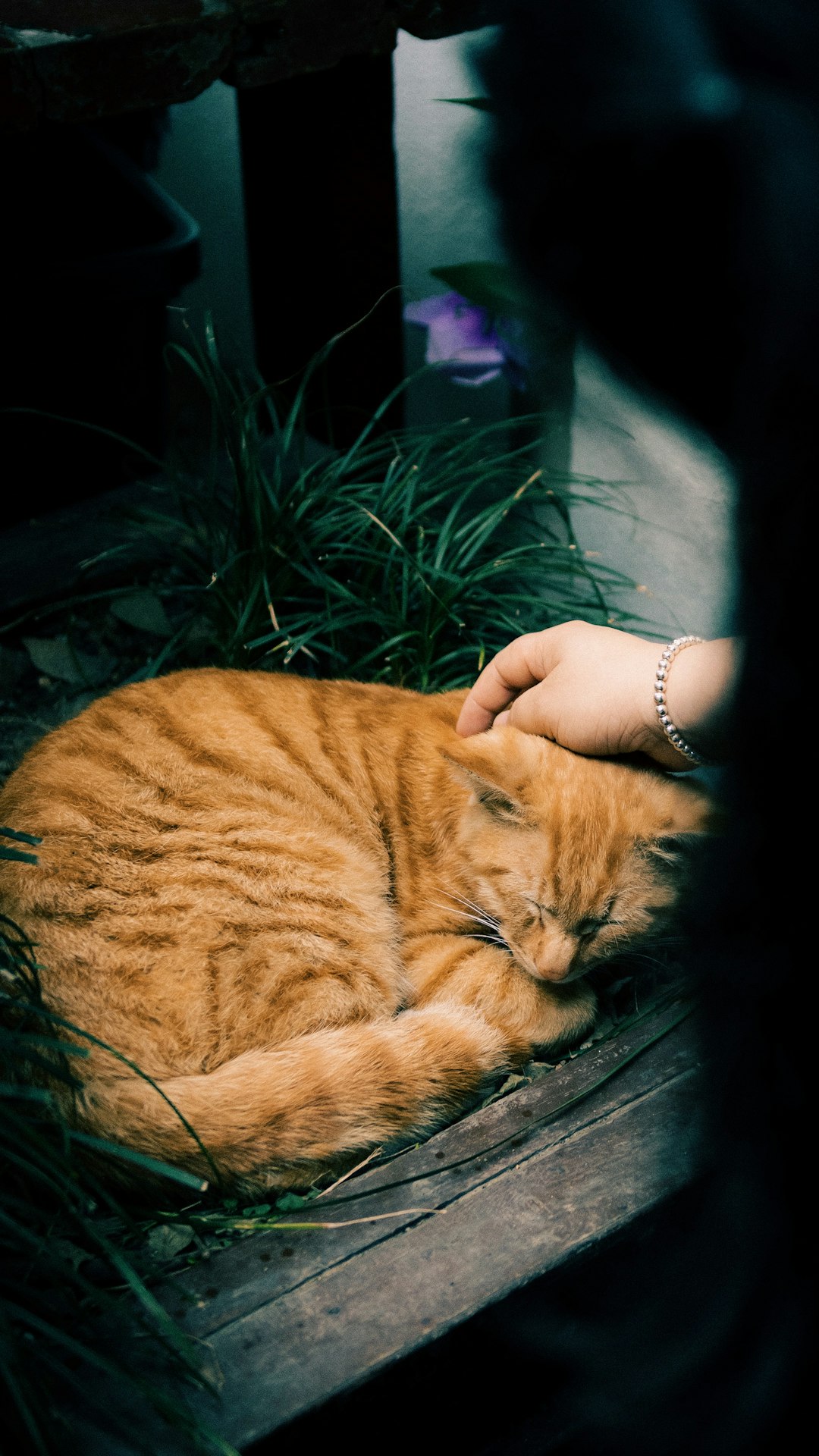
Cats’ presence can distract their owners from distress, and gently stroking or petting a cat while crying can help shift focus and redirect negative emotions, providing momentary reprieve from pain or sadness. Your cat becomes a living, breathing mindfulness exercise.
Playing with your cat can distract you from sadness and give you something routine to do, while having your cat close may remind you that you have another creature to care for, which can boost your mood. They instinctively understand that caring for another living being can pull us out of our emotional spirals and give us purpose during difficult moments.
The Vocal Support Squad
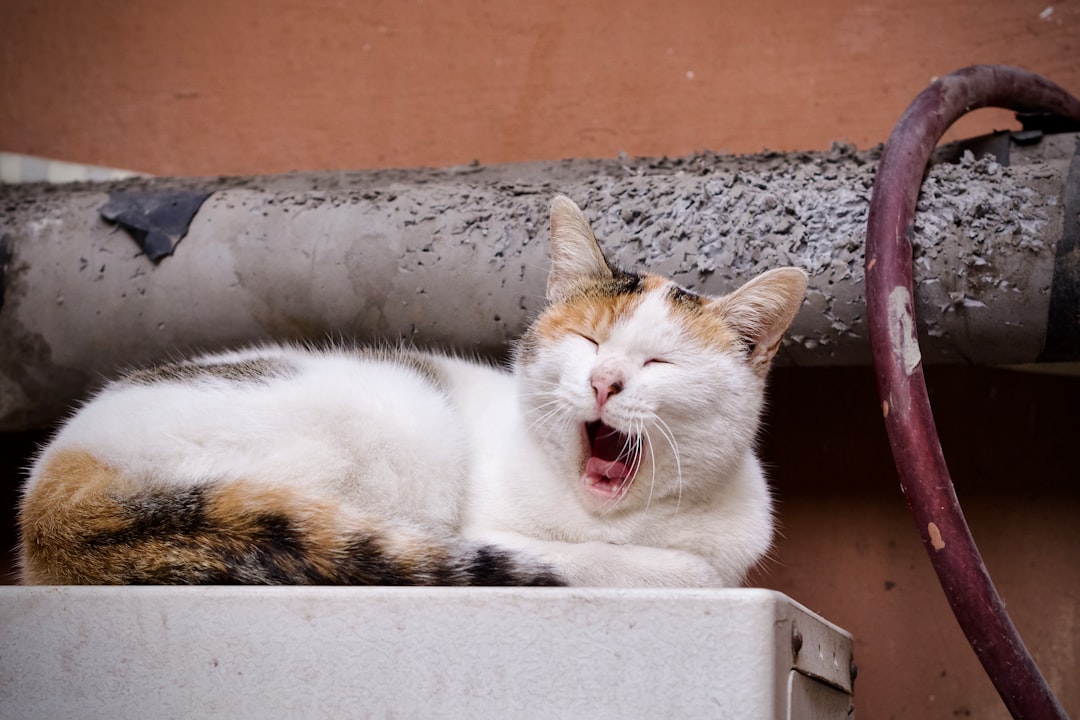
Cats commonly use their vocalizations as a means of communication when responding to crying owners, being sensitive to tonal changes in our voice and noticing when we’re cheerful or upset. Your cat’s meows during your emotional moments aren’t demands for attention; they’re conversation attempts.
Cats often give us short, quiet meows when we speak slowly and softly to them, though longer drawn-out meows or hisses may indicate they’ve had enough interaction. During your sad moments, those soft chirps and gentle mews represent their attempt to engage you in comforting dialogue, offering their voice as emotional support.
The Increased Affection Initiative
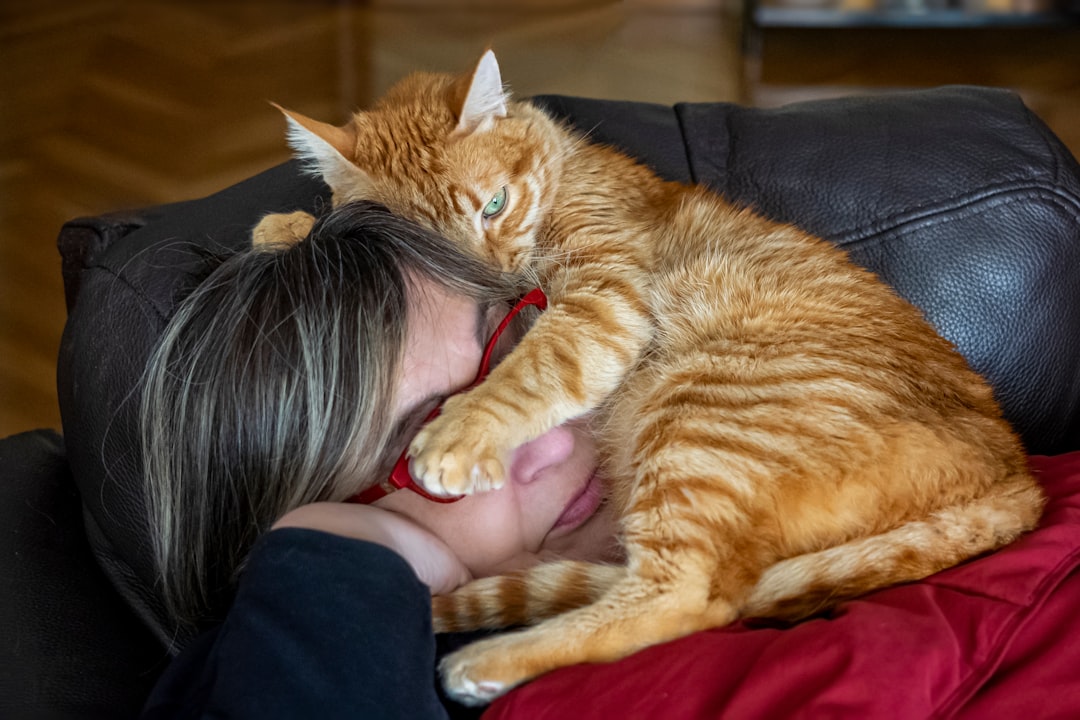
When pet parents are depressed, cats may rub against them more often, likely responding to the emotional state by trying to comfort or draw attention. This behavioral shift indicates deliberate emotional response rather than coincidental timing.
Cats tend to engage and interact more with their owners if they are depressed or showing negative emotional states like sadness, grief, or loneliness. Your typically aloof feline suddenly becoming more physically affectionate isn’t personality change; it’s emotional intelligence in action. They recognize when extra love is needed and adjust their behavior accordingly.
The Protective Positioning Strategy
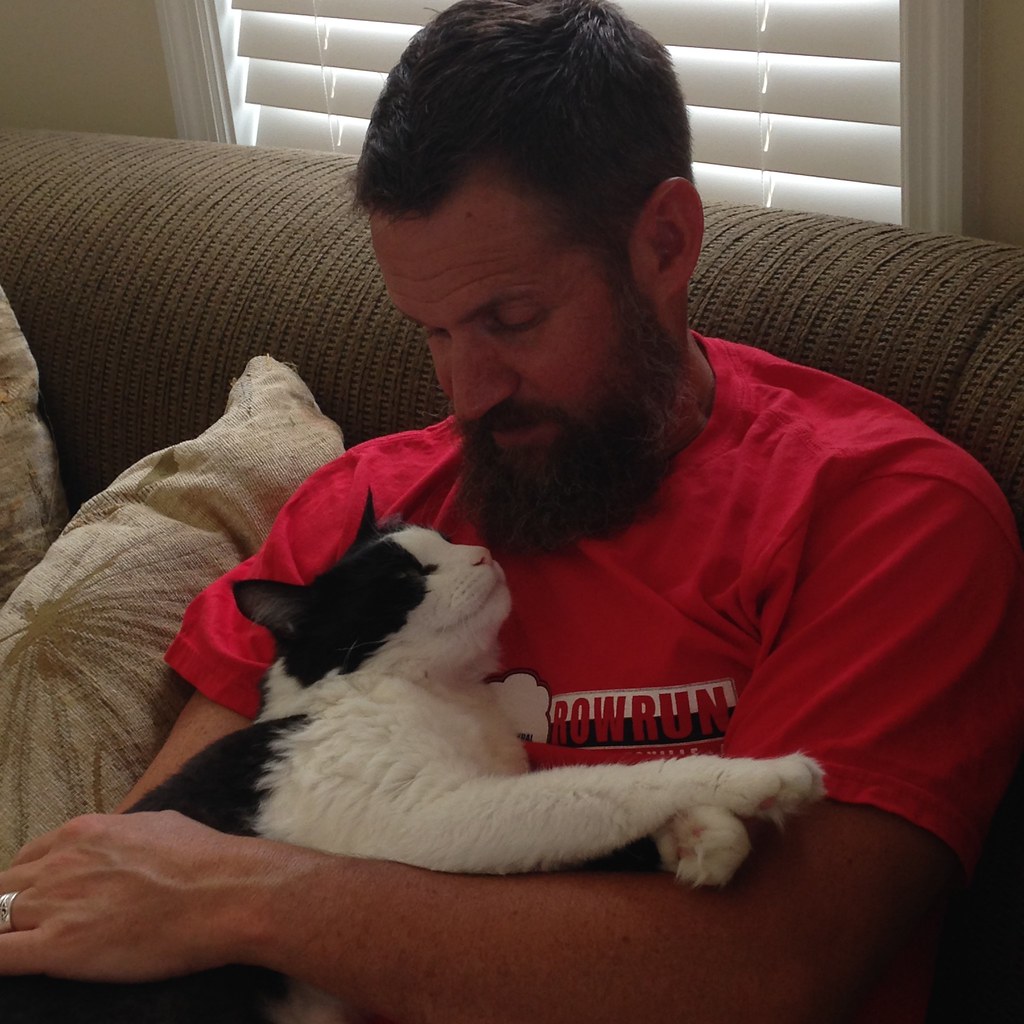
When feeling blue and spending more time on the couch, cat owners often find their feline friend snuggling up beside them, offering their own version of comfort. This strategic positioning serves multiple emotional support purposes.
When cats sense their owner’s tears or distress, they may approach with caution and curiosity, gently rubbing against their leg or curling up nearby, trying to comfort them with their presence as an instinctual response to offer support and reassurance. Your cat’s choice to position themselves between you and the world isn’t coincidence; it’s protective instinct combined with emotional support strategy.
The Routine Maintenance Mission
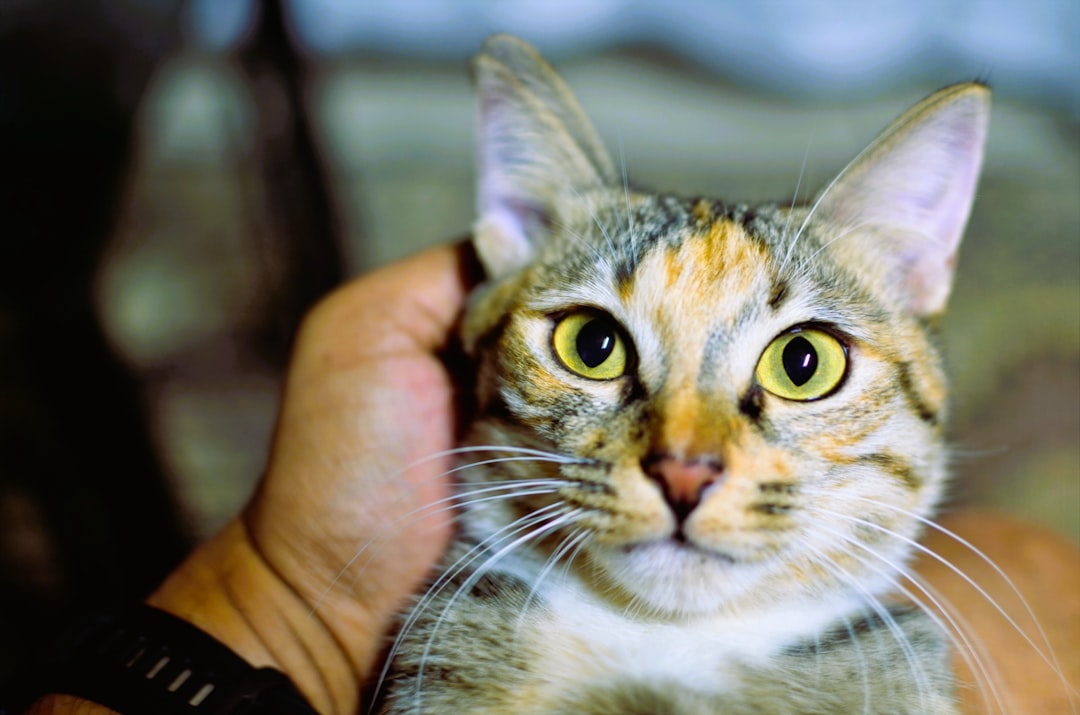
Caring for cats can give owners a sense of purpose, keep them in a good routine, and make them feel needed. Your cat maintains their regular demands for food, play, and attention even during your low moments, which serves as emotional anchoring.
Owning a pet has been proven to help improve people’s moods, and stroking and petting an animal reduces stress levels and releases happy hormones. When your cat insists on their usual feeding schedule or brings you their favorite toy during your sad moments, they’re providing structure and purpose. They understand that maintaining normalcy helps prevent emotional free-fall.
Your feline companion possesses an emotional intelligence that often goes unrecognized. Each cat’s reaction may vary based on their individual temperament and bond with their owner, but cats demonstrate a unique ability to sense their owner’s need for comfort and offer it in their gentle way. These subtle signs of support remind us that love comes in many forms, sometimes delivered through whiskers, purrs, and the simple act of staying close when the world feels overwhelming.
What do you think about it? Have you noticed your cat trying to cheer you up in their own special way?