Most cat owners think they know their feline companions pretty well. You know when they want food, when they want a cuddle, and when they want absolutely nothing to do with you. But here’s something that might genuinely surprise you: your cat is holding entire conversations with you every single day, and there’s a good chance you’re missing most of it.
Next to birds, cats possess the widest range of vocalizations of any domestic pet. Though best known for their meows, purrs, hisses, and growls, the list of sounds they regularly make is far more comprehensive than most people realize. Some of those sounds are innocent. Others are surprisingly urgent. Get ready to listen to your cat in a completely different way. Let’s dive in.
1. The Low, Drawn-Out Moan: Your Cat Might Be in Real Pain
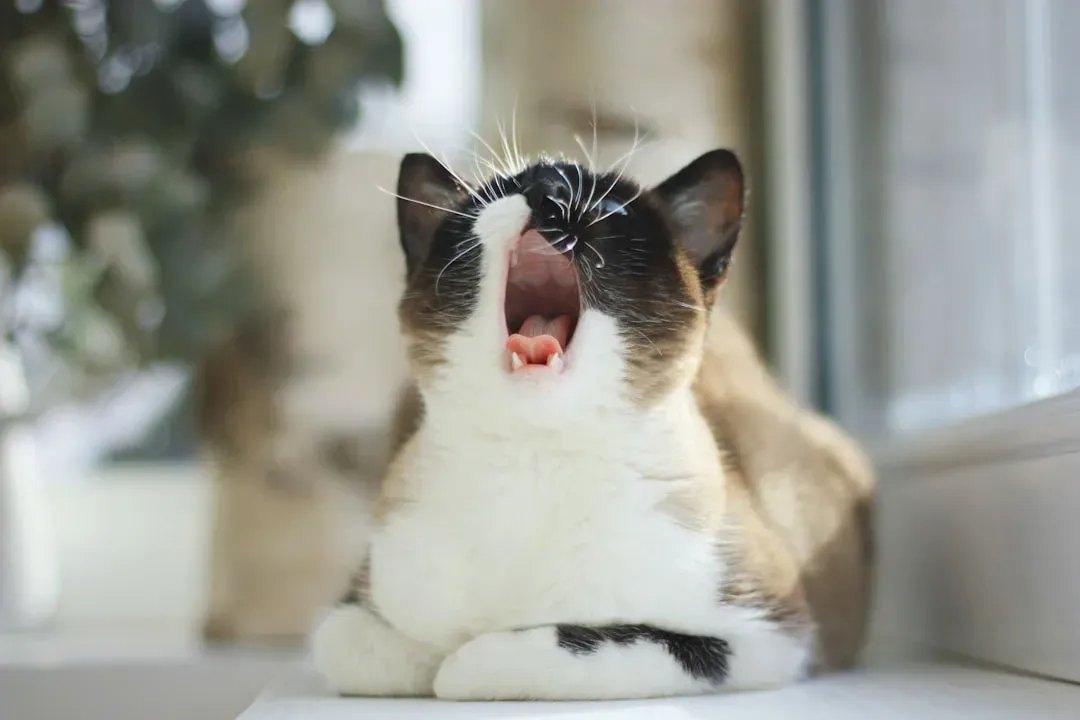
You’ve probably heard your cat make a long, slow, moan-like sound at some point and assumed it was just a quirk. Honestly, it’s easy to brush it off. But this particular sound deserves your full attention.
Low-pitched meows or drawn-out yowls, those deeper, longer cries, can be a sign of discomfort or pain, especially in older cats or those who don’t like how you’re handling them. If you hear this sound and it’s out of character for your cat, your first move should be to check whether something is physically wrong, not to wait and see.
2. The Plaintive, Drawn-Out Meow: A Sign of Anxiety or Distress
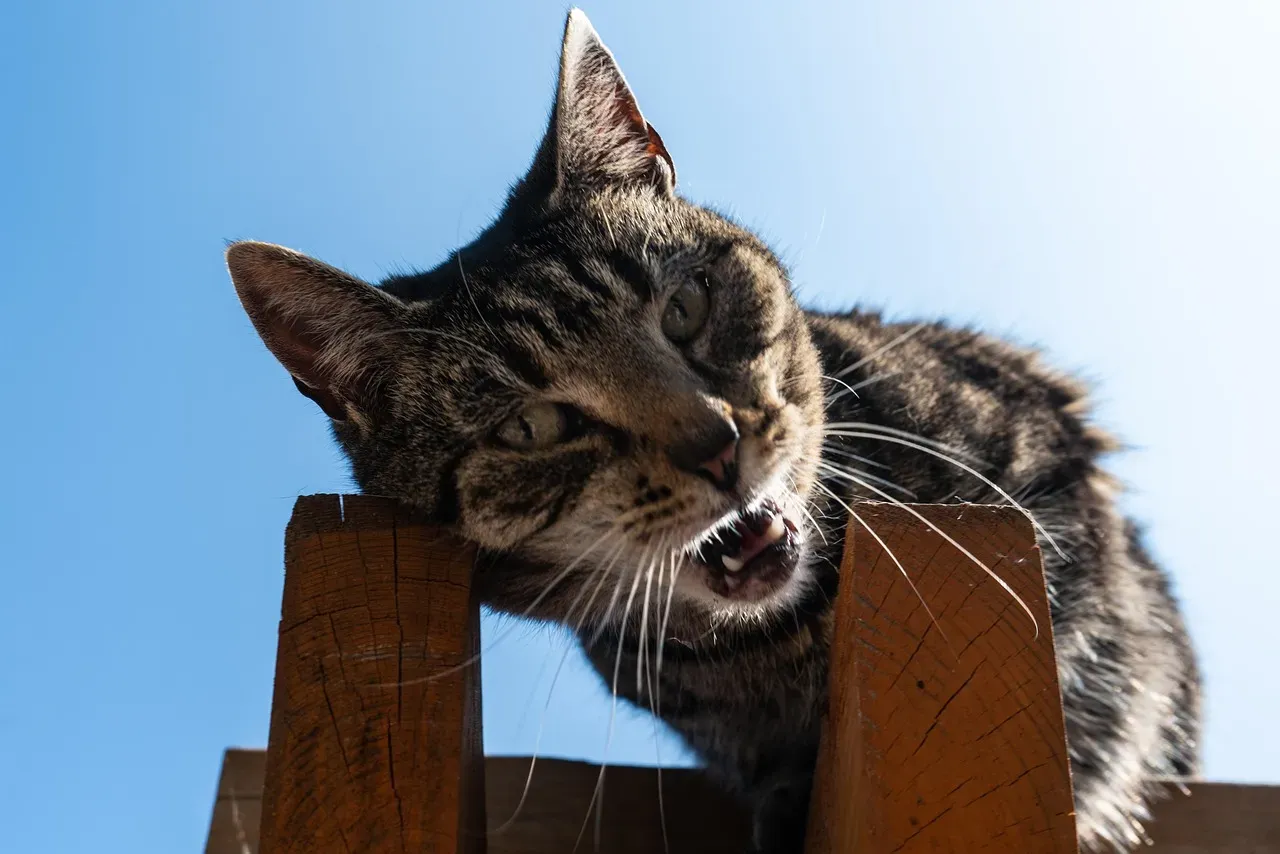
A meow that sounds pleading or drawn out, somewhere between a meow and a cry, is your cat’s urgent way of trying to get your attention. This is one of those more serious sounds that could signify that your cat is anxious. Think of it as the feline equivalent of someone tugging your sleeve and saying, “Hey, something is genuinely not right here.”
A longer, more plaintive meow may express worry, annoyance, or protest. Occasionally, it can also indicate loneliness, anxiety, boredom, frustration, or even illness. If your cat rarely made this sound before and is suddenly doing it often, take it seriously and consider a vet visit.
3. The Worry Purr: Contentment Is Not Always the Answer
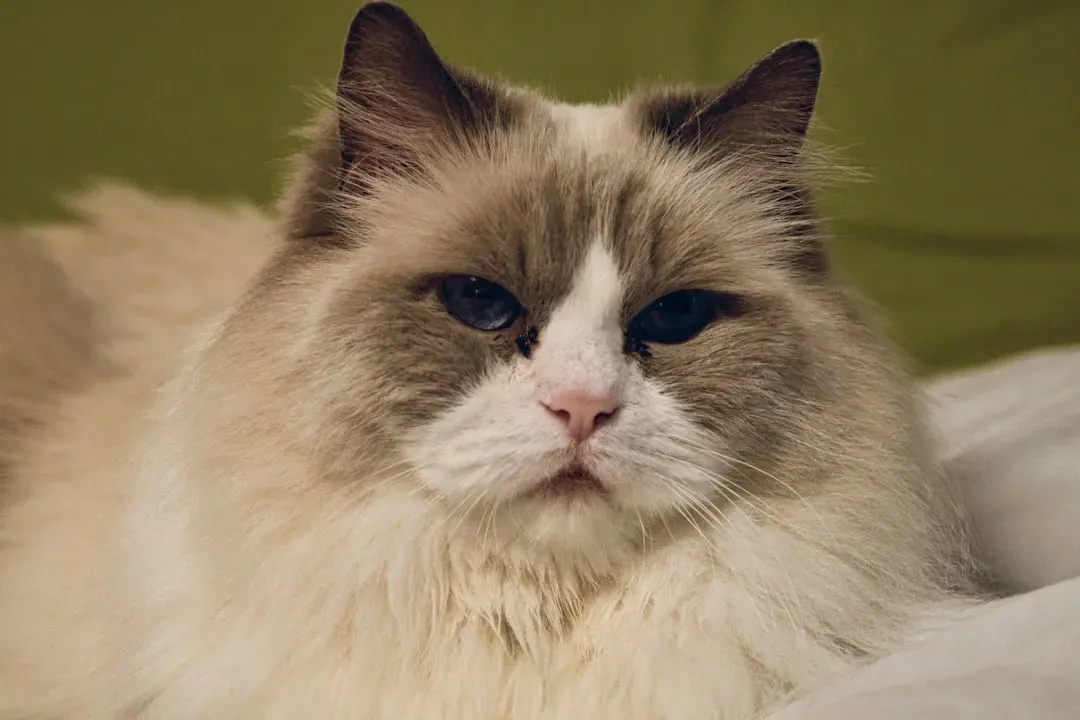
Here’s the thing most cat owners get completely wrong: a purring cat is not always a happy cat. I know it sounds crazy, but that rumbling sound you find so comforting might actually be your cat self-soothing through distress.
A purr is a low, continuous, rhythmic tone produced during breathing. While most people recognize purring as a sign of contentment and pleasure, purrs can also mean that a cat is scared, sick, or in pain. Like all feline communication, purring must be evaluated in context with the cat’s body language. If the cat’s ears are back, their pupils are dilated, they’re tense or hunched up, or they’re acting differently than normal, then purring may indicate that the cat is uncomfortable or unhappy.
4. The Silent or Raspy Meow: Something May Have Changed
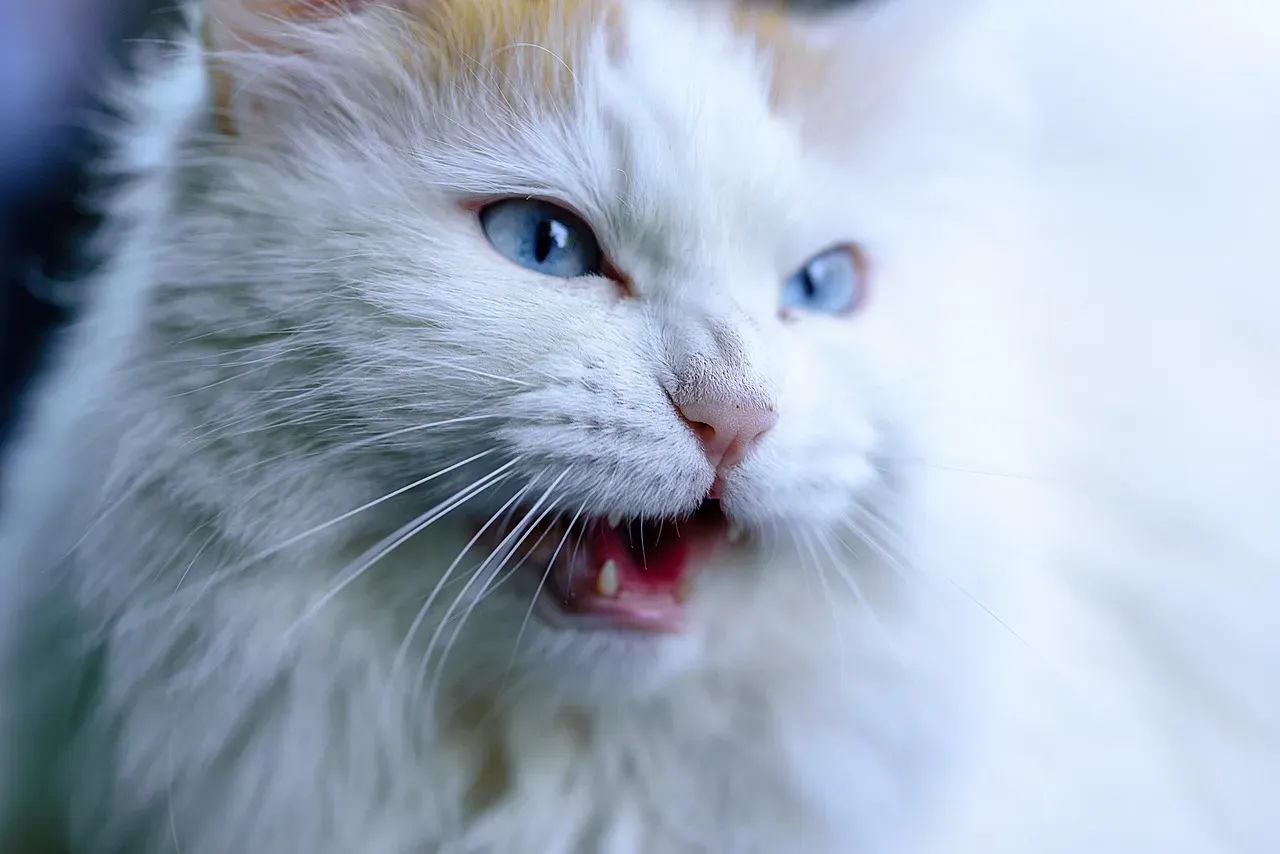
Have you ever watched your cat open their mouth as if to meow, only to hear nothing, or a strange raspy croak? It’s a little eerie when it happens. Sometimes it’s harmless, but not always.
Some cats might meow in more of a rasp or croak, or even meow silently, but this is generally nothing to worry about on its own. However, if your cat’s meow or behavior suddenly changes, it’s a good idea to visit your vet. A sudden shift in the quality or pitch of their voice can signal respiratory issues, throat irritation, or something worth investigating with a professional.
5. The High-Pitched Shriek or Yelp: Pain Is Speaking Loudly
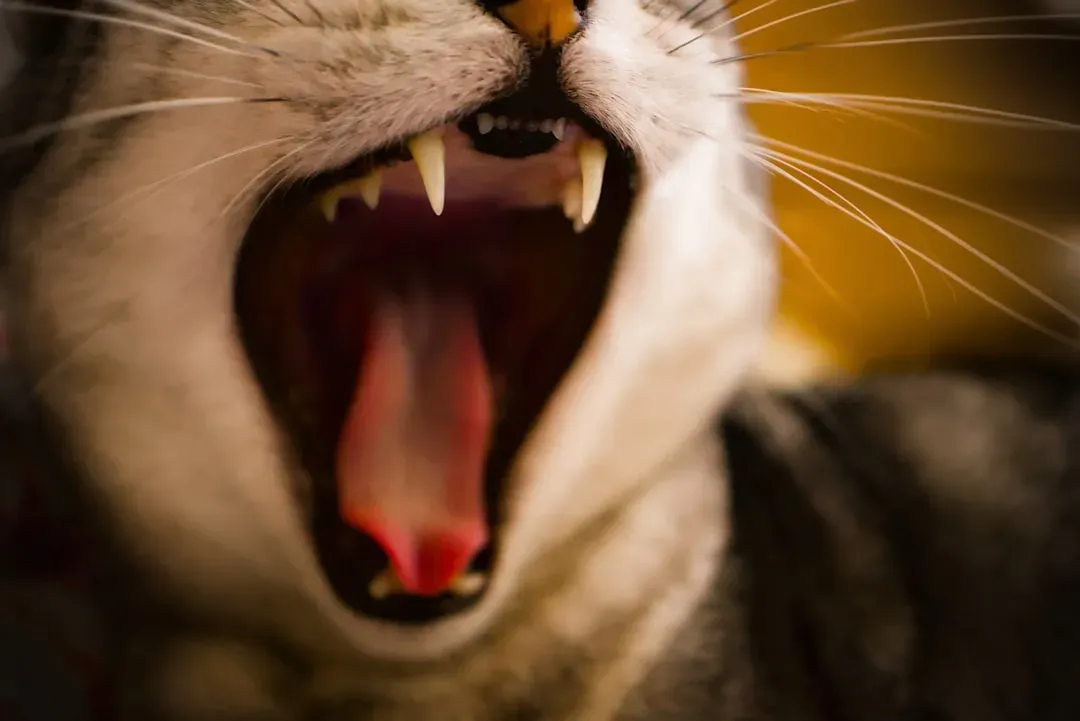
This one is hard to miss, yet people sometimes dismiss it as “the cat being dramatic.” Let’s be real: your cat is not being dramatic. A sudden, sharp shriek is one of the most urgent sounds in a feline’s vocabulary.
Cats may moan or scream if they have experienced sudden pain from an injury or illness, so if combined with being distressed, limping, or another negative sign, they will need to see the vet urgently. If your cat lets out a quick, loud meow when you touch a certain area, they may be telling you that spot hurts. Trust that signal without hesitation.
6. The Nighttime Yowl: It Could Be More Than Just Hunger
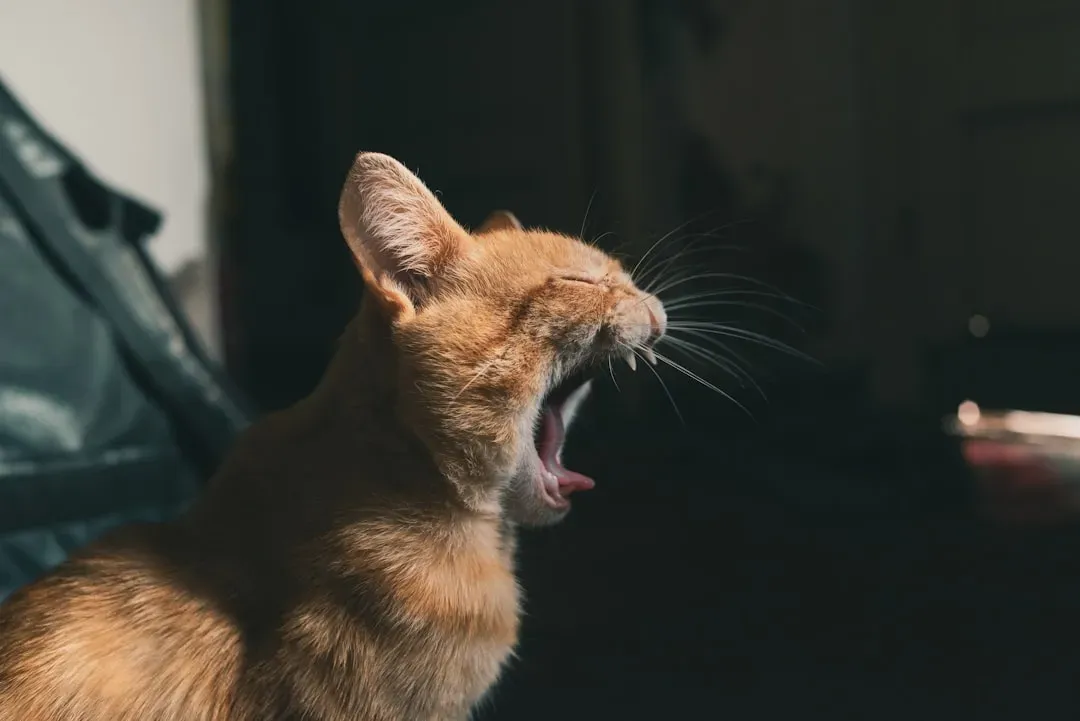
Middle-of-the-night yowling is something many cat owners chalk up to boredom or demanding behavior. And sometimes, yes, that’s exactly what it is. But in other situations, it’s a message you really shouldn’t sleep through.
Yowling or howling cries may mean your cat is in pain or feels anxious or distressed. If your cat yowls a lot, especially at night or in the litter box, it’s best to contact your vet. Extended yowls can indicate mating behaviour, territorial disputes, or discomfort. In neutered cats, excessive howling may point to pain, cognitive decline, or stress. Persistent yowling warrants a veterinary check.
7. The Trill That Turns Urgent: When Your Cat Wants You to Follow Them

Trills are genuinely one of the sweetest sounds a cat makes. It’s that little birdlike “mrrp” that feels like a warm greeting. Most of the time, it is. But there are moments when a persistent, repeated trill is actually an urgent invitation to pay attention.
Chirps and trills are how a mother cat tells her kittens to follow her. When aimed at you, it probably means your cat wants you to follow them, usually to their food bowl. If your cat is trilling repeatedly and leading you somewhere specific, especially toward a water bowl, a door, or an unusual spot, it may be trying to show you something that genuinely needs your attention. Pay close attention to where they lead you.
8. The Low Growl During Eating: A Dental Red Flag
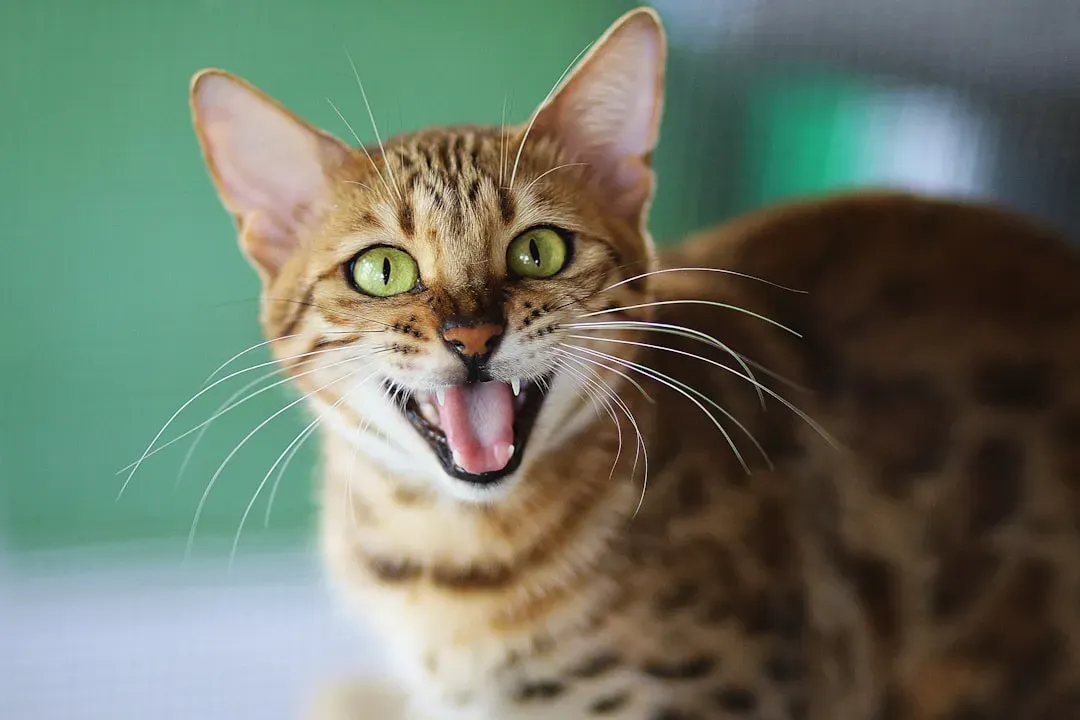
A growl is usually understood as a warning to back off, and most of the time that’s accurate. But a growl that happens specifically while your cat is eating? That’s a different kind of message entirely, and it’s one that often gets overlooked.
If you find your cat is growling at their food, this may be a sign that they are having dental health problems such as tooth resorption, stomatitis, or other dental pain. Dental disease is a frequent culprit. Fractured teeth, gum infections, and resorptive lesions cause significant oral pain that makes eating and grooming difficult. A cat that growls while chewing is essentially telling you that eating hurts. That’s urgent.
9. Excessive Chattering at Windows: Frustration with a Side of Instinct
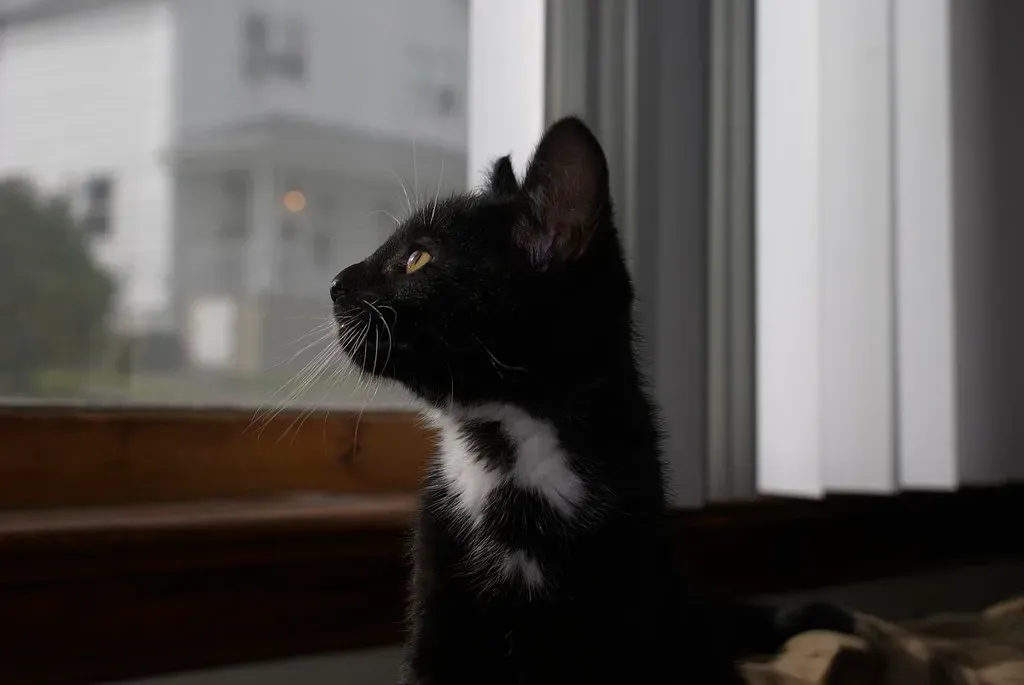
That rapid, jaw-clicking sound your cat makes while staring intensely out the window at a bird? It’s one of the most fascinating and oddly endearing things cats do. Most people laugh it off, and honestly, it is a little funny to watch. Still, it tells you something real.
Chattering, also called twittering, is a low smacking sound produced by a rhythmic clashing of the jaws. It is usually voiceless, produced without using the vocal cords. Along with chirping, chattering may occur when a cat spots prey that’s out of their reach. It is considered an expression of both hunting excitement and frustration. If you notice chattering becoming obsessive or increasing in frequency, it might signal that your cat needs more physical enrichment and mental stimulation in their environment.
10. Sudden Increase in Overall Vocalization: Your Cat’s Body Might Be Asking for Help
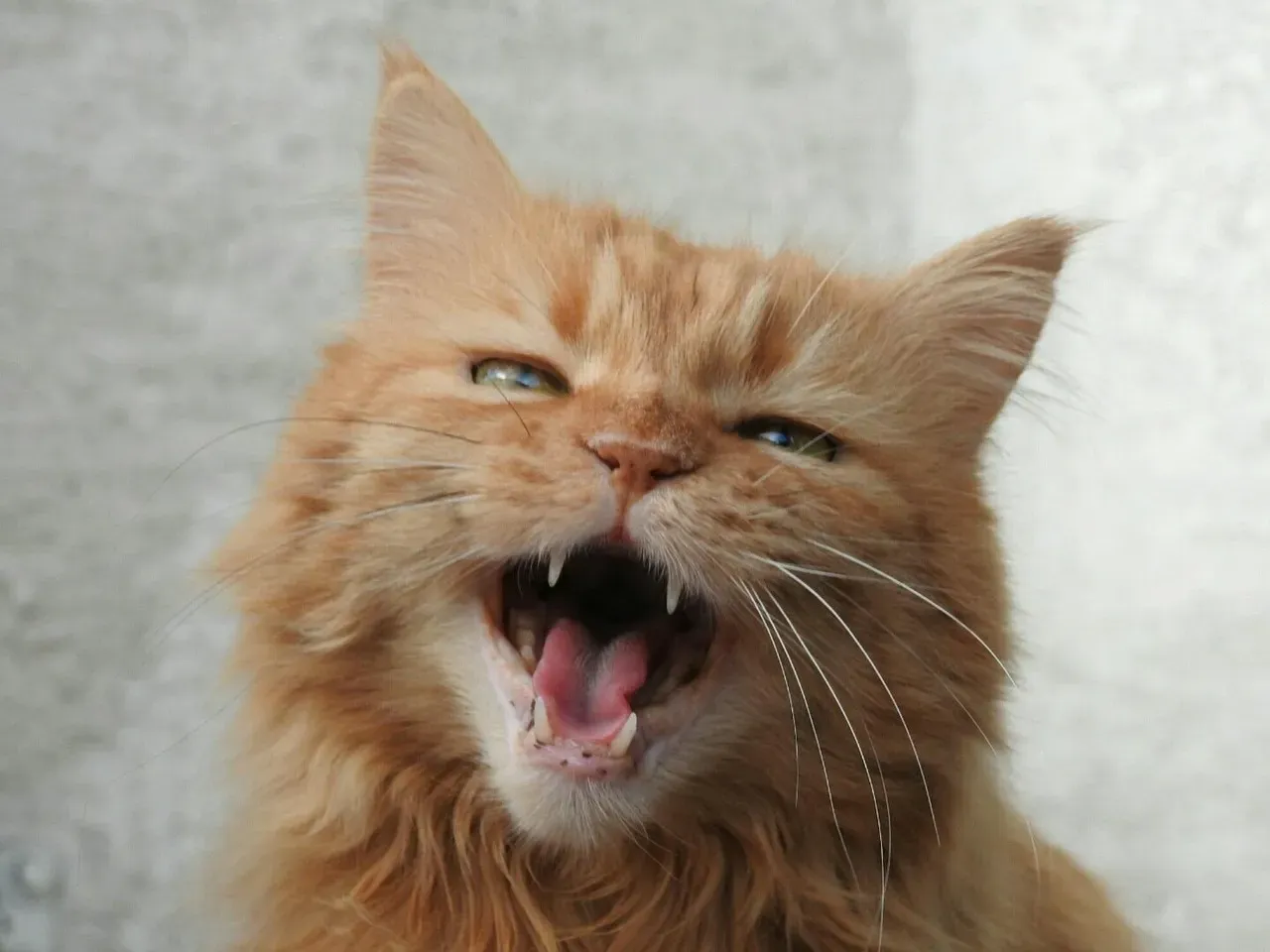
It’s hard to say for sure whether one extra meow should alarm you. But a sudden, sustained increase in how much your cat talks? That’s a pattern worth taking seriously. Your cat’s vocal habits are like their baseline, and any dramatic shift in that baseline deserves your full attention.
Because cats instinctively hide pain and illness, increased meowing may be one of the few outward signs that something is wrong. Pain is one of the most common medical causes of excessive meowing. A general rule of thumb is that any change in a cat’s vocalization – the frequency, intensity, duration, or pitch – warrants a visit to the veterinarian to evaluate for pain, illness, or anxiety. Think of your cat’s voice as their version of a text message. When the messages multiply suddenly, something is being urgently communicated.
Conclusion: Your Cat Is Talking. Are You Really Listening?
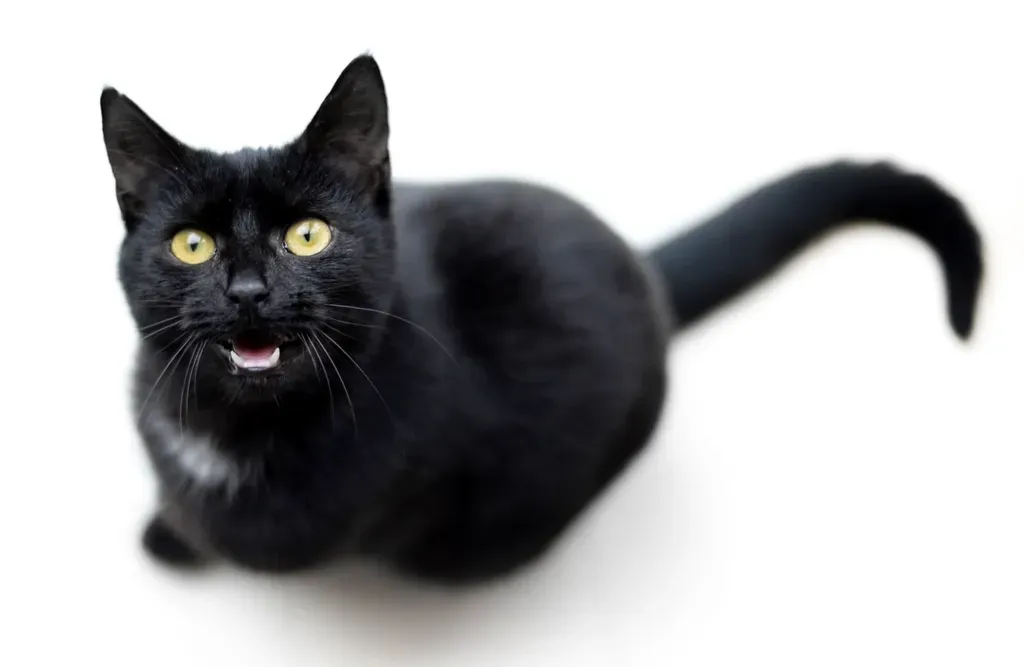
Cats are far more communicative than they get credit for. Your cat is actually communicating to you information about their world and about how they feel toward you. The sounds covered here aren’t just quirks or background noise. They are a language, and that language has urgency built into it.
You can better understand your furry friend by paying attention to their vocalizations, body postures and daily routines. In time, you may become so attuned to your kitty’s personality and habits that you’re able to detect subtle changes in their mood and even recognize health problems before physical signs of illness appear.
Your cat cannot hand you a note explaining what is wrong. They can only speak in sounds that they hope you understand. The next time your cat makes a sound that feels even slightly unfamiliar, pause, observe their body language, and truly listen. That small moment of attention could make a world of difference. What sound has your cat been making lately that you’ve been unsure about? Maybe it’s time to find out what it really means.