You talk to your cat every single day. You call their name, you narrate your evening, you tell them about your bad day at work. They stare back, occasionally blink, and carry on with life as though you are a mildly interesting piece of furniture. Sound familiar? Here’s what you might not realize: your cat hears far more than you think. The problem isn’t your cat’s ability to listen. It’s the language you’re choosing.
Cats don’t decode vocabulary the way we do. Instead, they are tuned into an entirely different sonic world, one built on pitch, tone, rhythm, and vibration. Some of the sounds that communicate the most to your feline companion are so subtle you’d walk right past them. So let’s dive in, because what you’re about to discover might completely change the way you “talk” to your cat.
The Specific Pitch of Your Voice, Not the Words You Say

Let’s get this one out of the way immediately, because it’s the most important thing to understand: your cat literally cannot understand your vocabulary. While cats may not understand the meaning of words, they absolutely can understand the meaning of your tone. That calm voice you use when handing over a treat? Your cat has catalogued that sound deep in their memory. Your sharp, frustrated voice when they knock a glass off the table? Also filed away, permanently.
Cats are highly intelligent creatures, and while they lack the cognitive ability to understand words and language, they are able to develop responses to certain words through association with certain actions. Think of it like a personal musical instrument. Your voice has pitch, rhythm, and emotional color. Your cat reads all three. Honestly, it’s a bit humbling to realize they’re not listening to what you say, but rather how you sound when you say it.
High-Pitched “Baby Talk” Directed Specifically at Them
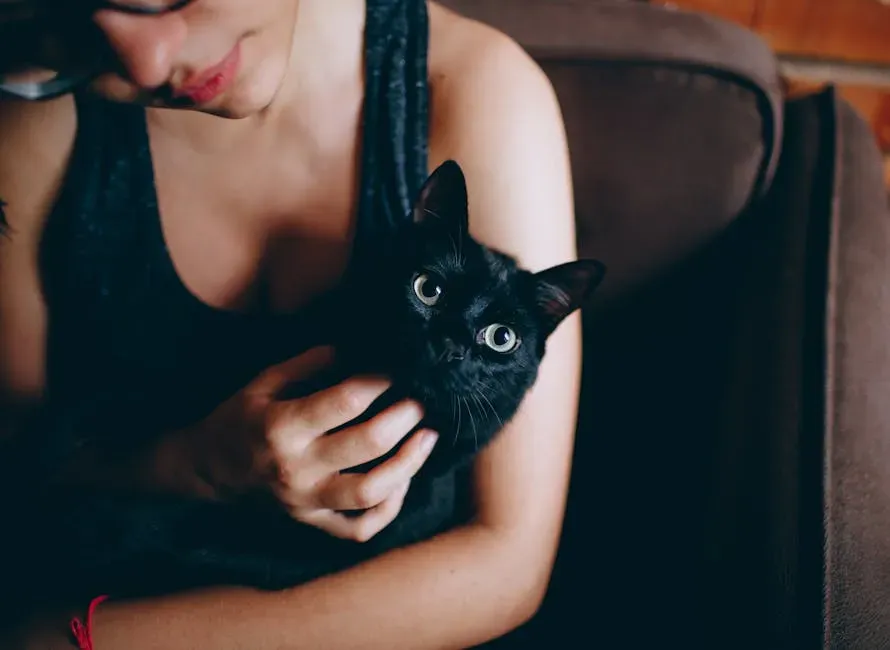
You know that ridiculous voice you use when you say “Who’s a good little baby? Is it you? Is it youuu?” Don’t be embarrassed. That voice is actually doing something real. Research shows cats respond when they hear their owners using cat-directed speech, but not human-to-human speech. They also show no response when they hear a stranger’s voice, whether using cat talk or adult talk. In other words, your cat knows precisely when you’re talking to them versus talking over the phone to your sister.
Researchers call it infant-directed speech, and it usually consists of repetitive words spoken in a higher pitch and simpler syntax than adult speech. Your cat’s ears, capable of rotating nearly 180 degrees, literally pivot toward that sound because it registers as something personally relevant to them. So go ahead, keep doing the baby talk. Science says it works.
The Sound of Your Approaching Footsteps
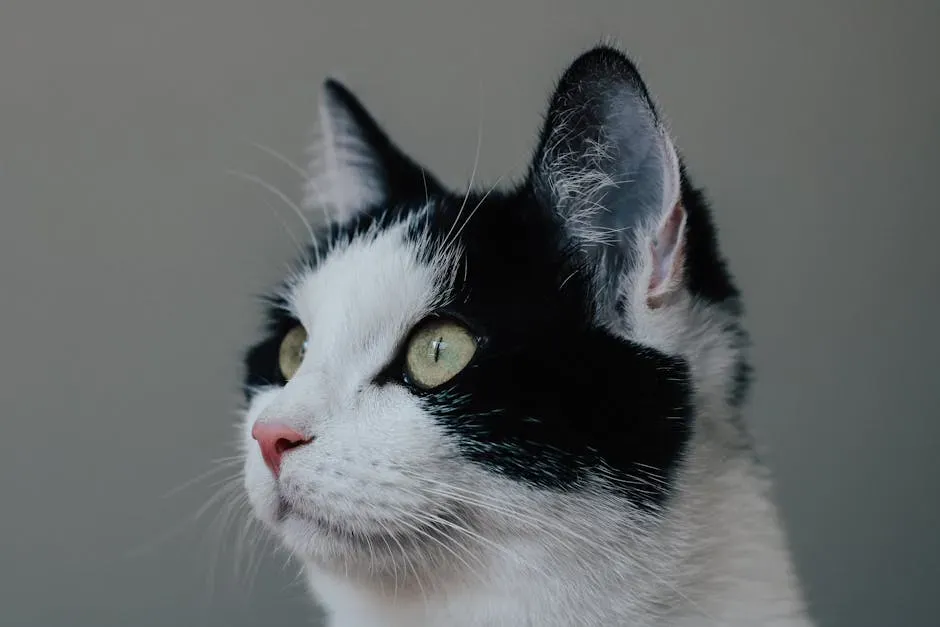
Here’s something genuinely mind-blowing. Cats may be able to hear sounds made from 2,300 feet away or more, and their hearing is generally four to five times better than humans. That means your cat knows you’re home before you even pull into the driveway. Your specific gait, the rhythm of your shoes on the floor, the weight of your footfall, these are all distinct acoustic signatures your cat has memorized over time.
Auditory signals have greater value to cats for communication than visual ones because they may be exchanged at a greater distance. A cat’s hearing is important for numerous types of communication, such as prey location, parent-young communication, and feline-human communication. You don’t need to announce yourself loudly when you come home. Your cat already knows exactly who you are from the sound of your approach. The mystery, I think, is whether they’re happy about it or mildly annoyed.
The Quiet Rumble of a Purr
Purring sounds simple, almost passive, like background noise. In reality, it is one of the most informationally rich sounds in the entire cat communication world. A purr is a low, continuous, rhythmic tone produced during breathing, and while most people recognize it as a sign of contentment and pleasure, purrs can also mean that a cat is scared, sick, or in pain. Like all feline communication, purring must be evaluated in context with the cat’s body language. Your cat is tuned into the nuances within that purr in a way your ears simply aren’t equipped to appreciate.
The frequency of purring, typically between 25 and 150 Hz, has been linked to various therapeutic effects, including stress reduction and healing promotion. It’s hard to say for sure, but this is one of those cases where the science feels almost magical. The vibrations accompanying the sounds made by cats when purring increase bone density, relieve pain, and help in the regeneration of tendons and muscles. Your cat understands the difference between a content purr and a pain purr. Do you?
The Short, Soft Chirp or Trill
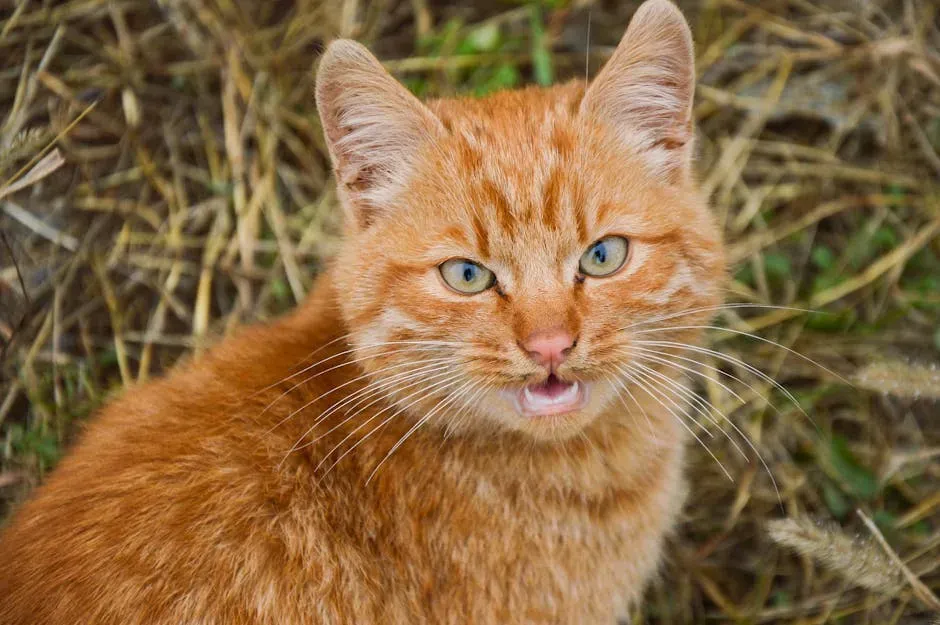
The trill and chirp are among the most underrated sounds in your cat’s vocal library, and if you’re not paying attention, you’ll miss what they mean entirely. A trill is produced with a soft voice and sounds like a purr but with a higher pitch. Cats may trill to greet and thank their human family members for something, such as a snack or a pet. It is essentially the feline version of a warm “hello” or a soft “thank you.” Most owners walk right past it.
A chirp is initially uttered by the mother cat as a contact call to her kittens, but adult cats may chirp to get attention and inform other cats or people of their location. One of the most common reasons a cat chirps is when they see potential prey they cannot access, such as while watching squirrels or birds outside the window. So that weird little birdlike sound your cat makes while sitting on the windowsill? That’s not random noise. That’s a very specific emotional broadcast, and your cat absolutely knows you heard it.
The Unique Voice of Their Owner Versus a Stranger’s
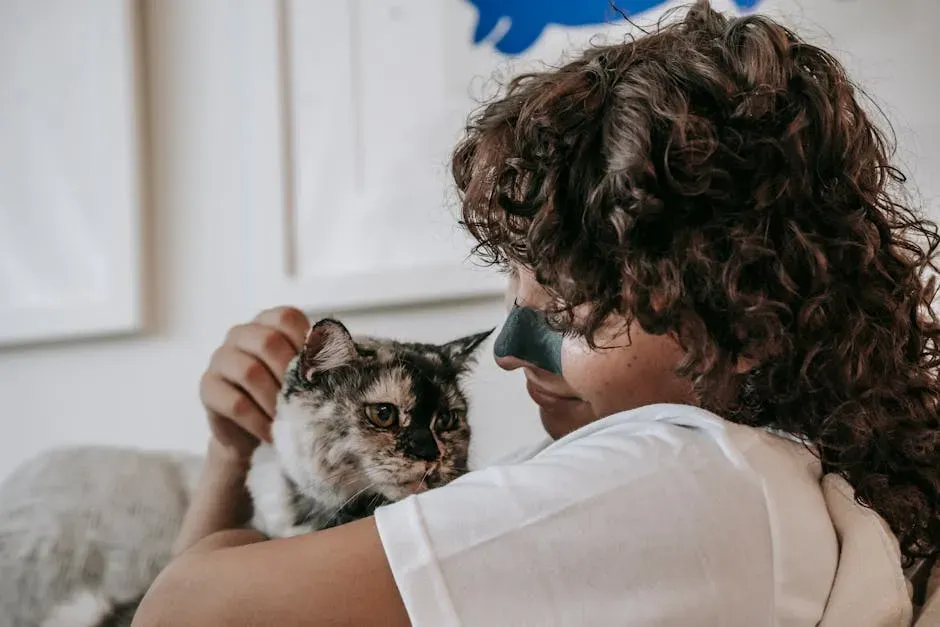
Your cat doesn’t just recognize that a human is speaking. They recognize that you specifically are speaking. A small study filled a long-standing gap in feline research by showing that cats can distinguish their owners’ voices from those of strangers. This is not simply about familiarity. There is something in your particular vocal frequency, cadence, and emotional signature that your cat has mapped out over time.
When cats heard a familiar voice, they responded in subtle but distinct ways, such as swishing their tails, pivoting their ears, and freezing while grooming. They showed no such response when owners were speaking to other people, or to strangers’ voices. Think about that the next time you wonder if your cat cares that you walked into the room. They noticed. They just choose whether to act on it, and that, honestly, is very on-brand for a cat.
Household Sounds That Signal a Routine
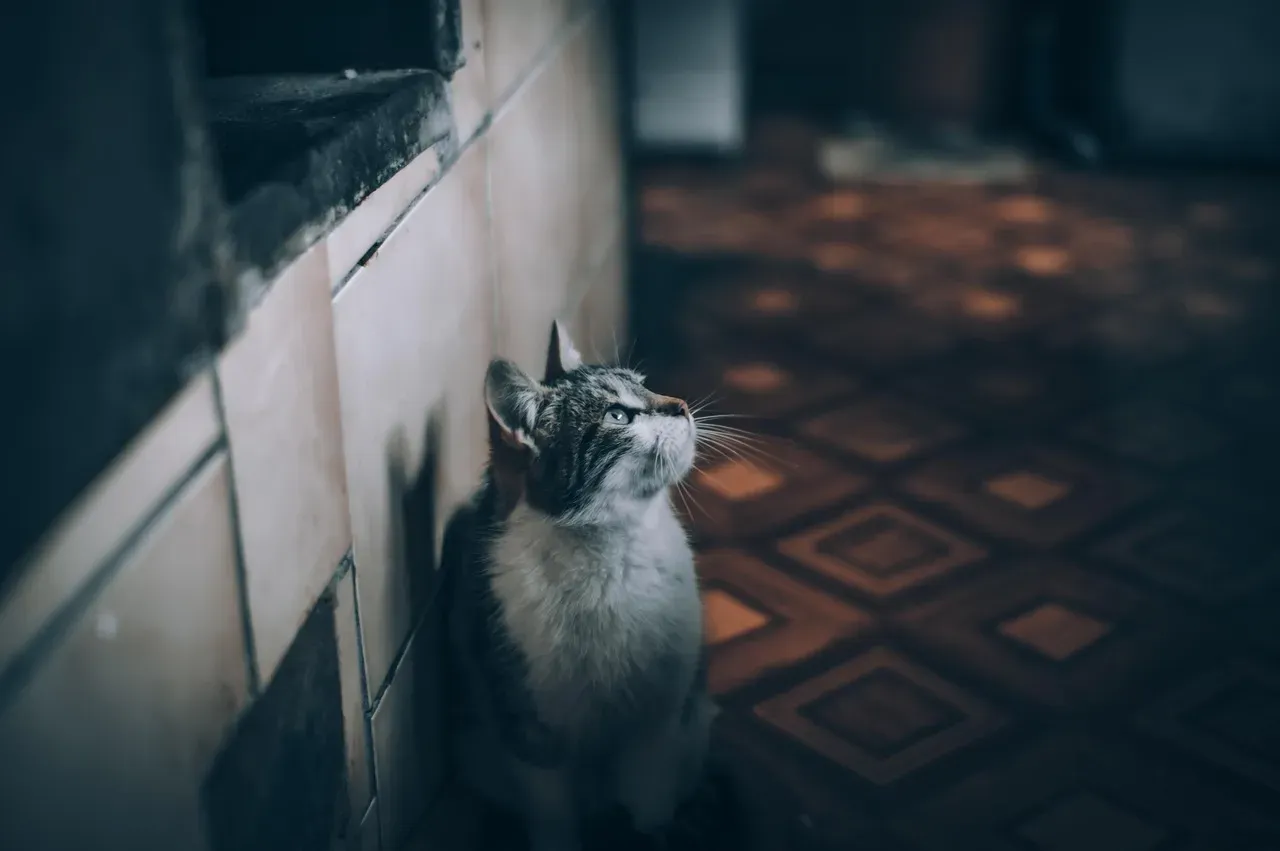
If you’ve ever noticed your cat materializing in the kitchen the instant you open a specific drawer, congratulations. You live with a master of sound-routine association. Cats have the capability for associative learning and interpretation of sounds that result in an action, such as reward or punishment. The click of the can opener, the rustling of the treat bag, the particular beep of the microwave you use specifically on feeding days, your cat has indexed all of them.
Cats’ cone-shaped ears can amplify sound waves up to two or three times for frequencies between 2,000 and 6,000 Hz. Cats can move their ears up to 180 degrees, helped by 32 muscles in their outer ears. This allows cats to pinpoint sounds with remarkable precision. Think of it like this: your cat is essentially running a live audio analysis of your home 24/7, and they are very, very good at spotting patterns. The sound of your keys in the door. The crinkle of your grocery bag. All of it means something.
Sudden Loud Noises and Their Emotional Aftermath
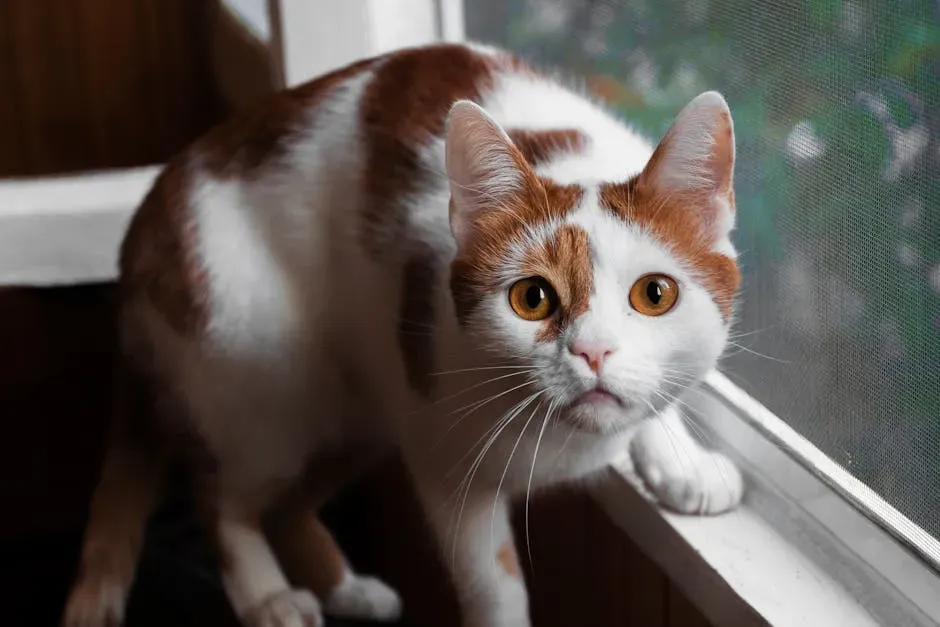
You might shrug off a sudden door slam or a dropped pan as no big deal. Your cat experiences that very differently. Thunderstorms can be highly stressful for many cats. Storms create decibel levels at approximately 120 dB, almost twice a cat’s hearing comfort zone. In addition to these acute sensitivities, the intense vibration of sound felt through their bodies and paws adds to their agitation. That emotional response isn’t drama. It is a genuine physiological reaction to sounds that are twice as loud to them as they are to you.
These reactions aren’t signs of bad behavior. They are instinctive survival responses. High-frequency sounds don’t just surprise cats; they may actually cause discomfort. Electronic tones, whistles, and feedback noises can feel piercing or painful to a cat’s sensitive ears. So the next time your cat bolts from the room when you vacuum, try to have a little sympathy. In their sonic world, that machine is basically a roaring freight train passing through your living room.
The Distinct Sounds of Aggression and Warning
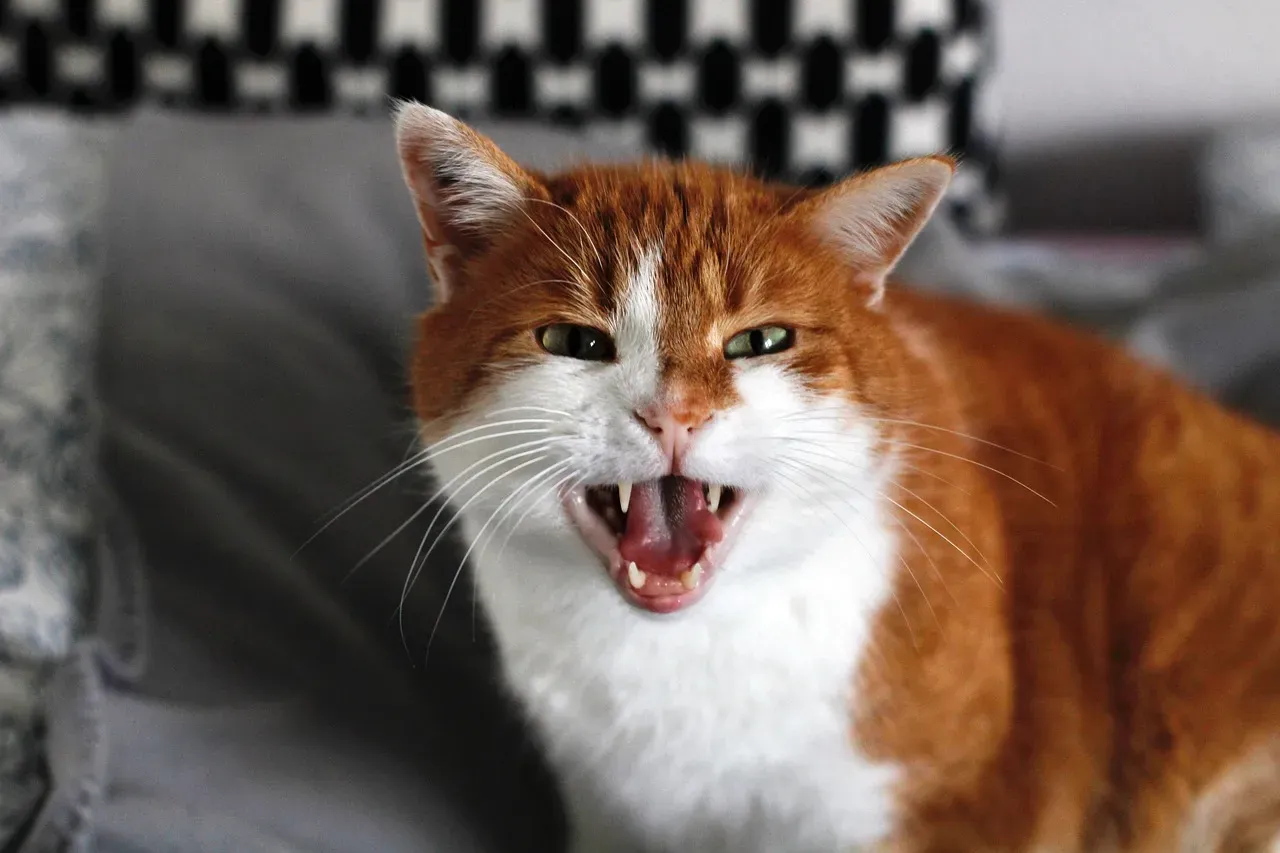
Cats don’t start fights without sending acoustic warning signs first, and they expect you to hear them too. A growl is a low, rumbling sound used to warn or scare off a threat. It can be directed toward humans or other cats or animals. Growling is an indication that a cat feels threatened, frightened, or is about to become aggressive. This sound often increases as the cat’s fear grows. If you hear a growl and keep approaching anyway, in your cat’s mind, you’ve been warned.
Growling and hissing are defensive vocalizations used when a cat feels threatened. These sounds act as warnings, signaling the need for space. Spitting is an involuntary explosive vocalization used when a cat is extremely frightened or agitated. It also serves as a warning before more aggressive actions occur. The acoustic sequence matters. Your cat understands this escalation completely, and they are absolutely baffled when you don’t. Let’s be real: the hiss is not ambiguous. It means stop, right now.
Species-Appropriate Music and Rhythmic Sounds
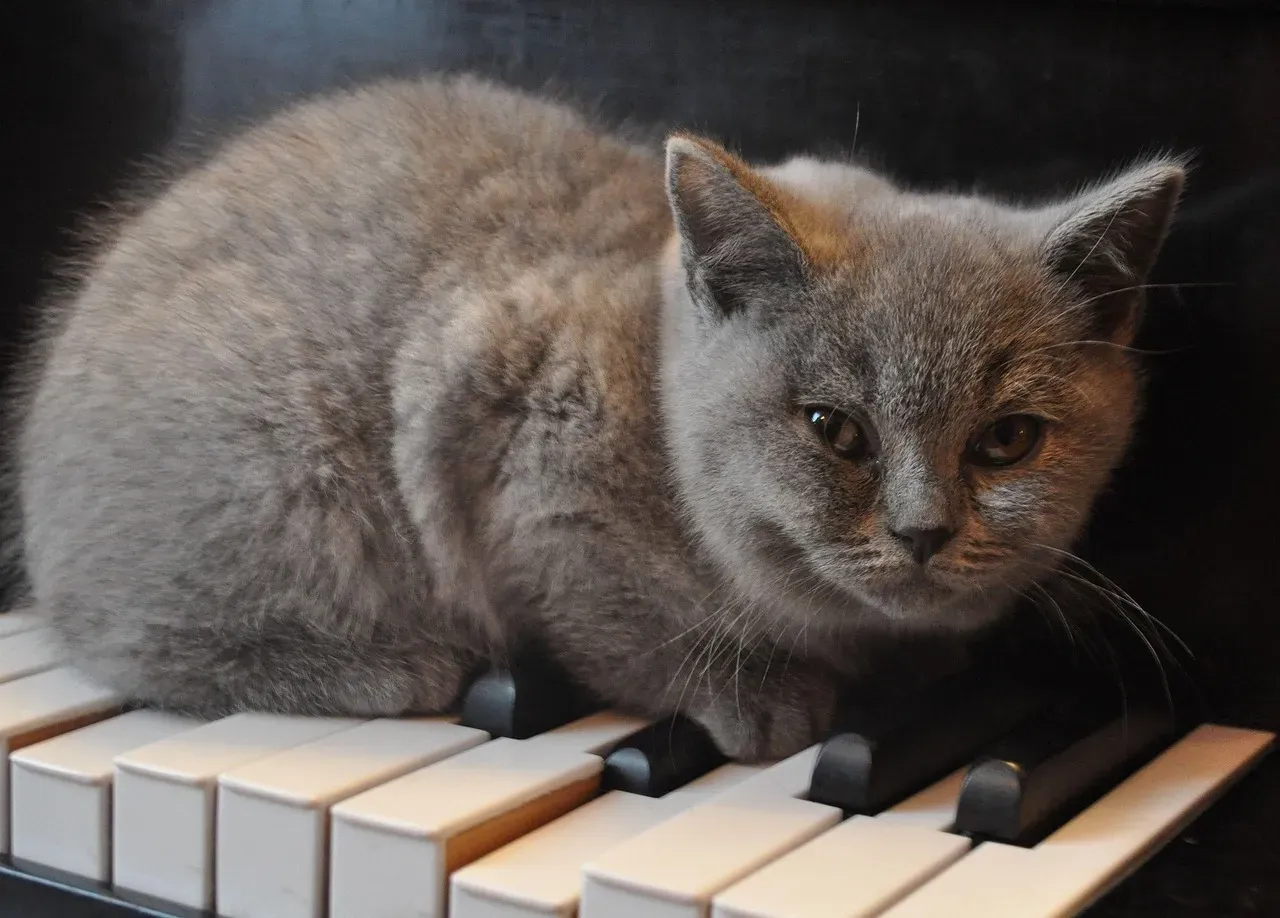
This one surprises most people, and it’s genuinely fascinating. Your cat doesn’t just tune in to voices and environmental sounds. They respond meaningfully to rhythm and tonal composition, specifically when that composition mirrors their own biology. According to a 2015 study by Snowdon et al., cats were more interested in music made specifically for cats than human music. The rhythms of these melodies were based on a cat’s heart rate and walking cadence, their tones were more in the natural vocal and hearing range of felines, and were similar to purring or suckling tones.
When exposed to cat-specific music, cats often show behaviors like purring, rubbing against the speakers, and orienting toward the source of the sound. Meanwhile, your favorite playlist is probably just white noise to them. Studies have shown that cats hearing appropriate music can help to reduce stress scores. The use of appropriate music can actually have a physiologic benefit to cats, and these findings have great value in veterinary medicine when devising treatment plans for cats with anxiety disorders. Rhythm, frequency, and biological resonance. Your cat understands all of it better than you’d ever guess.
Conclusion
Your cat is not ignoring your words. They are simply listening to something entirely different, and often, something far more nuanced. The pitch of your mood. The cadence of your daily routine. The frequency of your specific footsteps. The alarm buried inside a sudden bang. Every single day, your cat is processing an acoustic world of incredible complexity, one that most of us barely scratch the surface of understanding.
The gap between cat and human communication is real, but it’s also closeable. Our cats have been trying to talk to us, but too often we’ve only been half-listening. By becoming bilingual in the subtle language of meows and tail quivers, we can develop a deeper, richer dialogue with our curious companions. Start paying attention to the sounds your cat reacts to most. You might discover you’ve been the one who needed to learn a new language all along. What sound does your cat respond to that you never expected? Tell us in the comments below.