You’ve probably heard people say cats are aloof, distant, maybe even a little cold. They compare them unfavorably to dogs, those enthusiastic tail-waggers who practically explode with joy every time you walk through the door. Here’s the thing though: cats absolutely show love. They just do it differently.
Their affection isn’t loud or obvious. It’s whispered through gestures so subtle that they often go completely unnoticed by anyone who hasn’t spent real time understanding feline communication. Once you learn to recognize these quiet declarations of devotion, you’ll realize your cat has been telling you they love you all along. Let’s explore the secret language of cat affection that only true cat people seem to catch.
The Slow Blink: A Feline Kiss
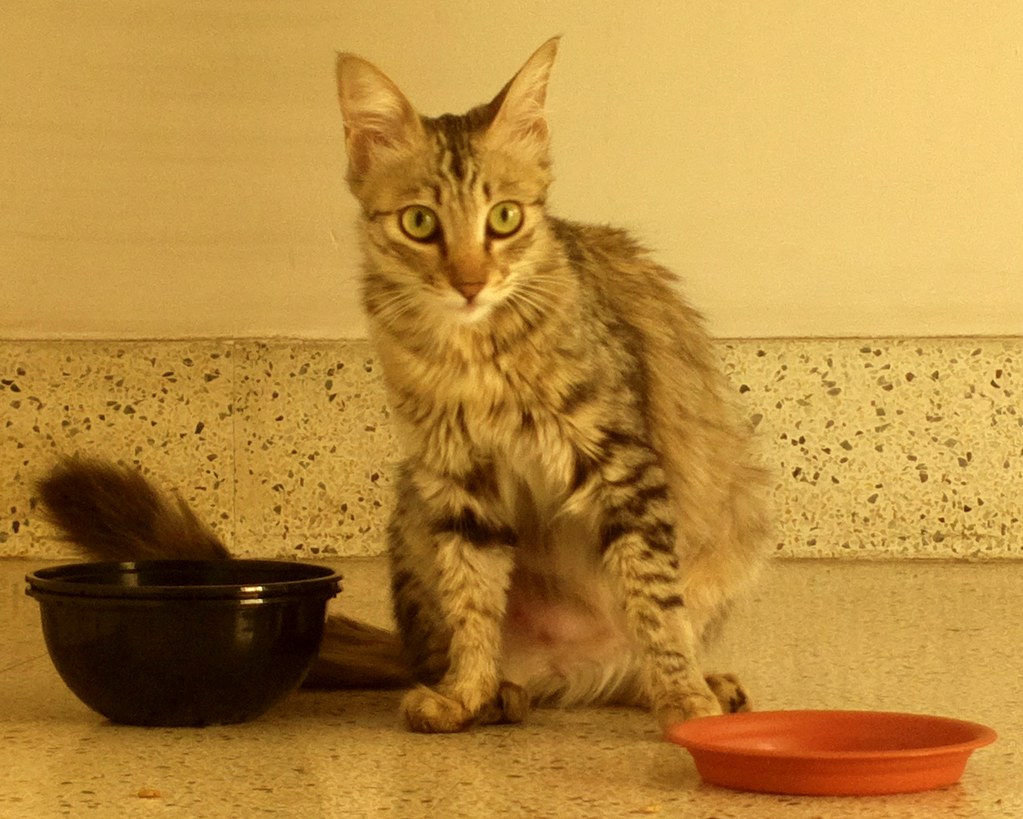
When your cat looks directly at you and slowly closes their eyes, they’re telling you they trust and feel comfortable around you. This slow blinking is actually one of the ultimate signs of trust your cat can give. Think about it from a survival perspective. In the wild, closing your eyes even for a moment makes you completely vulnerable to predators or rivals.
When your cat slow blinks at you, they’re relaxing their guard, making themselves vulnerable because they know they’re safe with you. the slow blink is an acceptance gesture that cats do when they’re absolutely comfortable with you. You can even return this gesture by slowly closing your own eyes for a second or two, essentially telling your cat you trust them right back.
Head Bunting and Face Rubbing
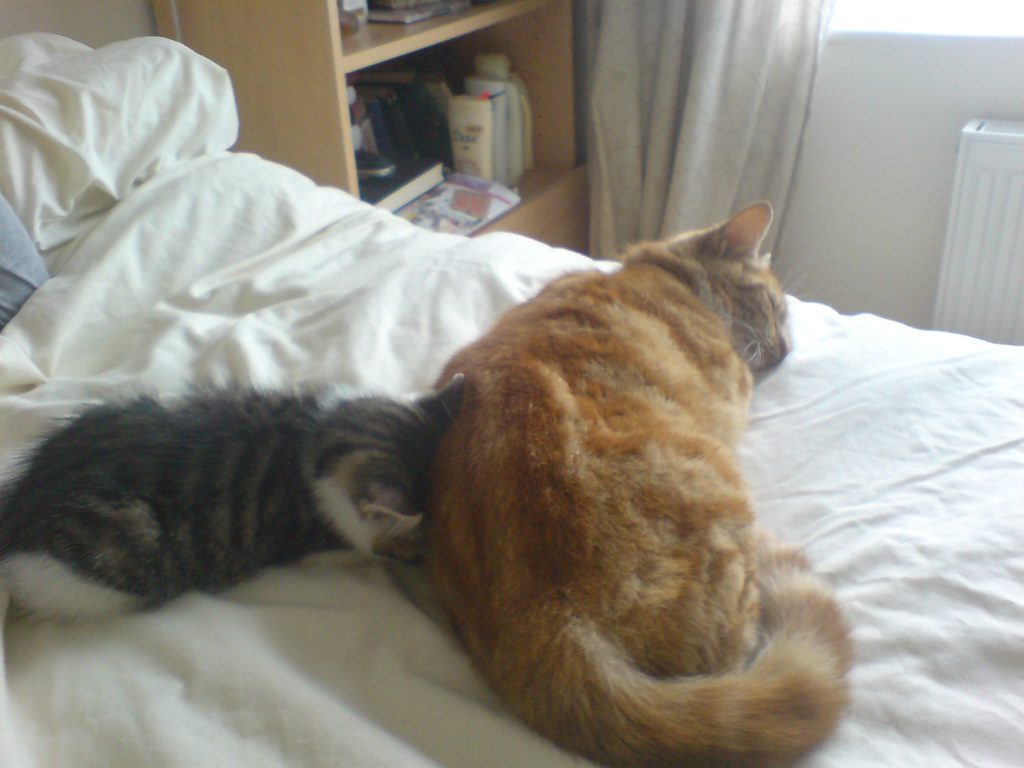
Ever notice your cat bonking their head against your leg or rubbing their cheeks all over your face? This head bunting behavior involves your cat rubbing and bonking their head on you while marking you as theirs, since cats have scent glands on their foreheads and cheeks. It’s not just a casual bump.
Headbutting is often an attempt to mark you with their scent to claim you as one of their own, helping cats bond and showing love to their humans. Cats headbutt to connect to familiar people, making it their way of choosing you, so consider it the highest of compliments and absolutely a sign of affection. When your cat does this, they’re essentially saying you’re part of their family. Pretty special, honestly.
The Tail Question Mark
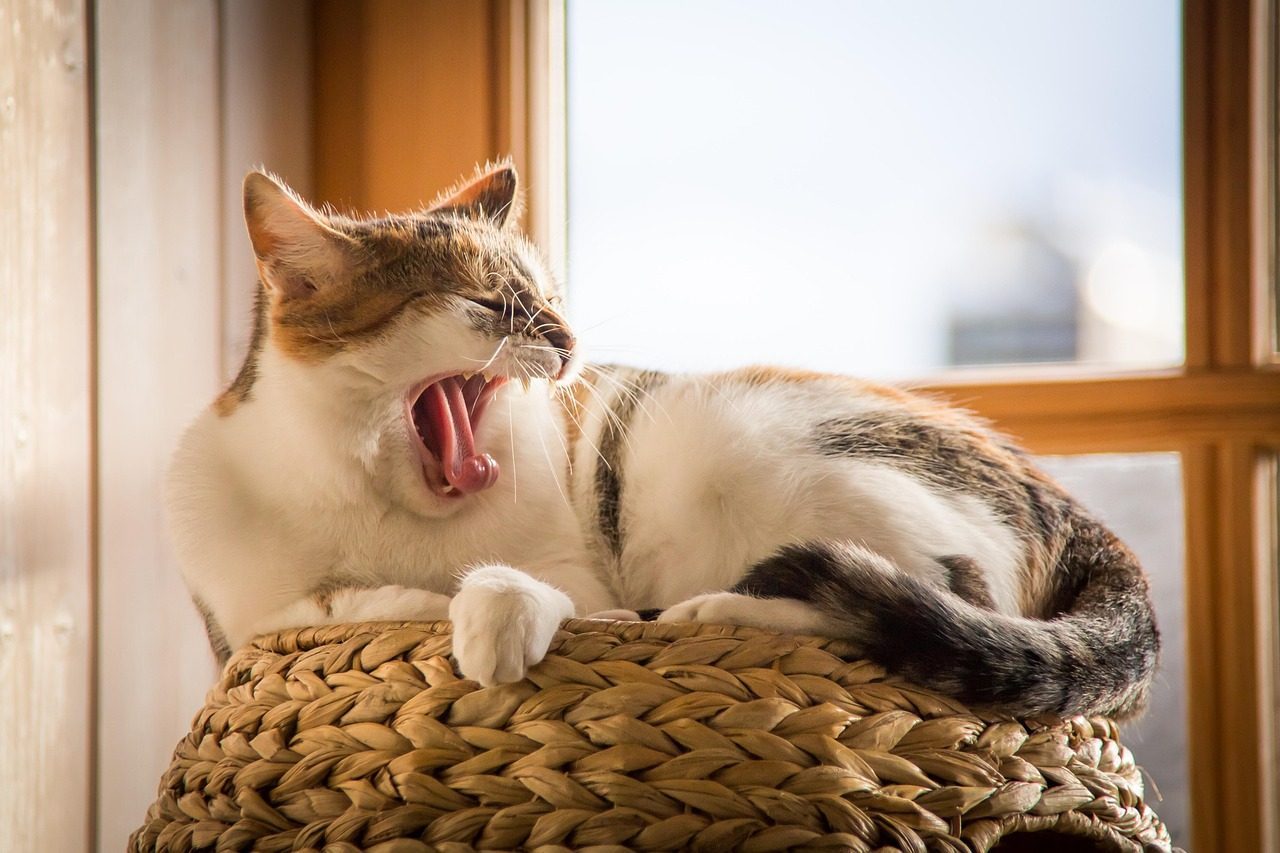
Cats often use their tails to express adoration, and a content cat will often hold their tail in an upright position with a C-shape or hook at the very top. This isn’t just a random posture. That little curved tip is like a punctuation mark in cat language.
When showing their affection, cats rub themselves on you with their tails held high, often with a tiny curve at the very end, showing that they’re happy to see you or another cat. Pay attention next time your cat approaches you. If that tail is standing tall with a gentle hook at the end, you’re looking at a cat who’s genuinely pleased to be in your presence. It’s one of those blink-and-you’ll-miss-it signals that speaks volumes.
Kneading: Making Biscuits on You
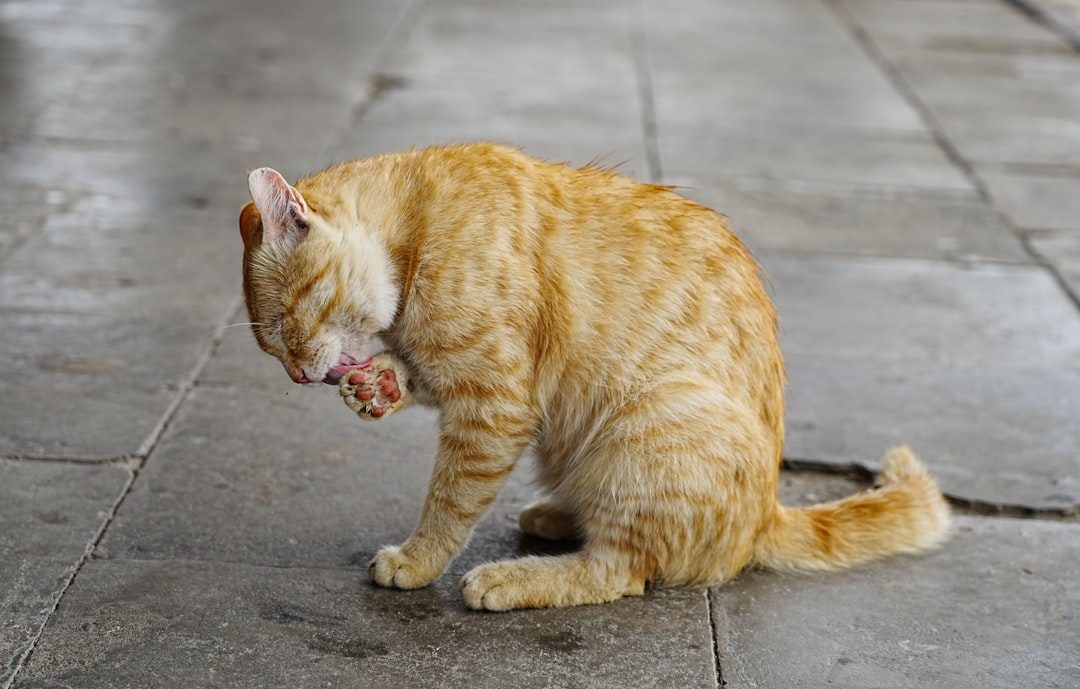
That rhythmic pushing motion cats make with their paws, often called making biscuits, is a behavior that originates from kittenhood, and when adult cats knead on their humans, they’re displaying the same comfort and contentment they felt while nursing, indicating deep trust and security in your presence. Yes, those claws can be uncomfortable sometimes.
Kneading is done when a cat feels super relaxed and happy. Some cats retract their claws while doing this, others don’t, but either way it’s a compliment. They’re literally reverting to their most content kittenhood memories while sitting on you. If that’s not love, I’m not sure what is.
Following You Room to Room
Cats often follow those they love and trust around the home, similar to the greeting at your front door, where they follow behind you and keep you in sight at all times. Some people find this behavior a bit clingy or even annoying, especially when your cat follows you straight into the bathroom.
Many pet parents might find it odd that their cats follow them everywhere they go, but this just means that your cat wants to spend more time with you, and a cat that enjoys your company and feels comfortable around you is going to follow you around the house and cling to you like glue. They’re not being needy. They simply prefer your company to being alone. It’s actually quite touching when you think about it that way.
Greeting You at the Door
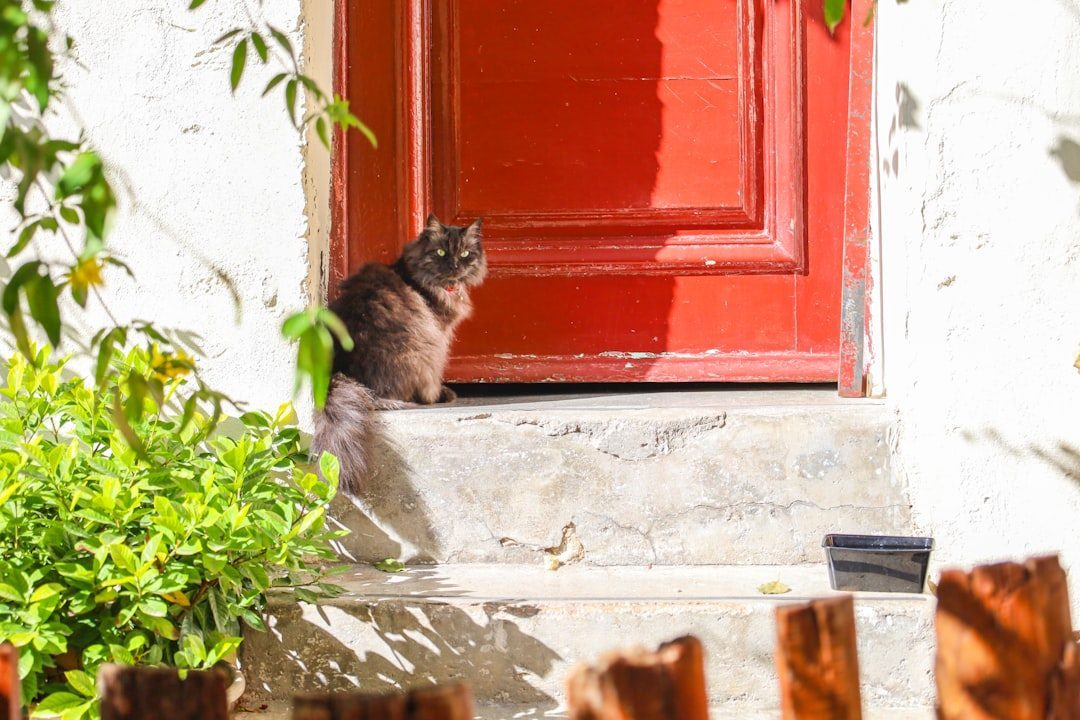
Your cat is trying to show you that they missed you when they greet you at the door, often followed by walking between your legs and curling their tail around your legs, sometimes accompanied by meowing and rattle-tail behavior where your cat will shake their tail quickly, which is your cat’s way of welcoming you home. Sure, they might also be telling you they’re hungry or their litter box needs attention.
Even so, that enthusiastic greeting is genuine affection. They noticed you were gone, and they’re genuinely happy you’ve returned. It’s a subtle distinction from a dog’s greeting, quieter and more contained, but the emotion behind it is just as real.
Sleeping On or Near You
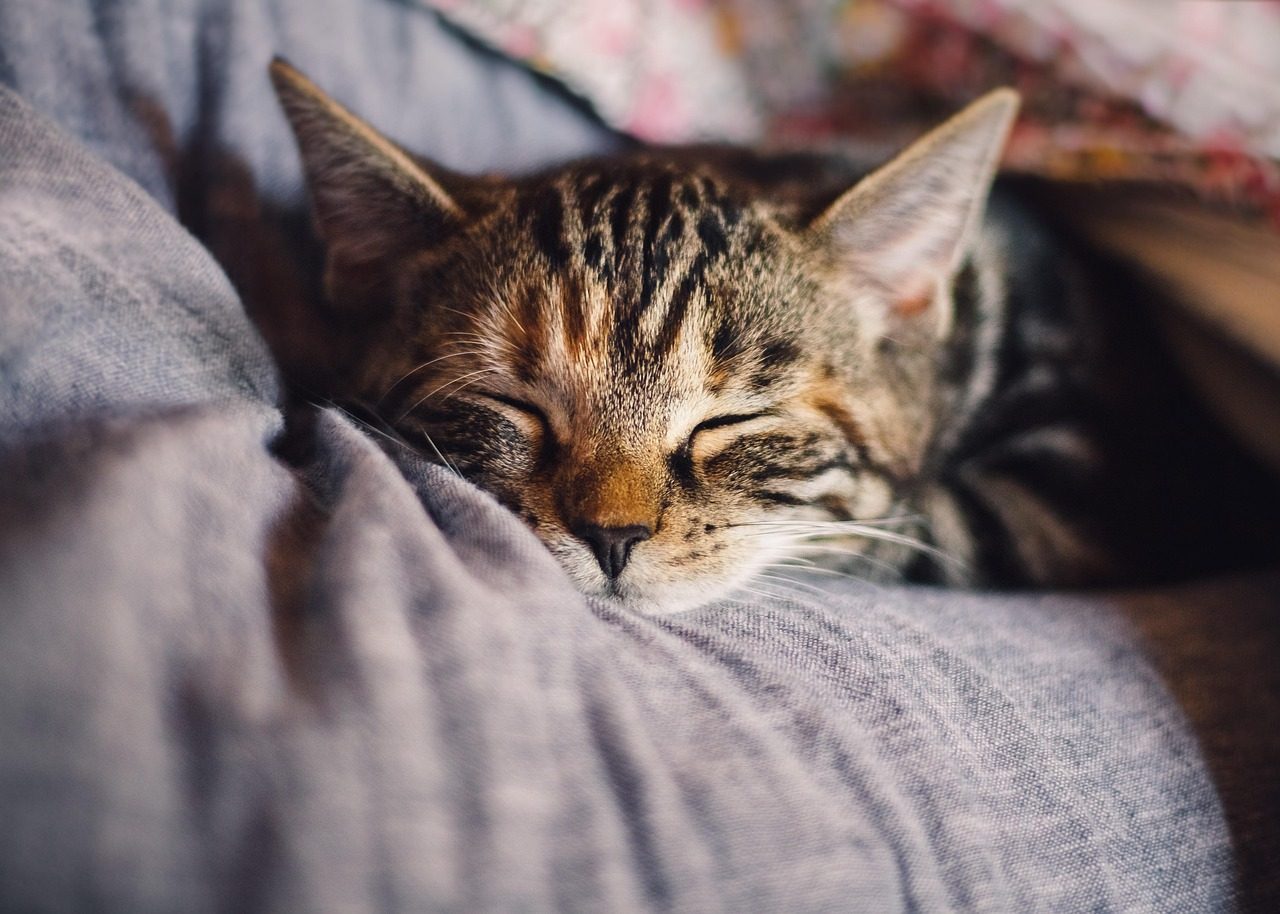
A cat choosing to sleep on or near you is one of the highest compliments they can pay, since sleep is when cats are most vulnerable, and selecting you as their napping spot demonstrates absolute trust and affection, especially meaningful when they expose their belly while sleeping near you. This behavior can’t be faked.
Sleep is a biologically vulnerable state for any animal. Cats can sleep anywhere from ten to fifteen hours each day and are most vulnerable while sleeping, choosing places that are safe and secure, so there is no better compliment than a cat who chooses to fall asleep on you, meaning they are completely comfortable with you and trust they are in safe and loving hands. When your cat curls up on your lap or snuggles against you in bed, they’re making a profound statement about how safe they feel with you.
Grooming You
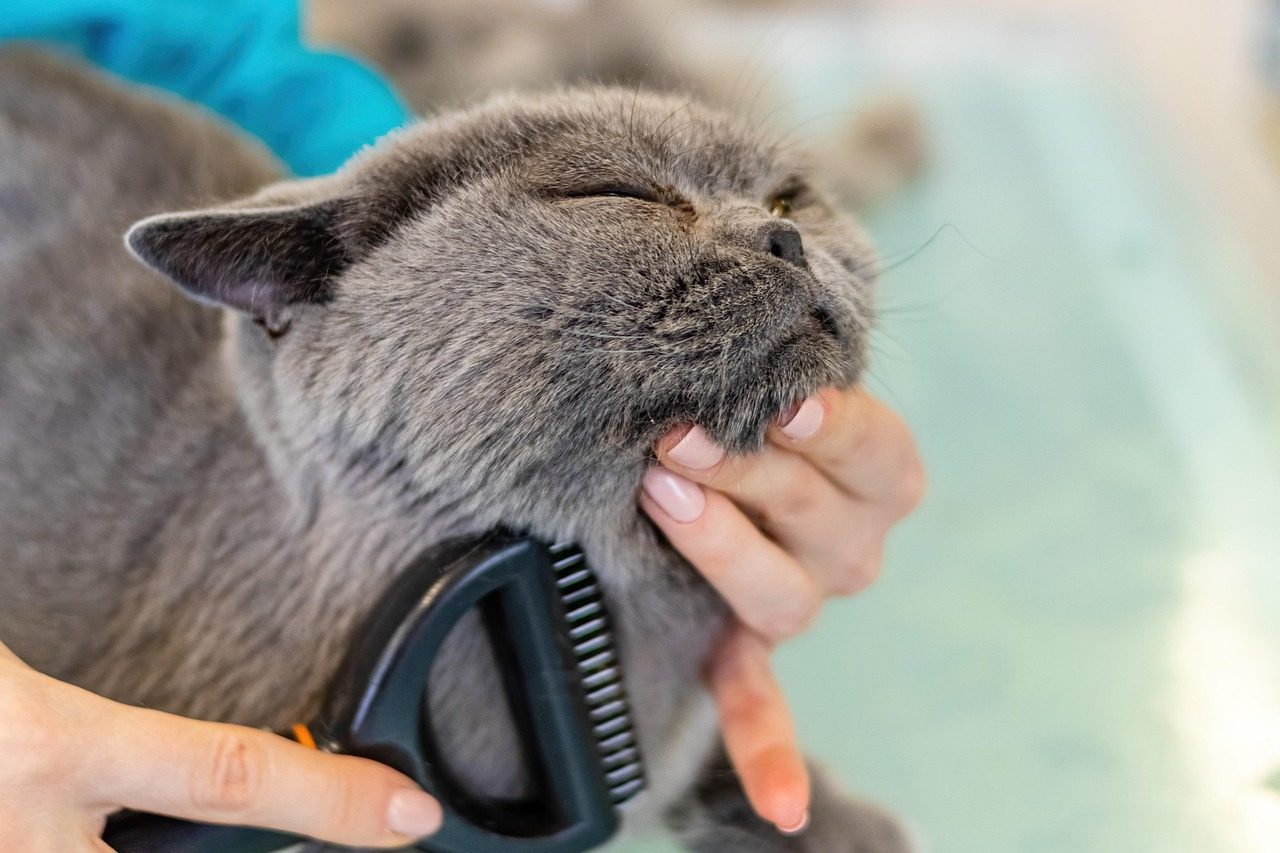
Cats groom each other as a display of affection, and this behavior extends to humans when trust is built, as cats will often lick their people, with licking being similar to the grooming cats perform on their feline friends, allowing them to mark each other and build their bond. That sandpaper tongue on your hand or face might feel a bit strange.
When a cat licks your skin or hair, it’s mimicking the grooming behavior they use with other cats, signifying that they see you as part of their social group and trust you enough to share this intimate behavior. Grooming is reserved for family members and close companions in the cat world. If your cat grooms you, congratulations – you’ve been officially adopted.
Bringing You Gifts
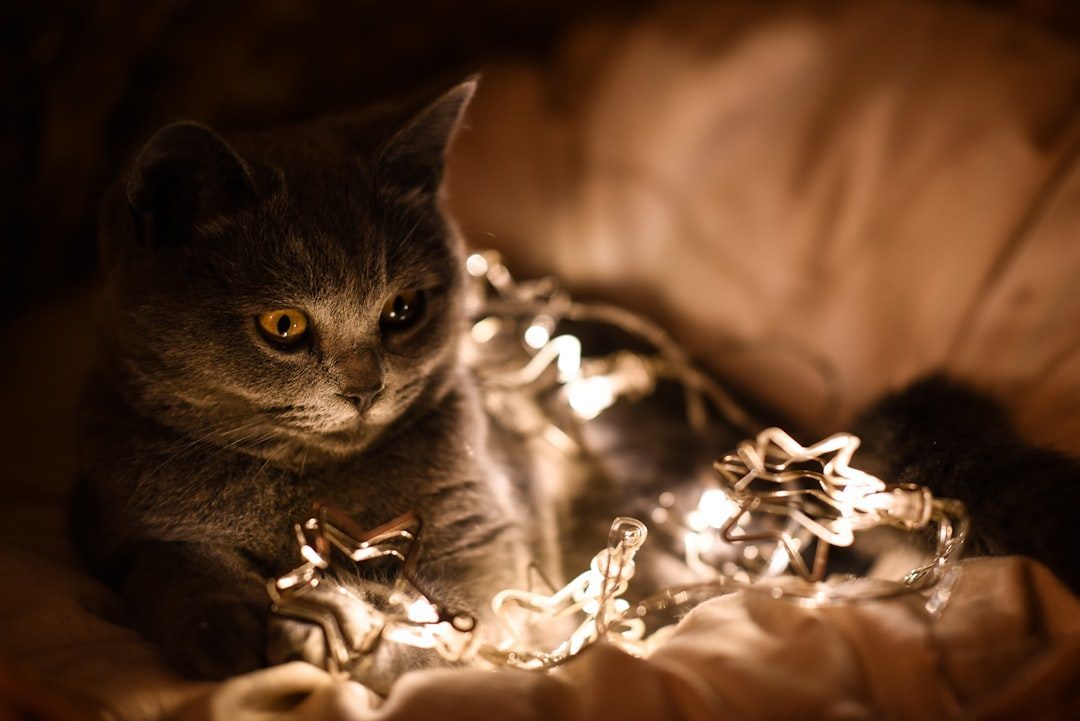
While it might be unpleasant to find a dead mouse or bird at your doorstep, this behavior is a sign of love and trust from your cat, as in the wild, cats bring prey to their families, and by bringing you gifts, your cat is sharing its hunt with you, showing that they consider you part of their family. Not all cats have access to prey, thankfully.
Cats are hunters at heart, and sometimes a cat that catches a mouse or insect will bring the remains back to their humans as a gift, which truly is a sign of love and pride, as your cat wants to reward you for your love, and cats will also do this with toys if they don’t have the option to hunt live prey. So when your cat drops a toy mouse at your feet, they’re essentially offering you a prized possession.
Trilling and Chirping at You
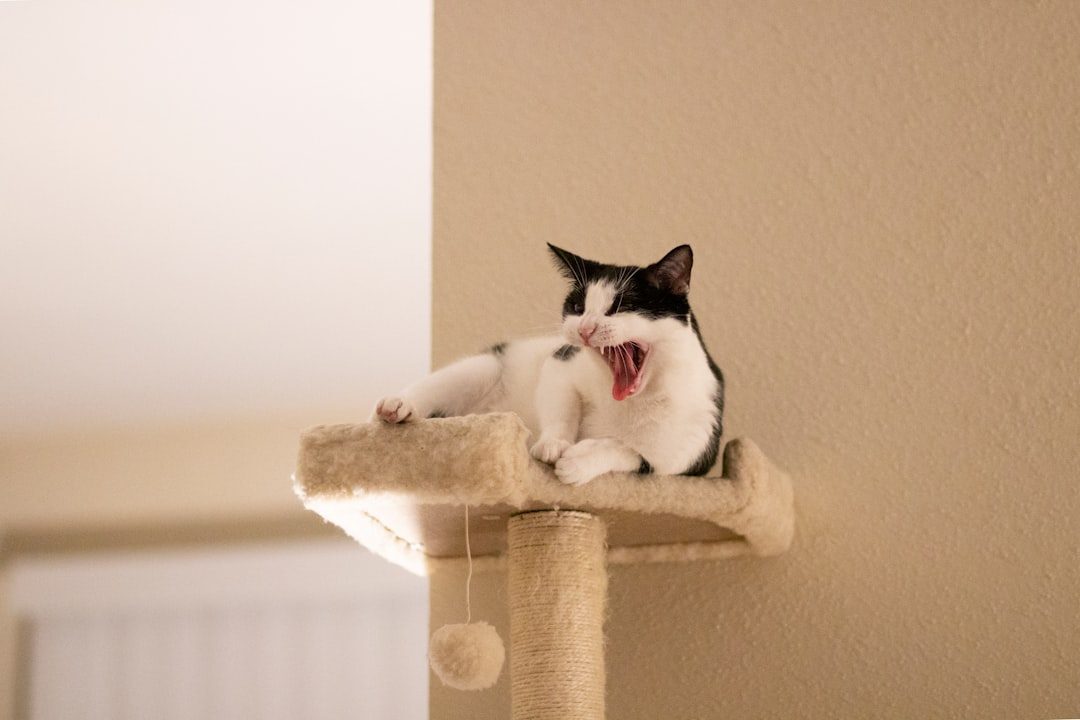
Trilling, also known as chirping, is the high-pitched, repetitive sound that cats make when they see someone they like and is trusted by them or when they are feeling content, and may also be an invitation for you to spend some quality time together. This vocalization is distinct from meowing.
A trill is always a sign of how much your cat loves you, whereas a meow can sometimes mean annoyance too. Chirps and trills are how a mother cat tells her kittens to follow her, and when aimed at you, it probably means your cat wants you to follow them, usually to their food bowl, and if you have more than one cat, you’ll often hear them converse with each other this way. Pay attention to the different sounds your cat makes. The trill is reserved for special occasions and special people.
Exposing Their Belly
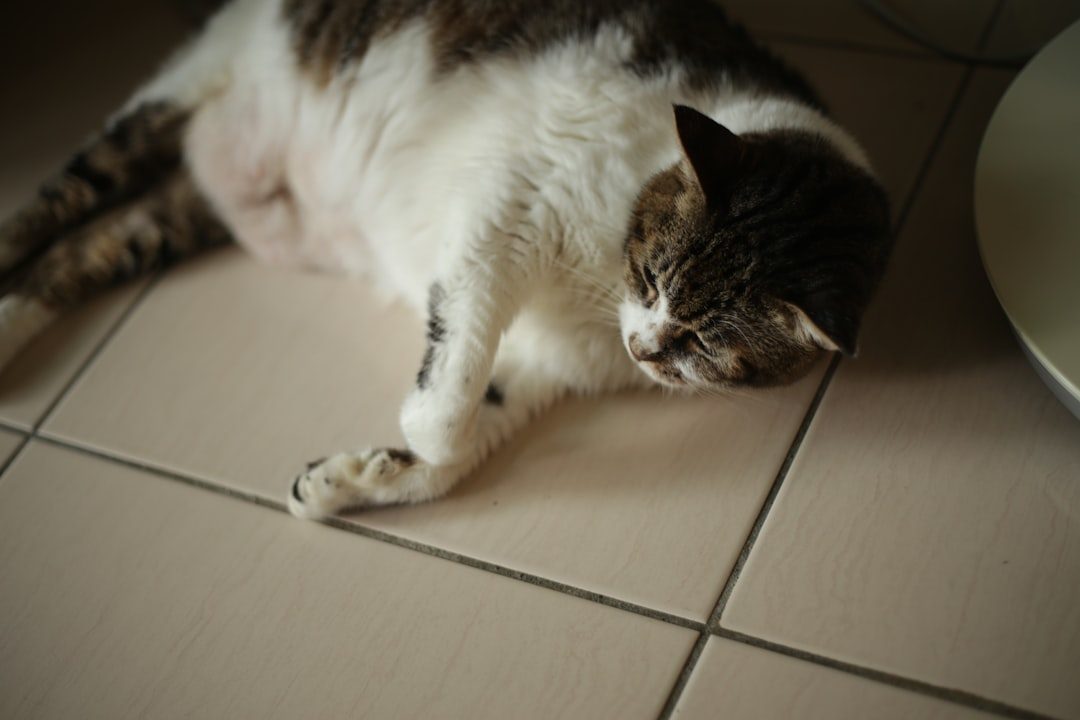
Rolling over is how cats show their affection on your return home and means they’re excited you’re back in cat language, as they are exposing the vulnerable area of their belly, which is a sign that a cat both trusts and loves you. Here’s where things get tricky though.
Exposing the belly is a huge sign of trust, meaning your cat feels totally secure and relaxed around you, though as Cat Protection warns, it doesn’t mean she wants you to rub her belly. This is the classic cat trap that even experienced cat people occasionally fall into. The exposed belly is a display of trust, not necessarily an invitation. Appreciate the gesture from a respectful distance unless you know your particular cat enjoys belly rubs.
The Takeaway: Love in Whispers
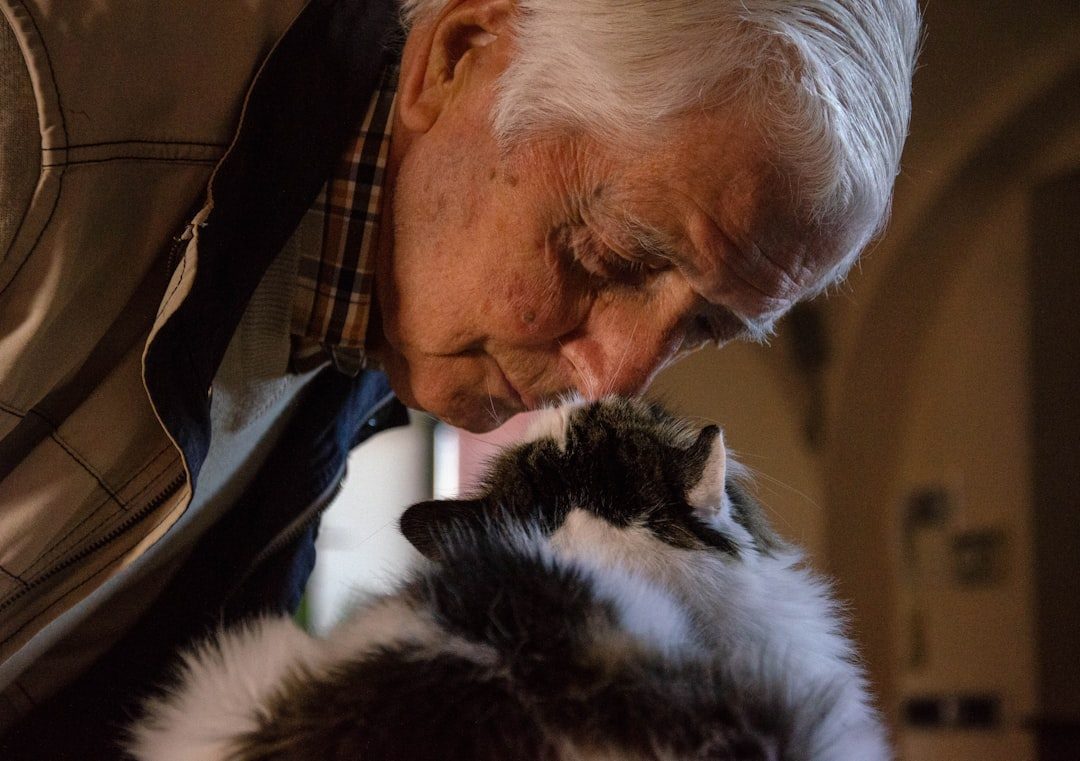
Cats communicate affection in a completely different dialect than dogs or even humans. Their love language is quieter, more reserved, built on subtle gestures that require you to pay attention and really observe. If you pay a little closer attention, you’ll discover that cats are indeed affectionate and loving companions, and their gestures may sometimes be more subtle than those of dogs, but they are no less meaningful.
Once you learn to recognize these signs, slow blinks, head bonks, follows through the house, your relationship with your cat deepens considerably. You start to understand just how much thought and emotion goes into their interactions with you. They’ve been saying I love you all along. You just needed to learn their language.
What subtle signs of affection does your cat show you? Have you noticed any of these behaviors before? The world of feline communication is endlessly fascinating once you start paying attention.