Cats have a reputation for being aloof, independent, and emotionally distant. It’s a reputation that’s largely unfair. Cats show love differently than humans do, often expressing affection through subtle behaviors, and though they are much more subtle in showing their love, that doesn’t mean the shared bond between cats and humans is any less meaningful. Once you understand their language, you’ll realize they’ve been saying “I love you” in their own way all along.
Cat love is selective, earned, and expressed through subtle signals that many owners miss entirely. Research using attachment theory, the same framework used to study human infant bonding, has demonstrated that cats form secure attachments to their caregivers. So if you’ve ever wondered whether your cat truly cares, the science and the behavior both point to the same answer.
1. The Slow Blink That Says Everything
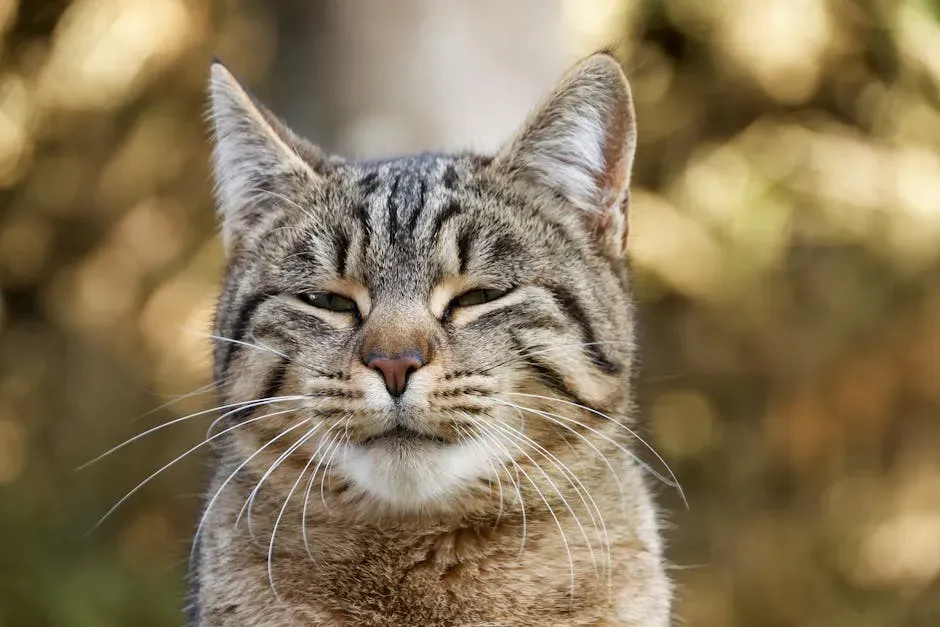
When your cat looks at you from across the room and blinks slowly, don’t brush it off as disinterest. Because cats can be both predator and prey in the wild, they’re naturally wary animals who don’t like to let their guard down, including closing their eyes. That slow blink, sometimes known as “love eyes,” means your cat feels completely safe when you’re around.
You can actually return the gesture. Try looking at your cat, blinking slowly, then looking away softly. Many cats will blink back, and this silent exchange helps deepen your emotional connection. It’s one of the most intimate nonverbal conversations you can have with a cat, and it costs nothing.
2. Head Bumping and Bunting Against You
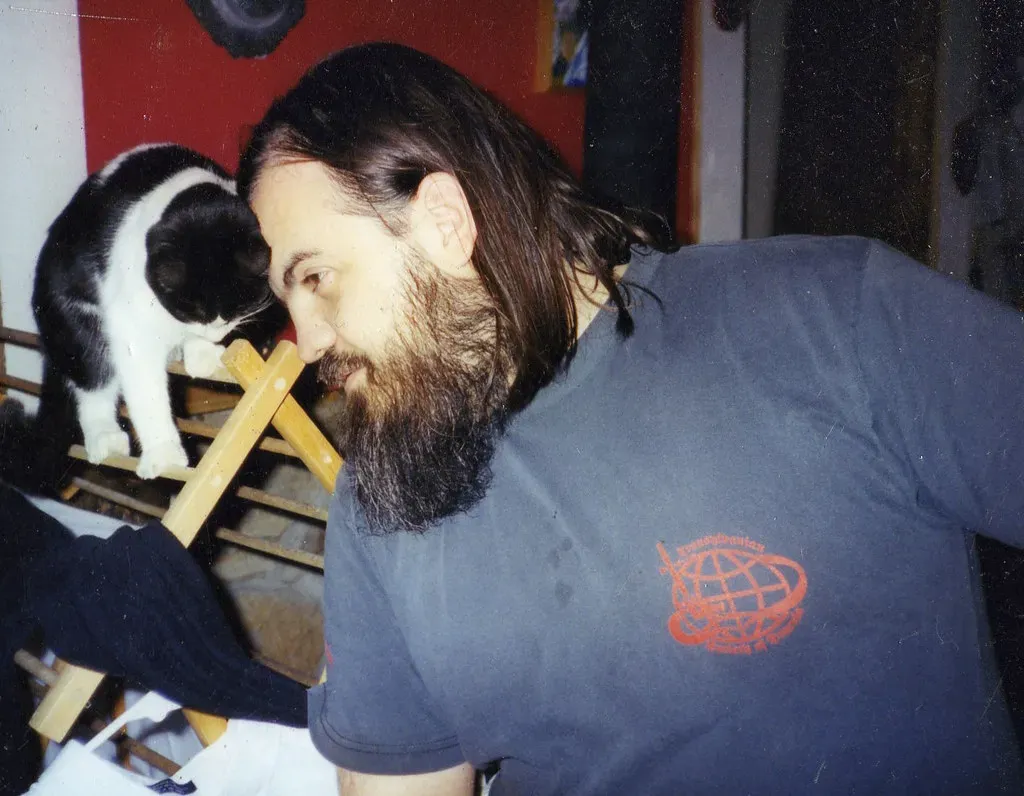
Some call it head-butting, others call it head bumping, and many feline behavioral experts prefer the term head bunting. Cats headbutt to connect to familiar people, making it a cat’s way of choosing you. To a cat, headbutting makes you special. That firm press of their forehead against yours is a deliberate, affectionate act.
When your cat bumps their head against yours or rubs their face on you, they’re doing more than seeking attention. Cats have glands on their cheeks and forehead that release pheromones, and by rubbing on you, they’re essentially saying, “You’re part of my clan.” It’s a form of ownership that comes entirely from love.
3. Kneading You Like Bread Dough
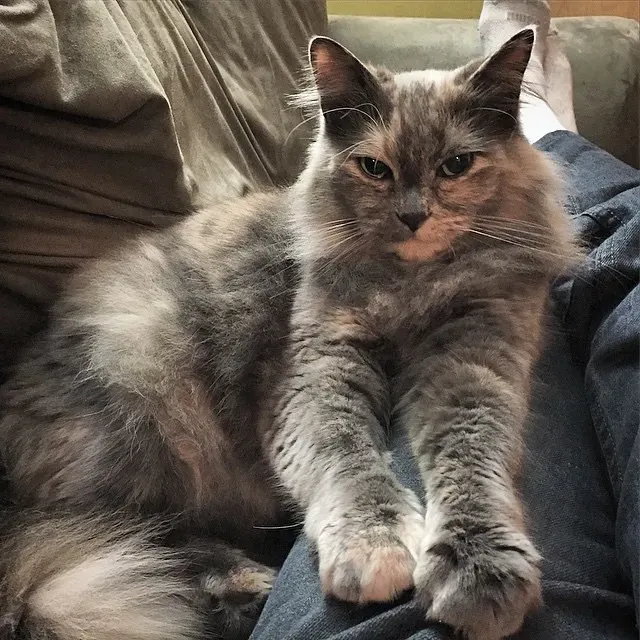
Cat kneading is an action where the cat lightly presses the tips of their paws into you in a very methodical and calm motion, similar to a person kneading bread dough. This action goes all the way back to when your cat was a kitten and did this to release milk from their mother. When they do it to you now, it carries that same association of warmth and comfort.
A gentle kneading while sitting on you is a signifier of contentment. When they knead you, the action also allows them to mark you using their scent glands. Some cats retract their claws while kneading, and if they don’t, you should generally still take it as a sign of a cat feeling love for you, albeit in between wincing a little.
4. Sleeping Near You or On Top of You
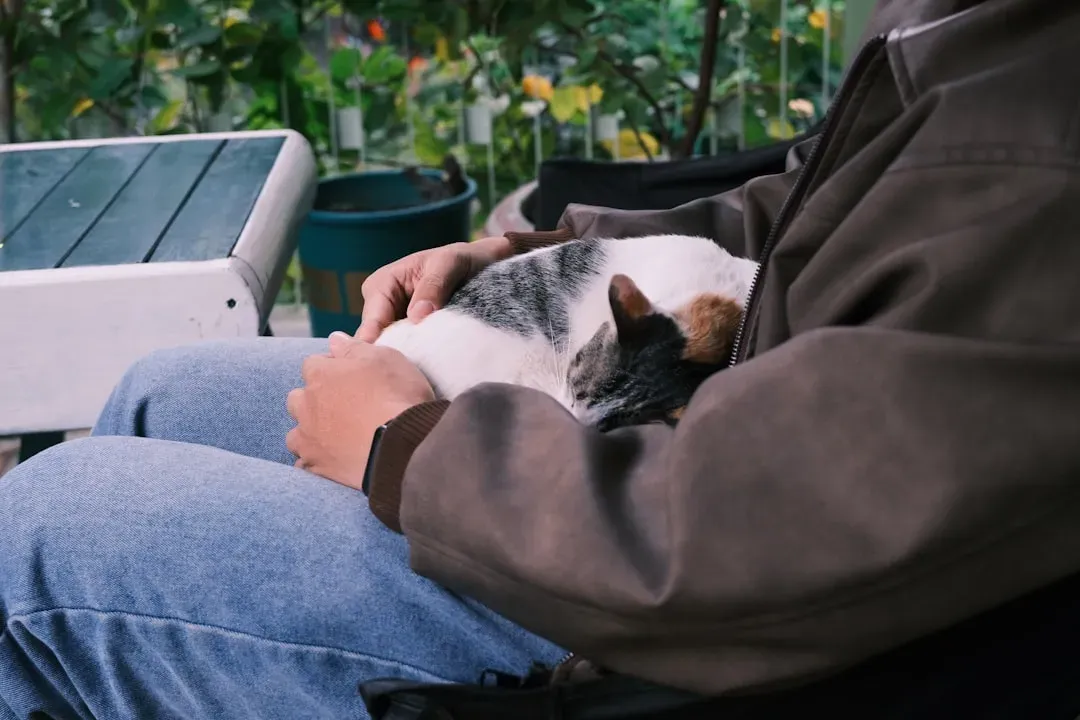
Cats are at their most vulnerable when they sleep, so choosing to rest near or on you speaks volumes. Curling up on your bed, your lap, or even your pillow shows they feel completely secure in your presence. That’s not a casual decision for an animal whose survival instincts are still very much intact.
Curling up next to you for warmth and protection is a clear sign that your cat likes you. This is especially true when they’re sleeping. If they nap on top of you, take this as a significant reflection of your cat’s affection. Think of it as the feline equivalent of being fully trusted with someone’s most vulnerable moment.
5. Greeting You With a Raised Tail
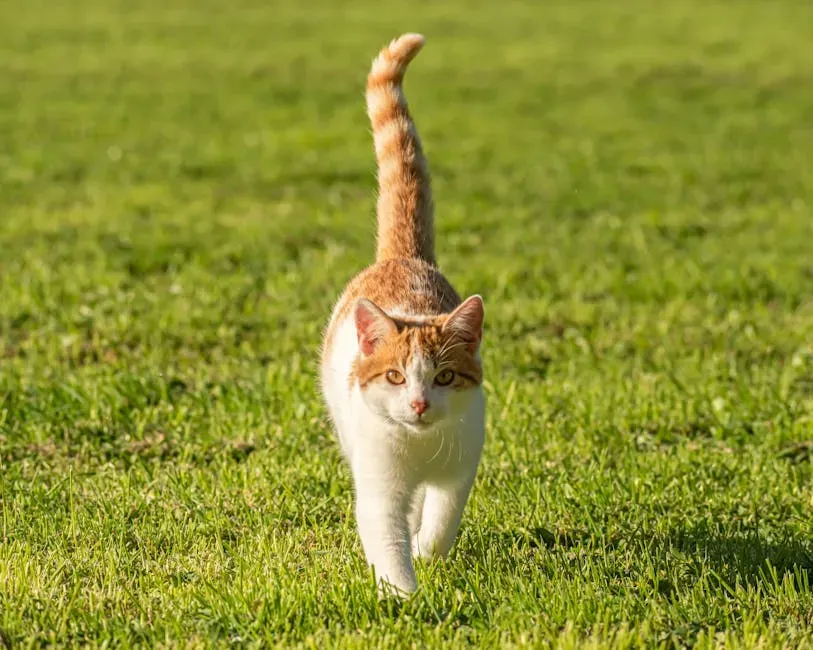
A cat’s tail is one of its most important methods of communication. If your cat holds their tail upright with a slight curve at the end, that’s a sign they’re happy to see you and enjoying your company. Affectionate cats will also deliberately brush their tails against your leg as they walk past or drape the tip of their tail across you as they lounge nearby.
Cats who are attached to their humans will solicit attention by approaching them, often with a tail held straight up, and meowing or pawing at them. They also tend to follow their owners from room to room, albeit sometimes at a distance. That upright tail greeting when you walk through the door is not just habit. It’s a welcome home.
6. Trilling and Chirping Just for You
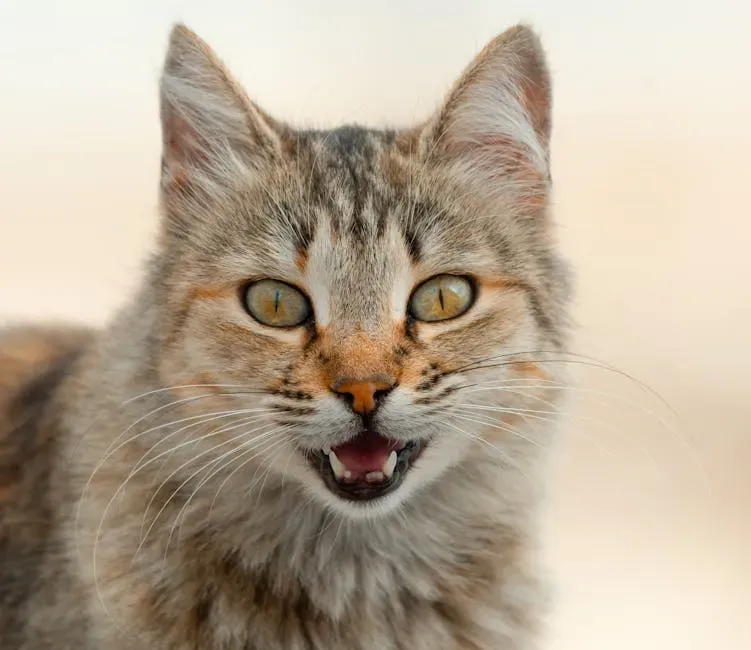
Trilling, also known as chirping, is the high-pitched, repetitive sound that cats make when they see someone they like and trust, or when they are feeling content. Trilling may also be an invitation for you to spend some quality time together. It’s a more tender sound than a meow, and most cats reserve it for people they genuinely love.
Normally, cats do not communicate with each other through meowing. They primarily save this vocal behavior for their interactions with humans. Whether your cat gives you a meow here or there or meows nonstop, consider this to be their way of communicating with you and showing their love. The trilling version of that is an even softer, more deliberate form of the same message.
7. Grooming You With Their Tongue
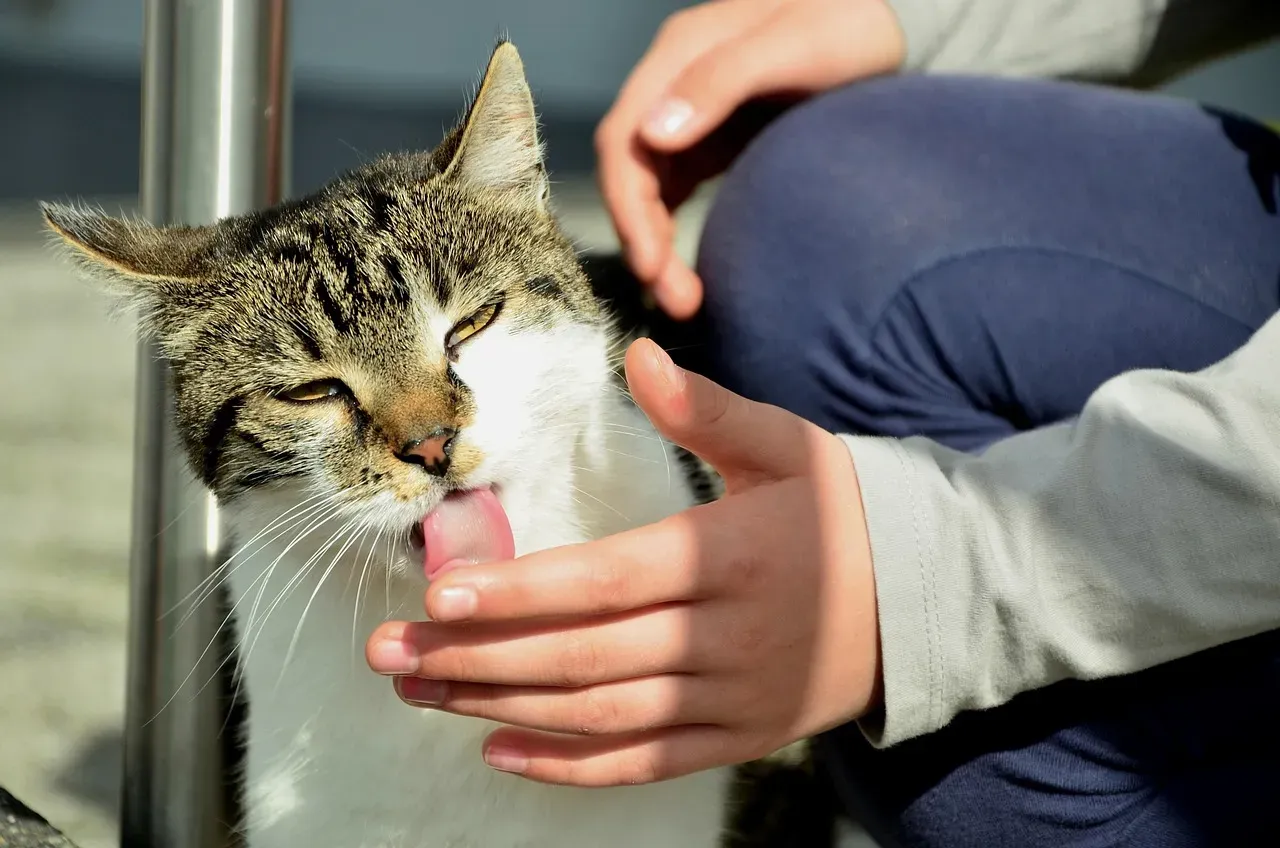
Cats groom each other as a display of affection, and this behavior will extend to humans when trust is built. Cats will often lick their people or allow them to be brushed. Licking is similar to the grooming cats perform on their feline friends, allowing them to mark each other and build their bond. When your cat licks your hand or your hair, they’re treating you as one of their own.
When a cat licks your skin or hair, it’s mimicking the grooming behavior they use with other cats. This action signifies that they see you as part of their social group and trust you enough to share this intimate behavior. It doesn’t get much more sincere than that in the feline world.
8. Bringing You “Gifts”
While it might be unpleasant to find a dead mouse or bird at your doorstep, this behavior is a sign of love and trust from your cat. In the wild, cats bring prey to their families. By bringing you gifts, your cat is sharing its hunt with you, showing that they consider you part of their family. Yes, it’s unsettling. It’s also deeply sincere.
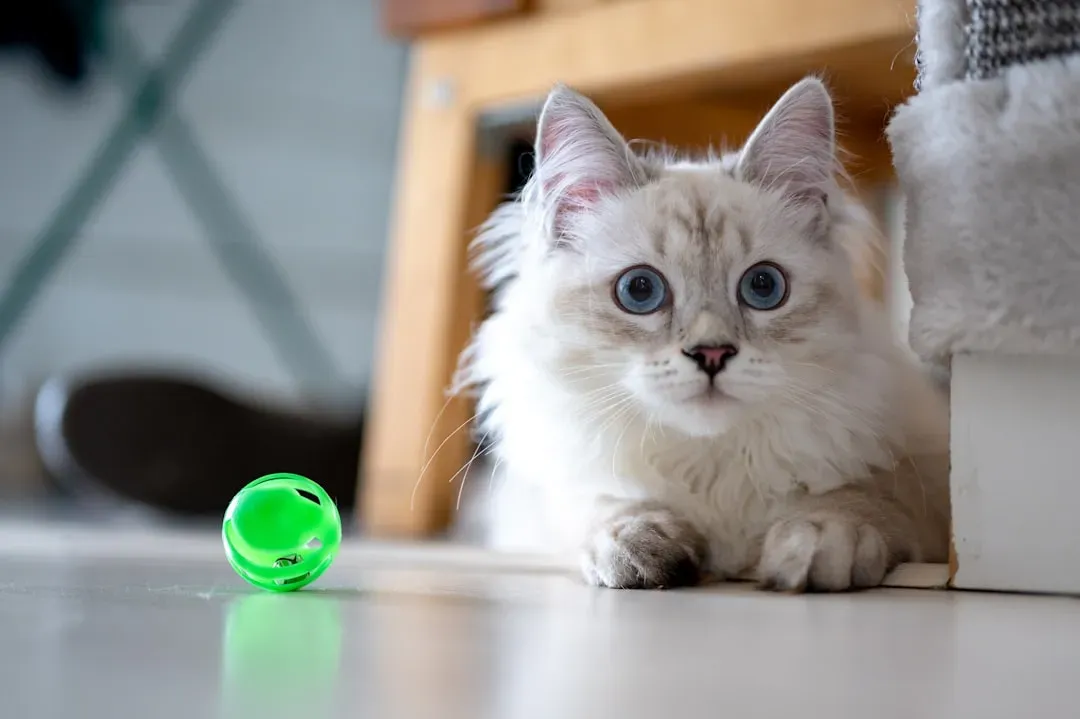
The same logic applies to when your cat drops a toy at your feet or nudges it toward you. Research suggests cats may view humans as large, non-threatening companions rather than a different species, and they use the same social behaviors with us, including rubbing, kneading, and offering gifts, that they’d use with feline companions. Receiving a gift from your cat, regardless of what it is, means you’ve earned a place in their inner circle.
9. Exposing Their Belly to You
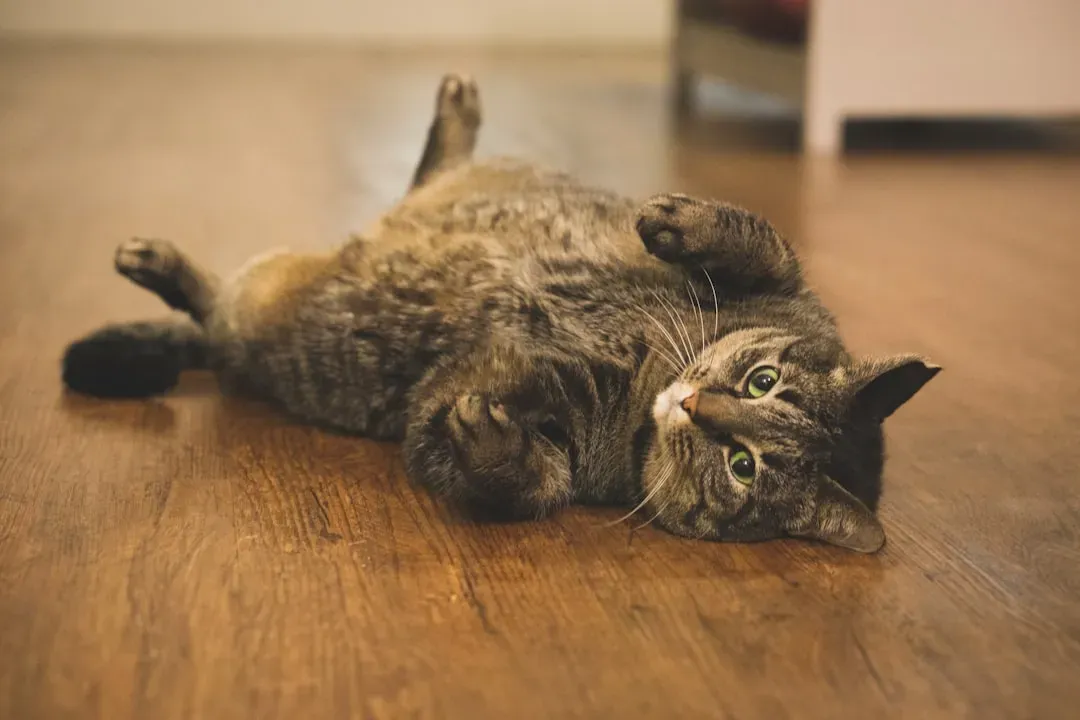
This is often considered the ultimate sign of trust for a cat. Cats only lie on their backs and show their bellies when they are in their most relaxed state. This is not necessarily an invitation to pet them. They are simply communicating that they feel comfortable and safe enough to reveal one of the most vulnerable parts of their body.
Rolling over is how cats show their affection on your return home and means “I’m so excited you’re back” in cat language. They are exposing the vulnerable area of their belly, and this is a sign that a cat both trusts and loves you. Resist the urge to go straight for the belly rub, because the gesture itself is the gift.
10. Simply Staying Close to You
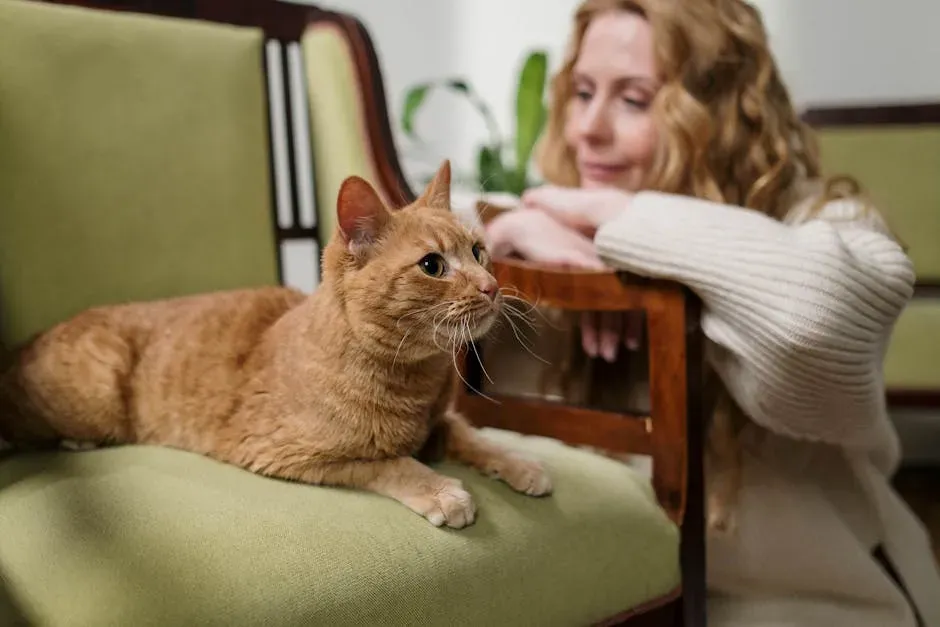
Cats are more likely to explore and interact with their environment when they feel relaxed and comfortable in a person’s presence. So if your cat is often on the move while you’re with them, take it as a subtle sign of affection. The message is that they are more comfortable in your presence. Proximity is love, even when it looks like indifference.
Securely attached cats display a reduced stress response and curiously explore the room while checking in periodically with their owners for attention. That casual glance your cat throws your way before wandering off to the window? Cats study their important people, monitoring for cues about routine, mood, and activity. When your cat watches you, they’re engaged with you as a significant figure in their world.
Conclusion
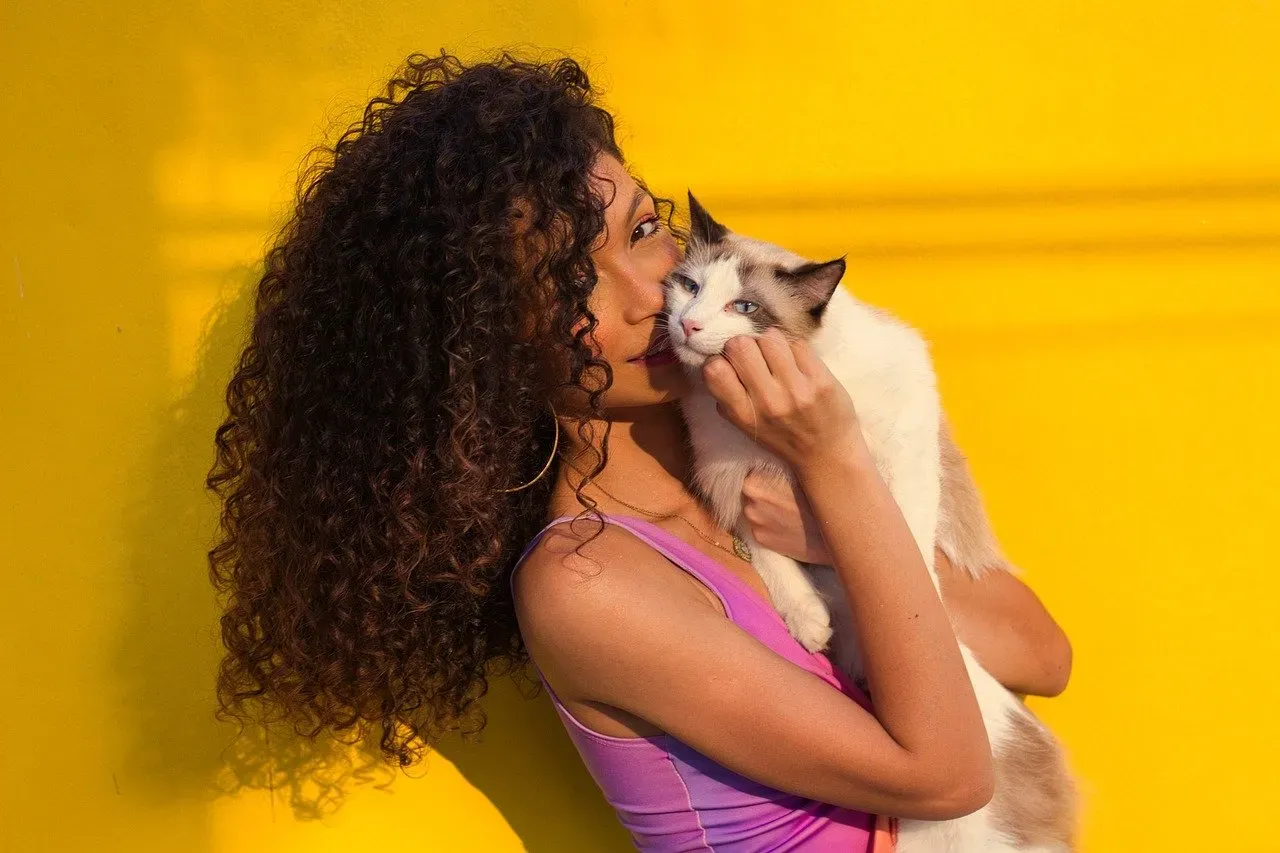
Your cat has likely been showing you love for years in ways that are easy to overlook. The slow blink from the armchair, the trilling greeting at the door, the paw pressed gently against your leg. None of these are accidents. Every cat expresses affection in their own way, so learning to read your cat’s body language cues is key to understanding them.
Research shows that the human-cat bond benefits both parties, including lower blood pressure for owners and reduced stress behaviors for cats. The relationship, when working well, is genuinely symbiotic. The more you tune in to these quiet gestures, the richer that bond becomes.
Cats don’t love loudly. They love consistently, precisely, and on their own terms. Once you learn to read the language, you’ll realize your cat has been devoted to you all along.