Ever notice how your cat seems to have an uncanny talent for finding the softest, coziest spot in your entire house? Maybe it’s that one ray of sunshine streaming through the window, or perhaps it’s your freshly laundered sweater you just tossed on the bed. Cats are masters of comfort, and honestly, watching them seek out these little pockets of bliss can be both amusing and slightly humbling. After all, when was the last time you dedicated that much effort to your own relaxation?
Cats are naturally drawn to comfort, always seeking out spots that offer security and relaxation. Their entire day revolves around maximizing coziness and minimizing stress. From their peculiar sleeping positions to their ritualistic grooming sessions, every quirky behavior serves a purpose in their never ending quest for the perfect level of comfort. So let’s dive into the habits that reveal just how devoted your feline friend is to living their best, most comfortable life.
1. Making Biscuits on Your Lap

This behavior originates in kittenhood when nursing kittens knead their mother’s belly to help with milk flow. When your cat rhythmically pushes their paws into your lap, blanket, or even the air, they’re engaging in what many call making biscuits. Because nursing and being around a mother cat’s calming pheromones encourages a sense of contentment in young kittens, many cats will continue to knead into adulthood to create a similar sense of calm and relaxation.
By kneading you and purring, your cat is claiming you as one of its own. It’s not just a throwback to their kittenhood, though. Cats have scent glands between their toes, and when they knead an object or a person, their scent is deposited onto that surface, allowing the cat to mark his territory. Essentially, your lap becomes both a comfort zone and a claimed piece of real estate in your cat’s world.
2. Bathing in Sunbeams Like It’s Their Job
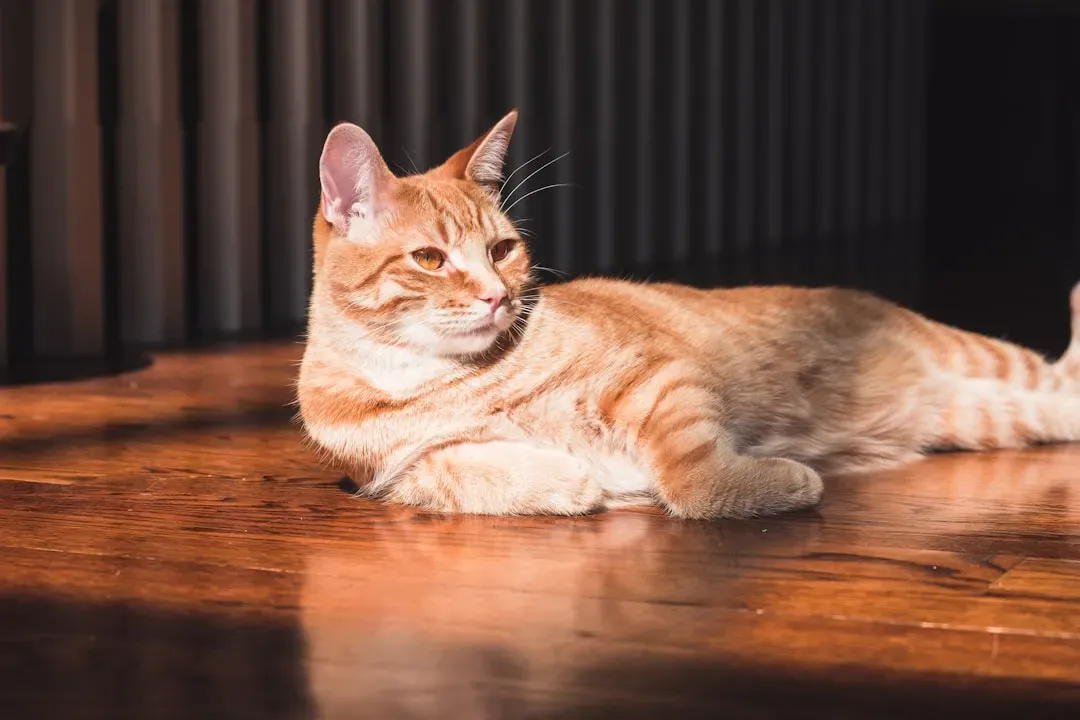
Your cat’s obsession with sunbathing isn’t just about looking photogenic sprawled across the floor. Cats love to sunbathe to keep their body temperature between 100.5°F and 102.5°F, and sunbathing helps relax their muscles and boosts their mood by increasing serotonin levels. Think about it. They’re basically getting free spa therapy from nature.
A patch of sunlight provides a natural heat source that complements their instinct to conserve energy, helping them maintain body temperature without expending additional energy. Plus, the warmth seeps into their muscles and joints, creating a soothing effect that’s especially beneficial for senior cats or those dealing with stiffness or arthritis. Your cat isn’t being lazy. They’re being strategic about their wellness routine.
3. Spending Hours on Self Grooming Sessions
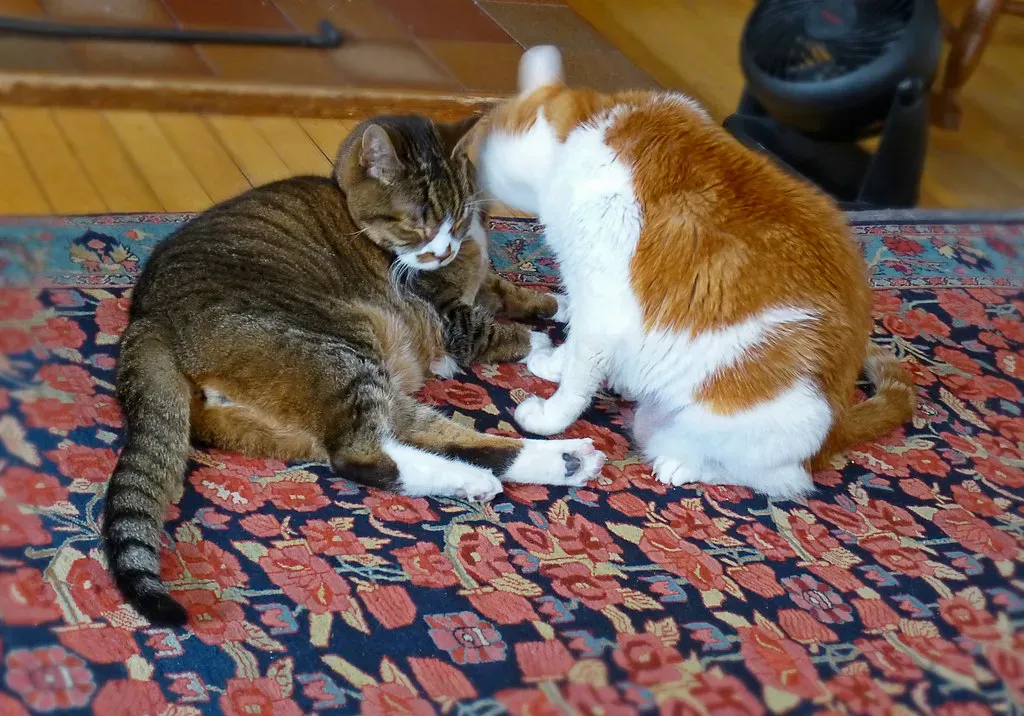
Cats spend 30 to 50 percent of their day in grooming activities. Let that sink in for a moment. Nearly half their waking hours are devoted to looking and feeling their absolute best. Cats naturally clean themselves several times a day, using their tongue to remove dirt, loose hair, and even regulate their body temperature, and this behavior is instinctive and starts as early as kittenhood.
It’s hard to say for sure, but I think this meticulous grooming routine is partly about maintaining comfort and partly about stress management. Some cats will groom themselves when faced with a stressful situation such as the presence of an aggressive animal or after a fall, and some behaviorists feel this may be a displacement behavior that helps a cat deal with conflict. They’re not just cleaning. They’re self soothing in the most elegant way possible.
4. Sleeping Roughly Fifteen Hours a Day

For wild cats, conserving energy between hunts is essential for survival, and that instinct remains strong even in our indoor cats, as cats snooze about 15 hours a day, especially when they feel safe and relaxed. Your cat isn’t being unproductive. They’re honoring their ancestral programming while simultaneously mastering the art of relaxation.
Let’s be real, most of that sleep is actually light rest rather than deep slumber. A lot of the sleep you see your cat enjoying is probably a light rest, making it more understandable that they seem to spend so much time with their eyes closed. Still, the fact that they dedicate this much time to rest proves they’re deeply committed to comfort. They’ve figured out what many of us haven’t. Sometimes the most productive thing you can do is absolutely nothing.
5. Head Bunting You for Affection and Security
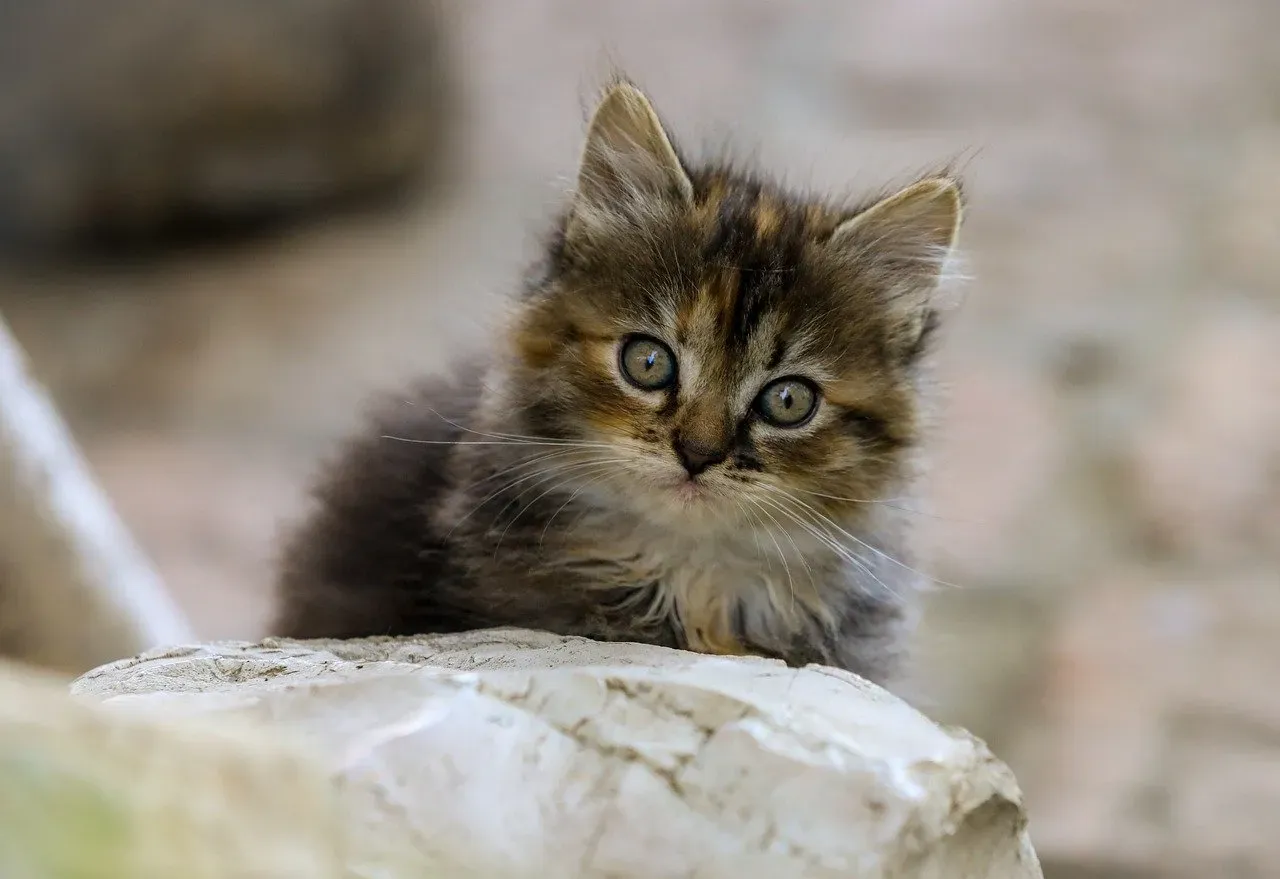
When a feline bumps its head or presses a cheek against a person, it marks them as trusted, as facial rubbing deposits pheromones from scent glands located on the cheeks and forehead, and these pheromones signal familiarity and security. This adorable behavior is your cat’s way of saying you’re part of their safe space.
When your cat bumps its head against your hand, it blends your scent with its own, and that act feels like a hug in cat speak. It’s both a territorial claim and a trust gesture rolled into one fuzzy movement. Your cat isn’t just being cute. They’re actively creating an environment where they feel secure and comfortable around you.
6. Slow Blinking to Show They’re at Ease
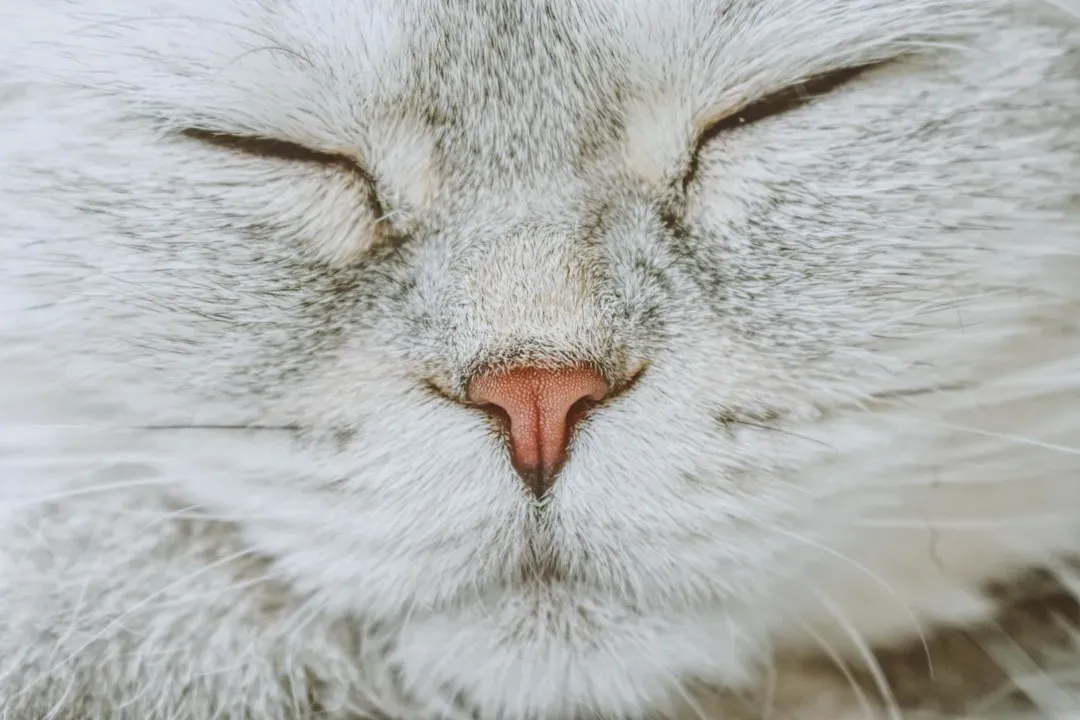
When a cat looks at you and then slowly closes and reopens its eyes, it’s a sign of trust and affection, as in the feline world, direct eye contact can be seen as a challenge, but a slow blink signals that your cat feels safe and comfortable around you. This behavior is sometimes called a cat kiss, and honestly, it’s one of the sweetest gestures your pet can offer.
The cat behavior of several half blinks followed by a prolonged eye narrowing or eye closure was found to be a positive emotional response, and when a familiar human slow blinks towards a cat, the cat tends to approach the human more frequently. Try returning the gesture next time your cat slow blinks at you. You might be surprised how it strengthens your bond while making them feel even more comfortable in your presence.
7. Choosing High Perches for Peace of Mind
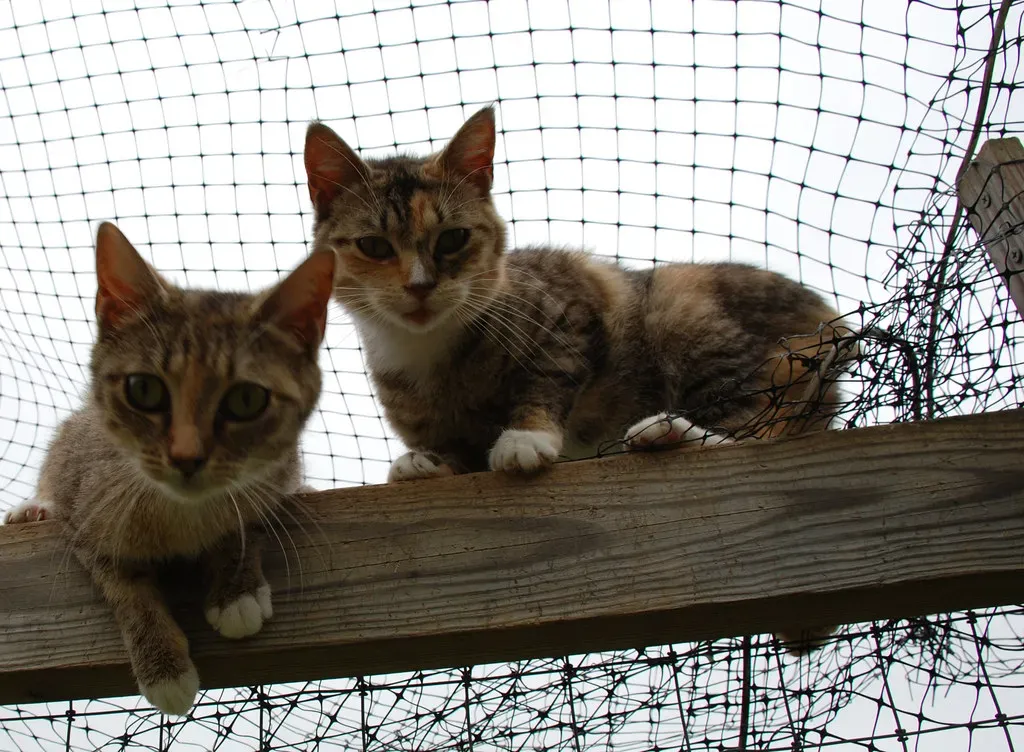
Cats also access vertical spaces for exploration and a sense of safety, and providing constructive outlets for these needs can encourage cats to direct these natural behaviors more appropriately. When your cat claims the top of the bookshelf or the back of the couch, they’re not trying to survey their kingdom with arrogance. They’re seeking elevation because it makes them feel secure.
Height gives cats a tactical advantage where they can observe their surroundings without feeling vulnerable. It’s their version of a security blanket. This instinct ties directly to their wild ancestors who needed vantage points to spot both prey and predators. Your domestic cat may not be hunting for survival, but that drive for elevated comfort zones remains deeply ingrained.
8. Loafing Position When Totally Relaxed

A cat’s normal body temperature is somewhere from 100 and 102.5 degrees Fahrenheit, so the average wintertime household may not be comfortably warm to our kitties, and thanks to their lithe and flexible bodies, they can tuck all their extremities under them, leaving them looking a bit like a loaf of bread. This position is peak cat comfort.
When your cat sits in a loaf position with their paws tucked neatly beneath their body and their tail wrapped around, they’re signaling complete contentment. They feel warm, safe, and unbothered by their surroundings. It’s essentially their way of saying everything in this moment is exactly as it should be. If you see your cat loafing, take it as a compliment to the comfortable environment you’ve created.
9. Following You to the Bathroom for Company
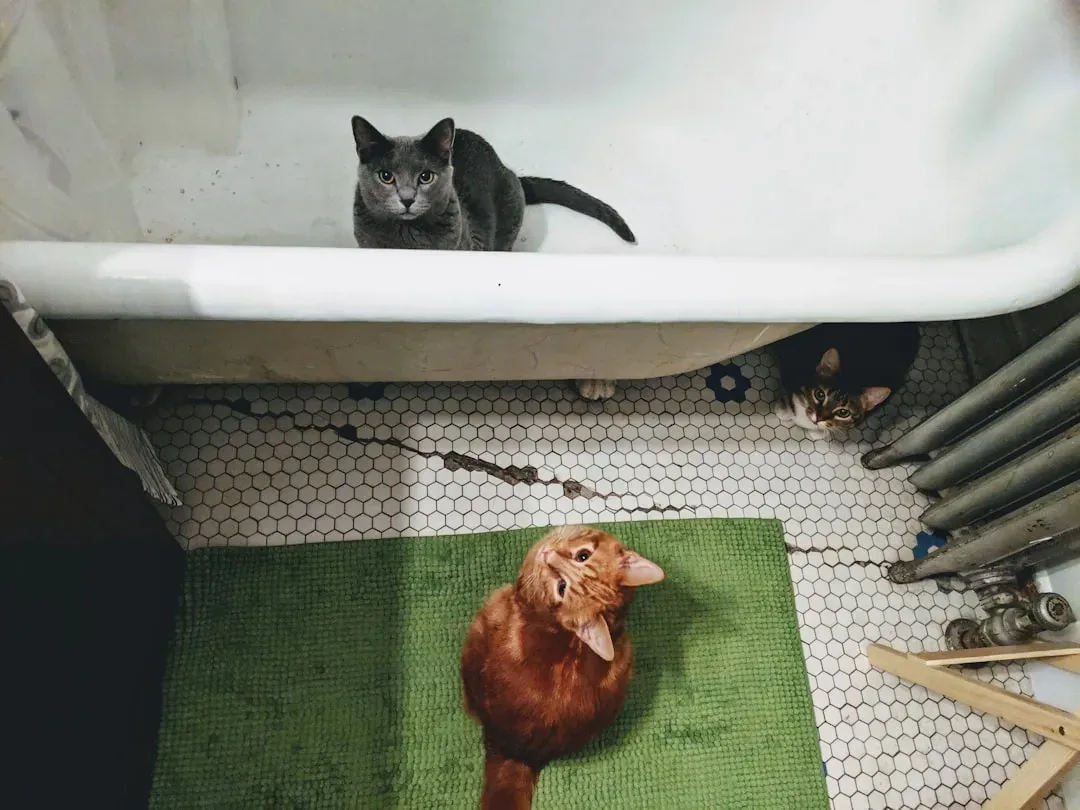
Cats spend their energy carefully, so voluntary closeness is meaningful, and sitting nearby, climbing onto a lap, or staying in the same room shows a preference for shared space. When your cat follows you into the bathroom, they’re not being needy or weird. They’re seeking the comfort of your presence.
Your cat has associated you with safety and warmth, which makes being near you inherently comforting. Even in vulnerable moments like when you’re showering or using the toilet, your cat wants to be close because your presence equals security in their mind. I know it sounds crazy, but that’s genuine affection and comfort seeking behavior at work.
10. Purring While Being Petted or Resting
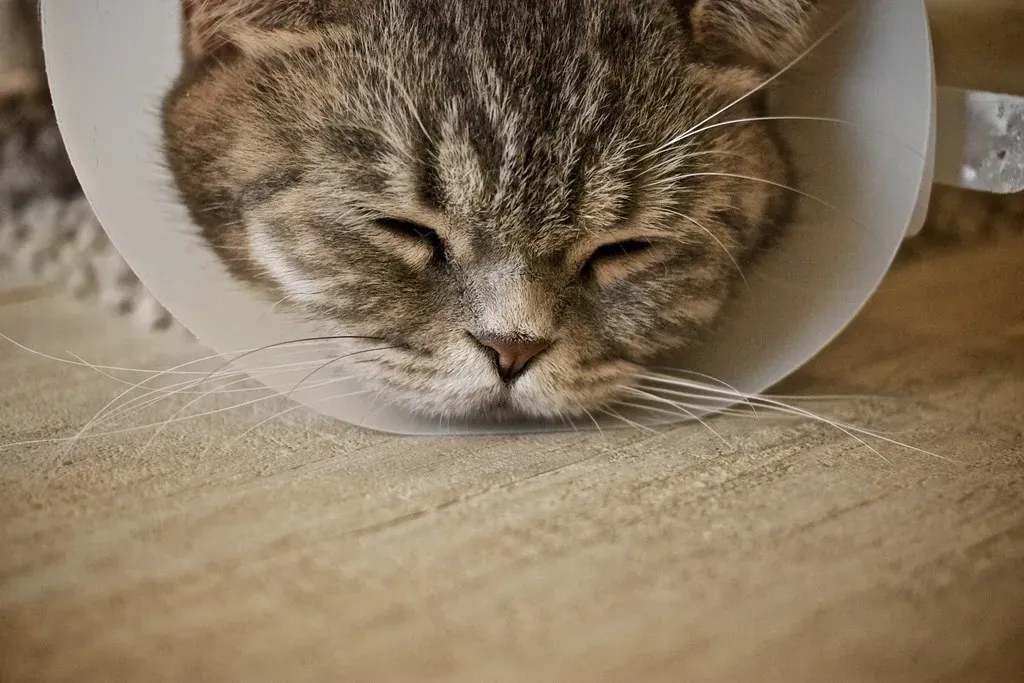
One of the most recognizable and common cat behaviors is purring, a soft, rhythmic sound that cats produce when they are content. When your cat curls up next to you and starts their little motor running, they’re in their happy place. Cats purr to show that they’re happy, comfortable, and relaxed, but it’s not always just a sign of contentment, as our feline friends may also purr when they’re nervous, hurt, or trying to calm themselves down.
Cats purr for a variety of reasons, and while it’s commonly associated with contentment, the most well known reason for cat purring in sleep or during petting sessions is sheer happiness. Here’s the thing. Even when purring serves other purposes, it’s fundamentally about seeking or creating comfort. Whether they’re content or self soothing, that rumbling vibration is your cat’s way of managing their emotional and physical state to achieve maximum coziness.
Conclusion

Your cat’s entire existence revolves around comfort, and these ten habits prove just how dedicated they are to the pursuit. From the rhythmic kneading on your lap to the strategic sunbathing sessions, every behavior serves to create a life of security, warmth, and contentment. Understanding these habits not only helps you appreciate your feline companion more deeply, but it also gives you insight into how to make their environment even more comfortable.
Next time you catch your cat slow blinking at you from their favorite sunny spot or feel those little paws making biscuits on your leg, remember that you’re witnessing a master of comfort at work. These creatures have figured out what many of us spend our whole lives searching for. How to be truly, completely, unapologetically comfortable in their own skin. What’s your cat’s favorite comfort habit? Does your feline friend have any quirky ways of seeking coziness that didn’t make this list?