Most people assume their cat purrs simply because it’s happy. A warm lap, a good meal, a quiet evening. That’s the whole story, right? Not even close. Science has been quietly uncovering something far more fascinating, and honestly, a little mind-blowing. That gentle, rhythmic vibration rumbling through your cat’s chest might actually be one of the most underrated wellness tools sitting right in your home.
Think about it. You’re carrying the stress of a long week, you sit down, your cat crawls into your lap and starts up that familiar engine, and somehow you feel just a little bit better. There’s a reason for that, and it goes much deeper than comfort. From your heart to your bones to your brain chemistry, a purring cat is doing more work than you ever gave it credit for. Let’s dive in.
Your Cat’s Purr Operates at a Genuinely Therapeutic Frequency
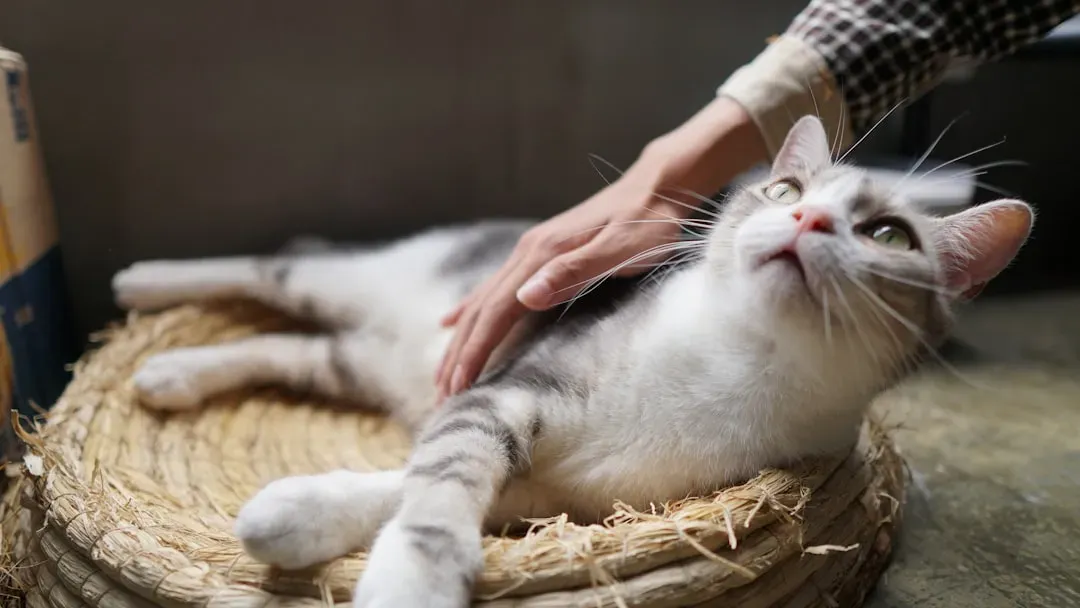
Here’s the thing that surprises almost everyone: the science behind a purr isn’t just poetic. Research suggests that the frequency of a cat’s purring, typically between 25 and 150 hertz, could have therapeutic effects on the body and mind. That’s not a coincidence. That range happens to overlap almost perfectly with frequencies used in clinical vibroacoustic therapy and bone stimulation treatments.
Every felid studied generated strong frequencies between 25 and 150 Hz, and those purr frequencies correspond to vibrational and electrical frequencies used in treatment for bone growth, fractures, pain, edema, muscle growth, joint flexibility, and even wounds. Think of it like having a tiny, furry physiotherapy device that also loves you unconditionally.
It Can Actively Lower Your Blood Pressure
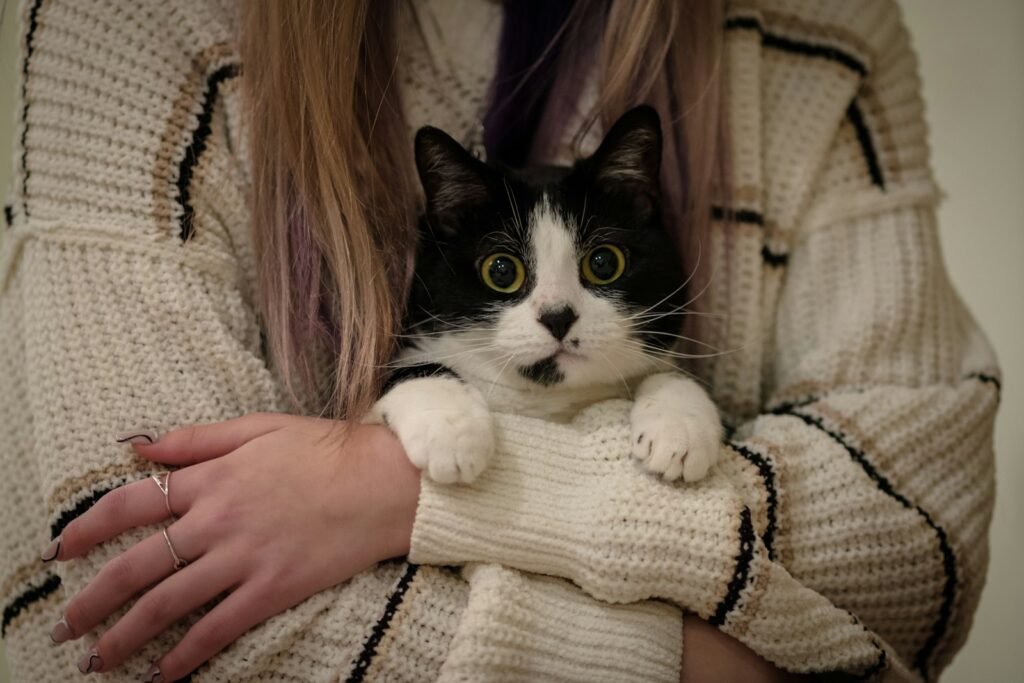
High blood pressure is one of the most quietly dangerous conditions affecting millions of people, and managing it often feels like a constant uphill battle. Studies have found that simply being around cats can lower blood pressure, and purring is thought to enhance this effect by promoting relaxation and reducing stress-induced hypertension. That’s real, measurable change, not just a feeling.
Petting a cat or listening to their purring triggers the release of oxytocin, a hormone that promotes happiness and reduces stress. This calming effect lowers cortisol levels, the stress hormone associated with high blood pressure, and many people who spend time with cats experience a decrease in heart rate and blood pressure, which reduces strain on the cardiovascular system. Lower cortisol, lower pressure, healthier heart. It really is that connected.
Your Bones Could Actually Benefit From the Vibration
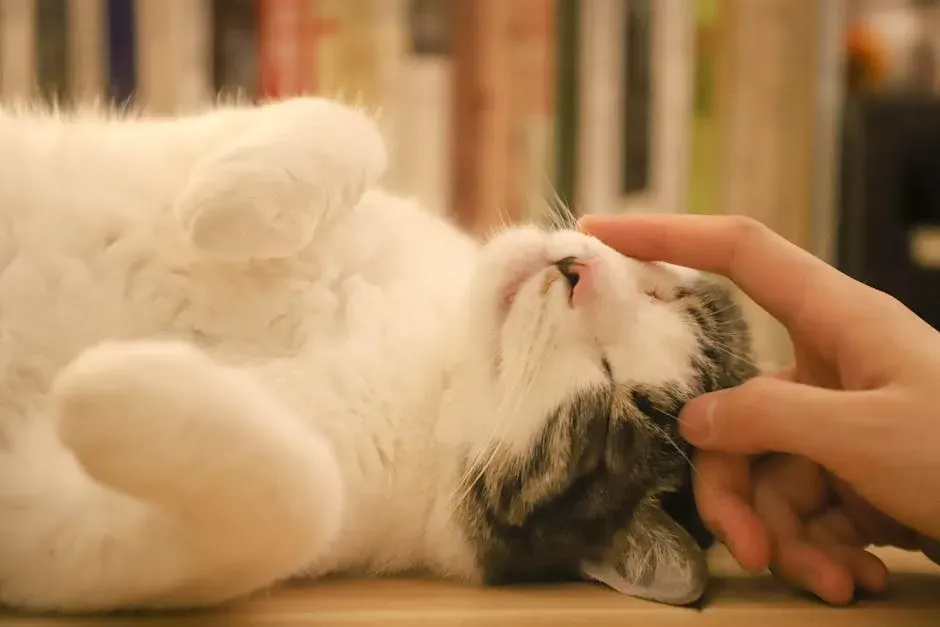
I know it sounds crazy, but this might be the most surprising item on the entire list. According to Leslie A. Lyons, an assistant professor at the School of Veterinary Medicine at the University of California, a low-frequency hum of purring at 25 to 50 hertz could even promote bone growth and fracture healing, as bones harden in response to the pressure. A domestic pet. Promoting bone density. In you.
A frequency of 25 to 50 hertz, like that of a cat’s purr, can improve bone density, build bone strength, support wound and fracture healing, and stimulate bone fracture repair. It can also provide pain relief and help manage breathlessness and inflammation. That is a genuinely remarkable range of physical benefits from something that weighs four kilograms and sleeps eighteen hours a day.
It Reduces Stress and Anxiety in Ways That Mirror Meditation
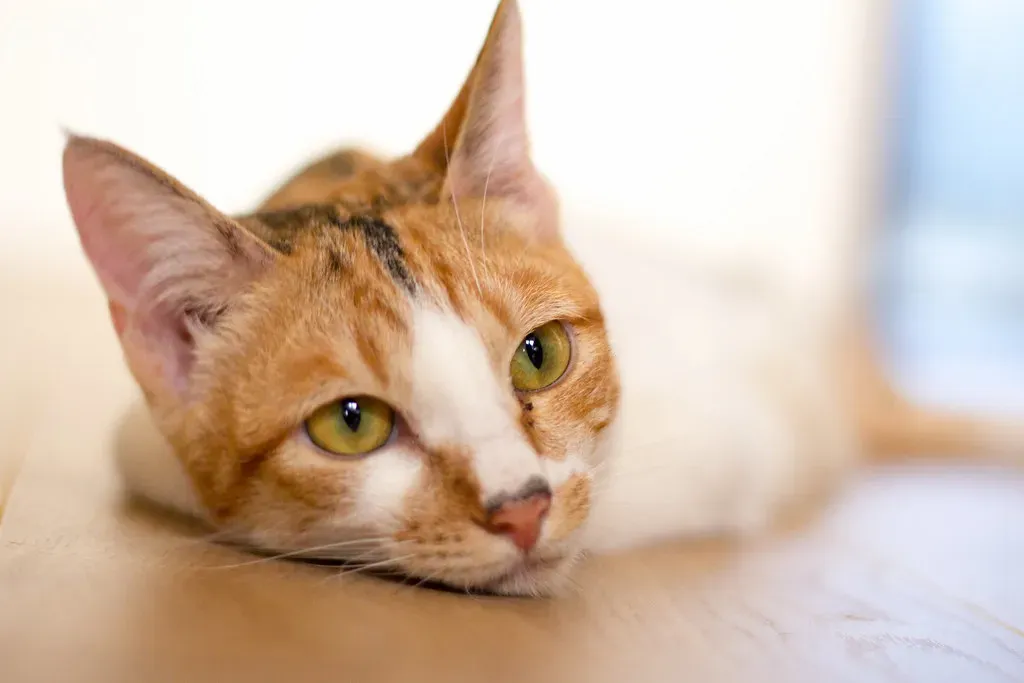
Stress doesn’t just feel bad. It physically breaks down your body over time. The fact that something as passive as sitting with a purring cat can interrupt that process is, honestly, incredible. Beyond the biochemical effects, the simple act of petting a cat while it purrs can provide a form of mindfulness. Focusing on the rhythmic sound and feeling of a cat’s purr can redirect attention away from stressors and create a sense of present-moment awareness, similar to meditation or deep breathing exercises.
If these healing powers were not enough, the combined effects of their relaxing presence and their purr make cats powerful against stress and anxiety. Studies have shown that if a person suffering with anxiety listens to the sound of a cat’s purr, it may help to distract from the source of their anxiety and will be calmed by the purring sound. No app required. No subscription. Just a cat.
It Triggers a Flood of Feel-Good Brain Chemistry
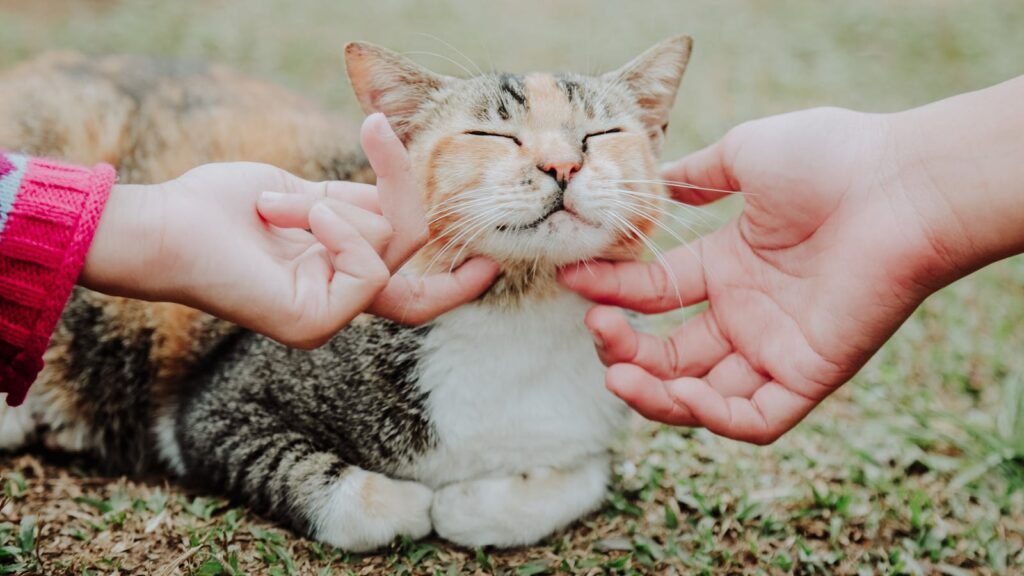
Your brain does something quite beautiful when you hear a purr. Cat purring stimulates the production of endorphins, which are natural chemicals that promote feelings of happiness and well-being. When a person interacts with a purring cat, their body releases serotonin, a neurotransmitter associated with mood regulation. This physiological response can help lower cortisol levels, the primary hormone associated with stress.
Interacting with a purring cat can stimulate the release of oxytocin in humans. Oxytocin is a hormone often referred to as the love hormone or bonding hormone, which is associated with feelings of happiness, trust, and bonding. The presence of oxytocin can enhance mood and create a sense of emotional well-being, helping to alleviate feelings of loneliness and depression. It’s a full neurochemical cocktail, and your cat is the bartender.
Sleeping Near a Purring Cat Can Improve Your Sleep Quality
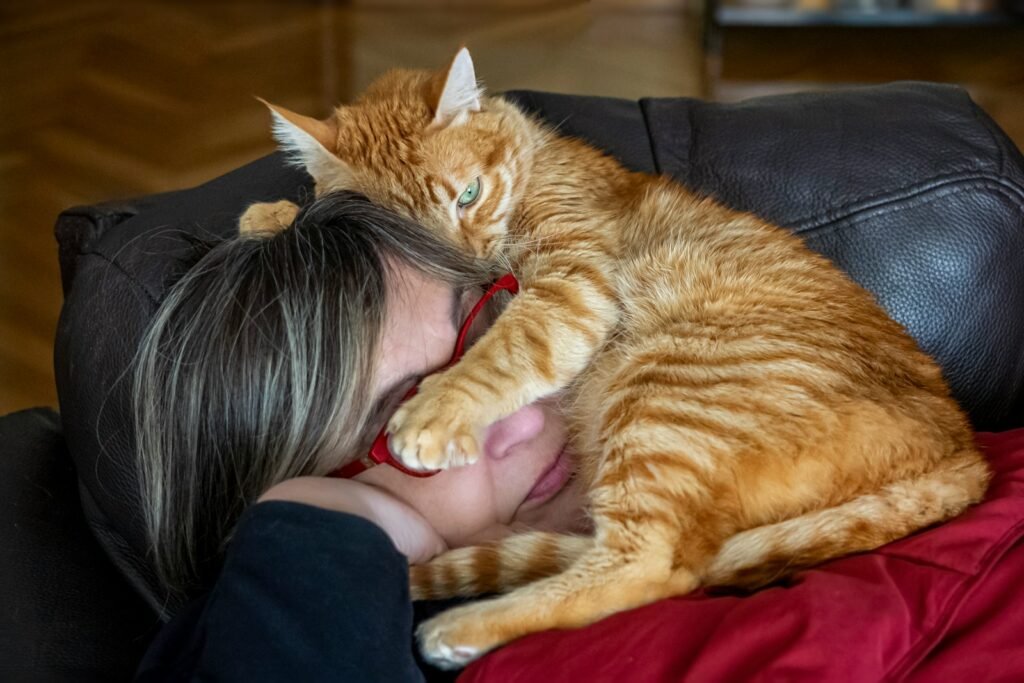
Sleep is arguably the single most important thing you can do for your health, and yet so many people struggle with it. Many cat owners find that sleeping near a purring cat improves their sleep quality. The soft, rhythmic sound acts as a form of white noise, blocking out disruptive sounds and helping the brain enter a state of relaxation. People who suffer from insomnia or frequent nighttime awakenings may experience better sleep when accompanied by a purring feline companion.
The soothing frequency of purring can promote better sleep. Many cat owners report that the presence of their purring pet helps them fall asleep faster and experience more restful sleep. This can be particularly beneficial for individuals suffering from insomnia or sleep disorders. So next time someone judges you for letting the cat sleep in the bed, just tell them it’s doctor-adjacent advice.
It Supports Cardiovascular Health and May Reduce Your Risk of Heart Disease

This one tends to genuinely shock people. Studies show that owning a cat could cut your risk of stroke or heart disease by as much as a third. A third. That is not a minor statistical footnote. That is a significant, life-altering reduction for something that requires no gym membership and no special diet.
Studies have shown that cat owners are less likely to suffer from heart disease compared to those without cats. The soothing effects of purring help reduce blood pressure, which can lower the risk of heart attacks and strokes. The calming presence of a cat, combined with the rhythmic vibrations of its purr, contributes to a healthier cardiovascular system. Honestly, it’s hard not to feel like everyone should have one.
It Can Help Ease Chronic Pain and Inflammation
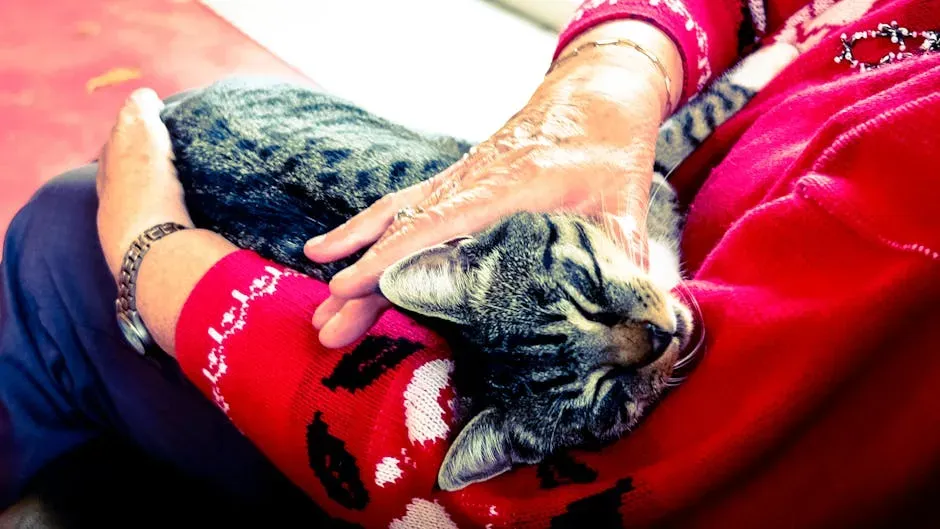
Chronic pain is exhausting in a way that’s difficult to describe unless you’ve lived with it. The idea that a cat’s purr might offer some relief feels almost too good to be true, yet the frequency research is genuinely compelling. New scientific and anecdotal evidence indicates that the vibrations of a cat’s purr can help fight infections, reduce swelling and pain, and promote muscle growth and repair. A cat’s purr at a frequency of 18 to 35 hertz may also support tendon repair and joint mobility.
Frequencies between 50 and 150 Hertz are known to alleviate pain and reduce swelling. The vibrations from a cat’s purr can act similarly to low-frequency ultrasound treatments used in physical therapy to manage pain and inflammation. It’s not a replacement for medical care, of course. It’s hard to say for sure exactly how much benefit any one person experiences. Still, the mechanism is real and the research continues to build.
It Boosts Your Immune System Through Stress Reduction
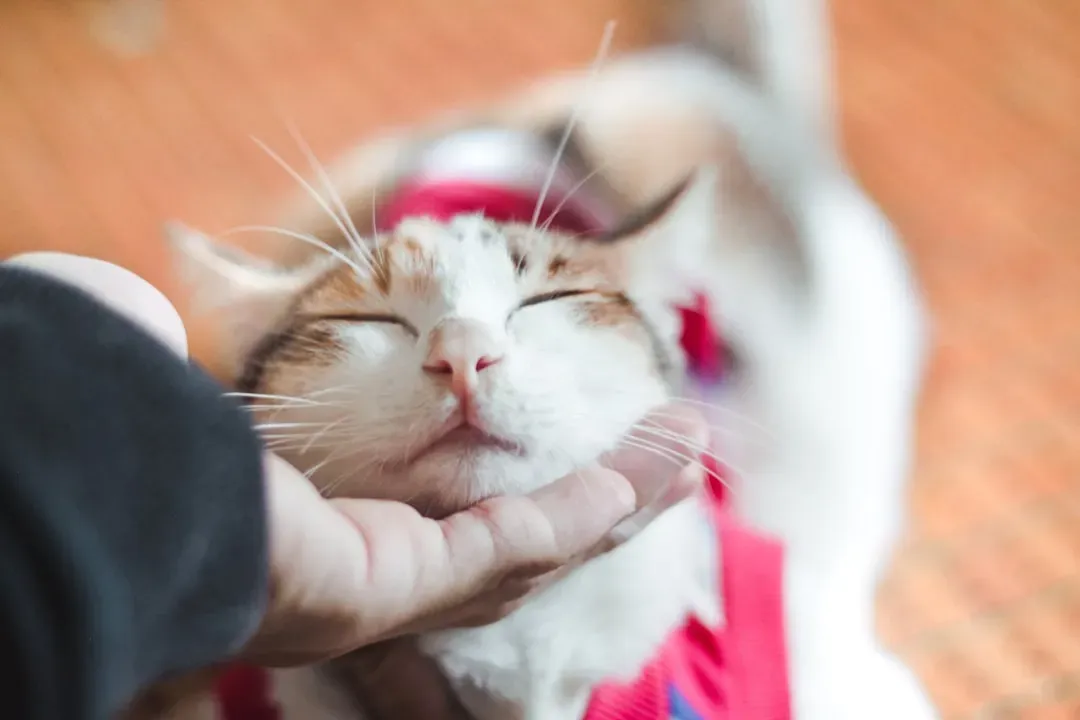
Your immune system and your stress levels are locked in a deeply personal relationship. When one suffers, so does the other. This is exactly where a purring cat creates an unexpected ripple effect. This reduction in stress has numerous health benefits, including improved immune function, better sleep, and a lower risk of stress-related illnesses.
Chronic stress weakens the immune system, and by reducing stress through purring, the body’s immune function may improve. This is more an indirect result of reduced stress than a direct effect of purring. Exposure to the soothing sound of cat purring can also boost your immune system. Lower stress levels and improved mood contribute to a stronger immune response, helping your body fight off illnesses more effectively. It’s a chain reaction, and your cat sets it off.
It Supports Mental Health and Helps Combat Loneliness and Depression
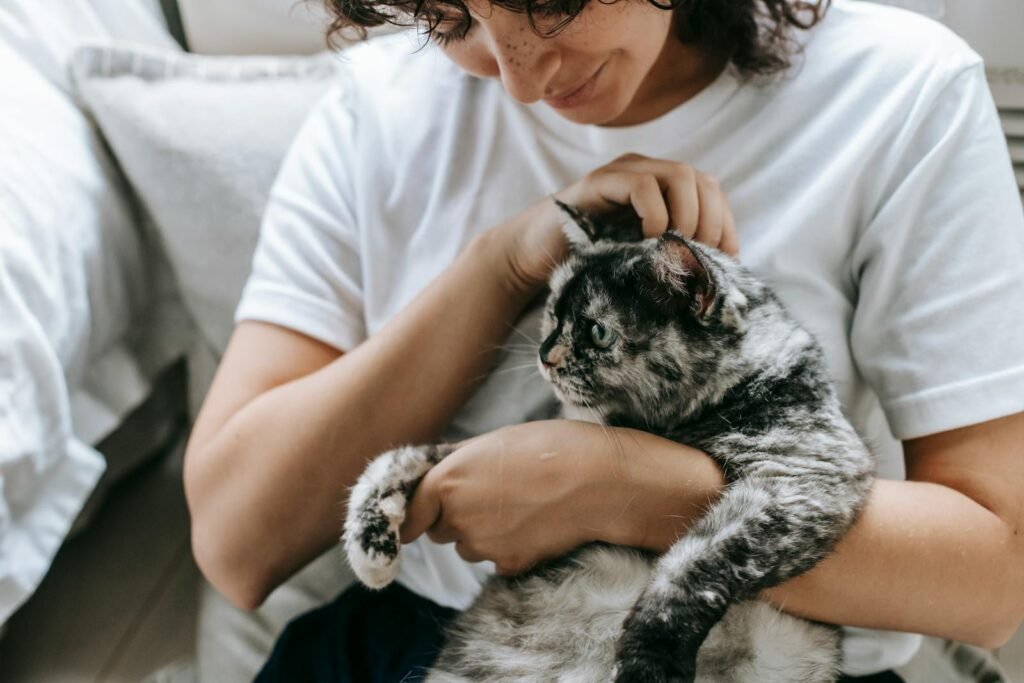
Let’s be real: loneliness is a genuine public health crisis in 2026, and its effects on physical and mental wellbeing are well-documented. A purring cat doesn’t fix everything, but it offers something quiet and consistent that many people genuinely need. A purring cat provides companionship, which can help combat feelings of loneliness and depression. Studies have shown that petting a cat while listening to its purr can boost oxytocin levels, a hormone associated with trust and emotional bonding. For individuals who live alone or struggle with mental health challenges, a cat’s presence can offer consistent comfort. The predictability of a cat’s purring response reinforces feelings of security and emotional connection, making daily life feel less overwhelming.
Emotional support animals, like cats, offer vital relief to those experiencing anxiety, depression or other mental health conditions. Their presence fosters trust, security and companionship, helping people cope with stress and emotional challenges. The bond with a cat provides a sense of comfort, making them valuable partners in managing mental health. There’s a reason therapy cats visit hospitals and nursing homes. They carry something that medicine alone simply cannot replicate.
Conclusion
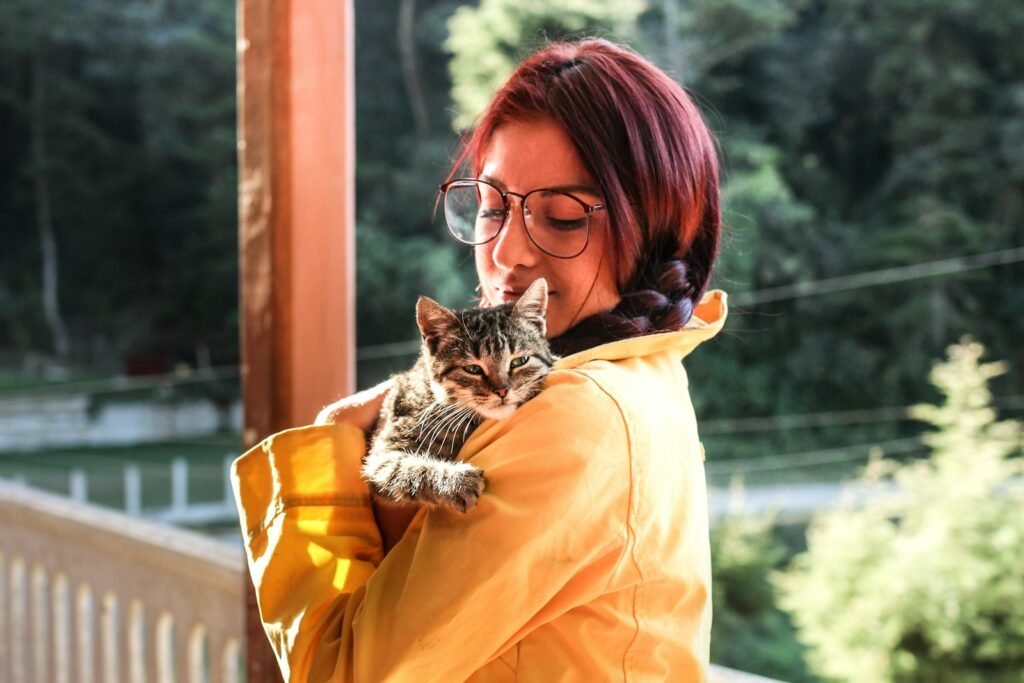
Your cat’s purr is not just background noise. It’s a low-frequency vibration machine operating in the exact range that science links to bone health, pain relief, cardiovascular protection, better sleep, reduced anxiety, improved mood chemistry, and a stronger immune system. All of that, wrapped in fur, completely free of charge, and usually available on demand.
The next time your cat climbs into your lap and begins that familiar rumble, you might want to take a moment and actually let it happen. Not just for the warmth or the company, but for all the things quietly happening inside your body that you can’t see or feel directly. You’re receiving something genuinely valuable, and you didn’t even have to ask for it.
So, do you still think your cat’s purr is just a simple sign of contentment? Or does knowing what’s actually happening change the way you listen to it? Drop your thoughts in the comments. We’d love to know what you think.