You’ve probably seen it happen a hundred times. Your cat is napping, looking utterly dead to the world, and then – out of nowhere – those little ears snap to attention like radar dishes locking onto a signal. Something caught their notice. Something you might not even have heard yourself. It’s one of the most captivating things about living with a cat, and honestly, it never gets old.
Here’s the thing though: the sounds that trigger that reaction are more varied, more specific, and more fascinating than most people realize. Some make total sense. Others are genuinely surprising. So let’s dive in and find out exactly what’s waking up that inner predator lounging on your sofa.
1. The Rustling of a Plastic Bag or Wrapper
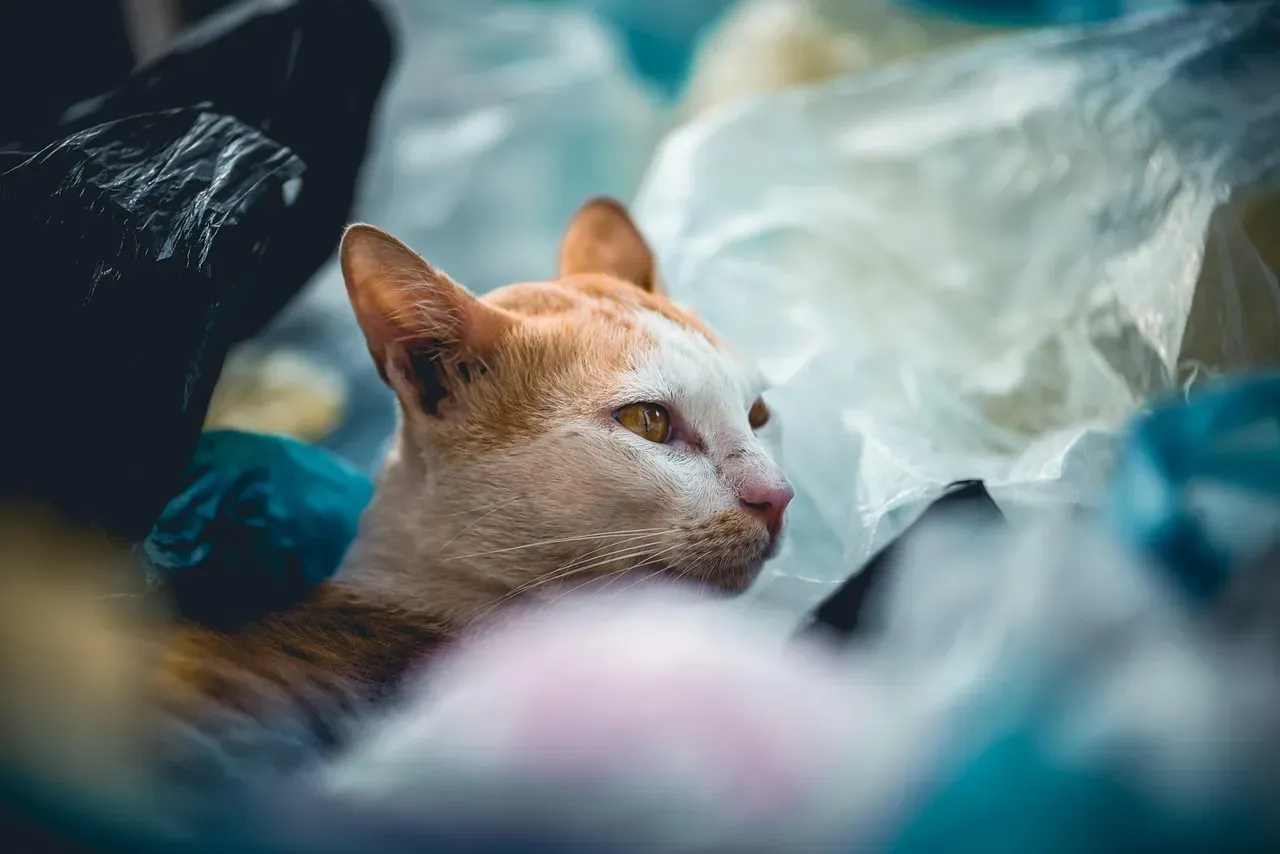
Few things in a domestic cat’s world launch those ears skyward faster than the soft crinkle of a plastic bag. It seems ridiculous, right? Just packaging. Yet the science behind this reaction is deeply wired into feline biology. The attraction to crinkly sounds is closely tied to cats’ predatory nature – these sounds closely mimic the rustling of small prey animals moving through grass or leaves in the wild.
What makes it even more interesting is the unpredictability. Unlike predictable sounds like a bell or a whistle, the crinkling noise is erratic and unpredictable, making it particularly intriguing to cats. This unpredictability triggers their investigative nature, often leading them to approach the source with a mix of caution and excitement. For older cats especially, this sound may have a second layer of meaning – if you’ve ever opened a treat bag near your cat, you’ll know exactly what happens next. That conditioned memory is powerful stuff.
2. Bird Chirping and Tweeting
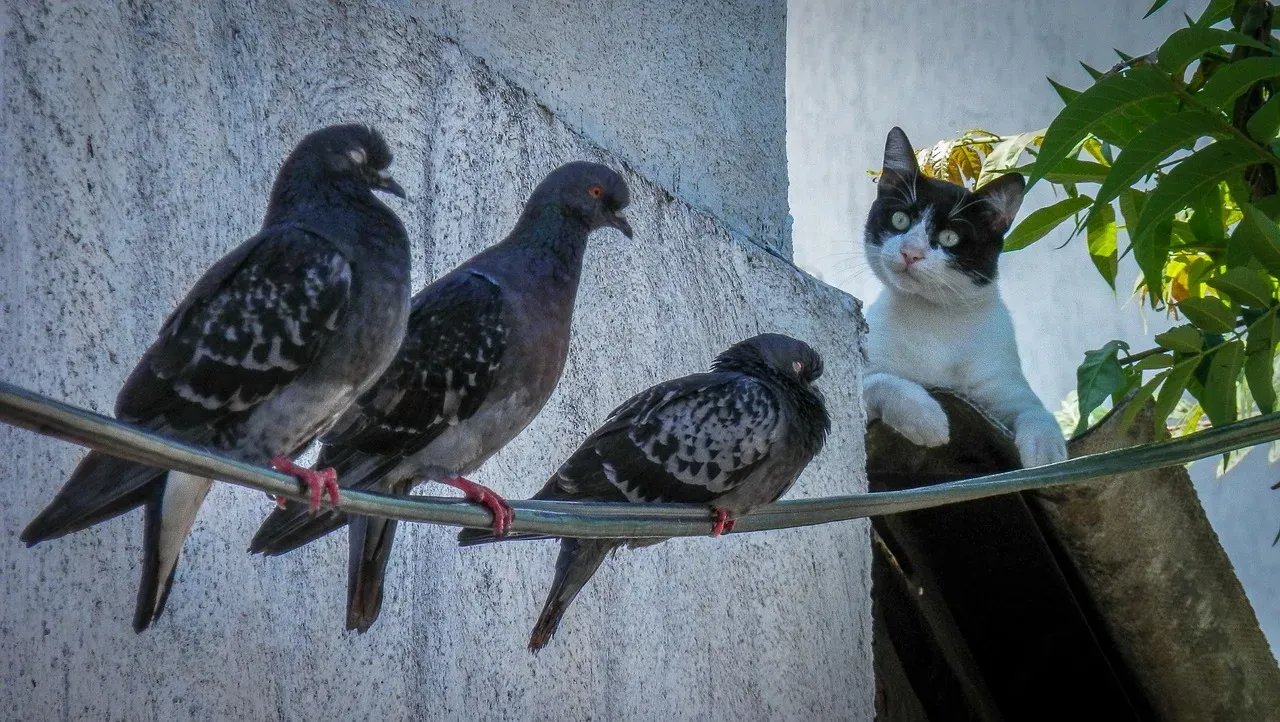
Put a bird outside a window and watch your cat transform. The ears rotate forward, the tail flicks, the pupils dilate – it’s like watching a tiny big cat prepare for a hunt on the savannah. High-frequency noises like bird chirps, mouse squeaks, and rustling leaves often trigger cats’ predatory instincts, and these sounds can instantly capture your cat’s attention, causing their ears to perk up and their body to assume a hunting posture.
What’s fascinating is that your cat doesn’t just listen passively. When a cat chatters at birds, the cat’s body language indicates it is in a stimulated state since the body is tense, eyes are usually wide-open, the whiskers point outwards away from the face, the tail vibrates and sometimes the skin ripples together with chatter. The cat is preoccupied with the unachievable prey which is too high up in a tree or visible through a window. It’s one of the most raw, unfiltered displays of instinct you’ll ever see in your living room.
3. The Sound of Running Water or a Dripping Faucet

I’ll be honest – the first time my cat sprinted across the apartment because I turned on the bathroom faucet, I thought something was wrong. Turns out, this is completely normal behavior. Water sounds, such as gentle dripping or flowing streams, also tend to attract cats. This attraction likely stems from their evolutionary need to locate fresh water sources. Many cats will investigate the source of water sounds, which explains why some are fascinated by running faucets or pet fountains.
Think of it like a built-in survival radar that never fully switched off, even after thousands of years of domestication. Cat hearing is an incredible sense that won’t miss even the subtle sound of a buzzing fly under the ceiling, the opening of a tuna can in the kitchen, or the dripping of water from the faucet. That dripping tap you keep meaning to fix? Your cat has already filed it away as highly relevant information. You, on the other hand, have been tuning it out for weeks.
4. Mouse Squeaks and Small Rodent Sounds
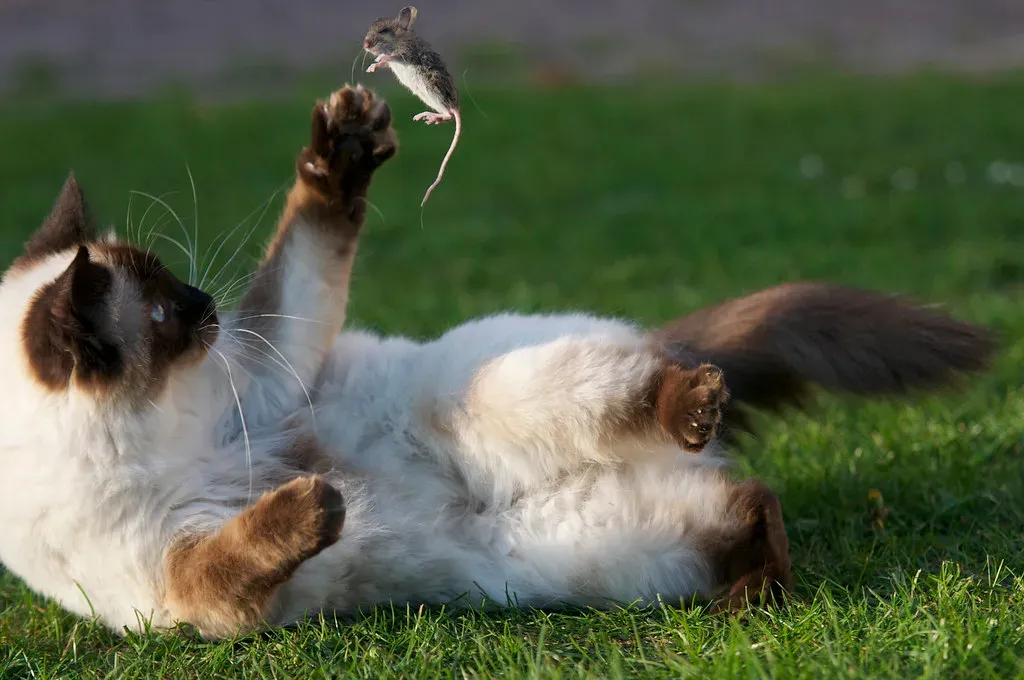
Here’s where things get genuinely wild. Your cat’s ears are finely tuned instruments designed, among other things, specifically to detect the ultrasonic communications of rodents. Cats do not use their ability to hear ultrasound for communication, but it is probably important in hunting, since many species of rodents make ultrasonic calls. Cat hearing is also extremely sensitive and is among the best of any mammal, being most acute in the range of 500 Hz to 32 kHz.
This isn’t a coincidence – it’s evolution doing its job spectacularly well. Being able to hear in the ultrasonic range helps cats hunt small rodents. Rats, for example, communicate using ultrasonic vocalizations at frequencies exceeding 19 to 20 kHz. So when your cat suddenly freezes and stares at the baseboard with intense concentration, it’s entirely possible they’ve detected something you simply cannot hear. It’s a sobering reminder that you’re sharing your home with a genuinely impressive predator.
5. The “Pspsps” Sound Made by Humans
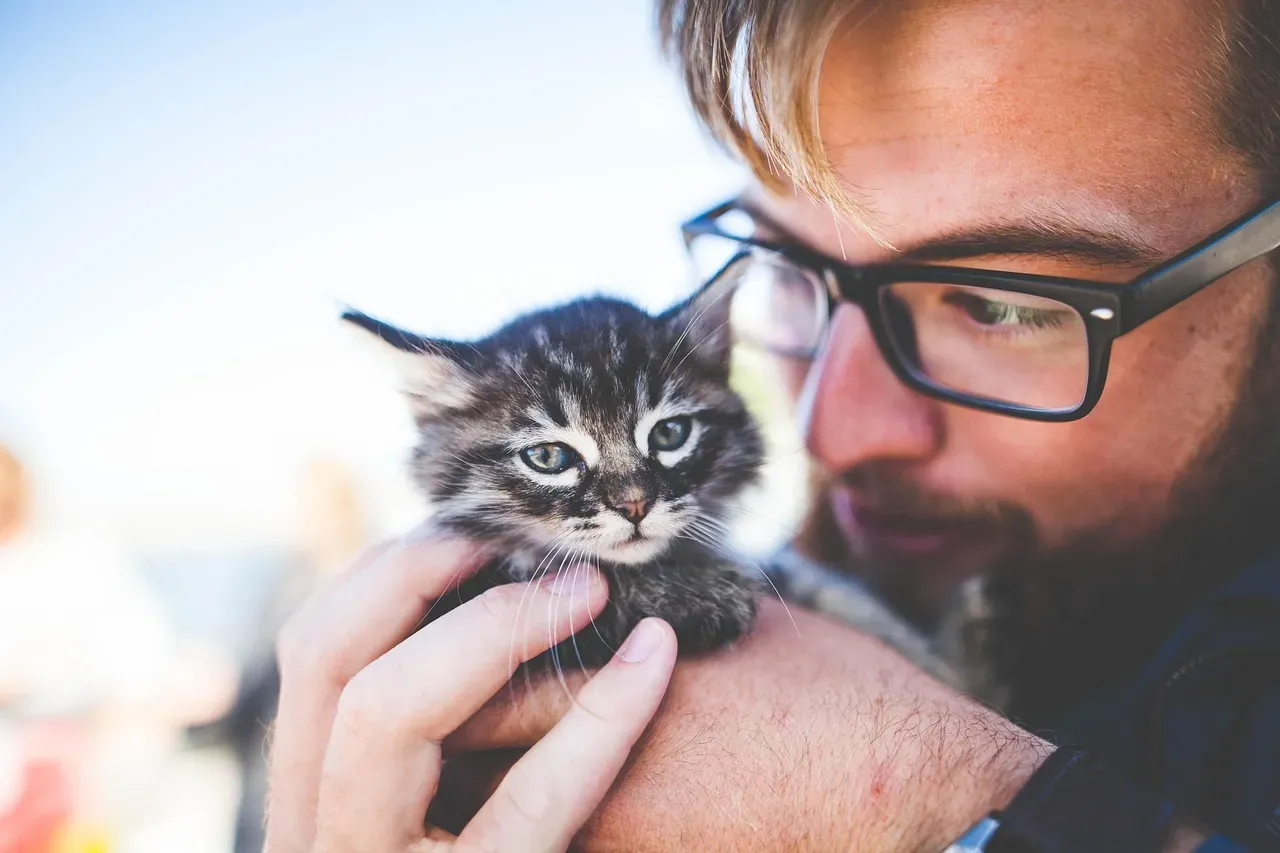
Every cat person knows this one. You lean around a doorway, make a soft “pspsps” sound, and those ears swivel toward you instantly. It seems almost magical. Honestly, it’s a little bit magical. Cats react to the sound “pspsps” because it mimics sounds they associate with small prey, and the high frequency is particularly attention-grabbing for their sensitive hearing.
What’s even more interesting is how this sound taps into both instinct and learned behavior at the same time. One of the key reasons cats respond to “pspsps” is that the sound mimics the sounds made by small prey. When articulated quickly and repeatedly, it can resemble the rustling of leaves, the chirping of insects, or the squeaking of small rodents – all potential meals for a cat. This triggers their predatory instincts, causing them to orient their ears and turn their heads in an attempt to locate the source of the sound. Use this power wisely, and maybe always follow it with something good – a treat, a play session, a chin scratch.
6. Another Cat’s Vocalization
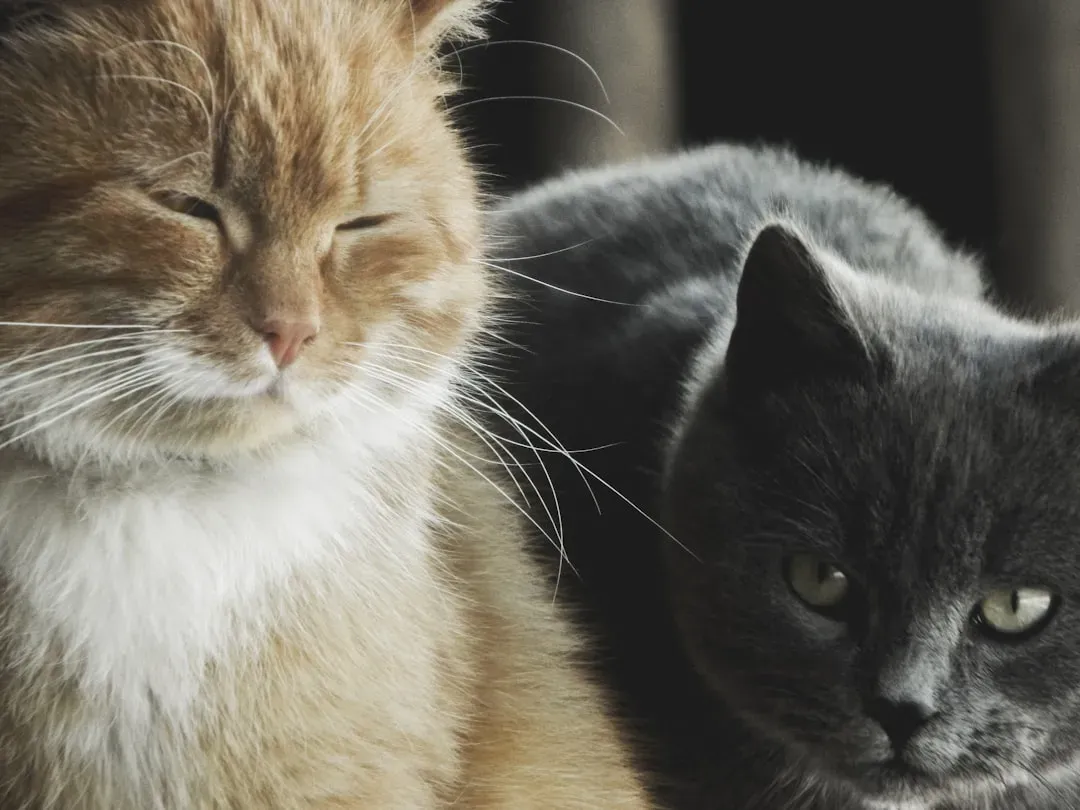
Play a recording of a cat meowing or trilling near your own cat, and you may notice a very different kind of alertness kick in – something between curiosity and mild alarm. Cats are highly responsive to the vocalizations of other felines. Their repertoire includes meows, purrs, trills, and chirps, each serving different communication purposes. Mother cats use specific vocalizations to communicate with their kittens, while adult cats employ various sounds to express everything from contentment to territorial warning.
It’s worth knowing that the meow, specifically, has a unique social role. Meowing is synonymous with cats and is a distinctive and common high-pitched call. Kittens meow to attract their mothers, but in adult cats, the meow is almost exclusively used to communicate with humans. So when your cat hears another cat meowing on your phone or television, their perked ears aren’t just curiosity – they’re running a quick social and territorial assessment. It all happens in seconds. Honestly, it’s impressive.
7. High-Pitched Squeaky Toys
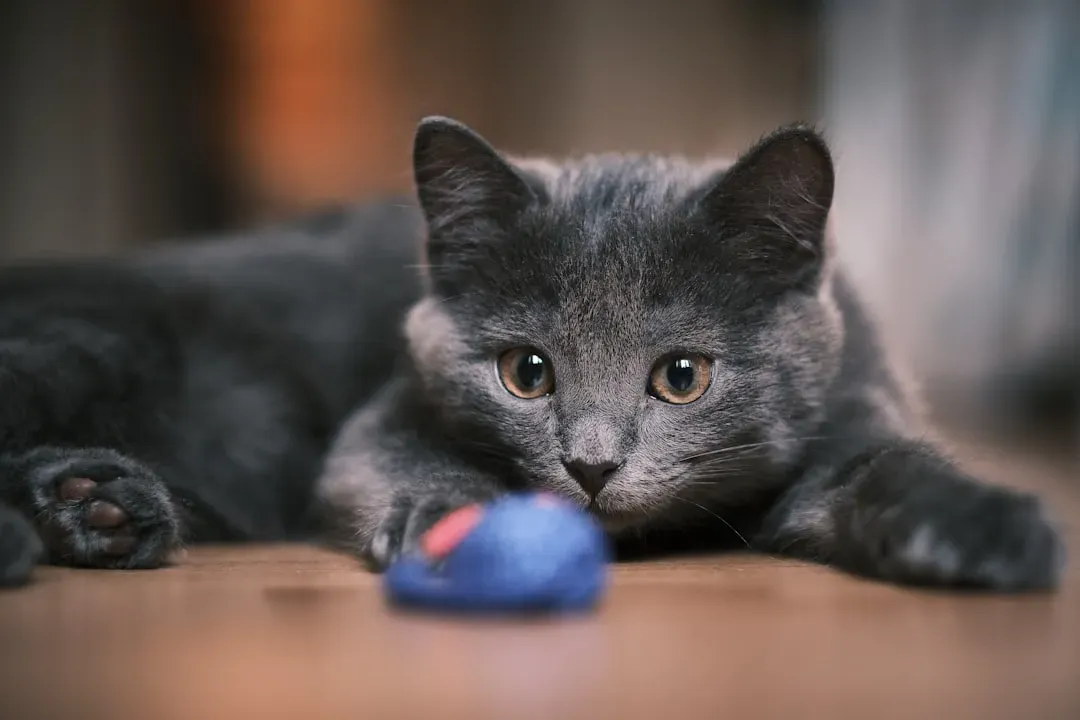
Not all toy sounds are created equal in a cat’s mind. Bells are fine. Rattles are okay. But a high-pitched squeak? That’s a different category entirely. Some sounds may evoke an intense reaction in cats due to their primal instincts. High-pitched squeaks or chirps can resemble prey, causing a cat’s hunting drive to kick in.
This is why so many cat toy designers build squeakers into their products – it’s not a gimmick, it genuinely mirrors the frequency range that a cat’s hearing system was built to prioritize. Electronic cat toys capitalize on this instinct by emitting these sounds, designed to trigger a feline’s hunting or social response. Chirping, often associated with birds or small rodents, taps into their predatory drive. If your cat seems indifferent to a new toy, try swapping it out for something that squeaks. You might be surprised how fast those ears go up.
8. The Sound of a Treat Bag Opening
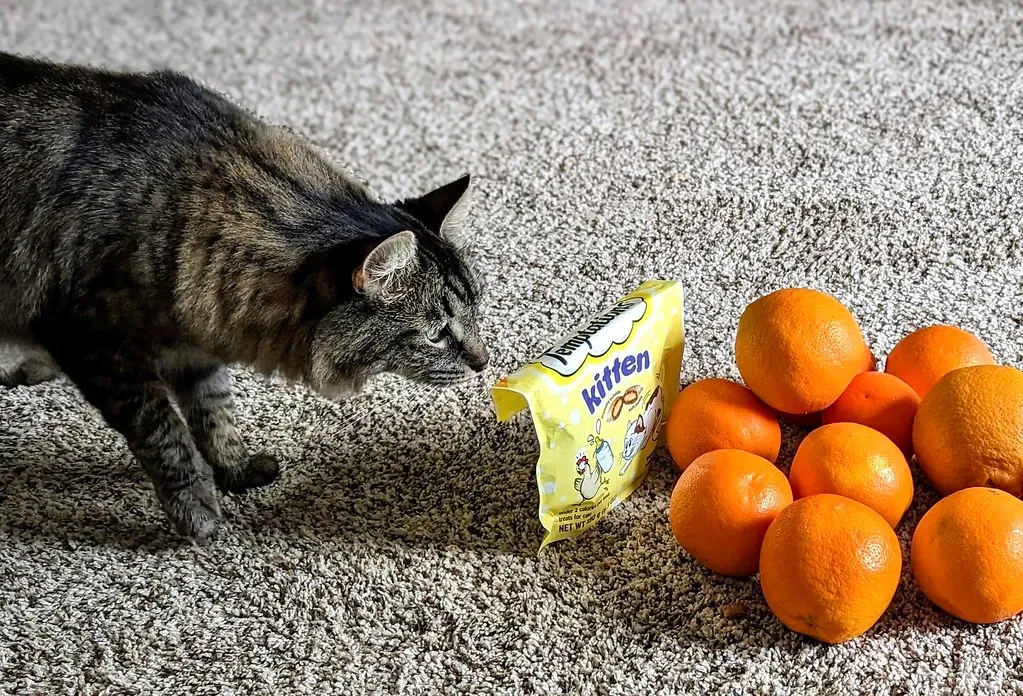
Let’s be real – this is the one every cat owner knows by heart. You can be in a completely different room, moving with ninja-like stealth, but the second that treat bag crinkles? Your cat materializes beside you like a small, fluffy ghost. Many cats have learned to associate crinkly sounds with positive experiences, particularly food and treats. The distinctive sound of a treat bag or food wrapper being opened creates a powerful conditioned response. This learned behavior can extend to other crinkly items, making them inherently interesting to investigate.
Think of it like a dinner bell, except infinitely more efficient. Cat hearing is an incredible sense that won’t miss the opening of a tuna can in the kitchen or the dripping of water from a faucet. Cats can even anticipate the return of their owner by waiting on the doormat because they recognize the sound of footsteps on the staircase from a distance. Your cat has essentially catalogued every meaningful sound in your home and assigned it a priority level. The treat bag? That’s sitting at the absolute top of the list.
9. Your Voice – Especially at Higher Pitches
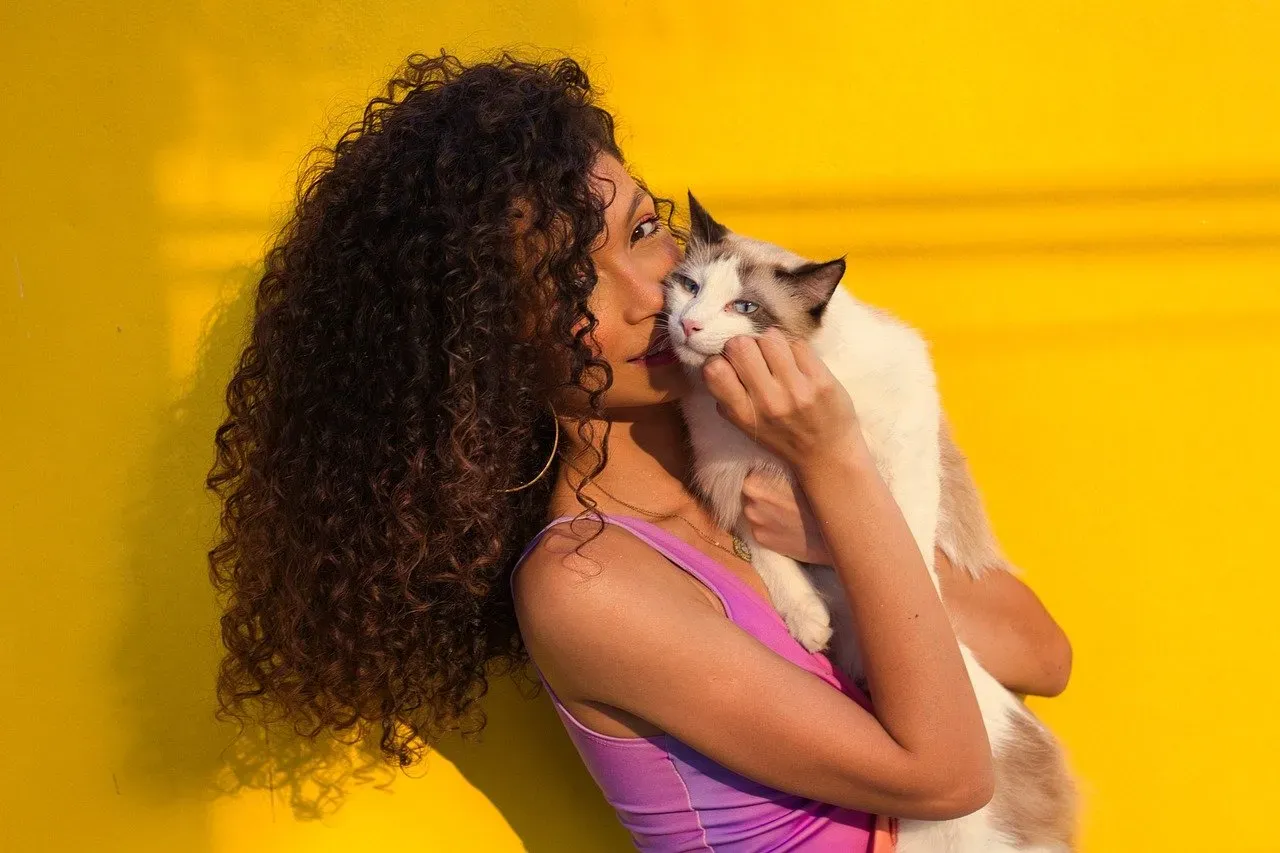
You might have noticed that your cat responds differently depending on how you speak to them. There’s actual science behind that observation, and it’s worth knowing. Many cats show a strong preference for their owner’s voice, especially when spoken in higher pitches. This preference may explain why “baby talk” often elicits positive responses from cats. Female voices, which tend to be higher-pitched, frequently garner more attention from cats than male voices.
It also matters how you structure what you say. When calling your cat, using long vowel sounds and a gentle, repetitive tone can be more effective than sharp, abrupt vocalizations. This approach mimics the natural rhythms of cat communication. So the next time someone catches you talking to your cat in a ridiculous high-pitched voice and gives you a look – just tell them you’re optimizing your communication strategy. That should settle things quickly enough.
10. Distant or Faint Sounds You Can’t Even Hear
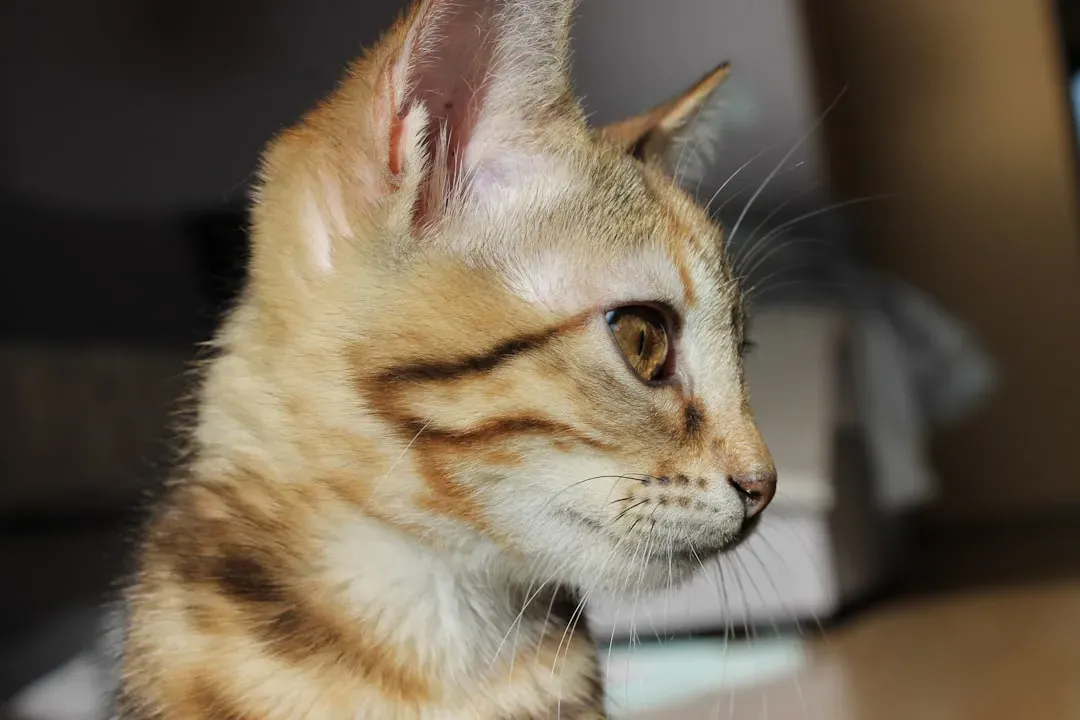
This is perhaps the most humbling item on this list. You’re sitting in a quiet room. Your cat snaps to attention, ears rotating like satellite dishes toward the wall. You hear nothing. Absolutely nothing. Yet something is clearly happening in your cat’s sensory world that you simply don’t have access to. The hearing range of the cat for sounds of 70 dB SPL extends from 48 Hz to 85 kHz, giving it one of the broadest hearing ranges among mammals.
To put that in perspective against your own humble human hearing – cats can hear sounds from about 48 Hz to 85 kHz, which is way beyond what humans (20 Hz to 20 kHz) or dogs (60 Hz to 45 kHz) can hear. Additionally, a healthy cat can pinpoint, to 3 inches, the location of a sound being made 3 feet away. That’s extraordinary precision. When your cat stares at nothing, it’s very likely hearing something very real – a neighbor’s footsteps, a mouse behind a wall, an insect under the floorboards. Their world is just richer in sound than yours will ever be.
Conclusion: Those Little Ears Know More Than You Think
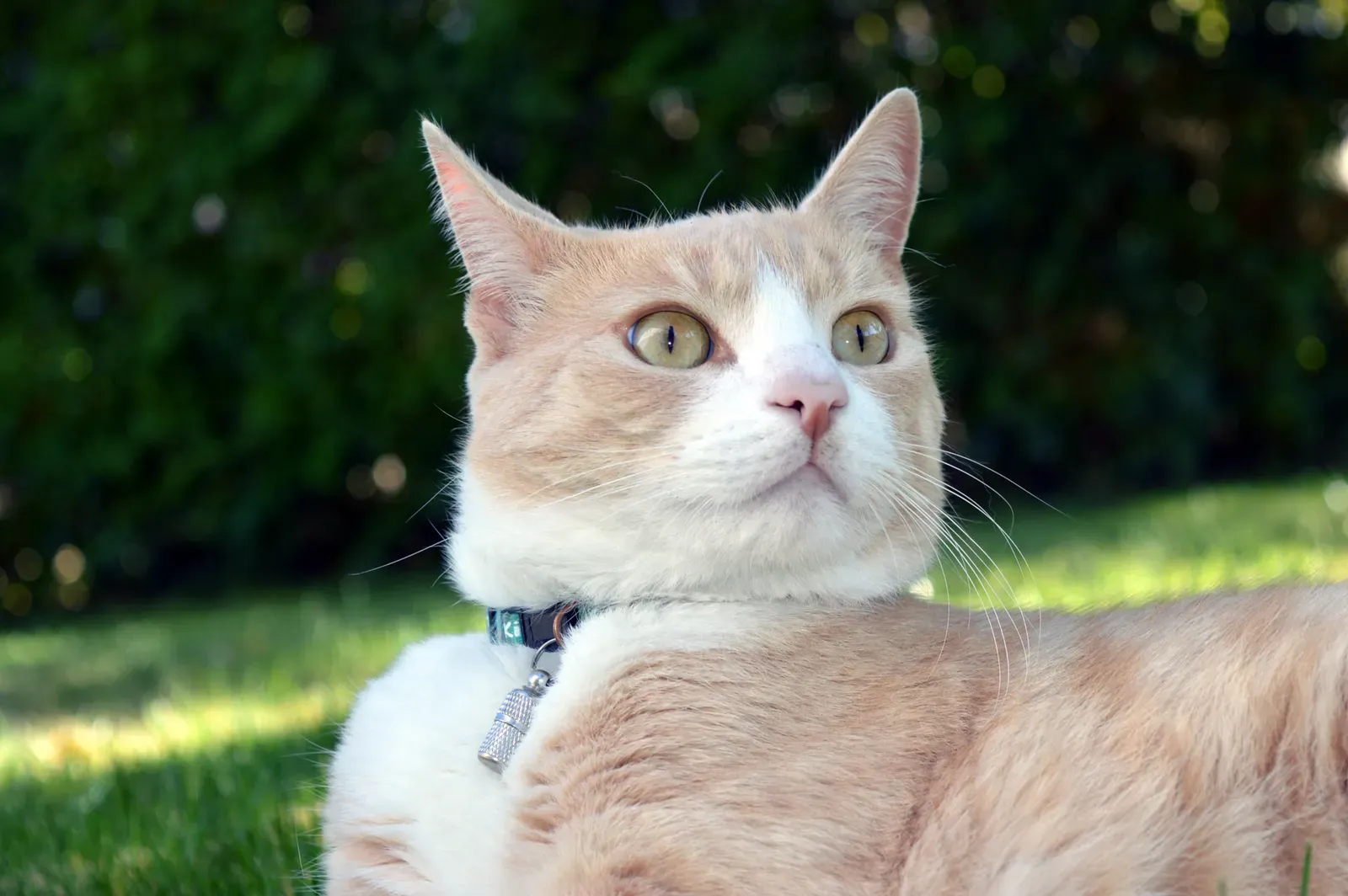
Living with a cat means sharing your space with a creature whose relationship with sound is fundamentally different from – and in many ways far superior to – your own. Those perked ears aren’t just cute. They’re the visible expression of one of nature’s most refined sensory systems, shaped by millions of years of evolution into something remarkable.
Understanding what triggers that reaction gives you a deeper window into who your cat actually is beneath the lazy, unbothered exterior. Whether it’s the crinkle of a wrapper, the distant chirp of a bird, or a frequency you couldn’t detect even with effort – your cat is tuned into a version of the world you’ll never fully experience.
The next time those ears go up, resist the urge to dismiss it. Pause. Pay attention. Your cat is telling you something fascinating is happening. What sounds does your cat react to most strongly? Drop your observations in the comments – it might just surprise you how universal some of these reactions turn out to be.