You’ve probably heard a thousand opinions about how to care for your indoor cat. Your neighbor swears they’re totally independent. Your aunt insists they need almost no attention. Someone online told you they’re basically furry houseplants.
Here’s the thing: living with an indoor cat is full of surprises, and honestly, many of the things we’ve been told are flat-out wrong. Cats are way more complex than most people realize, and understanding the truth behind common misconceptions can genuinely transform the way you care for your feline friend. So let’s dive into ten surprising truths about indoor cats that might just change everything you thought you knew.
Indoor Cats Still Need Vaccinations, Yes Really
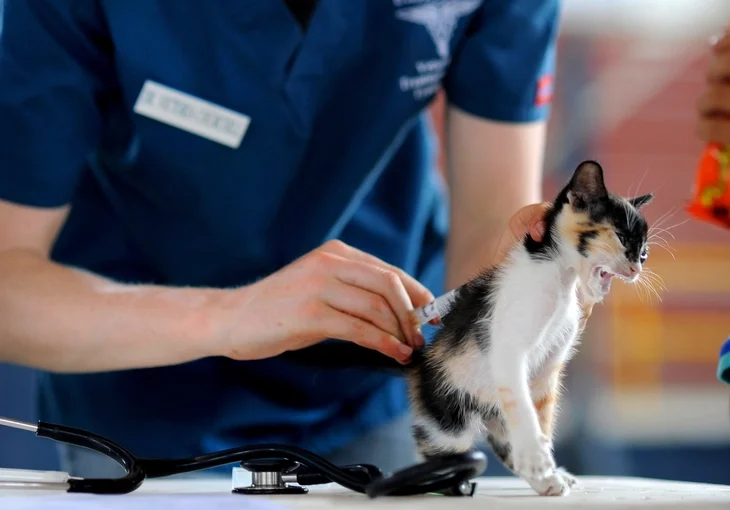
Let’s clear this up right away: even if your cat never ventures outdoors, they still need proper vaccinations since viruses can be carried indoors on shoes, clothing, or other pets. I know it sounds crazy, but your innocent-looking shoes could be tracking in all sorts of nasty stuff. Indoor cats are most exposed to airborne germs that travel through the air or come in on a cat owner’s clothing. Think about it: you walk through the world every day, picking up who knows what.
The cat flu viruses are hardy and can enter a house on inanimate objects such as someone’s shoe. If you have a dog who goes outside, they can bring in unwelcome organisms too. Even insects that sneak inside can carry diseases. Your vet can help determine which vaccines are essential for your cat’s specific situation, considering factors like whether you have other pets or if your cat might ever need to be boarded.
They’re Not Low-Maintenance Pets at All
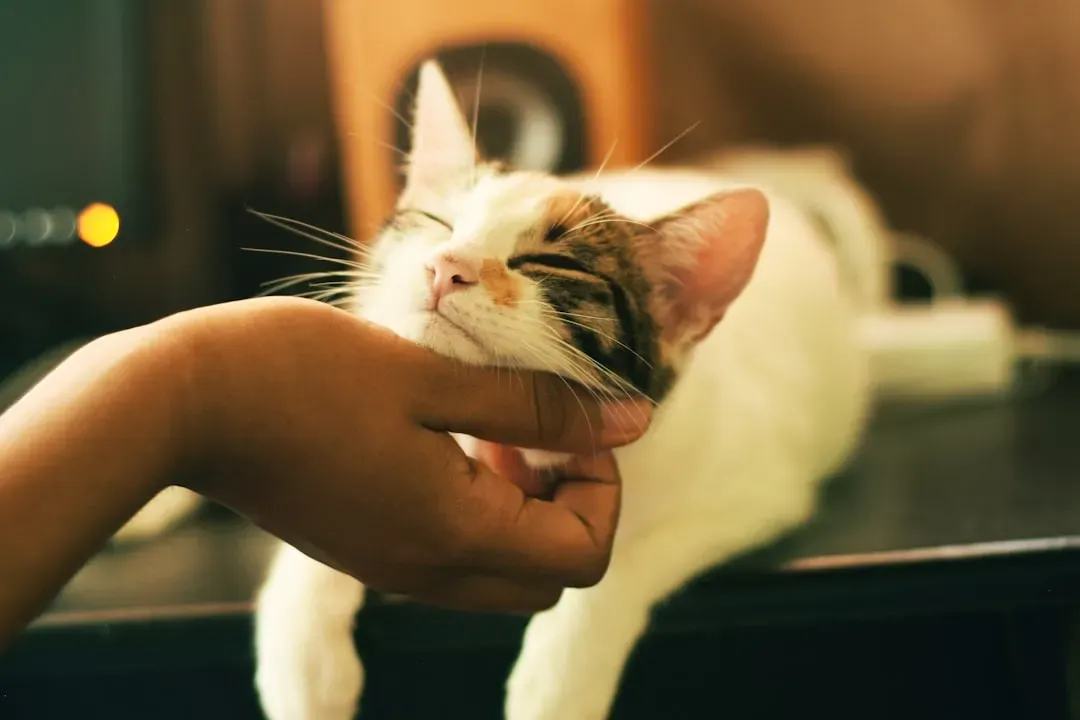
This might be the biggest myth out there. Cats are not low-maintenance pets, and cats that are housed exclusively indoors need a lot of enrichment in order to stay happy and healthy. Sure, they use a litter box and don’t need daily walks, which is convenient. While cats have a reputation for being independent, they need just as much care as dogs do, including regular vet visits, daily exercise and mental enrichment, and plenty of positive attention from their guardians.
People often assume cats can just entertain themselves all day. The reality is way different. Without proper stimulation, your cat can develop behavioral problems like excessive meowing, furniture scratching, or even aggression. They need mental challenges, physical activity, and genuine interaction with you. Sunny windows, interactive toys, quality food, and clean litter boxes are just the basics.
Purring Doesn’t Always Mean They’re Happy
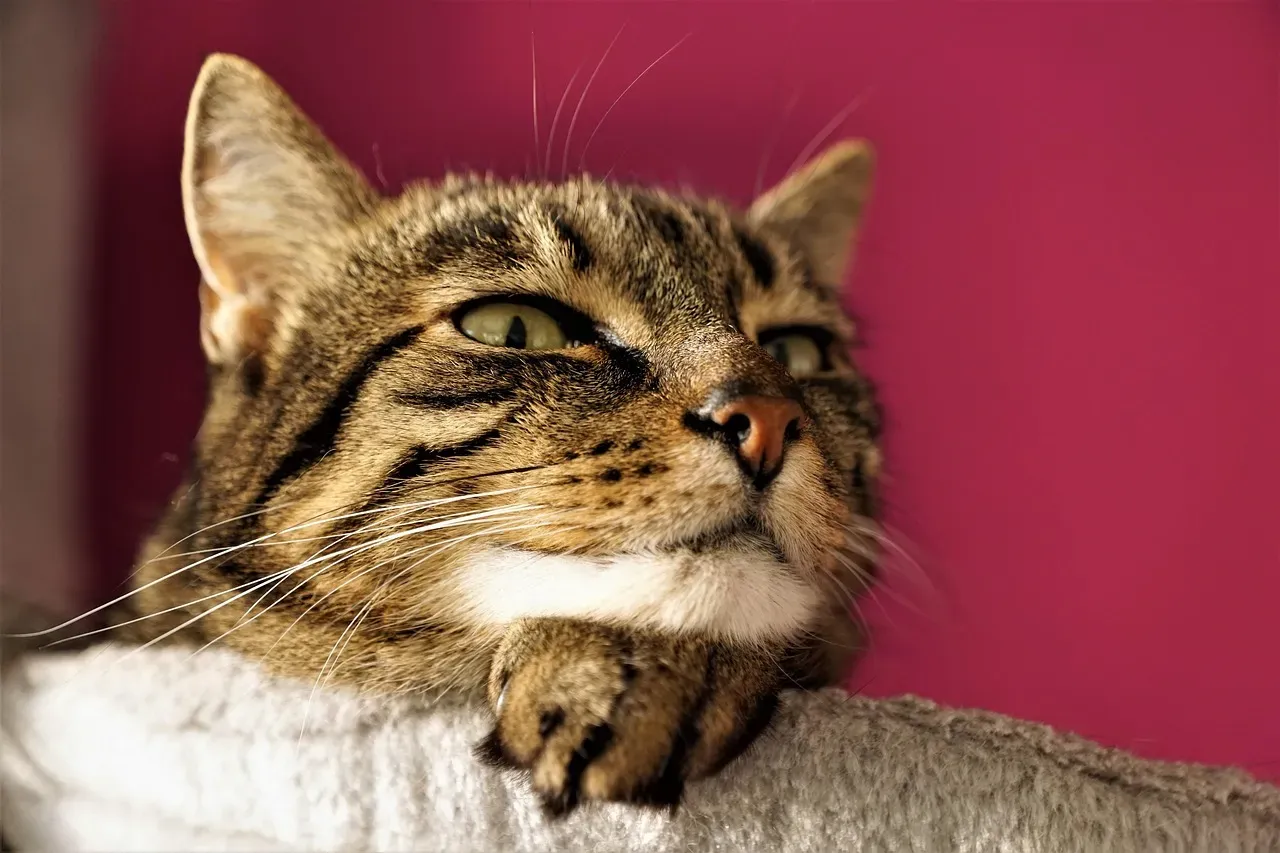
While cats definitely purr when they are happy, they also purr when they feel sick, are in pain, or are afraid. This one caught me off guard when I first learned it. Cats also purr when stressed or in pain, as it’s a self-soothing mechanism, much like how some people hum to calm themselves down.
So how do you tell the difference? Look at the context and other body language signals. A happy cat will usually show additional signs like relaxed body posture, half-closed eyes, and kneading. A cat purring at the vet or during illness might have tense muscles, flattened ears, or be hiding. The purr itself can be healing, with frequencies that may actually help reduce pain and promote tissue repair.
Their Hunting Instinct Has Nothing to Do with Hunger
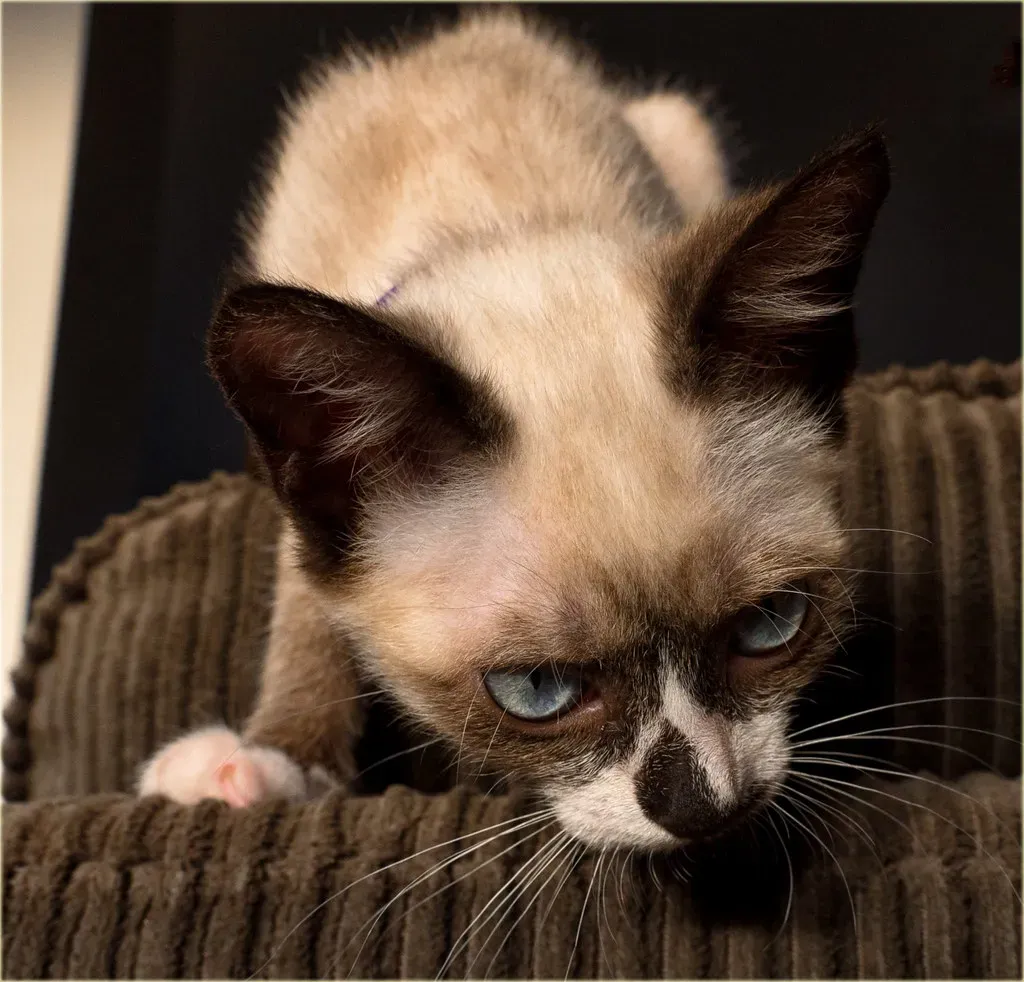
Here’s something that surprised me: a cat’s desire to hunt is not connected to the sensation of hunger, and even well-fed cats will stalk when they see or hear potential prey. Your cat could have a full bowl of premium food and still lose their mind over a fly buzzing past. An outdoor cat might hunt and capture as many as 10 small animals a day.
This means your indoor cat needs outlets for those hunting behaviors. Indoor cats benefit from having an outlet that satisfies their need to seek, stalk, and catch “prey”. Interactive toys that mimic real prey movements, puzzle feeders, and regular play sessions become absolutely essential. Almost anything that moves rapidly or squeaks can trigger this instinctive response, so use it to your advantage during playtime.
They Actually Can Get Bored, Very Bored
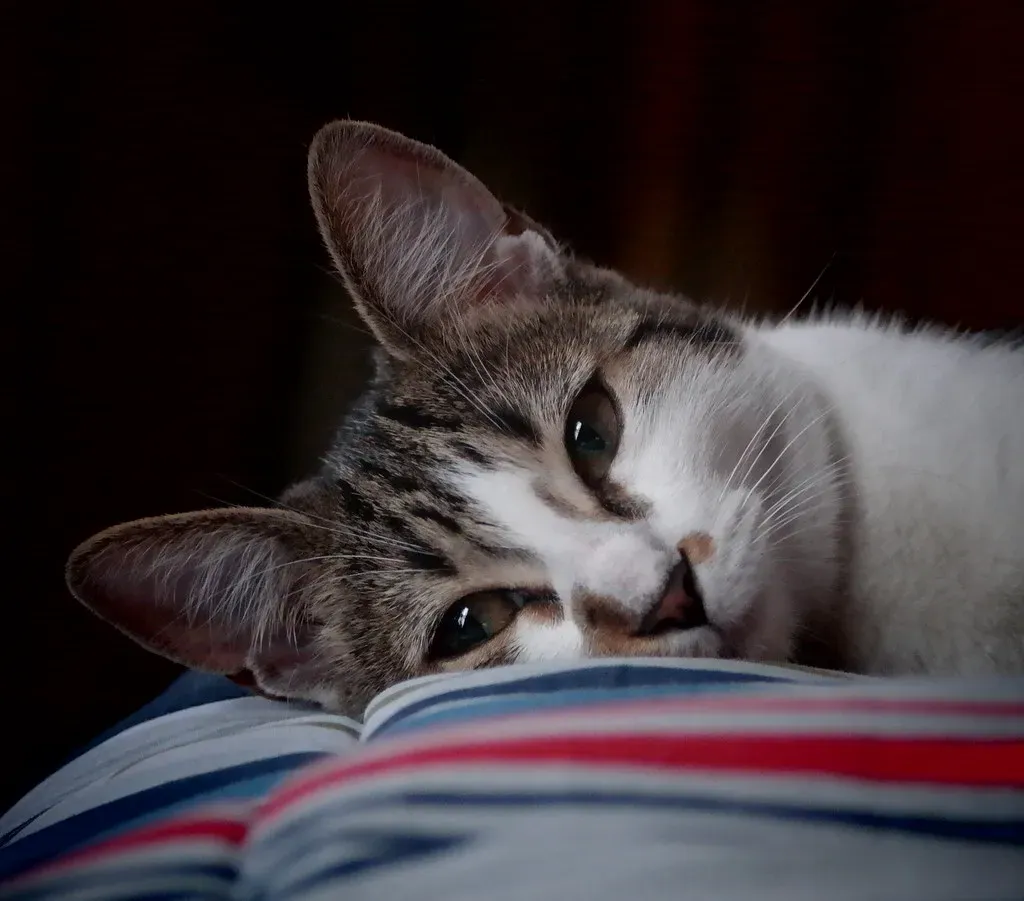
Yes, they can get bored, and the truth is indoor cats can and do get bored, but letting them outside is not a good solution. Boredom in cats isn’t just about them lying around looking uninterested. It can lead to genuine health and behavioral problems. Without regular stimulation, cats can become bored, anxious, or even overweight.
Bored cats might develop destructive habits like scratching furniture, overgrooming themselves until they have bald patches, or meowing excessively at all hours. They might also become depressed and lethargic. The solution involves making your home more interesting: set up perches where they can watch birds, hide food around the house so they have to hunt for it, or build DIY cat playhouses. Rotate toys regularly to keep things fresh and exciting.
Indoor Cats Still Need Flea and Tick Prevention
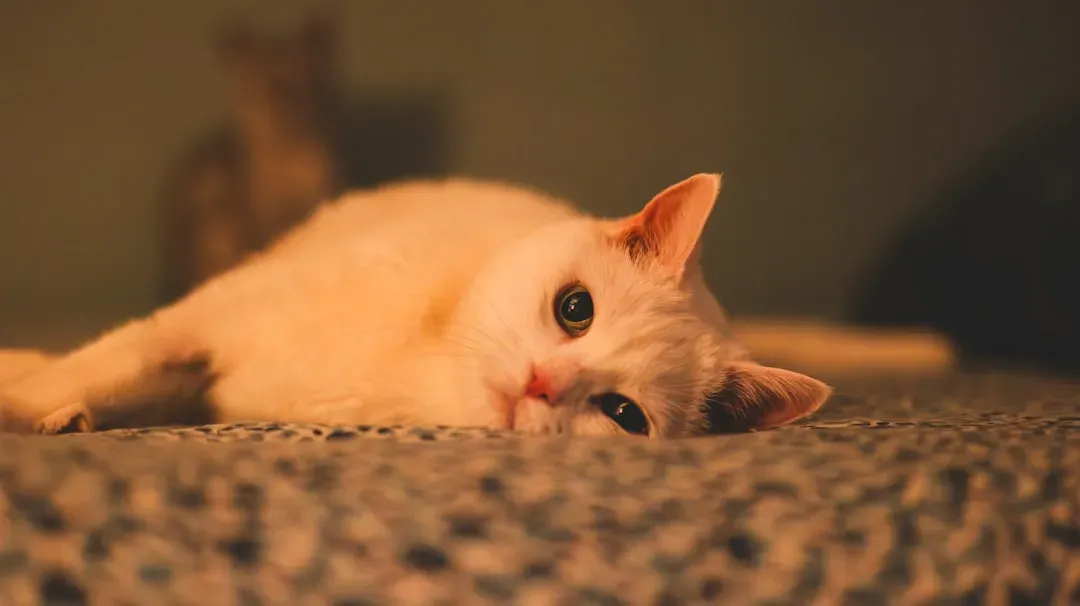
This may come as a surprise to strictly indoor cat parents, but yes, your furball still needs regular flea prevention since fleas thrive in regulated indoor temperatures and can catch rides inside on humans. I’ve heard countless cat owners express shock at this recommendation. Flea eggs and larvae can remain dormant inside carpet fibers or floor cracks for months, just waiting to hatch.
Think about it: you walk through grass, visit friends with pets, or brush against animals outside. Fleas are opportunistic hitchhikers. Once inside your temperature-controlled home, they find paradise. Prevention is so much easier than dealing with an infestation, trust me on this. Talk to your vet about appropriate preventatives for your indoor cat.
They’re Actually Crepuscular, Not Nocturnal
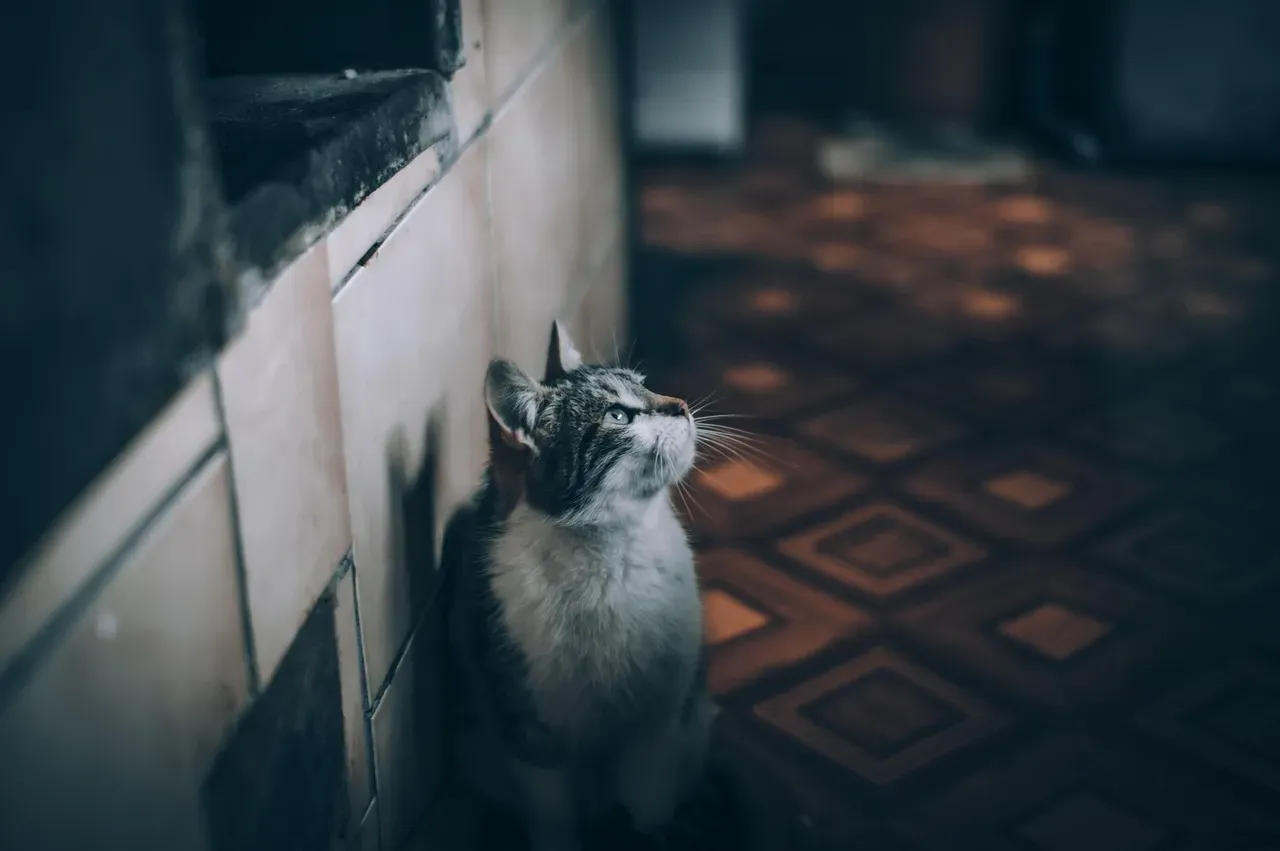
You probably think your cat is nocturnal because they wake you up at ridiculous hours. Cats are actually crepuscular, which means they are most awake at dusk and dawn, because in nature, their natural prey is awake at dusk and dawn. This explains so much about those 5 a.m. zoomies and face-walking sessions.
Their natural rhythm is tied to hunting behavior from their wild ancestors. Understanding this can help you adjust your expectations and routines. Schedule play sessions around dawn and dusk when possible, and feed them after playtime to mimic the natural hunt-eat-sleep cycle. This might help them sleep through more of the night, giving you some peace.
Scratching Is Communication, Not Destruction
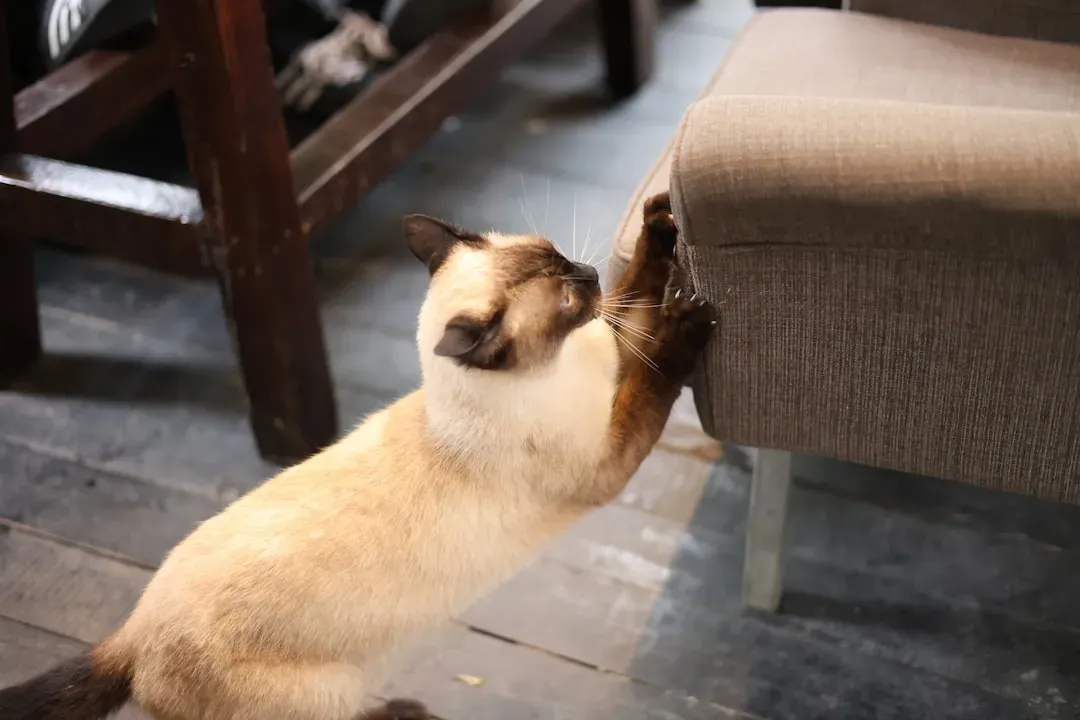
When your cat scratches your couch, they’re not being spiteful or trying to ruin your furniture. Scratching is communication, not just destruction, as cats leave both visual and scent marks when they scratch, which is perfectly normal territorial behavior. They have scent glands in their paws, and scratching is how they mark their territory.
It’s also essential for their physical and mental health. Scratching is a natural instinct for cats that’s essential for their mental health. They need to stretch their muscles, shed old nail sheaths, and express natural behaviors. The solution isn’t to stop them from scratching but to provide appropriate scratching surfaces. Offer variety: vertical posts, horizontal cardboard scratchers, different textures. Place them strategically where your cat already wants to scratch.
They Can Absolutely Be Trained Like Dogs
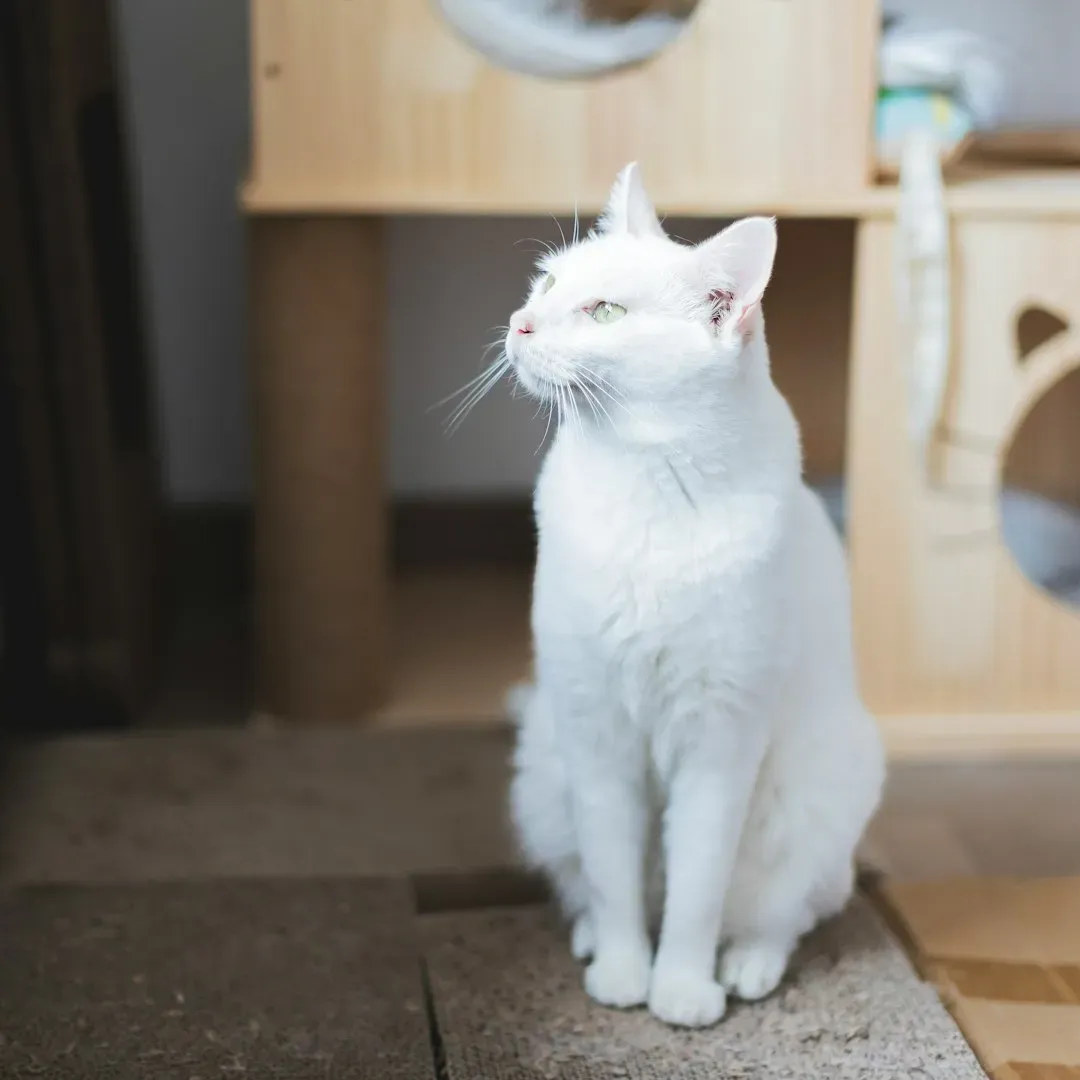
Cats are just as trainable as dogs, but most people do not train their cats because they don’t know how or have heard the myth that cats don’t listen or learn. This misconception sells cats way short. Cats love training and learning just like dogs. They can learn to sit, high-five, come when called, walk on a leash, and yes, even use the toilet.
The key is understanding that cats respond to different motivations than dogs. They’re not people-pleasers by nature. Use positive reinforcement with treats, play, or affection. Keep sessions short because cats have limited patience for repetition. Training provides mental enrichment and strengthens your bond. It’s not about making them perform tricks; it’s about engaging their intelligent minds.
Vertical Space Is Just as Important as Floor Space
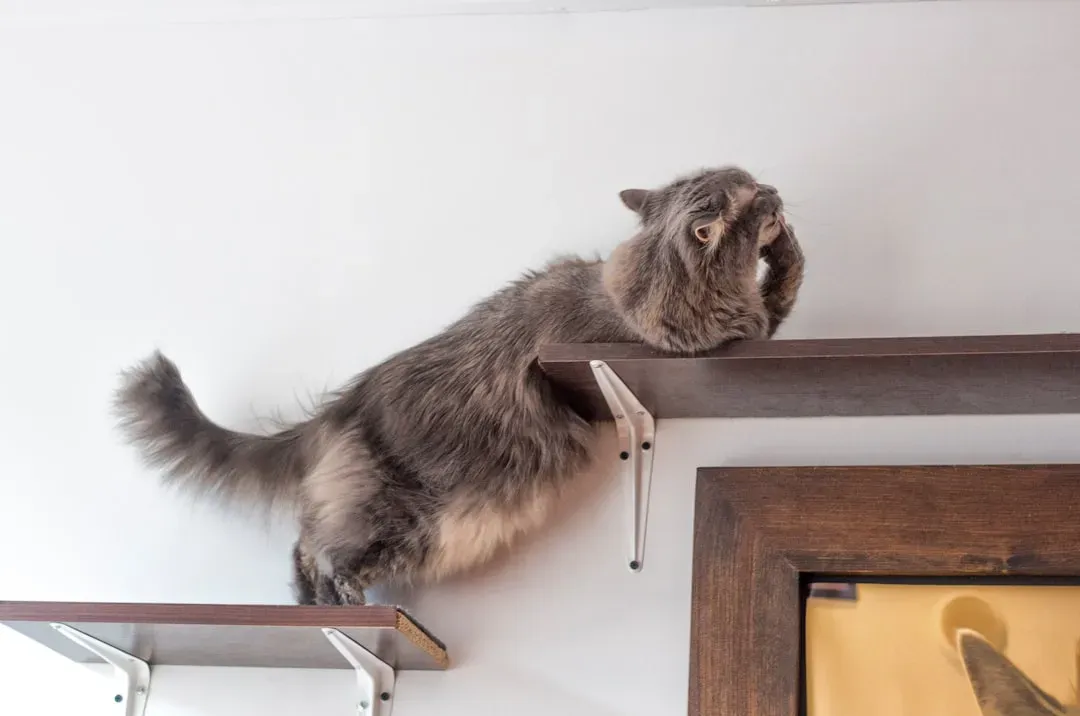
Vertical space is essential indoor enrichment for cats, as in the wild, felines are predators and prey, and they feel more comfortable and confident when they can survey their environment from above. This need is hardwired into their DNA. Being up high gives them security, helps them feel in control, and provides the perfect vantage point for observing their territory.
Many cats seek high resting places, favoring locations where they can relax while still keeping an eye out for possible threats, and having access to an elevated resting spot is especially important for cats who occasionally need a break from other pets or young children. You don’t need expensive cat trees, though they’re certainly nice. Clear off the tops of bookshelves, install floating shelves at varying heights, or simply make sure your cat can safely access high furniture. Think three-dimensionally when planning your cat’s environment.
Conclusion
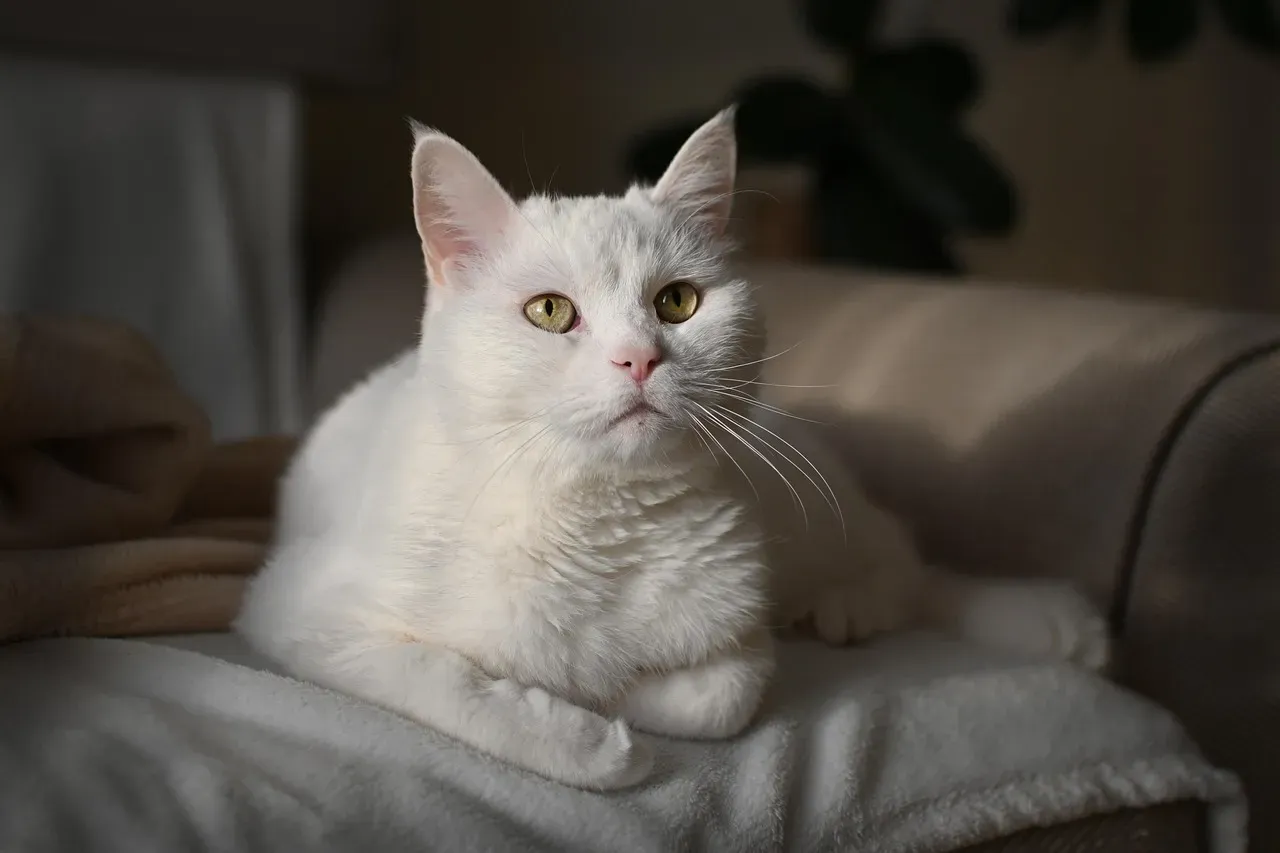
Honestly, indoor cats are fascinating creatures who deserve so much more than the “easy pet” reputation they often get. Understanding these truths can make a world of difference in your cat’s health, happiness, and behavior. From recognizing that purring isn’t always contentment to realizing they need just as much care and enrichment as any dog, these insights help us become better cat parents.
The beauty of cats is that once you understand their needs and natural behaviors, providing for them becomes second nature. Your reward is a confident, content companion who trusts you completely. What surprised you most about these truths? Did any of them completely change how you see your feline friend?