Most people assume their cat doesn’t care what time it is. Your cat strolls in, yawns, knocks something off the counter, and disappears for three hours. Independent, spontaneous, utterly mysterious. But here’s what might genuinely surprise you – underneath all that cool indifference, your cat is quietly depending on you to keep things predictable. More than almost any other domestic pet, cats are deeply wired for structure.
Cats are creatures of habit, and knowing what to expect at different times of the day brings comfort and reduces anxiety. The science behind this is fascinating, and the practical difference a routine makes in your cat’s life is honestly remarkable. Whether you’ve just adopted a kitten or you’ve lived with the same grumpy tabby for a decade, understanding how routine shapes their world could completely change how you care for them. Let’s dive in.
1. It Dramatically Lowers Your Cat’s Anxiety Levels

A consistent routine provides cats with a sense of security and control over their environment. When cats can predict what happens next, they experience less stress and anxiety, leading to better overall health and behavior. Think of it this way – if you woke up every morning not knowing when or whether you’d eat, you’d be anxious too. Your cat feels something similar when mealtimes are erratic.
Routine serves as the cornerstone of feline emotional security. Cats are creatures of habit who find comfort in predictability, and establishing consistent daily patterns can dramatically reduce stress levels while providing the structure your cat craves for optimal mental health. The relief this brings isn’t subtle. You’ll often notice a calmer, more relaxed cat within days of introducing a consistent schedule.
2. It Keeps Their Immune System Functioning Properly

Here’s something most cat owners never think about – stress doesn’t just affect mood. It physically compromises your cat’s immune defenses. Cats understand time and perceive it through episodic memory. A routine translates to predictability, control over their environment, and a sense of safety. When cats feel secure, they don’t have to remain in “fight or flight” mode, allowing their immune systems to function properly.
Research from Ohio State University has linked changes in routine to sickness behaviors in cats, including decreased food intake, vomiting, and inappropriate elimination. That’s a striking finding. Something as simple as shifting your feeding time by a couple of hours or rearranging your cat’s environment can actually trigger physical illness. A steady daily schedule is, in a very real sense, preventive healthcare.
3. It Supports Healthy Digestion and Weight Management
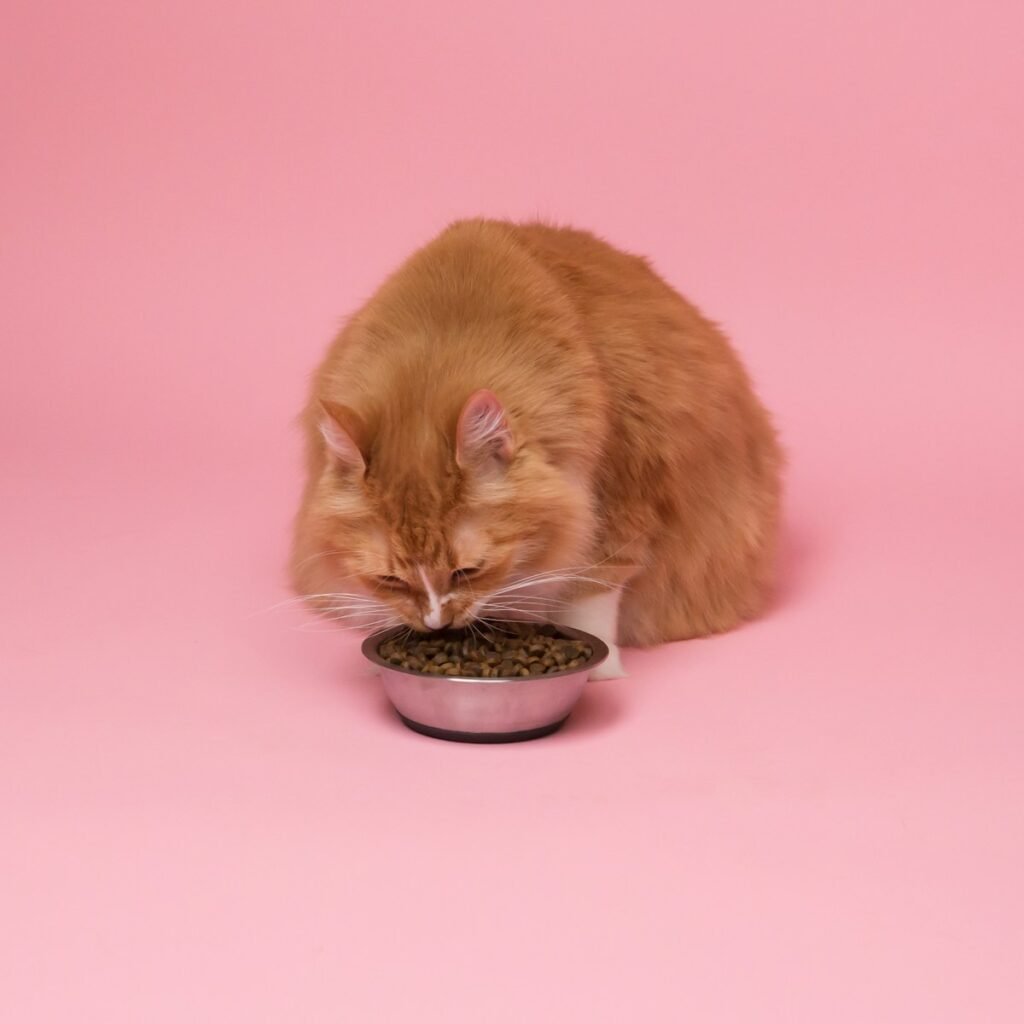
Nutrition is crucial, as providing high-quality food at scheduled times helps regulate digestion, prevents obesity, and ensures your cat receives the necessary nutrients for energy and health. Free-feeding – leaving a full bowl out all day – might seem convenient, but it doesn’t do your cat any favors metabolically.
Free feeding is generally not recommended as it can lead to weight problems in cats. Scheduled meals give you real control over how much your cat consumes. Regular feeding times promote better digestion, allowing the cat’s body to efficiently process and absorb nutrients from their meals. It’s a small shift with a surprisingly powerful ripple effect on your cat’s long-term health.
4. It Helps You Detect Health Problems Early
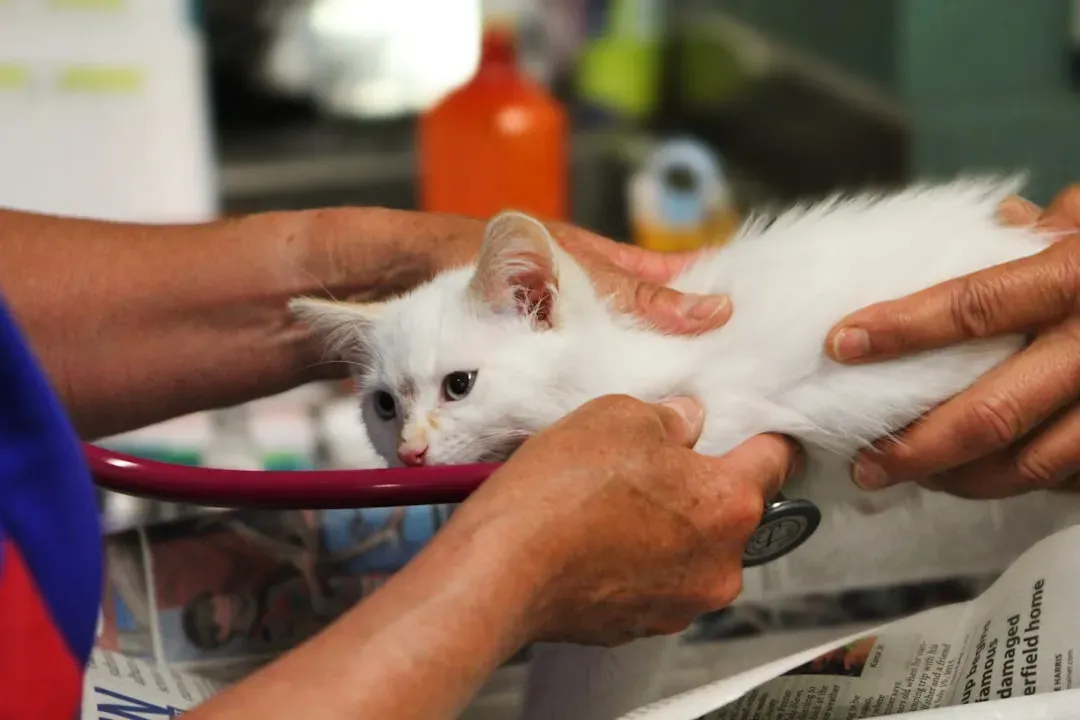
One of the most underrated benefits of a structured routine is what it teaches you about your cat’s normal behavior. Regular routines are an excellent way to be aware of your cat’s health needs. When you interact with your cat at the same times every day, you start to notice what’s normal for them – and what isn’t.
You will come to expect certain behaviors in your cat because of the routine. If the cat’s behavior changes, you’ll know very early on that there’s a problem. For instance, when you call kitty and she doesn’t come, or her ear has an unusual smell or discharge, you’ll know she may be sick and need medical attention. Honestly, that kind of early-warning awareness could save your cat’s life. Routine turns you into a better observer without you even trying.
5. It Reduces Unwanted and Destructive Behaviors

Let’s be real – nobody enjoys waking up at 3 AM to a cat howling or finding the couch scratched to shreds. A well-structured environment can decrease unwanted behaviours such as scratching or excessive meowing. A lot of what looks like bad behavior is actually just a cat reacting to unpredictability.
Many unwanted behaviors are not “misbehavior” – they are signs of emotional overload. This doesn’t mean something is “wrong” with the cat; it means something in the environment needs adjustment. When you give your cat a predictable structure, they don’t need to demand attention, escalate, or act out. Their needs are already being met, on schedule, every single day. That’s a game-changer for both of you.
6. It Regulates Your Cat’s Sleep Patterns
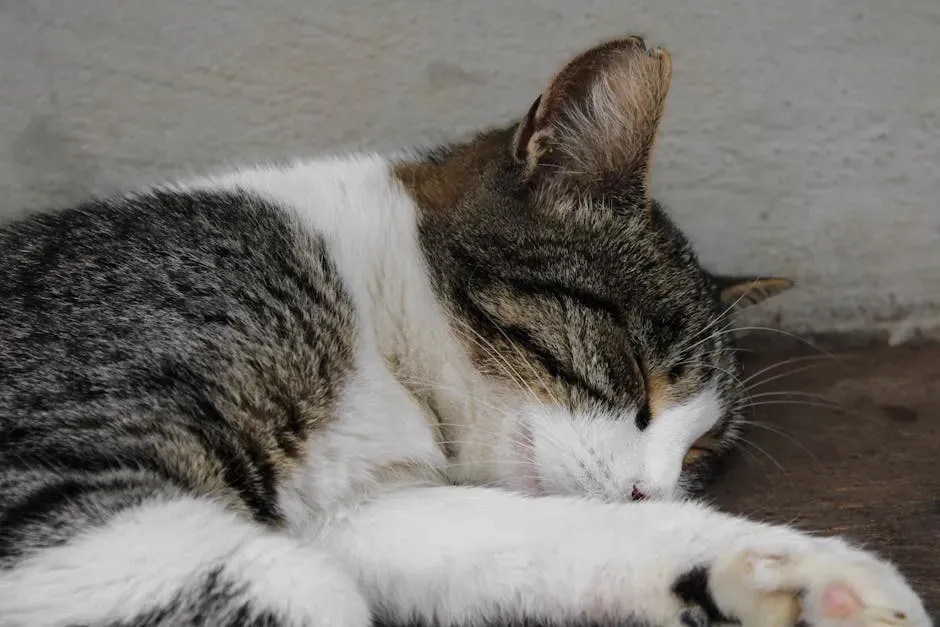
Adult cats sleep around 12 to 16 hours a day – this is an evolutionary trait that cats have developed to conserve their energy. While that sounds like a lot, the quality and timing of that sleep matters enormously. A cat that feels uncertain about its environment doesn’t sleep deeply. It stays in a low-level state of alertness that slowly chips away at wellbeing.
A regular sleep schedule helps regulate their circadian rhythms, promoting deeper and more restful sleep. The most effective feline routines follow the cat’s natural crepuscular rhythm – active at dawn and dusk, resting during the middle of the day. Aligning your routine with your cat’s natural clock, rather than fighting it, is one of the most respectful things you can do for them.
7. It Strengthens the Bond Between You and Your Cat
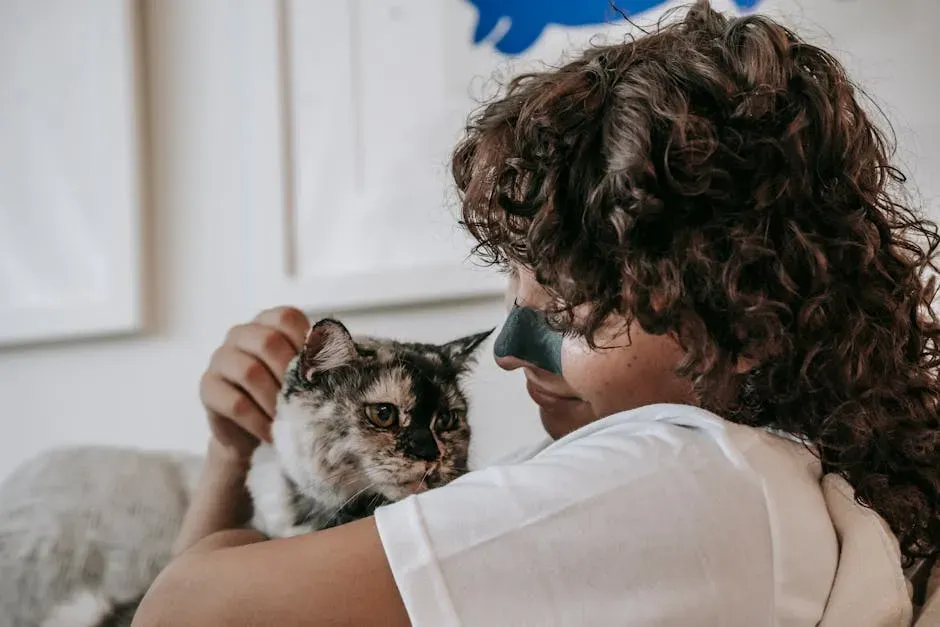
Establishing a routine can strengthen the bond you share with your cat through regular play and feeding times. This might sound a little sentimental, but there’s a genuinely practical mechanism behind it. Routine creates trust. Your cat learns that you are reliable. That you show up. That things happen when they’re supposed to.
Established routines help pets learn to trust their owners because they know what to expect. Think of it like any relationship – consistency communicates care in a language that transcends words. Spending some time with your cat on a daily basis, whether it is cuddling or some other activity, can also be a great stress reducer for most cats. Those quiet, predictable daily moments are often where the deepest connections form.
8. It Makes Training Significantly Easier

Consistent routines make training easier. Cats learn commands and behaviors faster, and regular practice reinforces what they’ve learned. I know it sounds crazy, but cats really can be trained – they just need the conditions to be right. Predictability is one of those conditions.
Training sessions that follow a regular schedule work best. Using the same commands and rewards consistently makes it easier for your cat to learn and follow. Predictable training strengthens the bond between you and your cat. You’re essentially working with your cat’s brain rather than against it. Routine removes the cognitive noise that makes learning harder. When your cat knows what to expect and when to expect it, a short training window each day can produce genuinely impressive results.
9. It Channels Hunting Instincts in Healthy Ways

Regular play sessions help cats maintain physical and mental health while satisfying their natural hunting instincts. Scheduling these sessions at the same time each day helps cats manage their energy levels and reduces nighttime activity. That last point is worth underlining. A cat with scheduled, satisfying play sessions is far less likely to turn your ankles into prey targets at midnight.
What matters most is not how often a cat eats, but whether their daily routine encourages movement, engagement, and predictability. Multiple small feeding opportunities paired with movement encourage natural hunting behavior and healthier daily routines. You can get creative here – puzzle feeders, timed play sessions, even hiding small amounts of food around the house. When you build hunting-style activities into the schedule, your cat’s deepest instincts get a healthy, structured outlet.
10. It Provides a Critical Safety Net During Life Changes

Life happens. You move house. A new baby arrives. You switch jobs and your schedule flips completely. Cats are very sensitive to their surroundings, and any disruptions to their routines or environments can lead to stress. These changes can range from a family member moving out to renovations in the home. Affected cats might exhibit physical and behavioral signs, such as hiding, anxiety, aggression, or eliminating outside the litter box.
Here’s the thing – a cat that already has a deeply established routine is far more resilient when disruption comes. Cats cope better with change when not everything changes at once. During unavoidable major changes, increasing routine consistency in other areas and providing extra environmental enrichment can help your cat cope with the disruption. The routine itself becomes a kind of anchor. The more stable you keep the predictable things, the better your cat can weather the unpredictable ones.
Conclusion: Small Habits, Big Impact

It’s easy to underestimate just how much your daily behavior shapes your cat’s entire inner world. You are their environment. Their schedule. Their source of certainty. Routine is one of the quietest forms of care you can offer a cat. It doesn’t require expensive equipment, elaborate setups, or hours of attention. It requires only consistency – the same feeding time, the same play window, the same quiet signal that the day is winding down. For many cats, that consistency is the difference between a nervous system that never quite settles and one that finally learns it is safe to rest.
You don’t need to transform your life overnight. Even 10 minutes of intentional play, a regular feeding time, and a daily grooming check can make a huge impact over time. Start there. Stay consistent. Watch what changes. Your cat may never tell you they appreciate it – but trust me, they absolutely do. So, how structured is your cat’s current routine, and which of these benefits surprised you the most? Share your thoughts in the comments below!