You share your home, your sofa, and honestly sometimes your pillow with a creature that seems perfectly content to ignore you until it decides otherwise. Cats have this mysterious reputation for being aloof, independent, and entirely self-sufficient. Most cat owners feed them, pet them occasionally, maybe buy them an outrageously expensive toy they’ll never touch, and call it a day.
Here’s the thing though – your cat has a whole inner world of desires, needs, and unspoken cravings that probably never even crossed your mind. Some of them are surprisingly tender. Others are downright fascinating. So before you assume your feline is perfectly satisfied, let’s dive into what they’re secretly wishing you understood about them.
1. The Silent Language of Slow Blinking
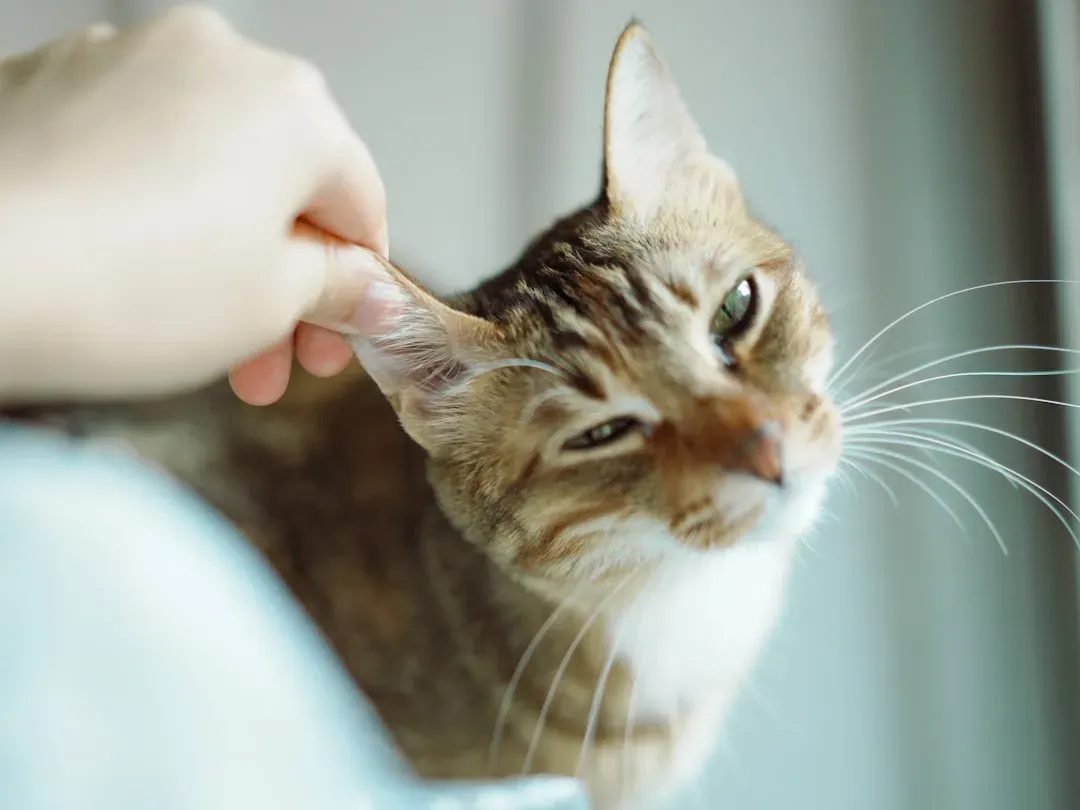
When your cat looks at you and blinks slowly, that’s their version of a kiss – a genuine show of trust and deep affection. Most owners either miss it entirely or simply don’t know how to respond. Think about how easy it would be to completely miss one of the most meaningful things your cat is trying to say to you, just because you didn’t know the language.
If your cat makes eye contact and slowly blinks at you, try slowly blinking back – this signals that they feel safe and comfortable in your presence. It costs absolutely nothing and takes about two seconds. Yet it can be one of the most profound bonding moments you’ll ever have with your cat. Honestly, try it tonight. You might be surprised.
2. A Consistent Daily Routine They Can Count On
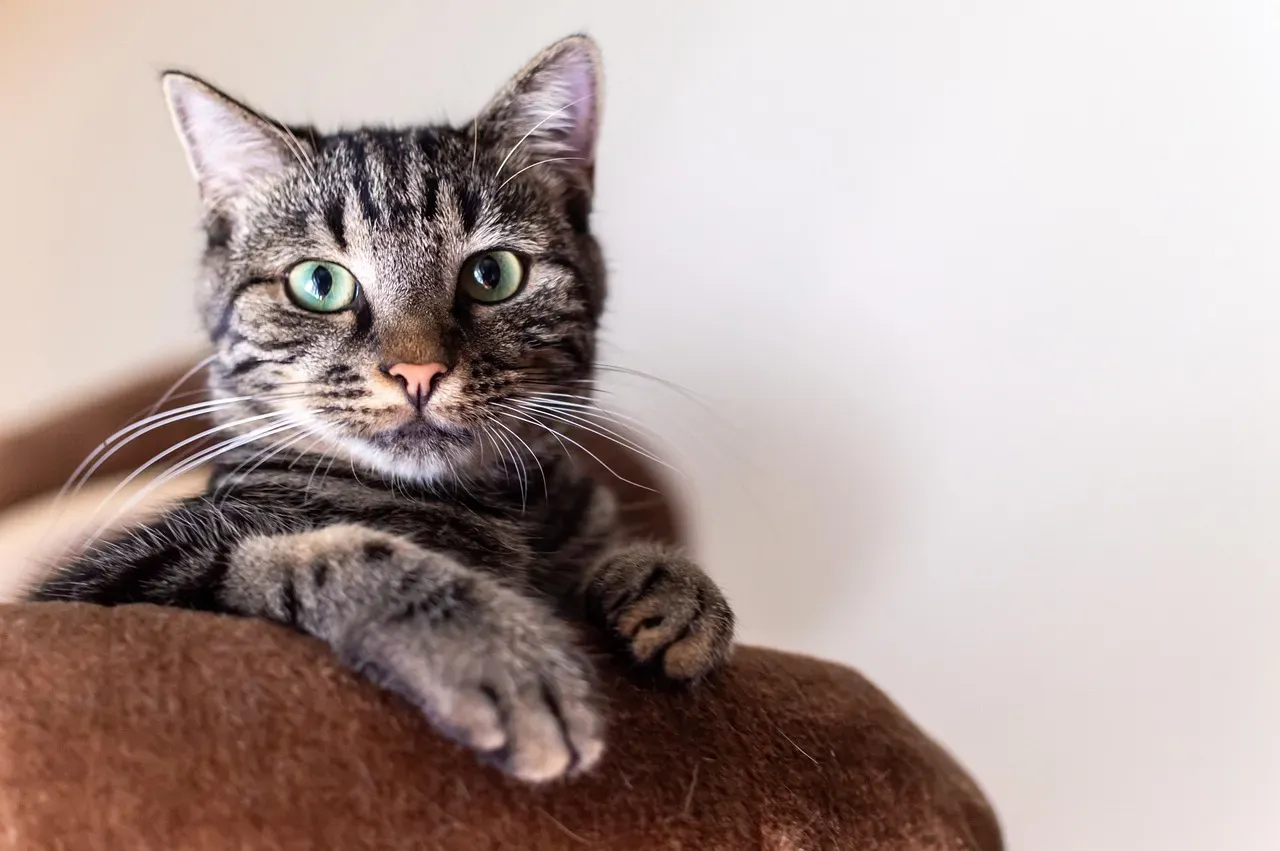
Cats thrive on consistency and want their meals every day at the same time. While humans often crave variety and spontaneity, cats find deep comfort in predictable patterns – meaning feeding times, play sessions, and even your daily routines become important markers in their world. Your cat is essentially watching your every move and building a mental map of your schedule.
Cats are creatures of habit and feel most secure when they can trust that events happen at around the same time each day. They like to have a very consistent feeding schedule. Cats who seem anxious or destructive often improve dramatically when their environment becomes more structured and predictable, even down to something as simple as consistently using the same route through the house. It’s a small shift for you, but a massive relief for them.
3. The Right Kind of Touch in the Right Places
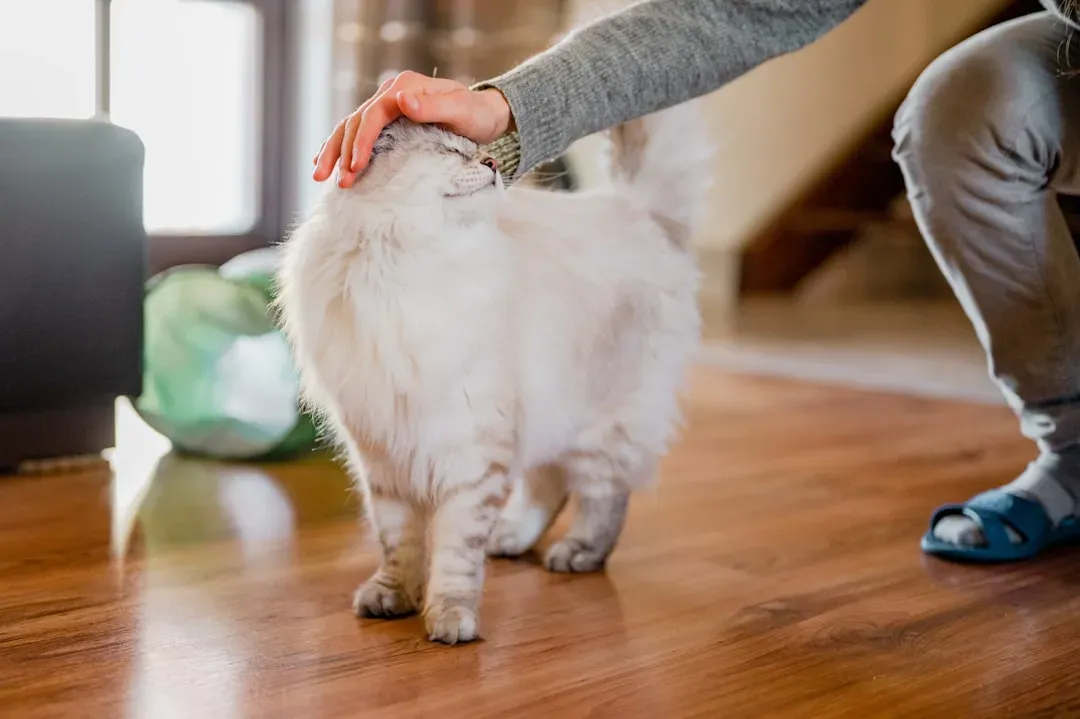
Most petting sessions focus on whatever feels good to humans, but cats have specific preferences for touch that mirror the grooming they received as kittens. Gentle circular motions around the temples, soft strokes behind the ears, and light pressure along the neck can create a spa-like experience that many cats crave but rarely receive. It’s almost laughable how much effort owners put into petting, completely unaware they’re doing it wrong.
The truth is, most cats only like to be petted on their face and neck and do not like their feet, tail, or body touched. Your cat will let you know if it is okay to pet them elsewhere – and just because their belly is showing doesn’t mean it’s an invitation to touch it. That belly trap is real, and every cat owner has fallen for it at least once.
4. High Perches and Vertical Territory to Explore
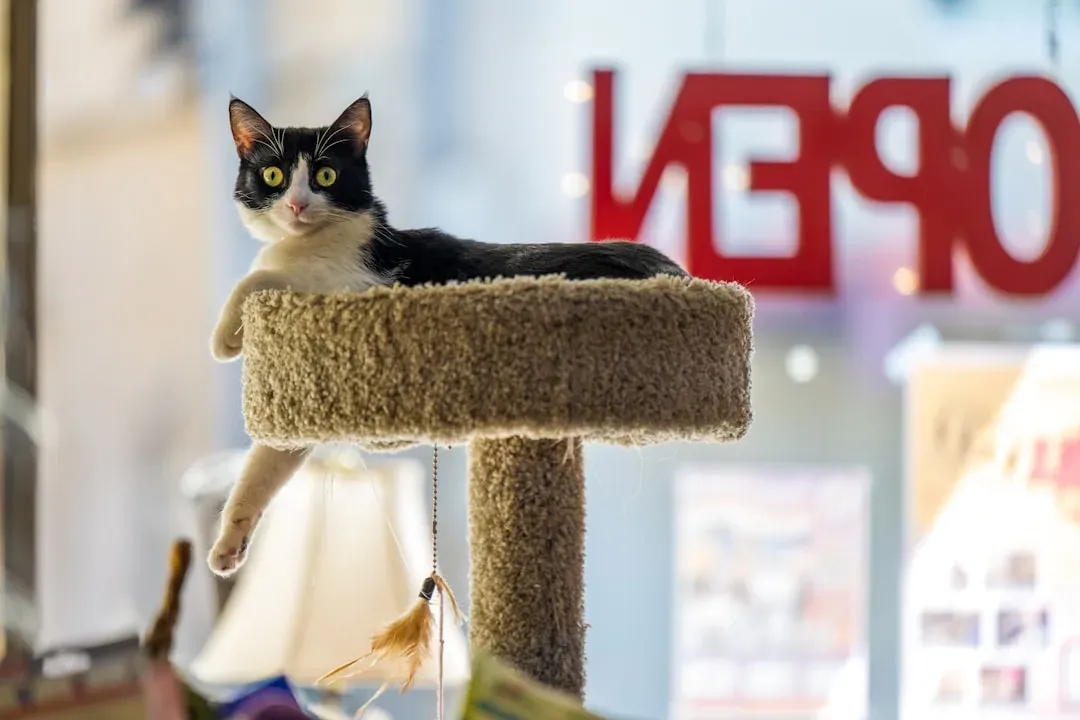
The African wildcat evolved to hide high in trees to watch for prey and escape predators, and jumping and climbing to high places continues to be completely normal behavior for domesticated cats. Cats are natural climbers who enjoy surveying their domain from above, and high perches offer them the vantage point they instinctively crave while providing a sense of security. Your indoor cat carries that same ancient instinct in every fiber of its body.
Cat trees are a start, but truly satisfying a cat’s need for height means thinking three-dimensionally about your living space. For beloved indoor-only cats, giving kitties enough territory – like cat trees and tunnels to enrich the environment – reduces stress and the potential for behavior problems. Think of vertical space as prime real estate your cat is desperately waiting for you to invest in.
5. Real Interactive Hunting Play, Not Just Passive Toys
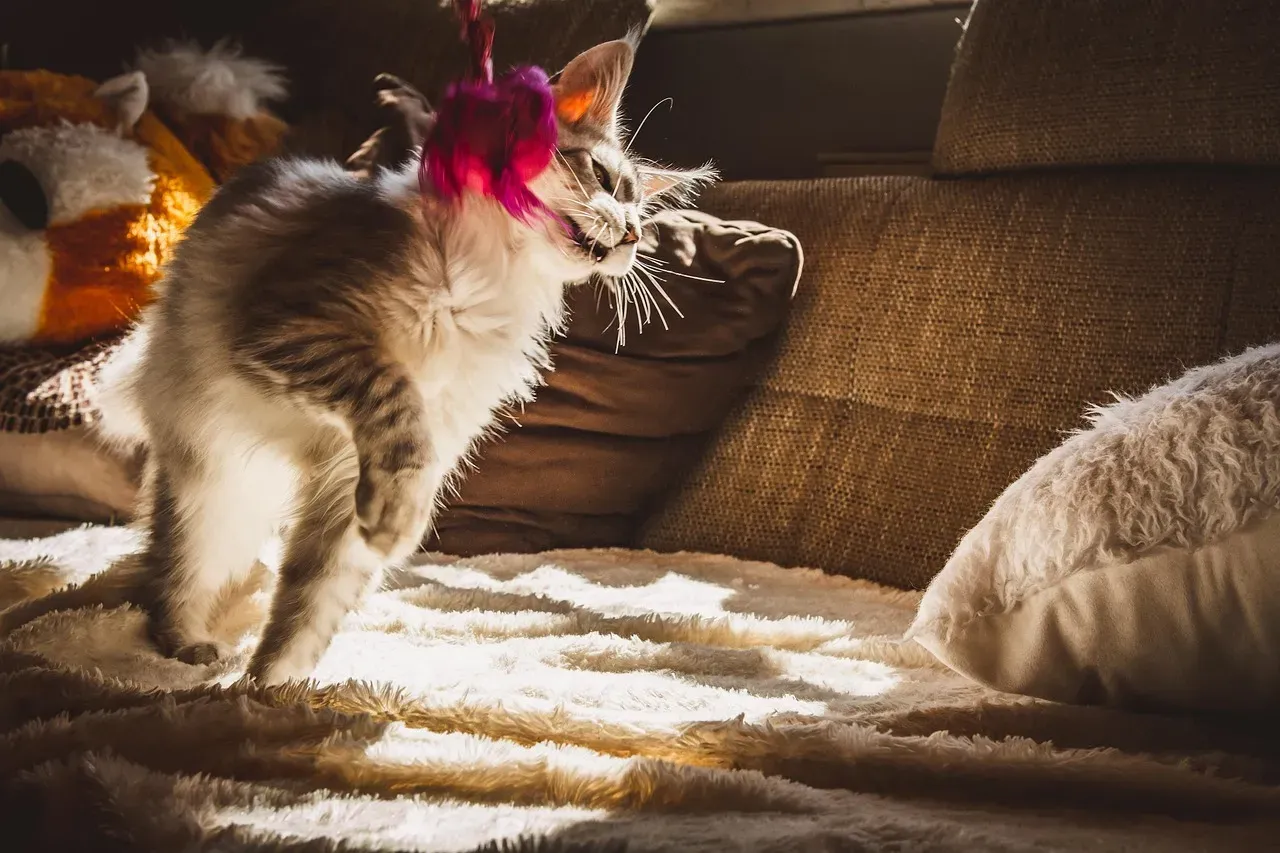
Indoor cats have very little mental stimulation since they don’t have to hunt for their food and they generally have less to do. Indoor cats, quite simply, are often bored. Let that land for a second. Your cat isn’t just napping because they’re relaxed – sometimes they’re napping because there’s genuinely nothing else to do.
You can offer multiple short vigorous predatory sessions to allow your cat to “hunt” and successfully capture their false prey. These play sessions with prey-like toys such as toy mice, wand toys, and battery-operated toys are like a child going to the playground – getting out pent-up energy and decreasing “bad behaviors” such as aggression or destruction. Think of how cardio exercise can help anxiety and depression in humans – it can be very helpful mentally for cats as well.
6. Fresh Running Water Instead of a Stagnant Bowl
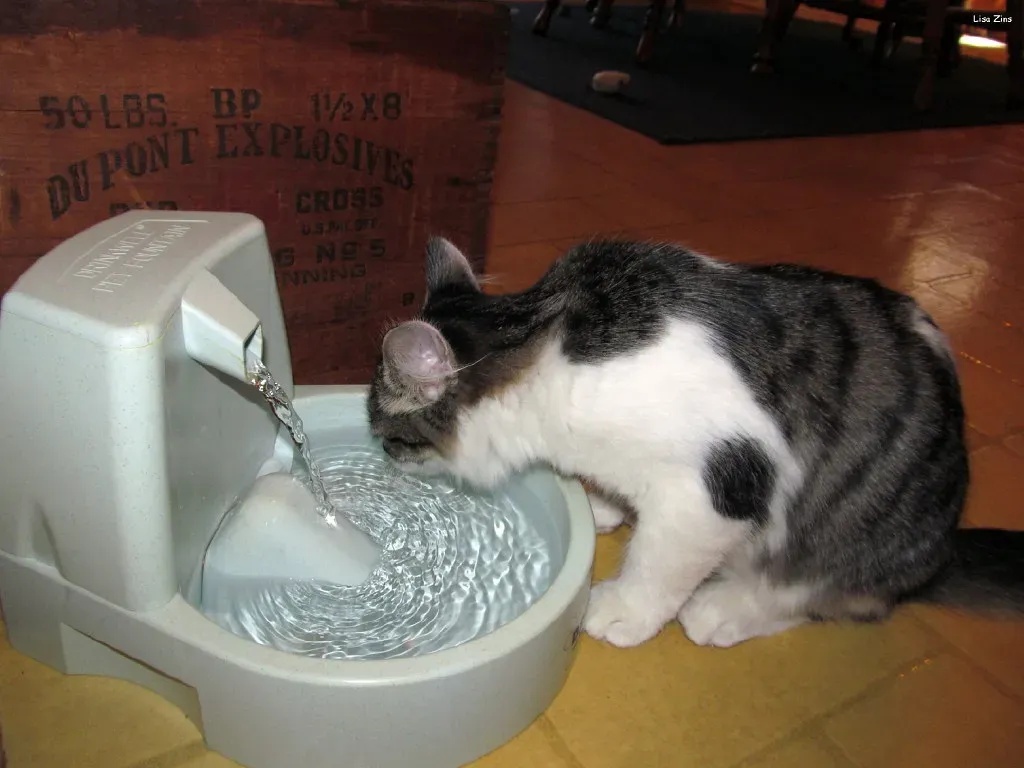
Cats don’t have the same drive to hydrate themselves as other animals because their wild ancestors got the majority of their liquid through their food. This is genuinely fascinating and explains so much frustrating cat behavior around water bowls. Your cat isn’t being difficult – they’re just wired differently from the ground up.
To make sure your cat is adequately hydrated, have them eat their liquids – serve them wet food and high-water-content frozen treats such as ice cubes made from no-salt beef stock. Of course, make sure plenty of fresh, clean water is always available. A cat water fountain is one of the single best investments you can make, because that gentle trickle of moving water is irresistible to most cats in a way a flat, still bowl simply never will be.
7. A Safe Space to Hide That’s Truly Theirs
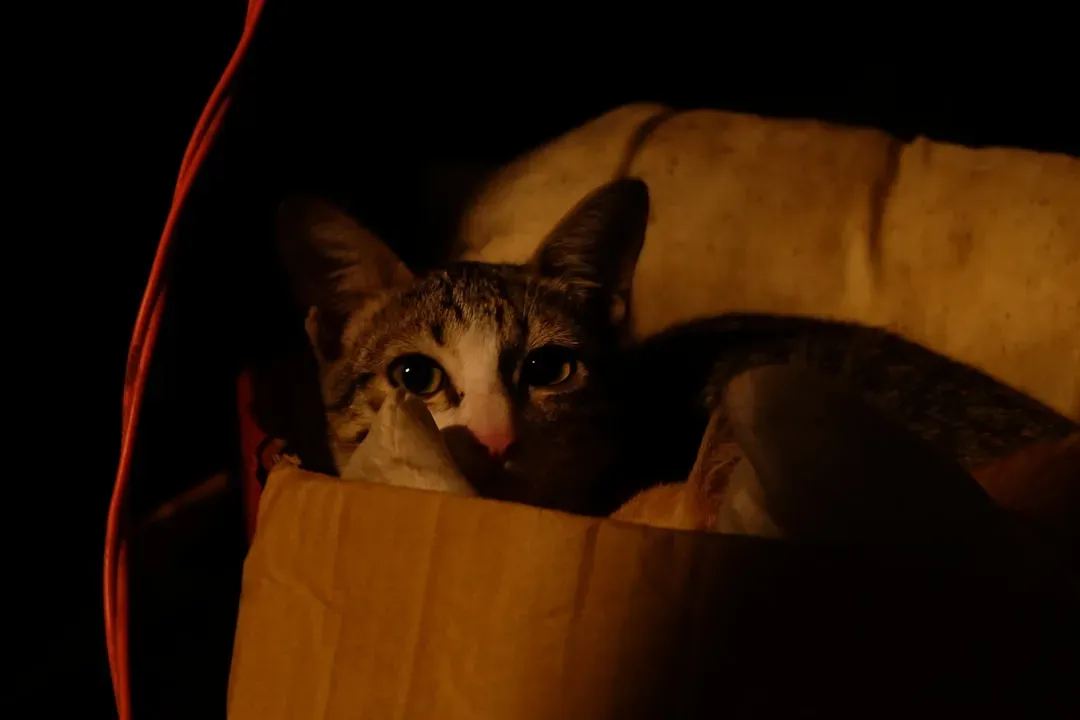
Many cats love playing or hiding inside boxes, and some will climb into cabinets or squeeze into very tiny spaces – all due to their natural predatory behavior. They’re intrigued by the idea of not being down on the floor and vulnerable, and it’s key that owners provide natural places where their cats can hide. A cardboard box on the floor might look like clutter to you, but to your cat it’s a sanctuary.
Cats are highly intelligent, naturally curious, and active animals. Many cats who live only indoors do not have their essential environmental needs met. Providing designated hiding spots, covered beds, or even a simple covered crate with a soft blanket inside can dramatically reduce your cat’s stress. Think of it as the equivalent of giving someone their own quiet room in a busy house.
8. Companionship on Their Own Terms
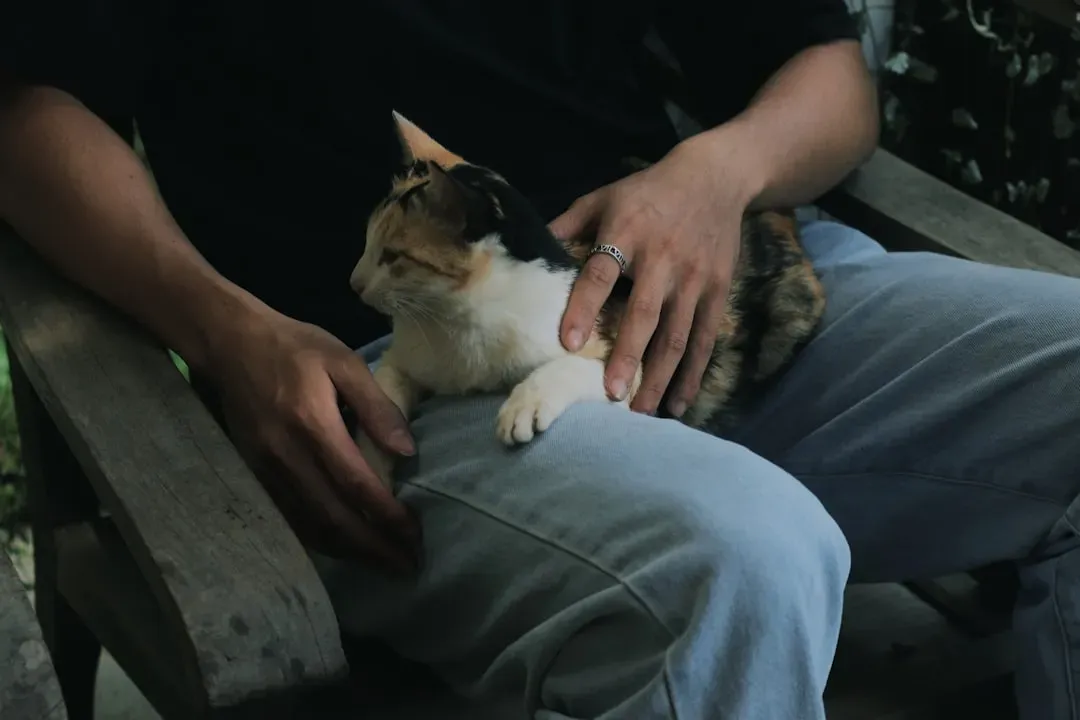
Cats are not solitary by choice, and even feral felines develop relationships with other cats. Owned kitties bond closely with their humans as well as other companion animals in the home. The idea that cats don’t care about company is one of the biggest myths in pet ownership, and it genuinely does them a disservice.
Simply sharing the same room may be your cat’s equivalent of a declaration of adoration. Cats love being cuddled sometimes – but only on their terms. Unlike dogs, cats aren’t pack animals and would not be in a long-term family situation in the wild, so forced cuddling or petting makes your cat wary whenever you come around. The key is patience. Let them come to you, and when they do, recognize just how much that moment means.
9. Their Own Dedicated Scratching Surfaces
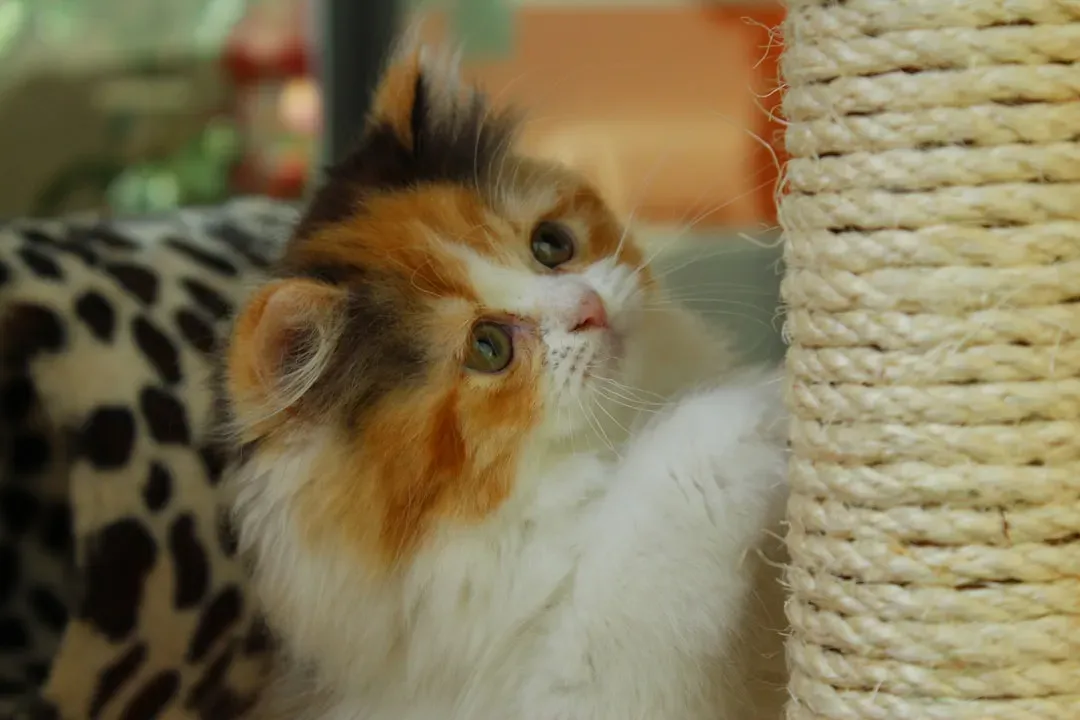
It is natural for cats to scratch. They have scent glands in their paws that allow them to communicate with other cats and mark territory when they scratch. They also get to stretch and remove the outer claw layers. Scratching isn’t destructive behavior – it’s a biological need as fundamental as breathing. When your cat shreds your sofa, they’re not being spiteful; they’re doing exactly what their instincts demand.
To help your cat feel calm and to protect your furniture, provide multiple types of scratchers – both vertical and horizontal – with multiple materials such as sisal rope, cardboard, and wood. Don’t suppress cats’ urge to scratch. Place posts and pads near favorite nap spots, where the family spends time, and near objects you don’t want them to scratch. Placement matters enormously. A scratch post tucked away in a corner nobody uses is basically invisible to your cat.
10. The Reassurance That You’re Not Going to Disappear
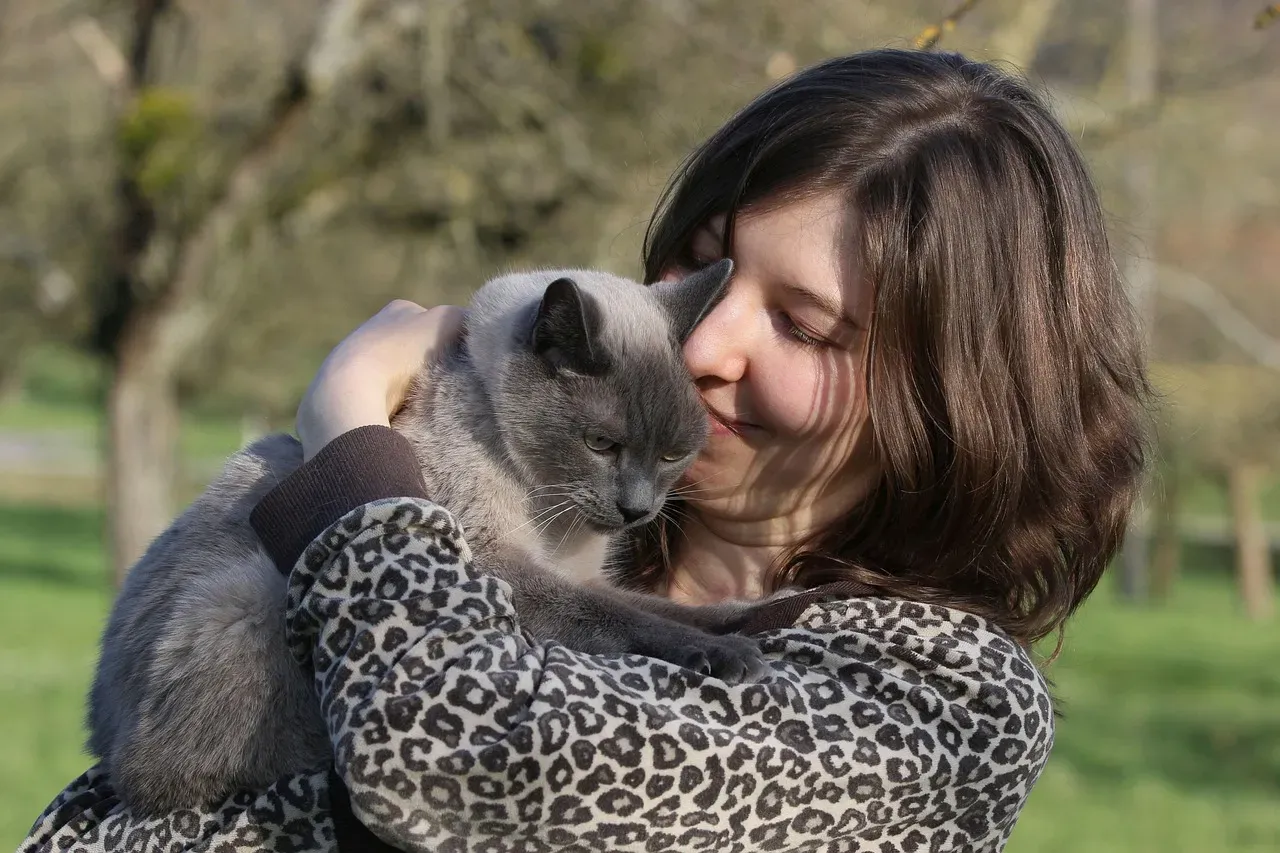
Cats don’t want or need a wide variety of food, bedding, or daily activities – they thrive in a stable environment. One of the best things you can do as their human is to provide them with consistent food, water, shelter, and enriching toys. Your cat needs to trust you to be the constant in their life. That sense of security is, at its core, what every cat is quietly craving every single day.
While some cats might seem aloof, all crave attention. From walks and games to playing or cuddling on the couch, make time for feline friendship. Your presence is more powerful than any expensive toy or fancy treat. Cats are quietly watching you, learning your rhythms, and measuring how much they can trust you. Every consistent, gentle interaction adds another brick to that wall of trust they’re building.
Conclusion
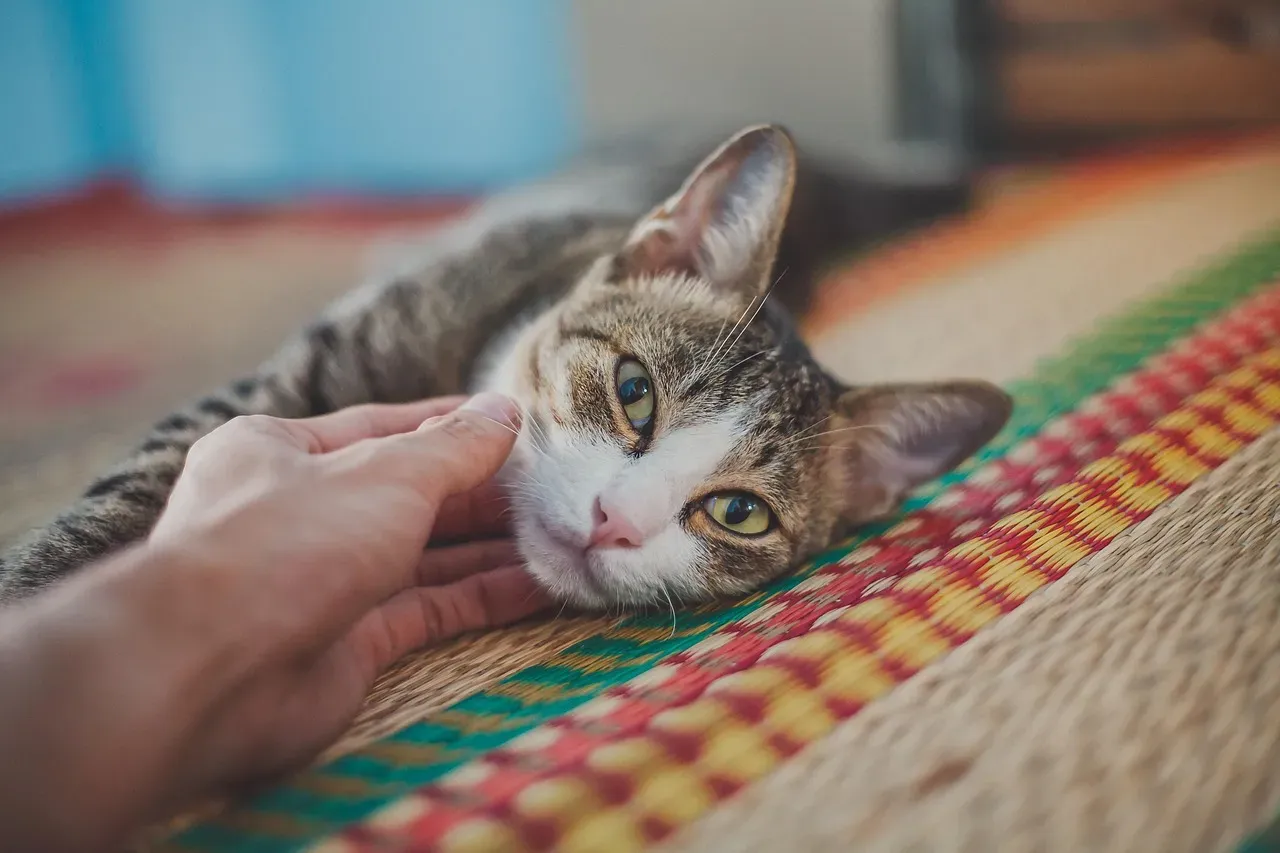
Your cat probably seems fine. Fed, watered, warm, occasionally entertained. But now you know there’s a whole layer of needs quietly humming beneath that composed, sleepy exterior. The slow blink waiting for you to return it. The high shelf they’re desperate to reach. The predictable routine that makes their whole world feel safe.
The beautiful thing is that none of this is hard. Most of what your cat secretly craves costs very little and asks only for your attention and awareness. You don’t need to become a feline behaviorist overnight. You just need to start seeing your cat a little more clearly for who they truly are – not a low-maintenance pet, but a deeply feeling, instinct-driven creature who chose you.
So here’s the real question: now that you know what your cat has been silently wishing for all along, what’s the first thing you’re going to change? Tell us in the comments – we’d love to hear which one surprised you the most.