Have you ever wondered if your feline friend is genuinely happy or just tolerating your presence? Cats communicate differently than dogs or humans, making their emotional states a bit of a mystery. While they won’t jump up and down or grin from ear to ear, they have their own subtle language that reveals how they truly feel.
Learning to recognize the signs of a happy cat strengthens your bond and helps you create an environment where your furry companion thrives. Let’s dive in and explore the fascinating behaviors that show your cat is living their best life.
The Slow Blink That Speaks Volumes
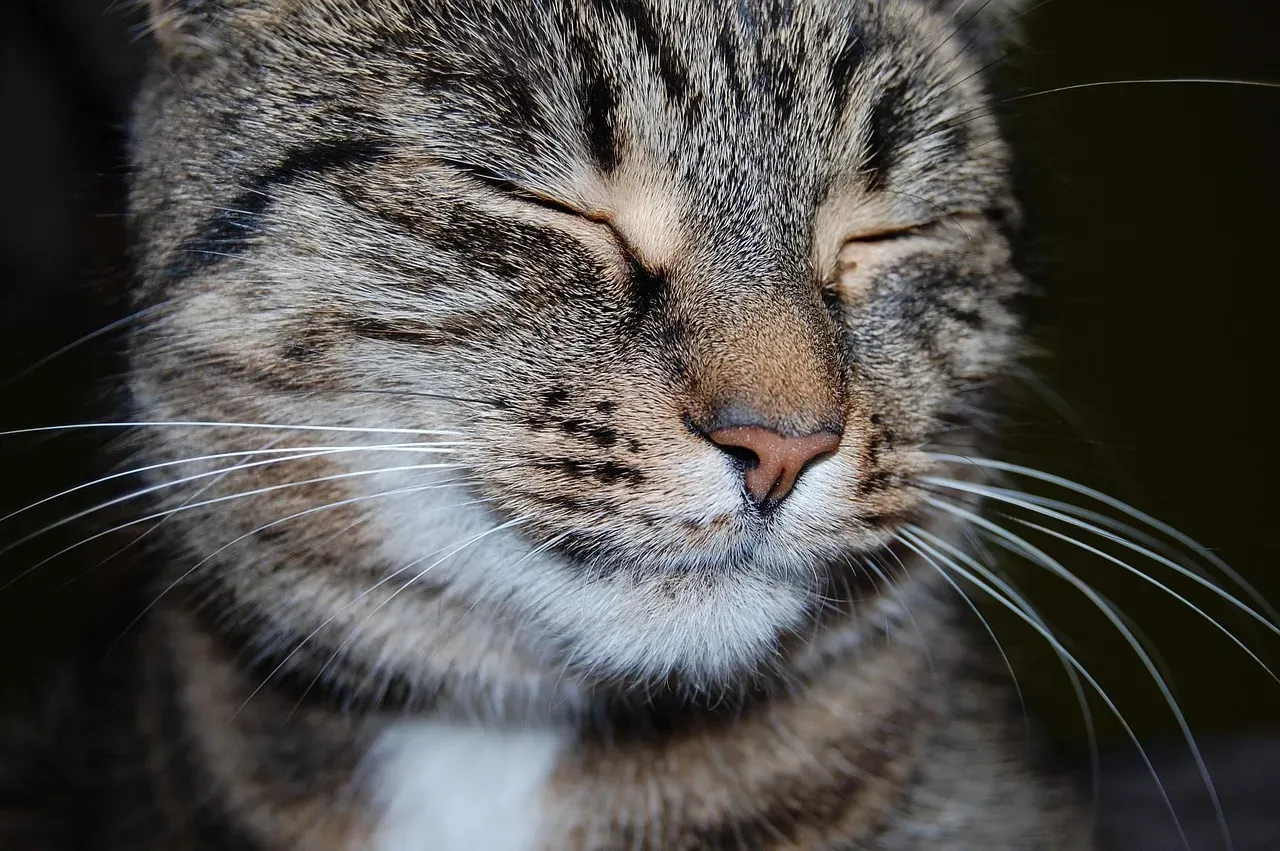
When your cat gives you a slow, deliberate blink, it’s often called a “cat kiss” and serves as a subtle but meaningful gesture showing they’re content and calm with their loved ones. This isn’t something cats do casually with just anyone. In cat language, slow blinking means trust – by closing their eyes, they trust you to keep them safe since cats are always alert in nature.
Here’s the beautiful part: you can actually communicate back to your cat using this same language. Try slowly blinking at your cat and moving your head slightly to the side, and if you’re lucky, your cat will do the same back. This simple exchange becomes a quiet conversation of mutual trust and affection.
The Upright Tail of Confidence
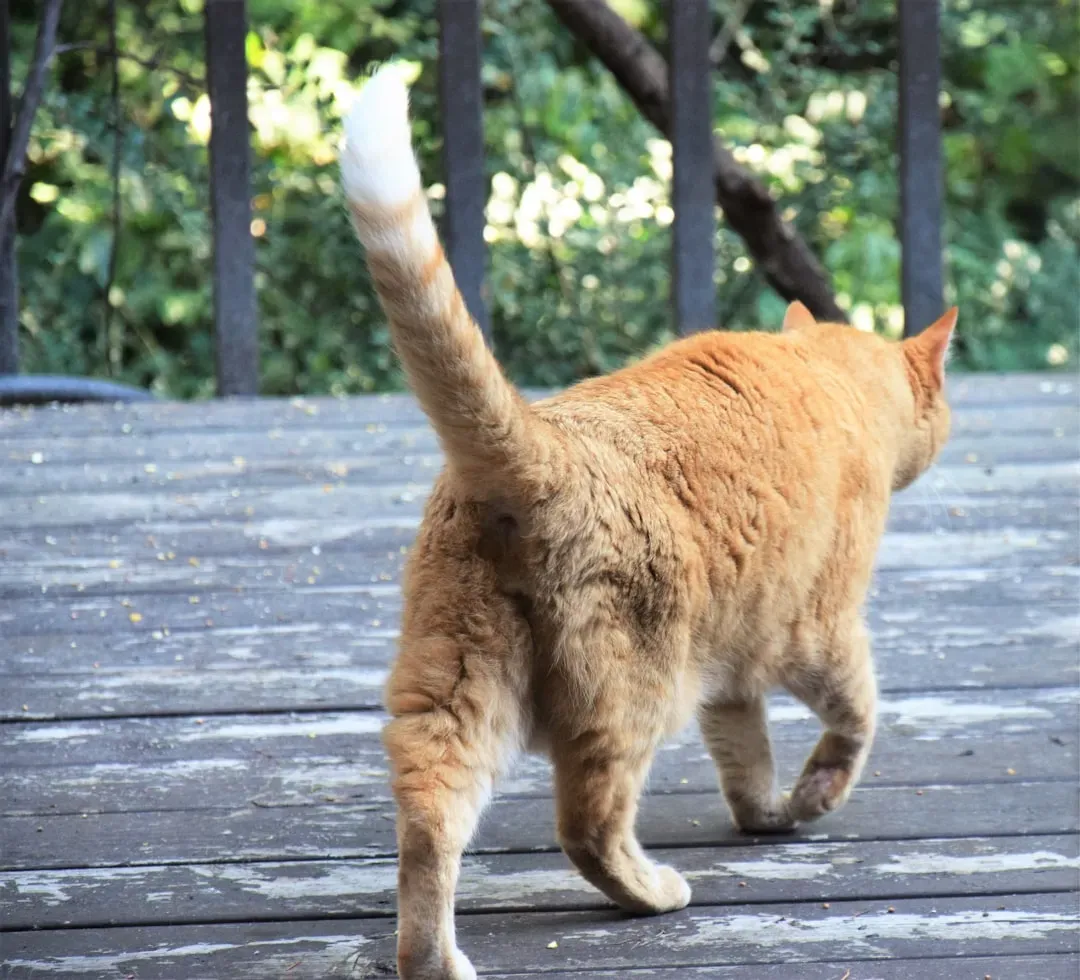
Happy cat tail signs include an upright tail, which is basically a cat’s way of saying hello and nice to see you, while a quivering tail pointed up and held high is usually a declaration of happiness and excitement. Think of it as your cat waving a cheerful flag announcing their good mood.
Look for a raised tail, upright ears, and a calm demeanor to know if your cat is content. A quivering tail that’s pointed up and held high is usually paired with other body language like rubbing against your legs, enthusiastic head butts, and purring. It’s hard to miss when you see it – that little vibrating tail is pure feline joy.
Making Biscuits on Your Lap
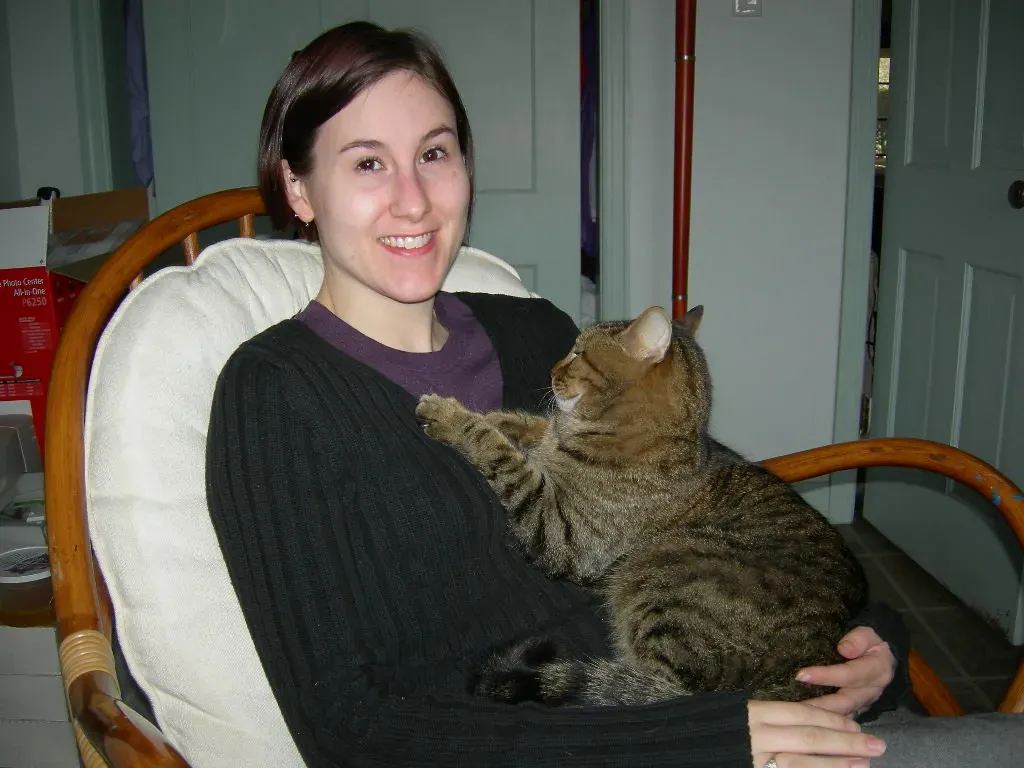
One of the most endearing behaviors happy cats display is kneading, affectionately called “making biscuits.” Kneading, rhythmic paw pressing against a soft surface, harks back to kittenhood nursing and carries associations of maternal comfort and safety, often accompanied by purring.
Adults typically knead when they feel safe, happy, and contented, often during cuddles, before naps, or while they’re cozying up into a comfortable spot. If your cat is kneading you, take it as a massive compliment. They’re basically telling you that you remind them of the warmth and security they felt with their mother.
That Deep, Rumbling Purr
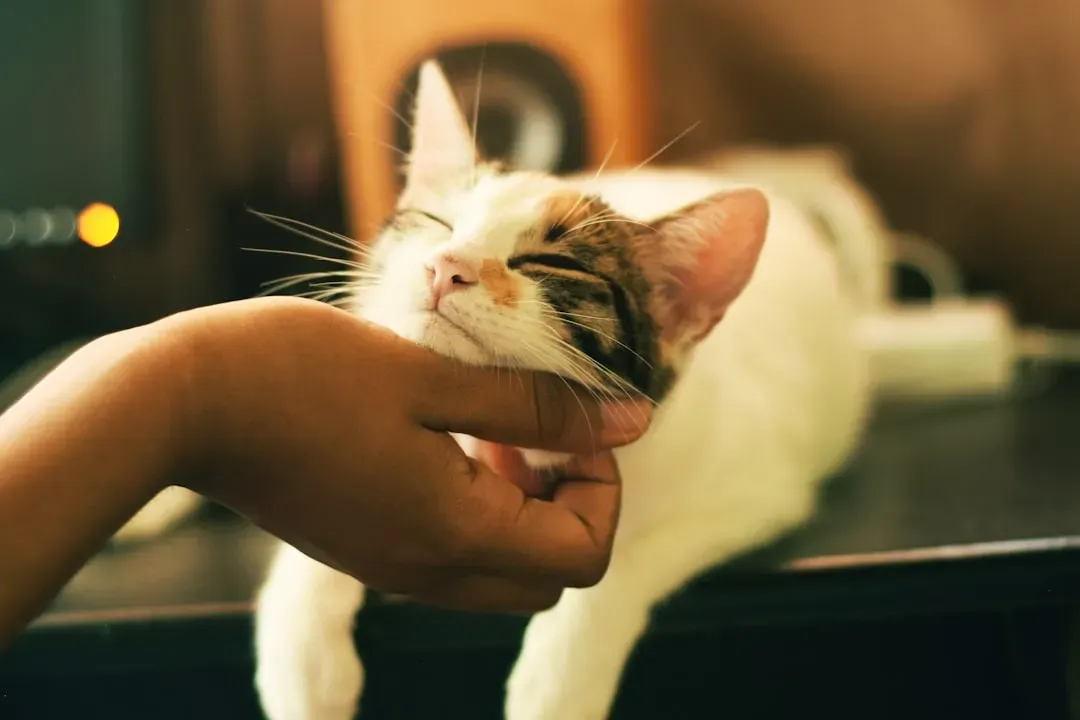
Purring is the classic sign of a happy cat – a soft, steady rumble that usually means your cat feels relaxed and comfortable, often heard when being petted, cuddling with you, or settling down for a nap. If your cat seems otherwise content and is letting the purrs roar while lazing in the sun, that’s them sharing their joy.
Now, I should mention that purring isn’t always simple. While we often think cats are happy when they purr, this is only true if their body language is relaxed. Context matters enormously. A cat purring while stretched out in a sunny spot is very different from one purring at the vet’s office.
The Social Roll and Belly Display
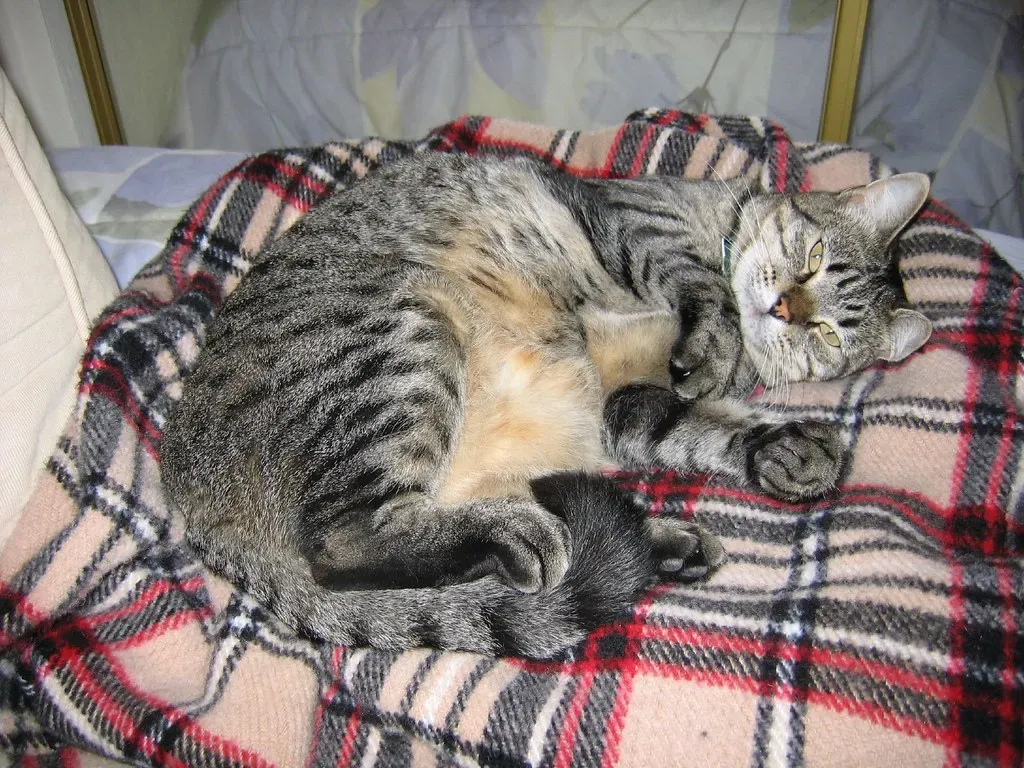
The social roll is when a cat gets in front of you, puts their head down and rolls over, exposing their stomach, and cats do this out of affection and happiness to see you. A cat that stretches out, flops over, and exposes their belly is telling you they feel safe and secure around you and in their environment.
Here’s where it gets interesting though – this doesn’t always mean they want a belly rub! Another common relaxed pose is lying belly-up, which reflects total trust, however belly exposure doesn’t always mean an invitation for petting as many cats simply find it a comfortable way to rest. Your cat is showing vulnerability, which is the ultimate sign of trust.
Playful Energy and Curiosity
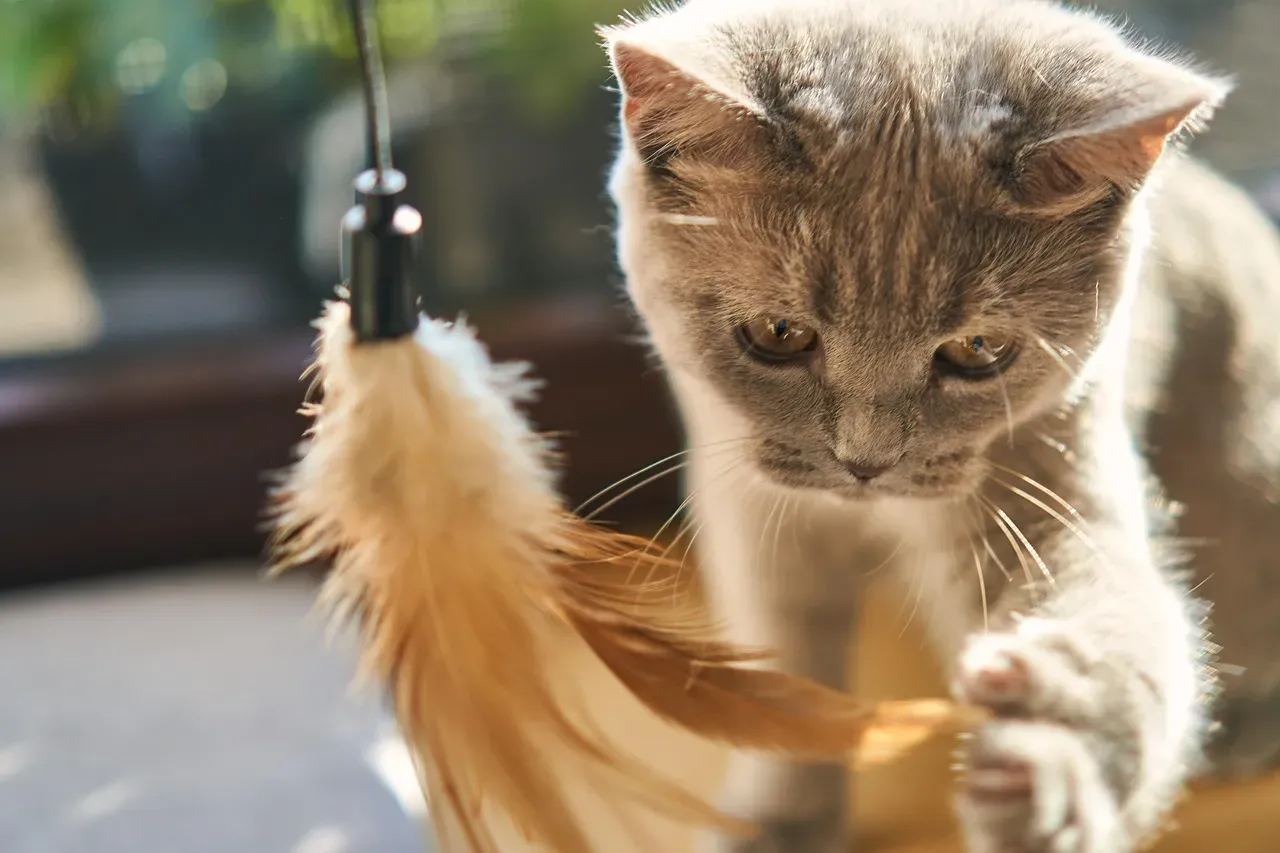
Cats are built to explore, and a happy cat is often a curious cat, with confident kitties driven by curiosity being more likely to engage in interactive play with their human, other cats, or toys. You’ll notice them poking into closets, investigating cardboard boxes, and batting toys around with genuine enthusiasm.
A happy cat is a playful cat, whether playfully pouncing, tossing around a ball of yarn, or trying to get your attention for a quick game – the more playful your cat is, the happier they’re likely to be. Stressed or unhappy cats tend to hide and avoid interaction entirely. If your cat initiates play or eagerly joins in when you pull out their favorite wand toy, that’s a wonderful sign.
Chirps, Trills, and Happy Meows
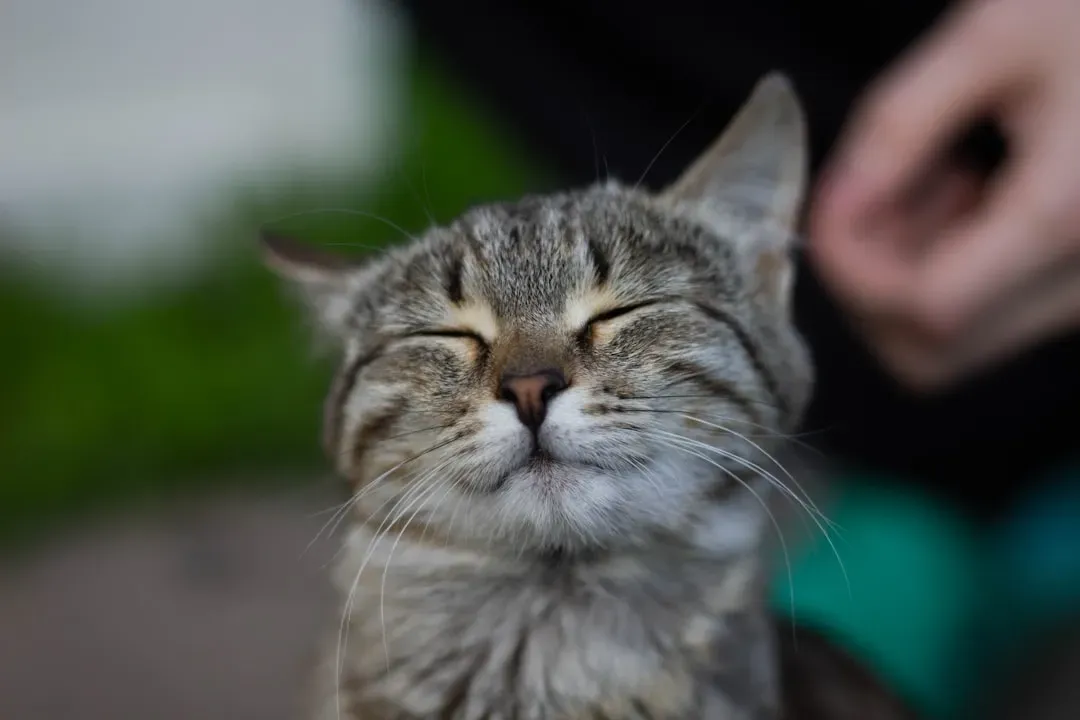
Not all cats chirrup, but when you hear this trilling sound you’ll know your cat is happy – a chirrup is often an invitation to follow your cat somewhere or to ask for affection or play. These sounds are distinctly different from the loud yowls or hisses of an upset cat.
High-pitched meows and meows that are greetings are especially cheerful, and you might even find that your cat enjoys engaging in a conversation with you. Trilling and chirping are also signs that your cat is content. Listen to the quality of your cat’s vocalizations – soft, melodic sounds indicate contentment while harsh, loud cries signal distress.
Enthusiastic Greeting Rituals
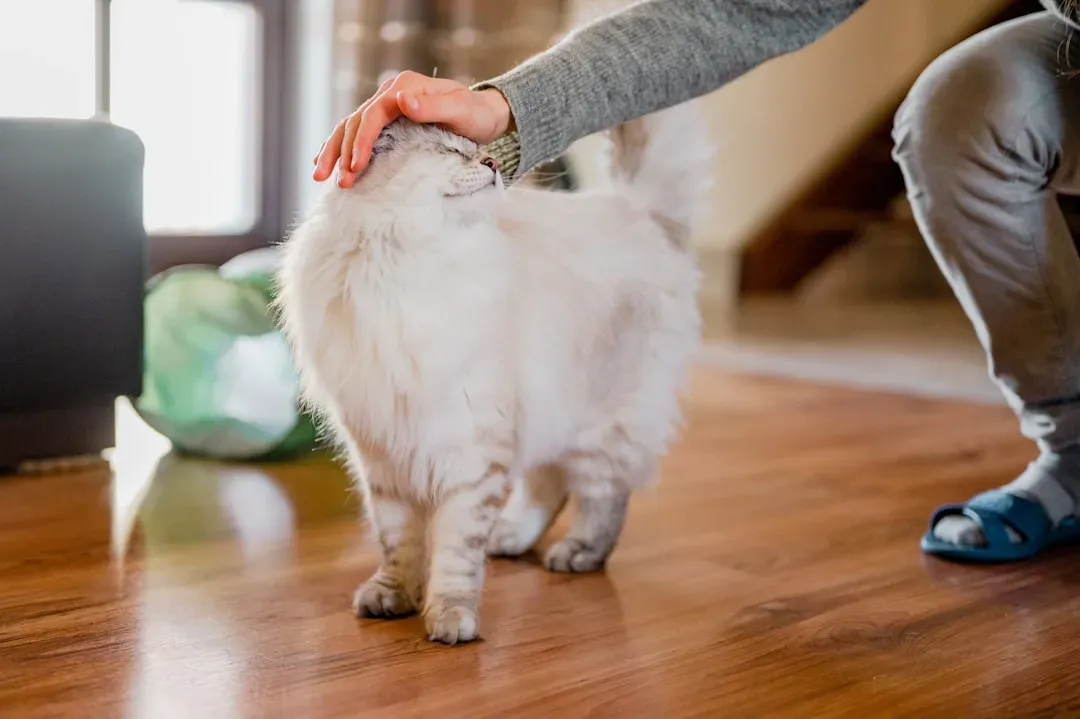
If your cat comes to the door when you get home, lifts their head and meows, or gives you a chirrup to say hello, they are a happy kitty. This greeting behavior shows they’ve been anticipating your return and are genuinely pleased to see you.
Happy cats are usually relaxed around their human and cat families, freely soliciting interactions from them, and they don’t run away when approached, displaying the enjoyment they receive from interactions through purring and reciprocal behaviors like head butting. Some cats will even escort you from room to room, wanting to be near you without necessarily demanding attention.
Regular Grooming Habits
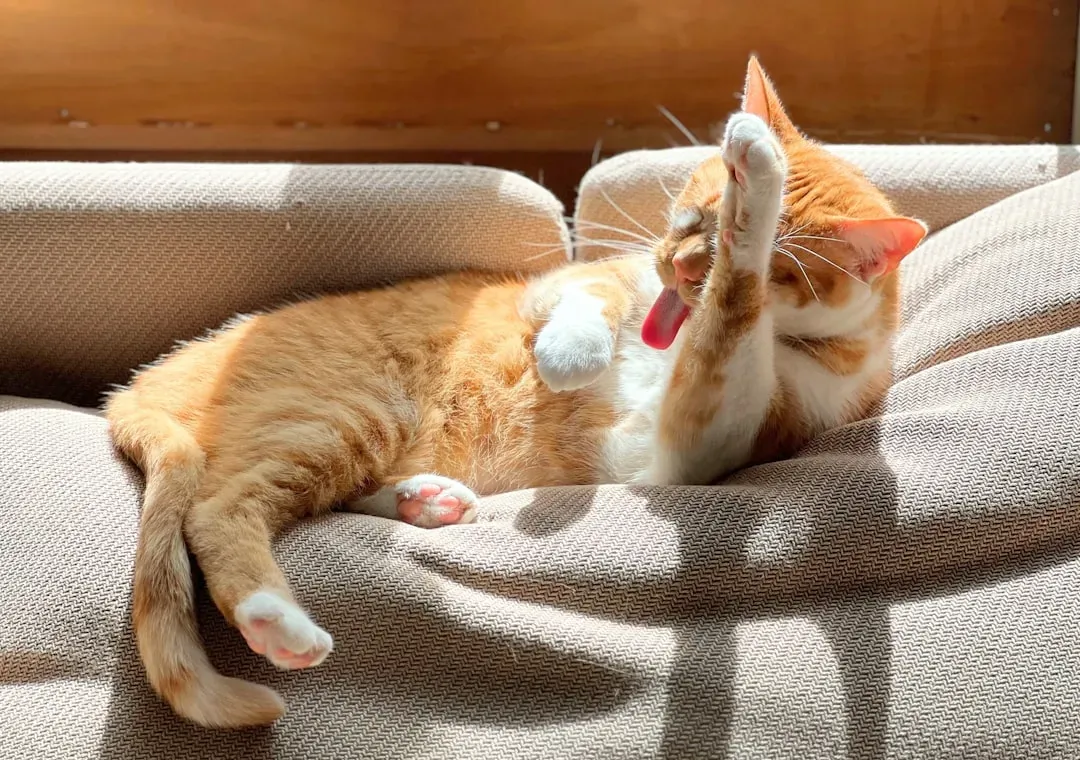
Cats are fastidious about their personal hygiene, so as long as it’s not excessive, your kitty grooming themselves on a regular basis is a great sign that it’s feeling physically and mentally healthy. Cats who are happy regularly groom themselves as their way of taking care of themselves while feeling good and relaxed, with happy cats grooming themselves daily, taking the time to lick their paws and tail.
Additionally, happy cats tend to groom others around them, including their owners – a huge sign of trust and affection called allogrooming, noticeable if your cat licks your hand, arm, or clothes. It might feel a bit rough with that sandpaper tongue, but it’s actually quite sweet.
Healthy Appetite and Normal Routines
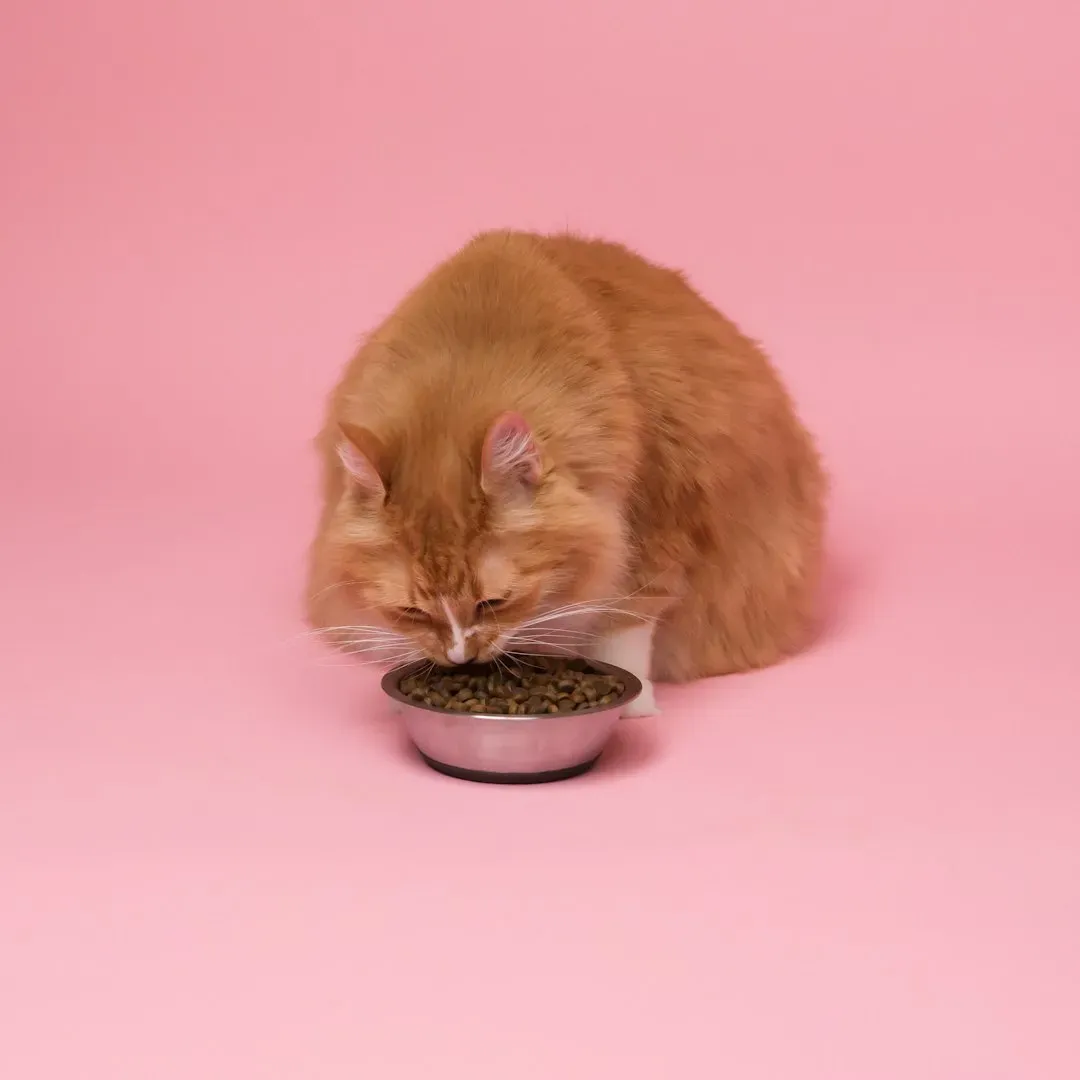
If your kitty is eating and drinking the same amounts as they always have, this is a really good sign they’re feeling content, as a happy cat will have a normal appetite and thirst. When your cat looks forward to meals, eats with enthusiasm, or shows interest in treats or snacks, it’s a good sign of overall happiness, as a cat’s appetite is a huge indicator of their health and overall mood.
Changes in eating habits often signal stress or illness before any other symptoms appear. A happy and contented cat should have a good appetite, a real appreciation for their food, and a soft spot for tasty treats. Regular eating patterns combined with other happy behaviors paint a clear picture of feline contentment.
Conclusion
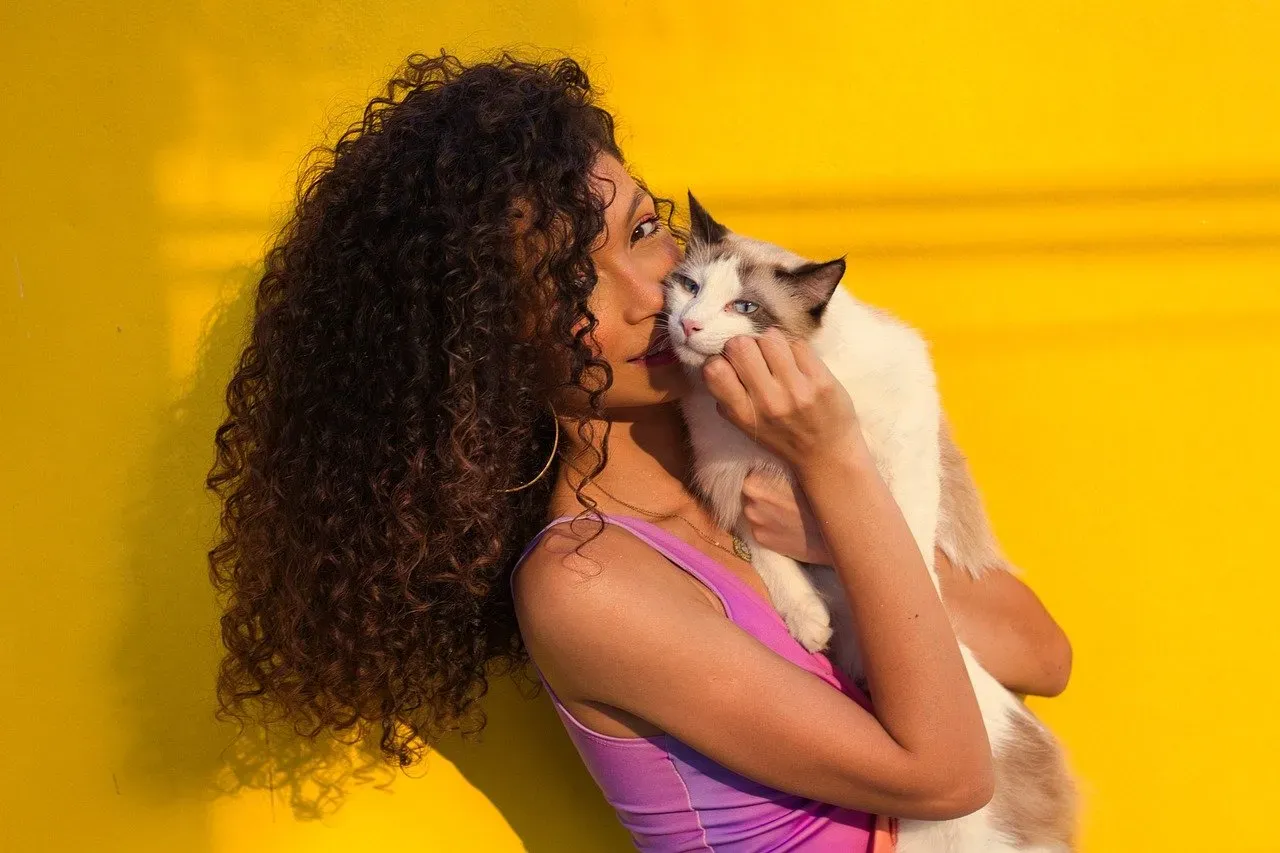
Understanding your cat’s unique language opens up a whole new dimension in your relationship with them. These ten behaviors – from slow blinks to playful pouncing – reveal the emotional landscape of your feline companion. Remember that every cat is an individual with their own personality and ways of expressing happiness.
Your cat’s body language, vocalizations, and behaviors give you lots of information and indicators, though they can be subtle, and by having a better understanding of them you become much more attuned to your cat’s emotions so that you can recognize when something might be wrong sooner rather than later. The more you observe and respond to these signals, the deeper your bond becomes and the happier your cat will be.
What signs of happiness have you noticed in your own cat? Share your observations in the comments below!