Have you ever wondered what goes on inside your cat’s mysterious mind? Those enigmatic creatures sharing your home have been living alongside humans for thousands of years, yet we still misinterpret their signals all the time. Think about it. Your cat gives you what appears to be loving slow blinks, flops over showing their belly, or brings you a dead mouse as a gift, and you’re left scratching your head wondering what they really mean.
Cats are descended from a solitary, territorial ancestor, which explains so much about their quirky behavior. The truth is, your feline friend is constantly trying to communicate with you through body language, vocalizations, and behaviors that often get lost in translation. Let’s dive into what your cat really wants you to know.
We’re Not Just Being Aloof, We Actually Love You
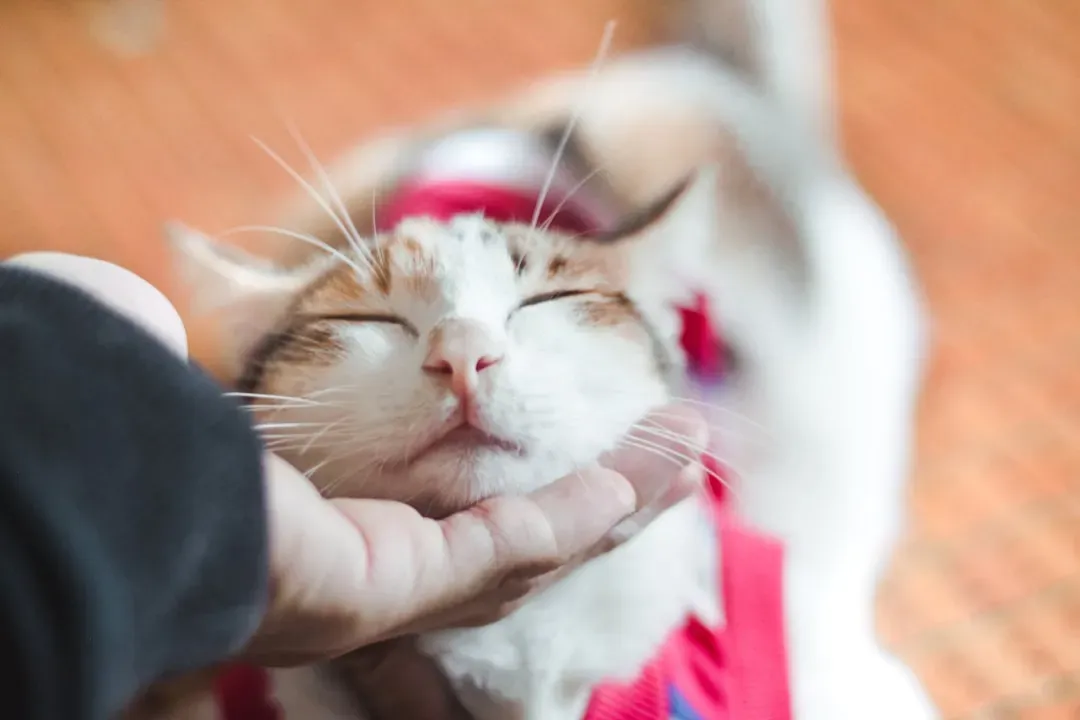
Here’s the thing. Cats really do seem to be distressed from being away from their human buddies. That stereotype about cats being indifferent, solitary creatures who only stick around for the food? It’s complete nonsense, honestly.
Compliance with the interactional “wishes” of the partner is positively correlated between the cats and the humans over all human-cat dyads examined. Your cat mirrors your behavior. If you respect their boundaries and interact when they want to, they’ll do the same for you. It’s a beautiful symmetry that most people never notice because they’re too busy assuming cats don’t care.
That Purr Doesn’t Always Mean We’re Happy
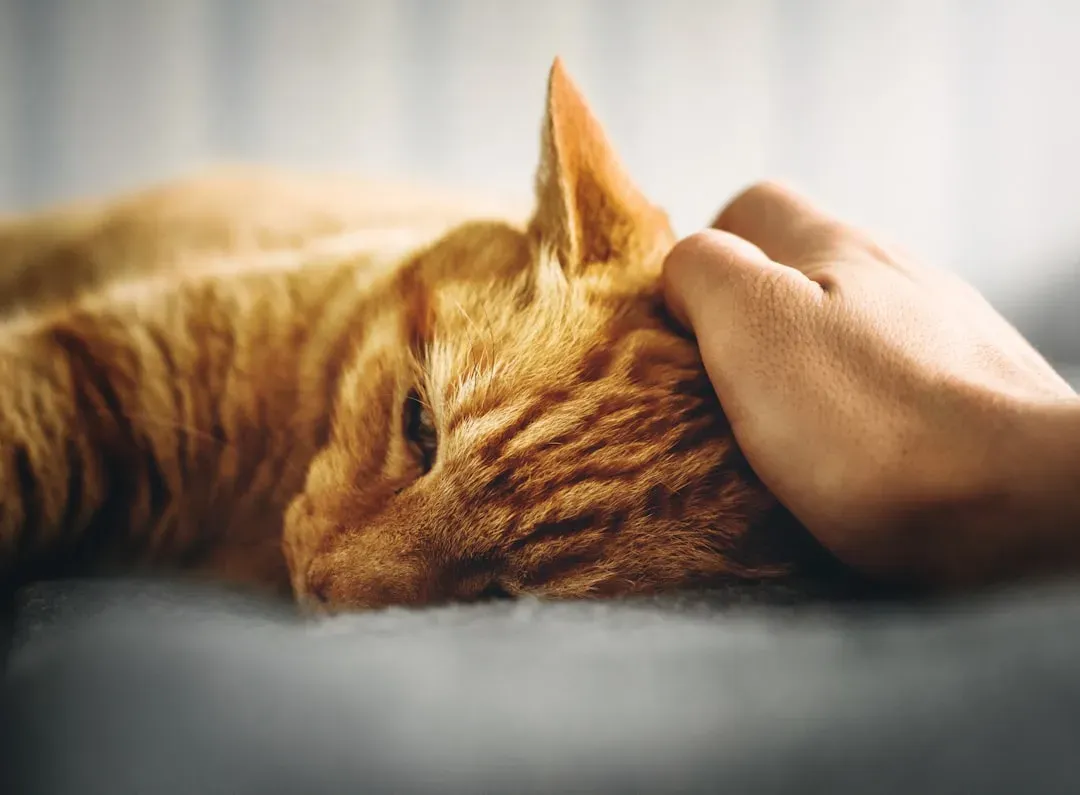
Sometimes cats can purr in stressful situations, such as going to the vet. Shocking, right? We’ve all been conditioned to think purring equals contentment, but your cat might be self-soothing during moments of anxiety or even pain.
The key is context. Look at your cat’s entire body, not just listen to the sound coming from their throat. Are their ears pinned back? Is their body tense? These additional signals tell the real story. It’s important to watch your cat’s body language as well as looking at the context as this is a better indicator of whether they are happy and comfortable.
Our Tail Is Basically a Mood Ring
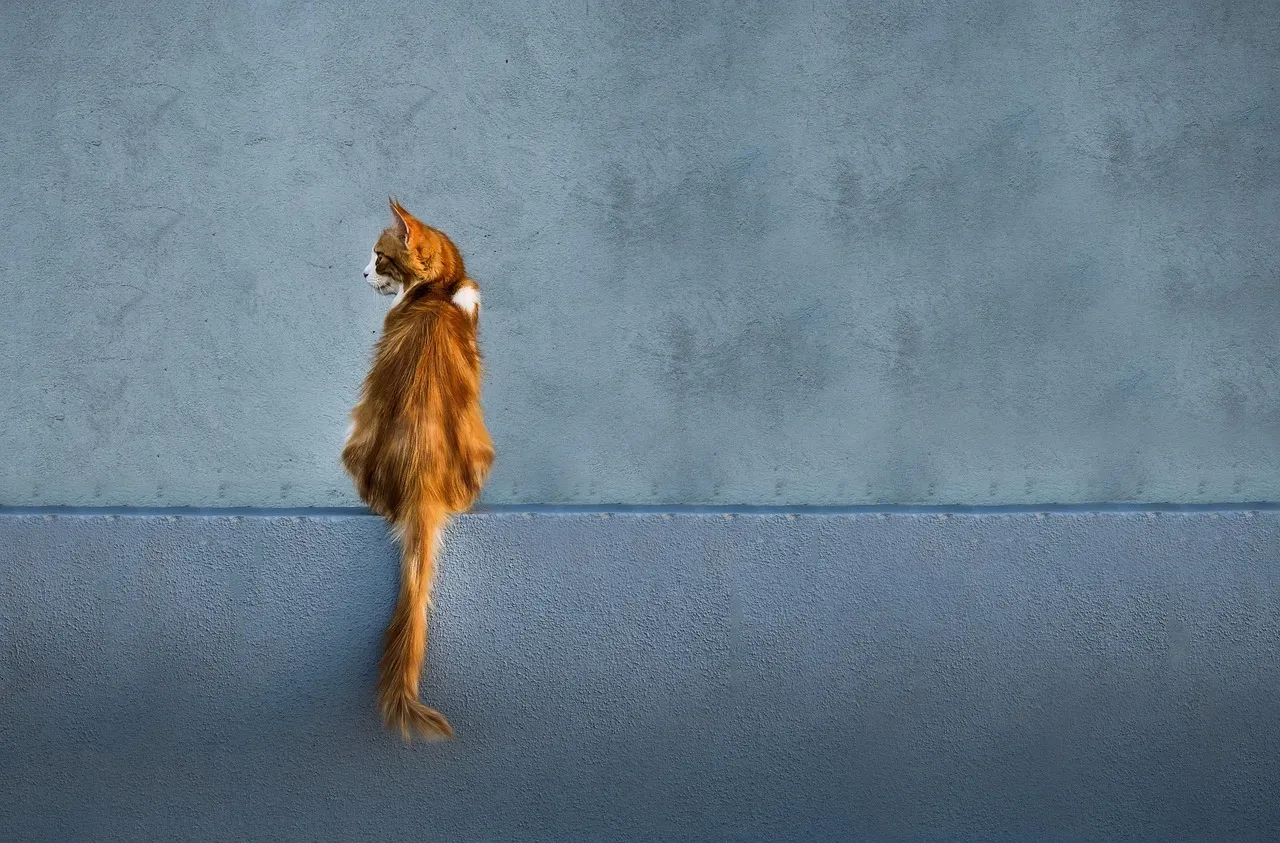
Think of your cat’s tail as a communication antenna broadcasting their emotional state to anyone paying attention. A high tail that’s not puffy means the cat is comfortable around you but a tail that is high and puffy means the cat is upset. Simple enough, yet so many people miss these signals entirely.
There’s more nuance to it, though. If that tail begins wagging faster and more aggressively, almost like a thrash, then that means the cat is getting irritated and you should stop petting. Pay attention when that tail starts switching from side to side because your cat is telling you something important. Ignoring these warnings is how you end up with a frustrated, overstimulated cat and possibly some scratches.
We Speak With Our Whole Body, Not Just Meows
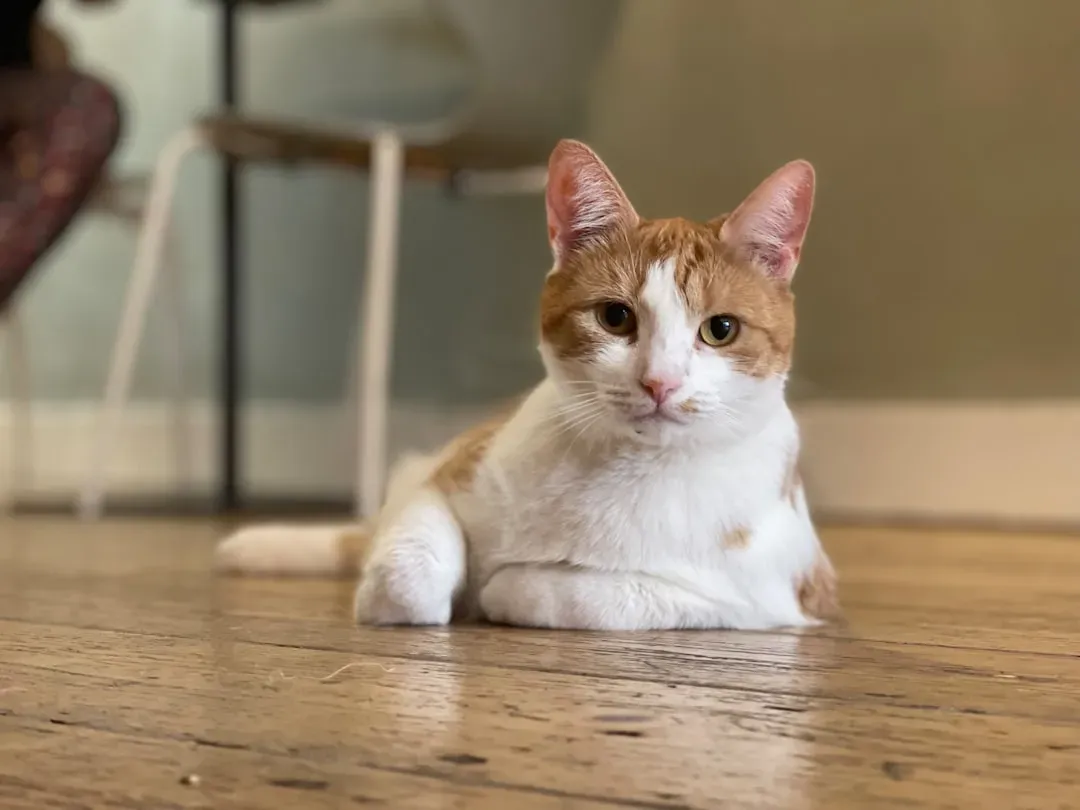
Information emitted by cats as a bimodal signal (visual and vocal) is better understood by humans than visual signals. Translation? You need to watch and listen simultaneously to truly understand what your cat is saying.
Cats have earned a reputation for being hard to read, but it’s not their fault – they just communicate differently than humans. Every twitch of their whiskers, position of their ears, and shift in posture carries meaning. I know it sounds crazy, but cats are constantly having full conversations with us through their bodies. We’re just not fluent in the language yet.
Our Exposed Belly Isn’t Always an Invitation
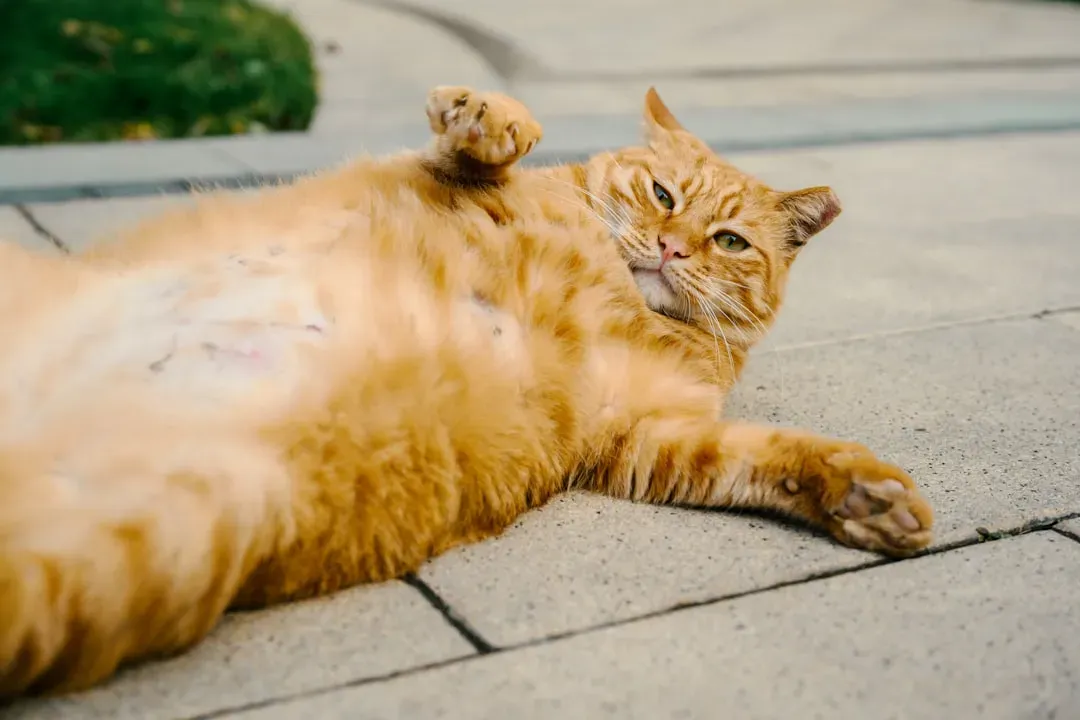
While a cat’s exposed belly may appear inviting and cute, it is not always an invitation for belly rubs. This is probably one of the biggest misconceptions about cats, and it leads to so many scratched hands.
When your cat rolls over and shows their belly, they’re often displaying trust and comfort, not requesting a belly massage. The belly is a vulnerable area, and touching it can trigger a defensive response. Some cats do enjoy belly rubs, but you need to learn your individual cat’s preferences through careful observation. Start slow, watch for signs of tension, and respect their boundaries.
We Experience Simple Emotions, Not Complex Ones Like Guilt
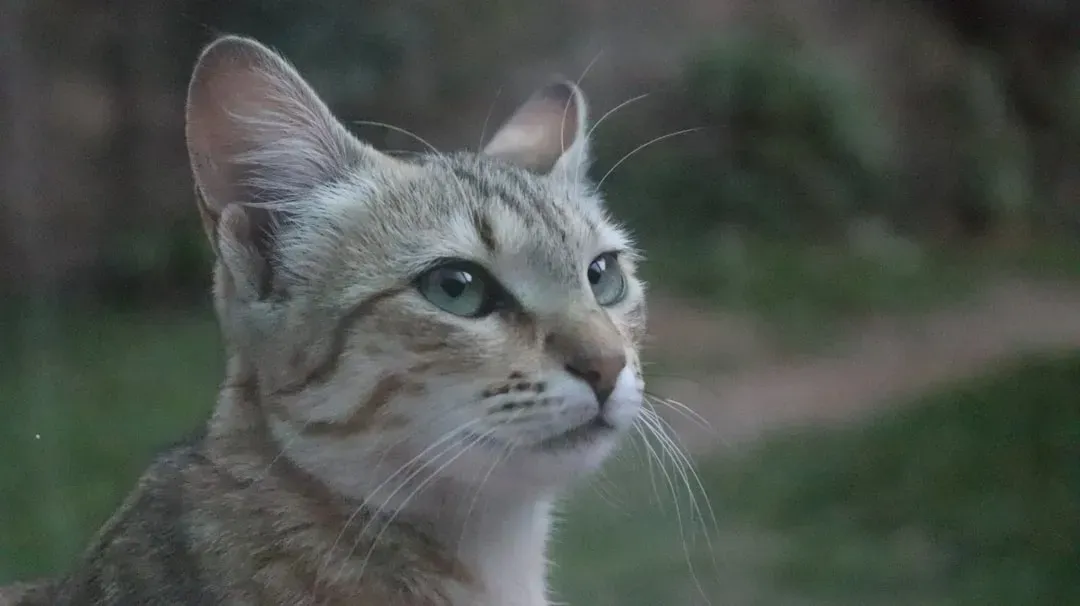
Contrary to what many owners believe, cats are probably incapable of experiencing emotions such as guilt, pride and grief, all of which require a sense of self and/or a concept of past, present and future. So when you come home to find the vase broken and your cat “looking guilty,” they’re actually just reacting to your body language and tone.
Simpler emotions, what we might refer to as ‘gut feelings’, such as anger, affection, fear and anxiety, are generated in the limbic system, which is common to all mammals. Your cat absolutely feels things, just not the same complex emotions we project onto them. Understanding this helps you interact more realistically with your feline companion.
Humans Misread Our Negative Signals Constantly
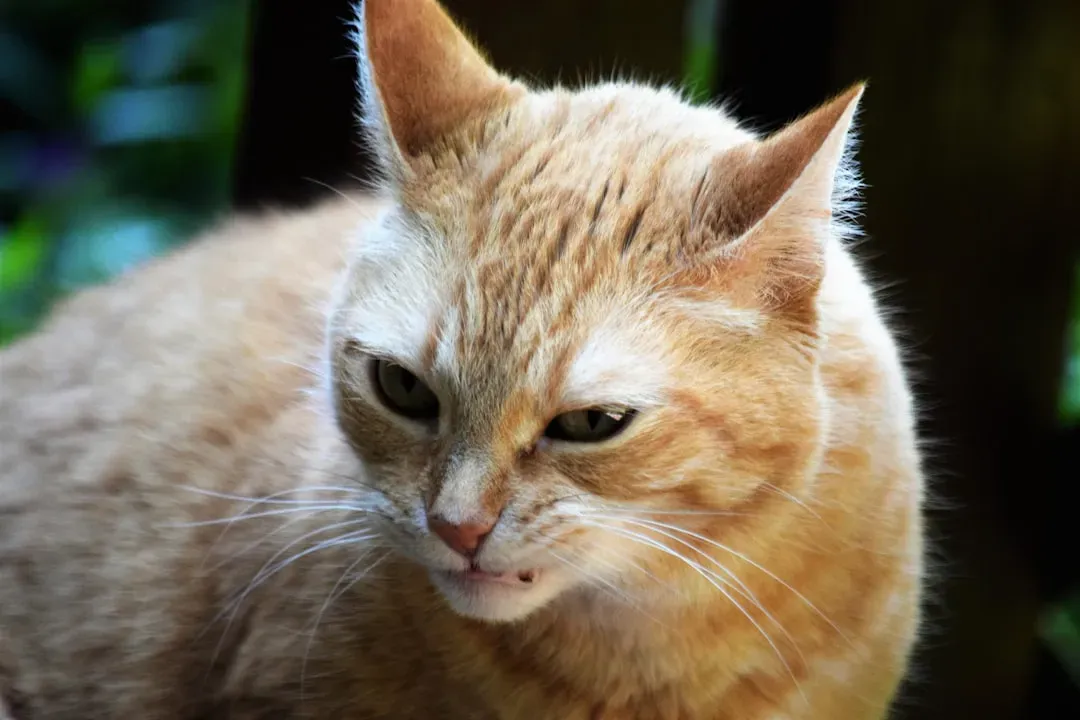
Let’s be real. The researchers showed that we tend to misread cats’ cues indicating negative emotional states like stress, discomfort or threats at an alarming rate of nearly one-third of the time. That’s a lot of miscommunication happening daily in homes everywhere.
Discontentment was the most difficult behaviour to be correctly identified by humans in research studies. Think about what this means. When your cat is trying to tell you they’re uncomfortable, unhappy, or stressed, there’s a good chance you’re completely missing the message. Those flattened ears, dilated pupils, and twitching tails are warnings you need to learn to recognize.
We’re Territorial Beings Above All Else
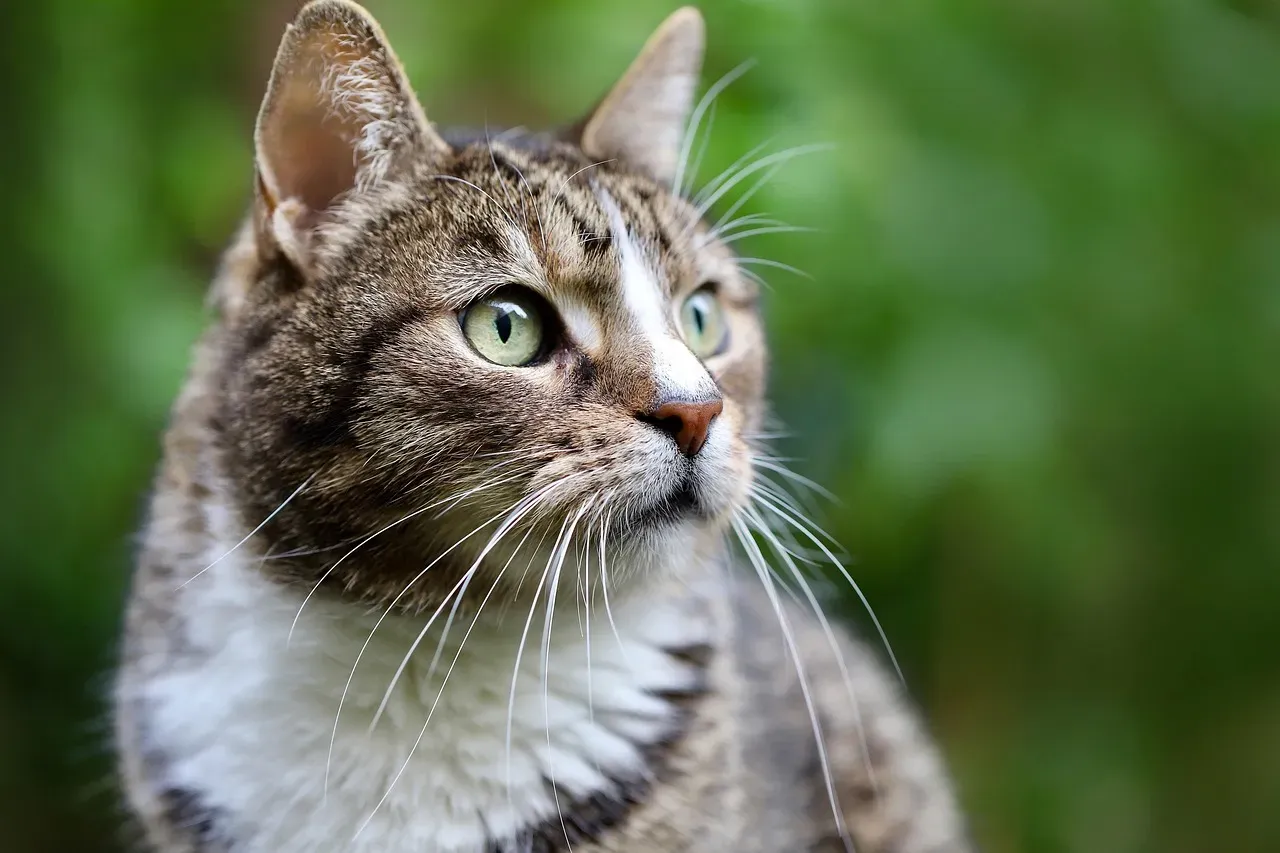
They still place more reliance on the security of their territory than on psychological attachments to people or other cats, the exact opposite to dogs. This fundamental difference explains so much about feline behavior that confuses dog people.
Many feline problem behaviours stem from perceived threats to this security, often due to conflicts with other cats. That’s why introducing a new cat or moving to a new home can be so stressful. Your cat isn’t being difficult; they’re responding to a perceived threat to their safe space. Understanding this territorial nature helps you create an environment where your cat feels secure and confident.
Our “Gifts” Are Actually Compliments
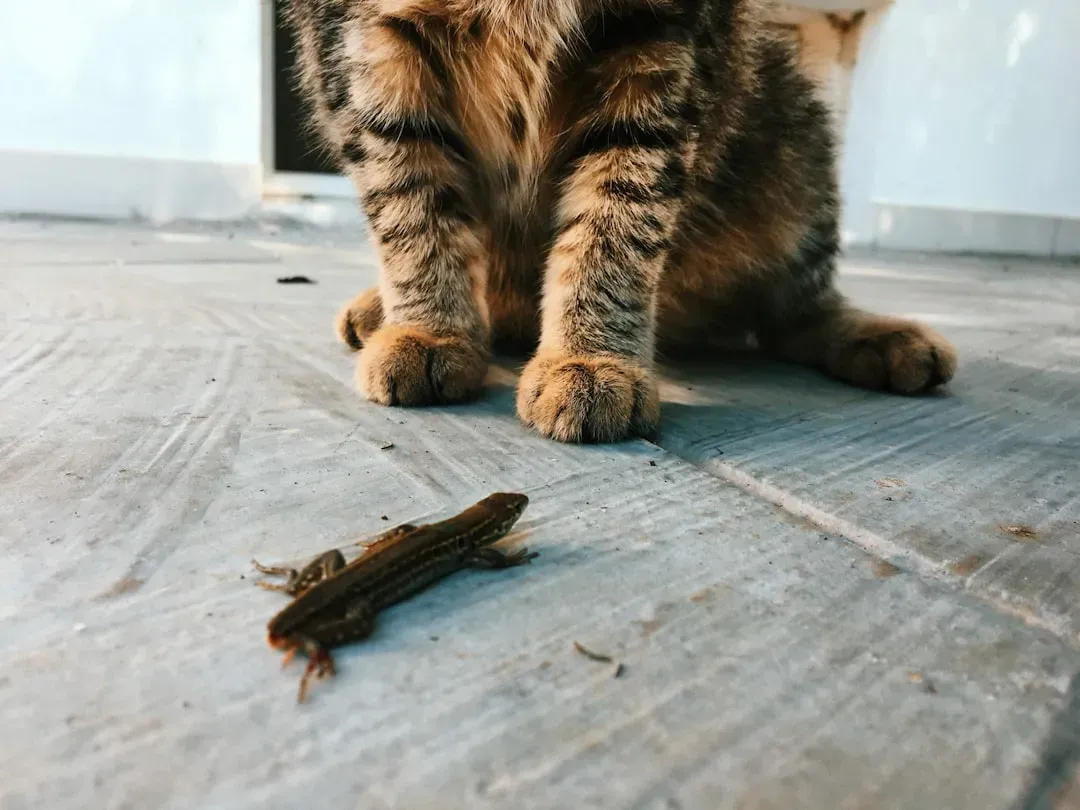
This behavior is a way for cats to show their affection and regard their human family as part of their pack. Yes, that dead bird on your doorstep is actually a sign of love, not a threat or a gross-out attempt.
Your cat has hunting instincts hardwired into their brain, and when they bring you their prey, they’re essentially saying you’re part of their family group. They want to contribute to the household and ensure you’re well-fed. I know it’s hard to appreciate a dead mouse at six in the morning, but try to see it from their perspective. It’s honestly one of the highest honors a cat can give you.
Every Cat Has a Different “Petting Threshold”
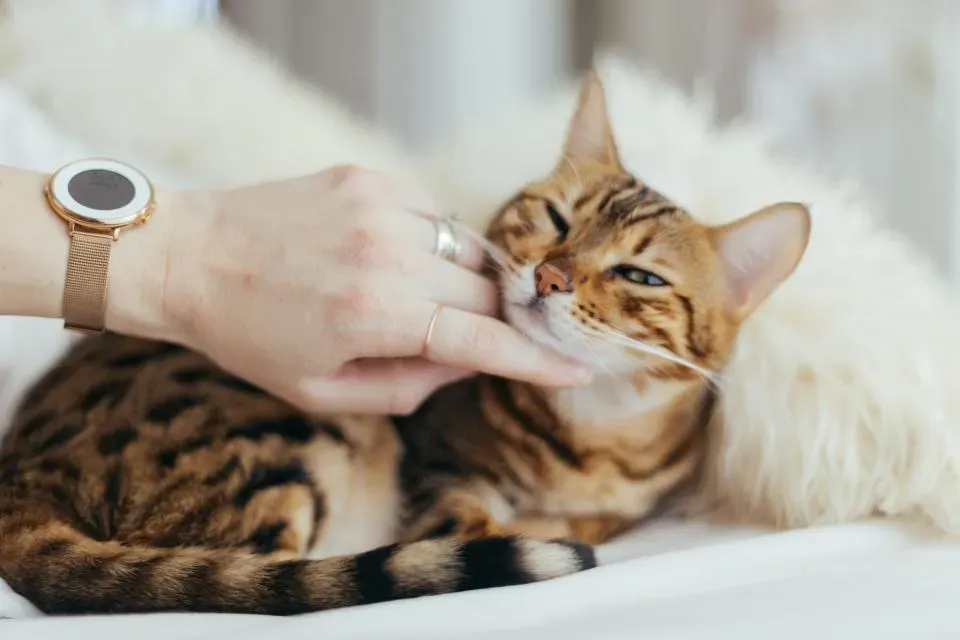
Every cat has a different “petting threshold” meaning that some cats don’t mind being pet for a really long time and other cats only want a few minutes worth of petting before they are done. This is something every cat owner needs to understand intimately about their individual cat.
Your cat isn’t being temperamental or moody when they suddenly bite after you’ve been petting them for several minutes. They’ve simply reached their limit, and if you’d been paying attention to their body language, you would have seen the warnings. If you pay attention to what the cat is trying to tell you before they resort to these behaviors everyone will be better off – you and the cat. Learning your cat’s unique tolerance level for physical affection is crucial for a harmonious relationship.
Conclusion
Understanding your cat isn’t about becoming a mind reader. It’s about paying attention, learning the subtle language they’ve been speaking all along, and respecting their unique feline nature. If we make a point of observing its behavior, mutual understanding is entirely possible.
The cats in our lives are trying their best to communicate within a relationship that crosses species boundaries. They’ve adapted to living with us for thousands of years, and honestly, they’ve done a pretty remarkable job. The least we can do is put down our phones, watch them carefully, and truly listen to what they’re saying. What surprised you most about what your cat wishes you knew? Share your thoughts in the comments.