Your feline friend depends on you for pretty much everything. From food to shelter to playtime, you’re the center of their world. Yet even the most devoted cat parents sometimes fall into traps that can harm their furry companions without even realizing it.
Cats are curious, complex creatures with specific needs that don’t always align with what seems intuitive to us humans. Some behaviors we think are harmless, or even loving, can actually stress them out or put their health at risk. Think you’re doing everything right? You might be surprised by what’s on this list. Let’s dive in and explore the most common mistakes that could be making your cat’s life harder than it needs to be.
1. Skipping Regular Vet Checkups
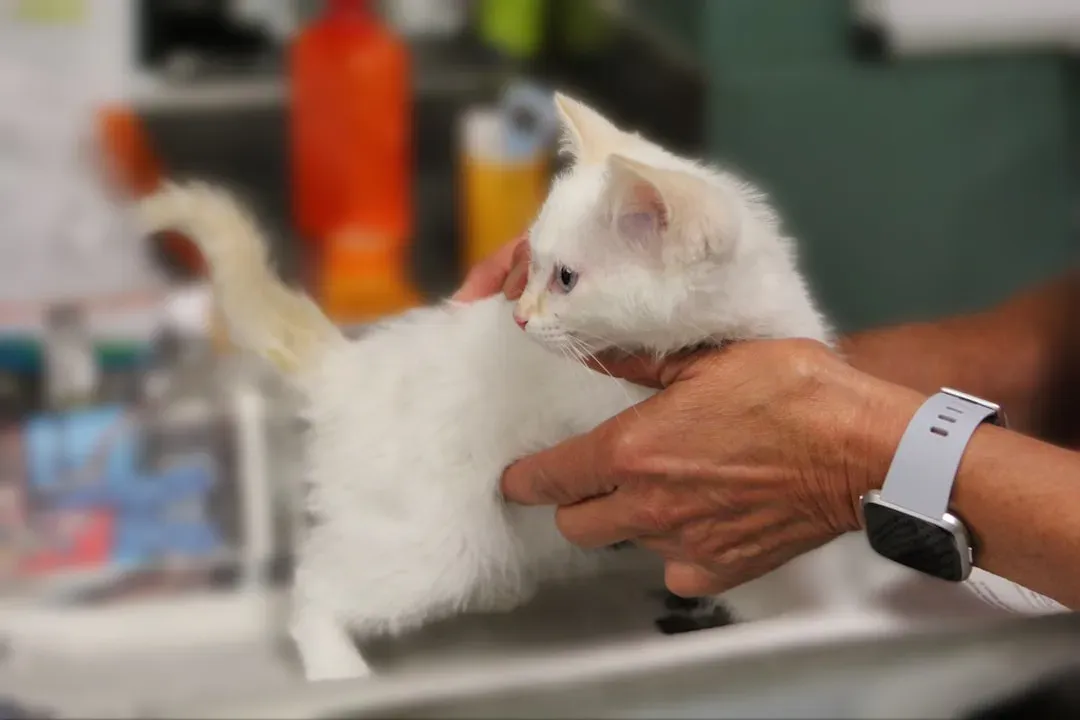
Even indoor cats need regular checkups, allowing the vet to evaluate their coat, ears, teeth, eyes, skin, blood work, weight, and other health concerns. It’s tempting to think that because your cat seems healthy and never goes outside, you can skip those yearly visits. Let’s be real though, cats are masters at hiding pain and illness. By the time symptoms become obvious to you, a treatable condition might have progressed into something far more serious.
Ignoring regular checkups can allow hidden illnesses to go unnoticed, which will only increase your pet’s problems and your expenses down the line. Think of it as preventive maintenance for your best friend. Early detection of dental disease, kidney issues, or diabetes can make all the difference in your cat’s quality of life and longevity. Schedule that appointment and stick to it. Your cat will thank you later, even if they hate the carrier right now.
2. Feeding a Plant-Based Diet
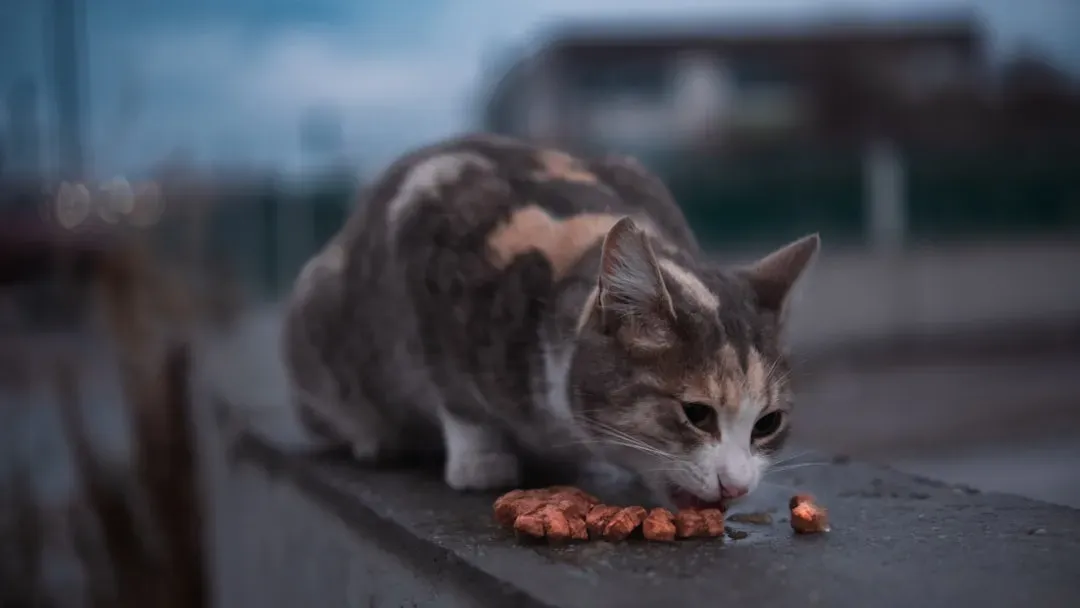
Here’s the thing about cats: they’re obligate carnivores. Cats are true carnivores, and their systems aren’t designed to digest plant-based food. Their bodies evolved to process meat, not vegetables or grains. Unlike dogs who can adapt to various diets, cats require specific nutrients found almost exclusively in animal tissue, like taurine and arachidonic acid.
A grain-free, meat-based diet is recommended for cats so they can get the protein they need. Trying to impose your personal dietary choices onto your cat isn’t just ineffective; it’s potentially dangerous. Nutritional deficiencies can lead to serious health problems including heart disease and blindness. If you’re concerned about ethical sourcing, there are brands that use responsibly raised proteins, so you can feel good about what you’re feeding without compromising your cat’s health.
3. Bringing Toxic Plants Into Your Home
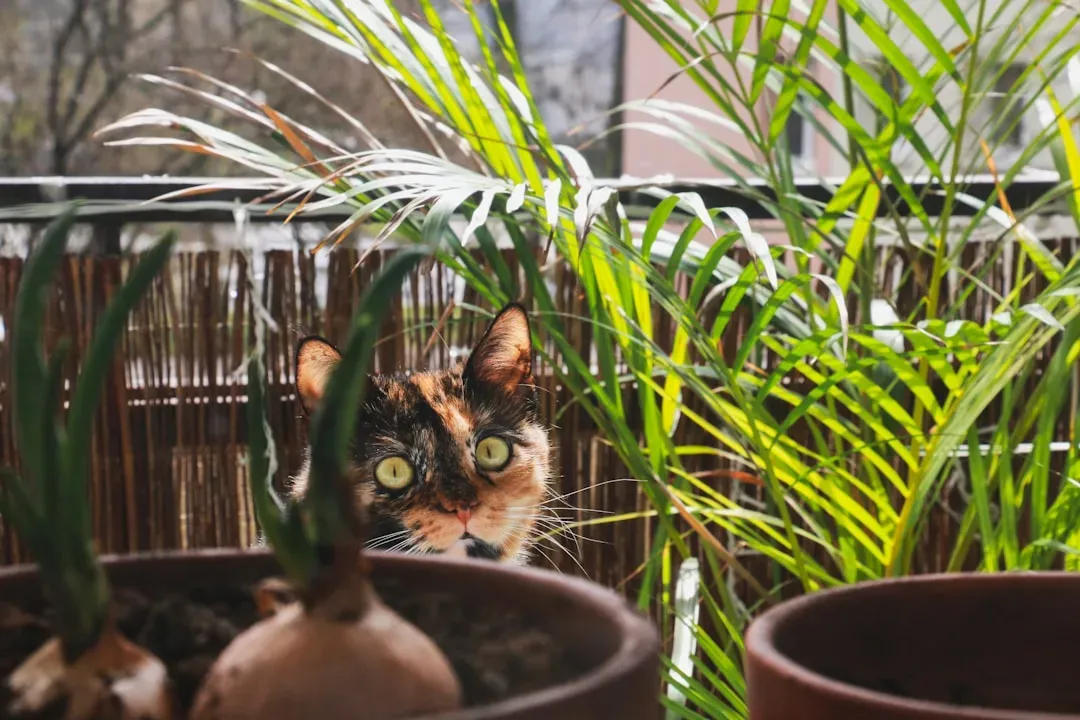
Those lilies might look beautiful on your coffee table, but the American Society for the Prevention of Cruelty to Animals lists hundreds of plants that are toxic to cats. Honestly, I know it sounds crazy, but even a tiny nibble or contact with pollen can be life threatening. Lilies in particular are incredibly dangerous, with every part of the plant capable of causing kidney failure in cats.
Other common household plants like pothos, philodendron, and aloe vera can also cause problems ranging from mouth irritation to severe digestive issues. Before buying a plant, check to make sure it isn’t toxic. Better yet, opt for cat-safe alternatives like spider plants or Boston ferns. Your home can still look gorgeous without putting your curious kitty at risk.
4. Overfeeding and Free-Feeding

A whopping sixty percent of American cats are overweight or obese. That adorable chubby belly might seem cute, but obesity in cats is a genuine health crisis. It’s one of those things where loving your cat too much can actually hurt them. Every time they meow pitifully at their food bowl, it’s tempting to top it off, but this habit creates serious problems.
An overfed cat will get fatter, turn less active, and become prone to sickness, including diabetes, cardiovascular disease, and even cancer. Portion control matters. Measure out your cat’s daily food allowance based on their ideal weight and activity level, then stick to scheduled meal times instead of leaving food out all day. Your cat might protest initially, but you’re adding years to their life.
5. Punishing Bad Behavior
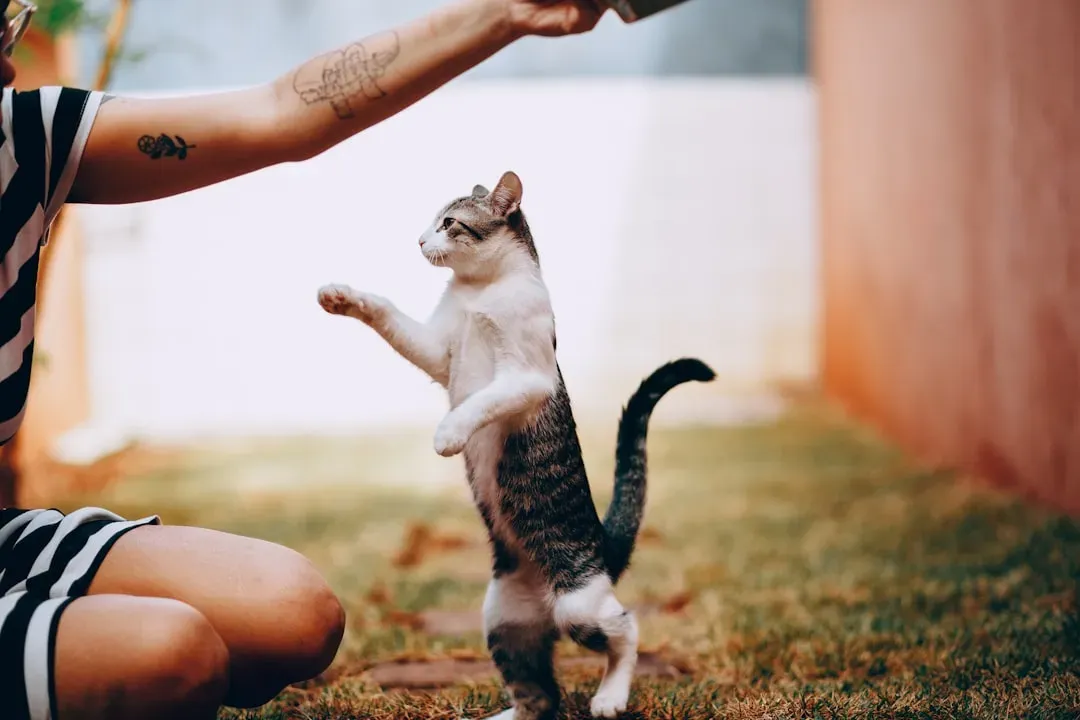
Punishment-based training is never a good idea with kitties, as punishing your fur friend will only result in a lack of trust between you. Cats don’t understand punishment the way dogs sometimes do. Yelling at them or worse, physically correcting them, just makes them scared of you. They won’t connect your anger with whatever they did wrong five minutes ago.
Instead, positive reinforcement works wonders. Punishment should be avoided because it can cause your cat to become scared of you and will stop the undesirable behavior only when you are present. Redirect unwanted behaviors and reward the good ones. If your cat scratches the furniture, place a scratching post nearby and praise them when they use it. Building trust and using treats creates a much happier household for everyone involved.
6. Neglecting Dental Care
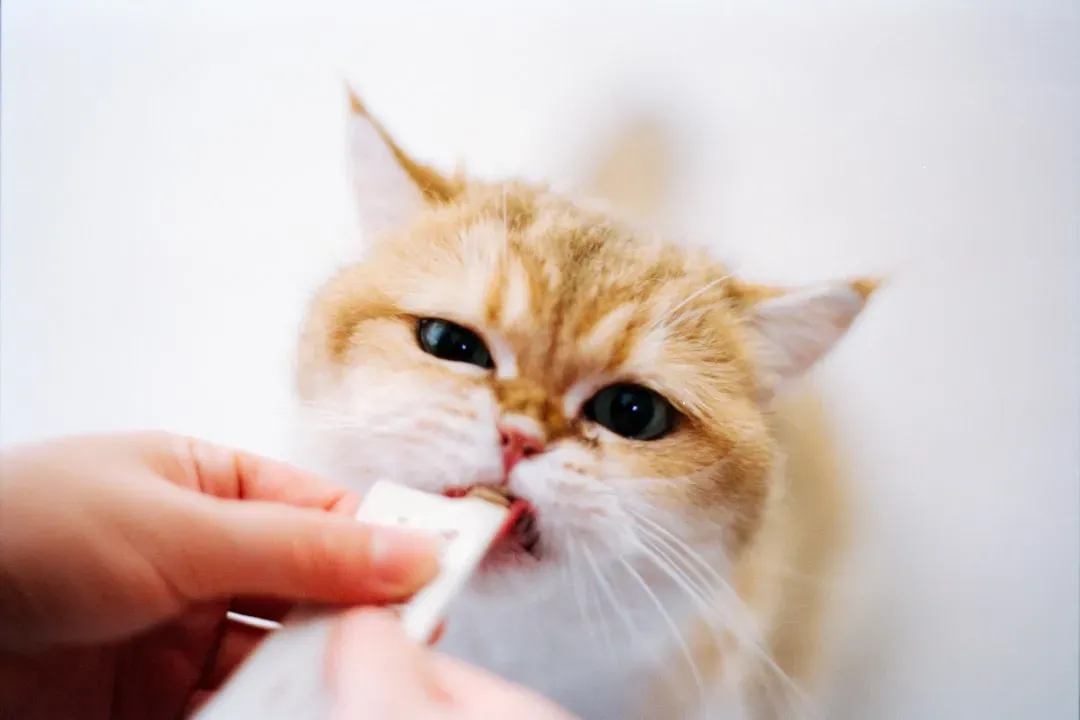
Another mistake cat owners make is not caring for their cat’s oral hygiene, as a dirty mouth and teeth can put cats at risk of various dental diseases. I’ll admit, brushing your cat’s teeth sounds absurd at first. But dental disease is one of the most common health problems in cats, leading to pain, infection, and even organ damage when bacteria enters the bloodstream.
Brushing is the best way to control plaque on your pet’s teeth, and cats tend to accept brushing more readily if it’s started when they’re young. Even if your cat is older, it’s never too late to begin a gentle routine. Start slowly with a finger brush and pet-safe toothpaste. Your vet can also perform professional cleanings under anesthesia to remove tartar buildup. Healthy teeth mean a healthier, happier cat overall.
7. Not Providing Enough Litter Boxes
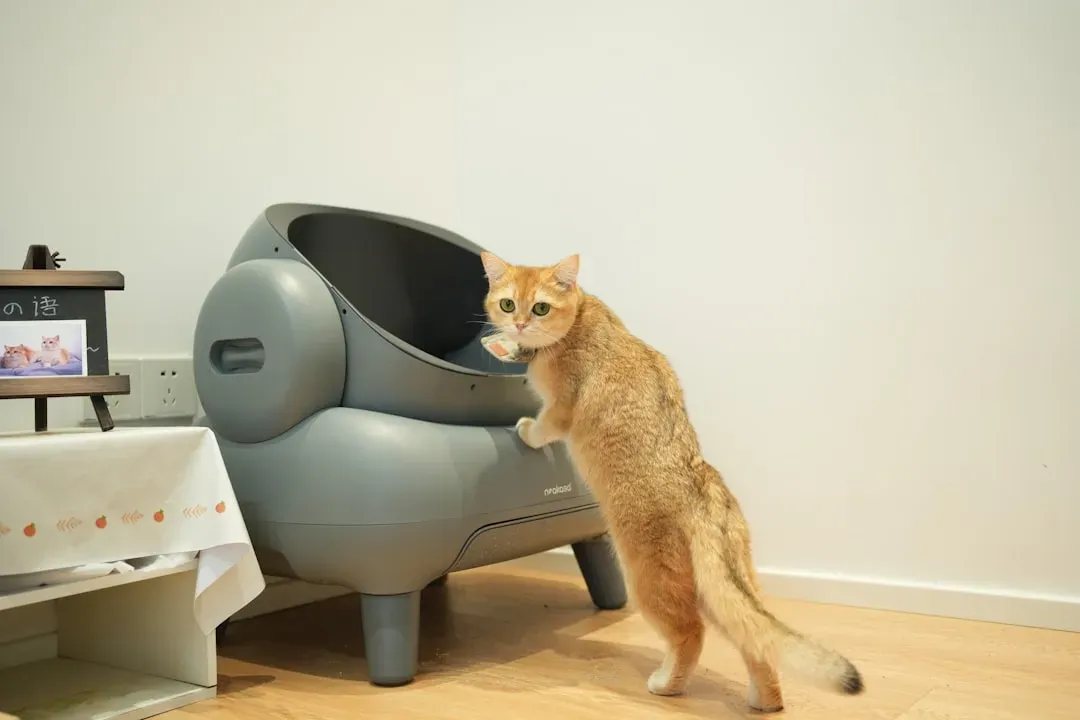
You might think one litter box is sufficient, but cats are incredibly particular about their bathroom habits. The one-plus-one rule means one box per cat plus one extra to prevent elimination issues and territorial stress. Cats are territorial creatures who value cleanliness, and sharing a single dirty box can cause them to avoid it entirely.
Cats are very clean animals and they hate dirty smelly litter boxes, making them more likely to do their business on the floor if the box isn’t clean enough. Place litter boxes in quiet, accessible locations around your home. Scoop them daily and do a complete change regularly. If your cat suddenly stops using the box, it’s often a cry for help about either the box’s condition or a potential health issue like a urinary tract infection.
8. Letting Them Go Outdoors Unsupervised
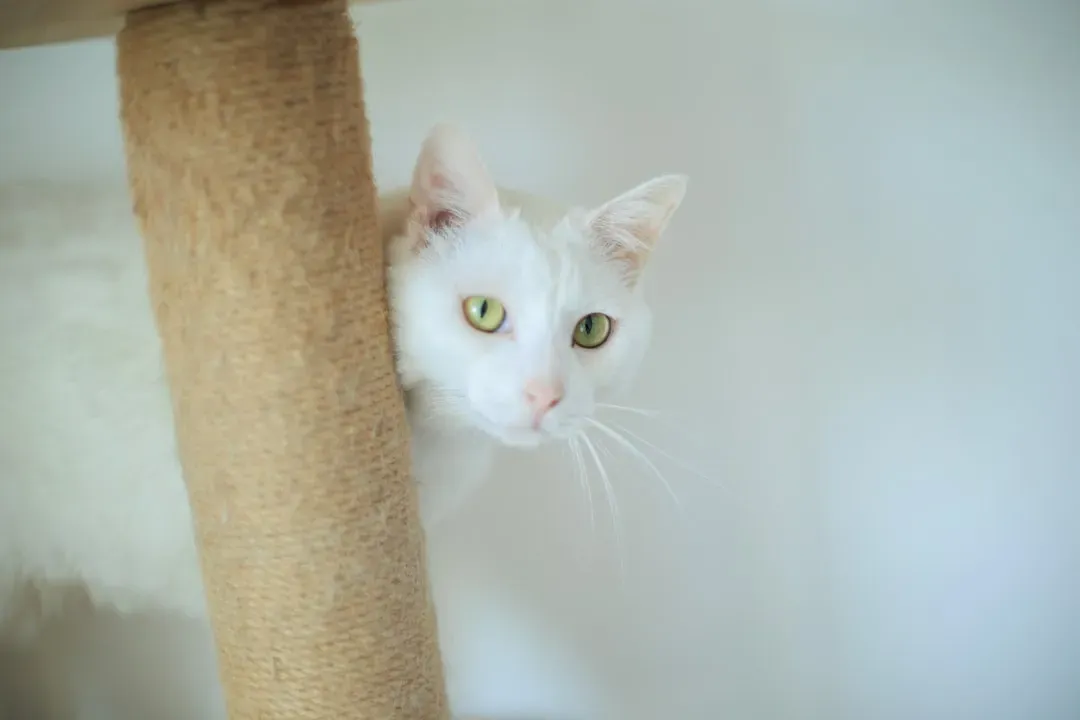
Because of dangers such as other animals and cars, outdoor cats often live less than five years, compared to indoor cats who live closer to eighteen or twenty years. The difference is staggering. While cats certainly enjoy exploring, the outdoor world poses countless threats: vehicles, predators, diseases, parasites, and toxic substances.
The outdoors presents significant risks to cats including traffic, predators, and diseases, so keep your cat inside to keep them safe. If your cat craves outdoor time, consider building a catio or training them to walk on a harness and leash. These options let them experience fresh air and new sights without the life-threatening dangers. Your cat might seem disappointed initially, but indoor living dramatically increases their lifespan.
9. Ignoring Changes in Behavior
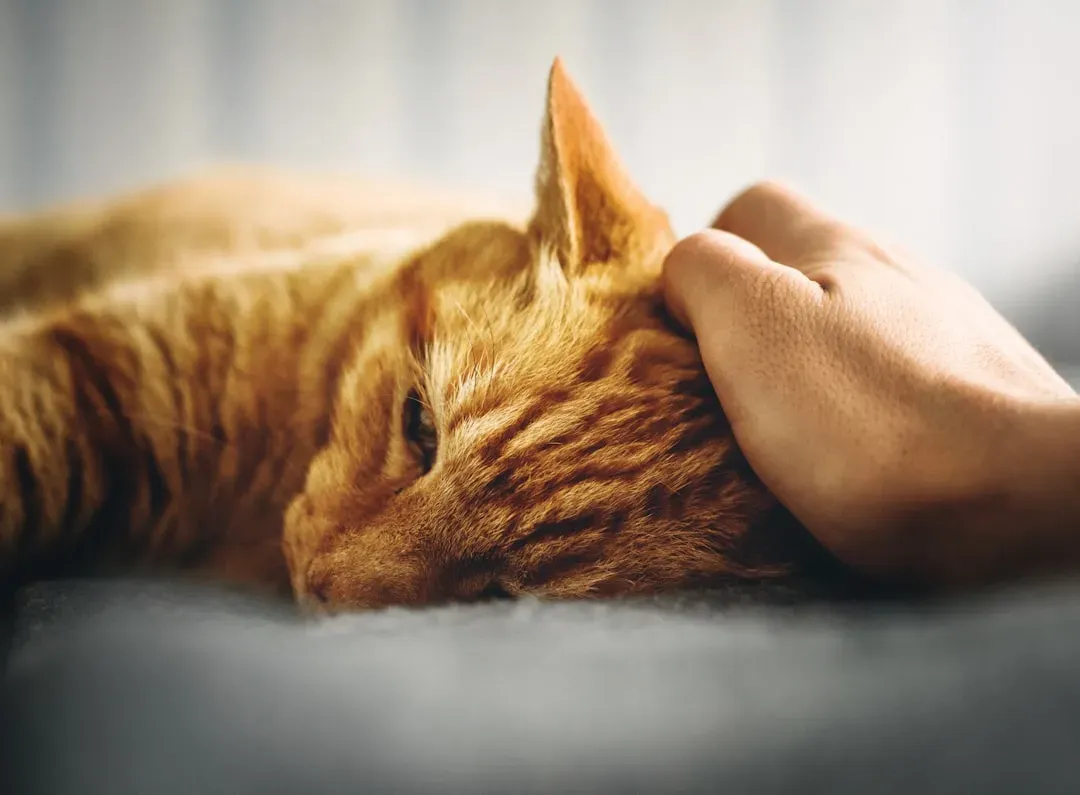
Learning to spot signs of pain is essential to becoming a fur parent, particularly for cats because they aren’t the most expressive creatures when it comes to their discomforts. Cats instinctively hide illness as a survival mechanism from their wild ancestors. That means when your cat finally shows obvious signs of being unwell, they’ve likely been suffering for a while already.
Keeping an eye out for sudden changes in the cat’s behavior is crucial – if they’re meowing more than normal, hiding more often, stopping grooming, or no longer eating, you may want to visit your vet immediately. Any deviation from normal routines deserves attention. Is your social cat suddenly avoiding you? Are they sleeping more than usual? These subtle shifts often signal underlying health problems that need prompt veterinary care.
10. Not Providing Mental Stimulation
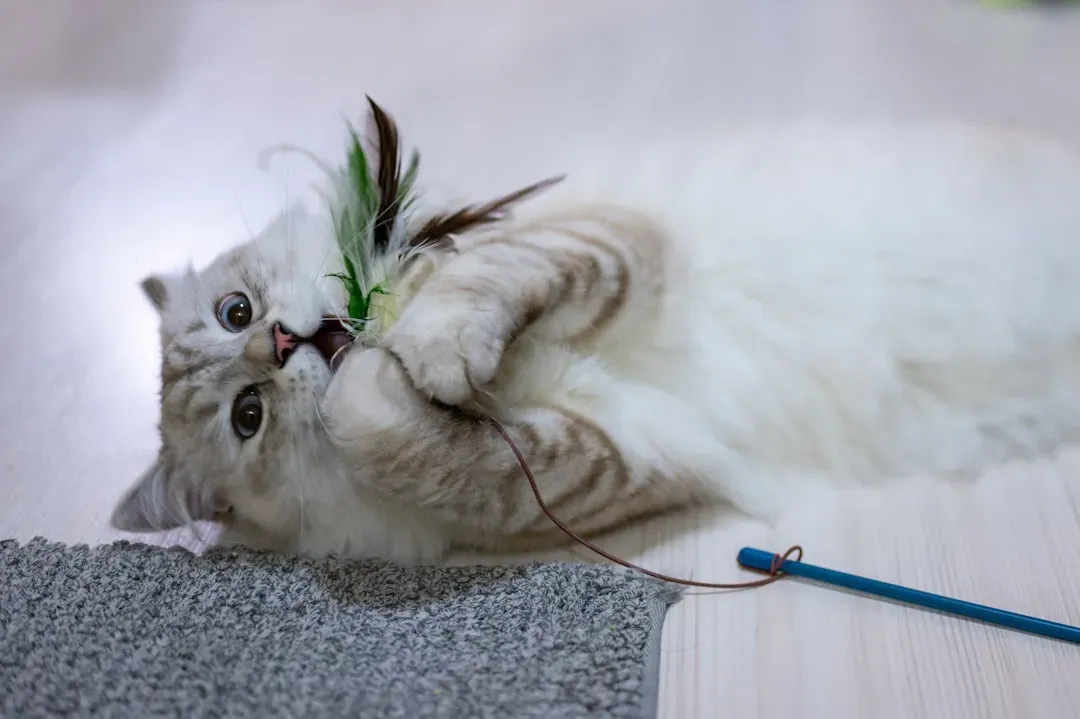
Even the most docile cat needs plenty of environmental enrichment, and a lack of stimulation is a fatal mistake many cat owners can make without realizing it. Boredom isn’t just unpleasant for cats; it actively harms them. Without proper stimulation, cats can develop destructive behaviors, aggression, depression, or obsessive grooming that leads to skin problems.
Play with your cat multiple times every day for ten to fifteen minutes per session, and create vertical space by setting up cat trees throughout your home so your furry friend can climb and play. Interactive toys, puzzle feeders, window perches, and regular play sessions keep your cat’s mind sharp and body active. Rotate toys to keep things interesting. Your cat’s wild instincts need an outlet, and providing that outlet prevents behavioral problems while strengthening your bond.
Conclusion
Loving your cat means more than cuddles and treats. It requires understanding their unique needs and avoiding common pitfalls that can compromise their health and happiness. From proper nutrition and dental care to mental stimulation and safe environments, these considerations might seem overwhelming at first. Still, most become second nature once you establish good routines.
The wonderful thing about cats is that they don’t ask for much. They just need you to be informed and attentive. By avoiding these mistakes, you’re setting up your feline companion for a longer, healthier, and more fulfilling life. What surprised you most on this list? Sometimes the things we think are harmless turn out to matter more than we ever imagined.