You’ve made the smart choice to keep your cat indoors. They’re safe from traffic, predators, and harsh weather conditions. So your job is done, right? Here’s the thing, though: keeping a cat indoors isn’t quite the simple solution many people assume it is.
While you’re protecting your feline companion from outdoor hazards, you’re also creating a completely different set of challenges that rarely get talked about. Many cats who live only indoors do not have their essential environmental needs met. There’s a whole world of considerations that go beyond food, water, and a litter box. Let’s dive into the surprising realities of indoor cat life that most owners discover too late.
Your Cat Might Actually Outlive Your Next Two Relationships
When you adopt an indoor cat, you’re signing up for a seriously long commitment. Indoor cats typically live around 12 to 18 years, whereas outdoor cats can experience threats that shorten their lifespan to just 2 to 5 years. That’s a massive difference. Some cats push well beyond eighteen years, too.
The world record holder for oldest cat on record, adorably named Creme Puff, lived to be a whopping 38 years old. While that’s exceptional, it highlights just how long your furry companion could be around. You need to plan for the long haul when it comes to vet care, finances, and lifestyle adjustments. That kitten you adopted in college could still be meowing at you when you’re celebrating your fortieth birthday.
They’re Basically Unemployed Predators With Nothing to Hunt
Cats aren’t that far away from their roots as a predator on top of the food chain. Your indoor cat still has all those hunting instincts hardwired into their brain. The problem is, there’s nothing to hunt except maybe that dust bunny under the couch.
Without an outlet for these natural behaviors, cats can develop serious problems. Indoor cats with poor enrichment are more likely to develop obesity, stress-related disease, and behavior problems such as inappropriate elimination and overgrooming. Think about it: you’ve got a tiny apex predator living in your apartment with absolutely no prey to chase. That pent-up energy has to go somewhere, and it often manifests in ways you won’t appreciate, like midnight zoomies or shredded furniture.
Boredom Is Actually a Health Crisis
Honestly, most people don’t realize that a bored cat is an unhealthy cat. Boredom and obesity are described as “very common” in indoor cats and linked to medical and behavioral issues. It’s not just about keeping them entertained; it’s about their physical and mental health.
Stress and behavioral issues can also develop when an indoor cat lacks adequate mental and physical stimulation. Some cats may exhibit territorial aggression, excessive vocalization, or anxiety-driven behaviors like urinating outside the litter box. Depression, destructive behavior, and weight gain all stem from the same root problem: your cat’s environment isn’t stimulating enough. You can’t just expect them to lie around all day and be okay with it.
They Need Way More Than Just Toys Lying Around
Here’s where many cat owners get it wrong: they buy a few toys, toss them on the floor, and think they’ve done their duty. Cats get bored easily, so it’s important to offer a variety of different toys for them to play with. Simply having toys available isn’t enough.
Your cat needs active engagement. Playtime is crucial for keeping an indoor cat mentally happy, physically healthy, and content to be inside. Make a habit of playing with your cat for at least 10 minutes a day. Interactive play with wand toys that mimic prey behavior makes a huge difference. Rotating toys weekly keeps things fresh. Food puzzles that make your cat work for their meals tap into those hunting instincts in a productive way.
The Litter Box Situation Is More Complex Than Anyone Admits
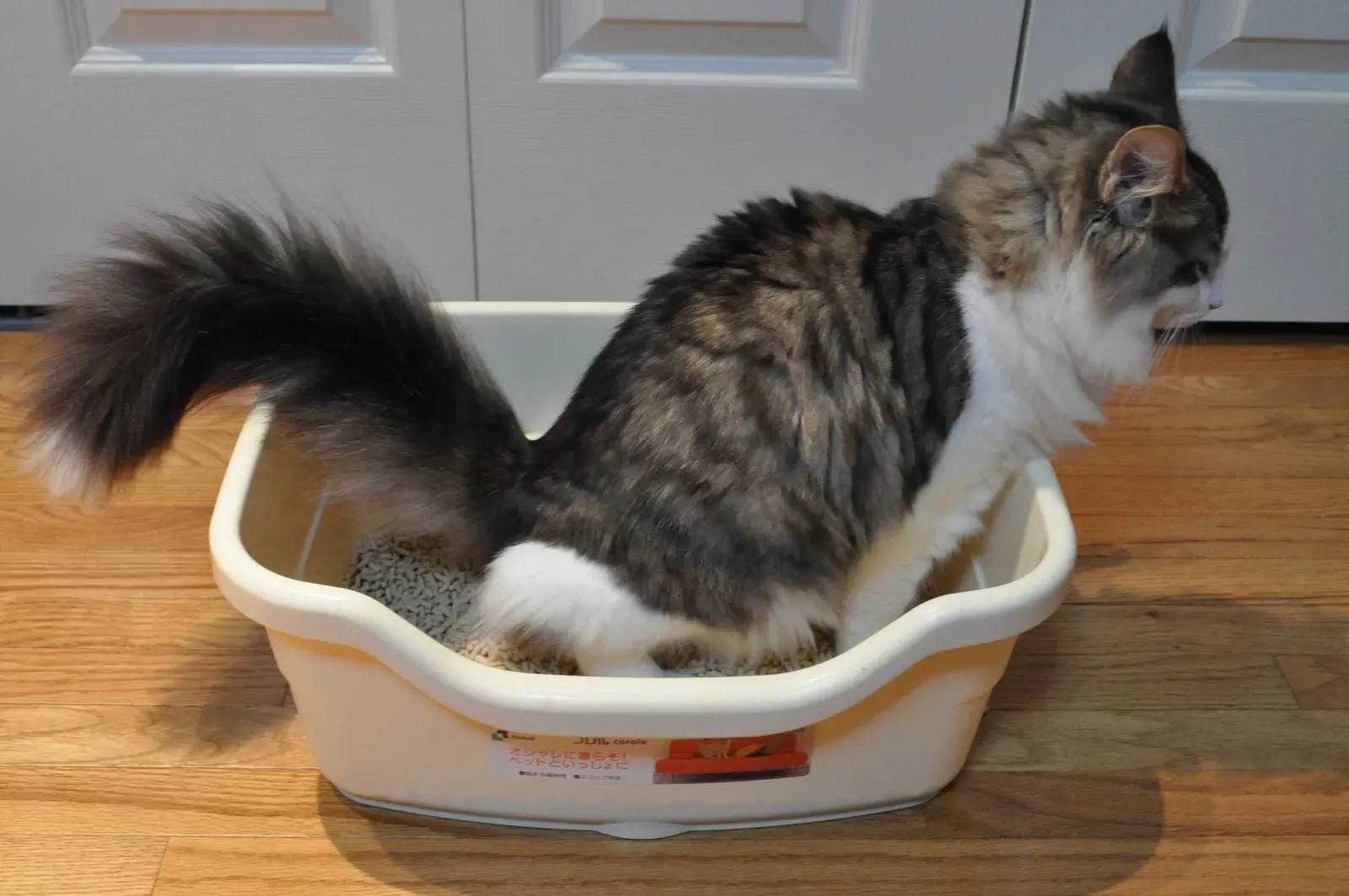
Let’s be real: nobody enjoys talking about litter boxes. There’s actually a formula you should follow, though. The one-plus-one rule (one box per cat plus one extra) prevents elimination issues and territorial stress. That means if you have one cat, you need two litter boxes.
Litter boxes should be kept clean. That means scooping twice a day, cleaning and changing litter weekly and buying a whole new box yearly. Most people don’t scoop twice daily, which can lead to cats refusing to use the box. The location matters, too. Boxes tucked away in noisy laundry rooms or high-traffic areas create stress. Your cat needs privacy and quiet when doing their business, just like you do.
Indoor Cats Can Still Be Escape Artists
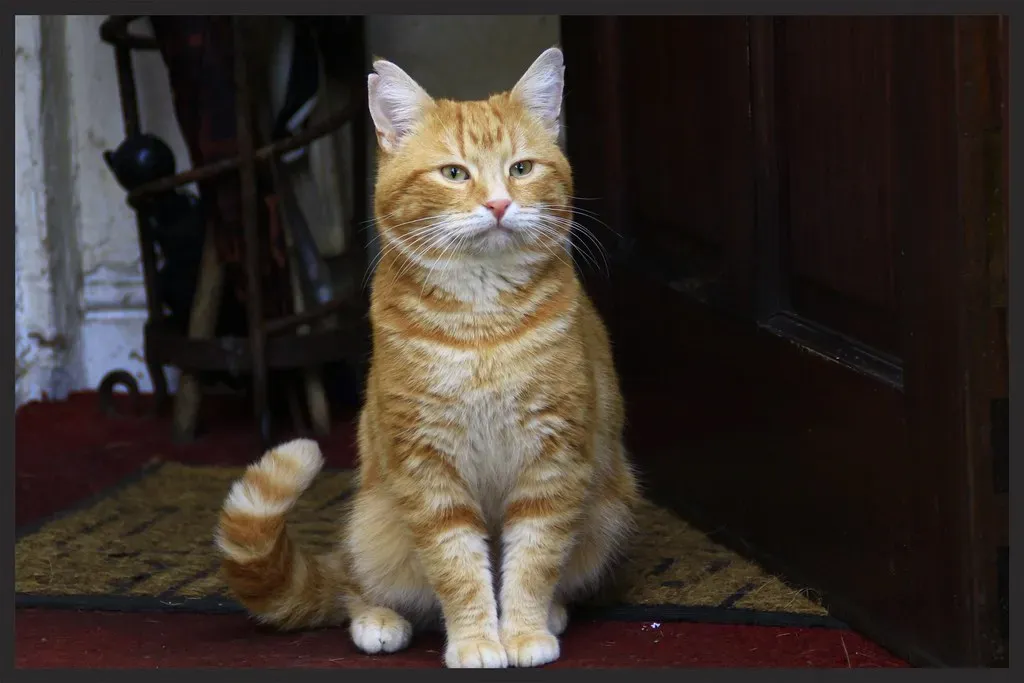
You might think your indoor cat has no interest in the outside world. Think again. Indoor cats are generally safer but can still face risks if they escape. A cat used to living inside may panic outside, struggling with new surroundings. An indoor cat who suddenly finds themselves outdoors is in serious danger.
They don’t have the street smarts of outdoor cats. They may bolt in fear, hide somewhere inaccessible, or wander into traffic. Some indoor cats become obsessed with doorways, waiting for any opportunity to slip out. You need to be vigilant about doors, windows, and screens. Training family members and guests about cat containment becomes essential. One moment of carelessness can lead to a heartbreaking search for a lost cat who’s completely unprepared for outdoor survival.
Weight Gain Happens Faster Than You’d Expect
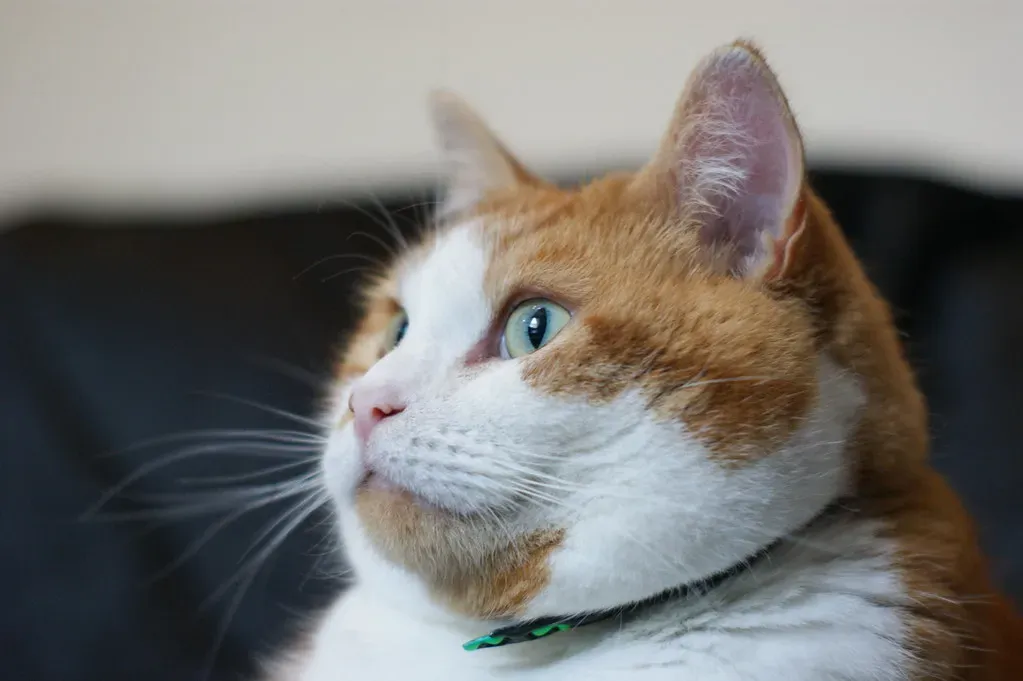
One of the most common health concerns for indoor cats is obesity. Without the natural exercise that outdoor cats get from climbing, chasing, and hunting, indoor cats are at a higher risk of weight gain, diabetes, and joint problems. It sneaks up on you because it happens gradually.
Free-feeding leads to obesity in 60% of domestic cats. That’s a staggering number. Your cat’s adorable chubby belly isn’t just cute; it’s a ticking health time bomb. Portion control becomes absolutely critical for indoor cats. You need to measure their food, not just fill the bowl whenever it’s empty. Regular play sessions help, but diet is the biggest factor in maintaining a healthy weight.
They Actually Can Be Trained
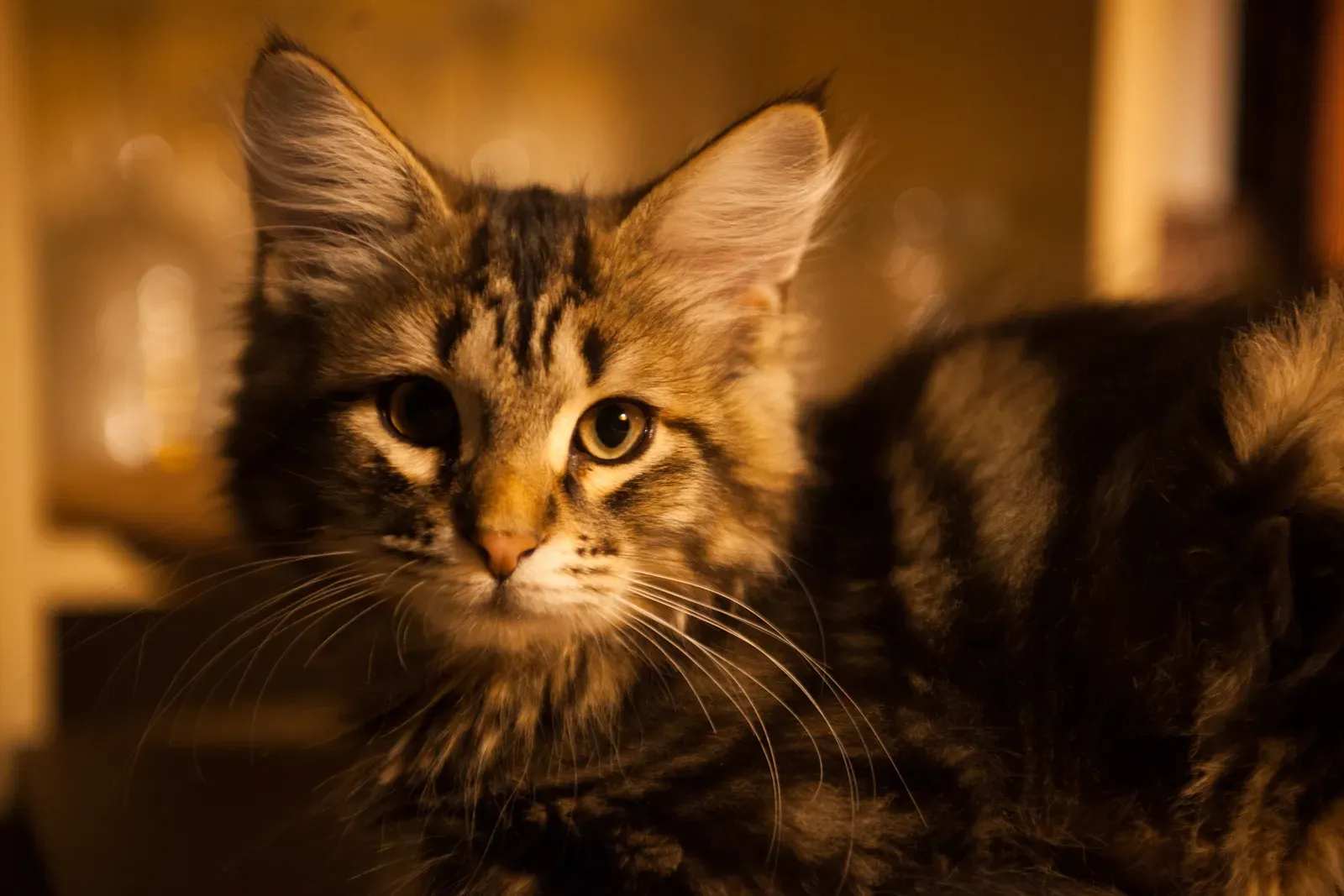
A common misconception is that cats can’t be trained, but training can provide enrichment and help the cat to learn to cope with situations they find stressful. This surprises so many cat owners. Yes, your cat can learn tricks, commands, and useful behaviors.
Cat carrier training can improve trips to the vet. You can teach them to come when called, sit, give high-fives, and even walk on a leash with patience and positive reinforcement. Training sessions provide mental stimulation and strengthen your bond. The key is using treats as motivation and keeping sessions short since cats have shorter attention spans than dogs. It’s hard to say for sure, but I think most people would be shocked at how much their cats are capable of learning when given the chance.
Vertical Space Matters More Than Floor Space
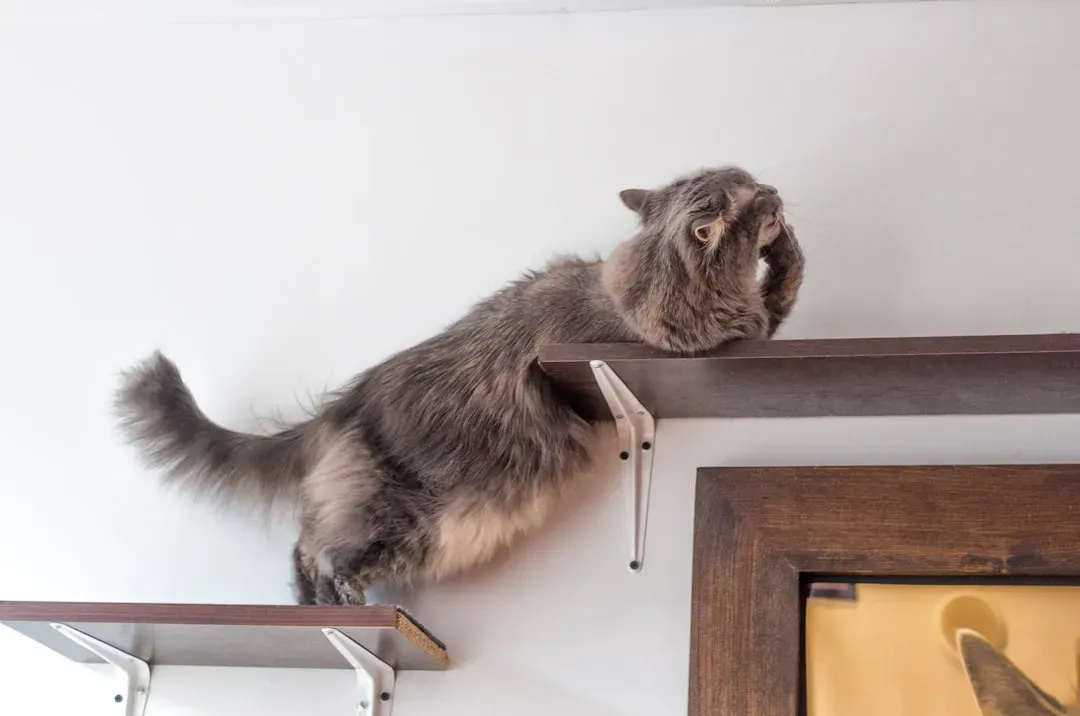
Most people focus on having enough square footage for their cat. What really matters, though, is vertical territory. Cats love to climb and perch in high places to survey their surroundings. Install shelves, cat trees, or window perches to give your cat vertical space. These spaces not only provide exercise but also offer a sense of security and safety.
Cats naturally seek high vantage points where they feel safe and can observe their environment. A small apartment with tall cat trees and wall-mounted shelves can actually be better than a large house with nothing to climb. Window perches are particularly valuable because they provide entertainment through watching outdoor activity. Your cat doesn’t just want to walk around on the floor; they want to be up high where they can see everything happening in their territory.
Their Relationship With You Is Different Than You Think
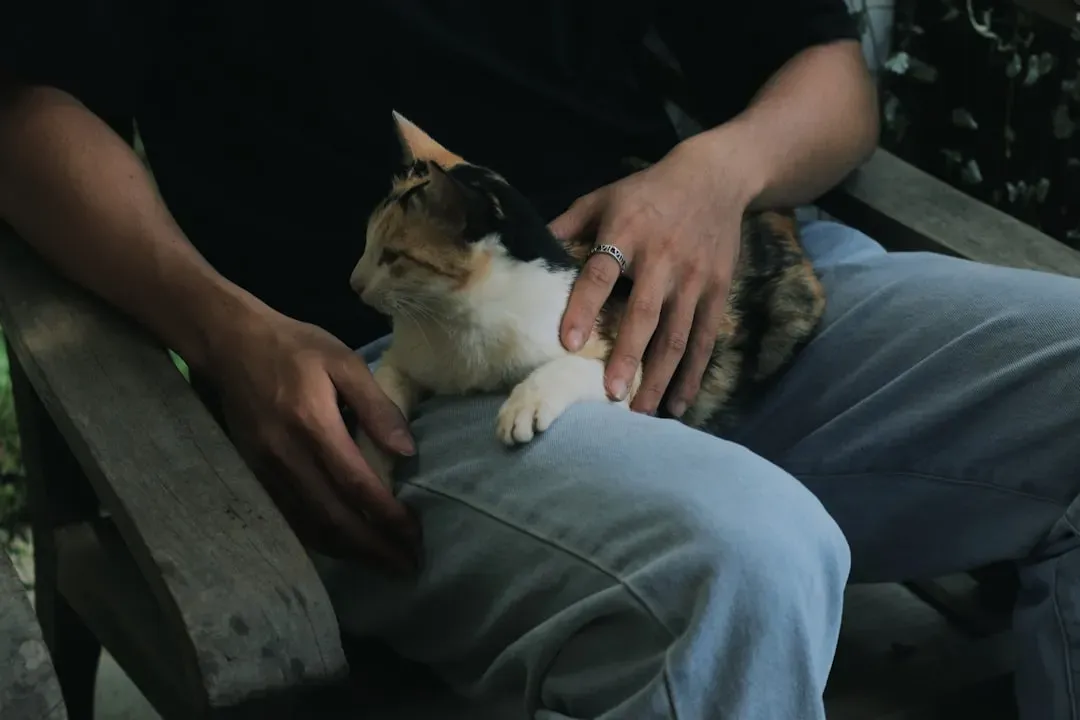
Cats like choice and control in their interactions with people, and well-socialized cats like to spend time with their people. Your cat isn’t the aloof, independent creature popular culture makes them out to be. They form genuine bonds with their owners.
Indoor cats, purebred cats, cats that spend less time alone, cats living in apartments, cats with fewer behavioral problems, and cats that live with more cats in the same household have a better relationship with their owner, based on owner perceptions. That time you spend together matters. Your cat recognizes your voice and responds to your emotional states. They’re just more subtle about showing affection than dogs are. Understanding your cat’s communication style helps you build a stronger relationship that benefits both of you.
So what do you think? Did any of these surprise you? Indoor cats are incredible companions, but they need more from us than many people realize. Meeting their physical and emotional needs takes effort, creativity, and commitment. The reward, though, is a happy, healthy cat who might just be around longer than you ever expected. What’s the most surprising thing you’ve discovered about your own indoor cat?