Picture this: your normally laid-back kitty suddenly becomes a ball of nerves, hiding under the bed or pacing restlessly through the house. Whether it’s a thunderstorm, a recent move, or just the chaos of daily life, cat stress is more common than most people realize. The good news? There are immediate, proven methods to help your feline friend find their zen again.
Understanding what truly calms cats goes beyond guesswork. Modern research has revealed fascinating insights into the feline mind, from their incredible sensitivity to sound frequencies to their complex communication through body language. So let’s dive in and discover the most effective ways to transform your anxious cat into a purring ball of contentment.
Gentle Petting in the Right Spots
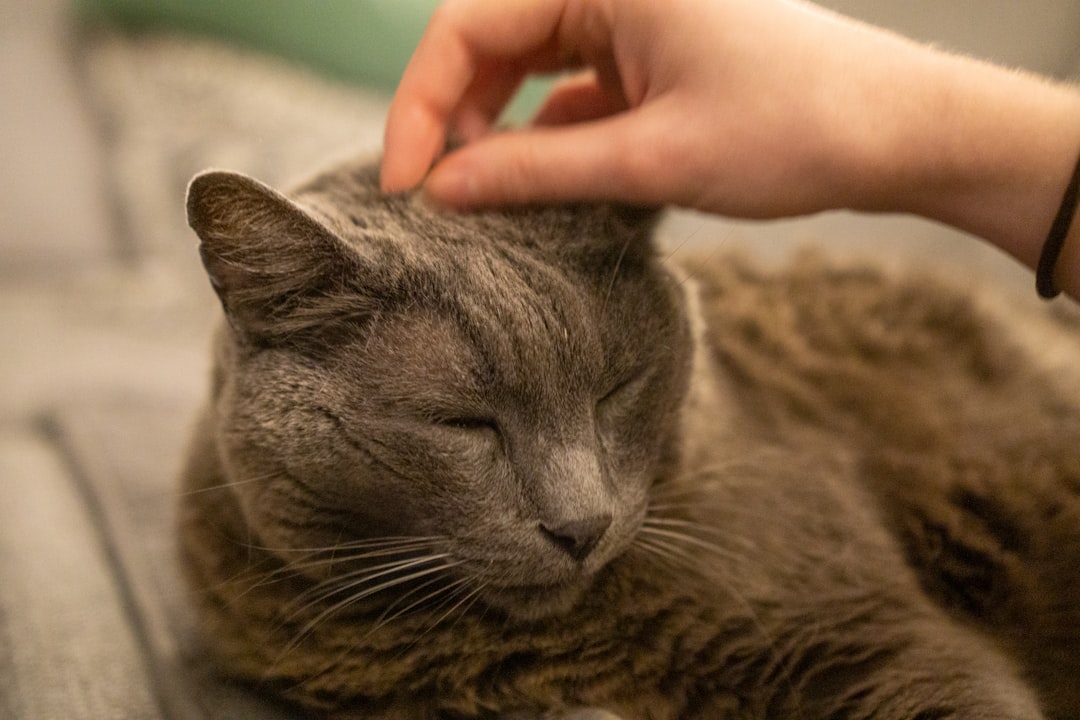
Research suggests that gentle petting can reduce stress indicators in many cats, especially when focused on the head and neck areas rich in scent glands. These areas aren’t random choices. Cats have specialized scent glands around their temples, cheeks, and behind their ears that release calming pheromones when stimulated through touch.
The key lies in your approach. Start with slow, deliberate strokes along the head and gradually work your way to the neck area. Watch for positive signals like purring or kneading, which indicate relaxation. For cats who seem hesitant about direct touch, a soft grooming brush can mimic this calming effect while removing loose fur.
Synthetic Pheromone Products
Synthetic pheromone products like Feliway and Zenifel have the strongest scientific evidence for reducing feline stress, as these products mimic natural cat pheromones and are clinically proven to help with various stress-related behaviors. Think of these as invisible comfort blankets that speak directly to your cat’s instincts.
Most cats show initial responses within 7-14 days, but optimal results typically require 30-60 days of consistent use, with some cats responding more quickly while others might need longer exposure periods. These diffusers work particularly well in multi-cat households or during stressful events like moving or introducing new pets.
Species-Specific Music Therapy
Not all music affects cats the same way it affects humans. Research shows that cats respond more positively to music made specifically for them, suggesting that tranquil behaviors can be achieved with the introduction of cat-specific music, as the specific sounds, frequencies and rhythms of cat music were responsible for low stress scores.
Compositions like ‘Rusty’s Ballad’ from Music for Cats feature tempos that align with a cat’s natural purring frequency and incorporate tones that mimic bird calls, created by cellist David Teie as part of a scientifically studied album designed to soothe cats and reduce stress and anxiety, showing effectiveness even with nervous or shelter cats. These compositions often incorporate lower frequencies similar to purring, tempos mirroring natural feline rhythms like walking or grooming, and instruments like cellos and clarinets that produce sounds within cats’ vocal range.
Creating Safe Vertical Spaces
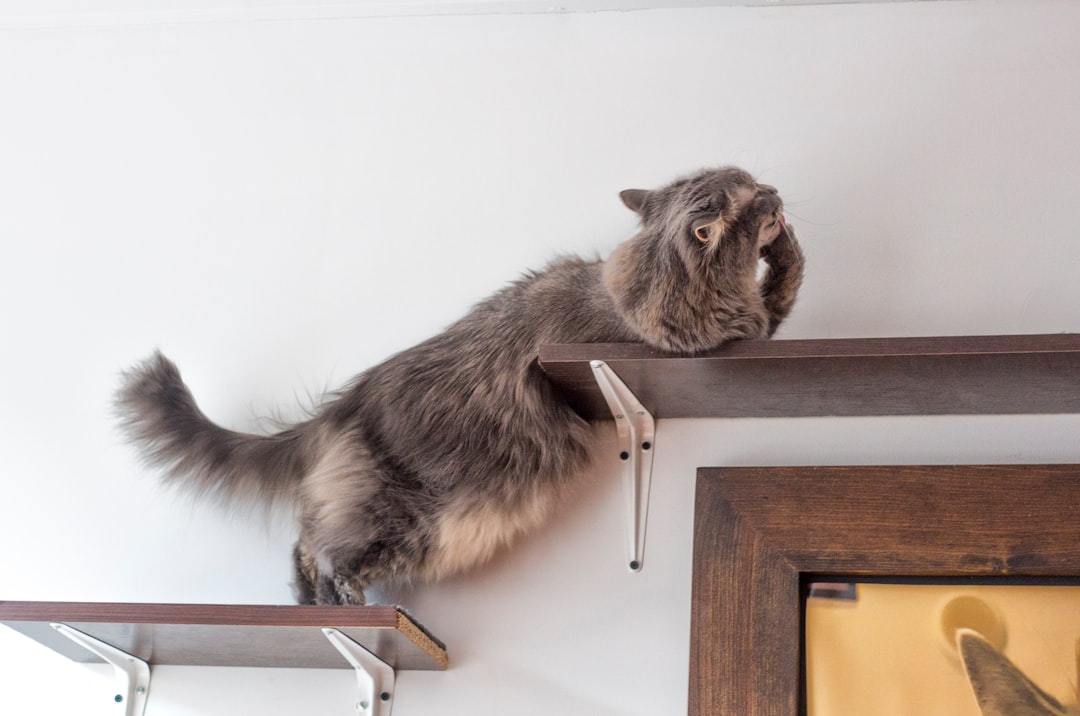
Cats love to climb, and cat trees, shelves, or window perches allow them to survey their domain from above, which can reduce anxiety. This behavior stems from their evolutionary need to observe potential threats and escape routes from elevated positions.
Ensuring your cat always has space to escape from chaos is a good way to reduce their stress, with a quiet spot somewhere high up being ideal. Even something as simple as a cardboard box on a sturdy shelf can provide the security your cat craves during stressful moments.
The Power of Slow Blinking
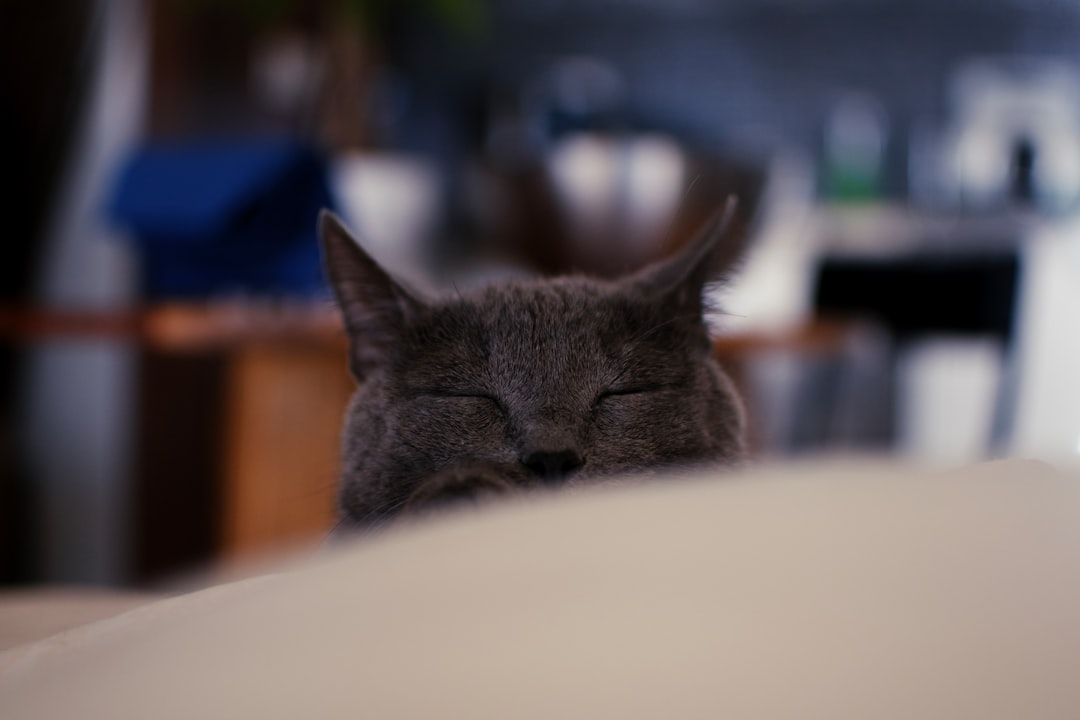
Understanding your cat’s body language is essential for developing that special bond; subtle, slow blinking is thought to be used by cats to indicate a sense of calm and a positive emotional state. This simple gesture works both ways in cat communication.
Slow blinking is one of the ultimate signs of trust that your cat can give you, and any cat that gives you a slow blink means they are feeling quite comfortable with you, with giving slow blinks right back conveying the same message. Only try slow blinking with your cat when they are at their most relaxed and in a receptive mood, closing or partially closing your eyes for more than half a second at a time, repeating slowly a few times while looking carefully to see if your cat is blinking back.
Natural Calming Herbs
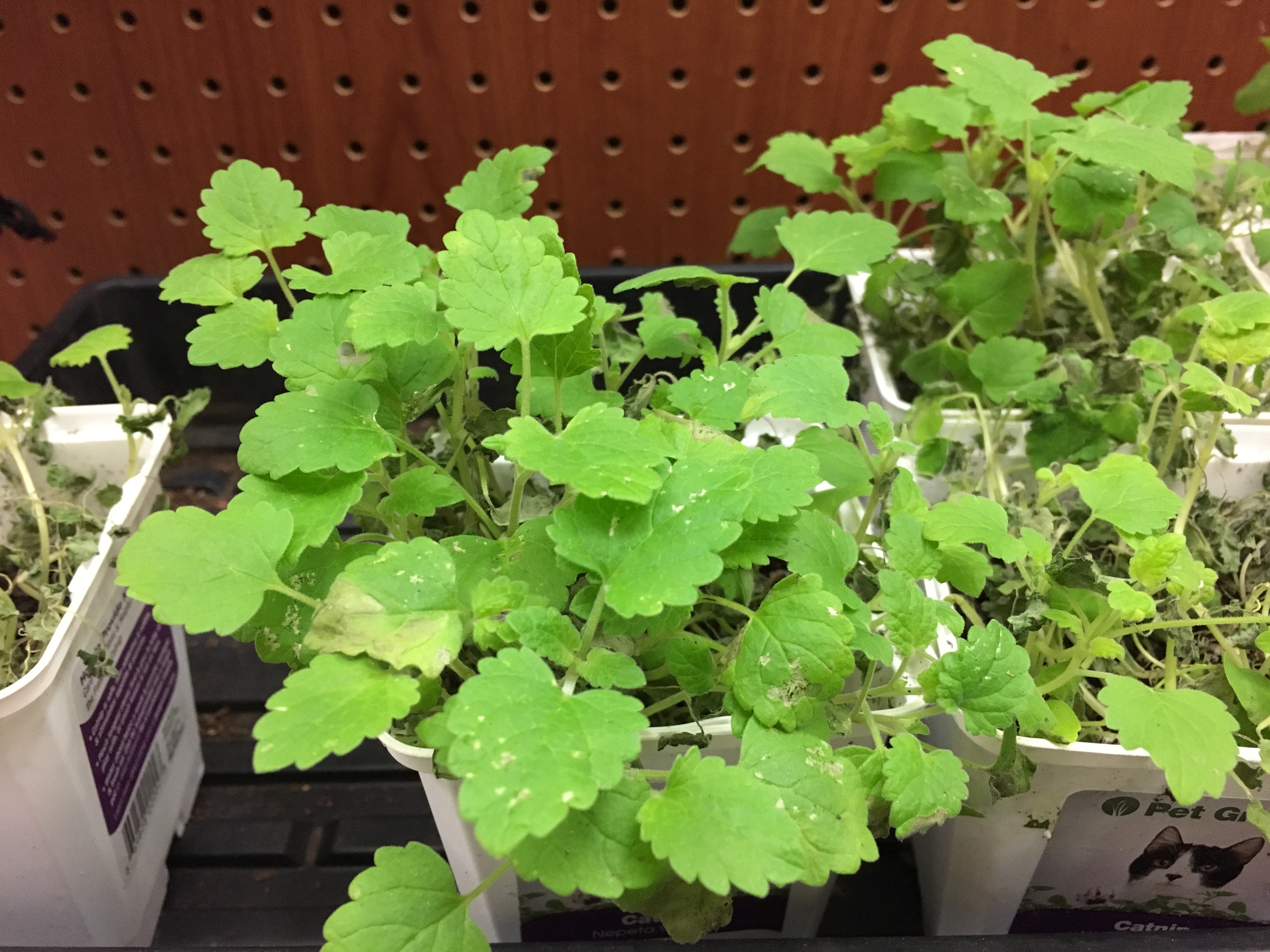
Catnip, known for its euphoric effect on 70% of cats according to a 2020 Cornell Feline Health Center study, also has a lesser-known calming phase after excitement, and sprinkling dried catnip on a toy or scratching post allows you to watch your cat calm down after a short burst of play.
For the 30% of cats who are immune to catnip, alternatives such as silver vine or valerian root can work, with studies indicating that many cats who don’t respond to catnip may respond to these alternatives. Chamomile, which is safe in small doses, is another option, with a teaspoon of chilled chamomile tea mixed into wet food potentially easing mild anxiety, though the AVMA suggests consulting a veterinarian first.
Consistent Daily Routines
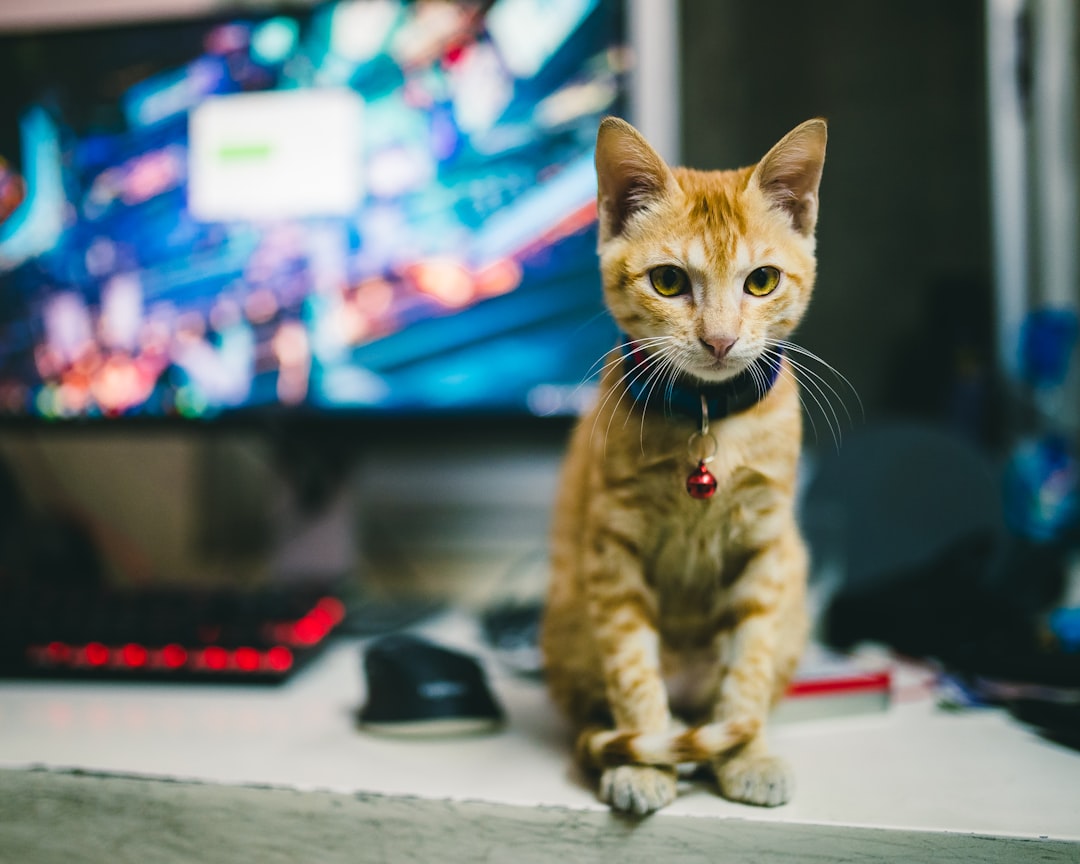
Cats are creatures of habit, with routine being important to them, and anything that disrupts this can leave them feeling stressed, making preparing your cat for changes important for reducing the risk of stress. This predictability provides a foundation of security in their world.
Maintaining a consistent daily routine for feeding, playtime, and interaction, while providing plenty of toys, scratching posts, and opportunities for mental stimulation helps prevent boredom and stress. Even small changes like ensuring cats have their food bowl, water bowl and litter tray in separate locations can significantly impact stress levels.
Calming Environmental Sounds
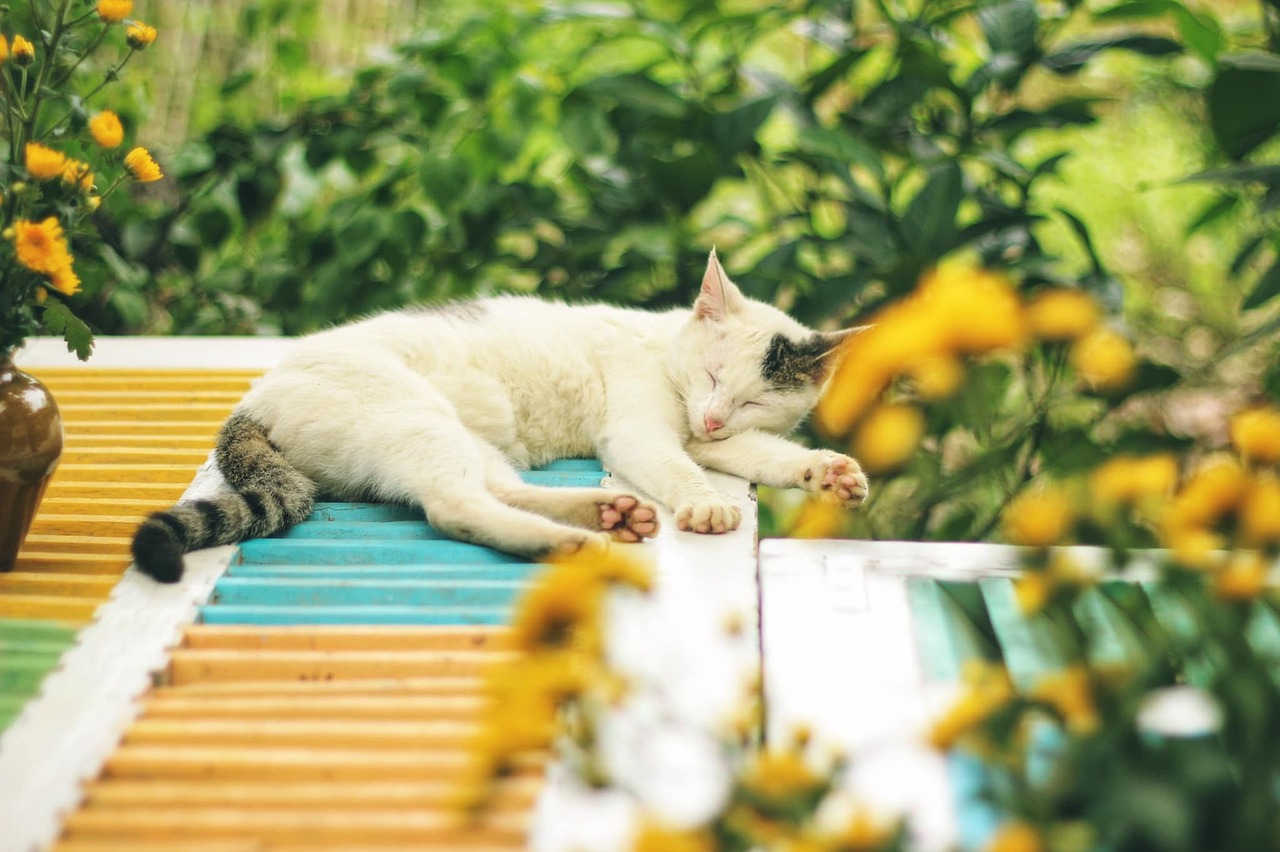
Beyond music, other auditory elements can create a soothing atmosphere. Nature sounds like gentle rain, waves, or birdsong can be soothing by mimicking a natural and safe environment, while white noise can mask sudden, startling noises and soft, gentle talking or singing can be reassuring, especially if the cat has a strong bond with the person speaking.
Gentle sounds like soft rain, ocean waves, or quiet forest sounds can create a soothing environment and work particularly well for cats who get nervous during storms or loud neighborhood noises. The key is maintaining consistent, predictable sound levels that don’t include sudden changes or jarring elements.
Interactive Play Sessions
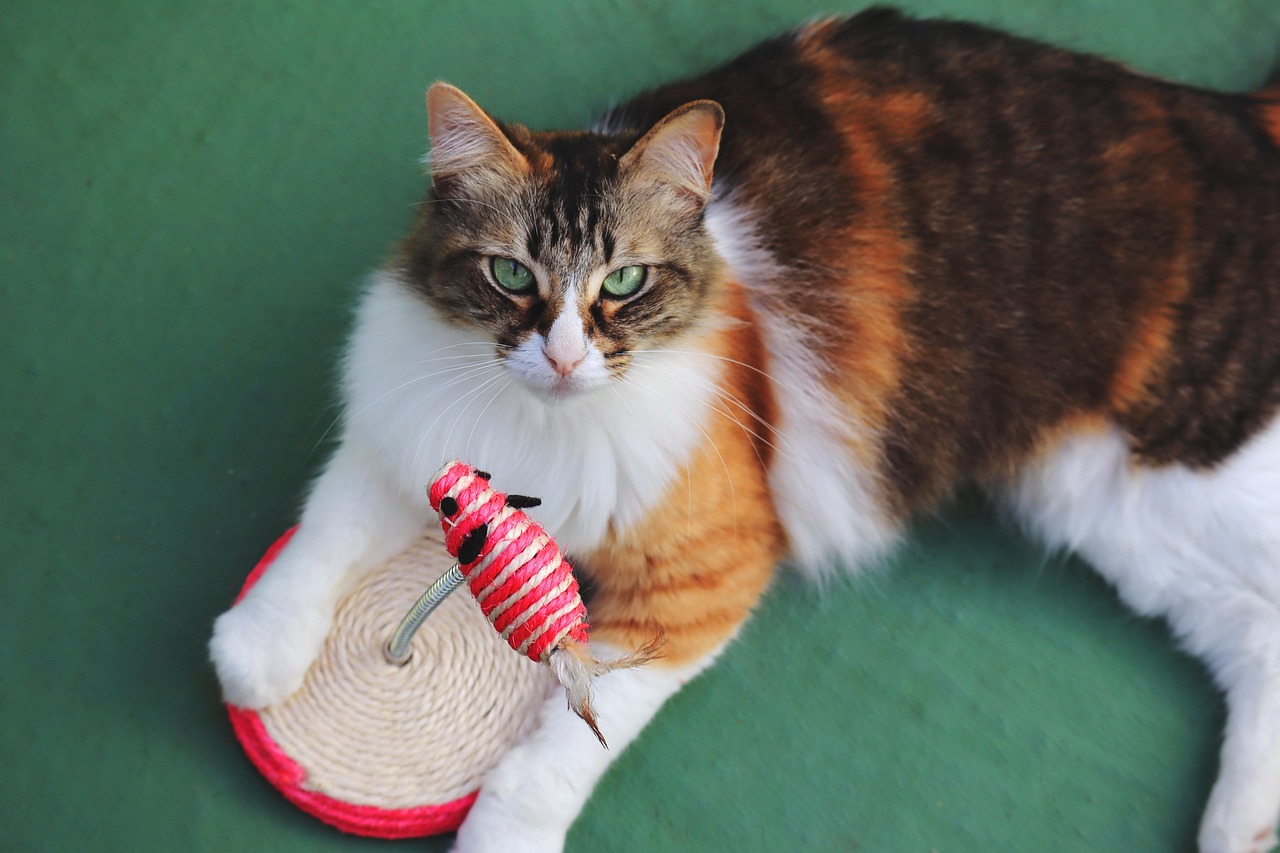
Exercise is a powerful anxiety-reducing tool for cats. Regular play sessions do more than just burn energy. Having structured playtime is important for maintaining the overall health and wellbeing of your cat, giving them an outlet to release pent-up energy and strengthening the bond between you and your feline, which can be used in your favor when dealing with stress and anxiety, as developing a strong bond with your cat can be anxiety reducing in itself.
Interactive toys such as laser pointers, feather toys, and balls for fetch aren’t just physically stimulating, but also great options for mental enrichment. The mental engagement combined with physical activity creates a natural stress-relief mechanism that taps into their hunting instincts.
Proper Hydration and Nutrition
Nutrition underpins the maintenance of cat health and also influences anxiety, with diets high in omega-3 fatty acids found in fish-based foods supporting brain health and reducing stress according to a 2023 Veterinary Clinics of North America review. What your cat eats directly affects how they feel.
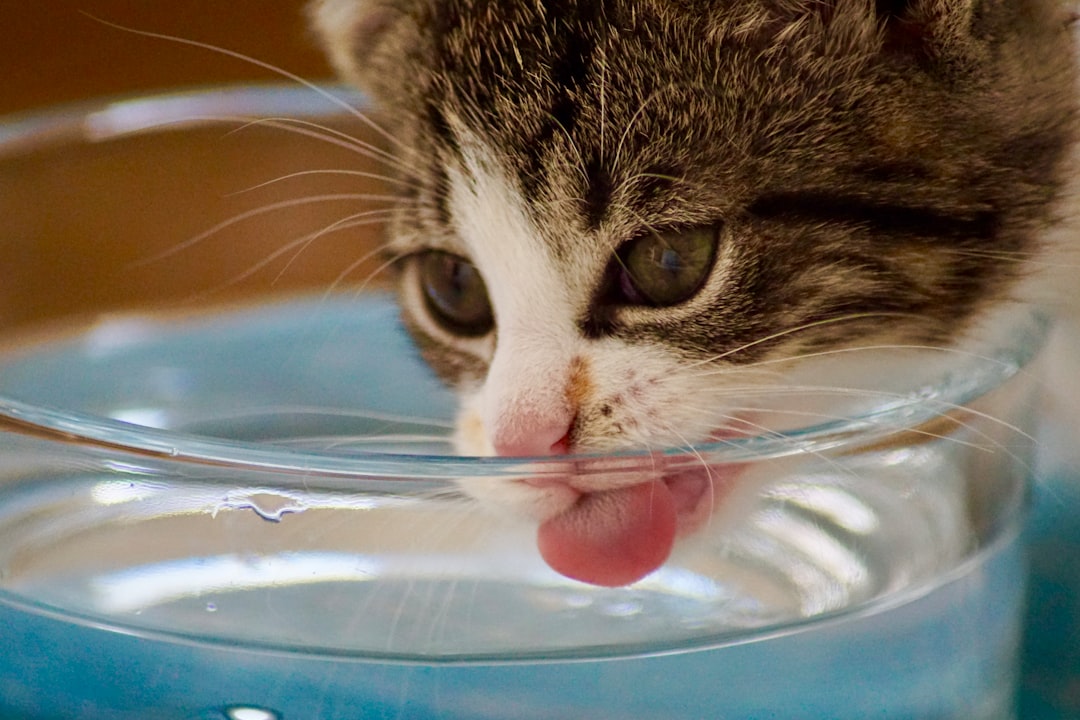
Dehydration exacerbates anxiety, with inadequate hydration potentially contributing to increased stress levels. Consider adding wet food to their diet or using water fountains to encourage drinking. Some cats prefer moving water, and the gentle sound can even provide additional calming benefits.
Conclusion
When your feline friend is stressed, remember that patience and consistency are your greatest tools. These ten science-backed methods work best when combined rather than used in isolation. Start with the gentlest approaches like slow blinking and soft petting, then gradually introduce other elements like pheromone diffusers or calming music.
Every cat is unique, so don’t be discouraged if certain techniques work better than others for your furry companion. The goal is creating an environment where your cat feels safe, secure, and understood. What techniques have you found most effective with your stressed cat? Share your experiences in the comments below.