You’ve packed your bags, planned your route, and you’re ready for an adventure. There’s just one thing, though. You’ve got a cat. Maybe you’re imagining your feline friend turning into a howling, stressed mess in their carrier, or worse, refusing to get anywhere near it. The good news? Traveling with a cat doesn’t have to be a disaster waiting to happen. With the right preparation, patience, and a little insider knowledge, you and your furry companion can hit the road together with minimal drama.
It’s easy to overlook older cats when considering adoption, but honestly, senior felines are some of the most remarkable creatures you’ll ever bring into your life. They’re calm, they’re wise, and they offer a level of companionship that younger cats are still learning. Yes, traveling with any cat requires planning, but senior cats bring their own special considerations. Let’s explore what you need to know to make your journey smooth, safe, and even enjoyable. Ready to become a pro at feline travel? Let’s dive in.
Carrier Training Is Non-Negotiable
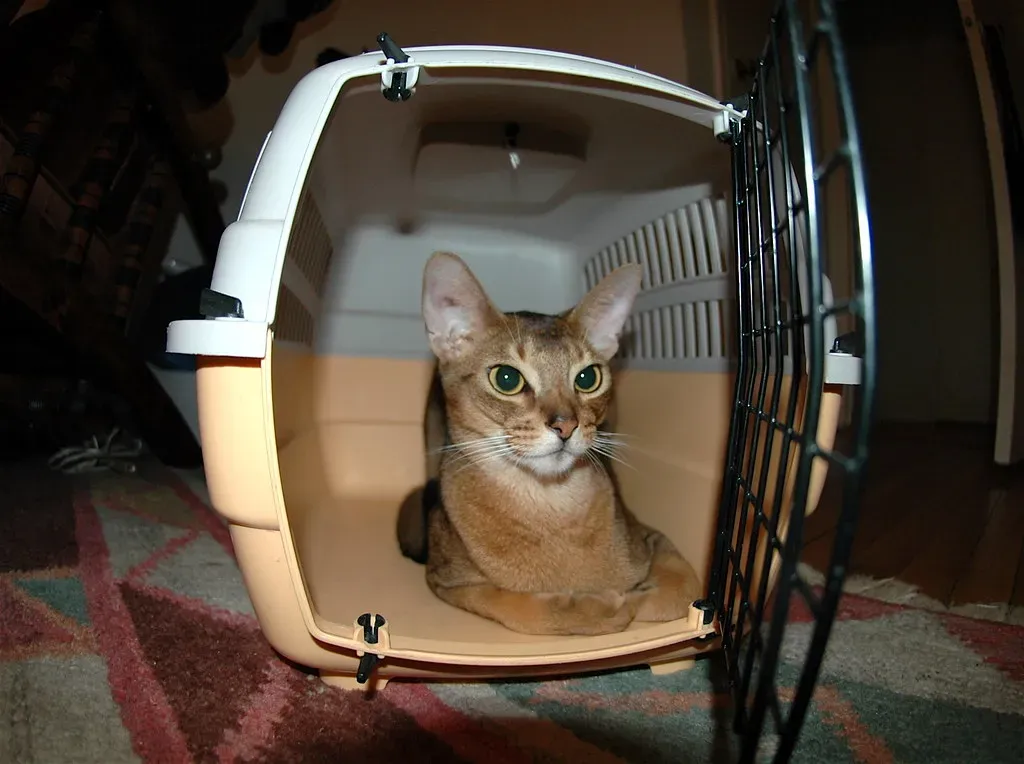
Teaching your cat that the carrier is a safe everyday space makes all the difference. Keep it open and accessible at all times, place treats inside, and feed your cat in the carrier to create positive associations. Think of it as your cat’s portable sanctuary. If your kitty only sees the carrier when something scary is about to happen, they’ll bolt the moment it appears.
Leave the carrier out in your home with doors and zippers open, remove any removable parts like the top half, put a cozy blanket inside, and turn it into a piece of cat furniture. Toss treats inside daily, sprinkle catnip, or play around the carrier. You want your cat wandering in and out voluntarily, maybe even napping there. This isn’t an overnight fix. Start weeks or even months before you travel. The goal is simple: make the carrier boring, familiar, and safe.
Gradually entice your cat to step inside the carrier by tossing treats or toys, keeping the door completely open, and never forcing them. Eventually, you’ll progress to closing the door for just a few seconds, then longer stretches. Patience pays off here. When travel day arrives, your cat won’t see the carrier as a trap but as a familiar, safe place.
Health Certificates and Documentation Matter
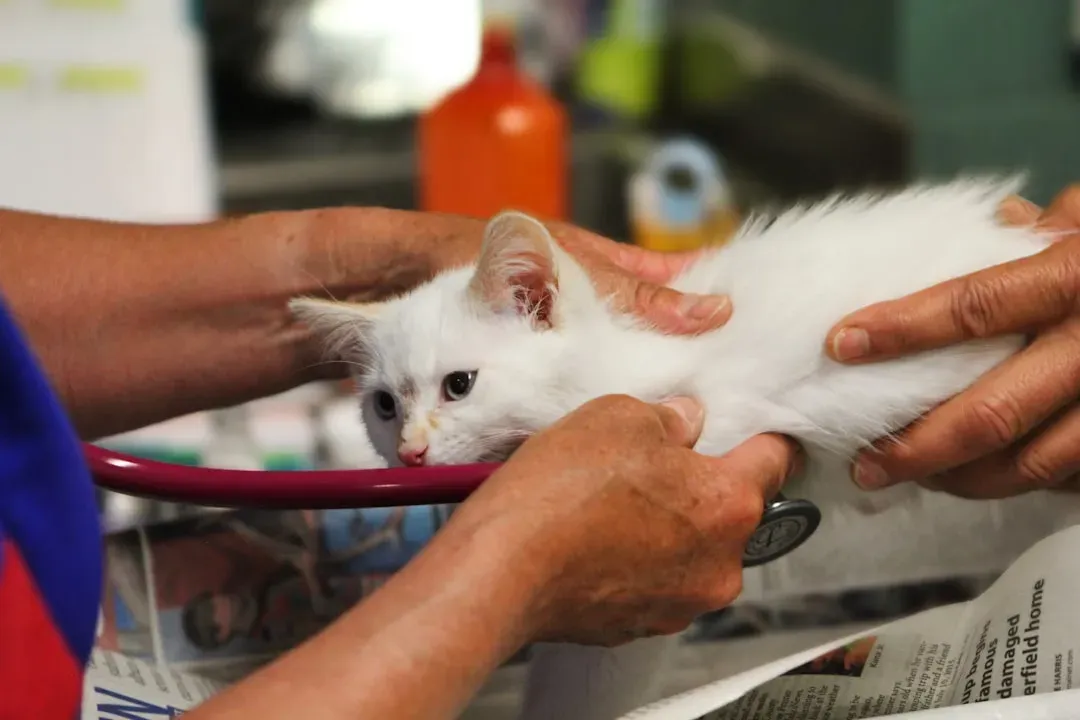
Schedule a veterinary visit close to your travel date since most airlines require a valid health certificate completed by your veterinarian. Your cat must have a passing health exam and up-to-date rabies vaccinations to travel, and they typically need to be free of heartworm disease or using preventatives. Different states and countries have their own entry requirements, so do your homework early.
For international travel, things get more complex. Contact a USDA-accredited veterinarian as soon as you decide to travel since they’ll help determine your destination country’s pet entry requirements, including vaccinations, tests, treatments, and assist with obtaining a USDA-endorsed health certificate. Some destinations require microchipping, quarantine periods, or specific blood tests. Honestly, preparing for international cat travel can take months, so procrastination is your enemy here.
Most airlines also require a Certificate of Veterinary Inspection issued within ten days of travel, and airlines typically require pets to be at least eight weeks old and weaned at least five days before flying. Keep copies of all medical records, vaccination certificates, and prescriptions with you during travel. You never know when you might need them, especially at border crossings or security checkpoints.
The Right Carrier Makes All the Difference
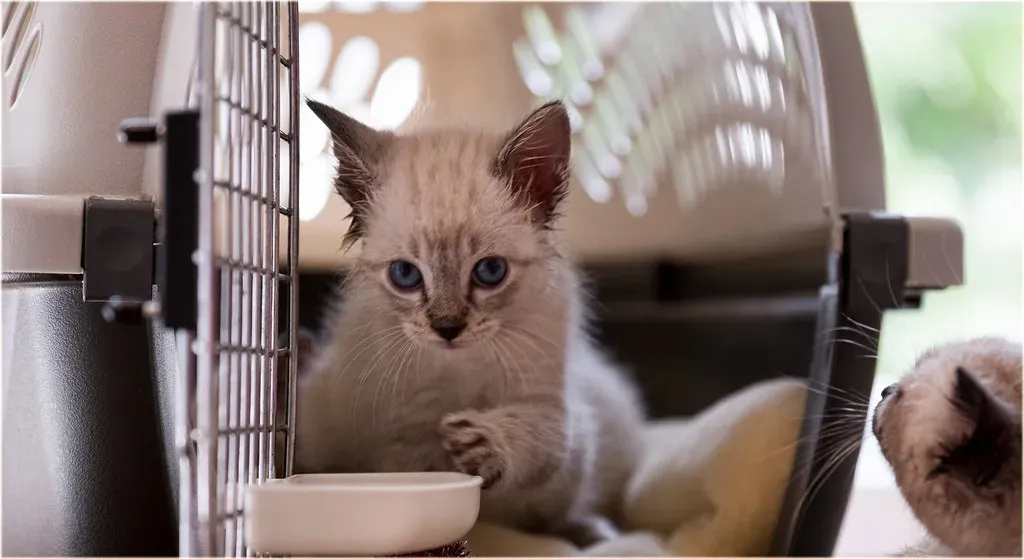
An ideal carrier has front and top openings to give you and your cat entry options, and hard-sided carriers with removable tops offer less stressful ways to remove your cat. Get a carrier large enough for your cat to stand up and turn around in; if your cat is a larger breed like a Maine Coon, you may need a dog-sized carrier. Size matters, but so does the type.
Hard-sided carriers may be best for anxious cats who might scratch and bite through soft-sided carriers or become claustrophobic, and they’re easier to clean if your cat gets motion sickness. For air travel, though, soft-sided carriers are usually required because they can fit under airplane seats more easily. Most airlines charge an extra fee for cats, usually around one hundred to two hundred dollars, so call beforehand since there’s a limited number of animals allowed on flights. Make sure your carrier meets airline size requirements, or your travel plans might hit a snag.
Feed Strategically Before Travel

Here’s something that might surprise you. Withhold breakfast from your cat on travel day since traveling on an empty stomach minimizes the risk of nausea and vomiting; feed a small meal when you arrive at your evening destination. Make sure you don’t feed your cat that morning before travel to minimize discomfort during the day, and ensure they’ve used the litter box that morning or the night before; if your cat is generally well-fed, a few hours of not eating will be fine.
I know it sounds harsh to skip breakfast, but trust me on this. An upset stomach in a moving vehicle is miserable for everyone involved. Offer water at rest stops during car trips, but keep food minimal until you’ve reached your destination. Your cat might protest initially, but they’ll thank you later when they’re not dealing with nausea mid-journey.
Pack an Emergency Kit

Pack a comprehensive emergency kit including extra medication (at least two weeks’ worth), favorite treats, wet wipes, and disposable puppy pee pads, and be prepared for vomiting or accidents by carrying spare towels and garbage bags. Add paper towels, cleaning solution, and disposable gloves to your kit. Line the carrier with an absorbent potty pad in case your cat needs to urinate or defecate during travel, and carry extra pads plus zip-lock bags for necessary cleanup.
Think about what your cat might need in various scenarios. Motion sickness medication? Check with your vet. Familiar blankets or toys for comfort? Absolutely. A copy of their medical records? Essential. Pack a small litter box and familiar litter if you’re driving long distances. Take along a small supply of the litter your cat is used to; you may want to use a plastic dishpan as your travel litter box. It’s better to overpack than find yourself unprepared.
Timing and Route Planning Reduce Stress
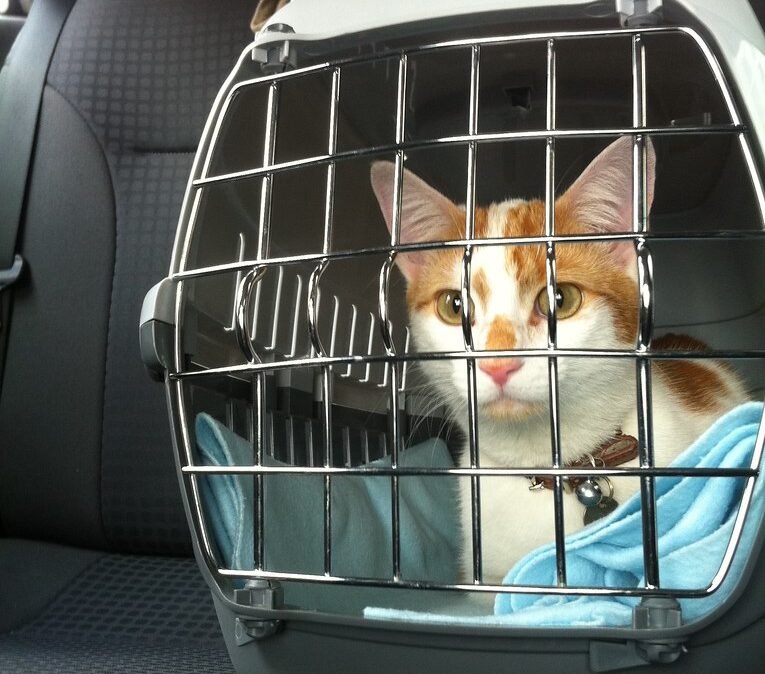
Cats should always ride in a secure carrier since it’s safer in case of an accident and helps them feel more secure; avoid traveling in the heat of the day. Run the air conditioning, never leave your cat alone in the car even for a minute, use sunshades on windows to prevent overheating, and offer water regularly, especially on long drives. A car can heat up dangerously fast.
If flying from America abroad, get a flight without layovers if possible since each time you pass through security, you’ll have to take your cat out of the carrier for scanning, which is less stressful if you only do it once. Cats travel better during the day since they’re active at night, and having them cooped in a carrier during overnight flights drives them crazy. Daytime travel aligns better with feline sleep patterns.
Calming Aids Can Help Anxious Travelers
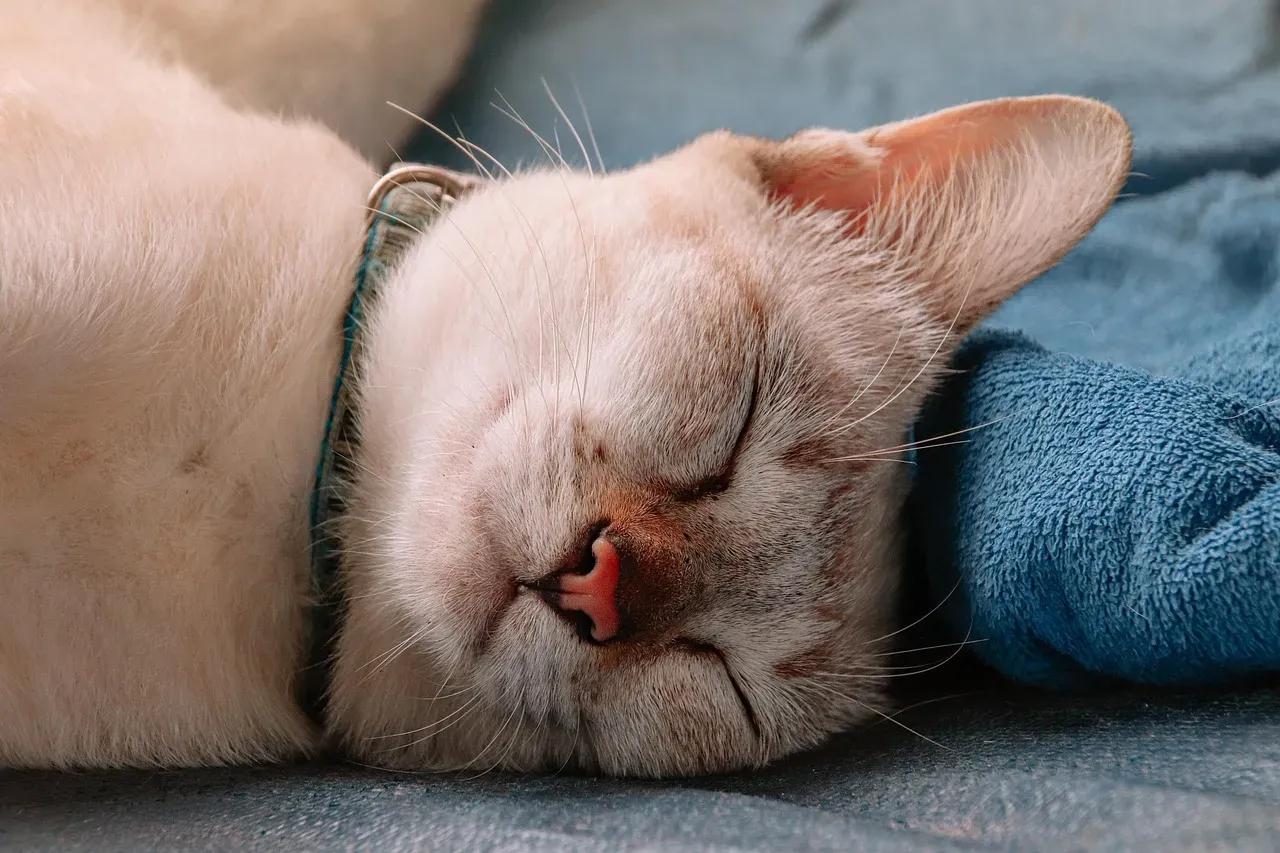
A pheromone calming collar can help reduce anxiety, and medications like gabapentin and alprazolam are sometimes prescribed to reduce travel anxiety. Test the medication at home as a dry run ahead of your trip so you know how your cat reacts. Never give your cat medication without veterinary approval, especially sedatives.
Flower essence remedies can provide a gentle, non-invasive approach to alleviate stress and anxiety; unlike some sedatives, flower essences are considered non-toxic and non-harmful, but it’s important to consult with a veterinarian. Some cats respond beautifully to natural calming supplements, while others need prescription medications. There’s no one-size-fits-all solution. Work with your vet to find what helps your particular cat without compromising their safety.
Consider Your Cat’s Age and Health

New kittens, senior cats, or cats with preexisting health conditions may be more affected by the stress or change created by travel demands; if your cat is in an at-risk group, you may consider leaving them at home with a cat sitter. Because older cats are less adaptable to change, avoiding stress should be a priority for owners of senior cats. Senior cats have established routines they depend on for comfort and security.
It’s normal for older cats to experience stress and fatigue after changes in their environment like travel, though it’s essential to monitor behavior to ensure it’s not something more concerning; cats may feel stressed due to new surroundings or disruptions in routine. That doesn’t mean senior cats can’t travel, but it requires extra thoughtfulness. Sometimes the kindest choice is leaving an elderly cat in their familiar home environment with a trusted sitter rather than subjecting them to travel stress.
Never Leave Your Cat Unattended in a Vehicle
Never leave your cat alone in the car since the interior temperature can rise to a dangerous level within a very short time, causing heat stroke. A car can heat up by twenty degrees in just ten minutes, even with the windows cracked. This isn’t negotiable. Even on mild days, car interiors become ovens quickly.
Plan your stops accordingly. If you need to grab food or use a restroom, bring your cat with you in their carrier if possible, or have a travel companion stay with them. The risks of leaving a cat in a parked vehicle far outweigh any inconvenience of bringing them along. Heat stroke can be fatal, and it happens faster than most people realize.
Travel Teaches Us About Unconditional Love

Cats can be lively travel companions if we take the time to create a positive experience for them, though it’s important to think through several logistical issues to make travel as smooth and easy as possible. Yes, traveling with cats takes effort. It requires planning, patience, and sometimes a bit of courage. But the payoff is worth it.
When you choose to travel with your cat, you’re saying they’re family. When you adopt a senior cat, you’re giving them a second chance at happiness. There’s something truly special about offering a second chance to a senior cat; they understand they’ve been given a fresh start, which often results in forming deep bonds with their adopters, and an older cat will show you immense gratitude and love. Senior cats know what it means to be loved and lost. When you bring them home, they appreciate it in ways that might surprise you.
Traveling with any cat challenges common assumptions about feline independence and inflexibility. Senior cats, in particular, shatter the myth that older animals can’t adapt or aren’t worth the effort. They absolutely are. Every gray whisker, every slower step, every contented purr tells a story of resilience and grace. When you make the effort to travel safely with your cat or open your heart to a senior feline, you’re participating in something beautiful. You’re proving that age doesn’t diminish value, that companionship matters more than convenience, and that love is always worth the extra effort. What kind of traveler is your cat? Are you ready to give a senior cat the loving home they deserve?