You head around a bend in the trail, heart thumping from the climb, and suddenly you see it: a sleek, powerful shape watching you from the brush. In that instant, every decision you make matters. Mountain lion encounters are rare, but when they happen, the wrong move can turn a tense moment into a dangerous one.
The good news is that you have far more control than you think. You cannot negotiate with a big cat, but you can manage your own behavior. When you know exactly what not to do, you give yourself the best possible chance to walk away in one piece and with a very intense story to tell later.
1. Never Run Away, Even If Your Instinct Screams at You
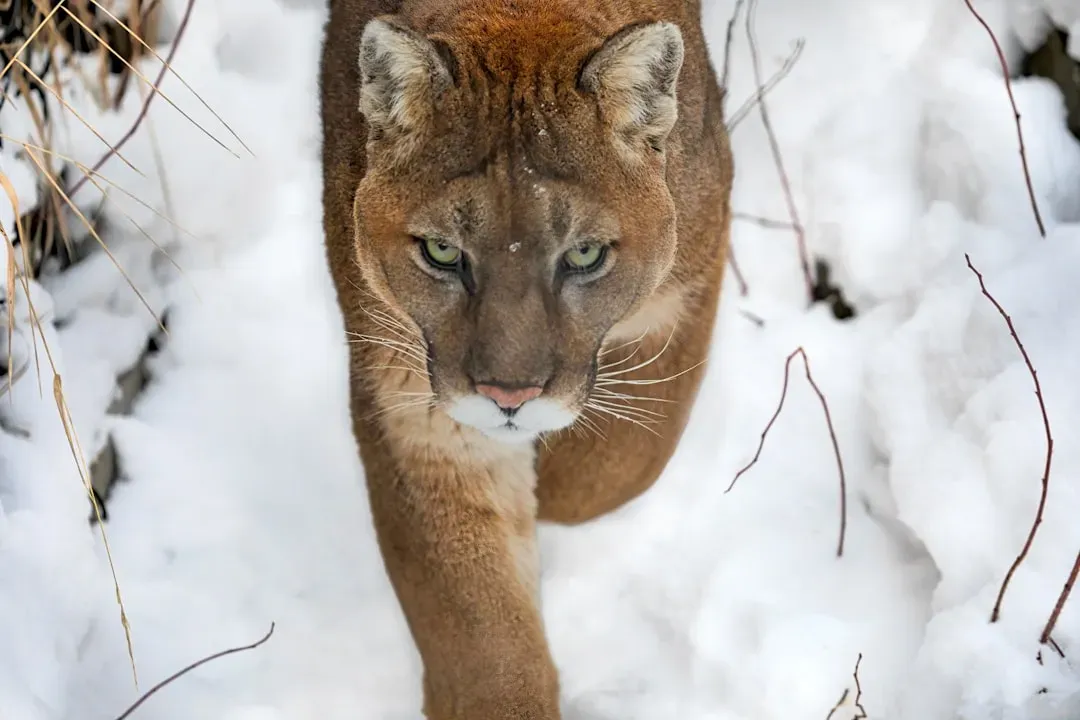
When you see a mountain lion, your first instinct is almost always the same: turn and run. Your body wants to flee, but to the cat, that movement can look just like prey trying to escape. Mountain lions are built to chase and ambush; a running figure is basically an invitation to trigger that instinct.
Instead, you need to override that panic response. Plant your feet, stand your ground, and remind yourself that staying put is actually the safer choice. You can slowly increase the distance later, but in the first few seconds, the single worst thing you can do is bolt down the trail like a frightened deer.
2. Never Turn Your Back or Crouch Down
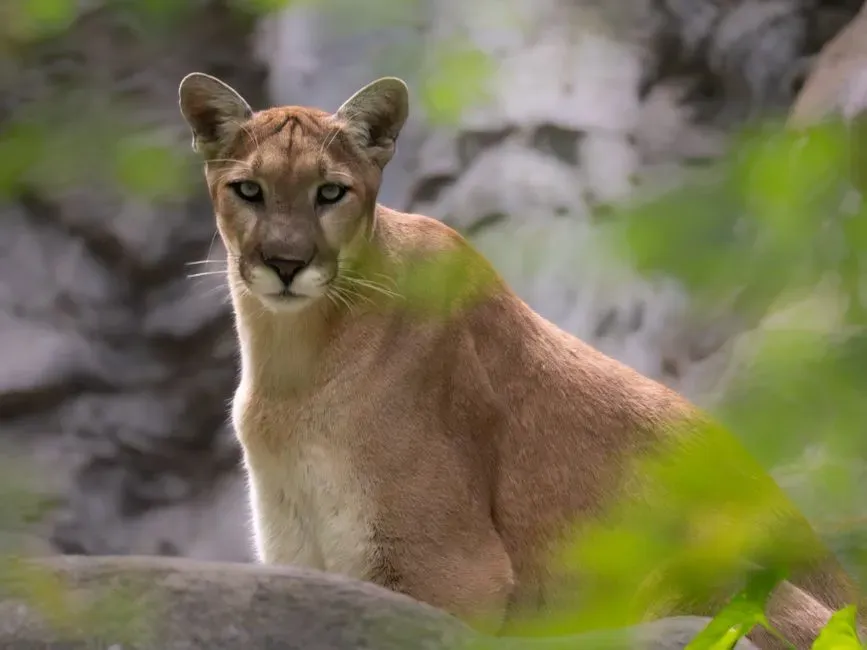
It feels natural to want to look away, dig in your pack, or bend down to grab a rock, but turning your back or crouching makes you look smaller and more vulnerable. Predators key in on weakness and distraction, and you never want to give a mountain lion the sense that you are unaware or easy to knock over. When you hunch down, you also lose the ability to react quickly if it moves.
Keep your shoulders square and your eyes on the animal, without staring so hard that you forget your surroundings. Standing tall signals that you are alert and not easy to push around. You can still talk to it, wave your arms, or pick up something from the ground, but you should do all of that while staying as upright and facing-forward as possible.
3. Never Approach It for a Better Look or Photo
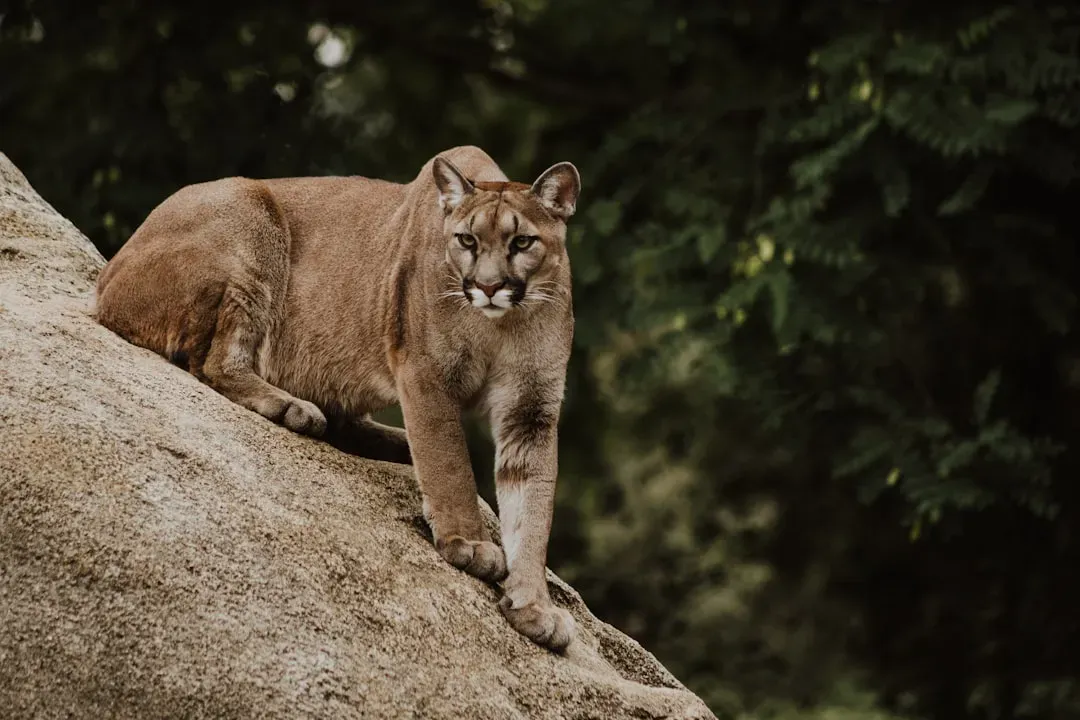
Curiosity and cameras get people into trouble every single year. When you see a big cat on the trail, you might be tempted to inch closer for a dramatic photo or to see it more clearly. To the lion, though, that can feel like pressure and invasion of its space, especially if it has a kill nearby or cubs hidden in the brush.
Closing the gap also shrinks your reaction time if it suddenly moves. Instead of stepping toward it, you should be giving it room and planning how to create distance without running. If you want that epic wildlife shot, invest in a zoom lens; your life is worth more than any close-up picture you could possibly take.
4. Never Ignore the Warning Signs of Aggression
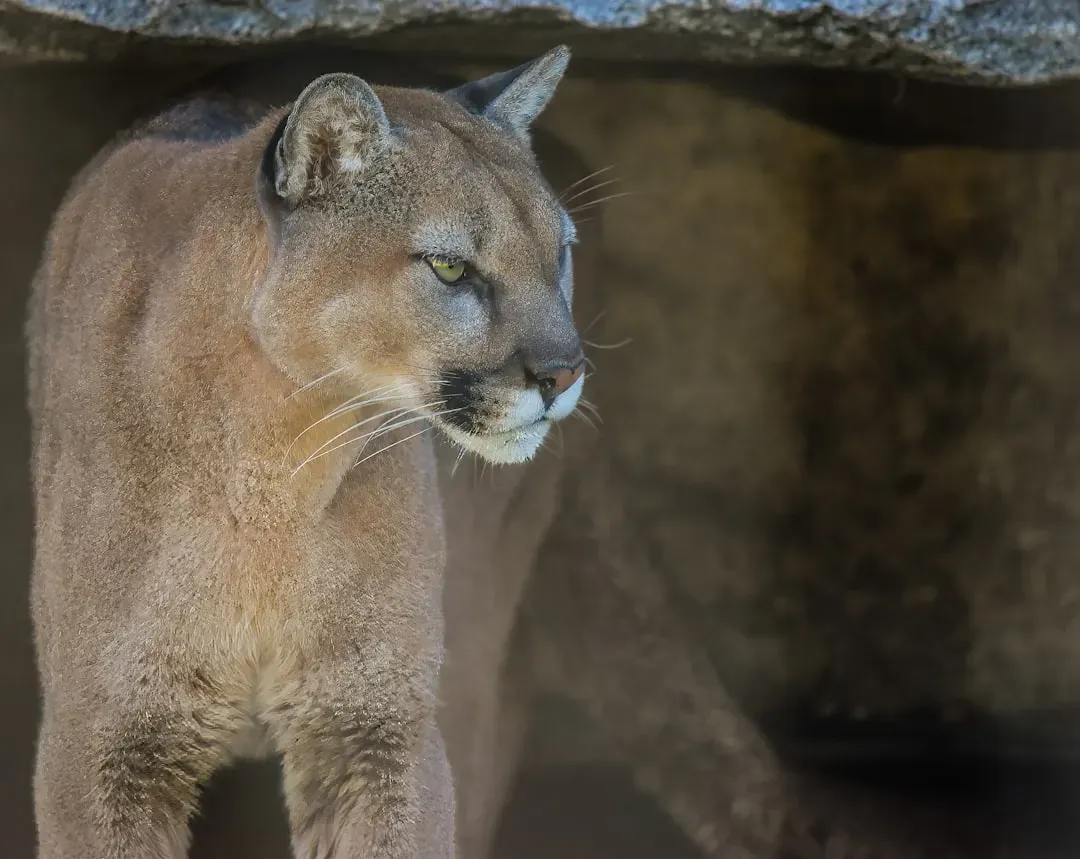
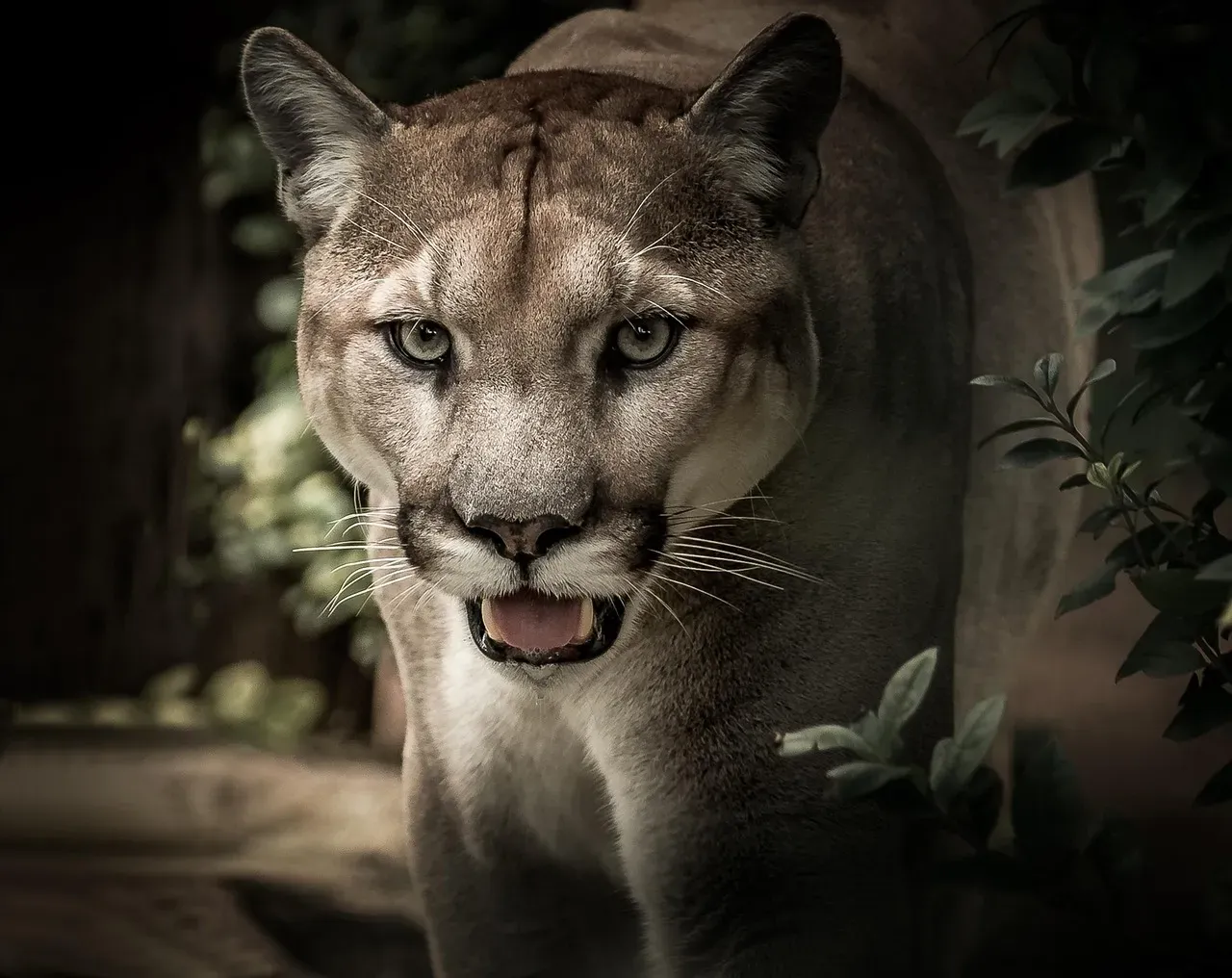
You might assume a mountain lion will always pounce without warning, but that is usually not how it works. If it is truly interested in you, it often gives off clear signals first: an unblinking stare, ears flattened back, a low growl, a tail twitching hard like a cat about to pounce on a toy. If you dismiss those signs as nothing, you can lose precious seconds to react correctly.
When you notice those cues, you should shift from calm observation to active defense mode. That means making yourself look bigger, raising your arms or backpack, using a firm, loud voice, and preparing to stand your ground. You are not trying to pick a fight, but you are absolutely trying to convince the cat that you are not worth the risk.
5. Never Let Small Children or Pets Wander Ahead
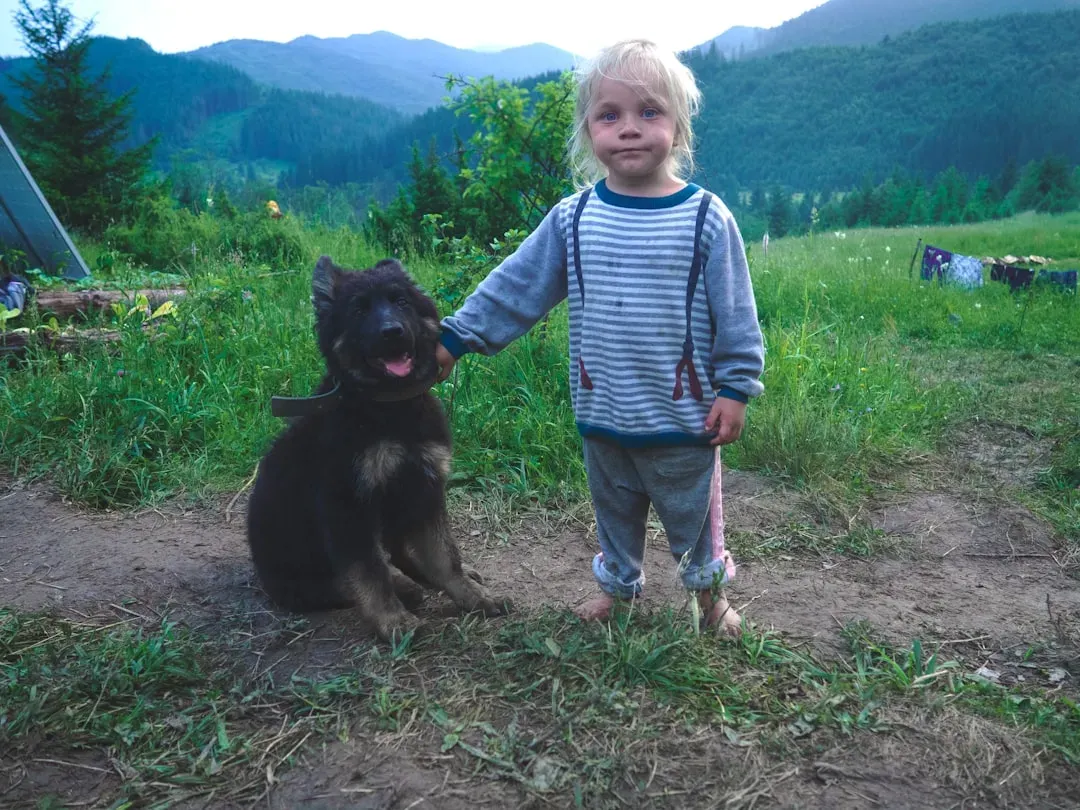
You might think of this as something to handle before a hike, but in a real encounter, this rule becomes urgent. Children and dogs are closer to the size and movement pattern of a mountain lion’s normal prey. If they are running ahead or behind, they can attract the cat’s attention and separate from the safety of the group without you even realizing it.
If you spot a lion, your first move should be to pull kids close and keep them at your side, not in your arms where they make you less steady. Leash your dog tightly or, if it is small, keep it at your feet rather than letting it dart around barking. The goal is to present one solid, unified presence instead of a scattered group of easy targets.
6. Never Stay Completely Silent or Passive
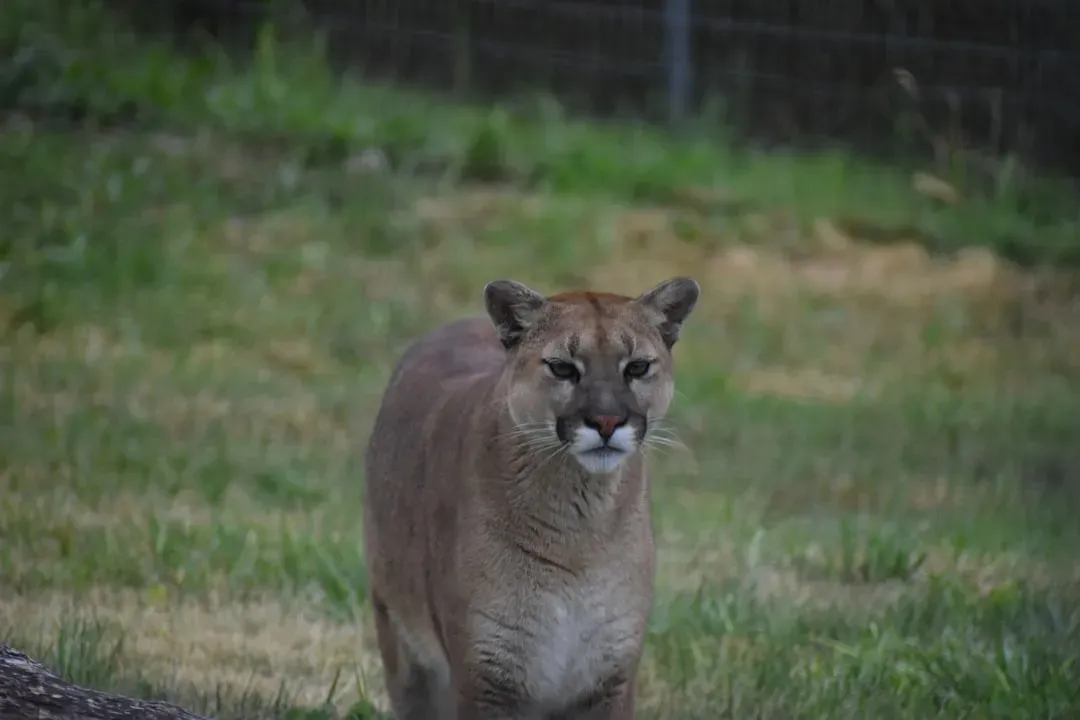
Freezing in silence might seem like the calm thing to do, but to a mountain lion, a quiet, motionless figure can look like something it might stalk. You are not dealing with a bear, where being silent sometimes has its place. With a lion, you want it to recognize you as a loud, confident, unpredictable human, not a frightened animal hoping to go unnoticed.
Use a strong, steady voice, and talk to it like you mean business. You can shout, clap, bang trekking poles, or use a whistle if you have one, always while facing the animal and standing tall. By making noise, you send a clear message that you are aware, awake, and capable of fighting back if needed.
7. Never Drop Your Backpack or Gear to Run Faster

In a moment of panic, you might feel tempted to ditch your pack so you can move more quickly. That is a mistake on several levels. First, you should not be running at all; second, your pack is actually a valuable piece of protection that can make you look larger and shield your vital areas if contact happens.
If things escalate, you can hold your pack up over your head or in front of your chest like a shield. It can also be thrown toward the lion as a distraction if it starts to advance, buying you a second or two to reposition or fight. Instead of seeing your gear as dead weight, think of it as a portable barrier and part of your defensive toolkit.
8. Never Turn Off Your Survival Brain After It Walks Away
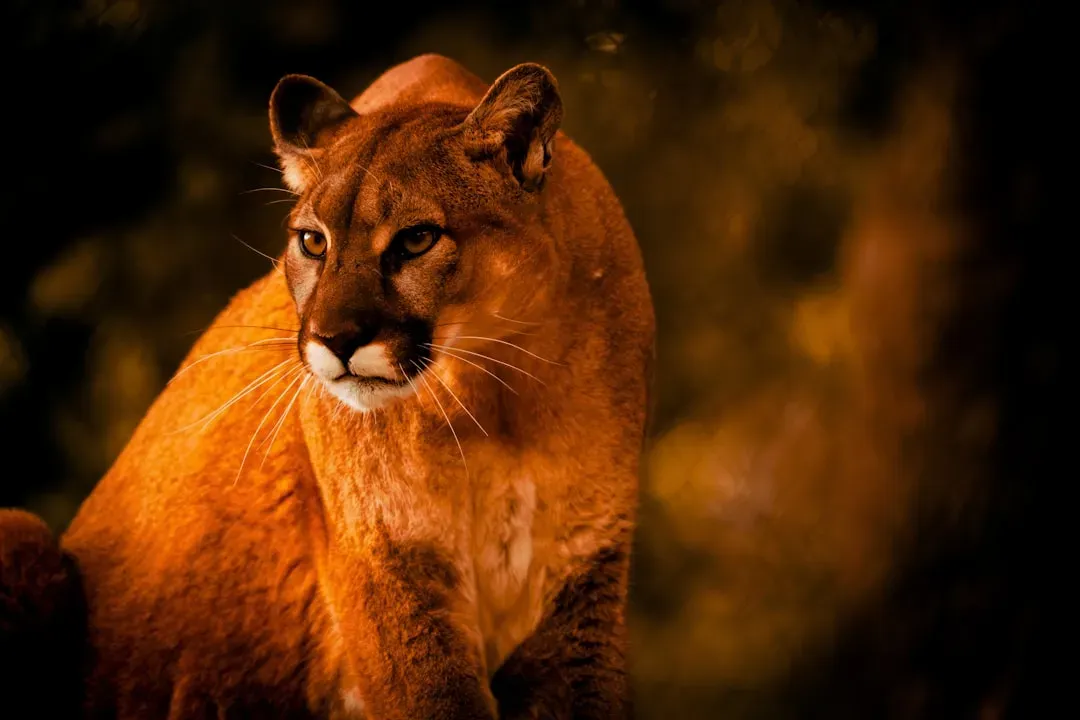
Once the mountain lion slinks off into the trees, your adrenaline might crash and you might feel like the danger is over. That is exactly when some people relax too soon, start chatting, and walk away with their guard down. Remember that big cats are stealth experts; just because you cannot see it does not mean it is instantly miles away.
After it leaves your immediate view, you should still back away cautiously in the opposite direction of where it disappeared, keeping an eye on the area. Give yourself real distance before you relax, and consider cutting your hike short or changing routes. Your job is to avoid a second surprise encounter, not to prove how fearless you are.
9. Never Forget to Use the Tools You Brought
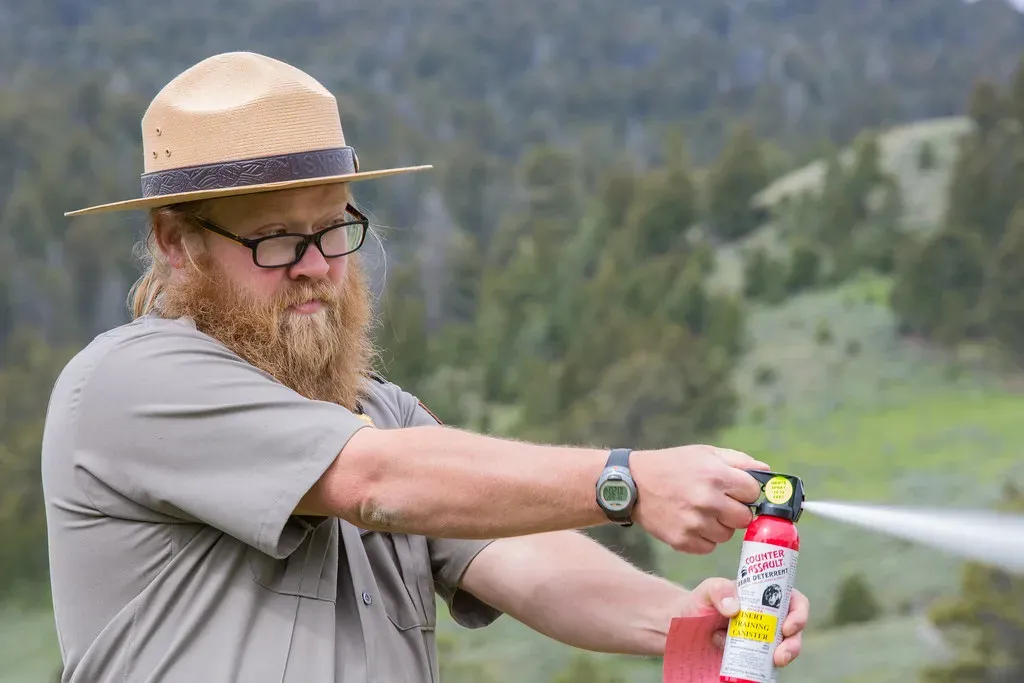
Many hikers carry trekking poles, a loud whistle, or even bear spray, then freeze so completely in a real encounter that they never use any of it. In that critical moment, your brain can go blank, especially if you have never mentally rehearsed what you would do. The result is that you stand there empty-handed while helpful tools sit quietly on your pack.
If a mountain lion approaches in a way that feels threatening, you should not hesitate to use what you have. Spray can create a painful barrier if the cat gets too close, poles can be used to look taller and to strike if it charges, and loud noise-makers can reinforce that you are not prey. You brought that gear for a reason; give yourself permission ahead of time to actually use it.
10. Never Give Up Fighting If It Makes Contact
The chance of a mountain lion attacking you is still very low, but if the unthinkable happens and it does make contact, doing nothing is the worst possible option. Playing dead is not appropriate with a predator that sees you as potential food. If you go limp or stop resisting, you make yourself easier to overpower.
If it attacks, you should fight with every ounce of energy you have. Aim for its eyes, nose, and face, use rocks, sticks, poles, or your pack as weapons, and stay noisy. Your goal is to convince it that you are not worth the injury risk, and many people have survived encounters simply because they refused to stop struggling.
In the end, facing a mountain lion is one of those trail fears you hope you never have to test in real life. But by knowing what not to do – never running, never turning your back, never shrinking into silence – you stack the odds heavily in your favor. The wild will always carry a bit of risk, but it also offers some of the most powerful moments you will ever experience; the question is, now that you know what to avoid, how confidently will you step onto your next trail?
Kristina is a young writer from India. An arts graduate and an avid content creator, Kristina is passionate about animals and wildlife. She enjoys exploring topics related to pet care, animal behavior, conservation, and nature, combining thorough research with engaging storytelling.