If you’ve ever lowered your voice mid-conversation when your cat walked in the room, you’re probably not alone. There’s a persistent suspicion among cat owners that their animals are, in some quiet and unsettling way, actually listening. Not just hearing noise, but registering meaning.
Science is slowly starting to agree. Over the last decade, researchers have found that cats process human speech in more sophisticated ways than anyone expected. They’re not doing it loudly or dramatically, but they are doing it.
1. They Know Their Name – Even When You’re Not Looking at Them

This one is hard to dismiss. Research has found that cats respond more strongly to their own names than to other words. When neutral nouns were played for the cats, they did not respond. At the sound of their own names, however, the cats responded with orienting behavior, turning their heads and moving their ears. The telling detail is that this happened whether the voice belonged to the owner or a complete stranger.
Cats responded differently to their name versus when their owner said four general nouns that were the same length and accent as their name. Displaying a behavioral response to their name occurred whether their owner or a stranger spoke, and it also didn’t matter whether they were from a single-cat or multi-cat household. Your cat isn’t just pattern-matching to your voice. It has learned that a specific sound refers to itself specifically.
2. They Build Word-to-Object Associations Without Any Training

A small team of animal scientists at Azabu University in Japan found via experimentation that common house cats are capable of associating human words with images without prompting or reward. In their study, published in the journal Scientific Reports, the group tested volunteer cats looking at images on a computer screen to see if they form associations between the images and spoken words. That second part matters. No treats. No coaching. Just listening.
Researchers found that the cats stared longer when they heard the “wrong” word matched to an image, and some even showed pupil dilation. Both were signs that the cats were confused by the switch-up, evidence that they had associated the words with the images on the computer screen even in the absence of a reward. This finding suggests that cats commonly associate words they hear from humans with objects in their environment. So when you say “toy” or “treat” around your cat, it’s very possible something meaningful is registering.
3. They Pick Up Your Words Even Faster Than Human Babies Do
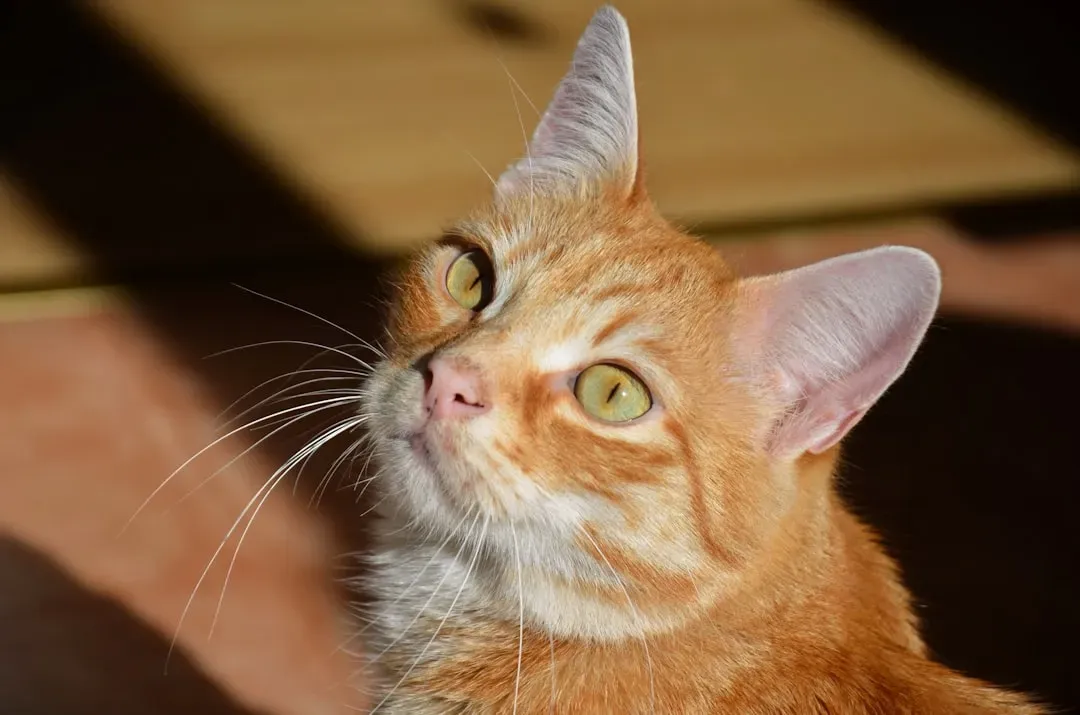
Cats learn to associate images with words even faster than babies do, according to a study published in Scientific Reports. That’s a striking finding, and it reshapes the popular idea that cats are simply indifferent to language. Results showed that cats spent an average of a third more time looking at the screen when the words didn’t match the images, indicating that they had learned the correct associations. The cats could form these associations quickly, after just two nine-second trials, whereas human infants often require more repetitions to learn similar word-object pairings.
Without any particular training, cats appear to pick up basic human language skills just by listening to us talk. They learn to associate images with words even faster than babies do. That means, despite all appearances to the contrary, our feline friends may actually be listening to what we say. The aloof expression, it turns out, might be masking something a lot more engaged than it looks.
4. They Distinguish Your Voice From Every Other Voice in the Room
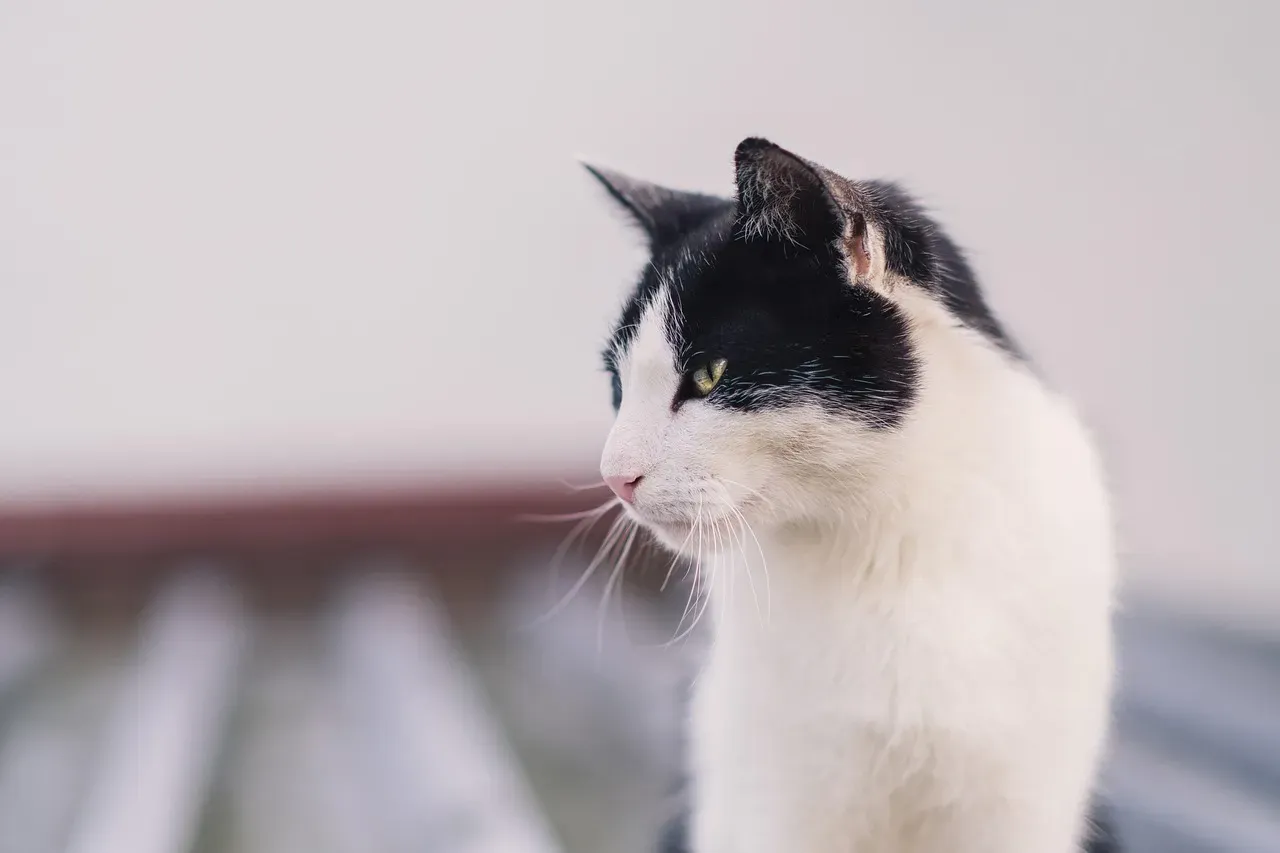
Your cat knows what you sound like, and it processes your voice differently from anyone else’s. Ten of the sixteen cats in a study decreased their behavior intensity when they heard audio clips of a stranger calling them by name. Once they heard their owner’s voice, the cats turned their ears to the speakers, moved around the room more, and their pupils dilated. The researchers concluded that the cats recognized the voices of people they knew.
Cats responded to calling mainly by orienting behavior such as moving the head and ears, but not by communicative behavior such as tail movements and vocalizing. However, it was demonstrated that cats distinguished their owner’s voice from strangers’ voices. This study scientifically confirms the long-held image of the “aloof cat,” but reveals that socio-cognitive ability lies behind this image. The stillness isn’t apathy. It’s awareness with its volume turned down.
5. They Know When You’re Talking to Them, Not Just Talking
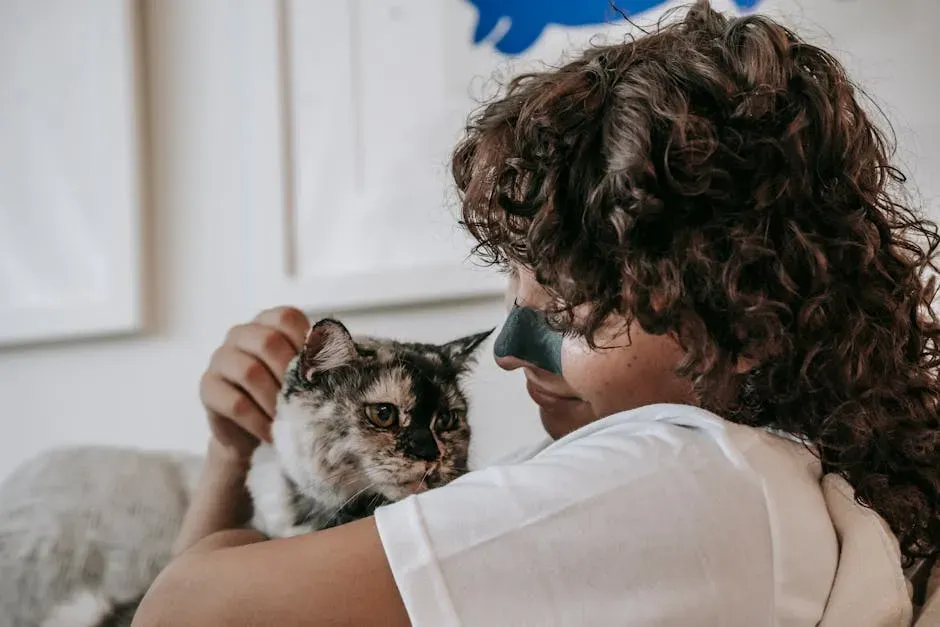
Cats can tell when speech is directed at them versus aimed at another human in the room, and they respond accordingly. Researchers labeled the way pet owners talked to their cats as “cat-directed speech” and to adult people as “adult-directed speech.” They found that cats did respond differently when their owners used cat-directed speech versus speech used for addressing adult humans. That shift in response only happened when the voice belonged to the owner.
Cats decreased their behavior when their owners were speaking in an adult-directed tone. They significantly increased their behavior when they heard that same owner speaking in the cat-directed tone. The cats did not change their behavior when a stranger’s voice was played in either tone. So you can talk around your cat in a normal voice without much reaction. The moment you switch into your “talking to the cat” register, they notice.
6. They Read Your Emotional Tone With Surprising Accuracy
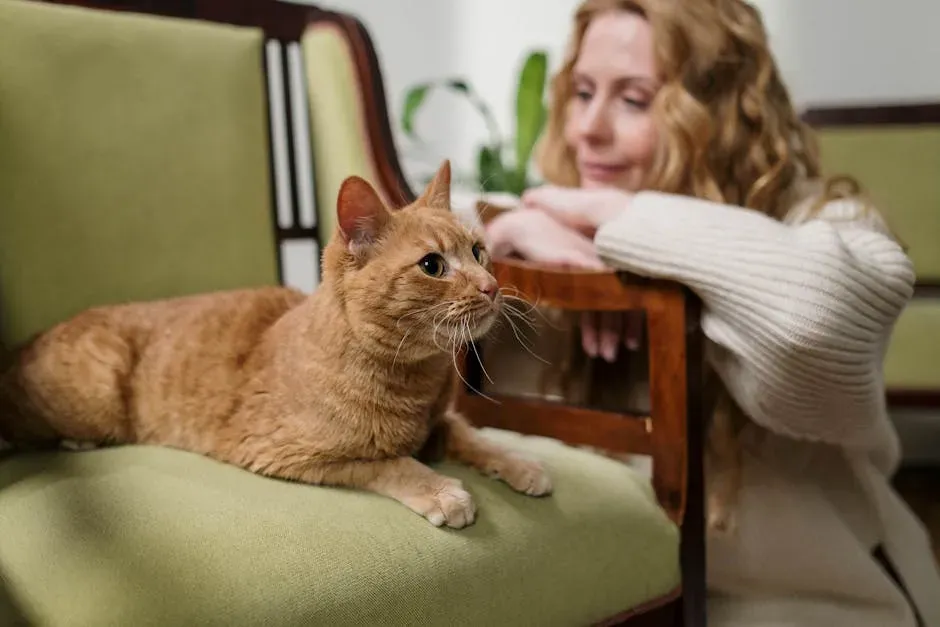
Studies on cats showed that they are sensitive to human emotional signals, though to a lesser extent than dogs. They discriminate between human emotional cues, which produce subtle changes of cat behavior in accordance with the owner’s emotional expressions. So when your voice carries stress, or relief, or frustration, your cat is tracking that quality too, not just the words themselves.
Research found a significant difference in cats’ stress levels when attending to human “happiness” and human “anger” emotional signals, which were higher in response to human “anger” voices and faces. These findings suggest that cats perceived the negative valence of the human “anger” emotion and responded in a functionally relevant way. They notice differences in pitch, volume, and rhythm, responding to happy or calm voices by approaching and retreating from angry or harsh tones. The emotional content of your words reaches them even when the literal meaning doesn’t.
7. They Use Your Voice to Build a Mental Map of Where You Are
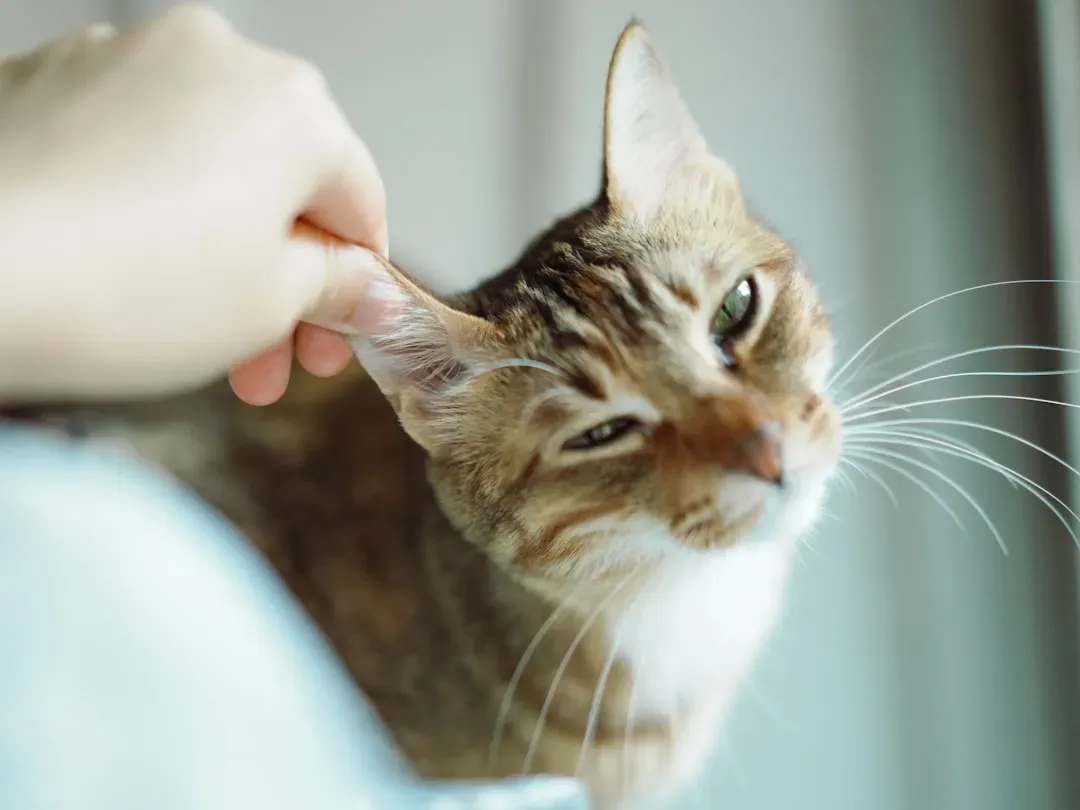
This is one of the more quietly remarkable discoveries about cat cognition. A team of researchers found that cats keep track of where people are in their homes even when they cannot see them. In their paper published in PLOS ONE, the group describes experiments they conducted with cats and recordings of voices. When researchers played a voice from an unexpected location, the cats showed genuine surprise.
The cats appeared to express surprise when hearing the voice of their owner first inside the enclosure and then suddenly outside of it, an event that suggested the human had suddenly teleported instantly from one location to another. That the cats appeared surprised suggested that they were keeping track of where the human was supposed to be by building a mental map of their surroundings, which included the humans that lived with them. Your voice isn’t just sound to your cat. It’s location data.
8. They Look to You for Guidance When They Hear Something Uncertain
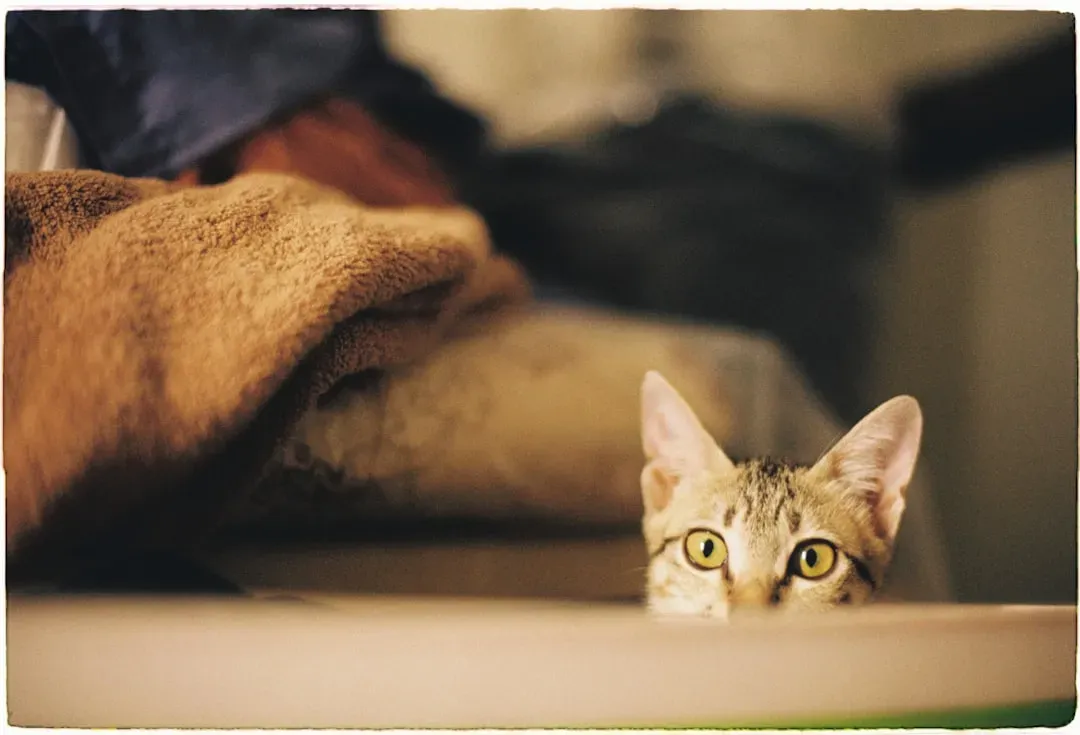
When your cat encounters something unfamiliar and seems to pause and glance at you, that’s not random behavior. Cats’ communicative behavior towards humans was explored using a social referencing paradigm in the presence of a potentially frightening object. One group of cats observed their owner delivering a positive emotional message, whereas another group received a negative emotional message. The aim was to evaluate whether cats use the emotional information provided by their owners about a novel object to guide their own behavior towards it.
Most cats, about four out of five, exhibited referential looking between the owner and the object, and to some extent changed their behavior in line with the emotional message they received. If the owner speaks in a calm, reassuring tone, the cat is significantly more likely to interact with the object than if the owner acts fearful. This suggests that cats possess a degree of theory of mind, the ability to attribute mental states to others. They aren’t just reacting to your movements; they are interpreting your emotional state to inform their own decision-making.
9. They Recognize the Names of Other Household Members, Not Just Their Own
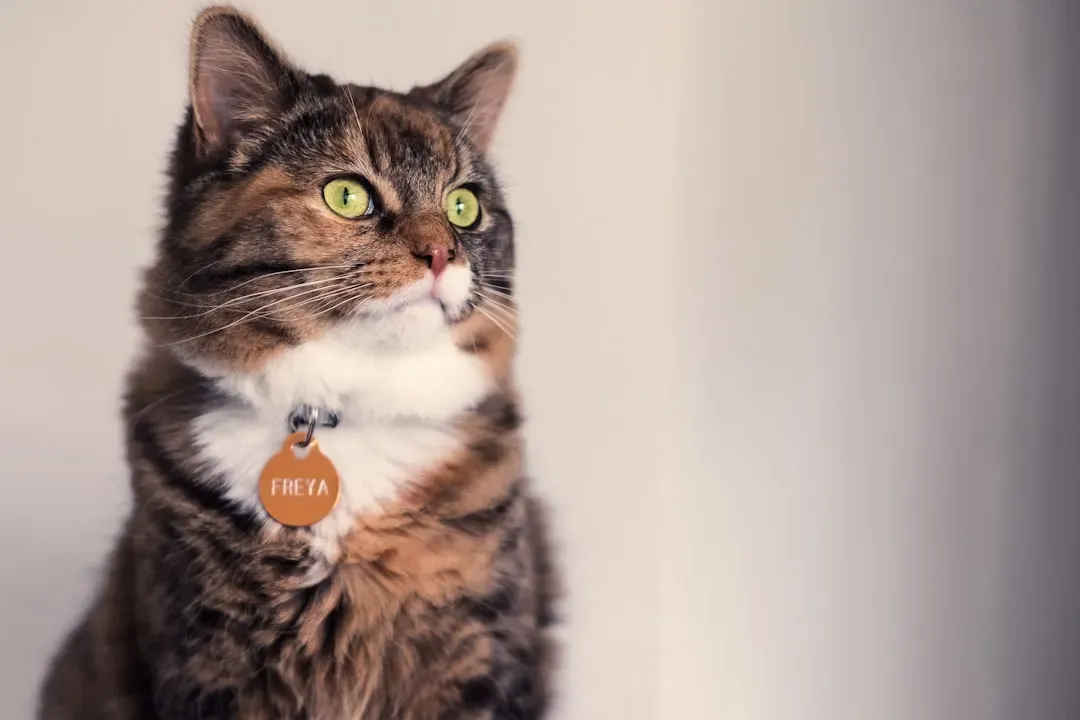
Your cat may know your name too, and possibly the names of other pets in your home. In a further study, an even greater ability of cats to recognize names was demonstrated. Using photographs displayed on a laptop screen, cats were shown images of other familiar cats or their human family members. At the same time, either the cat’s owner or a stranger would call out different names, some of which matched the cats and humans in the photos and some that did not.
Few of us would have known that cats could also show the ability to recognize the names of other cats and humans. This does indeed suggest that cats show advanced social awareness, presumably learning through observing social interactions around them. This level of recognition goes well beyond simple self-interest. It suggests your cat is paying attention to the social world of your household in ways that are genuinely cognitive.
10. They Adjust Their Behavior to Match Your Mood Before You Finish a Sentence
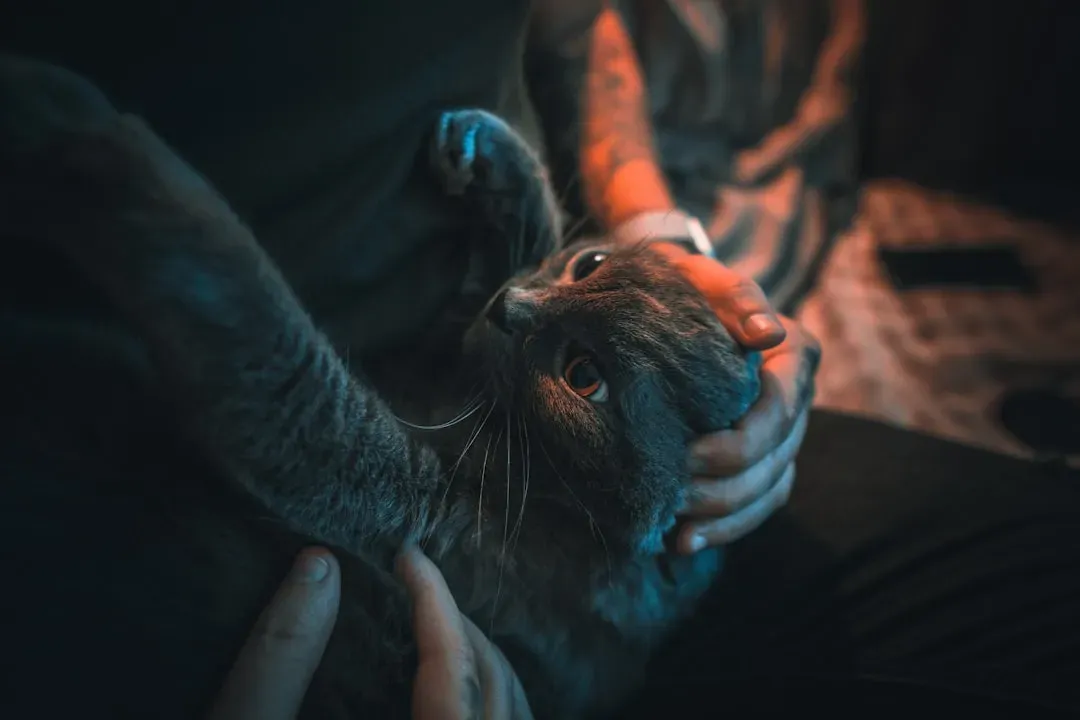
Research suggests that cats are indeed capable of sensing human emotions. They are highly observant creatures and can pick up on subtle cues such as changes in your tone of voice, body language, and daily habits. A cat’s tendency to offer comfort when you’re feeling down is likely a natural response to these cues. You don’t even need to finish your thought. The shift in your voice quality alone is often enough.
It has been found that cats are sensitive to human moods, and in particular, they engage more frequently in social interactions with depressed humans and approach more frequently owners feeling extroverted or agitated. When a cat senses that her owner is sad, she may change her behavior, including becoming more attentive, trailing around after you, or spending more time hanging out with you. She may also show affiliative behavior by purring, rubbing against you, or seeking physical contact. That’s not coincidence. That’s responsiveness.
Conclusion
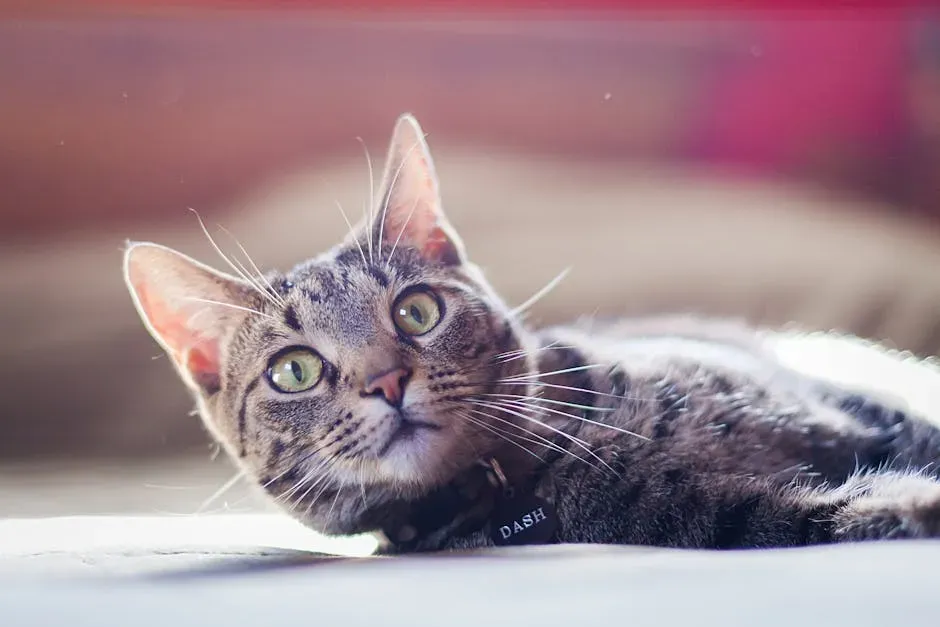
The picture that emerges from all this research isn’t that your cat speaks English or processes full sentences. Cats don’t process human language the way humans do, but they’re smart sound-association learners. When you consistently link words like their name, treats, or play with tone and action, you’re speaking their language. The distinction matters. Understanding and comprehending are different things, and cats are doing plenty of the former.
What’s perhaps most interesting is how much cats have developed these skills simply by living alongside us. Cats have a long history with us, about ten thousand years at last count. This suggests that cats show advanced social awareness, presumably learning through observing social interactions around them. As we explore these aspects of cognition in cats, we find that cats are much more sophisticated and complex in their relationships with humans than is often assumed. The next time your cat turns an ear toward you mid-conversation, maybe take it as the small sign of intelligence it actually is.