Ever catch your cat staring intensely at nothing, or following you from room to room like a tiny shadow? You might think they’re just being quirky or maybe a little weird. Here’s the thing though: your feline friend might actually be keeping watch over you. Cats have a reputation for being aloof and independent, but beneath that cool exterior lies a surprisingly protective nature.
While they’ll never announce their intentions with loud barks or obvious displays of loyalty, cats have their own subtle ways of standing guard. From choosing strategic sleeping positions to patrolling your home like a miniature security officer, these behaviors reveal something deeper than simple coincidence. Let’s dive into the fascinating world of feline protection and discover what your cat is really doing when they engage in those seemingly random behaviors.
They Sleep At Your Feet Like A Guardian
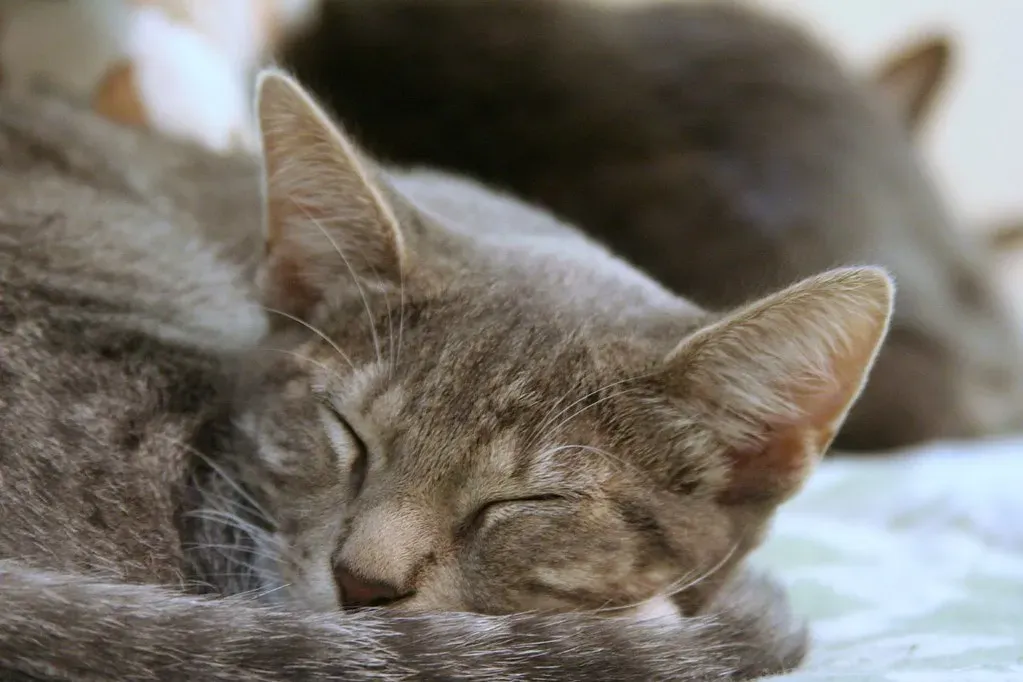
Your cat deliberately chooses to sleep at your feet to protect both themselves and you. It might seem like an odd spot when they could curl up on your chest or beside your head, yet this position serves a very specific purpose. Think about it from your cat’s perspective: they’re vulnerable when sleeping, just like you are.
By staying close, they can protect themselves at night while maintaining a good view of the room to be alerted at the first sign of trouble. This isn’t random behavior or simply seeking warmth. Your cat has instinctively positioned themselves as a sentry, ready to notice any disturbances before they reach you. It’s their way of saying they’ve got your back, even if that back happens to be your feet.
They Follow You Around The House Constantly
You might find it slightly annoying when your cat trails behind you everywhere, from the bathroom to the kitchen to the bedroom. Yet this behavior isn’t clingy neediness. Cats showing protective behavior often follow their owners from room to room, keeping a close eye on movements.
While cats are independent, they remain attached to their owners, and sometimes the real purpose of following you around is to find you and make sure you are by their side, confirming your whereabouts through this patrol behavior. Your cat is essentially conducting wellness checks throughout the day. They’re monitoring your activities and making sure nothing unusual happens to you. It’s actually pretty sweet when you think about it, even if it means you can never use the bathroom alone again.
They Patrol The House Like A Night Watchman
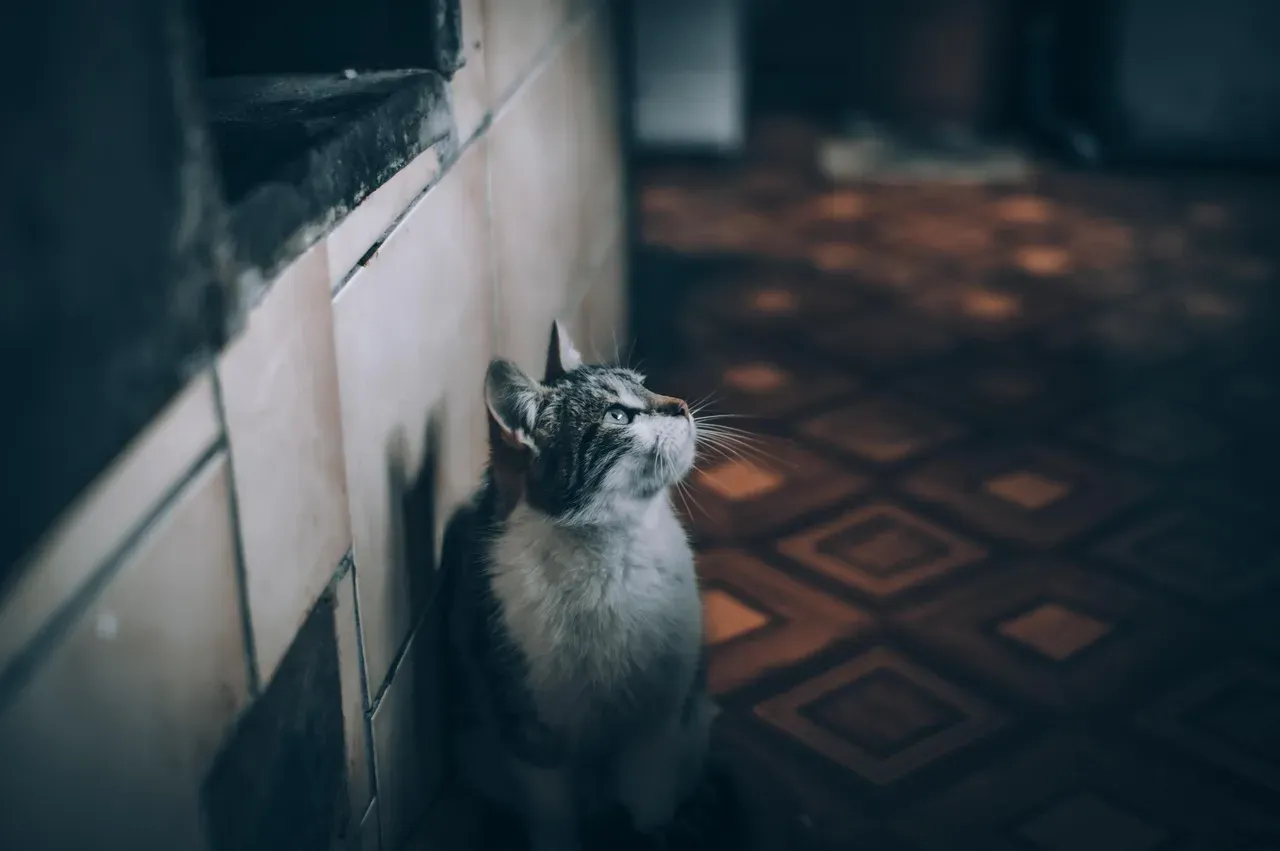
Many cats patrol the house they live in as a way to check on their territory, periodically rubbing their bodies on everything including people. You might notice your cat making rounds at certain times, especially during the evening hours. This isn’t aimless wandering.
Every corner of the house is considered their territory, and regular patrols ensure the safety of this territory by walking, sniffing, and marking to confirm there are no intruders or threats. Cats patrol the boundaries of their space at least once a day, scent marking or scratching as needed. They’re literally doing security sweeps of your home, checking windows, doors, and any entry points. Your cat takes this responsibility seriously, even if you never asked for a furry security guard.
They Position Themselves Between You And Strangers
One of the most common signs of protection is when your cat positions itself between you and something unfamiliar such as a new visitor, another pet, or even a strange noise, signaling alertness and readiness to assess potential danger. This blocking behavior is deliberate and strategic. Your cat is literally putting their body in the path of what they perceive as a threat.
It’s remarkably brave when you consider their size compared to most humans or other animals. Cats tend to use vigilance and warning signals rather than direct confrontation. Still, the fact that they place themselves in that position shows a protective instinct. They’re creating a buffer zone, evaluating whether this stranger poses any danger to you before allowing them closer.
They Stay Unusually Alert When Something Seems Off
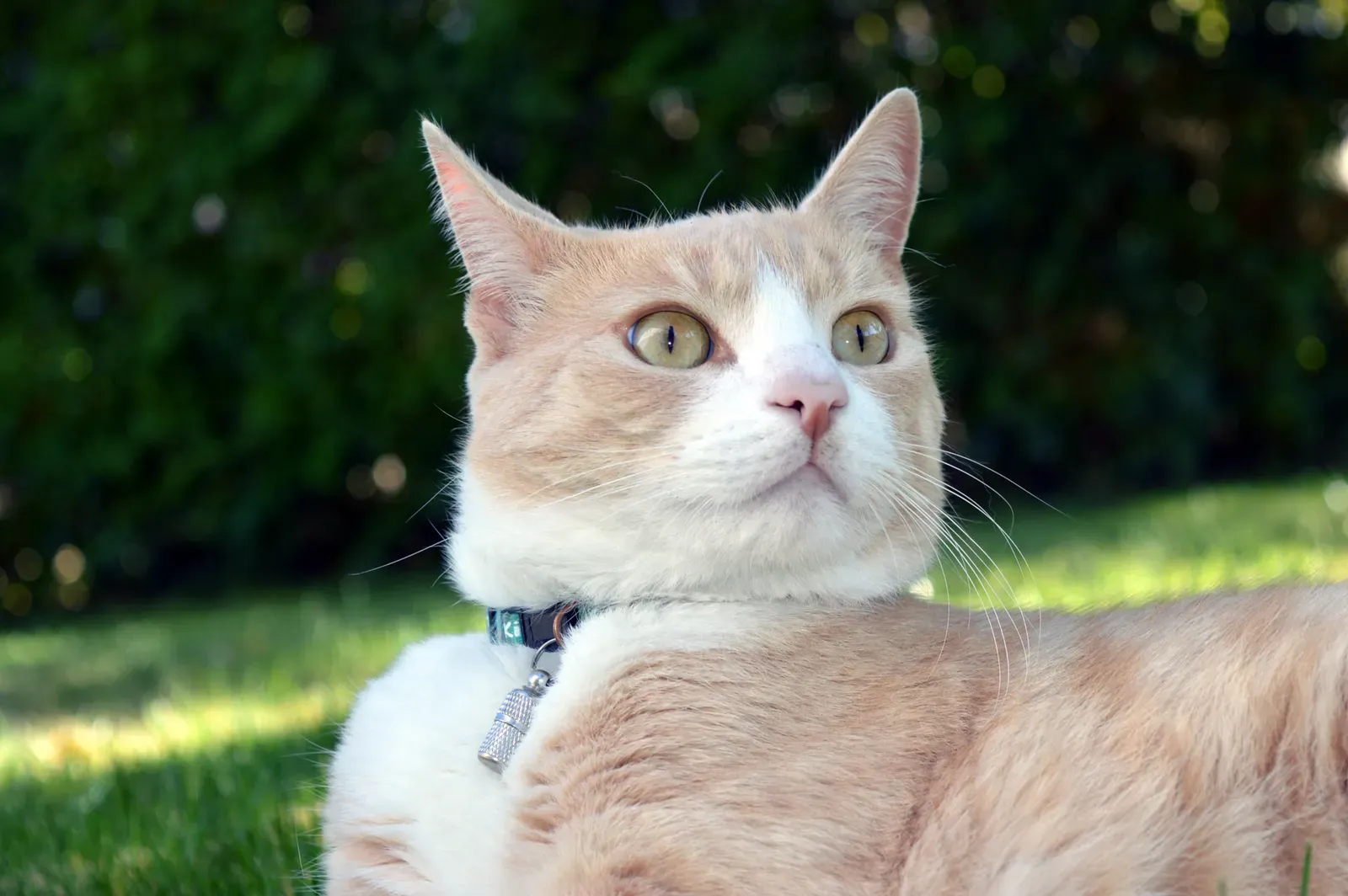
Cats that are concentrating, alert, frightened, or hunting often have dilated eyes because their eyes dilate when there’s something they really need to pay attention to, helping them track movement and see better when trying to protect you. You’ll notice their ears swivel and point toward sounds you might not even consciously register.
Cats have extraordinarily sharp senses, with hearing being their forte, able to detect faint noises much earlier than humans can, and their heightened awareness can serve as an early warning system. Cats get tense when nervous, which they absolutely will be if trying to protect you from a perceived threat, often laying nearby in a seemingly comfortable manner but appearing unusually uptight and tense. It’s like having a living alarm system that picks up on dangers you’d completely miss.
They Make Warning Vocalizations When Danger Approaches

Growling, hissing, or a low yowl can indicate they perceive a threat and are prepared to protect you. These aren’t just random sounds of annoyance. Your cat is issuing warnings, both to you and to whatever they’ve identified as potentially dangerous. Honestly, it’s a bit startling when your normally quiet cat suddenly starts making these intense sounds.
Cats show protective behavior through vigilant monitoring, staying close to their owners, warning vocalizations, and occasionally intervening in dangerous situations, also following their owners around and reacting to unfamiliar people or sounds. The vocalizations are part of their communication strategy. They’re trying to alert you that something’s wrong, and simultaneously attempting to intimidate whatever has caught their attention. It’s their version of sounding the alarm.
They Display Tense Body Language Around Potential Threats
Quick and sharp tail movements are usually a sign that your cat is paying very close attention to something, and these tail movements typically pop up when trying to protect against something, usually occurring when looking at the thing they’re trying to protect you from. The tail is incredibly expressive and tells you everything about your cat’s emotional state.
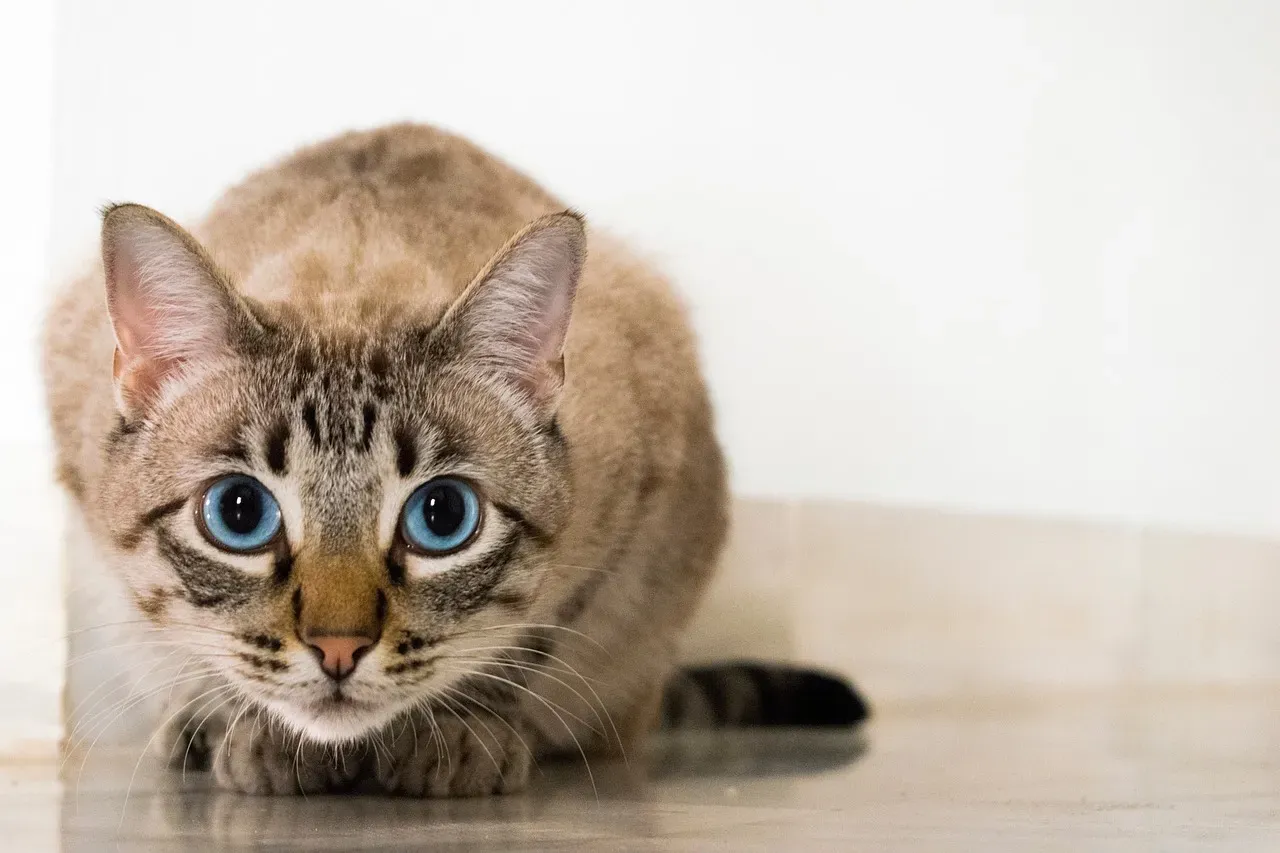
Cats crouch because it allows them to jump into action very quickly, so if they’re trying to protect you from something they may crouch in preparation, usually with pointed ears and dilated eyes paired with this stance as they pay very close attention to the situation. This ready-to-pounce position means your cat is prepared to act if necessary. They’re not just observing passively but are actively preparing to respond to whatever they’ve identified as a problem.
They Check On You While You Sleep
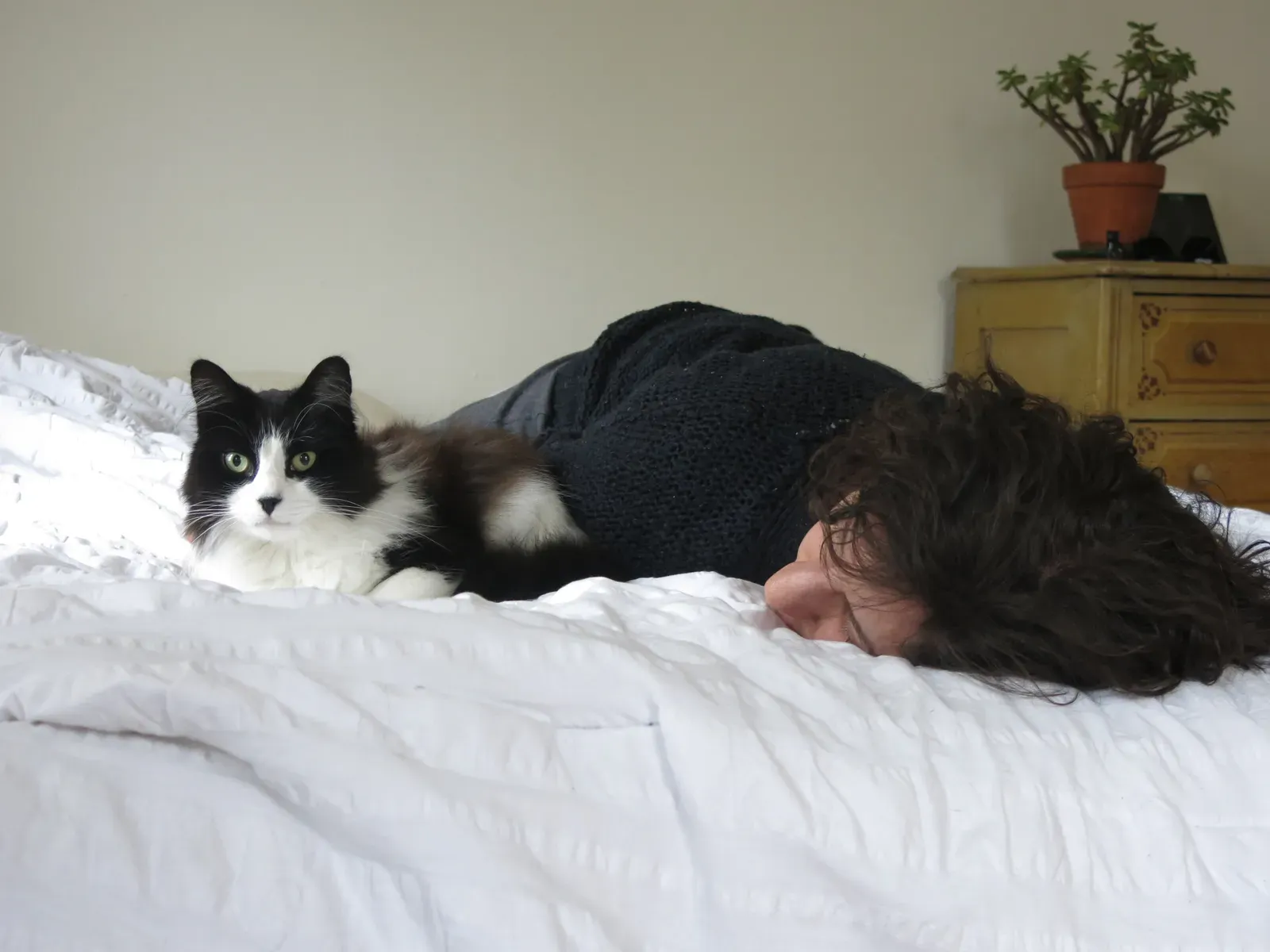
Cats want to make sure you are safe and sleeping soundly, with many choosing to lie beside their owners, even near your head or chest. You might wake up occasionally to find your cat staring at you in the darkness. It’s hard to say for sure, but this probably isn’t as creepy as it seems at first.
Cats often stay alert, especially at night, to ward off potential intruders. Since cats are naturally aware that sleep leaves them vulnerable, they tend to stick close to those that make them feel safe, and while your cat may not be standing guard ready to attack any threat, they may be snuggled up close while you sleep to make sure you are both better protected from potential threats. They’re conducting periodic wellness checks, making sure you’re still breathing and that nothing has disturbed your rest.
They React To Changes In Your Health Or Mood
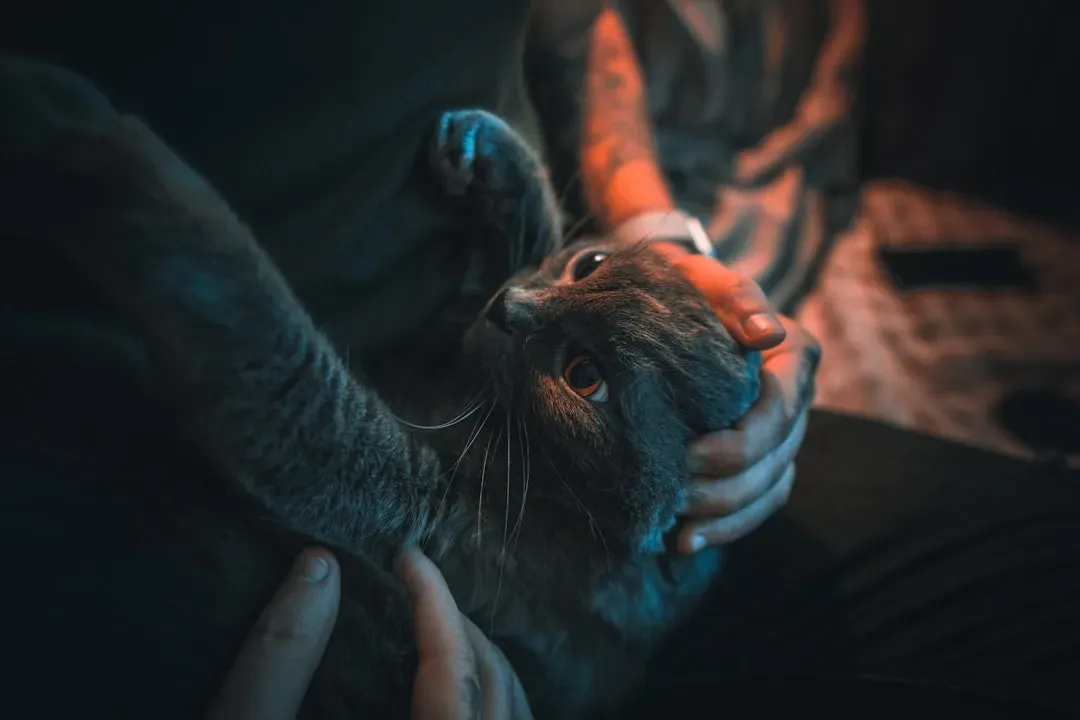
The bond between cats and their owners is profound, as cats often sense something is amiss and react accordingly, sometimes becoming more clingy or alert. Cats can sense changes in atmospheric pressure around them and smell chemical changes that occur in the body when others are ill. This is actually pretty remarkable when you think about the science behind it.
There are documented cases where cats have alerted their owners to serious medical emergencies. A family cat in Florida alerted owners about dangerous carbon monoxide presence through loud meows or persistent pawing, managing to wake its owners, and their keen senses and timely intervention prevented what could have been a tragic event. Your cat might seem like they’re just being extra affectionate when you’re sick, but they’re actually responding to physiological changes they detect in you.
They Mark You And Your Space As Their Territory
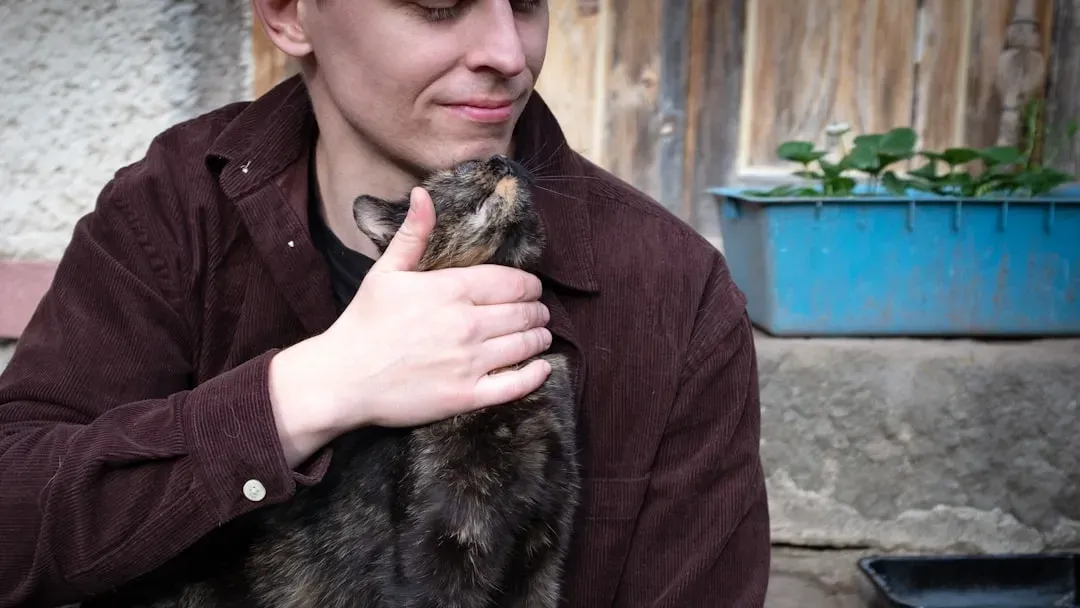
Cats are territorial animals who defend a certain area against intruders, and in their own territory they can eat, sleep and play safely. When your cat rubs their face against you or headbutts you, they’re not just being cute. Cats mark their turf by patrolling, chin rubbing and urine spraying, and may stalk, chase and ambush a targeted intruder while displaying offensive body postures.
By marking you with their scent, they’re essentially labeling you as part of their protected territory. A cat’s protective behavior is rooted in their territorial nature and affection for their human, and when your cat protects you it’s a sign of their love and respect. It’s a declaration to other animals that you belong to them and they’re responsible for your safety. Pretty possessive, sure, but also kind of endearing in a weird way.
Conclusion
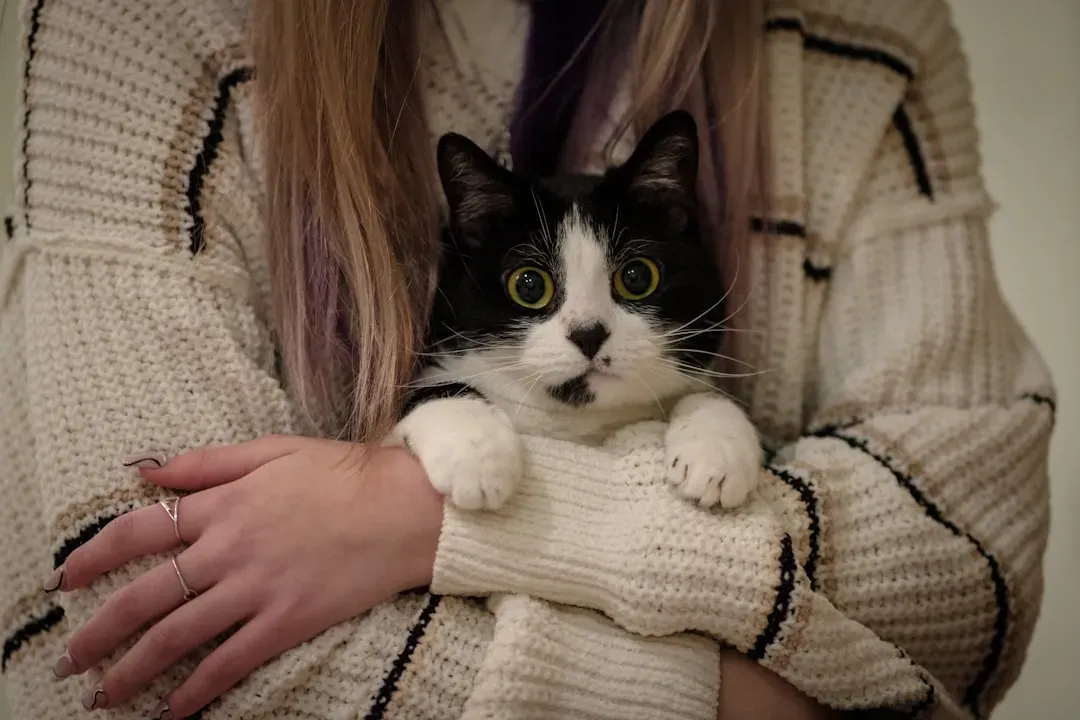
Your cat’s protective behaviors might not look like the loud, obvious displays you’d see from a dog, but that doesn’t make them any less real or meaningful. From strategic sleeping positions to vigilant patrols, from warning vocalizations to health monitoring, cats demonstrate their loyalty and protective instincts in uniquely feline ways. Research has shown that cats form deep emotional attachments to their owners, similar to the bonds between human parents and infants.
The next time your cat follows you to the bathroom or stares intensely at a guest, remember they’re not being antisocial or weird. They’re fulfilling what they see as their duty to keep you safe within their territory. These subtle guardians work tirelessly behind the scenes, using their superior senses and instincts to watch over you. So what do you think? Have you noticed your cat doing any of these protective behaviors? You might just have a tiny, furry bodyguard living in your home without even realizing it.