Living with a cat is like sharing your space with an enigmatic housemate who never quite tells you what they’re thinking. Cats often communicate more through body language than vocalizations, primarily communicating silently through body language, scent marking, and visual cues. While we think we understand our feline friends, they have specific needs and desires that often go unnoticed. These silent wishes, when understood and fulfilled, can transform your relationship with your cat from good to absolutely extraordinary.
Understanding these subtle requests isn’t just about making your cat happier. It’s about recognizing that cats giving the silent treatment is not an act of malice, but rather a reflection of their independent nature and unique communication style. When we learn to read between the lines of their behavior, we unlock a deeper connection that benefits both human and feline. Let’s explore these secret desires that your cat has been silently hoping you’ll notice.
Slow Blink Communication – The Cat Kiss You’ve Been Missing
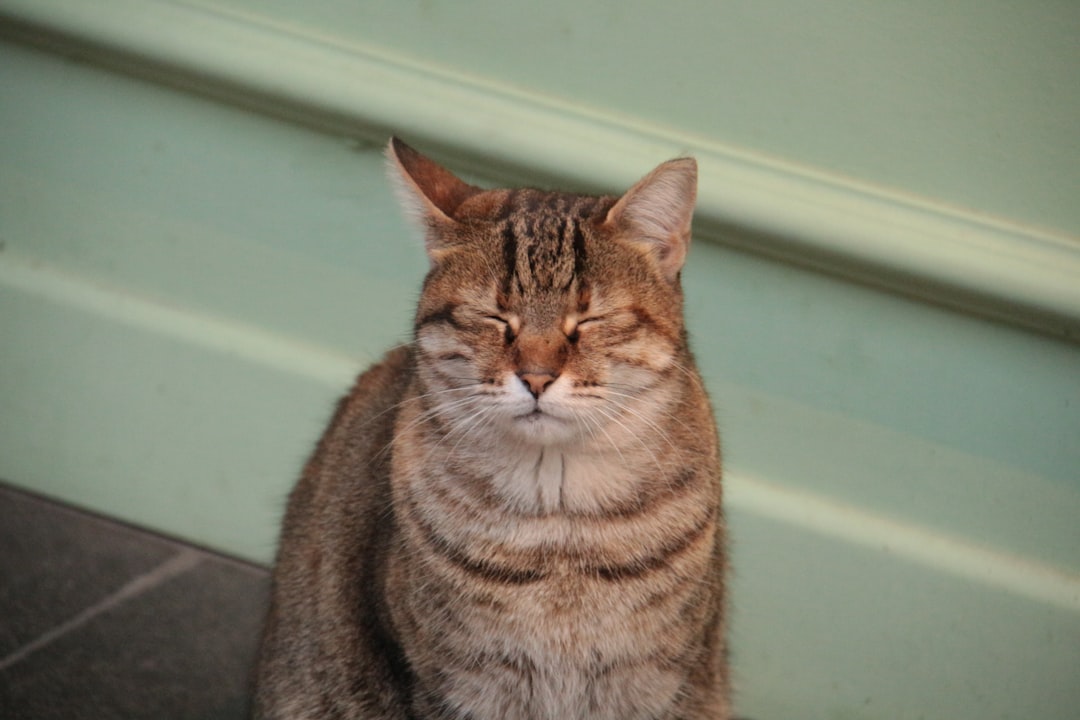
By narrowing your eyes and blinking slowly, scientists confirmed that this simple gesture makes cats – both familiar and strange – more likely to approach and engage with humans. Your cat has been sending you love letters with their eyes this whole time, and you might have missed them completely. If your cat gives you slow, deliberate blinks, it’s their way of saying they trust you. Cats often slow-blink when they’re comfortable and feel safe in their environment.
This isn’t just cute behavior. It’s the feline equivalent of a “kiss” or a warm gesture. Try returning the blink slowly – it’s a great way to bond with your cat. Think of it as learning a secret handshake that only you and your cat know. Cats blink slowly to show affection and relaxation. If a cat blinks slowly at you, they are not threatened by you – in fact, they trust you.
Vertical Territory – They Want to Rule From Above
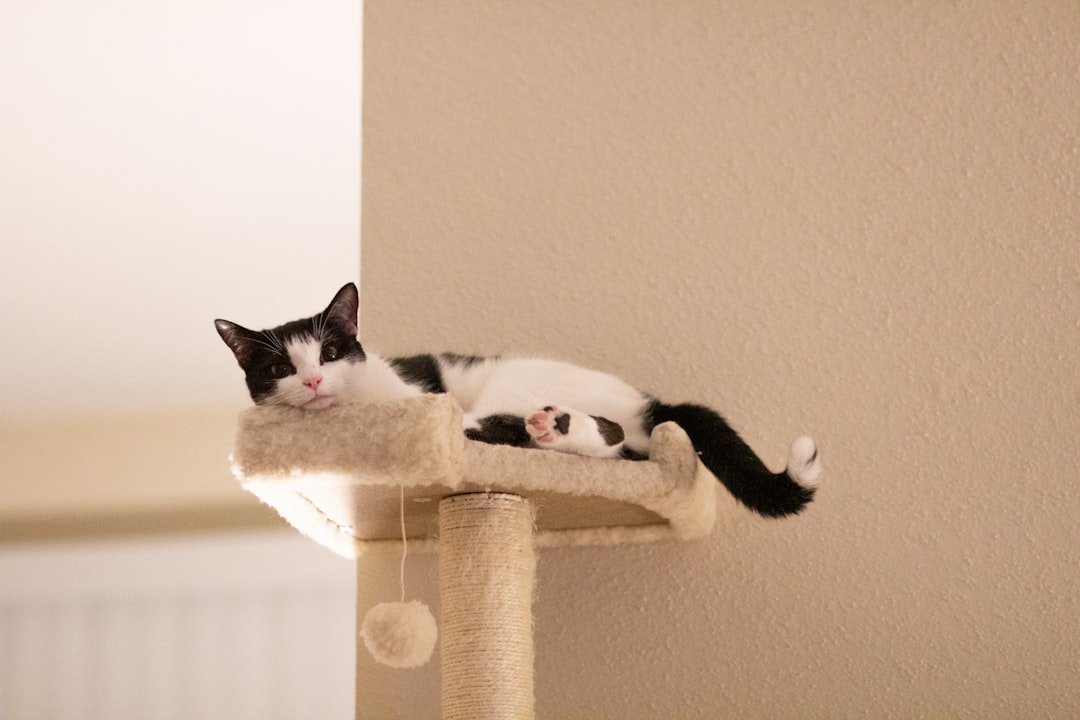
Provide vertical spaces for cats that often have tucked tails (shy or nervous) Use interactive toys if your cat is constantly alert with forward ears. Your cat dreams of being the king or queen of their castle, and that castle needs multiple levels. Cats are territorial and need lots of space. One way to avoid conflict is by creating vertical spaces for your cats to explore. We’re talking cat trees, wall shelves, and high perches that let them survey their domain.
Provide them with plenty of vertical space (cat trees, shelves), scratching posts, toys, and hiding places. This isn’t just about giving them a place to nap. The cat does not like any restrictions on movement. All zones must be accessible to her. Many have noticed how tenaciously a cat seeks to open a door or closet in order to climb up. Height equals security in the feline world, and when your cat can look down on their territory, they feel more confident and relaxed.
Consistent Daily Routine – Predictability is Their Secret Comfort
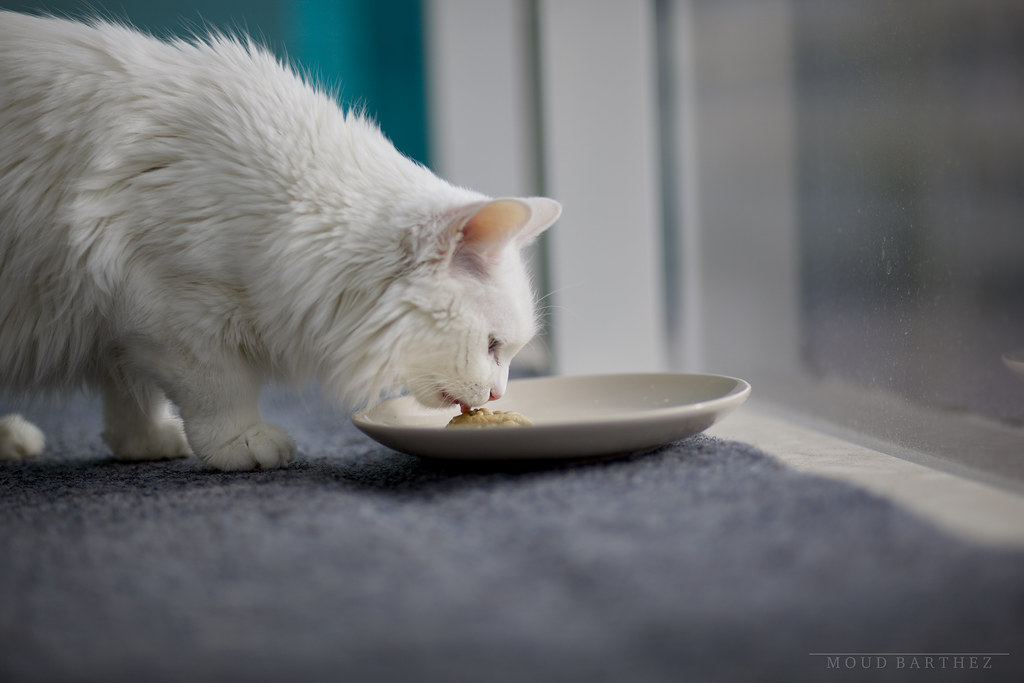
Cats need routine in their lives to feel safe and comfortable. While we humans might thrive on spontaneity, your cat finds peace in knowing what comes next. One thing they share, however, is a positive reaction to a little structure in their days. Developing a schedule for feeding and playtime is often one of the steps recommended by trainers to help pets that have anxiety. Meeting your pet’s basic needs in predictable ways means they’re more likely to relax while you’re not around.
Make your cat feel comfortable with scheduled mealtimes. Feed your cat at the same times daily. This includes feeding times, play sessions, and even your bedtime. Knowing what to expect and having a general idea of when to expect it helps give our pets a sense of security. Routine can also be helpful with some key aspects of training, like crate training and potty training for dogs where a schedule is crucial. When your cat knows breakfast happens at seven and playtime at six, their world becomes a predictable, safe haven.
Interactive Play Sessions – The Hunt They’re Craving
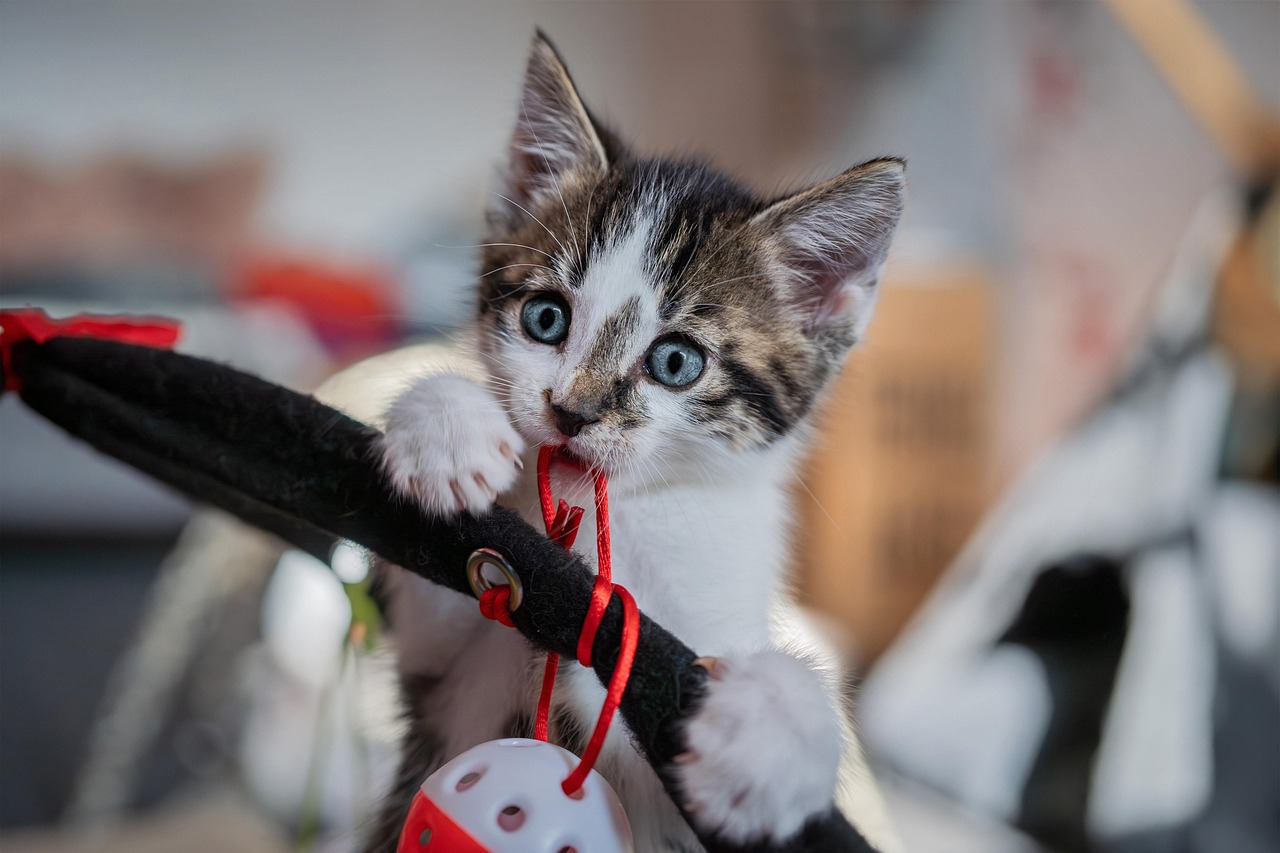
All cats are natural-born hunters that love to play. Playing is great for exercise and mental stimulation. Your indoor cat has the soul of a mighty hunter trapped in a comfortable house. Cats have a natural daily cycle, where they instinctually hunt, eat, groom and sleep. For cats, it’s very straightforward. A cat catches a mouse, eats the mouse, cleans up after eating, and then sleeps. Once they’re regained energy, the cat will want to reproduce that cycle again. And a normal cat will follow this cycle several times each day.
Going through their instinctual “prey sequence” before they eat is important: staring, stalking/chasing, pouncing, and finally, the kill bite. Follow this with a meal, and you’ve initiated another important cat sequence: hunt, eat, groom, sleep. Use wand toys that mimic birds, mice, or insects. Let them stalk, pounce, and “kill” their prey. Most cats benefit from 10-15 minutes of active play twice daily. For example, you could play for 10-15 minutes before your cat eats breakfast and another 10-15 minutes when you get home from work.
Mental Stimulation Through Puzzle Feeders – Make Mealtime Challenging
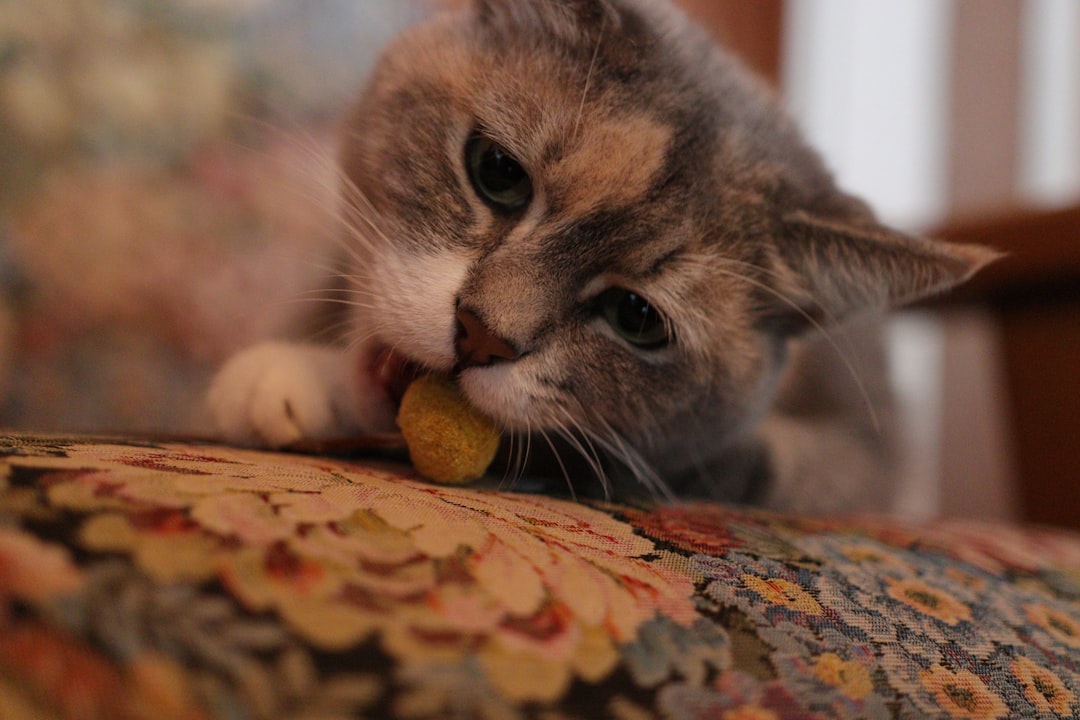
Using a food puzzle helps mimic the natural way your cat would eat in the wild. After all, there are no bowls of kibble sitting around in the forest! Getting a meal on their own requires mental and physical stimulation – puzzle feeders bring some of that stimulation back to mealtime. Your cat’s brain is designed for problem-solving, and a simple food bowl isn’t cutting it. Puzzle toys challenge cats to solve problems to access hidden treats or toys, encouraging natural hunting and foraging behaviors. Treat dispensing toys add an extra layer of excitement by rewarding your cat’s efforts with their favorite snacks.
Puzzle feeders, which make your cat work for food, are one way to mimic hunting behavior (also called “forage feeding”). Puzzle feeders also encourage mental stimulation, which has been shown to decrease stress and anxiety – common issues for cats in an unfamiliar setting like a shelter. These devices turn every meal into a mini adventure. They’re wonderful mental enrichment and can be used in a variety of helpful ways during socialization and positive reinforcement work. They’re great to give your cat something to do when you’re away from home.
Respect for Personal Space – Reading Their “Leave Me Alone” Signals
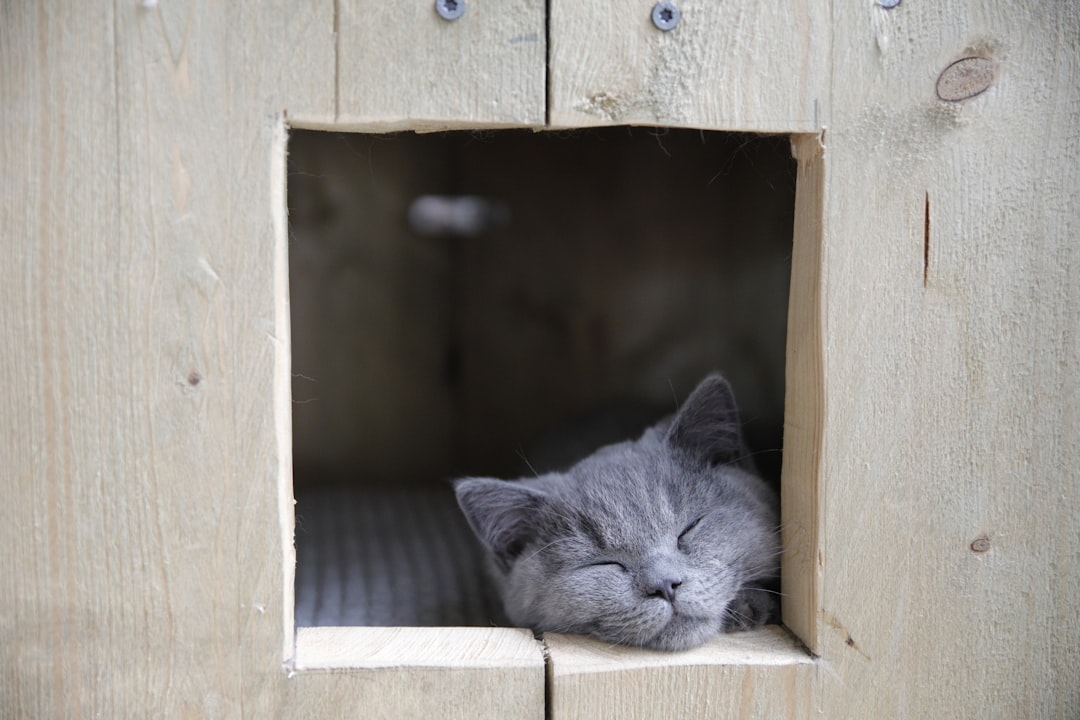
Sometimes, cats may learn to give you the silent treatment to avoid interactions they find unpleasant. If your attempts to play, cuddle or give affection are ill timed, it could cause them to associate interactions with negativity. For example, if you try to cuddle with your cat when they’re clearly trying to nap, they might start to avoid you to avoid the unwanted affection. This is the cat’s way of protecting its boundaries and making sure its needs are being met.
Your cat isn’t being rude when they walk away from your advances. Most cats show warning signs before striking, such as tail thrashing, ears flattening, or skin rippling along the back. Cats can become overstimulated during petting sessions, especially on sensitive areas like the belly or base of the tail. Watch for these early signals and stop petting immediately when you notice them. Some cats enjoy physical contact and seek petting and cuddling, while others are more reserved or even reject contact. Respect your cat’s individual boundaries and don’t force her to interact if she shows signs of discomfort, such as avoidance movements, growling, or attempts to escape.
Strategic Hiding Spots – Safe Spaces for Decompression
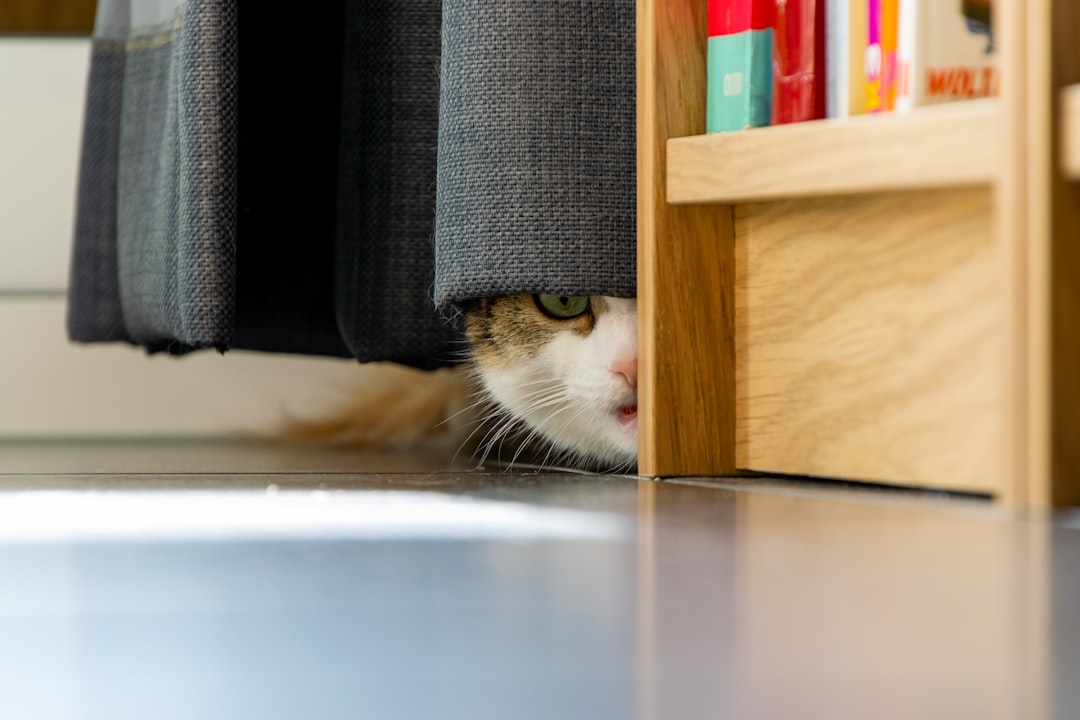
Cats are animals that need their own safe space, so it’s common for them to hide in places like boxes, closets, or under furniture. This behavior indicates that they are feeling insecure, stressed, or simply seeking privacy. Every cat needs a fortress of solitude where they can retreat when the world becomes too much. Offer hiding spots for cats with flattened ears or tense posture. This isn’t about them being antisocial or scared of you.
Think of these hiding spots as their personal meditation retreat. Give your cat space and access to hiding spots where they feel secure. Avoid forcing interaction or trying to “comfort” a fearful cat by picking them up, as this can increase stress. Instead, speak softly and let your cat calm down naturally while maintaining a peaceful environment. Cardboard boxes, cat caves, or quiet corners with blankets can become their go-to stress relief zones.
Understanding Their Scent-Marking Needs – Let Them Claim You
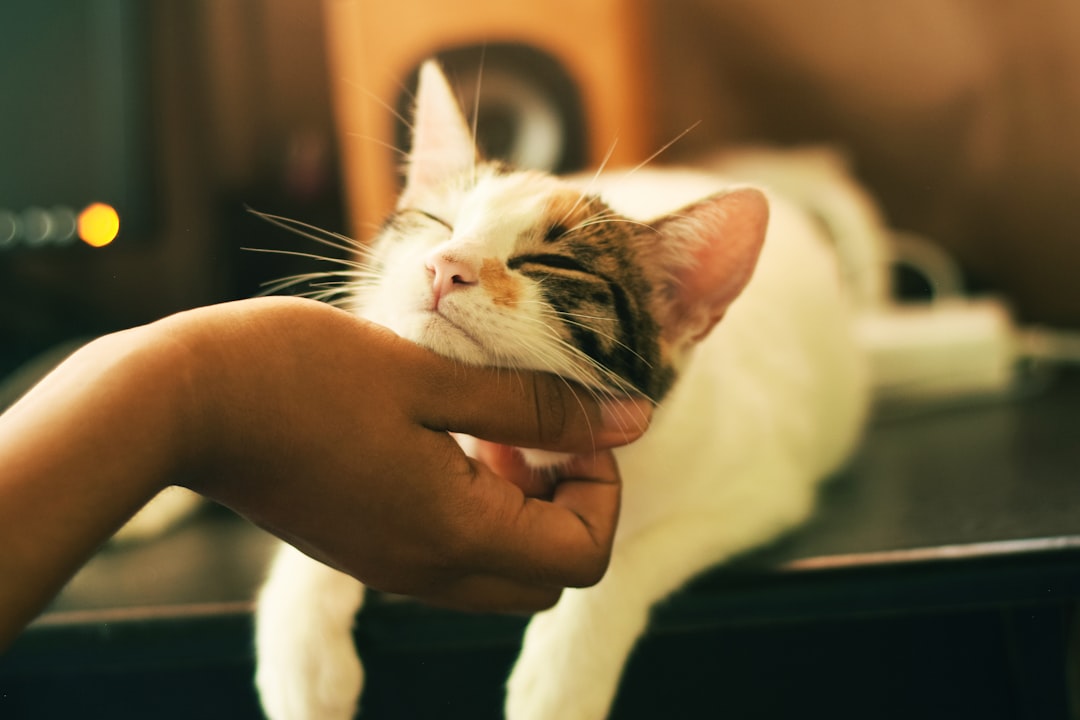
When a cat rubs their body against you or other objects, they are doing so to mark their territory. This includes you! When a cat is super happy, they will do a kneading motion with their paws. Your cat has scent glands all over their body, and they use them like invisible name tags to claim what’s theirs. Cats have scent glands on their heads and bodies, so they rub against objects, people, or other animals to mark their territory. This behavior is also a way to show affection and establish social bonds.
When a cat rubs against the edge of a sofa or scratches on furniture, it leaves marks. In general, marks are left either by urine or secretions from the glands: facial glands located on their cheeks, forehead, and around their mouth; paws; and tail base. Therefore, when scratching your favorite sofa, the cat does not do it to annoy or out of harm – this is how it marks the territory, because our whole house is the cat’s own territory. When they headbutt you or rub against your legs, they’re not just being affectionate. They’re literally making you smell like family, which is the highest honor in cat society.
Attention to Their Whisker Communications – Those Tiny Mood Indicators
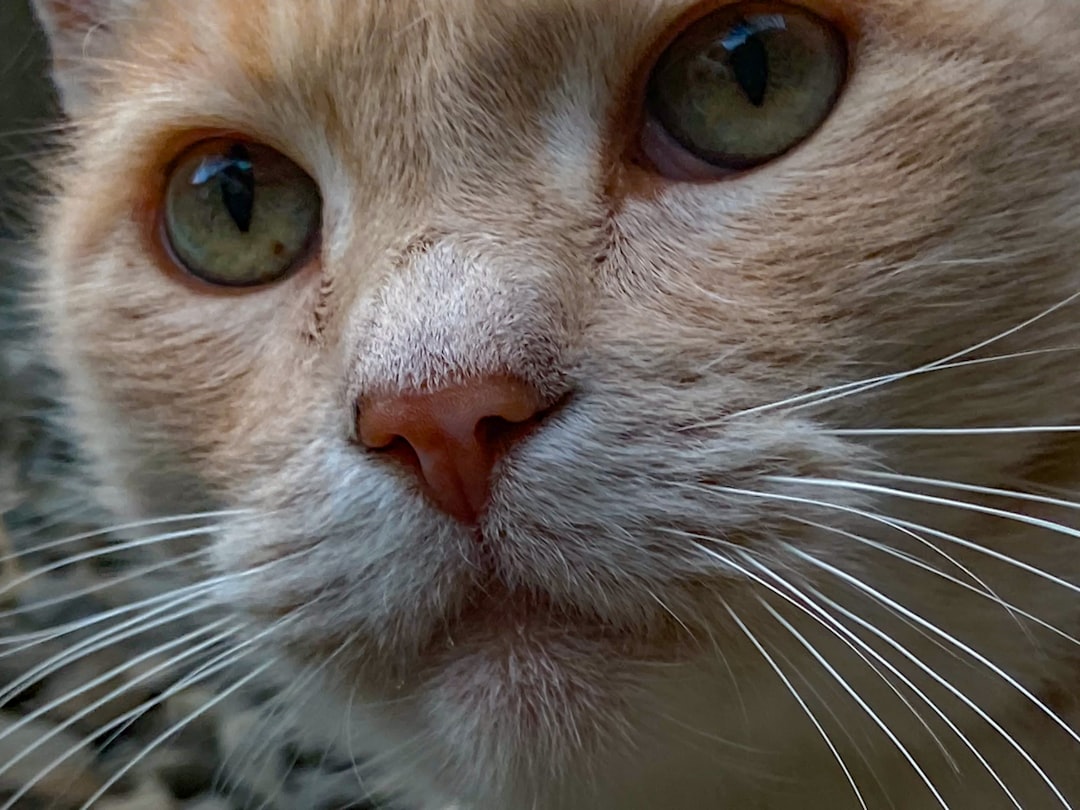
Cat whiskers function as sensitive sensory tools that also broadcast emotional states. Neutral, relaxed whiskers suggest calm, comfortable cats. Whiskers pulled back against faces indicate fear or defensiveness. Forward-positioned whiskers show interest, curiosity, or hunting focus. Your cat’s whiskers are like tiny mood rings that most people completely ignore. Some cats have such expressive whiskers that experienced owners can read moods from across rooms just by observing whisker angles. When cats feel threatened or defensive, whiskers often flatten against their faces as part of the overall “make myself smaller” response.
Though this is a subtle behavior, a cat that’s feeling anxious or scared will keep its whiskers close to its face as though ready to bite. Compare this to a happy cat, and you’ll notice its whiskers bend forward as if “hugging” the air. Learning to read these whisker messages gives you insight into your cat’s emotional state before they need to resort to more dramatic communications like hissing or hiding.
Consistent Positive Interaction – They Want Quality Time, Not Just Food
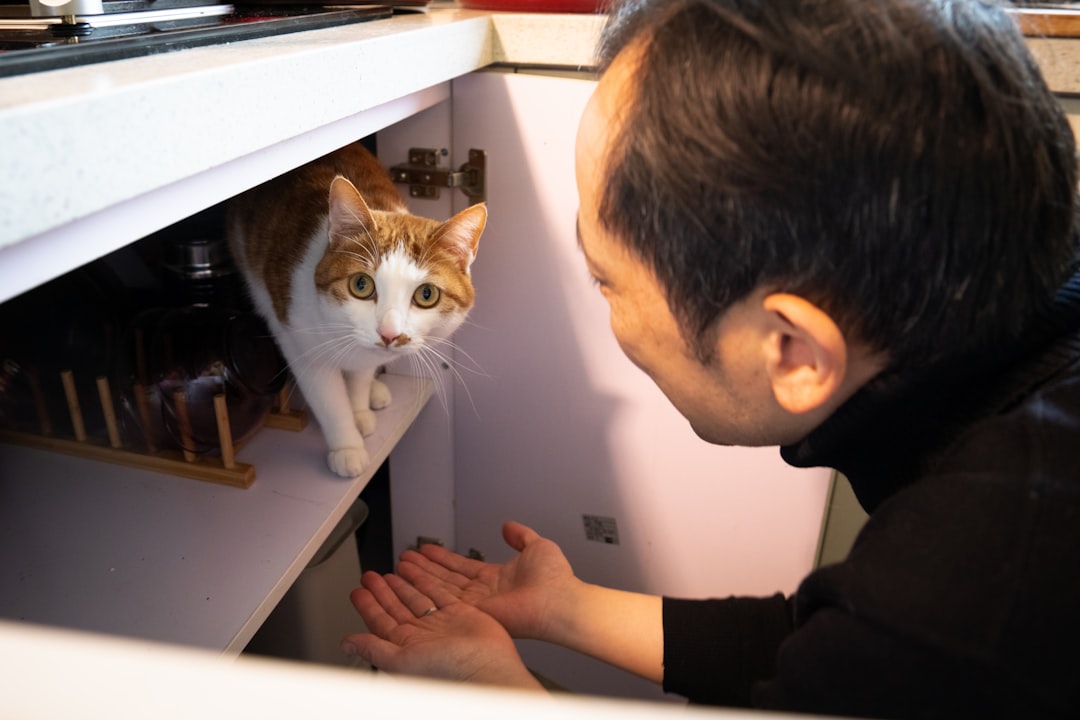
If your cat is healthy, include yourself in playtime. Cats prefer human interaction! Your cat doesn’t just want you around to open cans and clean litter boxes. Many cats enjoy human interaction when it’s on their terms. They genuinely crave meaningful interaction with their favorite humans, but it needs to be on their terms and at appropriate times.
Talking back to your cat builds your connection, even if they don’t understand the words. Use a gentle tone – that matters more than what you say. Engaging in playtime activities with your cat strengthens the bond between you and keeps them happy and content. This means being fully present during play sessions, responding to their chirps and meows, and recognizing when they’re asking for attention versus when they need space. Quality beats quantity every single time in the feline friendship handbook.
Conclusion
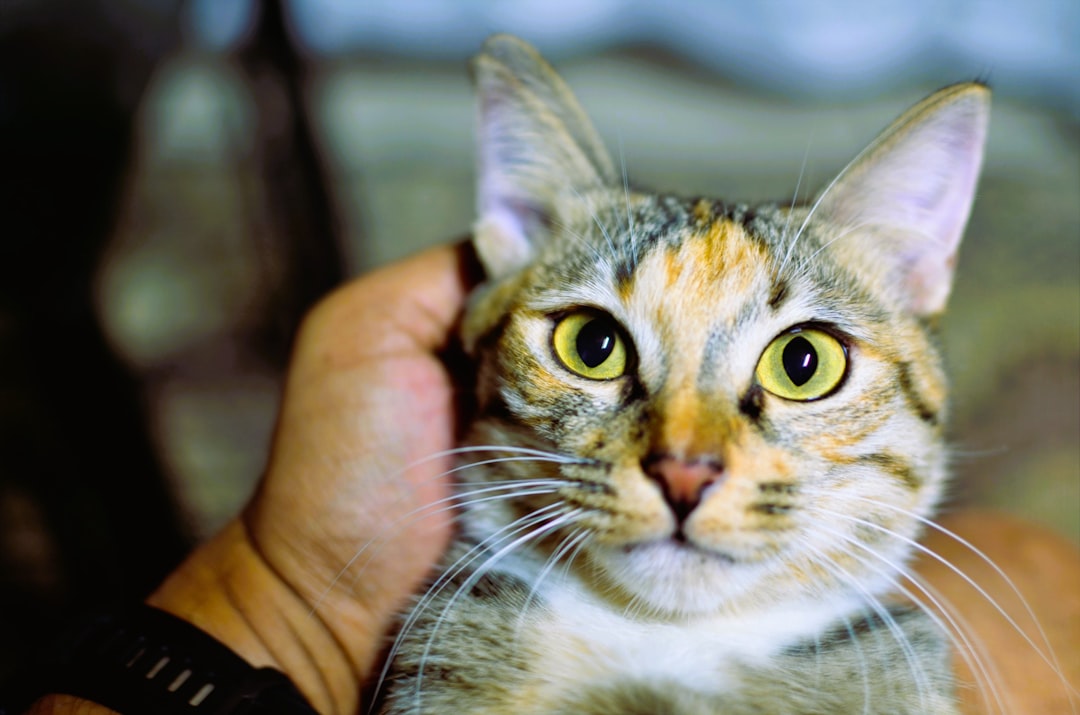
Understanding these ten silent wishes transforms you from a cat owner into a cat translator. When you start slow blinking back at them, creating vertical kingdoms, establishing routines, and respecting their boundaries, something magical happens. Your cat begins to see you not just as their food provider, but as someone who truly gets them.
The beauty of cats lies in their subtlety. They don’t demand attention like dogs or wear their hearts on their sleeves. Instead, they communicate through whisker positions, tail angles, and those precious slow blinks that we now know are feline kisses. By tuning into these quiet signals, you’re showing your cat the ultimate respect: acknowledging their unique way of experiencing the world.
What fascinates me most is how simple these changes really are. We’re not talking about expensive gadgets or complicated training routines. We’re talking about paying attention, being consistent, and understanding that your cat’s independence doesn’t mean they don’t need you. They just need you to be fluent in their silent language. Did you recognize any of these behaviors in your own feline friend?