You probably think you know your cat pretty well. You’ve lived together for years, you feed them daily, and you even tolerate their three a.m. zoomies across your face. Still, there’s a whole world of communication happening right under your nose that you might be missing completely.
Cats are notorious for being mysterious creatures. Unlike dogs who wear their hearts on their sleeves, cats prefer subtlety and nuance. They communicate through flickering tails, slow blinks, peculiar vocalizations, and yes, even through those unsettling hunting gifts they leave at your doorstep. Understanding what your cat is really saying can transform your relationship from roommates to true companions. Let’s dive into the secret language of cats.
That Slow Blink Isn’t Just Sleepiness
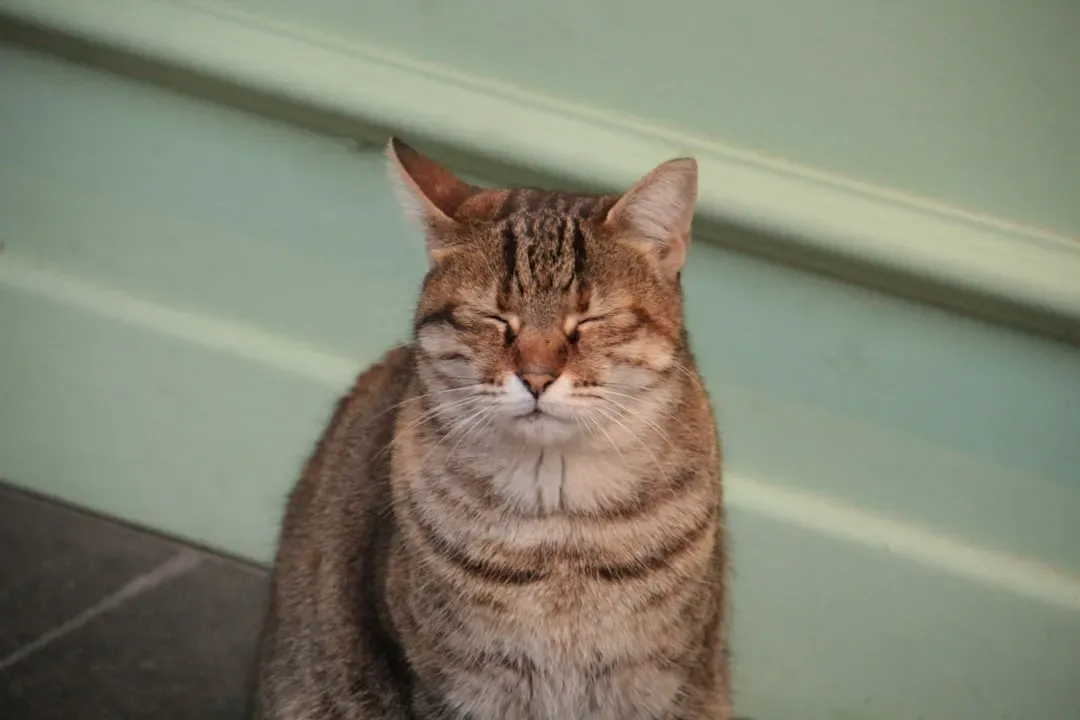
When your cat blinks slowly at you, they’re showing affection and relaxation, indicating they’re not threatened by you and actually trust you. Think of it as a feline kiss. This isn’t your cat being drowsy or bored with your presence.
It’s actually one of the highest compliments a cat can give. Studies have even proven that the slow blink strengthens human-cat bonds. You can return the gesture by slowly blinking back at them. Try it next time your cat gazes at you and closes their eyes gradually. You might just start an entire conversation.
Their Tail Is a Mood Ring
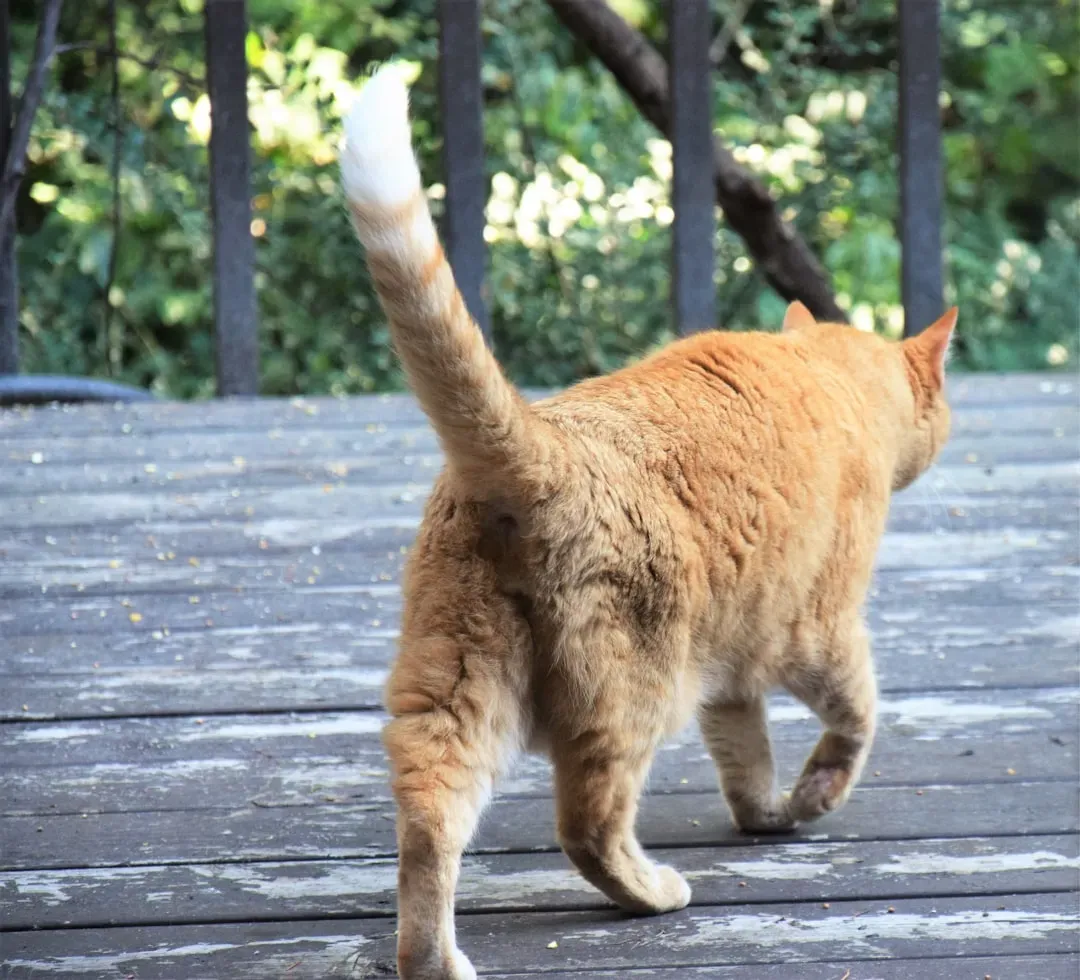
When a cat’s tail is upright, they are feeling social and confident, approaching in a friendly manner like kittens greet their mothers. Conversely, a low or tucked tail signals fear or anxiety. The tail tells stories their face never will.
Cats twitch the tip of their tails when hunting, alert, or playful, and a stalking cat will typically hold its tail low while in a crouch, twitching it quickly from side to side. If you see rapid swishing, that’s irritation building up. A swiftly flicking tail could signify that your cat is feeling agitated. Honestly, once you start paying attention to tail language, you’ll wonder how you ever missed it.
Head Bumps Mean You’re Family
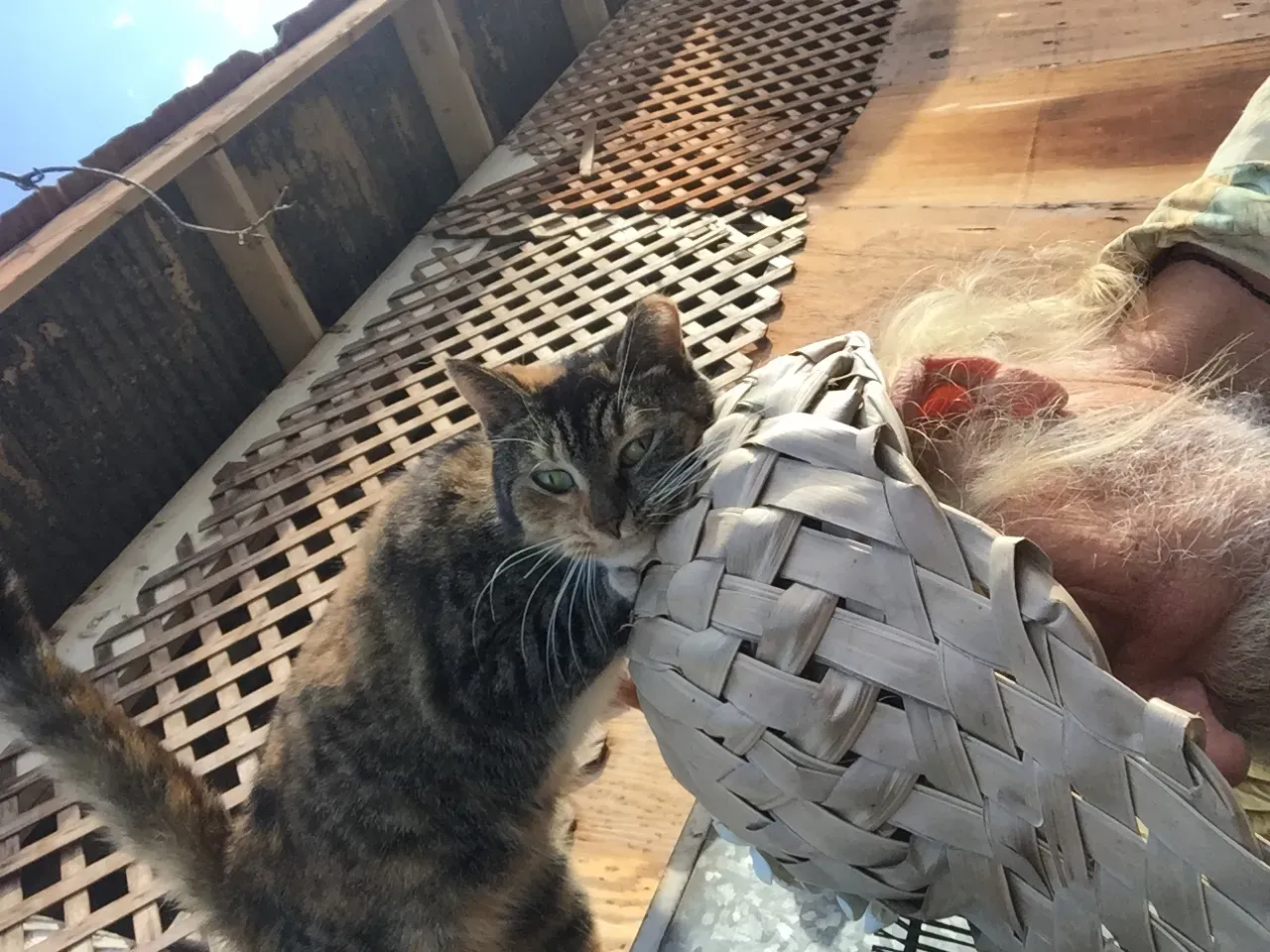
Your cat doesn’t just headbutt you for fun. Cats head-bump humans with the front part of the head in an action called bunting, which has an olfactory component as there are scent glands in this area of the body. They’re actually marking you with their scent.
Some cats also rub their faces on humans as a friendly greeting or indication of affection, and this tactile action is combined with olfactory communication as the contact leaves scent around the mouth and cheeks. It’s their way of claiming you as part of their territory and social group. You’ve been officially adopted, congratulations.
Meowing Is Exclusively for You
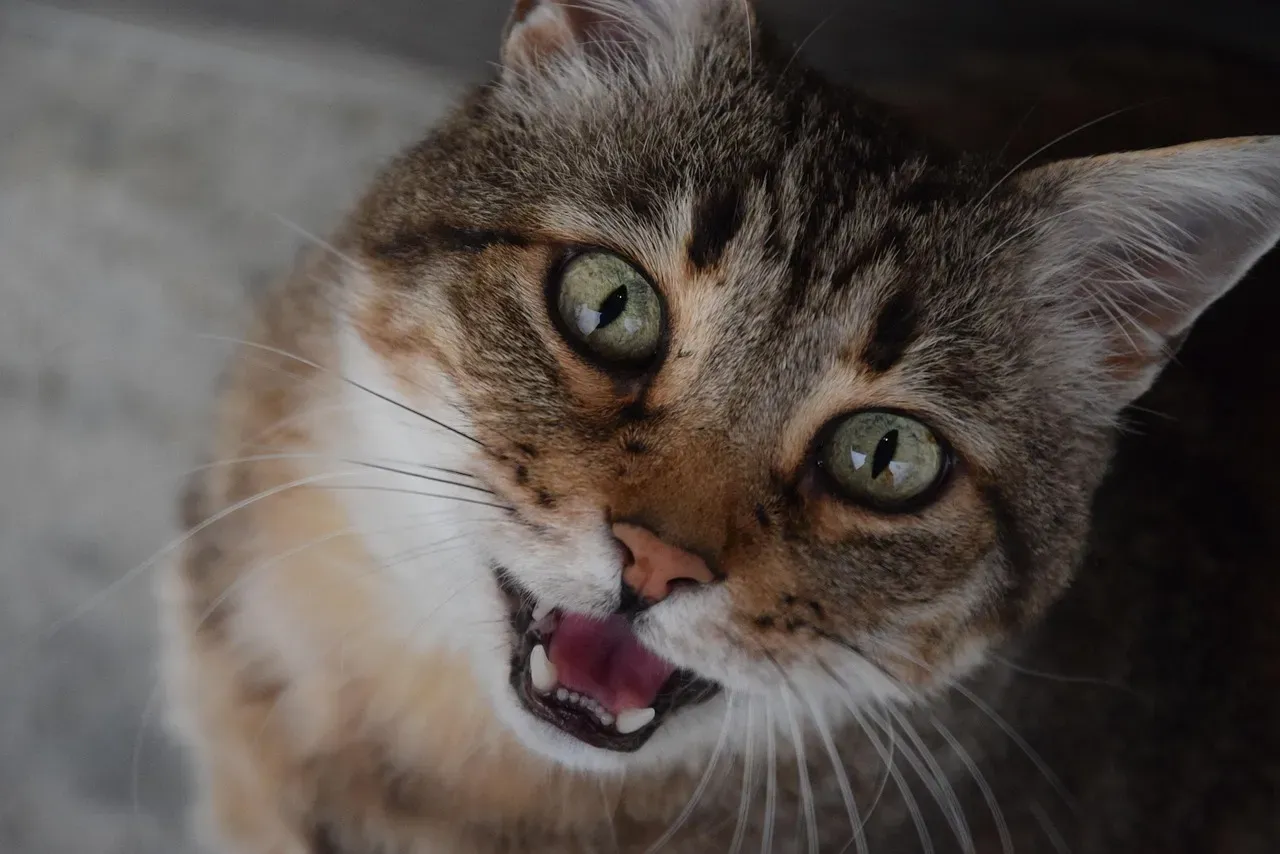
Here’s something that might surprise you. Studies have shown that domestic cats tend to meow much more than feral cats, and they rarely meow to communicate with fellow cats or other animals. Your cat essentially developed this vocalization just to talk to humans.
Meowing is all-purpose; your cat may use meow as a greeting, a command, an objection or an announcement. Each meow can mean something different based on pitch, duration, and context. Sometimes a cat meow can indicate anxiety, boredom, frustration, or even illness, particularly if it’s lower-pitched and more drawn out. Pay attention to the tone and you’ll start recognizing your cat’s unique vocabulary.
Chattering at Birds Isn’t Random
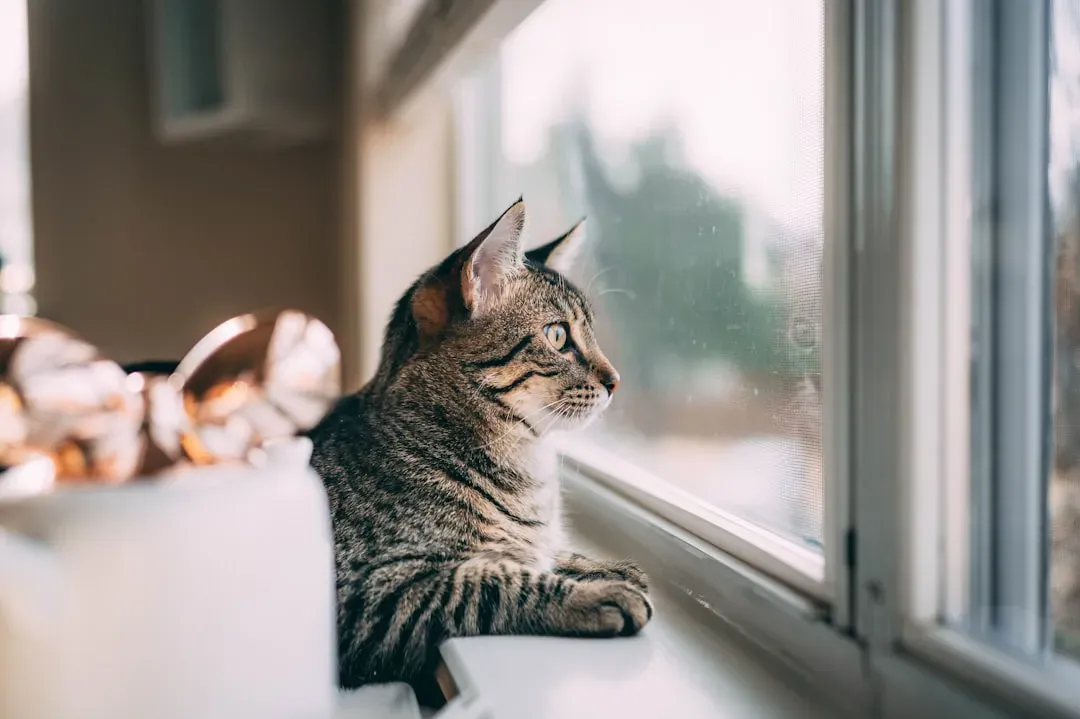
You’ve probably witnessed your cat making that bizarre chittering sound while staring intensely at birds through the window. Chattering, chittering or twittering are the noises your cat makes when they’re sitting in the window watching birds or squirrels, and it usually translates to excitement or they may be contemplating snack time.
This sound is often heard when a cat is watching prey, expressing a mix of excitement and frustration, and some believe it mimics the sounds of birds or rodents as a form of hunting language. It’s essentially your cat’s way of expressing the ultimate predator frustration. So close, yet so far.
Those Dead Animal Gifts Aren’t Morbid
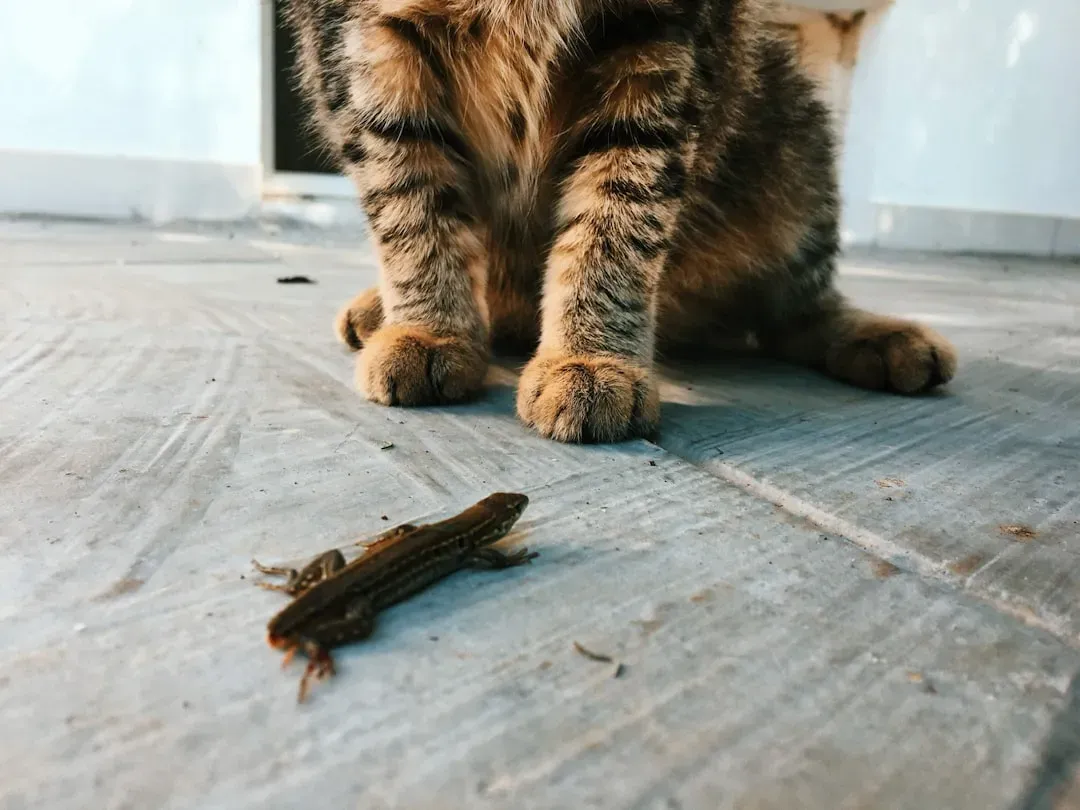
Let’s address the elephant in the room – or rather, the dead mouse on your doorstep. The real reason why cats bring these gifts home is because their home is where they feel safe and secure, and when cats catch prey they may not want to eat it or leave it where other animals could steal it from them.
There’s another theory too. Feline experts suggest that cats view us somewhat like inept kittens, and in the wild, mother cats are diligent educators who teach their kittens crucial survival skills such as hunting, with teaching moments often seen when a mother brings back live prey for her kittens to practice on. Your cat might genuinely be trying to teach you how to hunt. It’s odd, I know, but also kind of sweet when you think about it.
Hunting Isn’t About Hunger
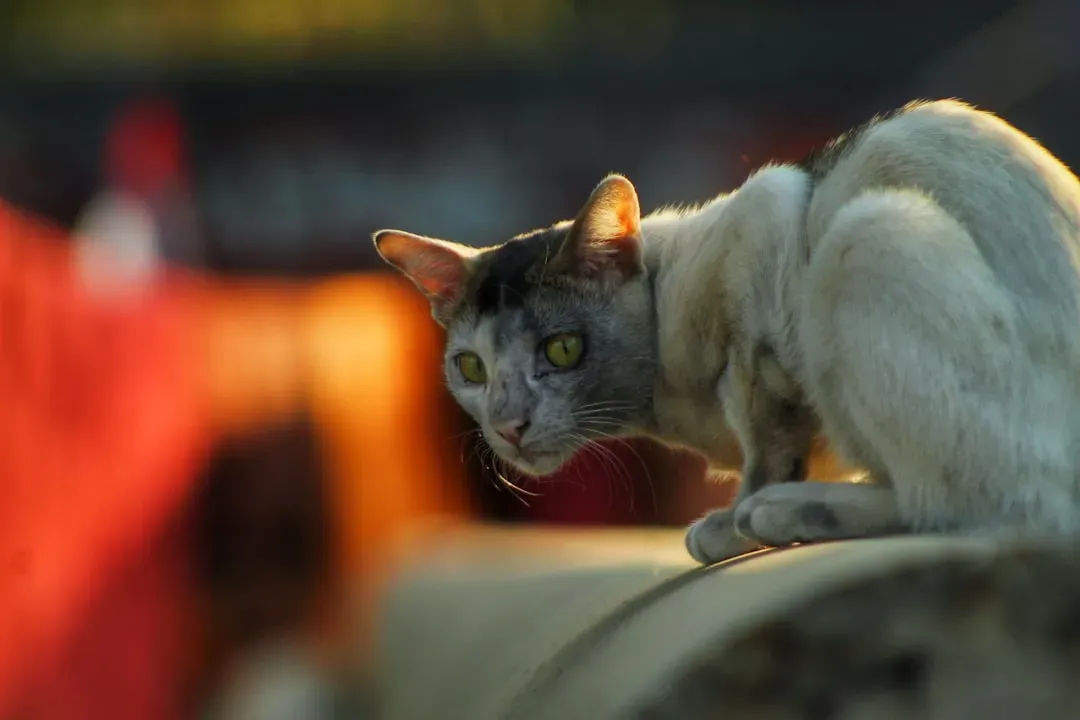
The motivation to hunt prey is only partly related to hunger, as cats rely solely on themselves to provide enough food, and if they wait until they’re hungry to hunt, they could starve to death. This explains why your well-fed cat still stalks and catches things.
Even cats that are fed hunt less than those who have to hunt to survive, but the feeling of being full and well fed does not cause a cat to give up hunting altogether, as they find the activity itself so exciting and rewarding. The urge to hunt isn’t tied to hunger, as in the wild, cats hunt all the time because they never know when their next meal will come. Hunting is hardwired into their DNA. It’s not cruelty or bloodlust. It’s just biology.
Kneading You Is a Compliment
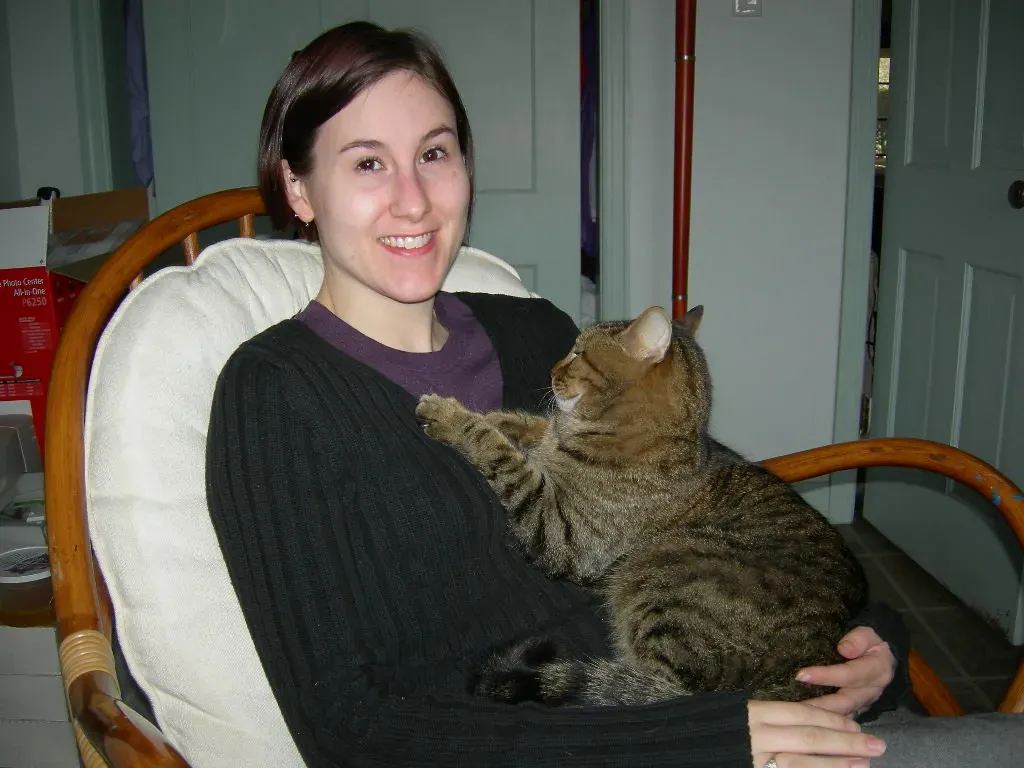
Kneading, sometimes called making biscuits, is a leftover behavior from nursing when cats massaged their mother’s teats to make milk flow, and your cat does this when they’re really happy. Those little paws rhythmically pushing into your leg or belly mean you’ve created a safe, comfortable environment.
Some cats never grow out of this behavior. If your cat kneads you, consider yourself honored. They’re treating you like their mother, which in cat terms means you’re the most important being in their world.
Purring Isn’t Always Happiness
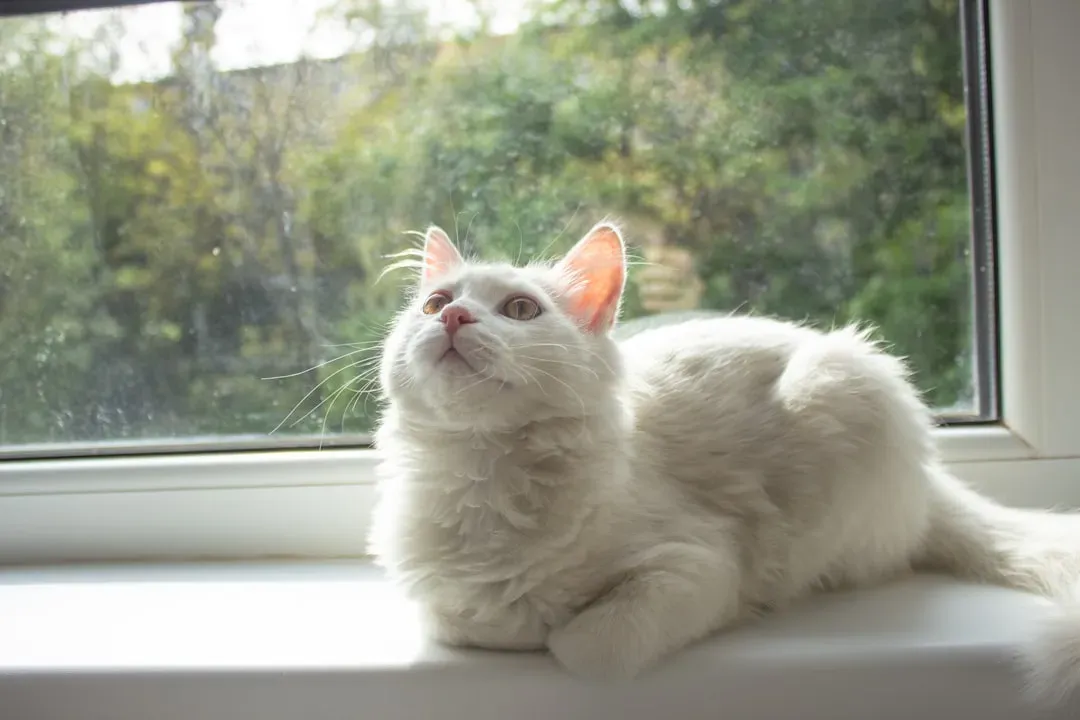
Most people assume purring equals contentment, and often that’s true. Purring is usually a sign of contentment, and cats purr when they’re happy, even while they’re eating. Yet there’s more to the story.
Sometimes a cat may purr when they’re anxious or sick, using their purr to comfort themselves, like a child sucking their thumb. Purring is often associated with utter contentment, but cats also purr when they’re in pain or distress, making understanding the context important, as a happy purr differs vastly from a low, continuous purr from a cat that’s visibly unwell or injured. Check other body language signs to understand what your cat’s purr really means.
Their Hunting Behavior Deserves Respect
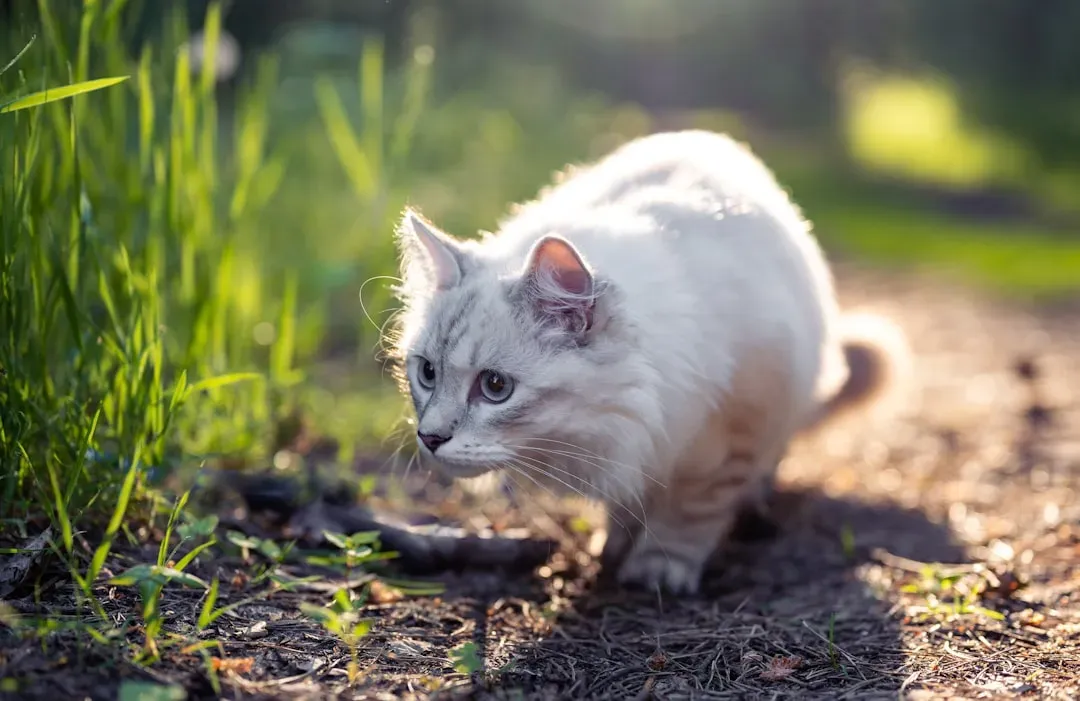
Here’s the challenging reframe: your cat’s predatory behavior isn’t something to shame or punish. Hunting is a natural instinct for cats, and even after thousands of years of domestication cats are natural hunters much like their wild relatives. Understanding this helps you appreciate their true nature.
When living with a cat, we have to accept this trait as one of its primary needs and should on no account prevent it, as cats engage in three to ten hours a day of typical hunting behaviour including locating prey, lying in wait, pouncing, and killing. Rather than viewing hunting as negative, recognize it as an expression of your cat’s evolutionary heritage. Provide appropriate outlets like interactive toys to channel these instincts safely. Your cat isn’t being cruel – they’re being authentically feline.
Conclusion
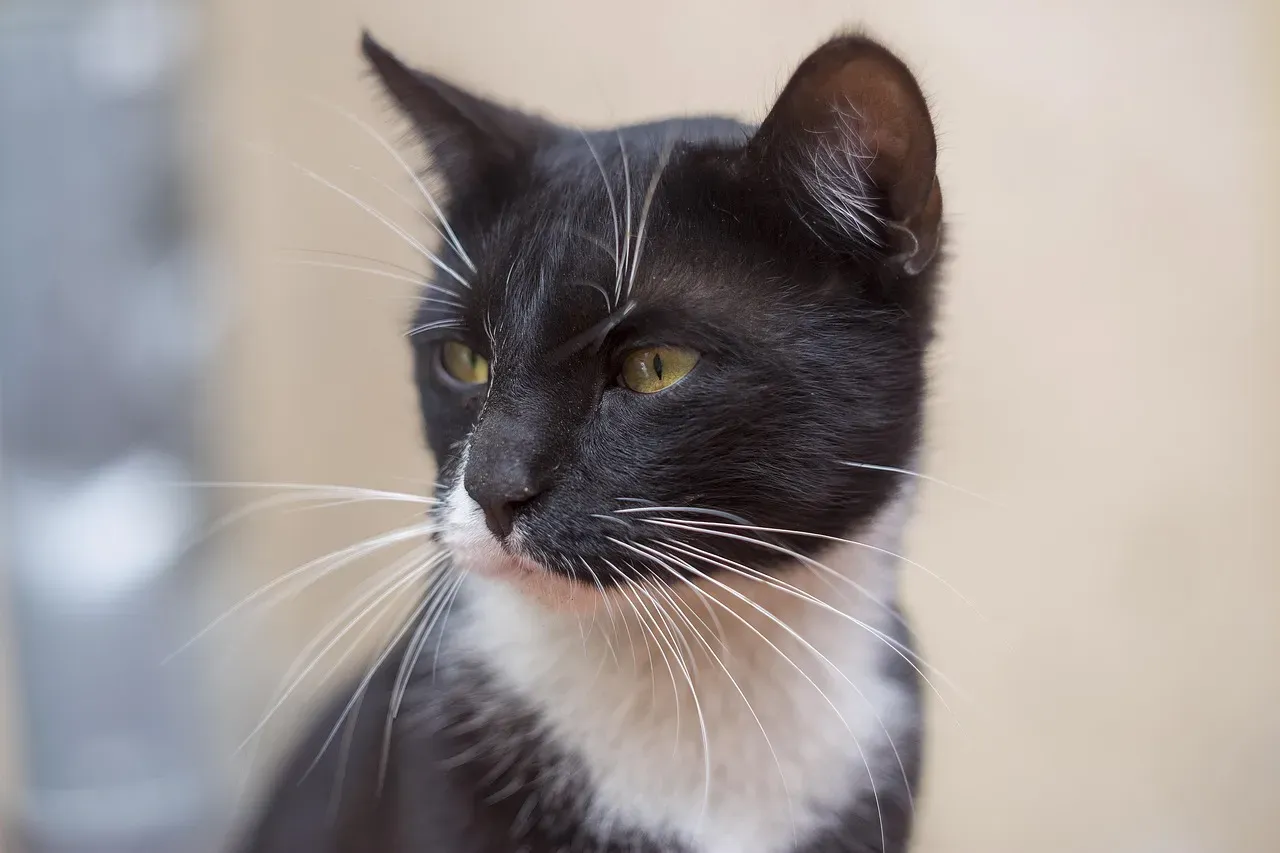
Learning to speak cat takes patience, observation, and a willingness to see the world from their perspective. These ten insights are just the beginning of understanding what your feline companion has been communicating all along. From tail positions to vocalizations to those occasionally disturbing hunting gifts, every behavior tells a story about your cat’s emotions, needs, and instincts.
The more you understand your cat’s language, the stronger your bond becomes. You’ll know when they’re happy, stressed, playful, or in need of space. You’ll appreciate their hunting behavior not as something unsettling but as a natural expression of who they are. Most importantly, you’ll realize that your cat has been talking to you all this time – you just needed to learn how to listen. What has your cat lately?