You love your feline friend with all your heart. You admire how they stretch across the windowsill, how they purr like tiny motors at dinnertime, and how they effortlessly knock everything off your counters with an almost regal indifference. s are magnificent creatures, honestly. They’re picky eaters most of the time, which makes you think they know what’s best for them. That assumption, however, could be dangerous.
Here’s the thing: some foods that seem harmless to us can be downright lethal to your . While you might think sharing a nibble of your snack shows love, it could actually land your furry companion in serious trouble. Let’s dive into the foods that should never, ever make their way into your ‘s bowl or stomach. Be surprised by what you might have lying around in your kitchen right now.
Onions and Garlic: The Silent Red Blood Cell Destroyers
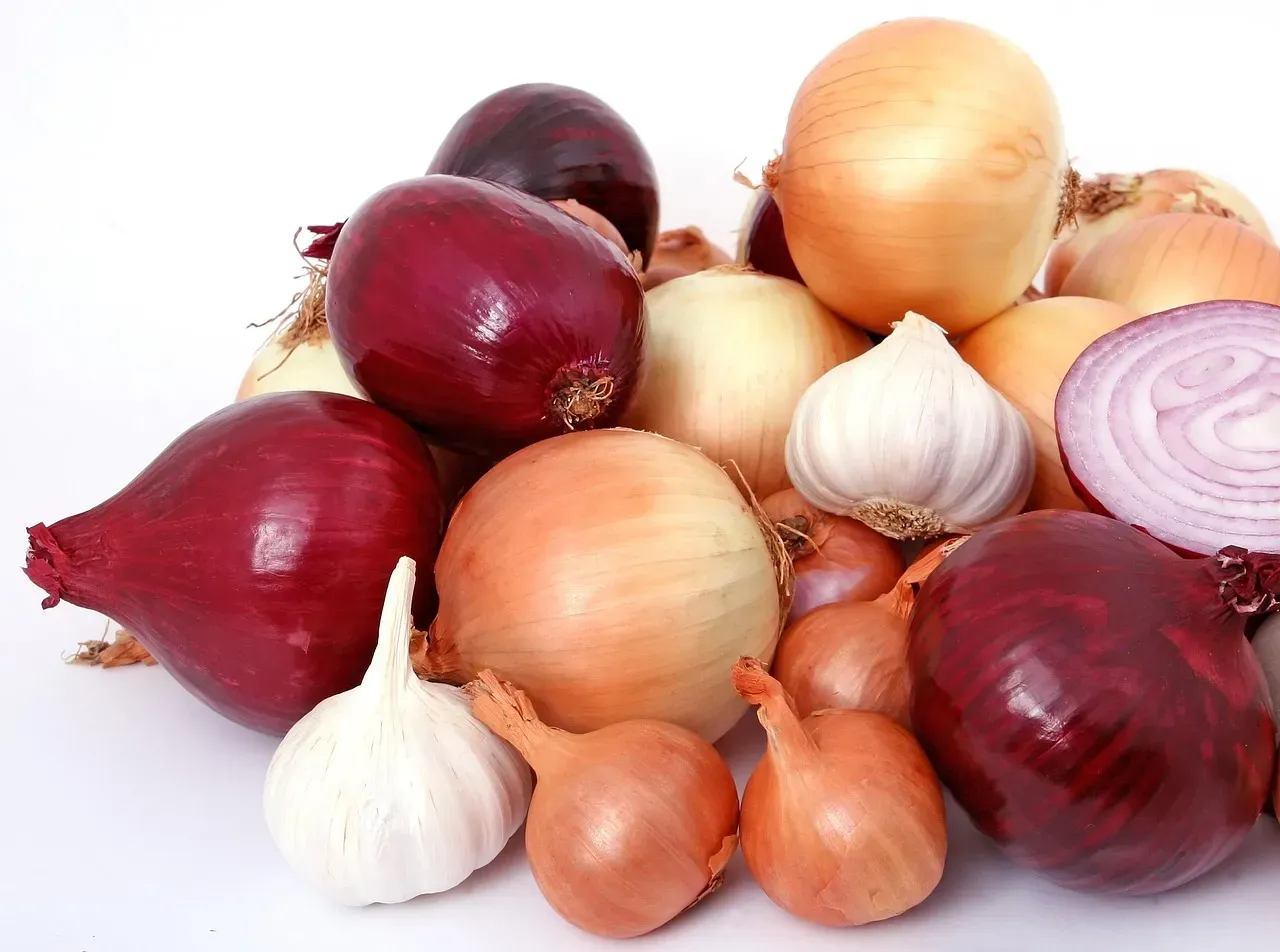
Onions, garlic, leeks, chives, and shallots contain sulfur compounds that are toxic to cats because they damage their red blood cells. Think about how often you cook with these ingredients. They’re in sauces, soups, seasonings, and pretty much every savory dish you can imagine.
These plants are toxic to cats regardless of how they are prepared (whether raw, cooked, processed, dried, etc.). What makes these Allium family members particularly dangerous is that these damaged cells die more rapidly than normal, causing anemia (a low red blood cell count), which can be fatal. Even garlic powder in your leftover pizza or onion soup mix can pose a serious threat. Garlic is considered to be five times as toxic as onions for felines.
The signs of poisoning – which may not appear until several days later – include vomiting, diarrhea, lethargy, breathing difficulties, rapid heartbeat and pain in the stomach area. The scariest part is that symptoms might not show up immediately, making it harder to connect the dots.
Chocolate: Not Sweet for Your Kitty
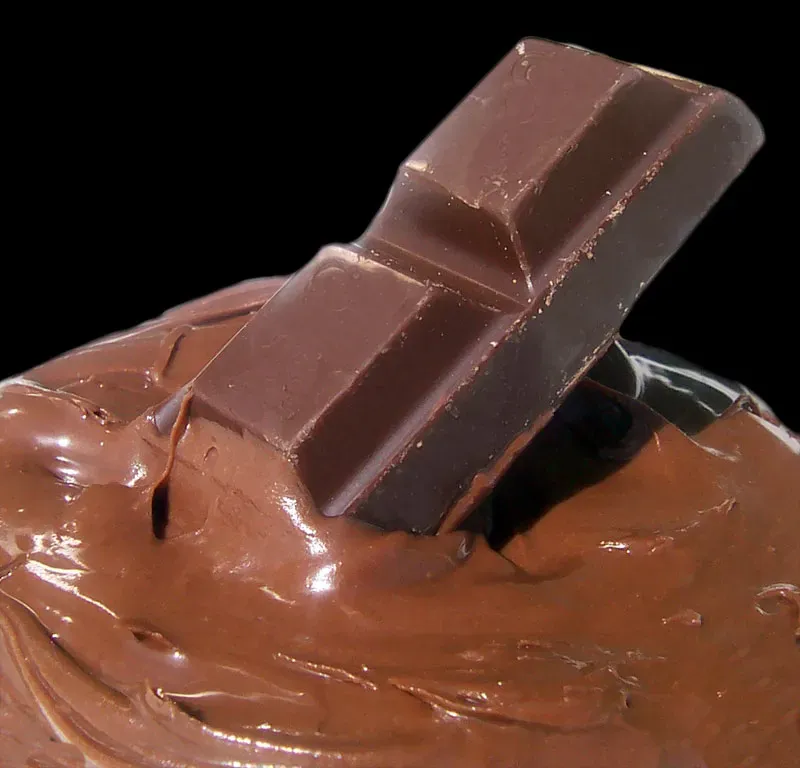
You probably already know chocolate is bad for dogs. Turns out, it’s equally dangerous for cats. The toxic agent in chocolate is theobromine. This compound affects cats in devastating ways.
Chocolate contains substances called methylxanthines, which can cause vomiting and diarrhea, high body temperature, muscle tremors, abnormal heart rhythm, abdominal discomfort, increased thirst, and seizures. Let’s be real, though. Most cats won’t voluntarily munch on chocolate the way dogs might. They’re usually too sophisticated for that.
Still, the danger exists. The most dangerous kinds, though, are dark chocolate and unsweetened baking chocolate. White chocolate contains little to no theobromine. The darker the chocolate, the more concentrated the toxin, so keep those artisan cocoa bars far from curious paws.
Grapes and Raisins: Tiny Fruits of Doom
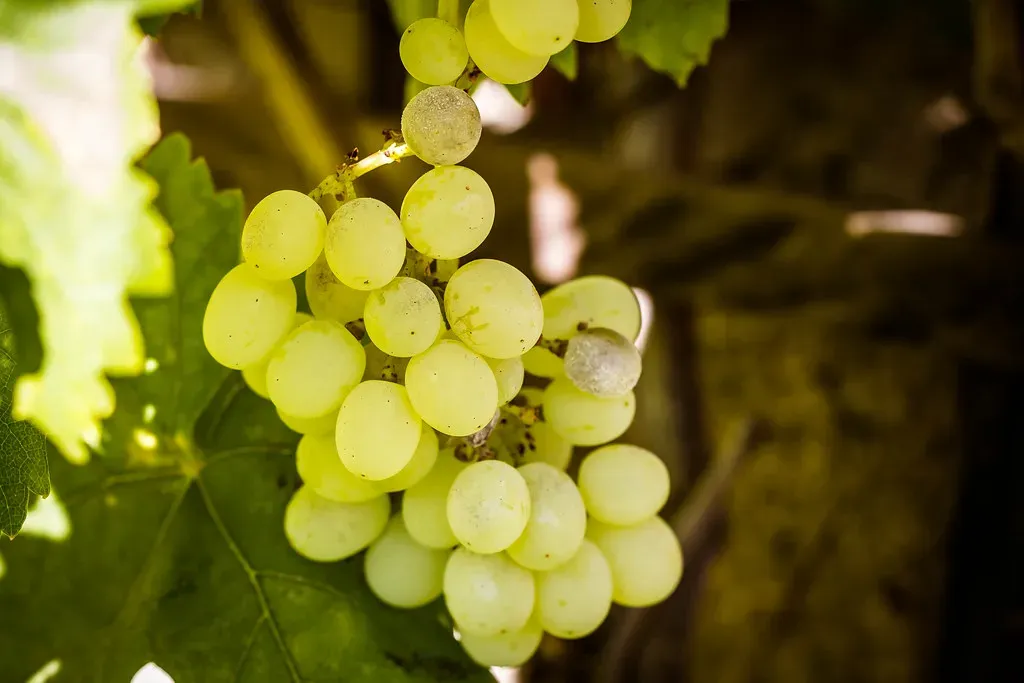
Grapes, raisins and sultanas are considered toxic for cats. While the actual poisonous compound within grapes and raisins has not been identified, cats can potentially develop gut upsets or kidney damage following ingestion. It’s hard to say for sure exactly what makes these fruits so toxic, which makes them all the more unsettling.
Any amount can be toxic to cats. You read that right: even one grape could potentially cause problems. Kidney failure can develop quickly and can be fatal. If your cat somehow gets their paws on grapes or raisins, you’ll want to act fast.
If ate grapes, potential signs of toxicity include lethargy, vomiting, diarrhoea, increased thirst, increased urination, reduced appetite and collapse. Keep your fruit bowl out of reach, especially if you have a climber on your hands.
Alcohol: Even a Sip Is Too Much

As little as a tablespoon of alcohol can lead to problems for your cat. It can cause severe liver and brain injury. I know it sounds crazy, but some cats are attracted to certain alcoholic beverages or foods containing alcohol.
Signs of alcohol poisoning include disorientation, vomiting, diarrhoea, tremors, breathing difficulties, coma and death. Even foods like rum cake or dishes prepared with wine can be problematic. Alcohol is absorbed rapidly, making it critical to seek help immediately if exposure occurs.
The effects on cats are far more severe than on humans because of their smaller size and different metabolism. Never leave drinks unattended if you have a curious cat around, and definitely don’t think it’s funny to give them a taste.
Raw Eggs and Raw Meat: A Recipe for Bacterial Trouble
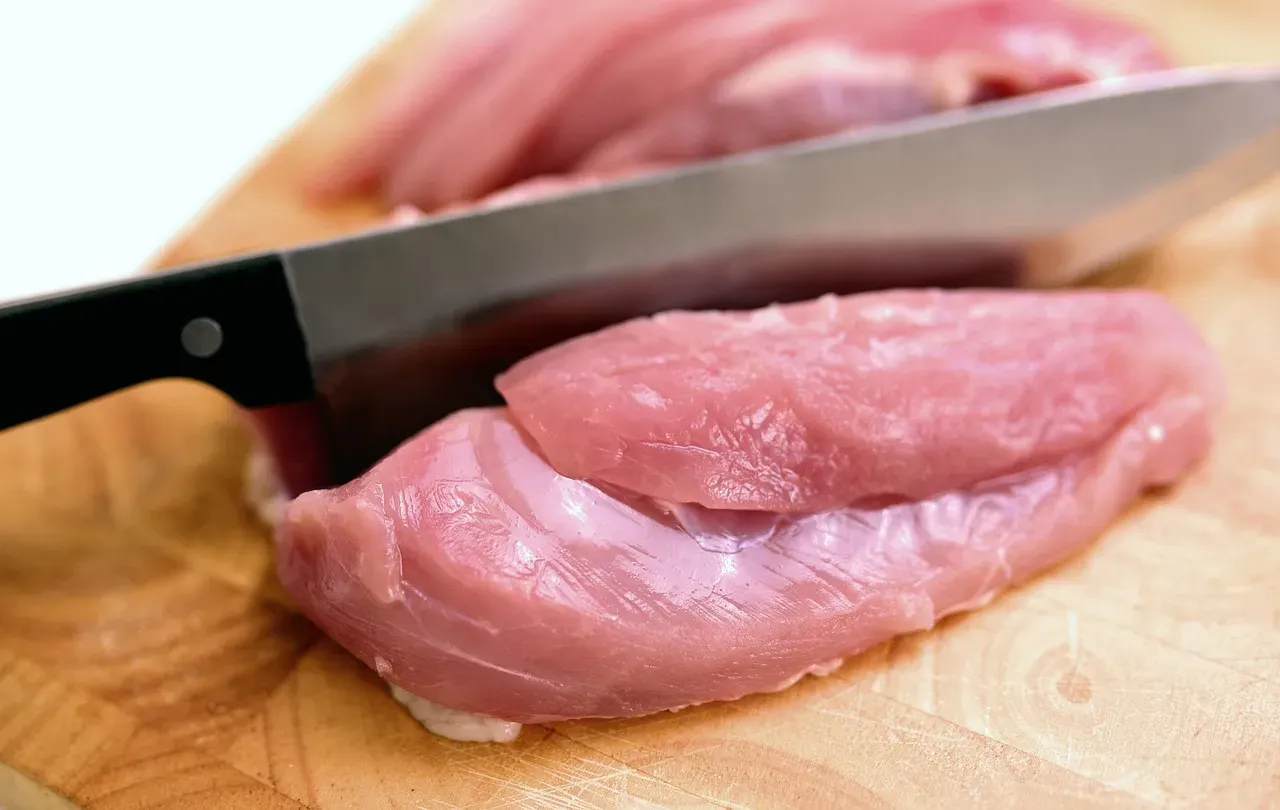
Just like for humans, consumption of raw eggs or raw meat can lead to salmonella or E. coli poisoning in cats. Symptoms of the illness vary but can include vomiting, diarrhea, and lethargy. Raw diets are trendy right now, however they come with real risks.
Raw eggs also contain an enzyme that can lead to skin and coat problems. This enzyme, called avidin, interferes with the absorption of biotin, an essential B vitamin. Over time, this deficiency can result in dull fur, skin issues, and other health problems.
Keep your cat from eating raw bones as well – it could cause them to choke, obstruct their digestive tract and/or damage their teeth. Cooked bones aren’t much better since they can splinter. The safest bet is to stick with commercially prepared cat food that’s been properly handled and cooked.
Caffeine: Your Morning Pick-Me-Up Is Their Poison

Cats are far more sensitive to caffeine than we are. Caffeine is a stimulant found in coffee, black and green tea, energy drinks and various soft drinks. It is also present in chocolate (especially dark chocolate). So that morning latte you’re sipping? Keep it away from your feline.
After consuming caffeine, cats may experience restlessness and excessive thirst. They may also pee more, breathe faster, or suffer from palpitations or convulsions. The cat may vomit (which is actually beneficial as it will remove some of the toxic caffeine from the body) and suffer from diarrhea. Honestly, even a lick of your coffee could cause issues in very small cats.
In the most extreme cases, may go into cardiac and respiratory arrest. Coffee grounds, tea bags, and especially caffeine pills are extremely dangerous. One energy drink or caffeine supplement could be fatal, so be vigilant about where you leave these items.
Milk and Dairy Products: Breaking the Myth
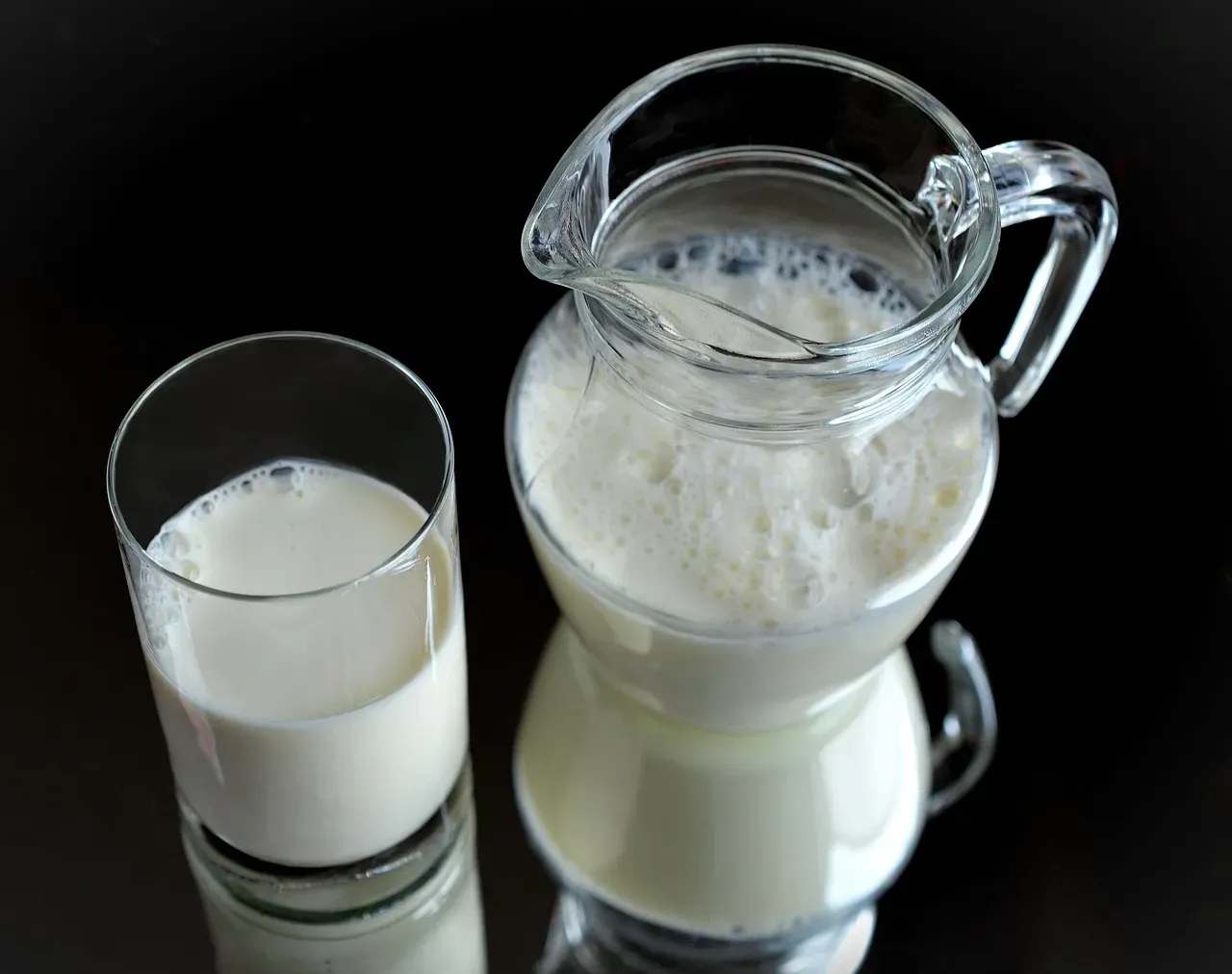
Perhaps surprisingly, that classic image of lapping up a saucer of milk is actually problematic. Because pets do not possess significant amounts of lactase (the enzyme that breaks down lactose in milk), milk and other dairy-based products can cause diarrhea or other digestive upset. Most adult cats are lactose intolerant.
After kittens are weaned, their ability to digest lactose diminishes significantly. Feeding your cat milk, cheese, or ice cream might seem like a treat, however it often results in stomach upset, gas, and diarrhea. Not exactly the loving gesture you intended, right?
Some cats can tolerate small amounts of low-lactose dairy like certain cheeses or yogurt. Still, these should be rare treats at best. Fresh water is always the better choice for keeping your cat hydrated and healthy.
Raw Fish: Not as Healthy as You Think
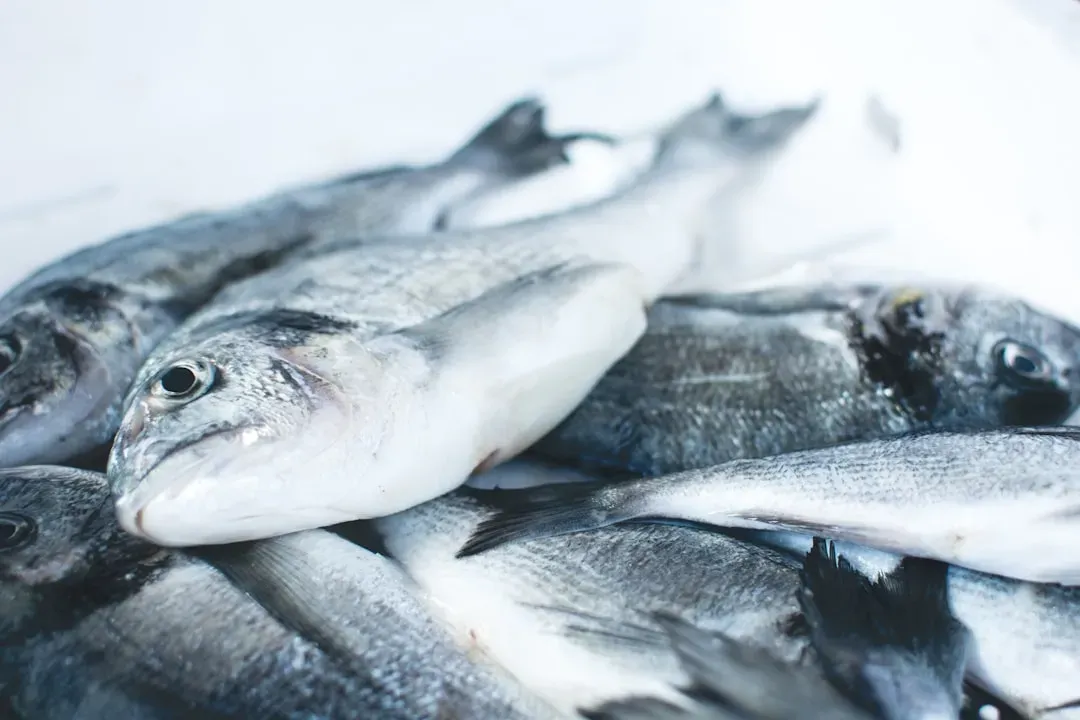
Raw meat and raw fish, like raw eggs, can contain bacteria that cause food poisoning. In addition, an enzyme in raw fish destroys thiamine, which is an essential B vitamin for your cat. A lack of thiamine can cause serious neurological problems and lead to convulsions and coma. Cats might be natural hunters, however raw fish from your grocery store is a different story.
If fed in high amounts your cat can develop a thiamine (a B vitamin) deficiency that leads to loss of appetite, seizures, and maybe death. Even canned tuna meant for humans can be problematic when fed regularly. Too much tuna can cause mercury poisoning.
The occasional small bite probably won’t hurt, yet making fish a staple of their diet is asking for trouble. Stick to cat food that’s been properly formulated to meet their nutritional needs without the risks.
Yeast Dough: The Rising Danger

Before it’s baked, bread dough needs to rise. And, that’s exactly what it would do in your cat’s stomach if your cat ate it. As it swells inside, the dough can stretch the abdomen and cause severe pain. Imagine your cat’s stomach becoming a tiny oven.
In addition, when the yeast ferments the dough to make it rise, it produces alcohol that can lead to alcohol poisoning. So you’re dealing with two problems at once: physical expansion that can cause bloating or even gastric torsion, plus alcohol toxicity. Neither is pleasant.
If you’re baking bread or pizza at home, make absolutely sure your dough is covered and inaccessible. Cats are sneaky and surprisingly resourceful when food is involved. The combination of warmth and yeasty smell might be too tempting for them to resist.
Liver: Too Much of a Good Thing
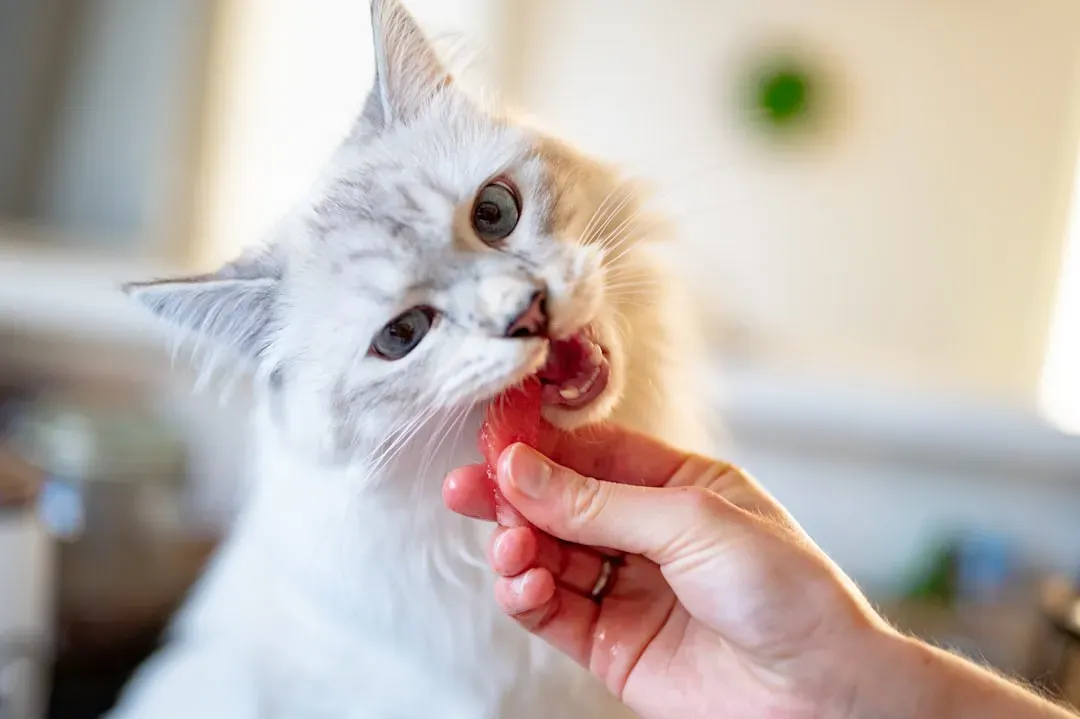
Small amounts of liver are OK, but eating too much liver can cause vitamin A toxicity. This is a serious condition that can affect your cat’s bones. A little liver as a treat is fine, however feeding it regularly or in large amounts becomes dangerous.
Symptoms include deformed bones, bone growths on the elbows and spine, and osteoporosis. If is fed raw liver (or other foods rich in vitamin A) for several weeks to months, vitamin A poisoning will occur. When cats ingest very large amounts of vitamin A, they can develop symptoms such as vomiting, drowsiness and irritability, as well as peeling of the skin.
Vitamin A is fat-soluble, meaning it accumulates in the body rather than being flushed out like water-soluble vitamins. Over time, this buildup causes serious skeletal problems and other health issues. Moderation is key when it comes to organ meats like liver.
Conclusion: Keep Your Cat Safe and Healthy
Your cat depends on you to make smart choices about their diet. While those big eyes and insistent meows might tempt you to share your human food, resist the urge when it comes to these toxic items. The consequences can range from mild stomach upset to fatal organ failure.
Keep dangerous foods stored securely, especially during holidays when rich, seasoned dishes are everywhere. If you suspect your cat has eaten something toxic, don’t wait to see if symptoms develop. Call your veterinarian, a veterinary emergency hospital, or a veterinary toxicologist immediately if you think your cat has eaten something toxic. You’ll want to act quickly because treatment works best when it’s started early.
Your cat’s curious nature and your vigilance can coexist peacefully. Stick to high-quality cat food designed for their specific nutritional needs, and save the people food for people. Your feline friend will live a longer, healthier life because of it. Did you know some of these foods were so dangerous?