You might think of your cat as a glorified roommate who judges your life choices from atop the refrigerator. A tiny, furry critic who knocks things off shelves just to watch the chaos unfold. Yet behind that cool, aloof exterior lies something genuinely remarkable: a living, breathing health asset that science is only now beginning to fully appreciate.
From your heart to your immune system, from the quality of your sleep to your emotional resilience, a feline companion does far more than look elegant on your couch. Honestly, some of what researchers have uncovered is nothing short of astonishing. Let’s dive in.
1. Your Heart Gets a Surprisingly Powerful Ally
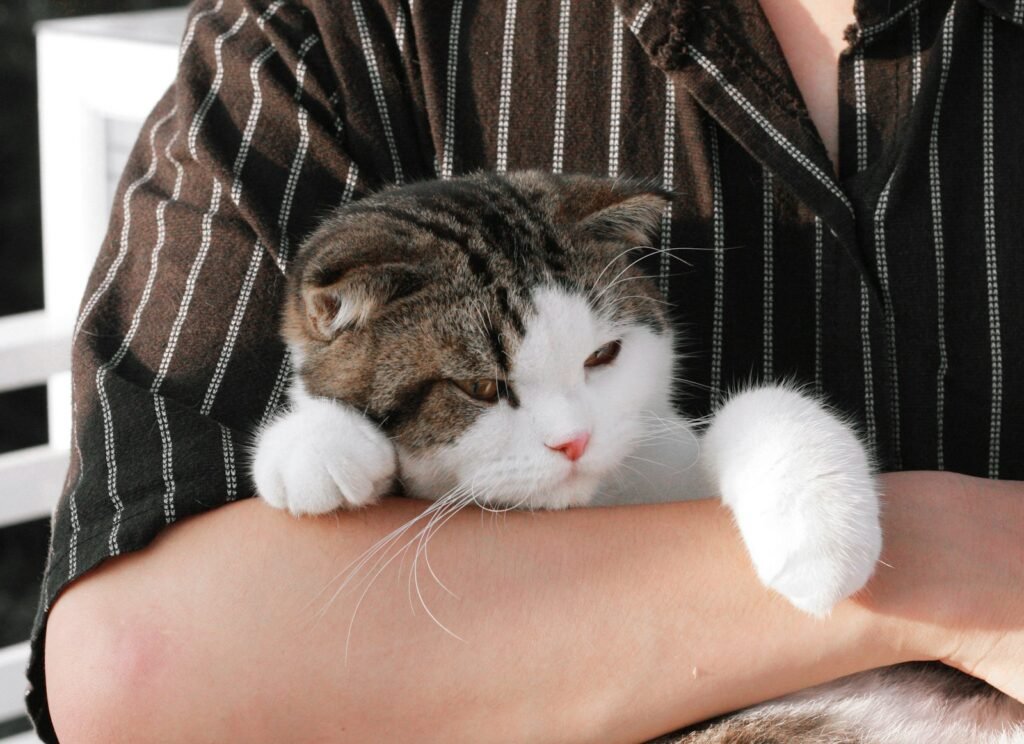
Let’s be real, most people would never guess that a cat napping on your lap could be doing something meaningful for your cardiovascular system. Yet the research is hard to ignore. Owning a cat could reduce your risk of a heart attack by nearly one third, according to researchers who presented findings at the American Stroke Association’s International Stroke Conference. That is a genuinely staggering number for something as simple as sharing your home with a feline.
In a major long-term study, previous or present cat ownership was reported by more than half of participants, and after adjustment for factors like age, blood pressure, and body mass index, a significantly lower risk of death due to heart attack was observed among those who had owned cats. Think of it like a decades-long investment in your heart, one that requires nothing more than a little kibble and the occasional belly rub. Chronic stress is a key risk factor for heart disease and stroke, and studies show having a pet can improve mood and reduce stress.
2. Stress Melts Away Faster Than You’d Expect
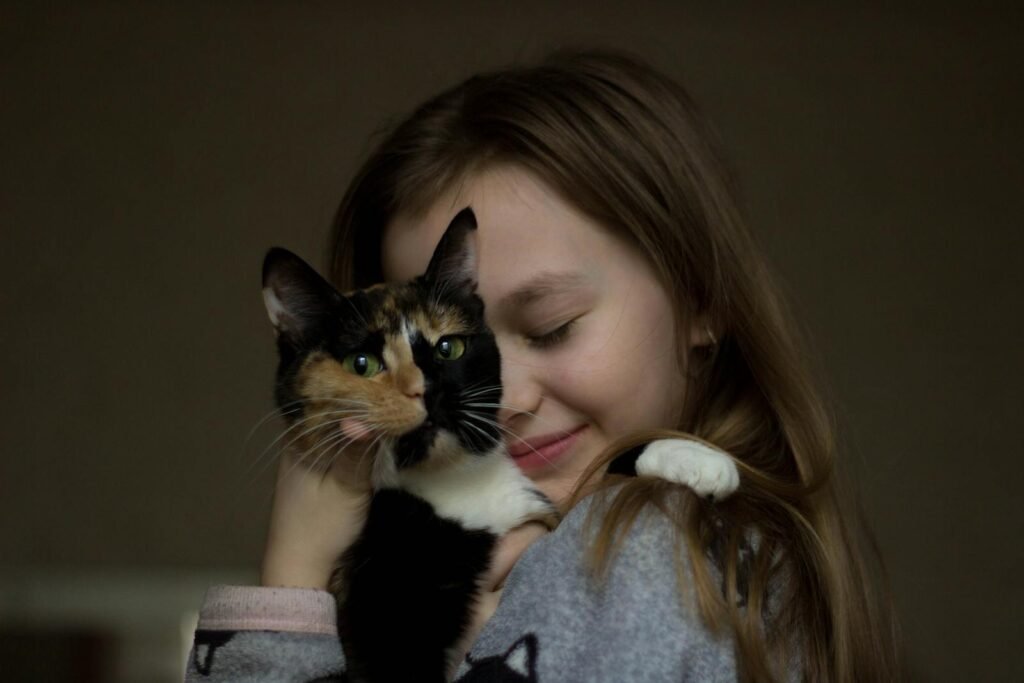
Here is the thing: you already know that petting your cat feels good. Science now explains exactly why. Interacting with animals has been shown to decrease levels of cortisol, the stress-related hormone, and lower blood pressure. Cortisol is essentially your body’s alarm system, and your cat, whether it knows it or not, is quietly dialing that alarm down every time you spend time together.
In one remarkable study, researchers visited married couples in their homes and hooked them up to heart rate and blood pressure monitors while they performed stressful tasks involving math problems and sticking their hands in ice. People either sat alone, with their pet, with their spouse, or both. Cat owners had a lower resting heart rate and blood pressure than people who didn’t own any pets before the stressful tasks even began. That calm you feel when your cat curls up next to you? It is physiologically real.
3. You Sleep Better With a Purring Companion Nearby
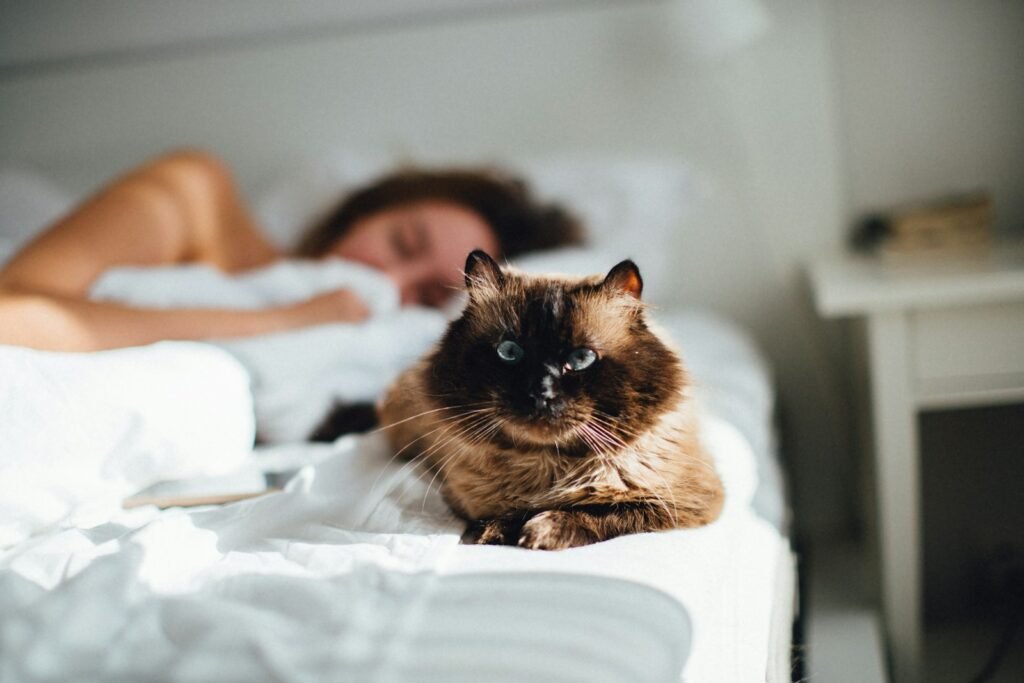
Sleep deprivation is quietly one of the most widespread health crises of our time. Millions of people spend their nights staring at the ceiling, chasing unconsciousness. Your cat, it turns out, might be one of the most underrated sleep aids in existence. Studies have shown that having your cat close by results in a better night’s sleep, with owners who allowed their pets to sleep in their bedroom saying they had an easier time both falling and staying asleep.
Many cat owners find that sleeping near a purring cat improves their sleep quality, with the soft, rhythmic sound acting as a form of white noise that blocks out disruptive sounds and helps the brain enter a state of relaxation. People who suffer from insomnia or frequent nighttime awakenings may experience better sleep when accompanied by a purring feline companion. It is basically a white noise machine that also loves you back, at least occasionally.
4. The Healing Power of the Purr Is Scientifically Real
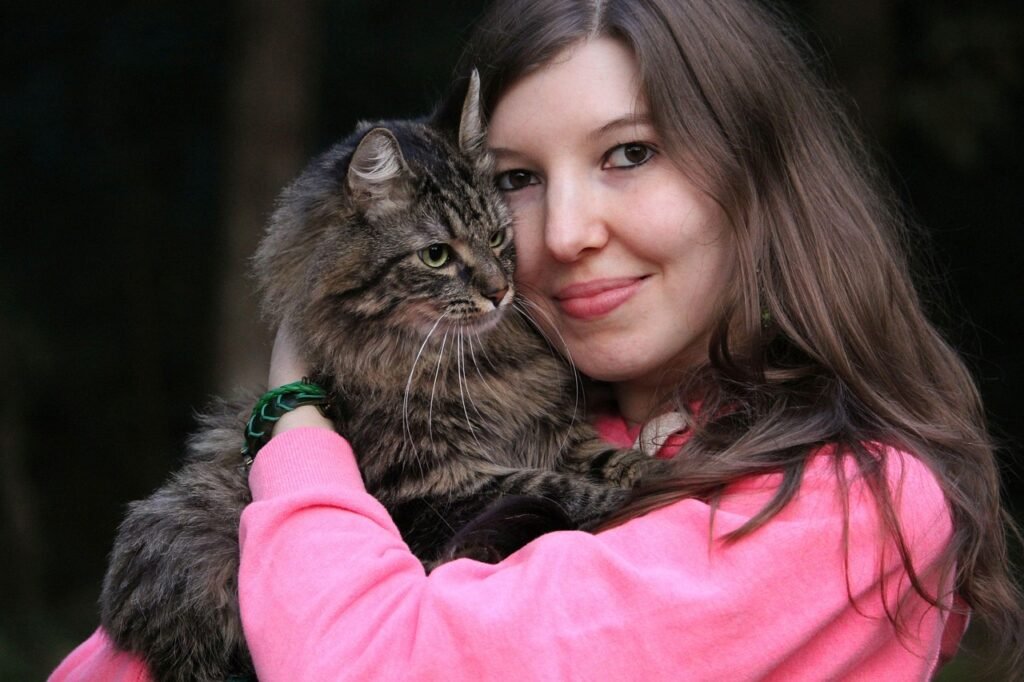
I know it sounds a little out there, but bear with me on this one. The purring of a cat is not just adorable background music. Purrs vibrate at 20 to 140 Hz, the same frequency range that assists in the mending of broken bones as well as muscle, tendon, and ligament injuries, with the vibrations increasing bone density levels and helping with the physical healing of infection and swelling, meaning nearby humans may be therapeutically benefitting from these vibrations.
According to Leslie A. Lyons, an assistant professor at the School of Veterinary Medicine at the University of California, a low-frequency hum of purring at 25 to 50 hertz could even promote bone growth and fracture healing, as bones harden in response to pressure. The vibrations created by cat purring have also been linked to the release of nitric oxide, a molecule that plays a role in reducing pain and improving circulation, meaning for individuals dealing with arthritis or muscle soreness, a purring cat may serve as a natural source of relief. Your cat, essentially, is a living vibrational therapy device.
5. Your Mental Health Improves in Quiet but Profound Ways
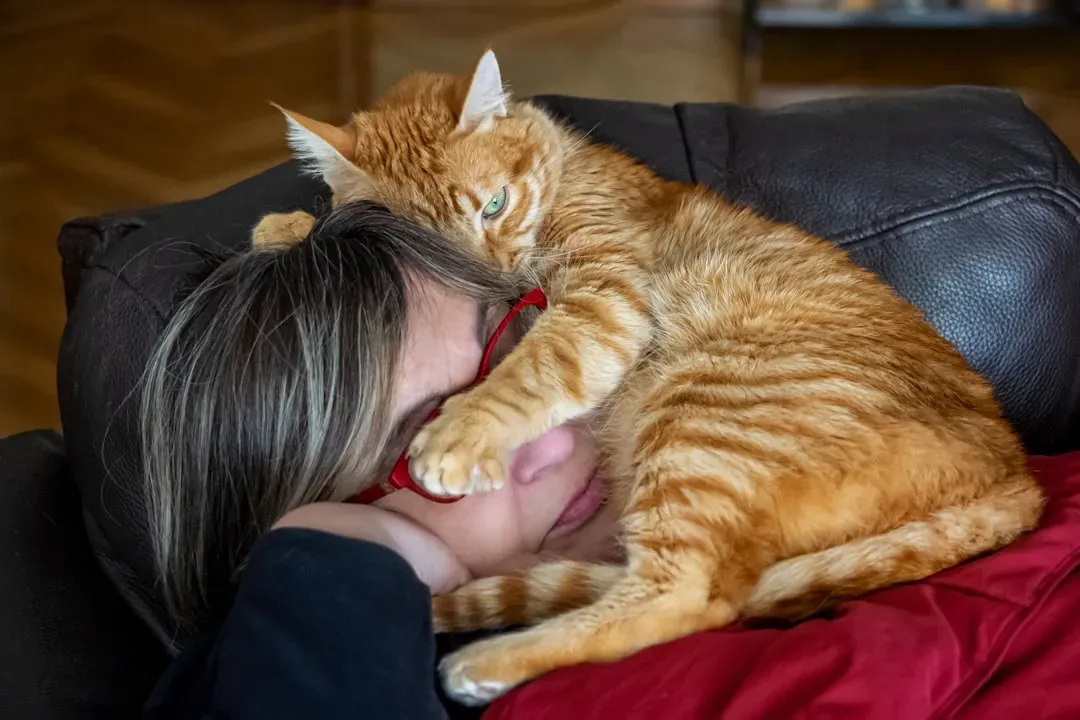
According to one Australian study, cat owners have better psychological health than people without pets, reporting on questionnaires that they feel more happy, more confident, and less nervous, and that they sleep, focus, and face problems in their lives better. That covers a lot of ground for one furry animal who mostly just wants food and sunbeams.
Cat ownership is associated with lower levels of depressive symptoms and improved mood. Cat owners have also been found to laugh more frequently and spontaneously than non-owners, particularly in response to something their cat has done, and a large majority of respondents to a poll by the American Psychiatric Association reported that their cats had a positive impact on their mental health, providing a calming presence and helping reduce stress and anxiety. Laughter, mood, confidence, focus. Not bad for an animal that also regularly ignores you.
6. Loneliness Loses Its Grip on You
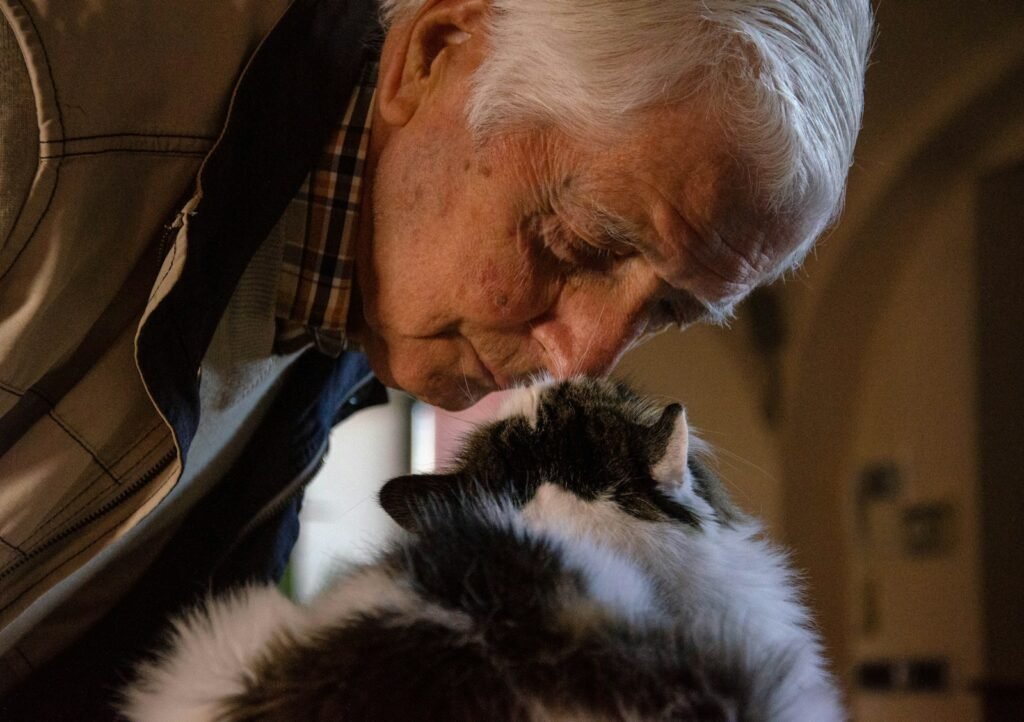
Loneliness is not just an unpleasant feeling. It is a genuine health risk, linked to heart disease, dementia, and depression. People experiencing loneliness or social isolation are more likely to develop heart disease, dementia, and depression. This is where your cat steps in as an unlikely but surprisingly effective shield.
A study that examined the effects pets have on adults who live alone found that pet owners were 36 percent less likely than non-pet owners to report loneliness. When HABRI and Mars Petcare asked pet parents nationwide what they do when they feel lonely, roughly four out of five said they turn to their pets for comfort, and pets offer not just unconditional love, but also a sense of purpose in caring for another being. There is something quietly profound about that. Your cat needs you, and that need keeps loneliness at bay.
7. Your Immune System Gets a Surprising Boost

You might think living with an animal means more exposure to germs and therefore more illness. The science tells a very different story, particularly for children who grow up in cat-owning households. In a study of lifetime cat and dog exposure, teenagers who lived with a cat during the first year of their life had a dramatically lower risk of cat allergy than their peers. The immune system, it seems, learns early when given the right exposure.
The main explanation for the prevention of allergy in children exposed to cats in their first years of life is that early exposure to a sufficient quantity of allergens may train the immune system not to react allergically to those animals and become tolerant. Pets bring bacteria from the outdoors into homes, which helps train immune systems to distinguish between harmful and harmless microbes, reducing overreactions like allergies, and the hygiene hypothesis suggests that increased cleanliness in modern environments may contribute to immune system disorders, with pet ownership naturally counteracting this.
8. Children with Autism Experience Remarkable Benefits
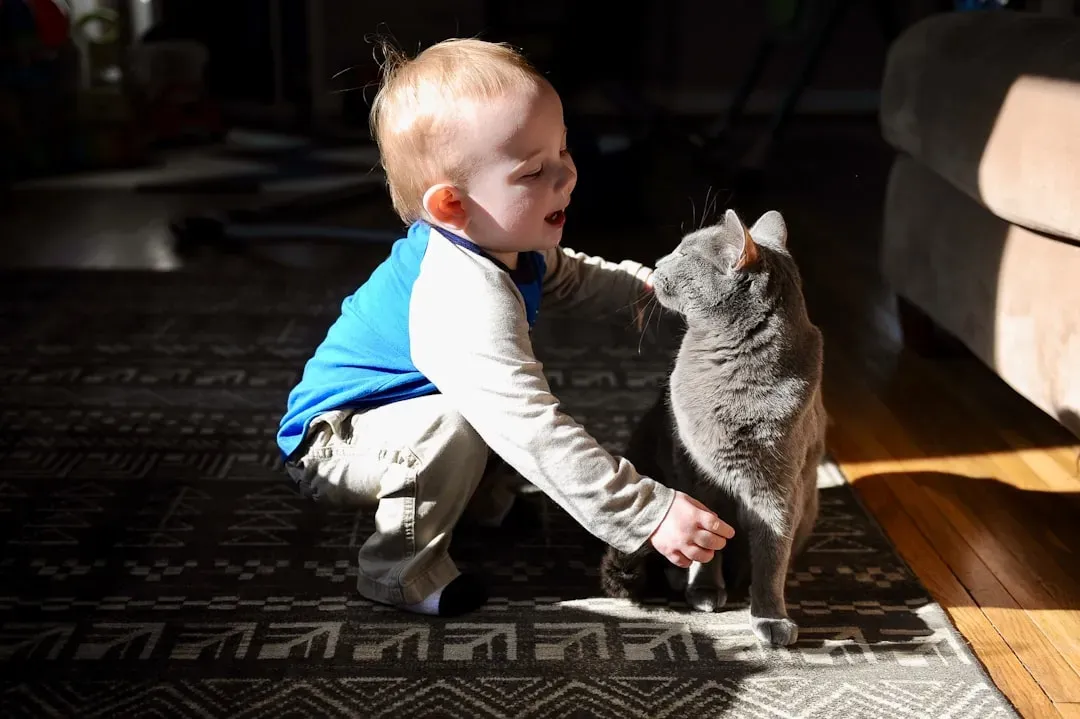
This one genuinely surprised me when I first read about it. For children on the autism spectrum, social interaction can be a daily challenge, and the emotional environment of a home can feel overwhelming. A cat’s quiet, non-demanding presence turns out to be uniquely therapeutic. A study published in the Journal of Pediatric Nursing demonstrated that children with autism spectrum disorder may experience increases in empathy and decreases in problem behaviors after adoption of a shelter cat into their families, with significant decreases in bullying, hyperactivity, and also less separation anxiety.
Cats offer quiet companionship, which can be particularly beneficial for children who may be overwhelmed by the high energy of a dog, with their soothing presence and soft purring helping to reduce anxiety and promote relaxation, especially for children struggling with depression. Frontiers in Veterinary Science reports that cats are affectionate with children with ASD, benefitting both the children and their families. For a child who finds the world too loud and too fast, a calm cat can be the gentlest kind of anchor.
9. Your Body Chemistry Actually Changes for the Better
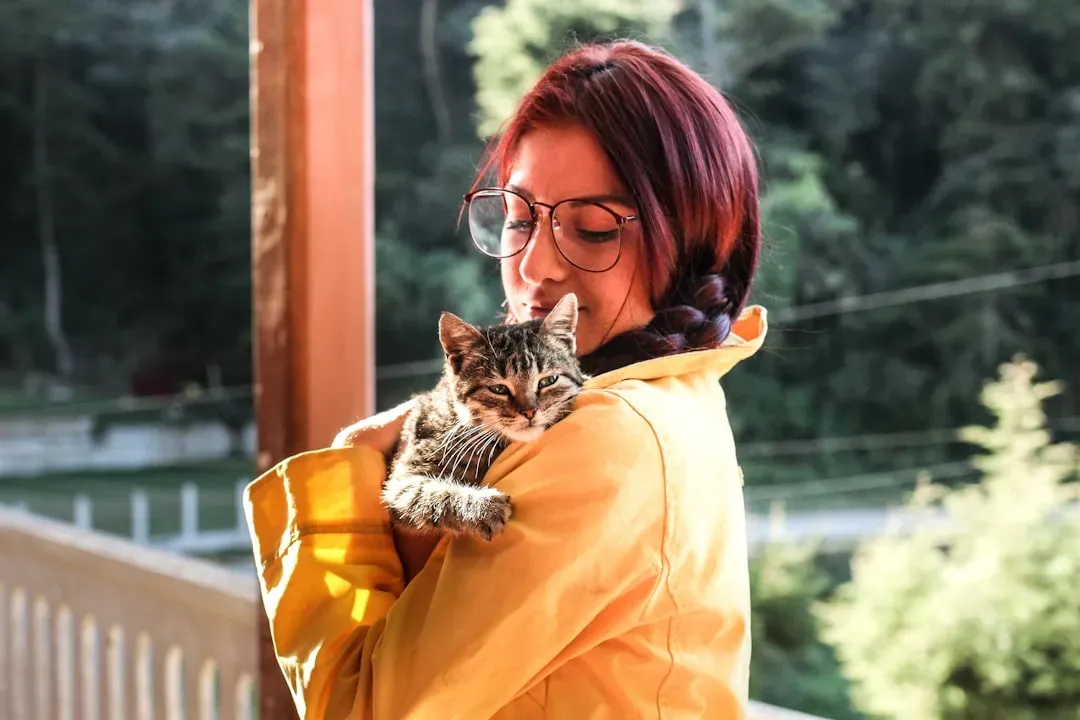
There is more going on beneath the surface when you interact with your cat than most people realize. Previous studies have shown that interactions with cats increase the positive emotions of owners and decrease their heart rate and blood pressure, and it has also been reported that contact with cats increases salivary oxytocin levels in owners. Oxytocin is the so-called bonding hormone, the same one that floods the brain during close human relationships.
Researchers say the health benefits of pets go far beyond simple companionship, as positive interactions with pets trigger the release of oxytocin, endorphins, and prolactin in humans, while stress hormones like cortisol go down. Cat purring also stimulates the production of endorphins, which are natural chemicals that promote feelings of happiness, and when a person interacts with a purring cat, their body releases serotonin, a neurotransmitter associated with mood regulation, which helps lower cortisol levels, the primary hormone associated with stress. That is essentially a full-spectrum hormonal tune-up, triggered by a cat deciding to sit in your lap.
10. A Sense of Purpose That Quietly Sustains You
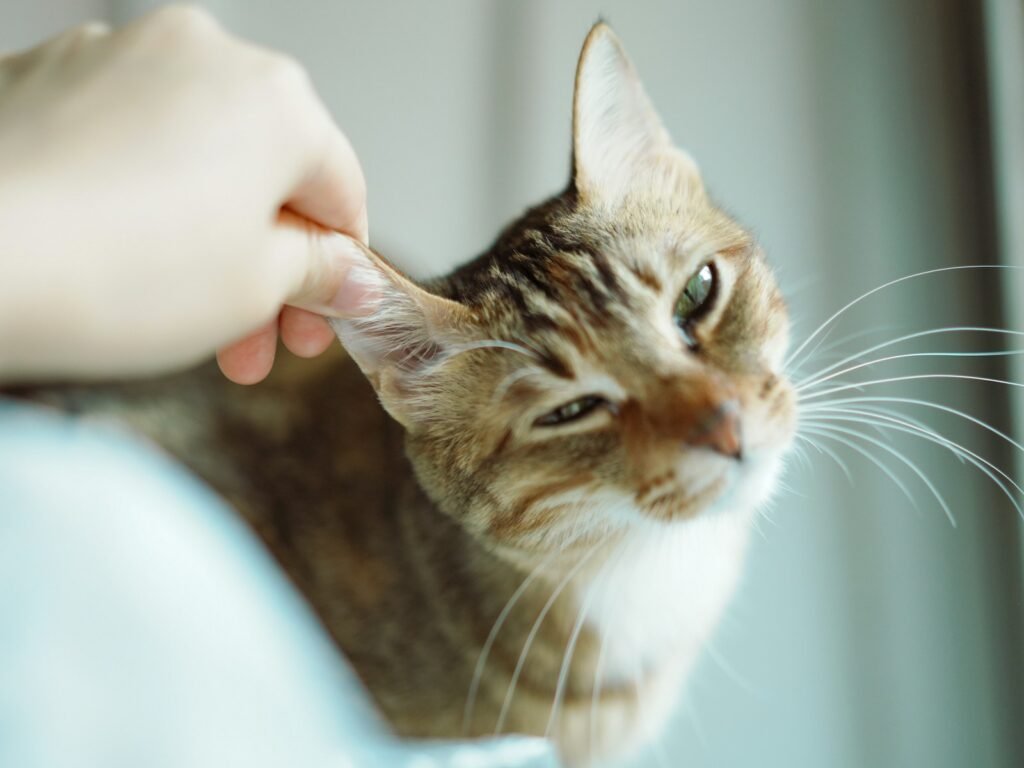
Here is something that often gets overlooked in the conversation about pet health benefits. It is not just about what your cat does to your body chemistry or your stress levels. It is about what having a creature depend on you does to your sense of self. For older adults especially, having a pet to care for adds a sense of purpose, particularly when health is in decline. Purpose is one of the most powerful predictors of long-term wellbeing that exists.
Pets depend on you for their care and wellbeing, but in return, they give purpose to your life. A 2024 study confirmed that people who have a pet, whether a dog or a cat, are generally much happier than those without. In 2025, economists using a large British dataset concluded that pet owners estimated they would need to earn up to an additional $90,000 a year to achieve the same life satisfaction that their pets already gave them. That is an extraordinary way of measuring something that most cat owners already feel in their bones. The daily ritual of feeding, caring for, and simply being with your cat does something to a person that money and status simply cannot replicate.
Conclusion
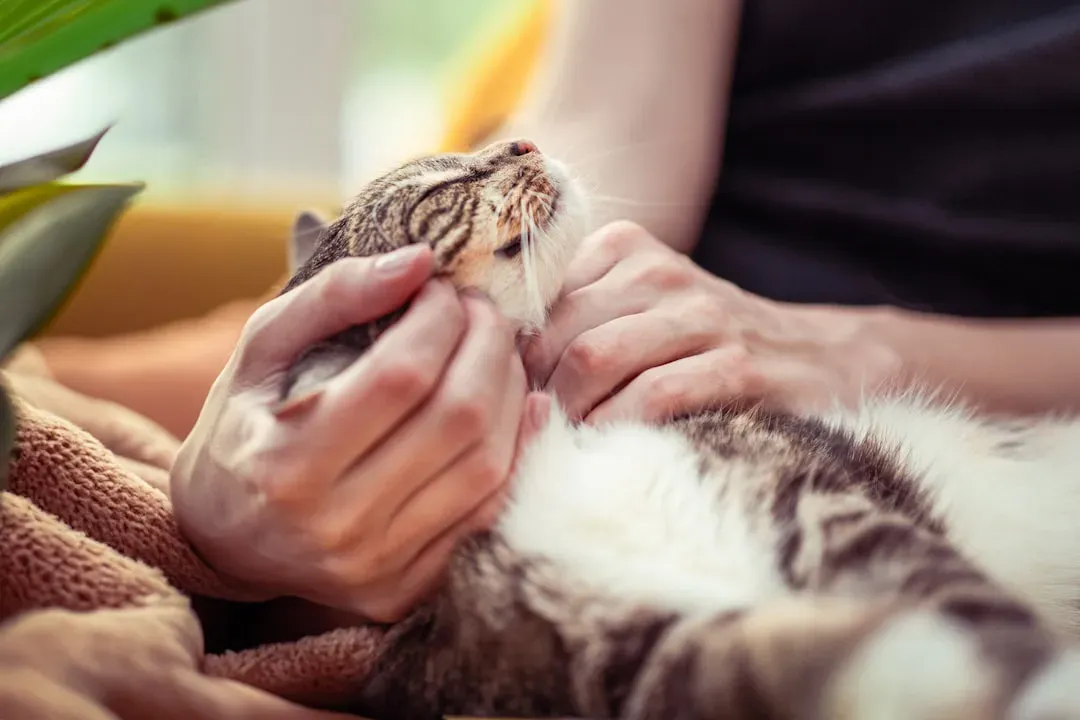
is not just a lifestyle choice. It is, quietly and often without fanfare, one of the most accessible and genuinely meaningful investments you can make in your own health. Your cat lowers your blood pressure, sharpens your immune system, stabilizes your mood, and even fills the silence of loneliness with something warm and breathing. It heals your bones with vibrations, coaxes oxytocin into your bloodstream, and gives children with autism a softer world to practice being human in.
None of this requires a prescription, a gym membership, or a wellness retreat. It just requires opening your home to a creature who will probably knock your water glass over anyway. The science, as it turns out, is firmly on the side of the cat people. What do you think? Did any of these benefits genuinely surprise you? Share your thoughts in the comments.