You’ve probably done it. You call your cat’s name, walk through every room, check the usual spots, and find absolutely nothing. Then you discover them stuffed inside a kitchen cabinet, curled behind the washing machine, or somehow squeezed into a shoebox that looks physically impossible for them to fit in. Sound familiar?
Cats are masters of concealment, with an innate ability to squeeze into the most unexpected places. This natural inclination to hide isn’t just a quirky behavior – it’s deeply rooted in their evolutionary history as both predators and prey animals. Honestly, understanding why your cat retreats to these strange little corners is one of the most fascinating things you can learn about your feline companion. Let’s dive in.
1. Inside Open Drawers and Cabinets
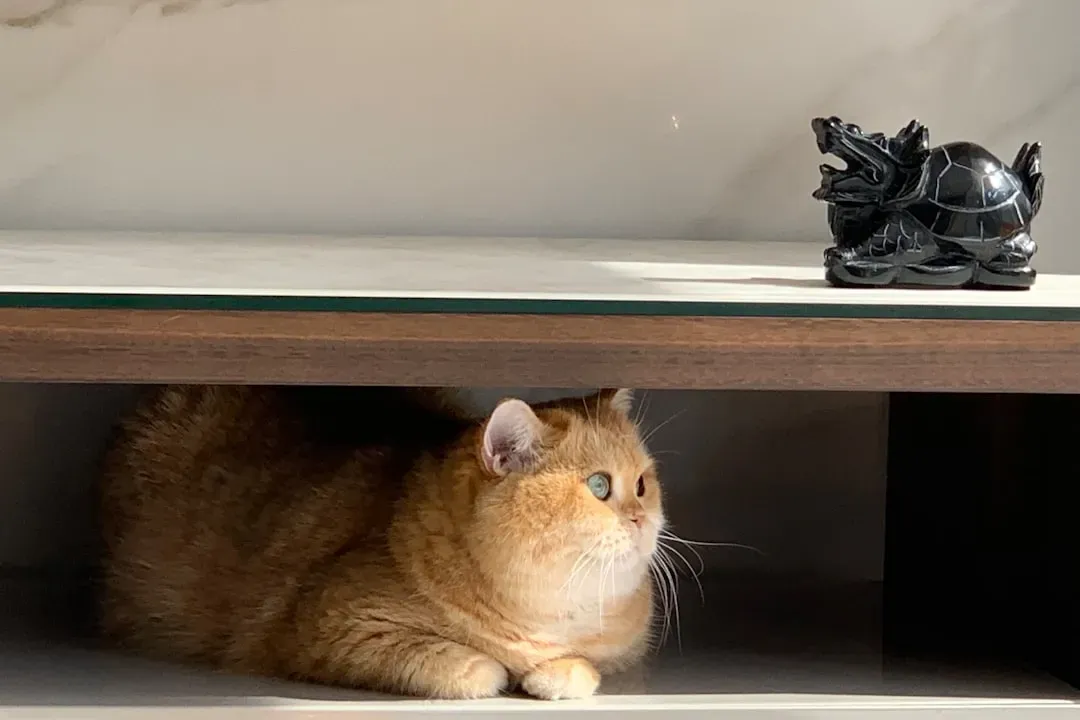
You leave a drawer open for two seconds, and suddenly it belongs to the cat. The most common hiding spot for many cats is inside open drawers or cabinets. A cat can slip silently into an open drawer, and they prefer the enclosed space that feels safe and private. Think of it like a cat’s version of a hotel room – compact, contained, and completely theirs.
Cats love getting into boxes, cabinets, drawers, shelves, bags, and even shoes. The draw here is clear: darkness, quiet, and walls on all sides. Most cats prefer hiding spots that are dark, warm, and sufficiently closed off at the back, which instinctually offers them security from attacks from behind and below, while allowing them to watch what’s happening in front of and above them. If you notice your cat disappearing into a drawer regularly, consider it a compliment – they feel safe in your space.
2. Inside the Laundry Basket
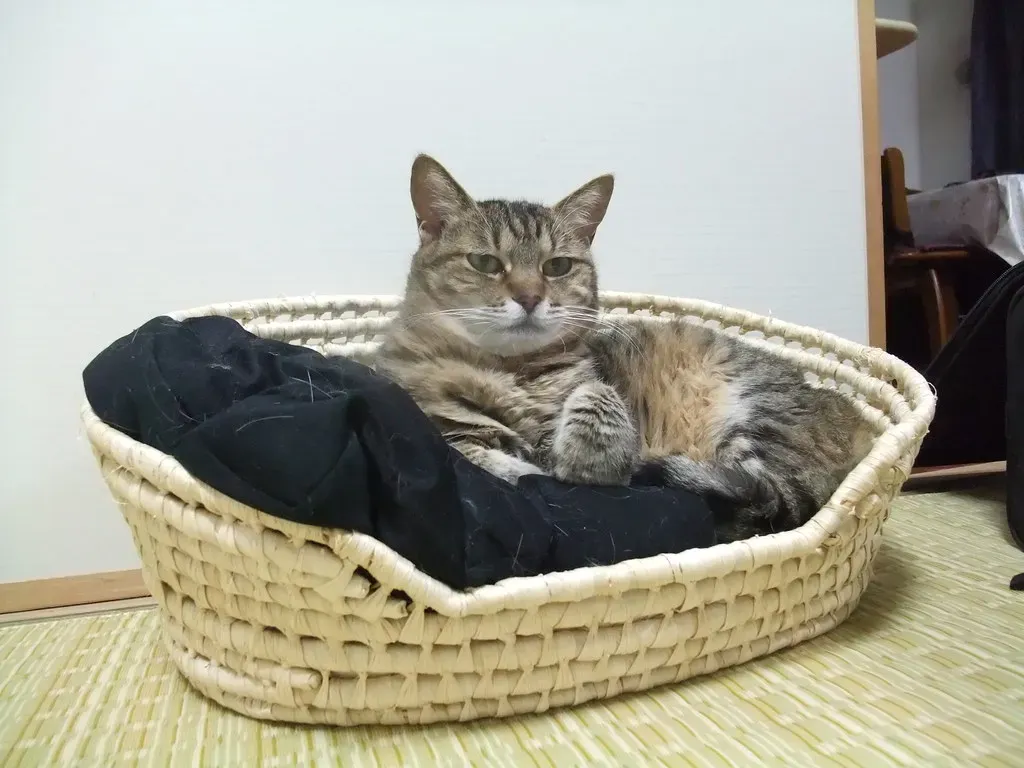
There’s something almost poetic about a cat burying themselves in a pile of your warm, freshly dried clothes. Your cat’s affection for lazing on your bed may transfer over to a love of laundry baskets, preferably filled with fresh-out-of-the-dryer clothes. Freshly dried laundry appeals to heat-seeking kitties. It’s warm, soft, and essentially a sensory paradise for them.
Cats also love to relax in baskets filled with dirty laundry since it smells like you – their favorite person. That’s actually a really touching reason when you think about it. Dirty or clean, cats are obsessive with laundry baskets. The luxurious fabric offers warmth and cosiness, and at times they also like the smell of their owners. So the next time you find fur in your clean shirts, you can at least take it as a weird form of affection.
3. Behind Curtains and Drapes
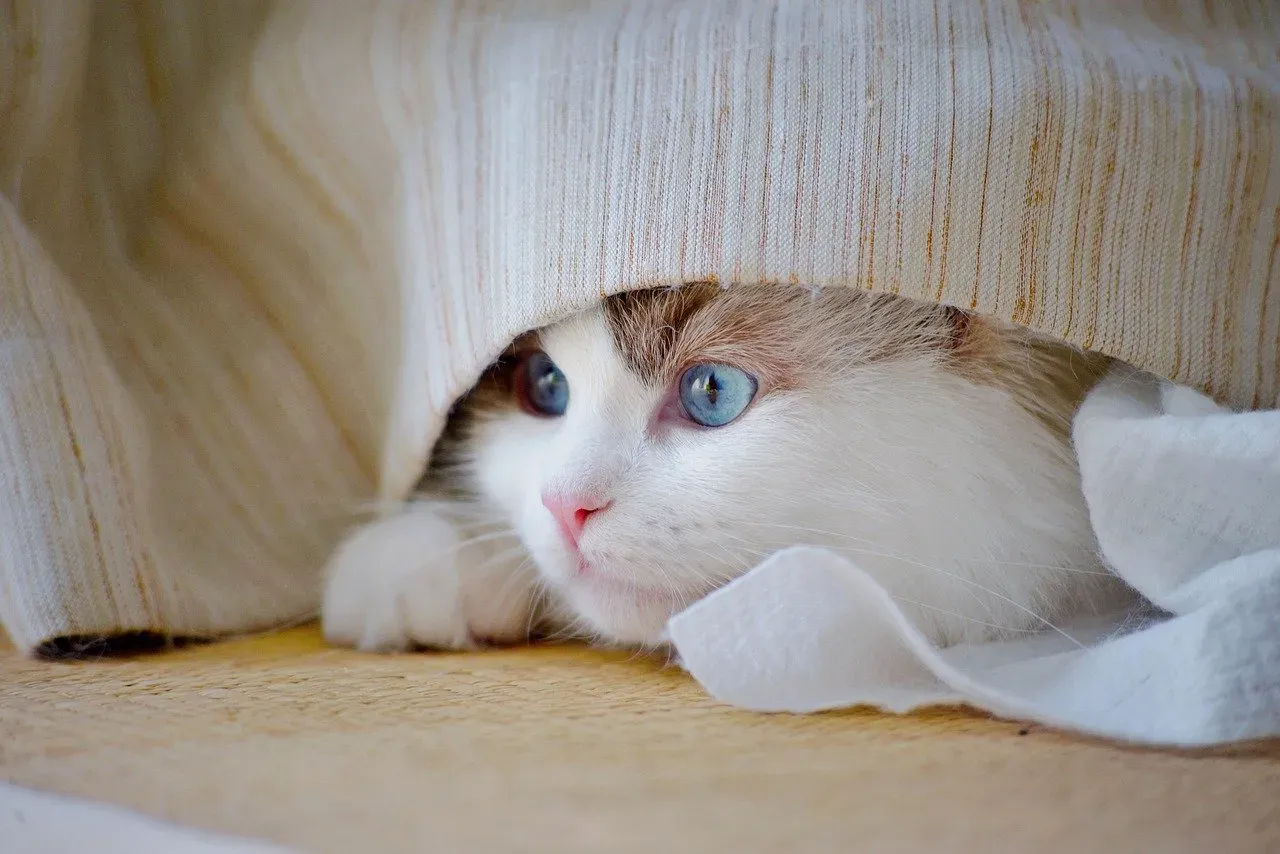
You will probably be familiar with spotting a suspicious bump or two furry paws lurking behind your curtains. Here, behind the drapes, the cat has privacy and shelter – both essential elements of the wild nature of the animal. It’s one of those spots that’s technically in the open, yet your cat treats it like the most hidden place in the universe. The logic is very cat-like, honestly.
Cats prefer hiding behind the curtains or lying behind them. The cloth is soft, and the animal peeks out while hiding, which makes them feel like an invisible creature. There’s something almost theatrical about it – like they genuinely believe you can’t see their tail poking out from underneath. It’s playful, instinctual, and utterly charming at the same time.
4. On Top of Bookshelves and High Cabinets
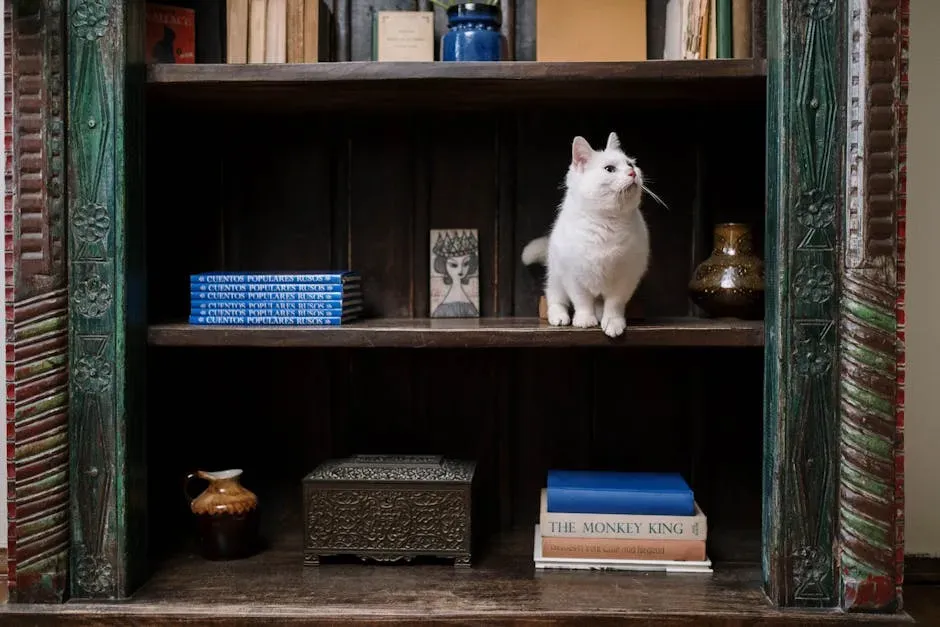
Your bookshelf was meant for books. Your cat has other ideas. Bookcases are perfect hiding places for cats. Here, felines can roll themselves into a ball, camouflaged among the volumes and enjoying a privileged view. Height gives them a tactical advantage – they can see everything below without being easily reached or bothered.
High shelves allow cats to survey their territory from above. This is deeply wired into their instincts. Think of it the way a lion watches from a rocky outcrop – your cat on the bookshelf is doing exactly the same thing, just in your living room. If a cat often hides for long periods in high places, that may be a sign that a certain environmental factor is stressing them out. So if yours has taken up permanent residence up there, it might be worth looking into what’s making them feel safer at altitude.
5. Inside the Washing Machine or Dryer
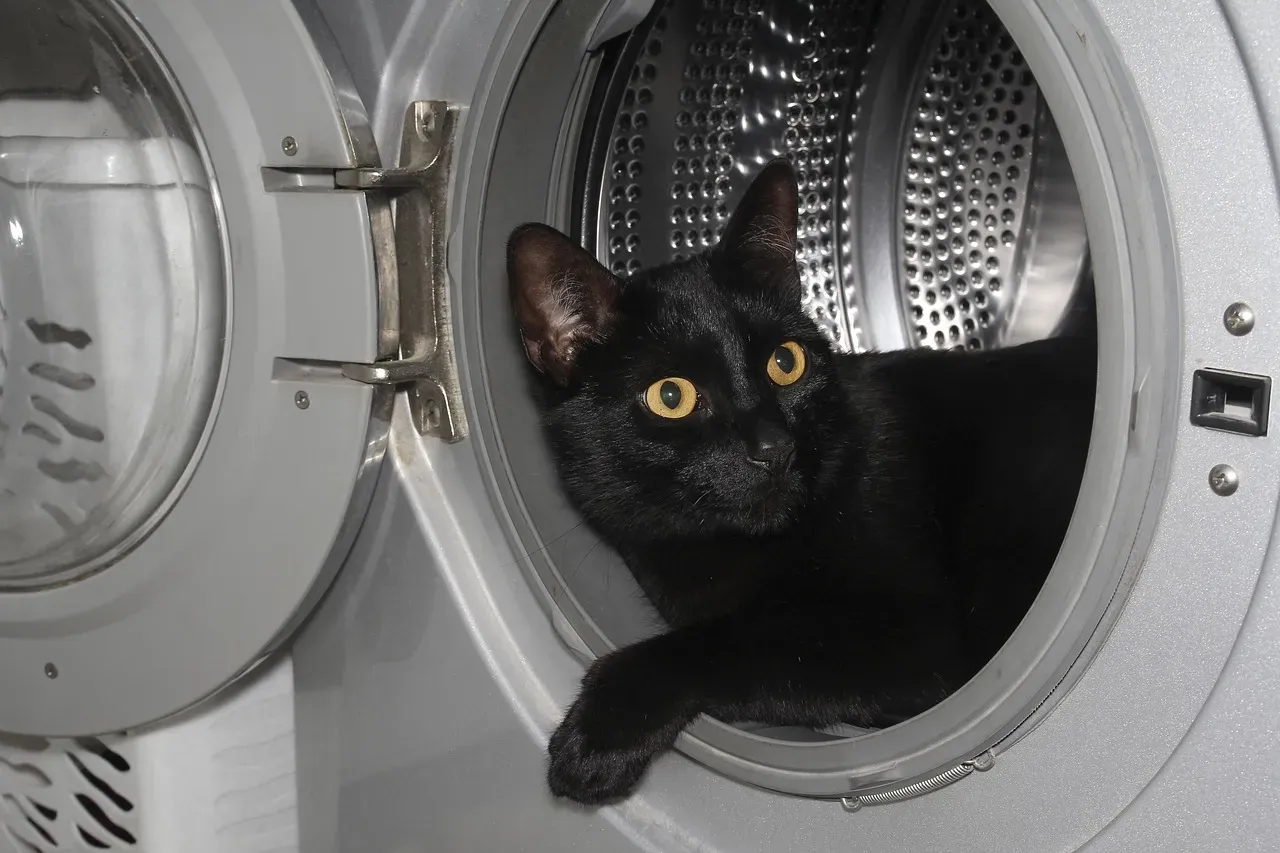
This one might make you nervous – and it should. Inside washing machines and dryers, many cats have been found. The warm, enclosed space attracts them. Always inspect these appliances before use to prevent accidents. It’s one of those spots that feels perfectly logical to a cat and terrifyingly dangerous to a human who knows how washing machines work.
There are places that are NOT good hiding spots for cats, presenting real dangers to kitties looking for a warm place to hide. Cats have been killed when locked in clothes dryers, hiding in a pile of warm clothes. If you have a laundry room or closet, keep the door closed so your cats cannot access these machines. A good workaround? If your cat enjoys hanging out in soft, warm clothes, you can purchase cat beds that have heating pads in them. You can put some old towels or t-shirts in the bed to make it more “laundry-like.”
6. Behind Furniture and Tight Wall Gaps
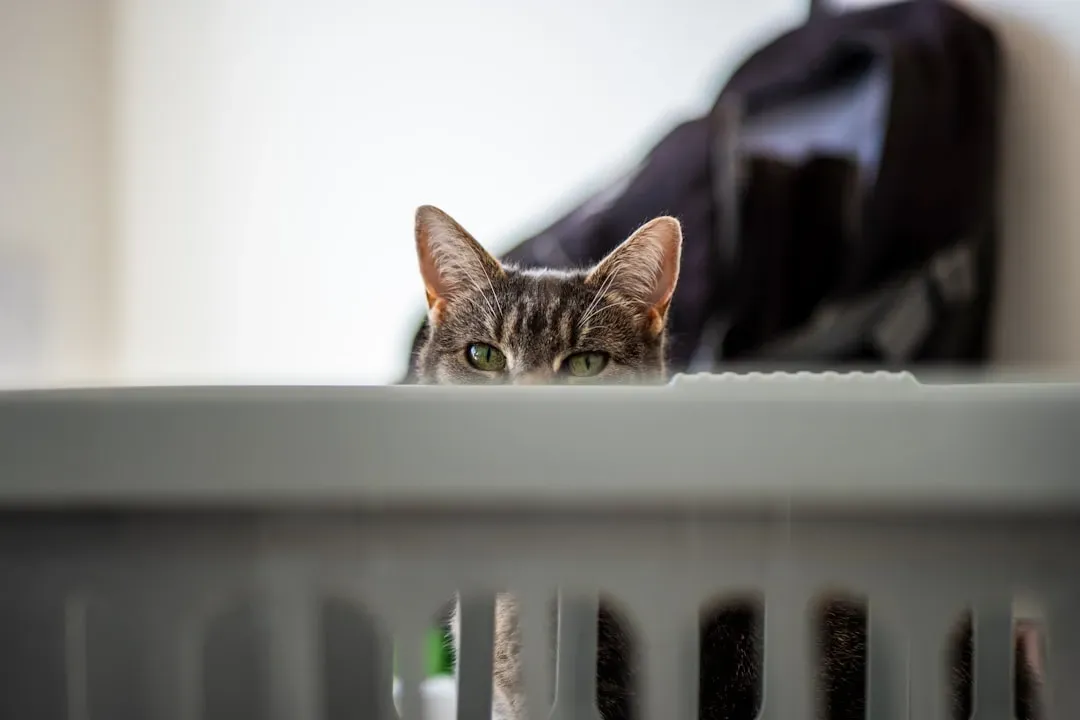
Cats love to hide behind furniture. They like to squeeze through narrow openings around sofas and walls. They enjoy these small, tight spaces, which provide them with a feeling of safety and a wonderful view of everything without being noticed by others. It’s basically their version of having a one-way mirror – they can see you, but you can’t easily see them.
Cats may choose some very odd places to hide, but most of these spots are away from the hubbub of your home; consist of a small, dark, enclosed area; include a window or opening that the cat can peek out of; and are often elevated so the cat can survey their surroundings. The gap between your sofa and the wall ticks most of those boxes. Home environment plays a significant role in cat behavior. Cats thrive on predictability, and even small disruptions can feel big to them. A tight gap behind the couch is predictable, quiet, and entirely theirs.
7. Inside the Bathtub or Bathroom Sink
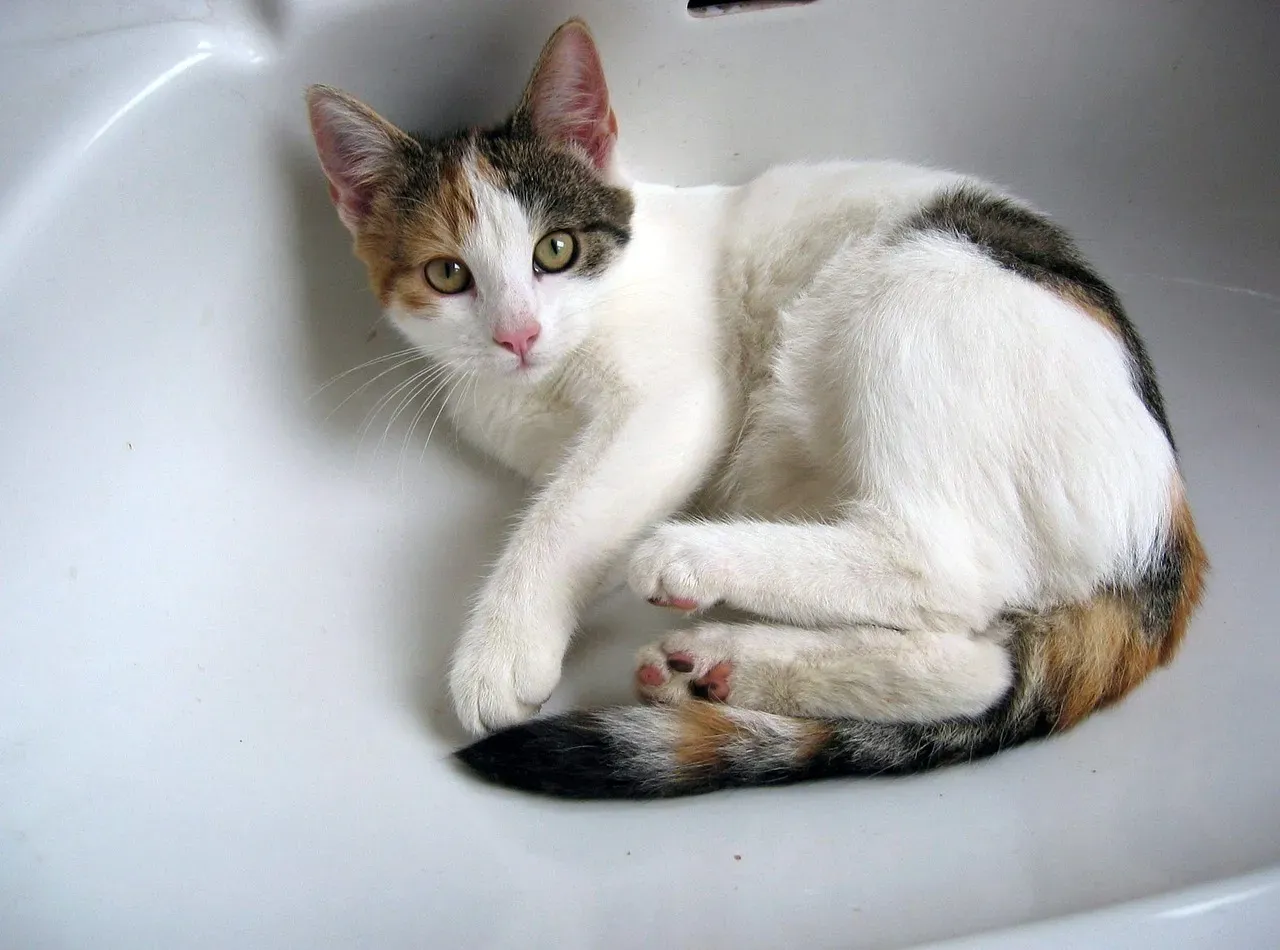
Finding your cat lounging in the bathtub for the first time is a real experience. One day you may pull back your shower curtain to find your cat sitting in the tub. Although it’s a much bigger structure, the bathtub also provides a cool, secure hideout. The smooth porcelain walls create a contained environment, which, for a cat, is basically a luxury suite.
The bathroom sink is actually a pretty great spot for cats. The average bathroom sink is just the right size to contain a furry friend, much like a cardboard box. Additionally, cats find the coolness of the sink comfortable. The proximity of running water to drink is a bonus. It’s worth noting though that seeking out the cool bathtub could signal a health issue, as some cats experiencing urinary tract inflammation may do this. Always notify your veterinarian of any change in your cat’s normal behavior.
8. Inside Cardboard Boxes
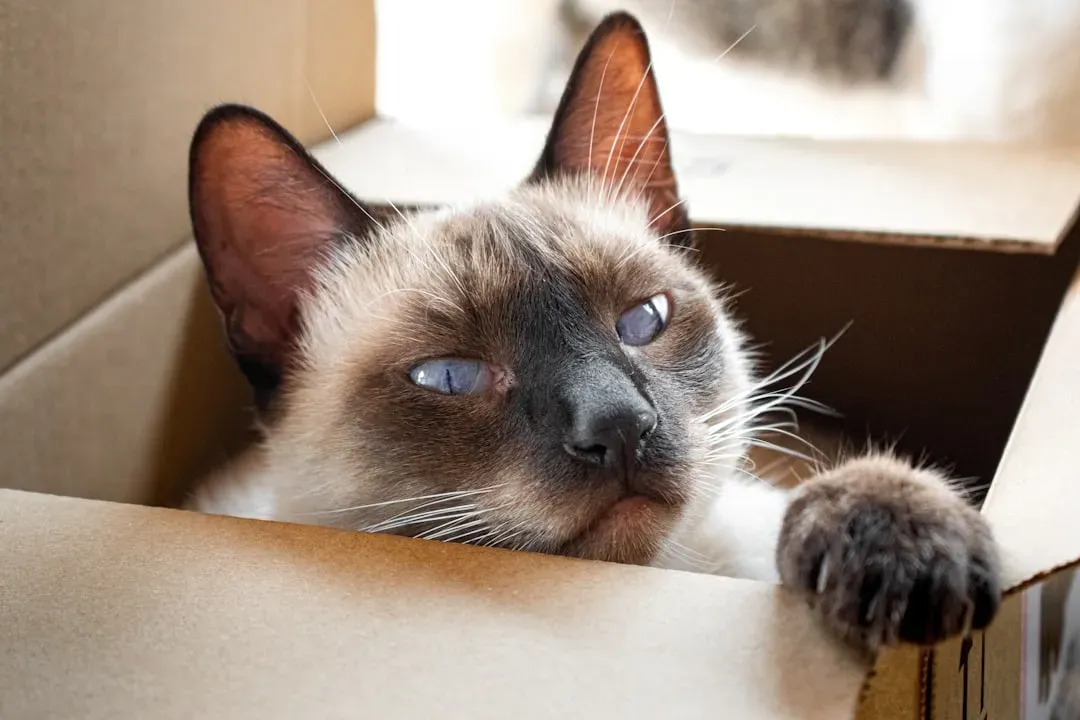
Let’s be real – this one feels less “unexpected” because it’s practically a universal cat truth. Yet the reasons behind it are more fascinating than most people realize. The most common escape for a cat is the average cardboard box. Boxes provide a soothing space for a feline friend, and for many cats, the smaller, the better. In addition to the warmth that cardboard insulation generates, a box’s four walls give cats the security and comfort they crave.
Cats love cardboard boxes because they’re cozy, warm, and feel safe. There’s also a territorial element here. From inside a box, cats can spy on you – and anyone else who invades their territory – by peeking over the sides. Strategically placing different-sized boxes around the house will amp up your feline friend’s playtime. Boxes also provide a place where your cat can scratch freely without damaging anything of value. Honestly, a cardboard box might be the best free cat toy ever invented.
9. Inside the Box Spring Under the Bed
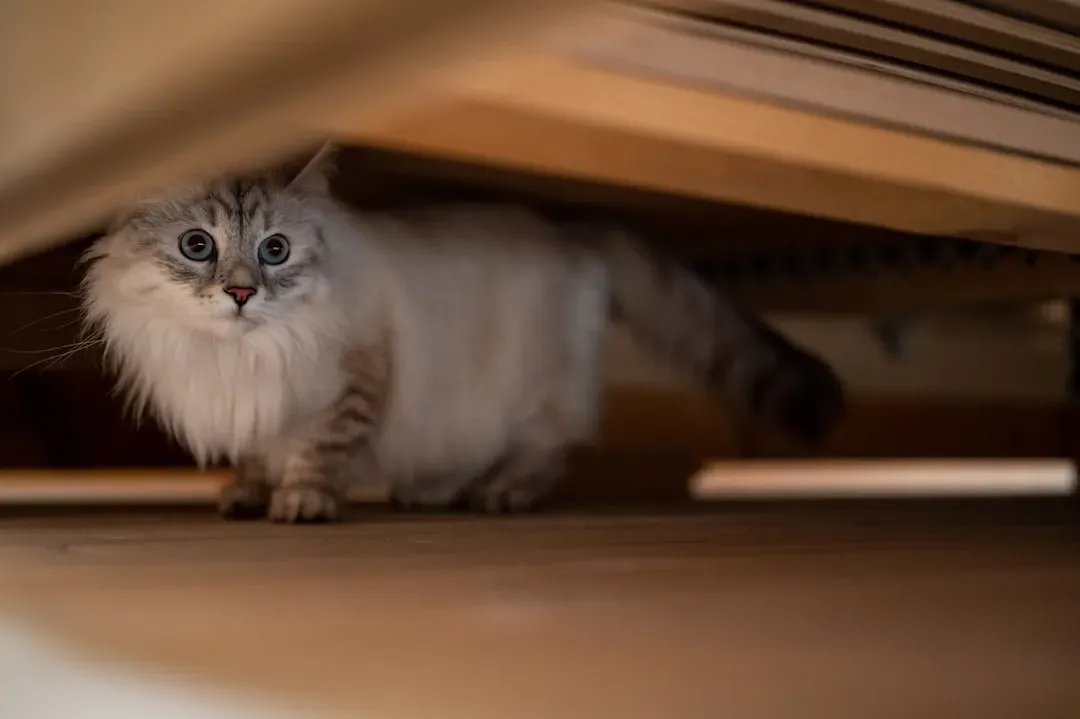
You think your cat is hiding under the bed. You’re wrong. They’ve gone deeper. Cats often tear the lining underneath beds and climb inside the box spring itself. They also hide in the gap behind drawers if you remove the drawers from dressers. It sounds absurd, but cats are remarkably determined engineers when it comes to finding their ideal retreat.
The space under your bed is dark, quiet, and hard to reach – ideal from a cat’s perspective. It’s a safe-feeling spot, especially if they’re anxious or overstimulated. The box spring takes this to a whole new level. When a cat crawls into their hiding place under the bed, they know they won’t be disturbed and no one will be joining them there. Stress and anxiety are very common reasons for cats to hide here, and by doing so, they are able to isolate themselves and have some time out. It’s their version of turning off your phone and disappearing for the afternoon.
10. Inside Vents, Heating Ducts, and Near Heat Sources
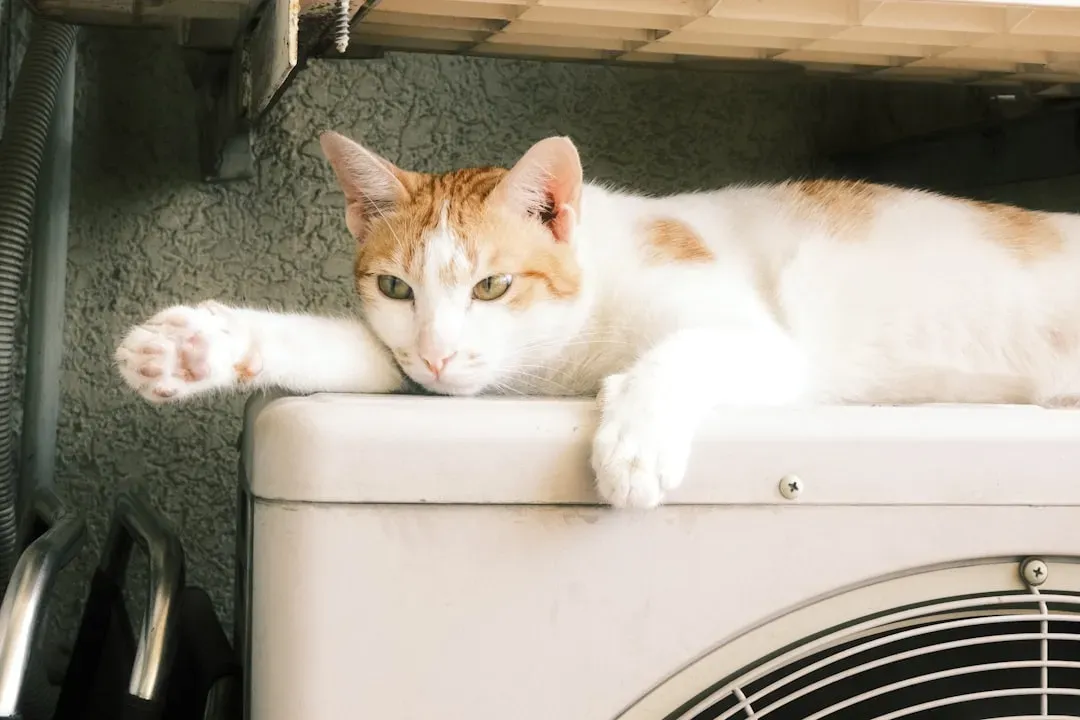
I know it sounds crazy, but some cats genuinely find their way into air vents and heating ducts. Some cats have been found inside air vents or heating ducts of homes. These places are quite warm, which is a kitty’s desire, and it might take time and effort for them to get there, but they seem to love the odd comfort of these spaces. Warmth is one of the most powerful motivators for a hiding cat.
Cats often seek out warm hiding places, such as near heating vents, sunny windowsills, or laundry fresh from the dryer. This preference for warmth is both comfort-seeking behavior and an energy-conservation strategy inherited from their wild ancestors. If your cat regularly hides, they probably have a favorite spot, or their hiding is patterned, like settling near the water heater or clothes dryer in the colder months. Think of it like a cat version of choosing a seat by the fireplace – they simply run warmer than we do and they know exactly where to go to stay that way.
When Hiding Is Perfectly Fine – And When It Isn’t
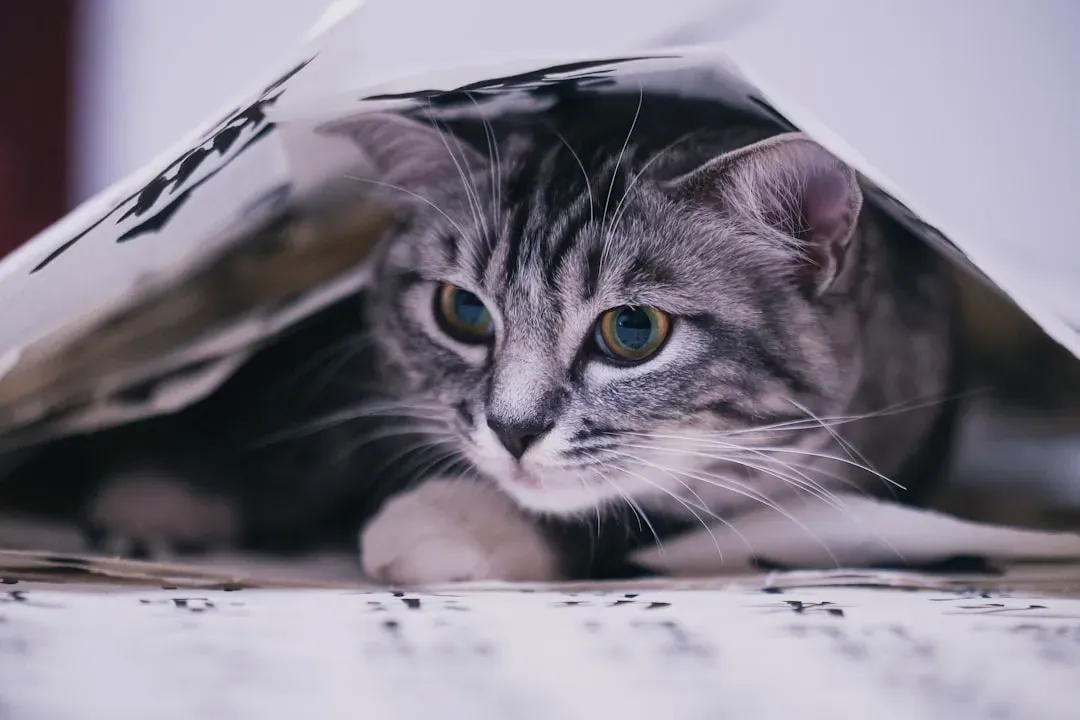
Hiding is completely normal behavior for cats and is not necessarily a reason for concern. Cat parents often find their feline friends under the bed, in the closet, on a shelf, and pretty much anywhere else they may deem cozy and removed. Even well-adjusted cats like sneaking away to safe places to relax and nap. So before you panic, take a breath.
However, there’s an important line to watch for. If your cat starts hiding out of the blue, it could be a sign that something’s off. A sudden change in behavior – especially if they’re skipping meals, avoiding the litter box, or acting withdrawn – can point to illness, stress, or pain. Cats usually hide for a reason, so it’s best to let your cat hide if they want to. Removing them from their hiding spot may worsen their stress and make them want to hide for even longer. Give them space, but keep a close eye.
Conclusion
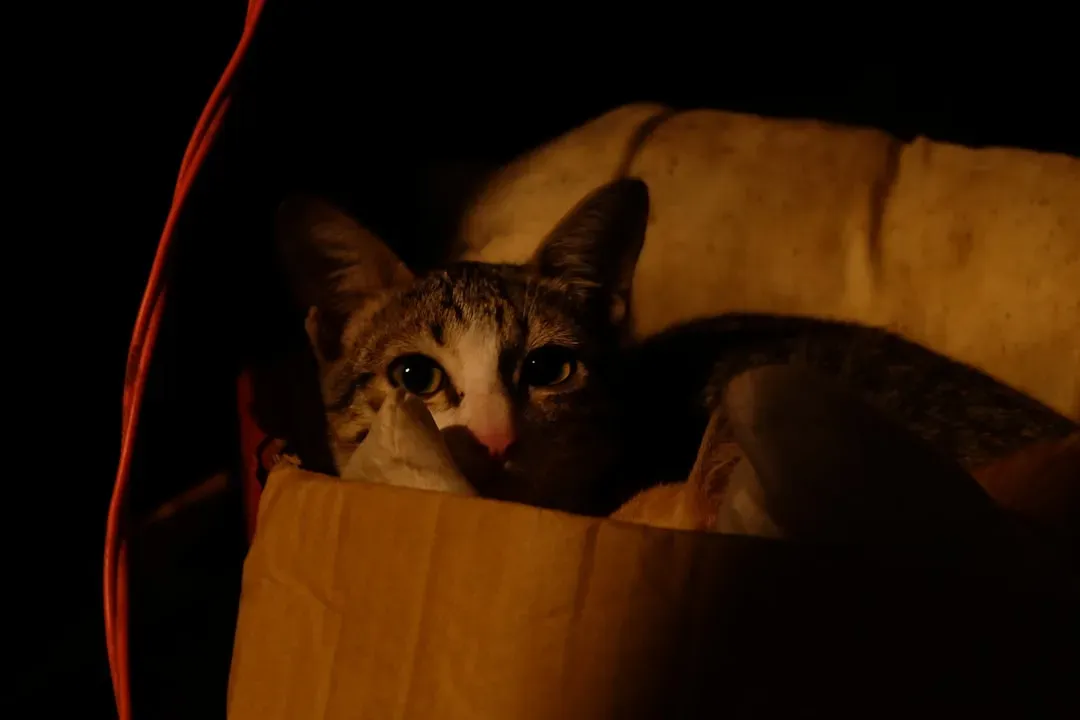
Your cat’s hiding spots are more than just quirky behavior – they’re a direct window into how your cat is feeling, what makes them feel safe, and how deeply their instincts still run, even in the middle of your living room. From the laundry basket to the heating vent, every choice they make tells a story.
The key with hiding behavior in cats is to be observant of any changes, but recognize that your cat may want places to hide – and that’s okay. Let your feline explore safe places to hide, and know where these are in case you need to find them quickly. The most loving thing you can do is create a home where they feel secure enough to rest, retreat, and recharge on their own terms.
So the next time you find your cat wedged inexplicably into a shoebox that’s clearly too small, just know – they’ve found their perfect sanctuary. And honestly? That’s kind of beautiful. Have you found your cat in an unexpectedly wild hiding spot? Tell us in the comments – we’d love to hear it.