You live with a creature that has over a hundred different ways to talk to you, yet most of us only recognize two or three. Honestly, that’s kind of wild when you stop and think about it. Your cat isn’t just making noise randomly – every chirp, trill, and eerie midnight yowl is a deliberate piece of communication aimed directly at you, the walls, or that squirrel outside the window.
Next to birds, cats possess the widest range of vocalizations of any domestic pet. So if you’ve ever stared at your cat wondering what on earth that sound was, you’re not alone. What you’re about to discover might completely change how you listen to your furry companion. Let’s dive in.
1. The Trill: Your Cat’s Version of a Happy Hello
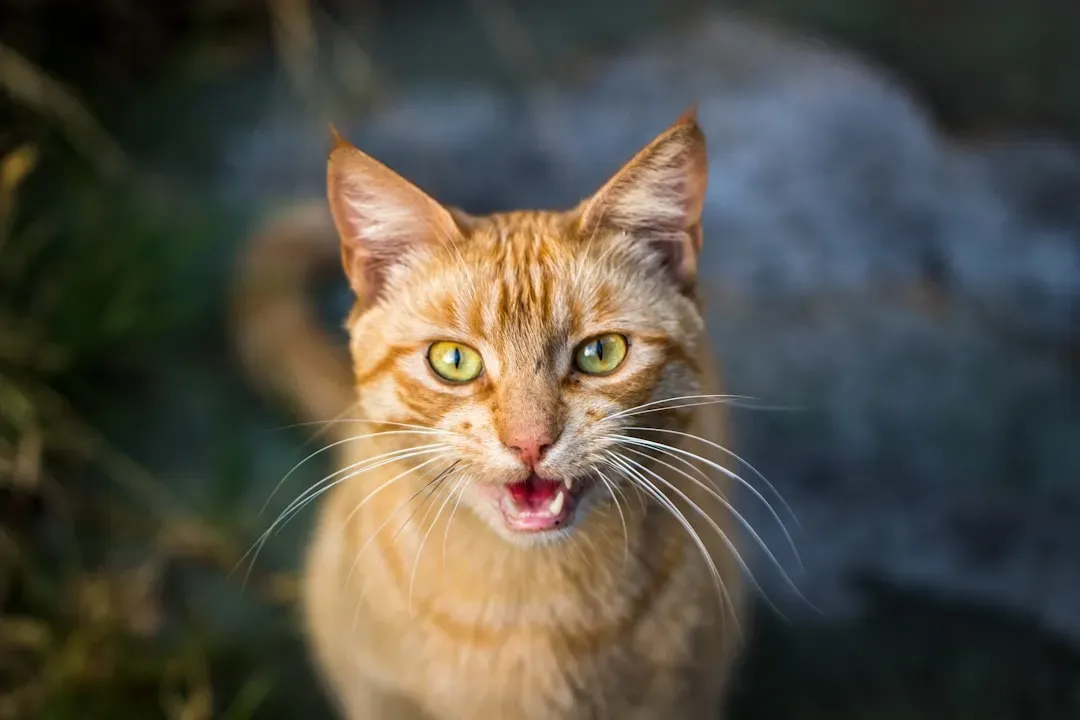
If you’ve ever heard your cat make a short, rolling, almost melodic sound as they walk toward you, that’s a trill – and it’s one of the most heartwarming noises in the feline vocabulary. Cat trilling is a vocal form of communication that cats use to “talk” to other cats, to humans, and even to other animals, and it is a high-pitched, repetitive noise that comes out in short bursts.
A mix between a meow and purr, the trill is often described as a friendly sound, high-pitched and repetitive, coming out in short bursts. Cats make this sweet sound as a greeting to other cats or to people, and it can also be used as a thank you if their human has given them a treat or a head scratch.
Chirps and trills are how a mother cat tells her kittens to follow her. When aimed at you, it probably means your cat wants you to follow them, usually to their food bowl. If you have more than one cat, you’ll often hear them converse with each other this way. So when your cat trills at you, think of it less like small talk and more like an invitation. Follow them and see where they lead – probably straight to an empty food bowl, but still.
2. The Chirp: That Bizarre Bird-Like Sound by the Window
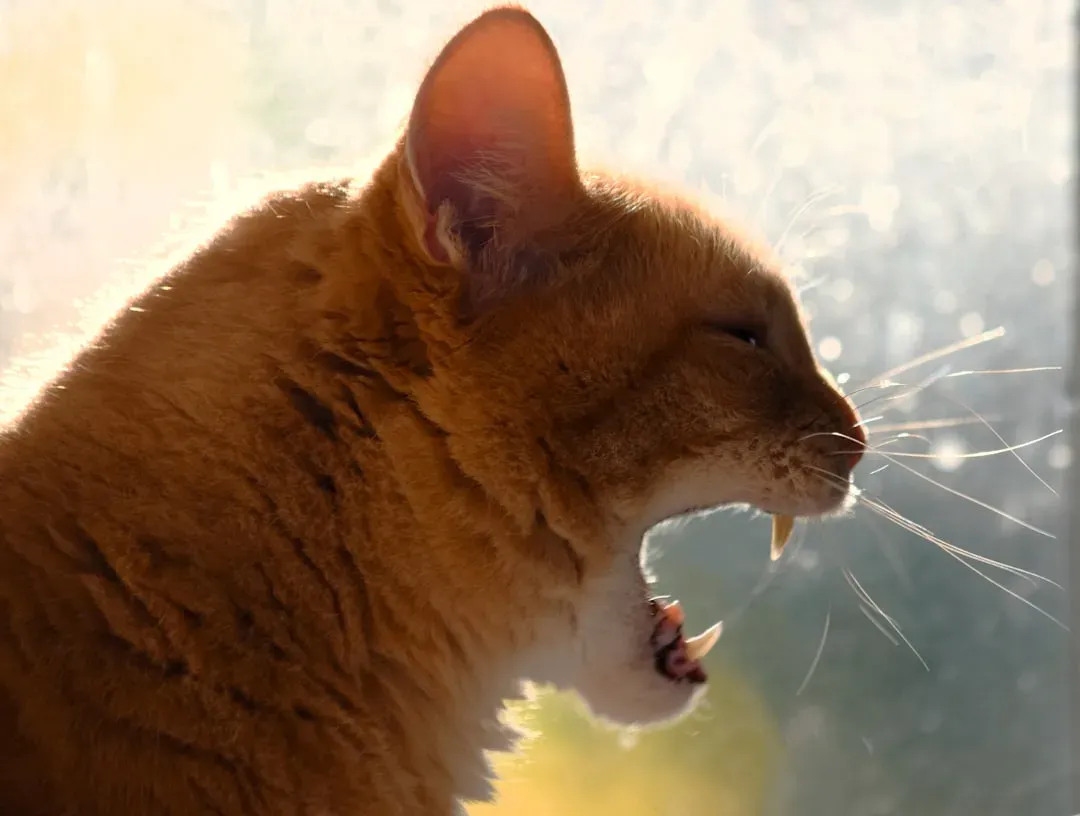
You know that strange, stuttery noise your cat makes while glued to the windowsill, staring at a bird outside? That’s a chirp, and it’s one of the most fascinating sounds in the entire feline playbook. The cat chirp, also known as a chirrup or a trill, is a short, peep-like sound that’s very similar to a songbird’s warble.
There are different theories about the reason for this sound. Some suggest it’s meant to lure prey in or make the cat seem like less of a threat when stalking prey, while others believe it may be a way to release pent-up energy from seeing prey and not being able to hunt it. I think this is one of the most fascinatingly primal things our pampered house cats do. One moment they’re snoozing on a velvet cushion, and the next they’ve gone full apex predator at the sight of a pigeon.
A chirp is a short, high-pitched call that sounds similar to a bird. A sequence of chirps is called chirrups. A chirp is initially uttered by the mother cat as a contact call to her kittens, but adult cats may chirp to get attention and inform other cats or people of their location. So the same sound can mean “I see prey” or “pay attention to me” – context is everything with cats.
3. The Chattering: Jaw-Quivering Frustration in Action
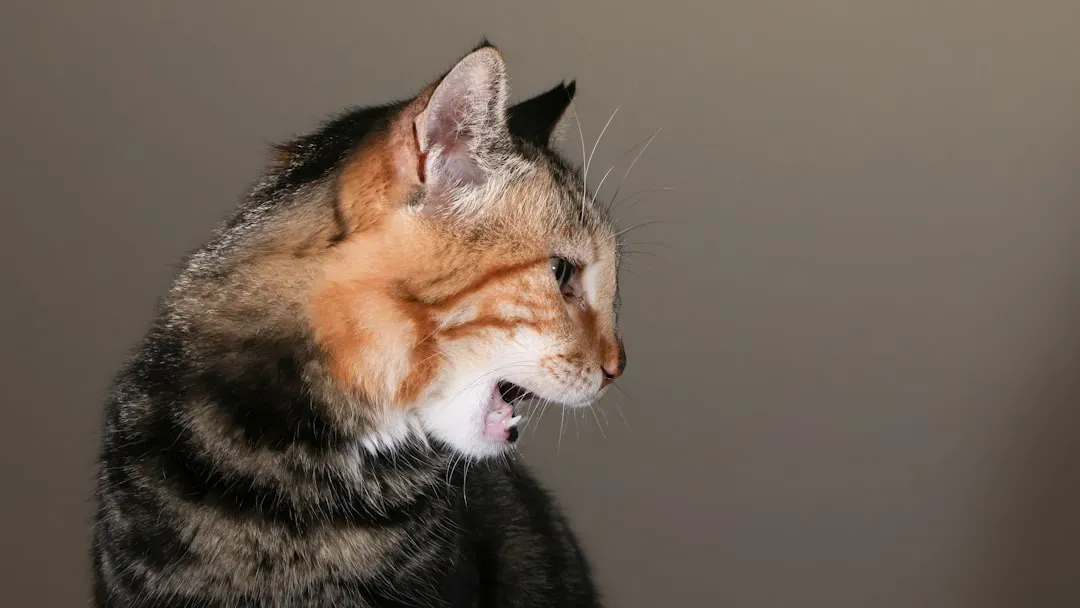
Chattering is the rapid, clicking jaw movement that looks almost like your cat is shivering while watching prey through the glass. It’s bizarre to witness the first time, but perfectly normal. Chattering, also called twittering, is a low smacking sound produced by a rhythmic clashing of the jaws. It is usually voiceless, produced without using the vocal cords. Along with chirping, chattering may occur when a cat spots prey that’s out of their reach.
Chattering often expresses a mix of extreme excitement and predatory frustration. It involves intense frustration because the cat cannot reach the prey. Think of it like a football fan watching their team fumble in the final seconds. The emotion is real, the energy is real, the outcome is just completely out of their control. A good tip? To relieve this “hunter’s anxiety,” play with a wand toy right after they finish chattering so they can actually catch something.
4. The Trill-Meow Combo: When Your Cat Gets Extra
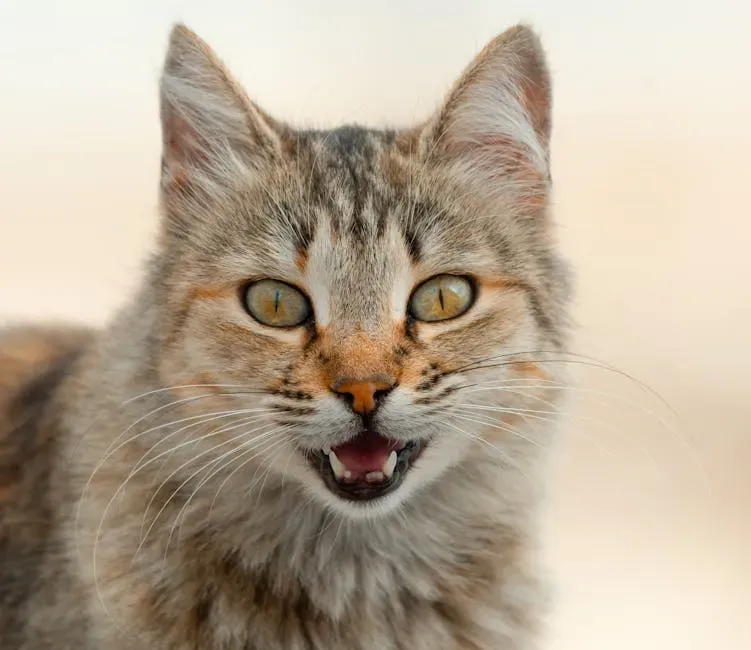
Every now and then, your cat pulls out a hybrid sound – something that starts as a purring trill and morphs into a full meow mid-way. It’s a surprisingly complex vocalization. Cats produce a trill, chirr, or chirrup – a short and often soft meow rolled on the tongue – used during friendly approach and greeting and during play. Grunts are usually more low-pitched, while trills or chirrups are more high-pitched. Sometimes cats combine a grunt or trill with a meow sound, thus producing more complex vocalization types.
Here’s the thing – this blended sound is your cat essentially “upping the ante.” They’re saying hello, but also making sure you didn’t miss it. Depending on the situation, your cat is capable of making many distinct utterances, with multiple nuanced variations of each. Some reflect contentment and ease, while others expose worry, fear, or even anger. All are indicative of your cat’s emotional state of mind. The trill-meow combo almost always sits on the warmer, friendlier end of that spectrum.
5. The Yowl: That Deep, Unsettling Moan You Can’t Ignore
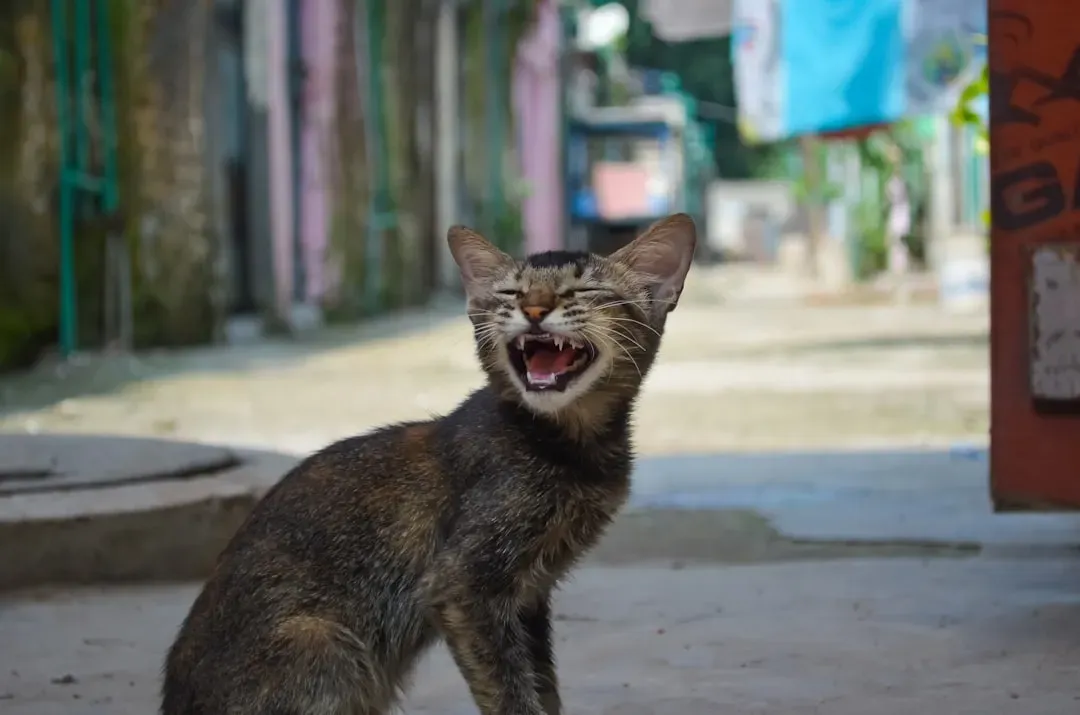
If you’ve ever heard your cat unleash a long, drawn-out, moan-like sound in the middle of the night, you know how unnerving it can be. The yowl is not a sound you should dismiss. Unlike the reasonably happy, searching sound of a meow, the yowl is a longer, more drawn-out moan that denotes worry, discomfort, territorial concern, or mating issues. The yowl is often a cat-to-cat communication and can also occur when a cat isn’t feeling well, when senses or cognitive functions decline, or when something in the environment isn’t to their liking.
Yowling and howling are signs that a cat is in distress. This may be physical distress from pain or illness, or emotional distress from worry, frustration, boredom, or confinement. Elderly cats may yowl if they suffer from cognitive dysfunction syndrome, or dementia. If your older cat has started yowling at odd hours without any obvious cause, a vet visit is genuinely worth pursuing. It’s not just drama – it could be their way of saying something is seriously wrong.
6. The Caterwaul: The Sound That Will Wake Up the Entire Neighborhood
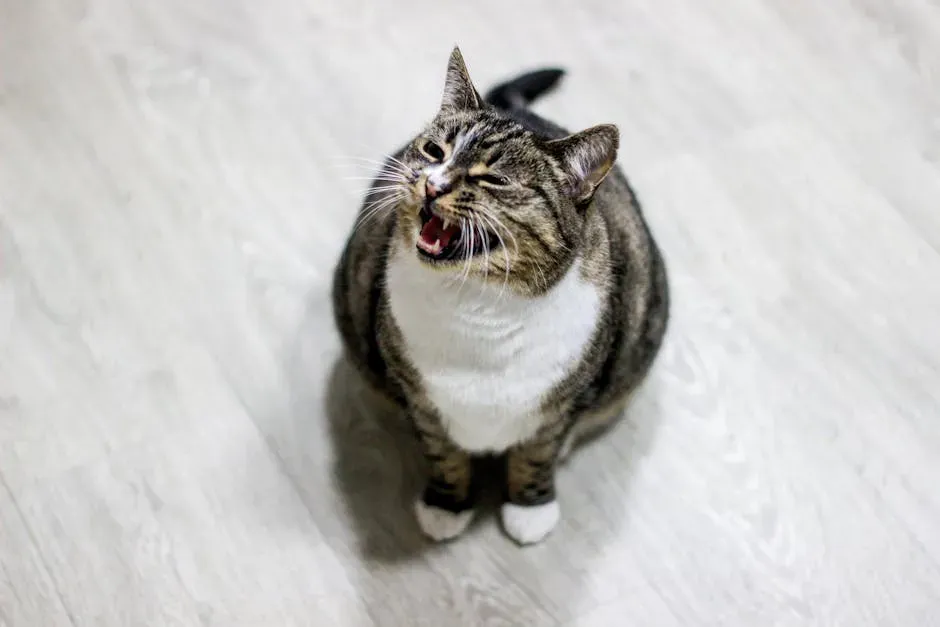
The caterwaul is the kind of sound you only need to hear once in your life to remember forever. It’s loud, hollow, eerily wailing, and deeply strange. The caterwaul is a hollow-sounding, plaintive yowl that unspayed female cats produce when they are in heat. They use it to call out to potential mates, and this sound is almost like “ahh-roo-ugh?” and is abbreviated.
A caterwaul is a loud, long whine made by unspayed females to attract prospective mates while in heat. When directed toward human family members, it is used to express pain, discomfort, fear, or a desire for attention. It’s hard to say for sure which is more startling – hearing it for the first time at 3 AM or realizing your cat is essentially serenading the whole street. Spaying or neutering your cat is the most effective and humane way to prevent this behavior entirely.
7. The Purr With a Hidden Meaning: Not Always Happiness
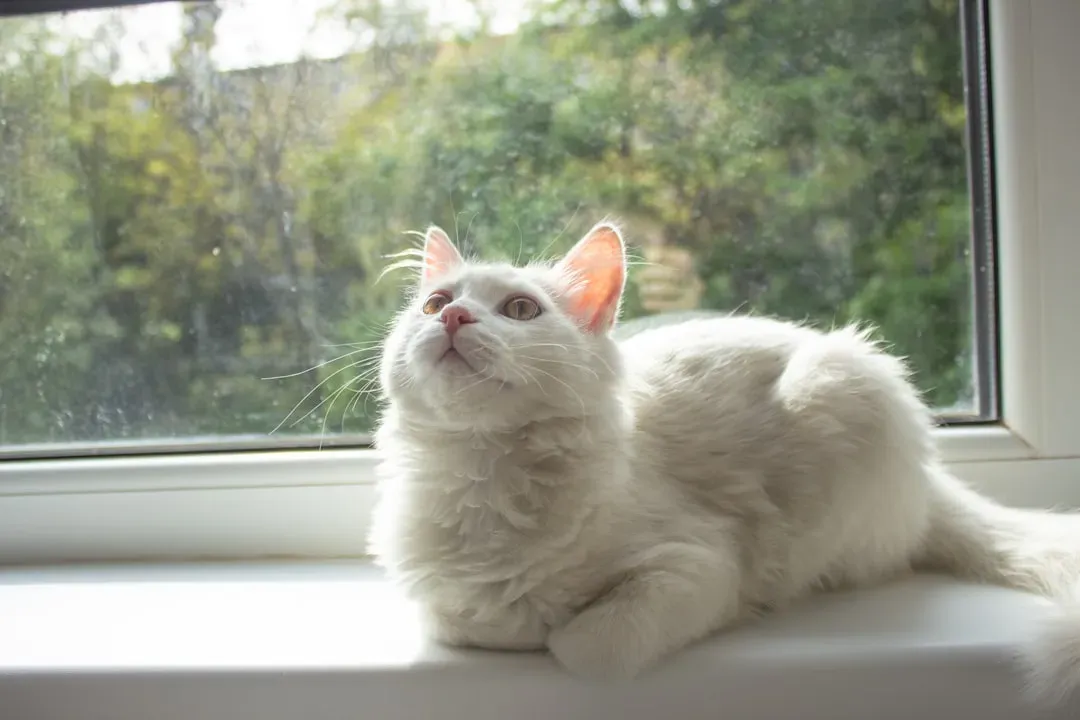
Most people think a purring cat is a happy cat. That’s true most of the time. But the purr has a darker, more complex side that every cat owner deserves to know about. A purr is a low, continuous, rhythmic tone produced during breathing. While most people recognize purring as a sign of contentment and pleasure, purrs can also mean that a cat is scared, sick, or in pain. Like all feline communication, purring must be evaluated in context with the cat’s body language.
A cat’s purr has a frequency of roughly 25 to 30 Hz, and it’s thought that sounds in this range have healing properties. Cats purr when they’re happy, but they also purr as a comforting mechanism or when they’re stressed or in pain. The key is reading the whole picture. If the cat’s ears are back, their pupils are dilated, they’re tense or hunched up, or they’re acting differently than normal, then purring may indicate that the cat is uncomfortable or unhappy. A purring cat curled on your lap? Pure bliss. A purring cat huddled in a corner with wide eyes? That’s a very different conversation.
8. The Growl and Snarl: Louder Than Any Words
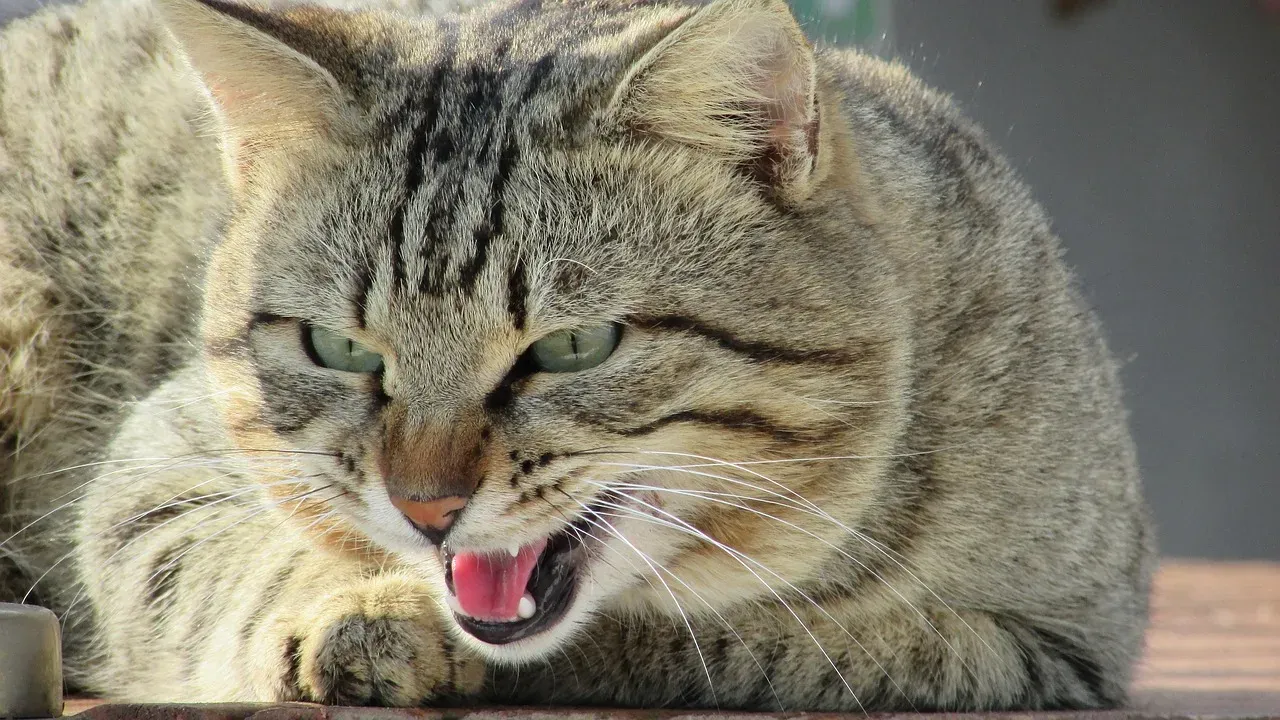
When your cat growls, it’s not playing around. This is one of those sounds that needs to be respected immediately. A growl is a low, rumbling sound used to warn or scare off a threat. It can be directed toward humans or other cats or animals. Growling is an indication that a cat feels threatened, frightened, or is about to become aggressive. This sound often increases as the cat’s fear grows.
When a cat is feeling threatened or stressed, it may emit snarls and growls as a warning sign. These sounds are usually of a higher pitch than those of larger cats and can start or end with a yowl. The classic defensive body posture of a snarling or growling cat includes puffed-up fur, arched back, ears back, and tail twitching. It’s best to leave the cat alone unless it’s in imminent danger from another cat. Think of the growl like a car alarm – ignore it at your own peril. Your cat is essentially posting a “Do Not Disturb” sign in the loudest possible way.
9. The Spitting Sound: Your Cat’s Most Explosive Warning
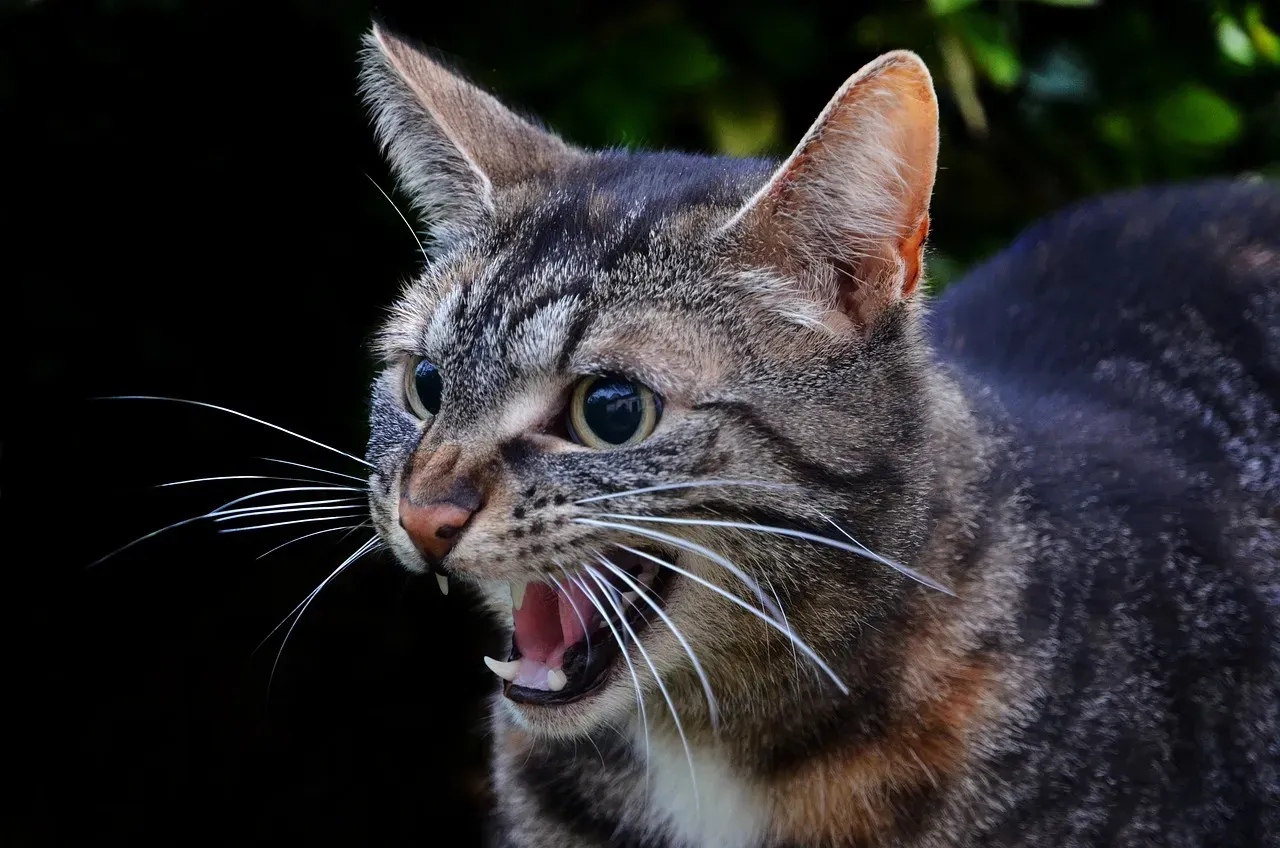
Spitting is one of those sounds that most people have heard but never quite put a name to. It’s that sharp, explosive burst that comes alongside a hiss, and it’s arguably more startling than the hiss itself. Spitting is a more intense, explosive version of a hiss, and you’ll hear it right before or after a true hiss. This quick, sharp burst of air makes a harsh sound and often happens with a sudden swat or a defensive lunge. These dramatic moves typically happen in response to a threat, meant to startle or warn an opponent.
Spitting is a shorter but louder and more emphatic version of hissing. It’s your cat’s absolute last resort before physical contact. The growl, spit, and hiss are sounds associated with either offensive or defensive aggression. They are usually accompanied by a postural display intended to have a visual effect on the perceived threat. Cats growl, hiss, and spit as a display of defense against both cats and other species. If the hiss and growl warning does not remove the threat, an attack may follow. You hear the spit, you back away. Every single time.
10. The Midnight Meow: When Your Cat Talks to Themselves
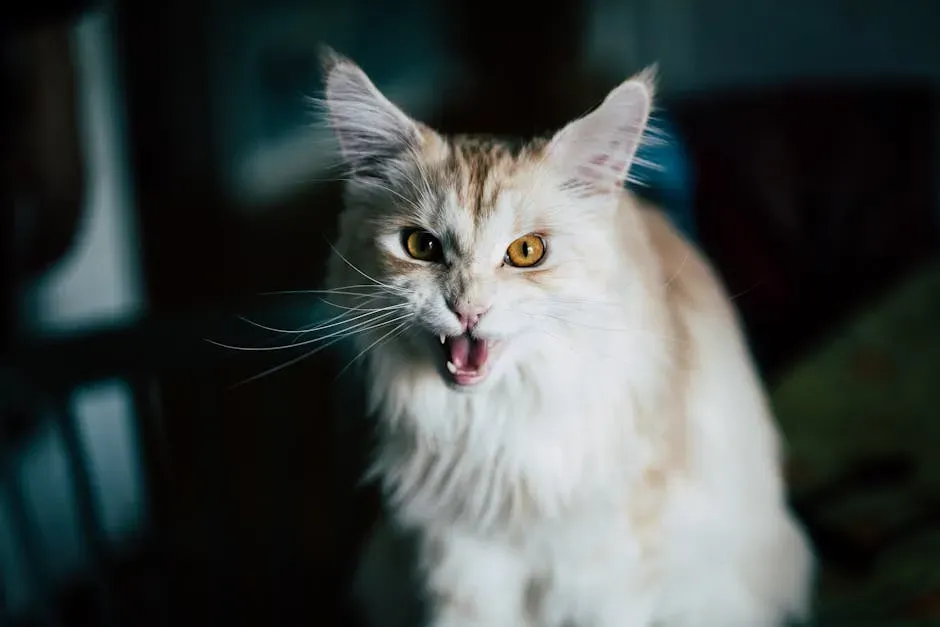
Ever woken up to your cat meowing at seemingly nothing? No food bowl in sight, no obvious intruder, no squirrel on the prowl – just your cat wandering the hall and vocalizing into the void. This one catches a lot of owners off guard. Meowing is all-purpose; your cat may use “meow” as a greeting, a command, an objection, or an announcement. Some people have observed their cats walking around the house meowing to themselves.
Cats can also become increasingly vocal as they age. Two possible reasons for this are age-related dementia and deteriorating eyesight. A cat who feels anxious or confused may meow to seek reassurance. Hearing loss can also cause a cat to vocalize louder than usual because they can’t determine their volume. So if your senior cat has started doing this, it’s genuinely worth a veterinary check-up. A general rule of thumb is that any change in a cat’s vocalization – the frequency, intensity, duration, or pitch – warrants a visit to the veterinarian to evaluate for pain, illness, or anxiety. That 3 AM monologue might actually be your cat asking for help.
Conclusion: Listen a Little Closer Next Time
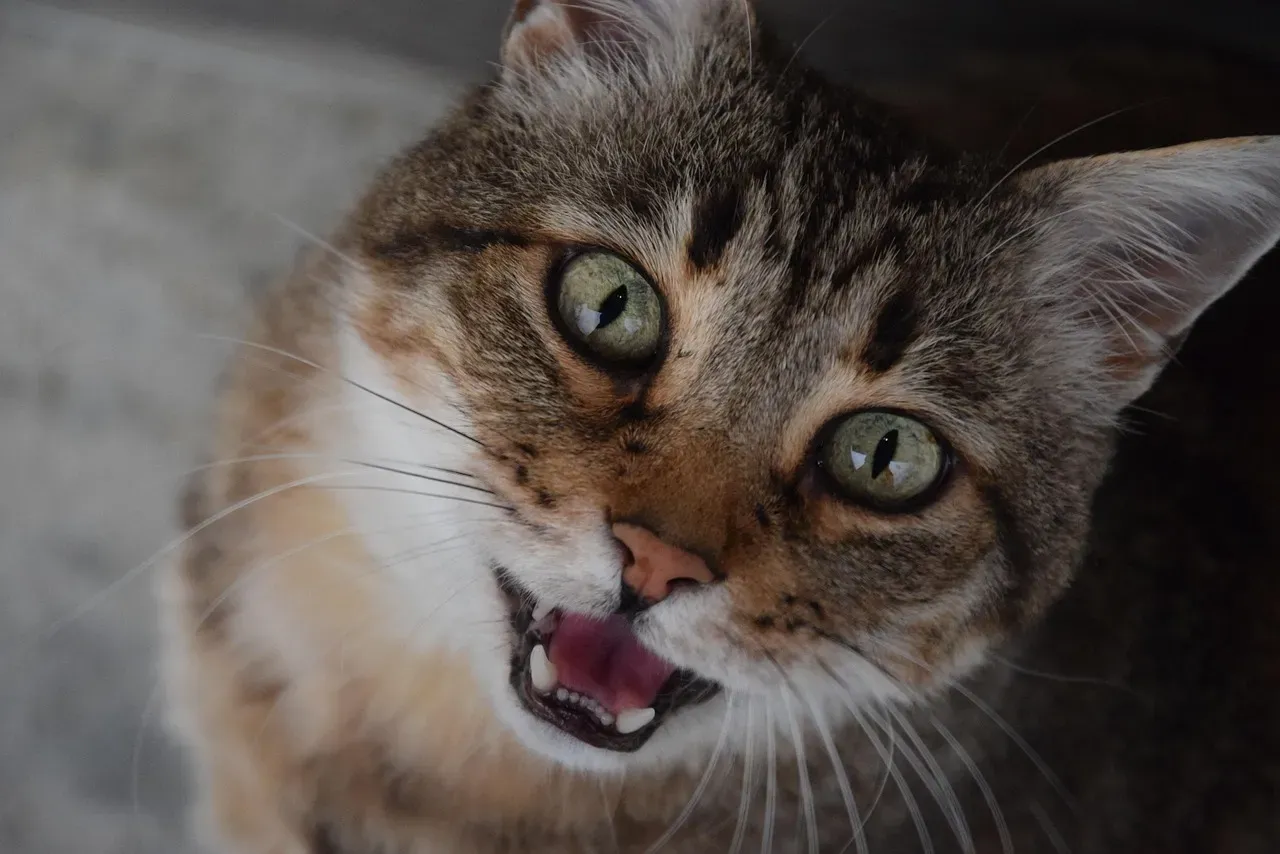
Your cat is not silent. They never were. What they are is misunderstood, and most of that comes down to us not taking the time to truly listen. Every chirp, trill, growl, and midnight yowl is a piece of a living, breathing language – one that has been developing over thousands of years of cohabitation with humans.
The good news is that you don’t need to become a feline linguist overnight. Start simply. Notice the context around each sound. Watch the body language that comes with it. Over time, you’ll start to hear your cat the way they’ve always meant to be heard – as a fully expressive, emotionally complex creature with a lot on their mind.
The next time your cat makes one of these ten sounds, you’ll know exactly what they’re trying to say. The real question is: how long have they been saying it, and you just weren’t listening? What’s the most unexpected sound your cat has ever made? Drop it in the comments – we’d love to know.