You probably think you know what makes your cat happy. A treat here, a scratch behind the ear there. Simple, right? But honestly, the science and instinct behind feline relaxation goes so much deeper than most cat owners realize. Your cat’s calm contentment is woven together from sensory cues, ancient instincts, and a surprisingly complex inner world that most of us barely scratch the surface of.
Some of the most powerful triggers for that deep, rolling purr aren’t the obvious ones. They’re the subtle, surprising, almost accidental moments that flip a switch somewhere inside your cat’s nervous system. So if you want to truly understand your cat and help them feel safe, relaxed, and blissed-out, be prepared to be surprised by what actually works. Let’s dive in.
The Healing Vibration of Their Own Purr
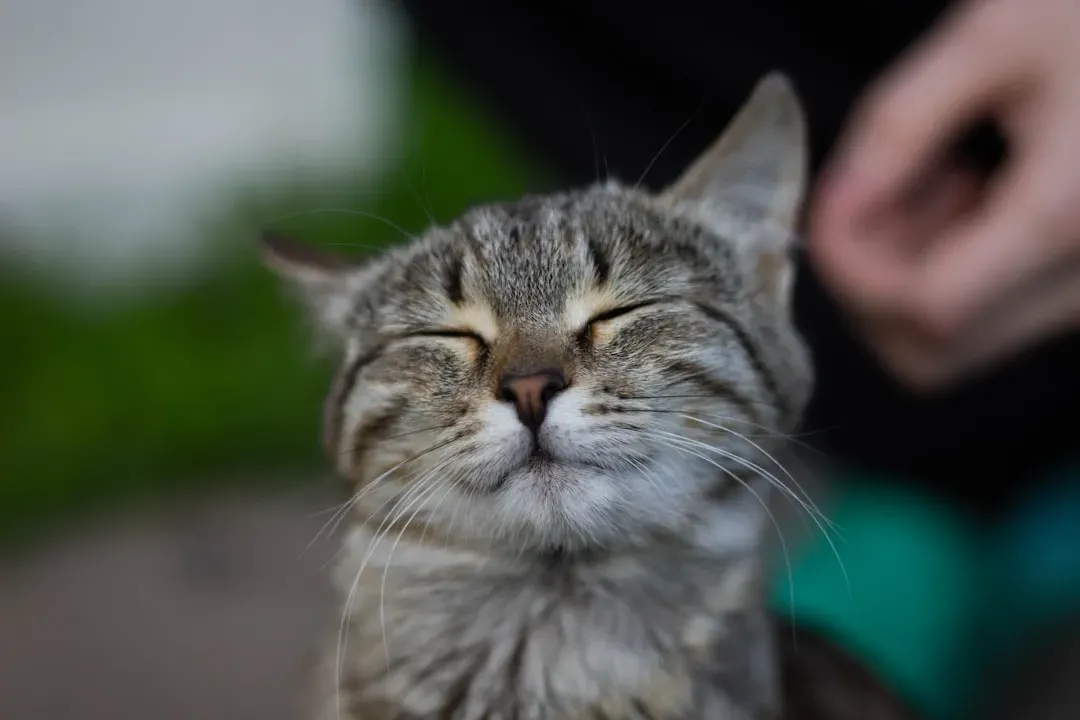
Here’s the thing most people get backwards: your cat doesn’t just purr because they’re relaxed. Sometimes, the purring itself is what creates the relaxation. It’s a feedback loop that’s almost meditative in nature. The vibrations produced during purring occur at a frequency of 25 to 150 Hertz, which has been shown to promote healing and tissue regeneration and is known to positively affect bone density and tendon and muscle repair. Think of it like your cat running their own internal sound therapy session.
Purring may also help reduce stress and anxiety in cats, as the act of purring can be self-soothing for cats, much the way people feeling anxious hum or sing to themselves. So when you notice your cat curling up and starting to rumble even before you’ve touched them, they’re essentially calming their own nervous system on purpose. It’s one of the most fascinating, underappreciated things about your cat’s inner life.
A Warm, Sunlit Patch on the Floor
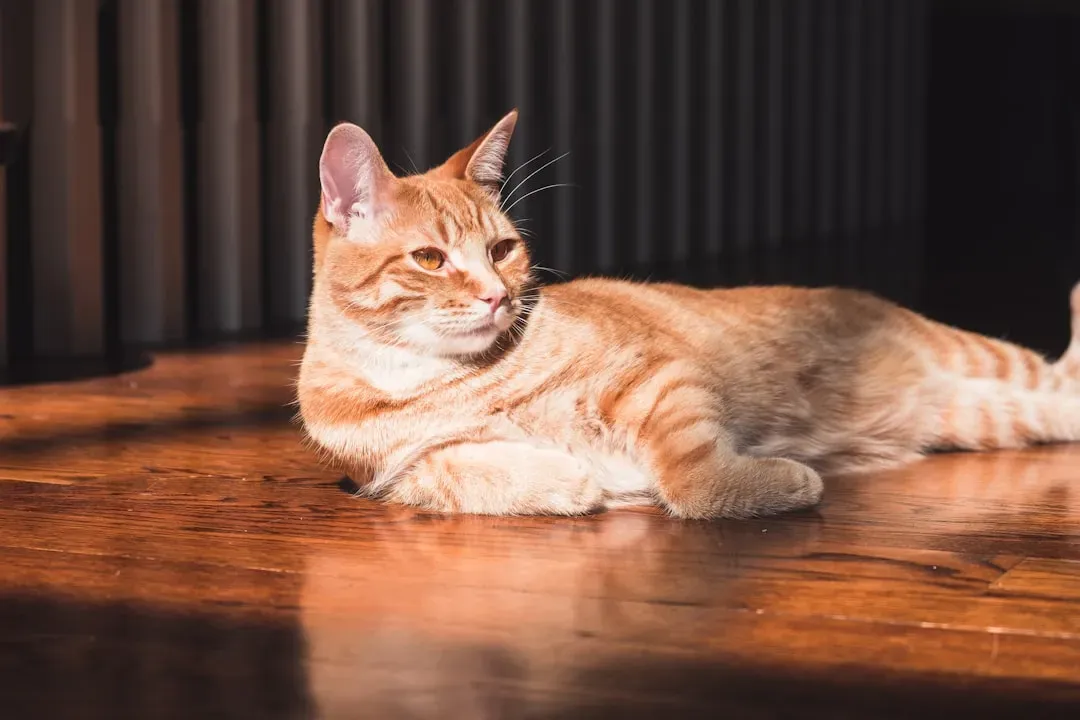
It seems almost too simple, and yet it works every single time. A warm beam of sunlight cutting across your living room floor is, to your cat, the equivalent of a perfect afternoon nap in a hammock. Squinting or half-blinking is almost always a sign of pure contentment and relaxation, and this relaxed blinking is often seen when cats are basking in a sunbeam, being gently petted, or falling asleep. The warmth doesn’t just feel good physically. It signals to your cat’s brain that the environment is safe and non-threatening.
Cats naturally gravitate toward warmth because it mirrors the feeling of being nestled close to their mother as a kitten. That deep evolutionary memory kicks in the moment the warmth hits their fur. If you’ve ever tried to move your cat out of a sunbeam only to have them relocate immediately back to it, you understand this on a visceral level. Cats seek the warmest, safest spot in the environment. Warmth and safety are, in your cat’s mind, practically the same thing.
The Slow Blink You Send Their Way

Most people have never heard of this, but I think it’s one of the most genuinely amazing things you can do for your cat. Research has shown that cats can indeed communicate love and trust by blinking very slowly, and when humans do this to cats, they’ll most likely get the message. That’s right. You can communicate directly with your cat using nothing but your eyes.
In a 2020 study, researchers found that cats were more likely to slow blink after their owners slow blinked at them. The researcher slow blinked at cats, which led to the cats approaching the researcher’s outstretched hand. When humans initiate the slow blink, they are telling the cat that they trust them, which allows the cat to form a positive association. Try it tonight. Catch your cat’s gaze from across the room, soften your eyes, and close them slowly. You may be stunned by how quickly they soften and settle.
Music Designed Specifically for Cats
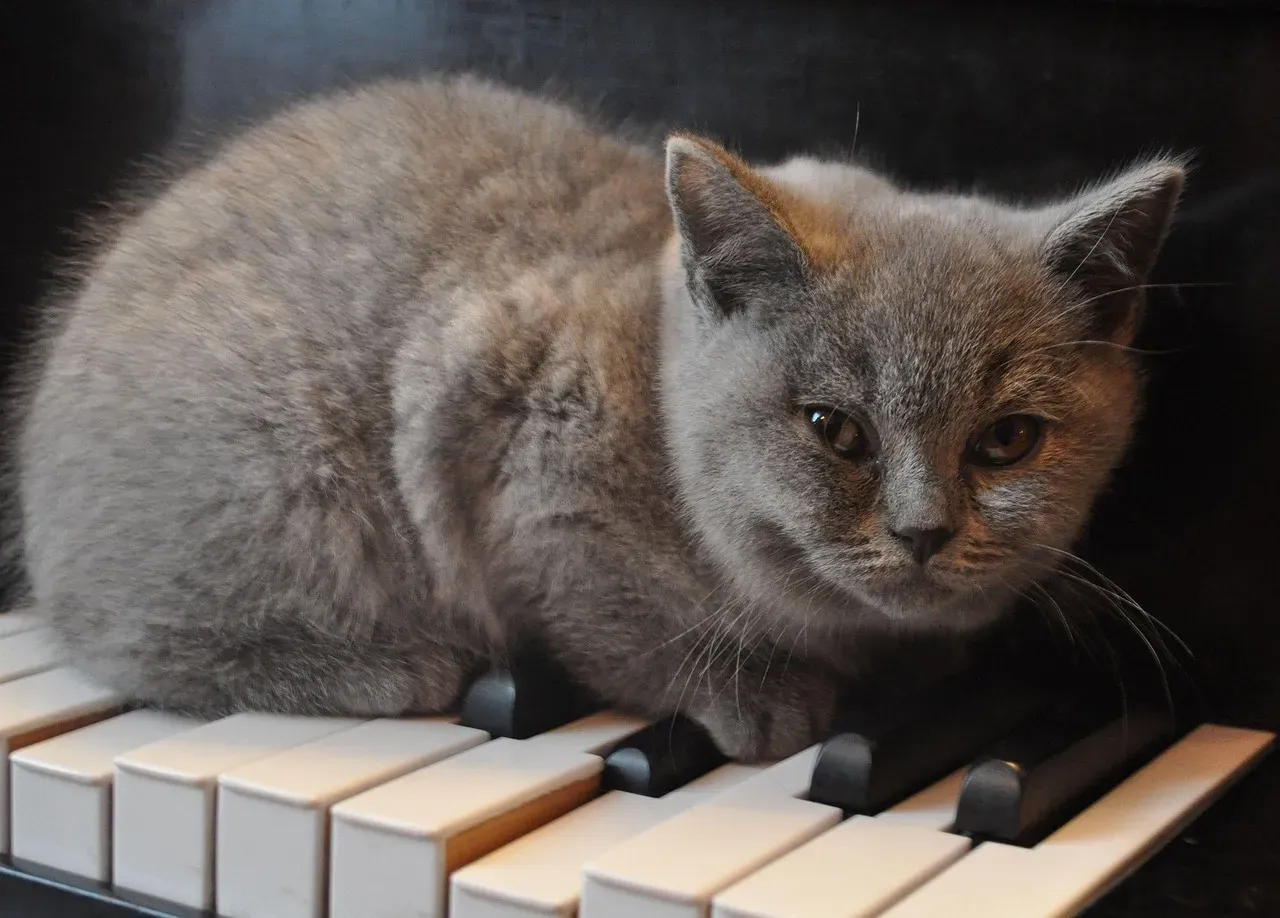
You’ve probably put on music thinking your cat doesn’t care either way. But your cat hears the world very differently from you, and the wrong kind of sound can actually stress them out without you ever realizing it. Cats have extremely sensitive ears and can hear sounds that humans cannot, and because of this, many kinds of human music are too loud and stressful for cats’ ears. Music with a lot of noise or abrupt sounds can actually cause significant stress for feline friends.
The good news is that the right kind of music genuinely works wonders. Cats are attracted to music that mimics the sounds they make to communicate, meaning tempos and frequencies that are pleasing to a cat’s ears. Cat-friendly music will often have the addition of sounds like purring, suckling, or even birds chirping. These sounds provide a serene environment for a cat, which allows them to feel calmer and more relaxed. Classical music, soft instrumental tracks, and purpose-built cat music playlists are genuinely worth trying.
The Ritual of Kneading Something Soft
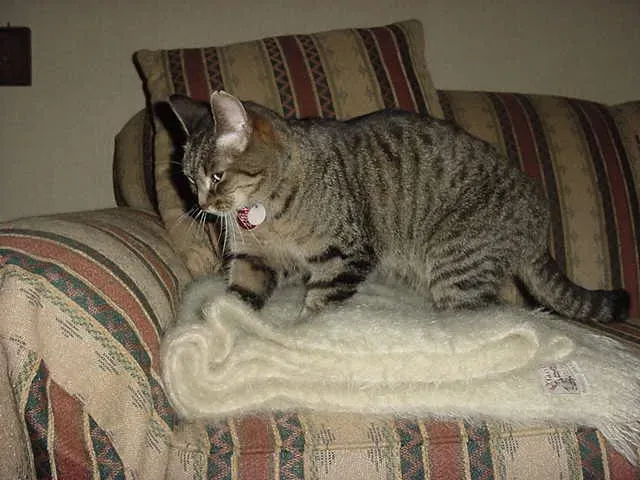
Cat kneading is that adorable motion where your cat rhythmically pushes their front paws into a soft surface, switching from one paw to the other. This habit is often nicknamed “making bread” for its dough-kneading resemblance. It looks quirky, maybe even a little weird. However, what’s actually happening inside your cat in that moment is deeply rooted in comfort and safety. This isn’t random behavior. It’s one of the oldest emotional triggers your cat carries.
The most widely accepted explanation traces the behavior back to kittenhood, when nursing kittens push their paws rhythmically against their mother’s mammary glands to stimulate milk flow. This instinctive motion is associated with warmth, nourishment, comfort, and safety from the very first days of life. Even after cats are weaned and no longer nurse, the kneading behavior often persists because the emotional associations it carries remain deeply embedded. In other words, when your cat kneads your lap, they’re essentially revisiting the safest moment of their entire life.
Gentle, Rhythmic Stroking Along the Back
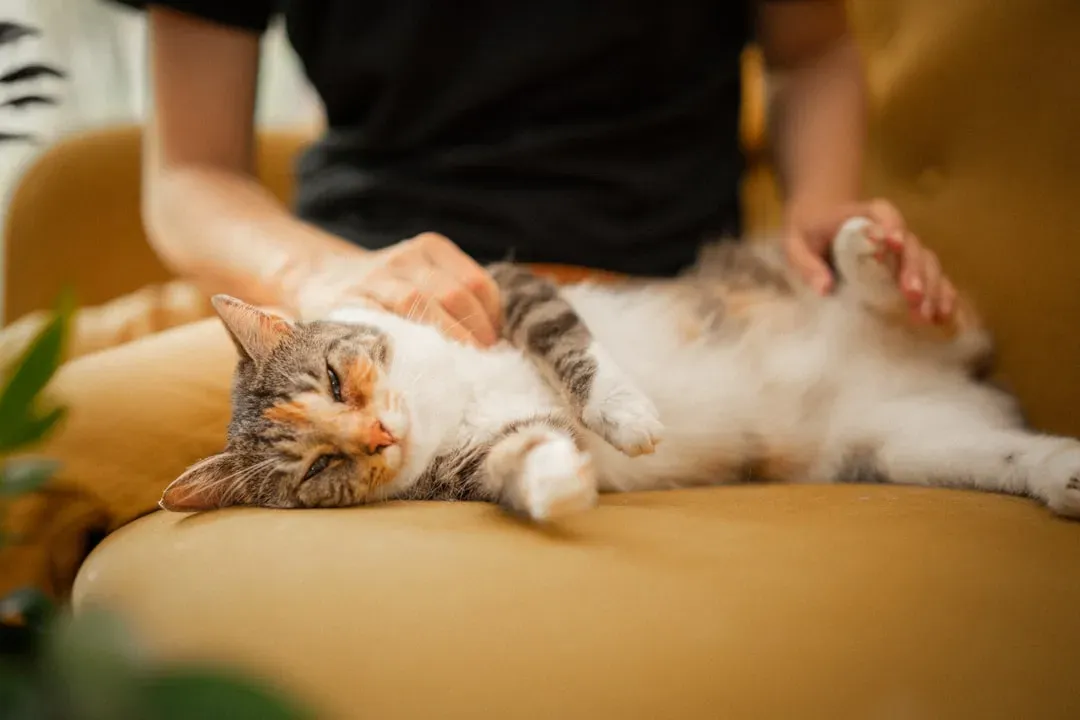
There’s a right way and a wrong way to pet a cat, and the difference matters enormously. Slow, rhythmic strokes along the back mimic social grooming between cats, triggering a profound chemical response. Just like in humans, massage has many benefits for cats, including stimulation of the circulatory, lymphatic, and nervous systems. Many cats will even deepen their emotional connection with their owners when they experience massage in gentle, mindful ways. Think of it less like petting and more like a thoughtful ritual.
You’ll want your cat to feel safe and comfortable when you massage them, so start slow, use gentle touch, and begin with “safe zones” like the back. Watch their body language, and you’ll discover what they like and don’t like. Cats are incredibly specific about how they want to be touched, and respecting that actually increases how deeply they relax into the experience. Move too fast or press too hard, and the spell is broken instantly.
The Sound of a Familiar, Calm Human Voice
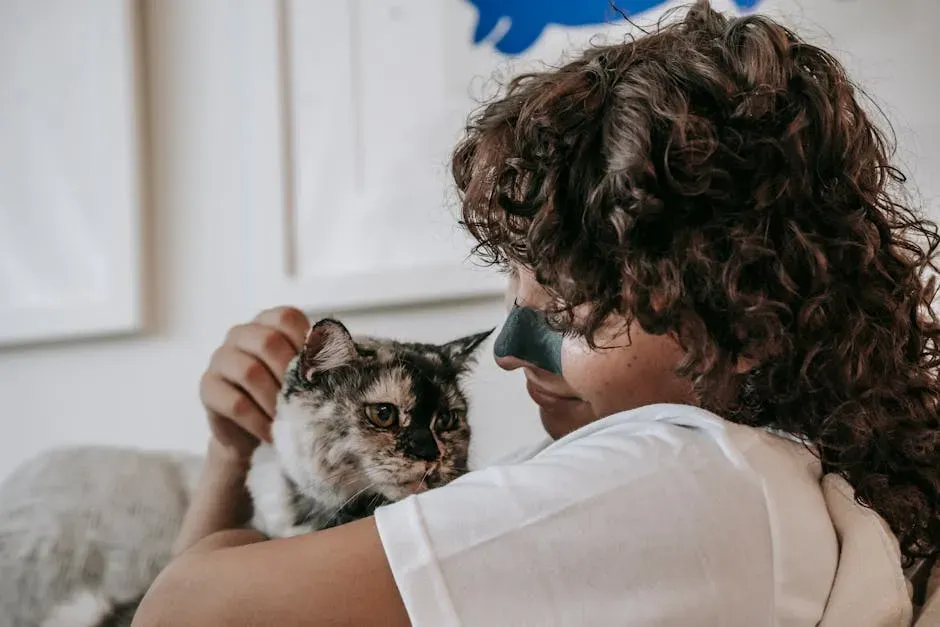
I know it sounds crazy, but your voice is an instrument your cat is tuned into far more than you probably realize. It’s not really about the words. It’s about tone, rhythm, and familiarity. Your cat has been listening to you for years, mapping the emotional landscape of every sound you make. Happiness and contentment cause a cat to feel so relaxed that they begin to purr quickly. The longer your cat stays relaxed, the more they are likely to purr, and some cats may purr so hard during relaxation that they begin to drool a little.
Talking softly and evenly to your cat, especially during otherwise quiet moments, signals that the environment is safe and that you’re calm. Avoiding sudden movements or loud noises prevents startling your cat. It’s a small thing that adds up enormously over time. A steady, low, unhurried voice is essentially a verbal slow blink. Your cat files it away as proof that right now, everything is fine.
Scent Familiarity and Your Personal Smell
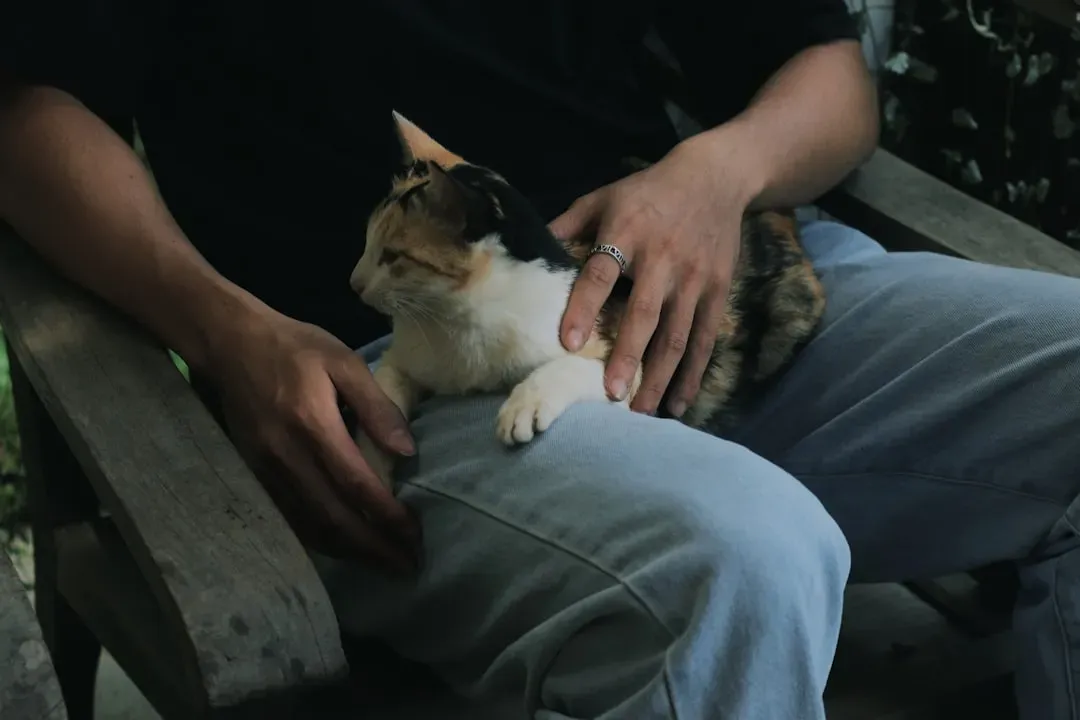
This one genuinely surprises most people. Your cat doesn’t just tolerate your scent. They find it deeply comforting. If a cat chooses to lay on your chest or lap, they are making themselves vulnerable. By purring against you, they are bonding with your scent and the rhythm of your heartbeat. This is the ultimate sign of trust. Your smell is, to your cat, the olfactory equivalent of a warm hug. It’s a landmark that tells them they are home.
This is also why cats famously commandeer unwashed laundry, worn sweaters, or the specific chair you sit in most. It’s not because they’re plotting against your clothing budget. Your scent is a safety signal. Cats have scent glands in their paw pads, and kneading on a person or object is a way of depositing their scent and marking something as familiar, safe, or their own. When your cat kneads on you, they are essentially claiming you as part of their trusted inner circle, which is one of the highest compliments a cat can pay. It’s a two-way scent exchange, and your cat takes it very seriously.
A Sleeping Schedule That Mirrors Their Own
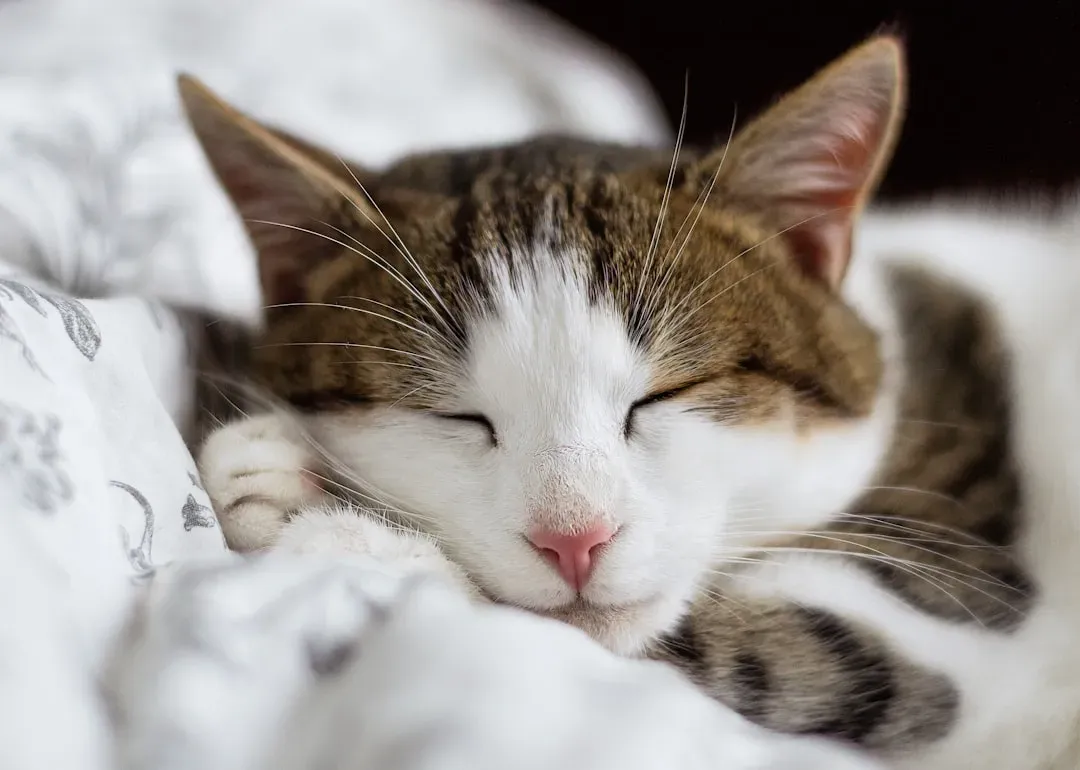
Cats are crepuscular by nature, meaning they’re most active around dawn and dusk, and they spend a remarkable portion of the day asleep or in a drowsy half-alert state. When you’re resting, reading quietly, or simply sitting still nearby, your cat reads that as a cue that the environment is safe enough to fully let their guard down. Some cats sleep when you do and will enjoy cuddling while you both rest. You can try this with a daytime nap, and you’ll both wake refreshed and ready for some playtime.
Many cat owners find that sleeping near a purring cat improves their sleep quality. The soft, rhythmic sound acts as a form of white noise, blocking out disruptive sounds and helping the brain enter a state of relaxation. People who suffer from insomnia or frequent nighttime awakenings may experience better sleep when accompanied by a purring feline companion. So the relationship is genuinely mutual. Your rest relaxes your cat, and your cat’s purring relaxes you right back. Honestly, it’s one of the more beautiful dynamics in all of pet ownership.
The Simple Act of Just Being Present Without Demands
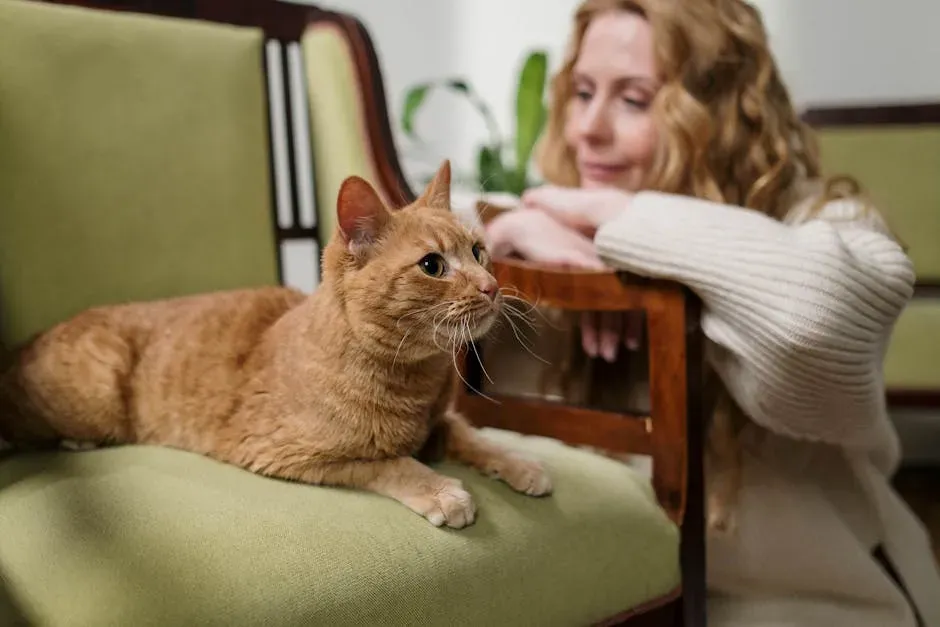
Let’s be real: cats are not dogs. They don’t need you to be actively engaging them every second. In fact, one of the most powerful things you can do for a cat’s sense of calm is to simply exist in the room without asking anything of them. No reaching, no picking them up, no staring. Just being there. Respecting boundaries and letting the cat approach on their own terms, avoiding forced interactions, is key to building feline trust.
When your cat curls up on your lap, closes their eyes, and begins to purr, they are clearly indicating that they feel safe, happy, and relaxed. The operative word there is “they.” The cat chose that moment. The cat initiated that contact. That voluntary choice is everything to a feline. The rhythmic vibrations create a soothing environment, which in turn helps reinforce the bond between cats and their owners. In other words, the best thing you can sometimes do for your cat is nothing at all. Just be the safe, calm presence that makes your cat want to choose you.
Conclusion
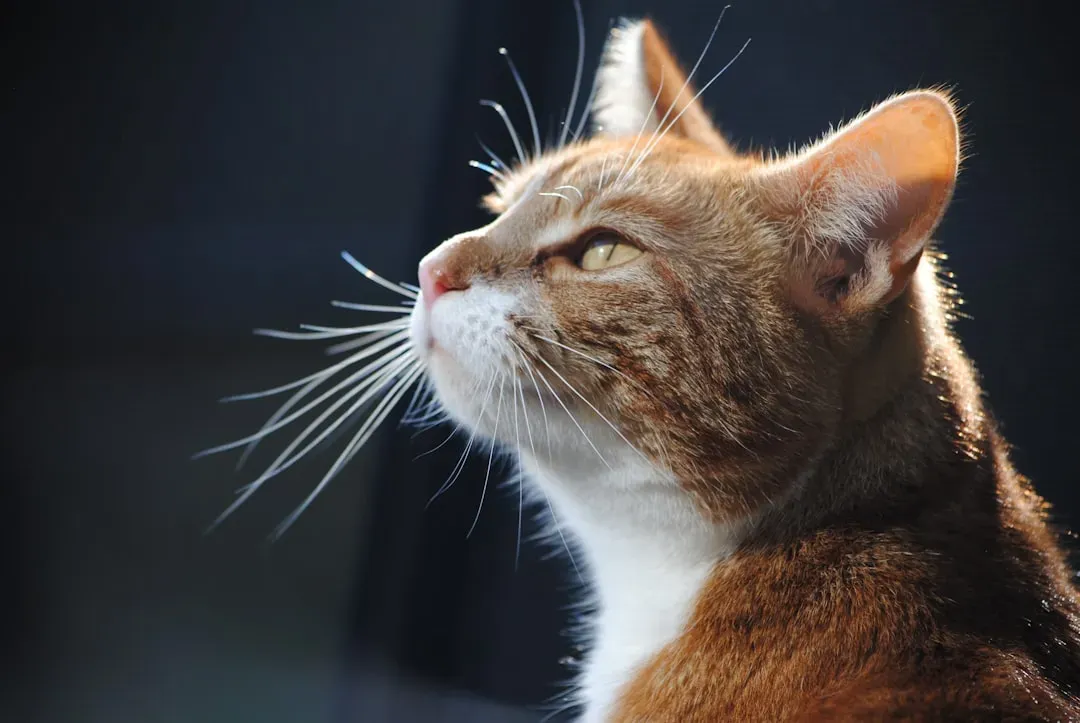
Your cat’s inner world is richer and more complex than most people give it credit for. From the healing frequencies of their own purr to the profound trust embedded in a single slow blink, feline relaxation is a layered, fascinating experience. What becomes clear very quickly is that your cat isn’t just reacting to what you do. They’re reading your entire energy, your scent, your voice, your stillness, and deciding whether the world is safe enough to let their guard down completely.
The most unexpected takeaway here may be the simplest one. You don’t need elaborate gadgets or special treats to make your cat relax and purr. You just need to understand what they’re actually responding to. Understanding when and why cats purr can help you better interpret what your feline friend needs. Once you do, the rewards are instant and deeply satisfying for both of you.
So here’s a thought to carry with you: next time your cat settles in beside you and that low rumble starts up, ask yourself what you did right in that moment. Chances are, it was something quieter and more subtle than you’d ever expect. What does your cat do that you’ve never quite been able to explain? Tell us in the comments.