You probably think you know your cat pretty well. You fill the bowl on time, you know which spots they like scratched, and you’ve memorized their mood swings like a weather forecast. Yet cats remain one of the most consistently surprising animals ever to share a home with humans. There’s always something new, something weird, something you completely didn’t see coming.
The truth is, your cat’s world is rich with obsessions that have nothing to do with their dinner. These aren’t random quirks – they are deeply wired behaviors rooted in evolution, instinct, and sensory experience. Some of them will make you laugh. Others might genuinely change the way you think about your pet.
So if you’re ready to understand what really makes your cat tick, let’s dive in.
1. Cardboard Boxes (Yes, Even a Tiny One)
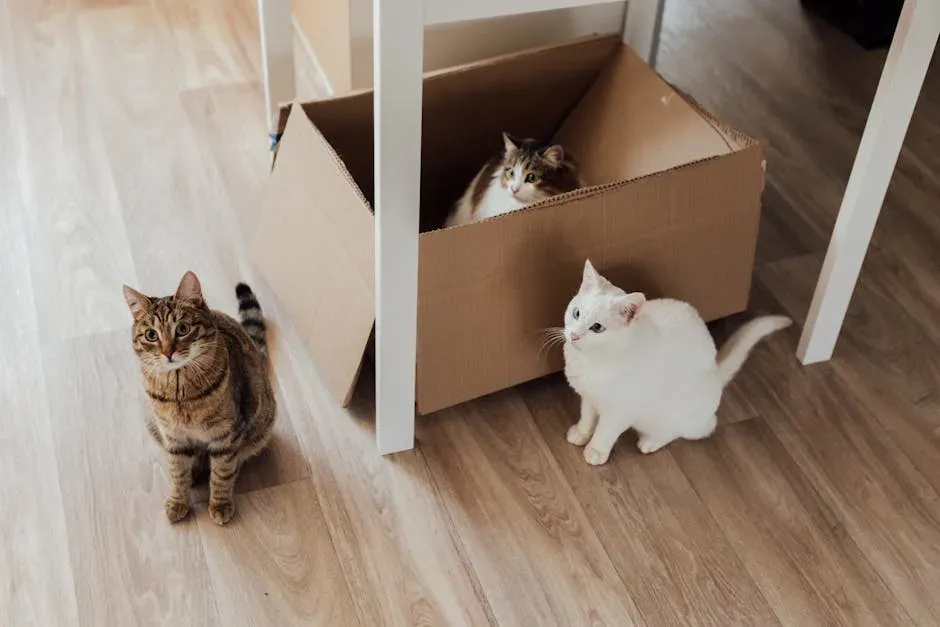
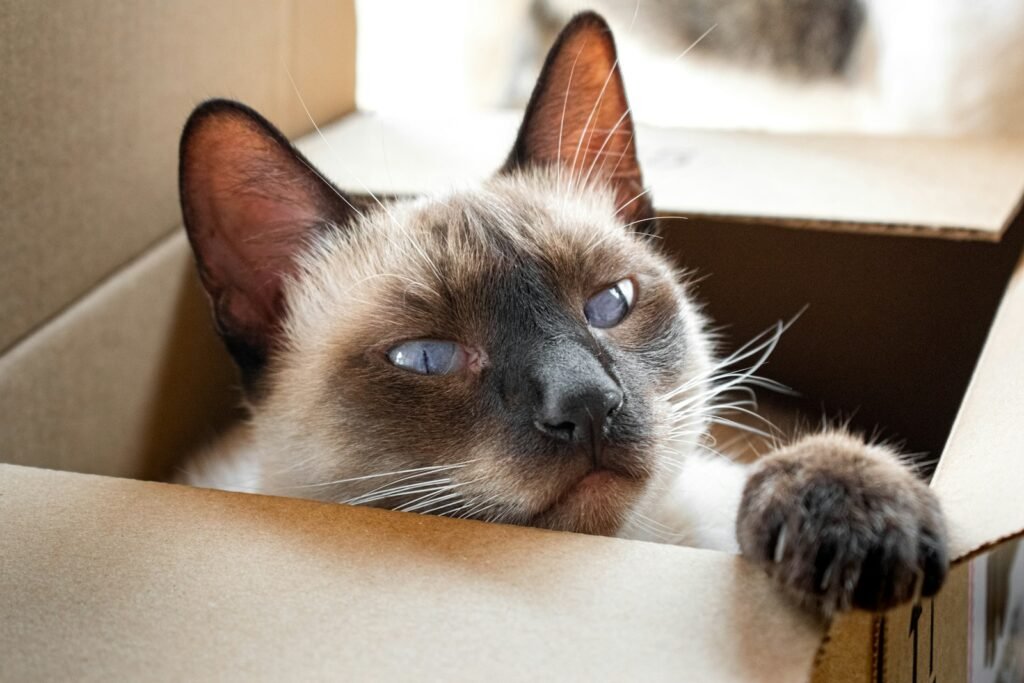
You’ve experienced it. You spend a small fortune on a brand-new cat bed, only to watch your cat dive headfirst into the delivery box and ignore the gift entirely. Honestly, at this point, it should stop being surprising – but it never quite does. Cats are both predators and prey in the wild, and that dual role has shaped their behavior in fascinating ways. When they’re drawn to a box, they’re essentially seeking a confined, enclosed space that offers protection from all angles – a place where they can observe the world without being seen.
Small, enclosed spaces make cats feel safe and protected, and boxes are also great for retaining heat. Beyond providing security, they offer insulation. A study found that shelter cats provided with boxes adapted to their new environments faster and had lower stress levels than those without boxes. Here’s the kicker: it’s not just house cats that love cardboard boxes. Lions, tigers, and leopards in zoos and wildlife reserves show the same fascination. When given boxes, these big cats jump in and out, lounge inside, and generally act just like your tabby at home – suggesting this behavior fulfills a deep evolutionary need.
2. Warm Sunny Spots on the Floor
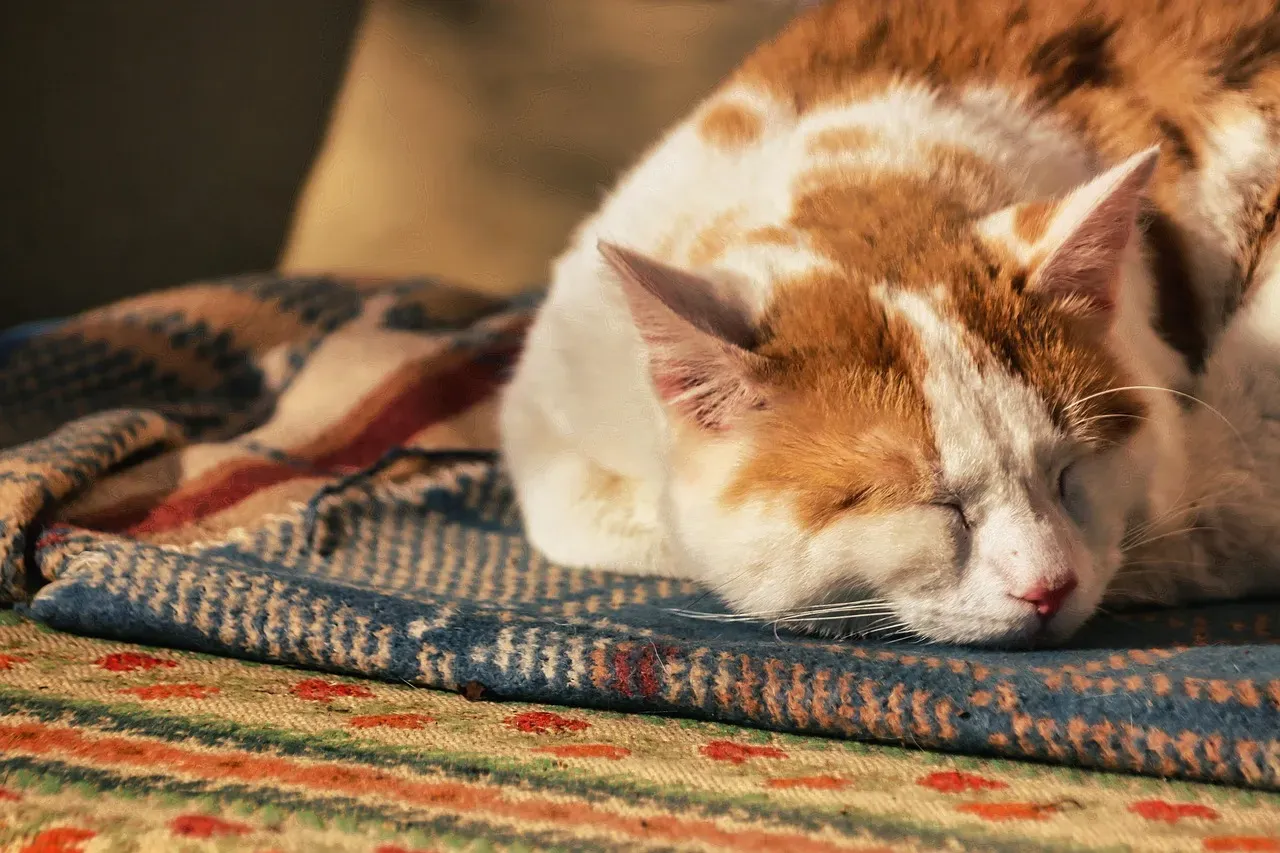
The moment a patch of sunlight hits the floor, your cat materializes as if by magic. It’s a daily ritual that looks lazy but is actually rooted in biology. Cats are descended from ancestors in the Middle Eastern desert and African plains, and therefore cope well with heat. They also need to maintain a body temperature that is higher than ours, so it makes sense that they gravitate toward warm spaces. Think of it as their version of a charging station.
Sunbathing provides an effortless way for your cat to conserve energy while staying cozy. Their ancestors were desert dwellers, and their bodies evolved to thrive in warmer conditions – and modern cats may instinctively seek out warm spots because it’s deeply embedded in their DNA. Sunlight also helps stimulate the production of serotonin, often called the “feel-good hormone,” promoting a sense of calm and contentment in cats. So when your cat looks blissfully zoned out in a sunbeam, they’re basically getting a mood boost too.
3. Catnip and Its Wild Cousins
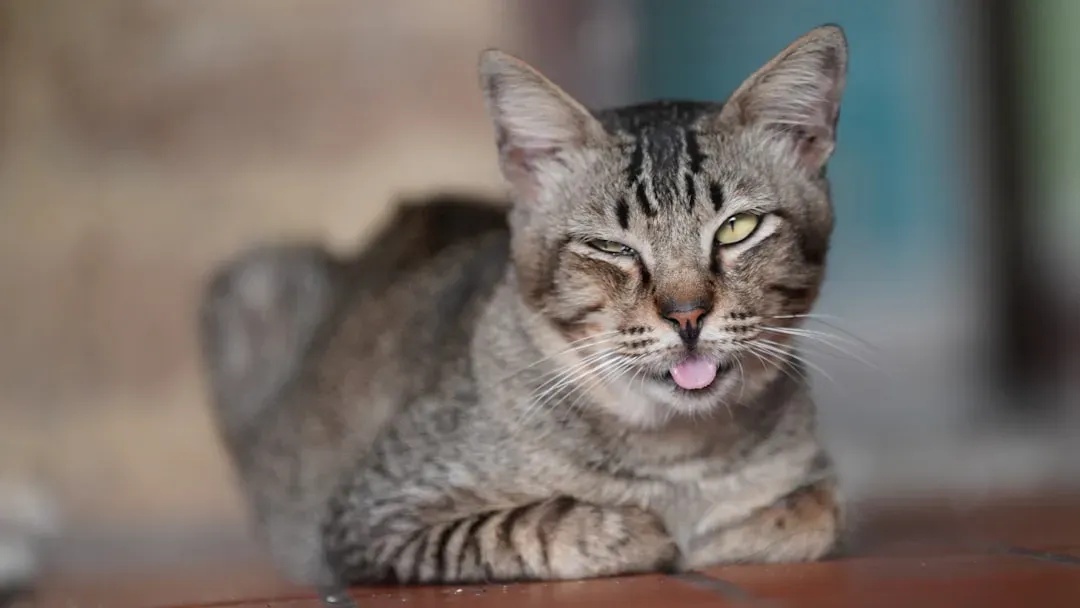
Few things in the pet world are as entertaining to witness as a cat meeting a fresh catnip toy for the first time. The rolling, the rubbing, the sudden bursts of energy – it looks like pure chaos. Neptalactone, an organic compound found in the catnip plant, attracts cats because of its smell, which is apparently undetectable by humans. The olfactory system of the cat brain recognizes and is stimulated by neptalactone, resulting in sniffing, chewing, rolling, and rubbing behaviors.
Based on pedigree analysis, the genetic trait controlling response to catnip has been determined to be an autosomal dominant trait, meaning most cats are genetically programmed to respond to catnip, but not all. If your cat happens to be one of the non-responders, don’t worry. There are alternative plants that can produce similar effects in felines, including valerian and silver vine. I think of catnip as nature’s version of a mini-vacation for cats – brief, intense, and apparently completely harmless.
4. High Places and Vertical Territory
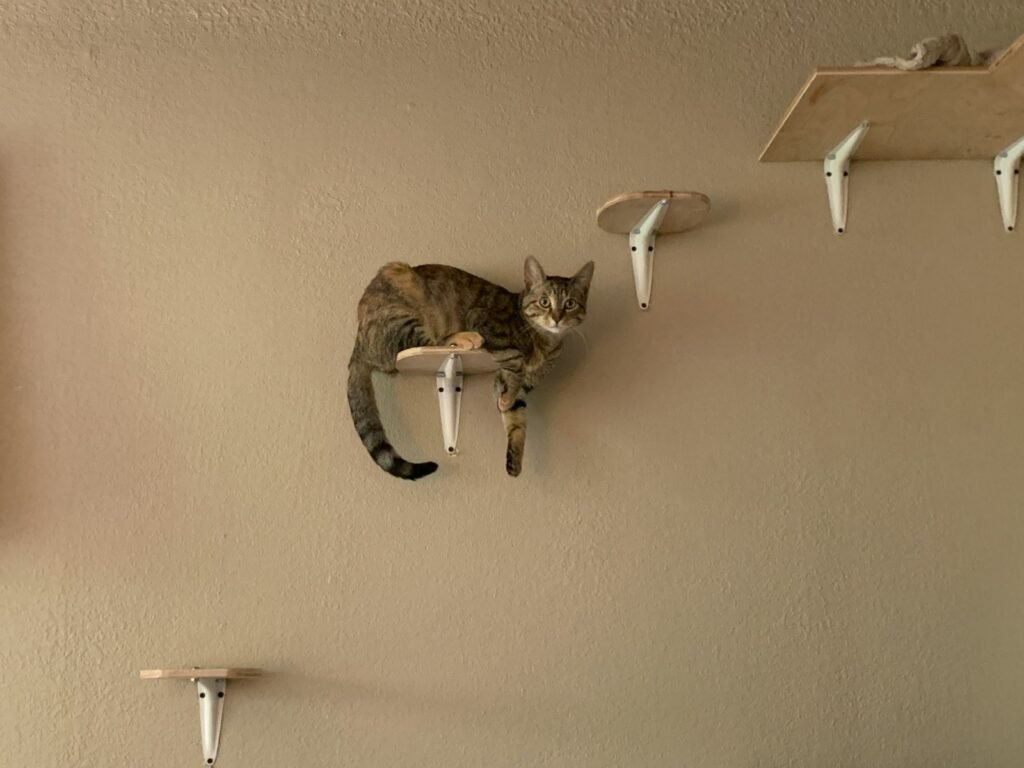
Your cat sitting on top of the refrigerator, staring down at you like a tiny emperor judging your life choices – sound familiar? This isn’t random. Cats are territorial creatures, and height allows them to assert dominance over their environment. By claiming the highest point in a room, a cat can survey its territory and establish a powerful sense of control. It’s less about showing off and more about deep-rooted survival instinct.
Climbing and perching also provide mental enrichment. Cats are curious animals, and exploring vertical spaces satisfies their need for stimulation. A 2020 study in the Journal of Feline Medicine and Surgery found that providing vertical space in shelters significantly reduced stress levels in cats by allowing them to engage in natural behaviors such as climbing and observation. Another benefit is warmth, since heat rises – high places tend to be warmer, making them a preferred resting spot, especially during the colder months.
5. Crinkly Sounds and Mysterious Rustling
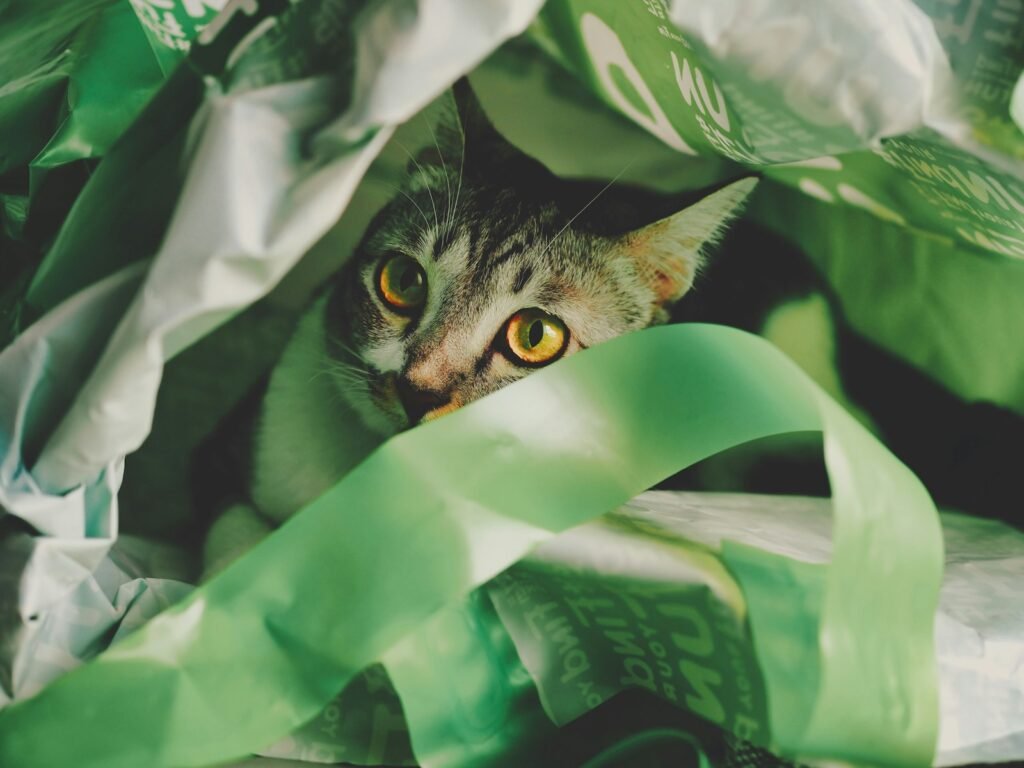
You open a plastic bag at the other end of the house. Within seconds, your cat appears like a furry detective summoned by a crime scene. This isn’t coincidence. When your cat gets excited over enticing crinkling sounds, it’s likely because they hear so much more than the basic rustling that you hear. The sound of someone balling up a plastic bag is far fuller and more interesting to them than we realize. Their hearing range is extraordinary, picking up frequencies far beyond human capability.
Besides resembling the sounds of hunting prey in the woods, a crinkly food wrapper might also signal the sound of an impending treat. Cats have good memories, and if you regularly buy treats in a plastic bag or container that makes noise, your cat will quickly learn to recognize that sound. They could be snoozing in a different room, but as soon as they hear it, they’ll come running – and anything that sounds similar is likely to catch their attention.
6. Head Bunting and the Art of Claiming You
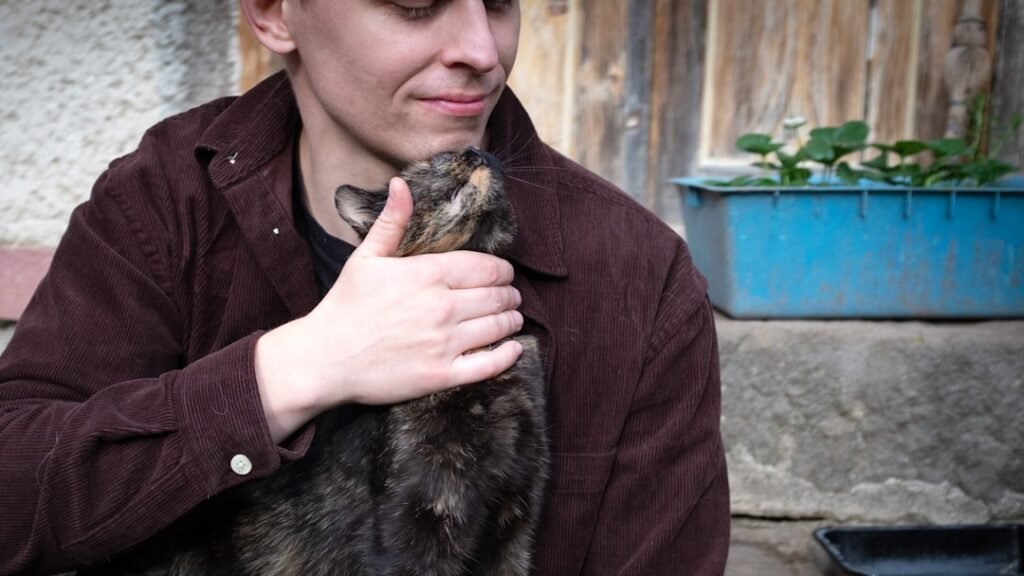
When your cat presses their forehead firmly against your face, you’re not just receiving a weird kind of headbutt. You’re being claimed, accepted, and loved all at once. For cats that head bunt, it signifies affection and love. Cats rely on their sense of smell to communicate, and when a cat head bunts you, they mark you with their scent, indicating a bond and acceptance. This behavior also creates a reassuring and familiar environment, ensuring you carry their scent.
Head bunting is a way cats mark their feline friends and family. It’s a stronger marker than leaving urine on objects to claim them – but instead of territory, they are claiming familial relationships. There’s something genuinely moving about that when you think about it. Cats also rub their face on you to self-soothe and regulate their emotional states. They often purr and look relaxed while doing it, indicating happiness – and this behavior can genuinely help them feel secure and reduce stress.
7. Kneading (Also Known as “Making Biscuits”)
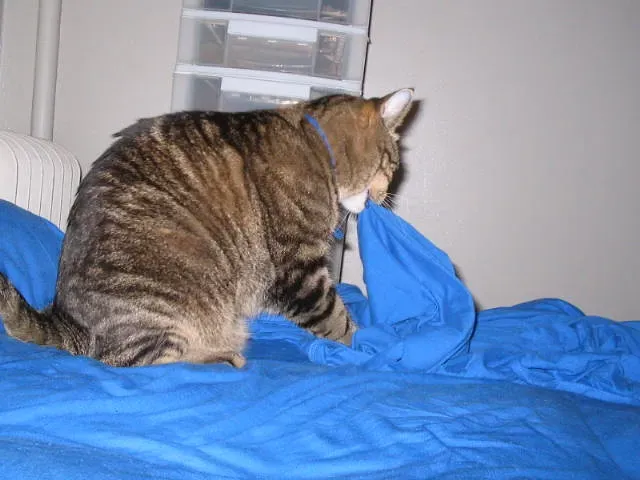
If you’ve ever had a cat rhythmically pushing their paws into your stomach like a tiny bread baker, you already know this behavior. It’s simultaneously adorable and a little painful if they still have their claws. Kneading is a technique cats use as kittens to stimulate milk flow in their mothers. This slow, rhythmic motion makes your cat feel comfortable and relaxed. Even as adults, the behavior carries enormous emotional weight.
Cats have scent glands in their paw pads, and kneading can deposit these scents onto surfaces, marking their territory in a subtle, instinctive way. This behavior reinforces their sense of ownership and safety in their environment. Many cats also knead when they are feeling relaxed, content, or preparing a resting spot – possibly a throwback to their wild ancestors, who kneaded grass to create a comfortable nesting area. So the next time your cat treats your lap like pizza dough, take it as the highest form of feline flattery.
8. Running Water from the Faucet
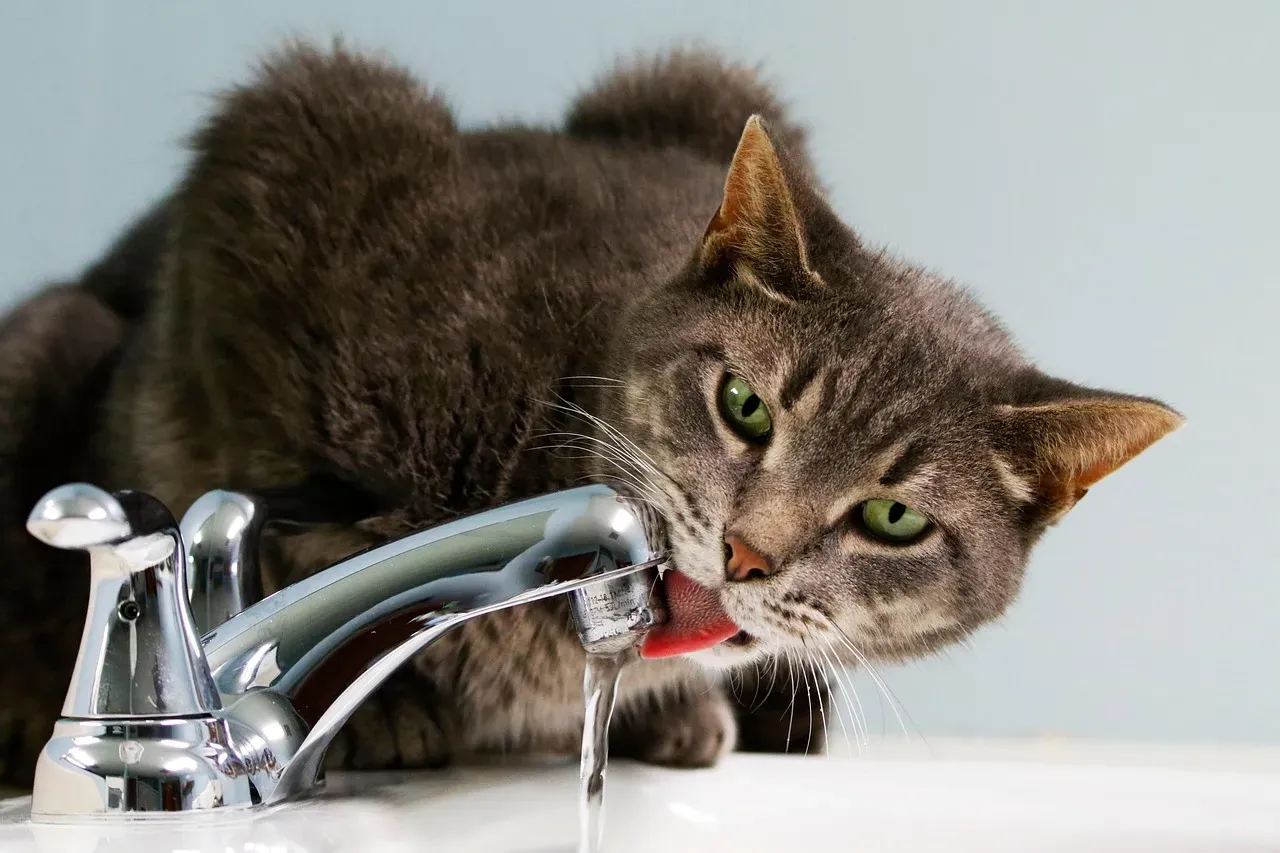
You buy your cat a perfectly functional water bowl. Maybe even a fancy one. Then you find them perched on the bathroom sink, patiently waiting for you to turn on the tap. Let’s be real – it’s both annoying and kind of impressive. Your cat may just have a taste preference for running water compared to water that has been sitting in a bowl all day, which can lead to bacteria formation. Food particles may also fall in and change the taste of still water, which is why your cat’s water bowl should be changed several times a day.
In the wild, moving water is generally safer and fresher than stagnant pools – and that instinct hasn’t disappeared just because your cat lives indoors. Even if you purchase an expensive cat water fountain, your cat might still prefer drinking from your glass or the faucet. They may simply find it convenient when there’s a vessel containing water when they’re thirsty. Cats in the wild drink whenever they find a water source – they don’t specifically look around for bowls. It’s hard to argue with that kind of logic, honestly.
9. The Irresistible Chaos of Knocking Things Off Shelves
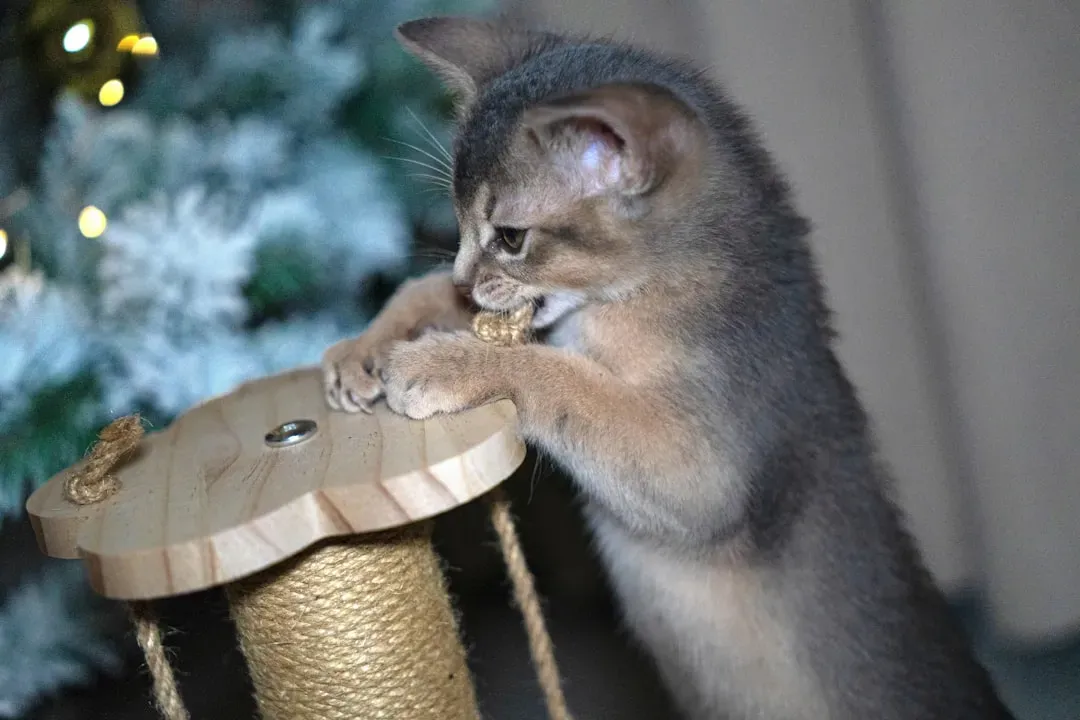
You walk into the room, make eye contact with your cat sitting next to your favorite mug on the shelf. There is a deliberate pause. Then, one slow paw push later – it’s on the floor. This is one of those cat behaviors that feels deeply personal, but it’s actually more fascinating than spite. Every time your cat pushes an item until it drops, it reacts in a different manner. It may just be fun for them to watch the items bounce around in different directions each time they fall, or even watch them shatter into multiple pieces.
Cats actually appreciate working for interaction more than just being passively entertained. They’re smart, and when they don’t get to use their brains to track down prey, they get bored. A lack of mental stimulation can lead to aggression, territory marking, and attention-seeking behavior. Knocking things over essentially gives them a tiny dose of unpredictable stimulation – every falling object behaves a little differently, keeping their hunting instincts sharp. Your coffee table, unfortunately, is their training ground.
10. Your Scent – Especially on Worn Clothing
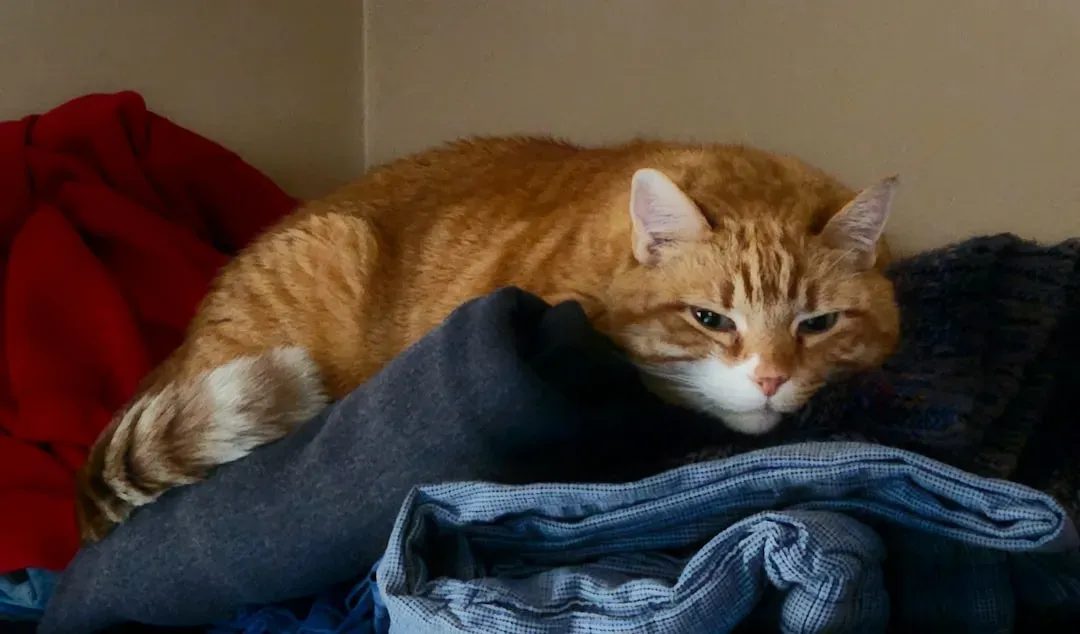
You toss a sweater on the couch and come back to find your cat completely embedded in it, eyes half-closed, looking like they’ve found the meaning of life. This isn’t about warmth alone. Both kneading and scent-related behaviors involve territorial instincts – a natural way for cats to establish familiarity and control over their space. When directed toward humans, these behaviors signify trust, love, and the desire to strengthen the human-cat bond.
When a cat marks you with their scent, they’re indicating a bond and full acceptance. This behavior creates a reassuring and familiar environment. While it also involves exchanging scents, head bunting and contact with your personal items help cats make their environment smell like them – establishing a safe and comfortable space. Your worn clothes carry your scent at its most concentrated, and to your cat, that scent means security. It’s the equivalent of wrapping themselves in something that smells like home. I find that genuinely touching, even when they’ve claimed my favorite jacket.
A Final Thought
Cats are not the aloof, indifferent creatures popular culture sometimes makes them out to be. Beneath all that cool composure is a complex animal driven by instinct, emotion, and a surprisingly deep attachment to the people and spaces around them. From the cardboard box in the hallway to the sunny patch on your kitchen floor, their world is rich with meaning that we’re only beginning to fully appreciate.
Understanding these ten irresistible obsessions doesn’t just make you a more informed cat owner – it makes the whole relationship more interesting. Every quirky behavior has a story behind it, rooted in millions of years of feline evolution. So next time your cat does something that leaves you genuinely baffled, pause before dismissing it as weirdness.
Chances are, they’re not being difficult. They’re just being magnificently, irreducibly cat. Which of these surprised you most? Drop your thoughts in the comments below!