Cats have a reputation that, honestly, is a little unfair. People call them cold, indifferent, even calculating. You’ve probably heard someone joke that their cat merely tolerates them. Yet if you pay close attention, your feline companion is doing something remarkable every single day – expressing deep appreciation in a language most humans simply haven’t learned to read yet.
Cats show love differently than humans do, often expressing affection through subtle behaviors. The trick is knowing what to look for. Some of these gestures are surprisingly tender. Others are downright bizarre. All of them are real. So buckle up, because your cat has been saying “thank you” this whole time. Let’s dive in.
1. The Slow Blink: Your Cat’s Version of a Love Letter
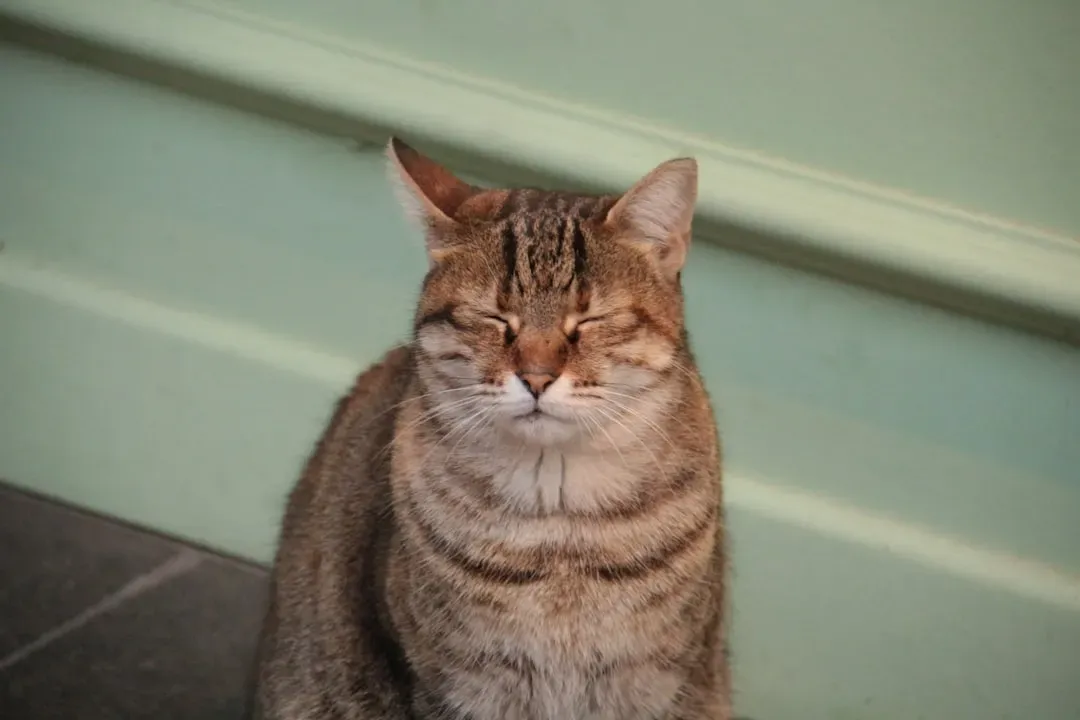
You’re sitting across the room, minding your own business, and your cat just stares at you with heavy, half-closed eyes before slowly blinking. It looks lazy. It might seem like boredom. It is anything but. Research suggests slow blinks are associated with a positive emotional state and can be a sign of trust, contentment, and affection, similar to a human smile.
When a cat slowly closes and opens its eyes while looking at you, it is signaling ultimate trust and deep relaxation. Because they are momentarily vulnerable, they are effectively giving you a gentle, visual “cat kiss.” Reciprocating with a slow blink is a powerful way to speak their language. So the next time you see those dreamy, half-shut eyes aimed in your direction, blink back slowly. You’re having a real conversation.
2. Head Butting and Bunting: You’ve Been Officially Claimed
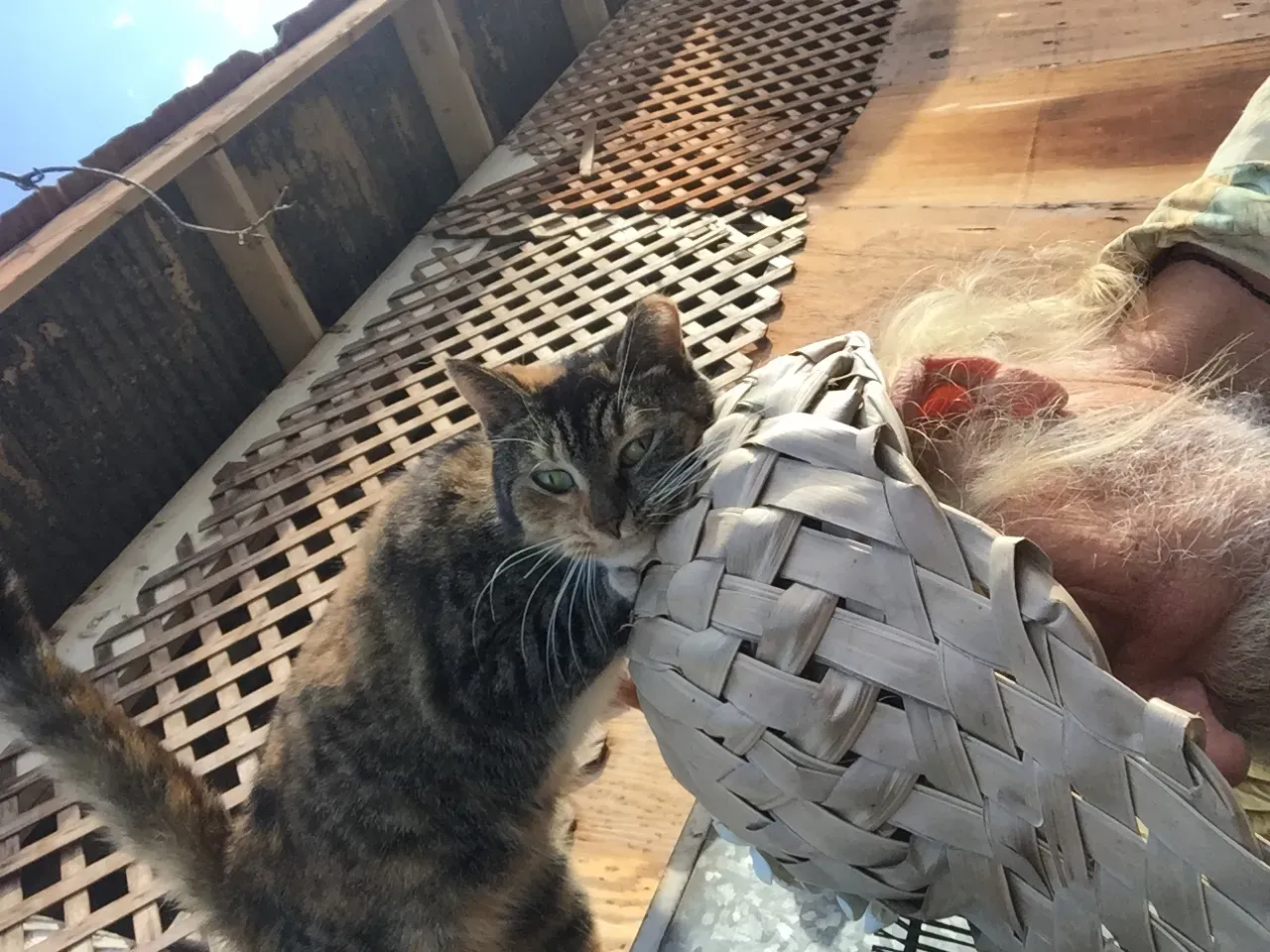
When your cat marches up and gently headbutts your chin, your forehead, or your arm, they’re not just being adorable. Cats have secret scent glands on their heads; when they nuzzle you, they leave their scent behind. Think of it as your cat’s way of saying, “You’re part of my family now.” This sweet head bump, also called “bunting,” is one of the most affectionate ways cats express gratitude and love.
Headbutting and cheek rubbing are both social behaviors that are learnt and expressed throughout kittenhood. Both are ways in which cats build bonds and affection with other animals and, by extension, with the humans they do it to. Think of it like a best friend draping an arm around your shoulders. It’s territorial, yes, but it’s also deeply warm. You are their person, and they want everyone to know it.
3. Kneading: Those Little Paws Are Saying Something Big
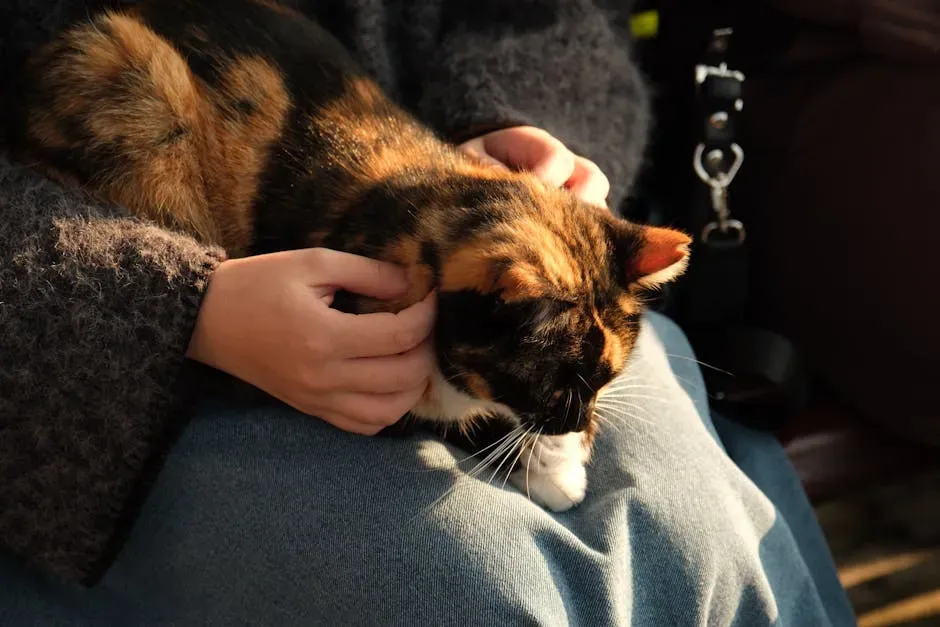
Kneading, or “making biscuits,” is an adorable quirk that shows your cat is content and comfortable. This rhythmic pressing of paws harks back to kittenhood when kittens would knead their mother to stimulate milk flow. Now, it’s a soothing habit that signifies your cat feels safe and happy with you. Yes, those tiny claws might not feel great on your bare thighs, but try to see past the mild discomfort.
Kneading is believed to bring comfort by releasing endorphins to reduce stress and promote relaxation. Relaxed cats that knead are showing contentment. They will often knead when you gently pet or stroke them. It’s almost like your cat has regressed to their most vulnerable, happiest state, and they chose to do it right beside you. That’s not nothing. That’s everything.
4. Bringing You Gifts: Weird, Yes, But Also Kind of Touching
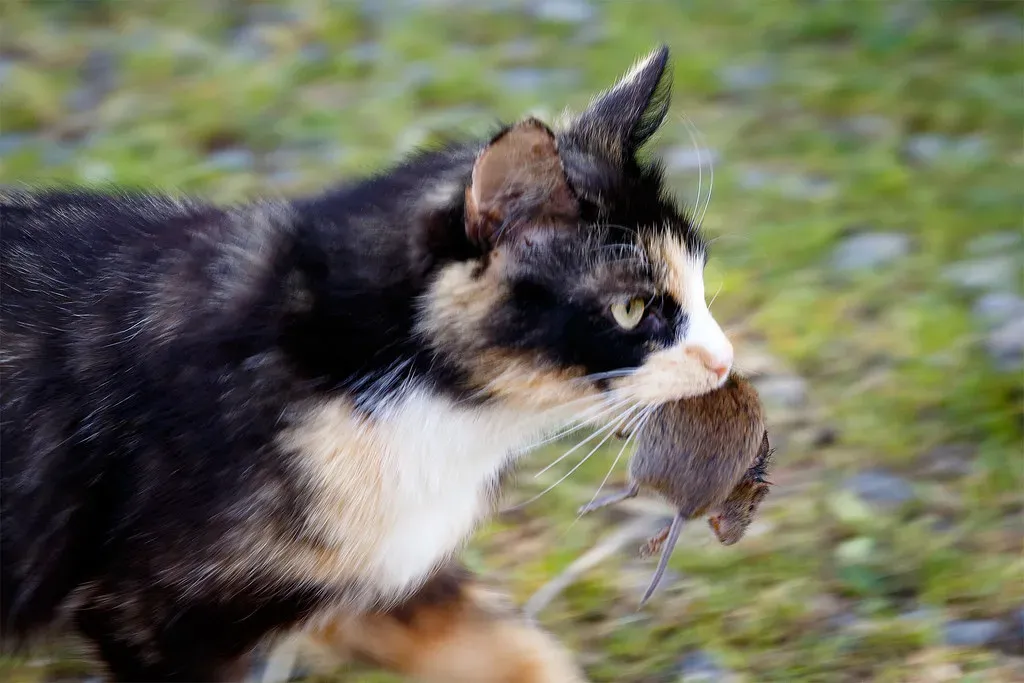
Let’s be real. Finding a dead mouse on your pillow is not exactly a Hallmark moment. Yet before you grimace and reach for the paper towels, consider what your cat is actually communicating. In the wild, cats bring prey to their families. By bringing you gifts, your cat is sharing its “hunt” with you, showing that they consider you part of their family.
After doing something nice for your cat, they may return the favor by bringing you one of their toys. If they spend a lot of time outdoors, they might greet you with a gift of a dead or almost dead animal. Granted, a dead mouse probably doesn’t seem like much of a gift to you, but your cat certainly thinks so; give them some praise for expressing gratitude. In their world, sharing the hunt is the highest compliment. Accept it graciously. Maybe just from a distance.
5. Grooming You: Welcome to the Inner Circle
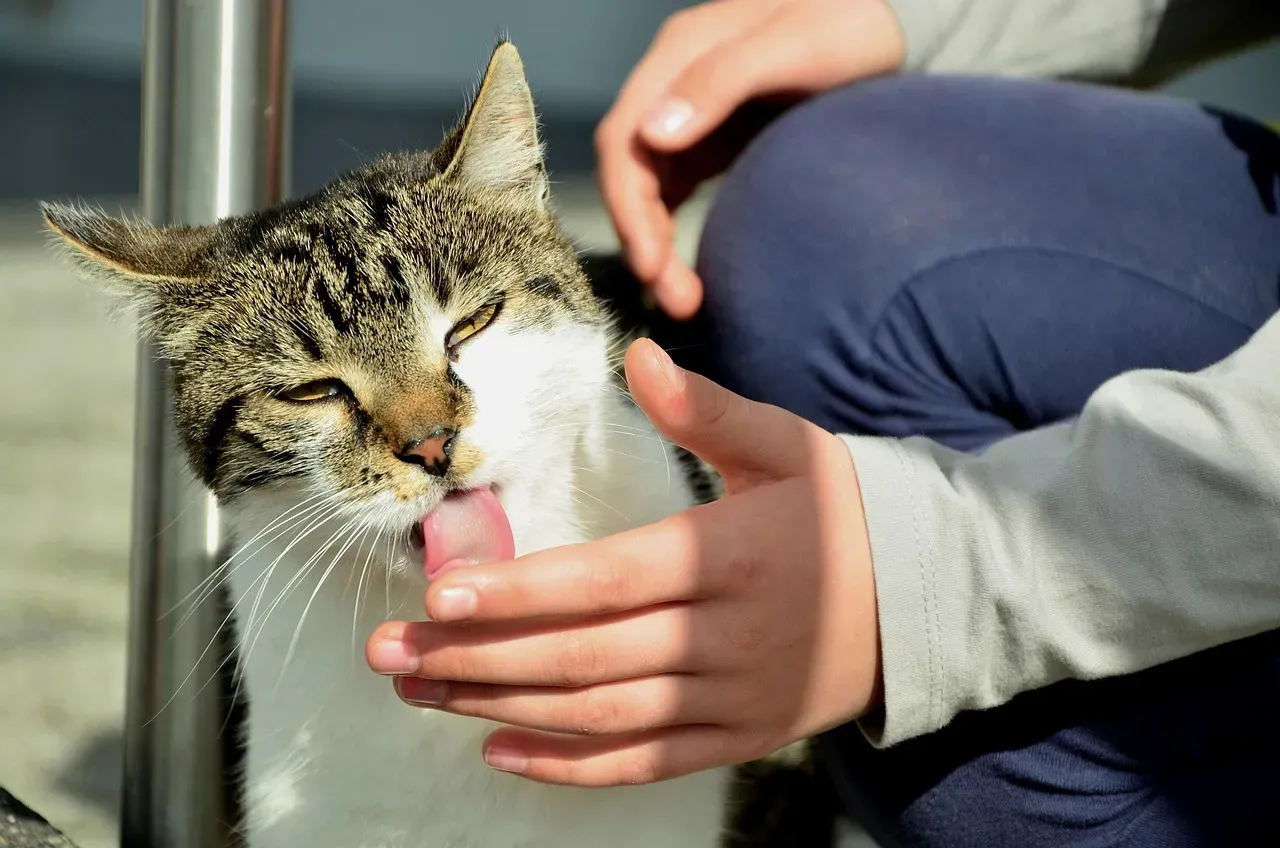
If your cat has ever licked your hand, your hair, or even your face, you may have laughed it off or found it odd. Here’s the thing though, that behavior is wildly significant in the feline world. Grooming only happens between cats with a warm relationship, so licking your hand or face can be a show of endearment, even though those barbed tongues may not feel all that gentle.
When a cat licks your skin or hair, it’s mimicking the grooming behavior they use with other cats. This action signifies that they see you as part of their social group and trust you enough to share this intimate behavior. Imagine being groomed by royalty. That’s essentially what this is. Your cat only grooms those they truly care about, and you just made the list.
6. Following You Everywhere: The Shadow Who Loves You
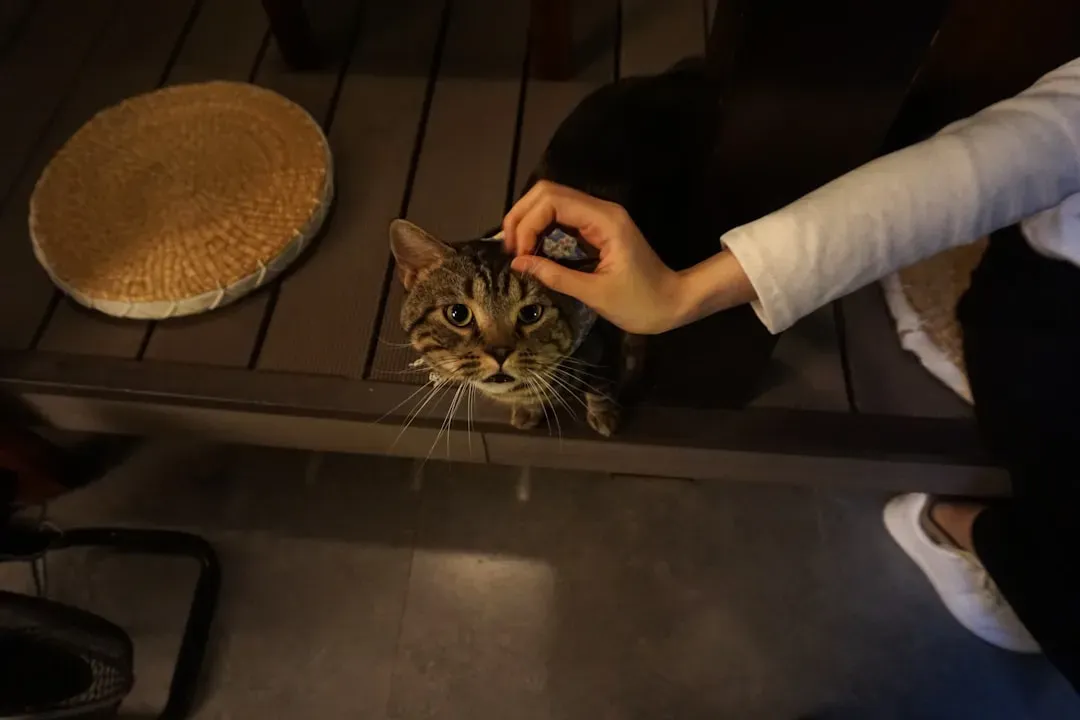
You get up to make coffee. Your cat appears in the kitchen. You move to the bathroom. Your cat materializes at your feet. You head back to the couch. Guess who’s already there? While cats are known for their independence, they also have a way of showing gratitude by choosing to be near you. If your feline friend follows you from room to room, it’s a sign that they enjoy your company and feel secure in your presence.
There can be many reasons for this, from wanting food to being anxious, but there are many cases in which your cat simply enjoys your company and wants to be with you. If it’s not close to feeding time and your cat isn’t acting like they want anything, chances are they are just trying to bask in your presence. It’s a lot like having a toddler trail you from room to room, except with fur and significantly better hygiene.
7. The Belly Rollover: The Ultimate Declaration of Trust
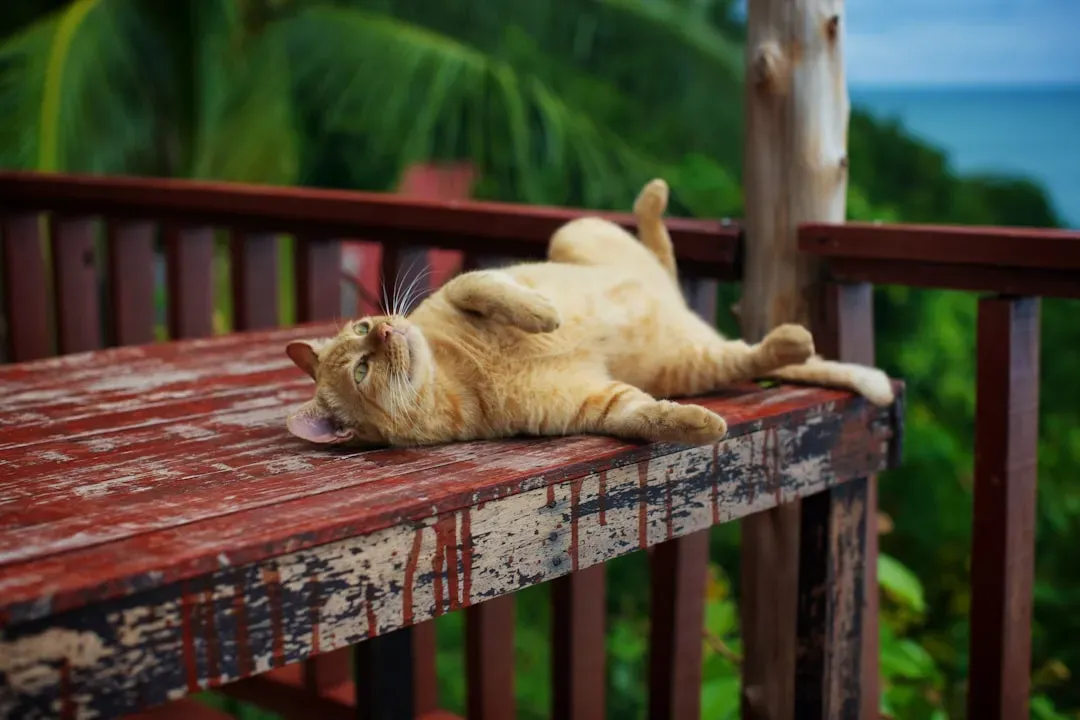
When your cat suddenly flops onto their back and stretches out to reveal their soft, vulnerable belly, it can feel like an invitation for a belly rub. Proceed carefully, though. When a cat rolls over and exposes its belly, it’s showing a great deal of trust. The belly is a vulnerable area, and by exposing it, your cat is indicating that they feel safe and comfortable with you. While not all cats enjoy belly rubs, this gesture is still a positive sign of affection.
While they likely do not want you to rub their belly, showing off their stomach is a sign of a happy cat since it is a particularly vulnerable area of the body. When a cat performs the “social roll,” flopping over onto their back and stretching out, they are letting you know that they trust you. So admire the fluffy belly. Marvel at the level of trust on display. Just maybe keep your hands to yourself unless you know your cat well enough to know they enjoy it.
8. Talking to You: Meows Are Just for Humans
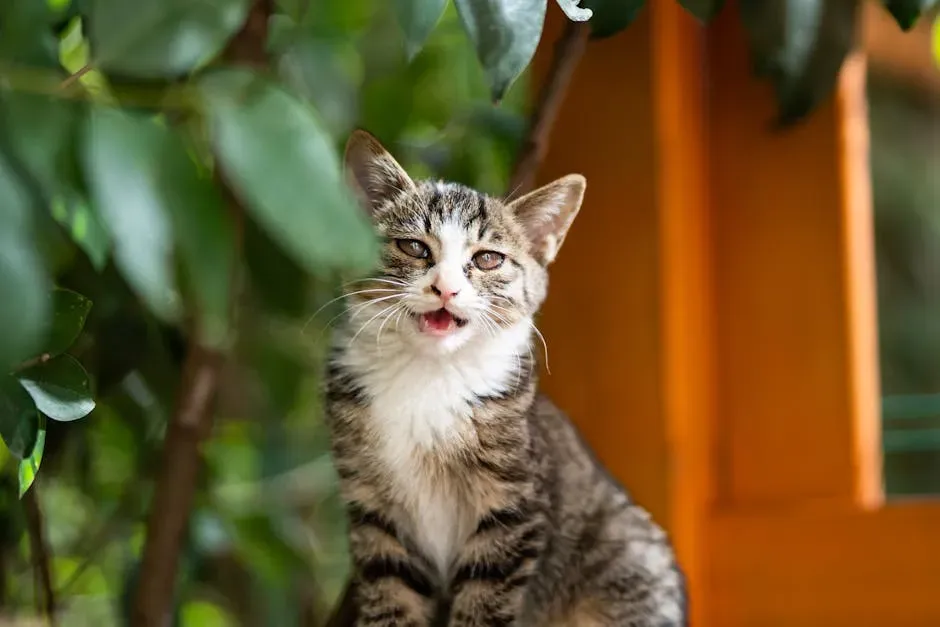
Here’s a fact that surprises most people. Your cat’s meow is not actually a universal feline language. Cats don’t typically meow to communicate with other cats; they reserve this behavior for interacting with humans. If your cat frequently meows at you, especially with a soft, gentle tone, it’s their way of getting your attention and showing affection.
Adult cats typically only meow to communicate with people, as they often rely more on smell and body language when interacting with other kitties. Cats often meow to get their favorite people’s attention. Think about that for a second. Your cat essentially developed an entire vocal communication style just for you. Every little chirp, trill, or soft meow? That’s a language built specifically around your presence. Hard to say for sure exactly what they’re telling you, but it’s safe to assume it involves gratitude.
9. The Upright Tail Greeting: A Flag Raised in Your Honor
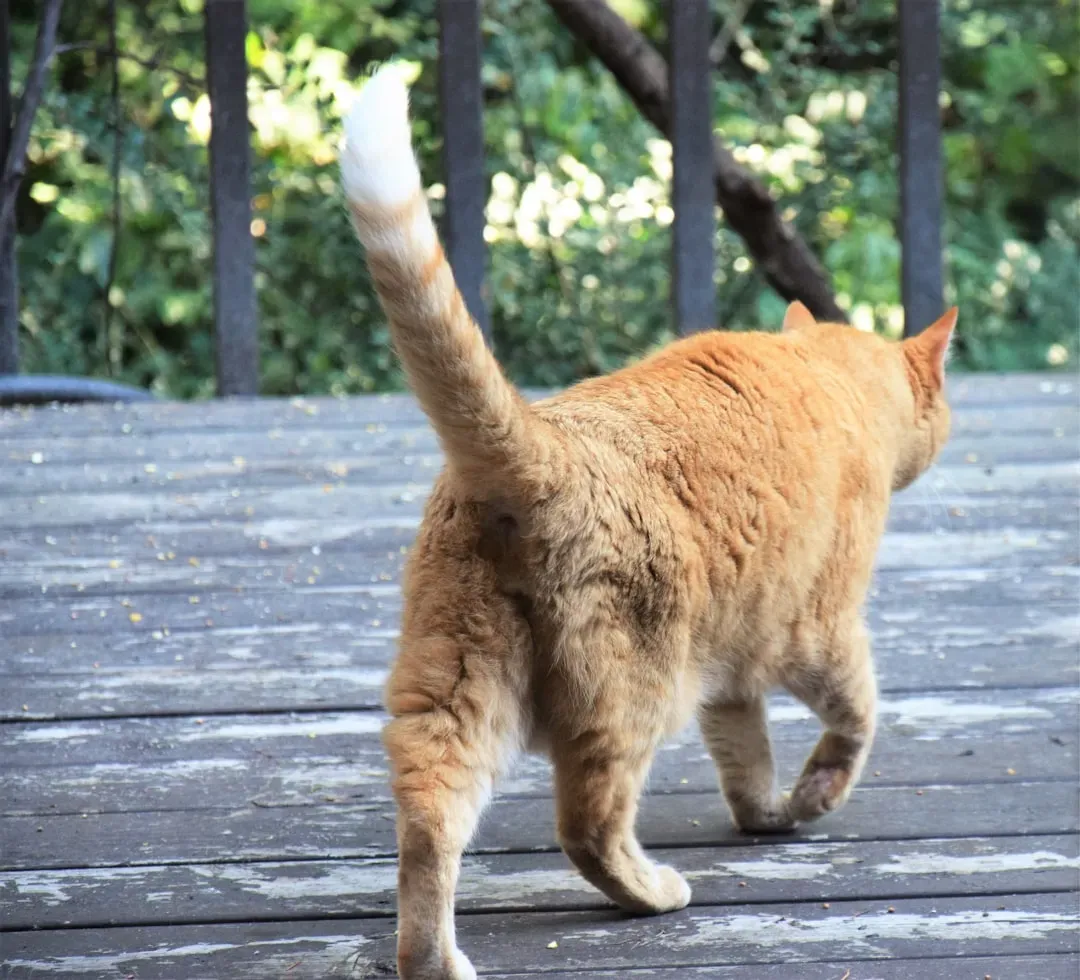
You walk through the door after a long day, and your cat strolls toward you with their tail raised straight up like a little flagpole. It looks casual. Almost indifferent. It is, in fact, a massive compliment. A tail held in the upright flagpole position shows a friendly intention, which is the feline equivalent of a wave, indicating familiarity, trust, and affection.
One of the most obvious signs that your beloved pet is fond of you is the way that your cat greets you. When cats greet members of their social group, they show signals to indicate friendship and a desire to move closer. Cats also show these signals to humans. So the next time your cat saunters toward you with a sky-high tail, resist the urge to think they’re just hungry. They’re rolling out the welcome mat, and you are the honored guest.
10. Purring While Near You: The Sound of Genuine Contentment

You’ve heard your cat purr hundreds of times. You probably take it for granted. Yet this one deserves a second look, because while the comforting melody of purrs indicates a content and cozy cat, the sound has also been associated with a therapeutic healing ability on human bones and muscle. Purring vibrations have been shown to help relieve pain and achy muscles and reduce heart attack risk by nearly one third.
Purring is also a common indicator of comfort and ease. If your cat purrs contently when they are around you, there’s a good chance they also feel bonded with you and are relaxed in your presence. Your cat isn’t just saying thank you with that rumbling motor sound. They’re actually giving you a biological gift in return for your love and care. That’s not a bad trade at all, honestly.
Conclusion: Your Cat Has Been Grateful All Along
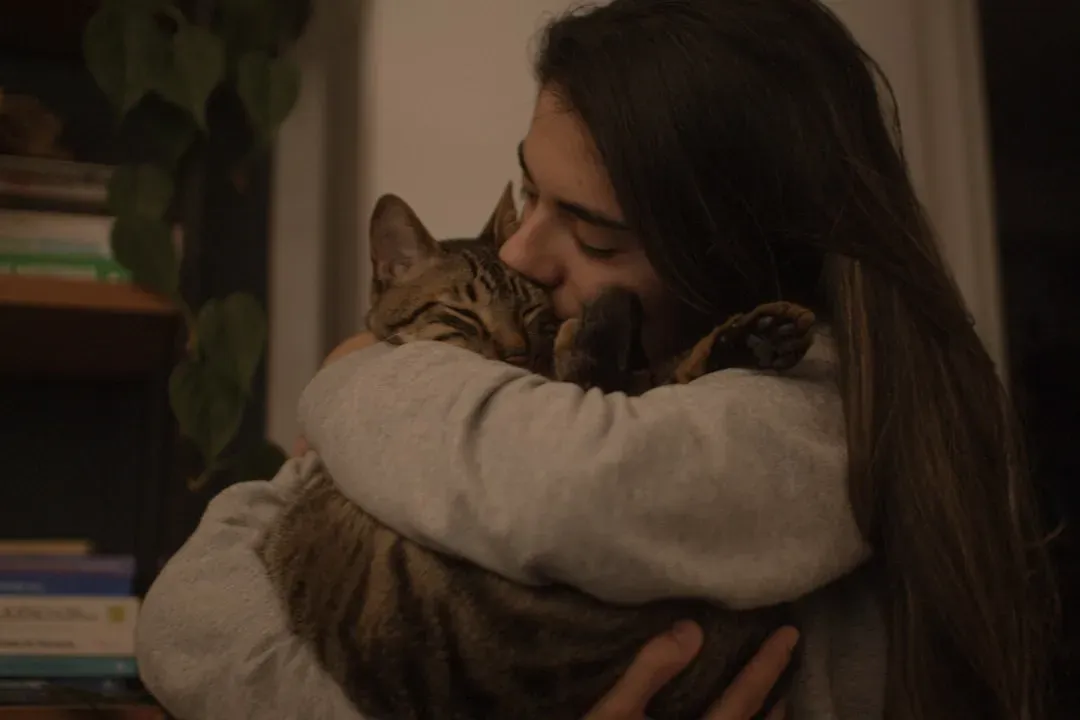
The truth is, your cat probably expresses gratitude toward you more often than you realize. You just needed to know the secret language they’ve been speaking. From the gentle head bump to the silent slow blink, every one of these behaviors is a tender communication rooted in trust, safety, and genuine affection.
Research into feline behavior has confirmed that cats develop a special attachment bond with their human caregivers. This bond is remarkably similar to the one that develops between a human toddler and a parent, or between a kitten and its mother. When tested in unfamiliar environments, cats who are securely bonded to their owners display significantly less stress than those who are left alone.
So the next time your cat flops on your feet, stares at you with those slow, dreamy eyes, or deposits a very questionable “gift” at your door, don’t brush it off. Receive it for what it is: a quiet, sincere, unmistakably feline thank you. Now the real question is, have you been saying “you’re welcome” in a language they actually understand?