Have you ever caught your cat staring at you with those knowing eyes, plotting something you can’t quite figure out? Maybe they’ve mastered opening doors, or they’ve trained you to feed them at exactly six o’clock. Honestly, cats are way smarter than most people give them credit for.
Their behaviors aren’t just random quirks or signs of aloofness. They’re calculated, purposeful actions that reveal an impressive level of intelligence and adaptability. Let’s be real here: your feline companion is far more clever than you might think. What follows might just change the way you see your furry friend forever.
They Master Object Permanence Like Tiny Geniuses
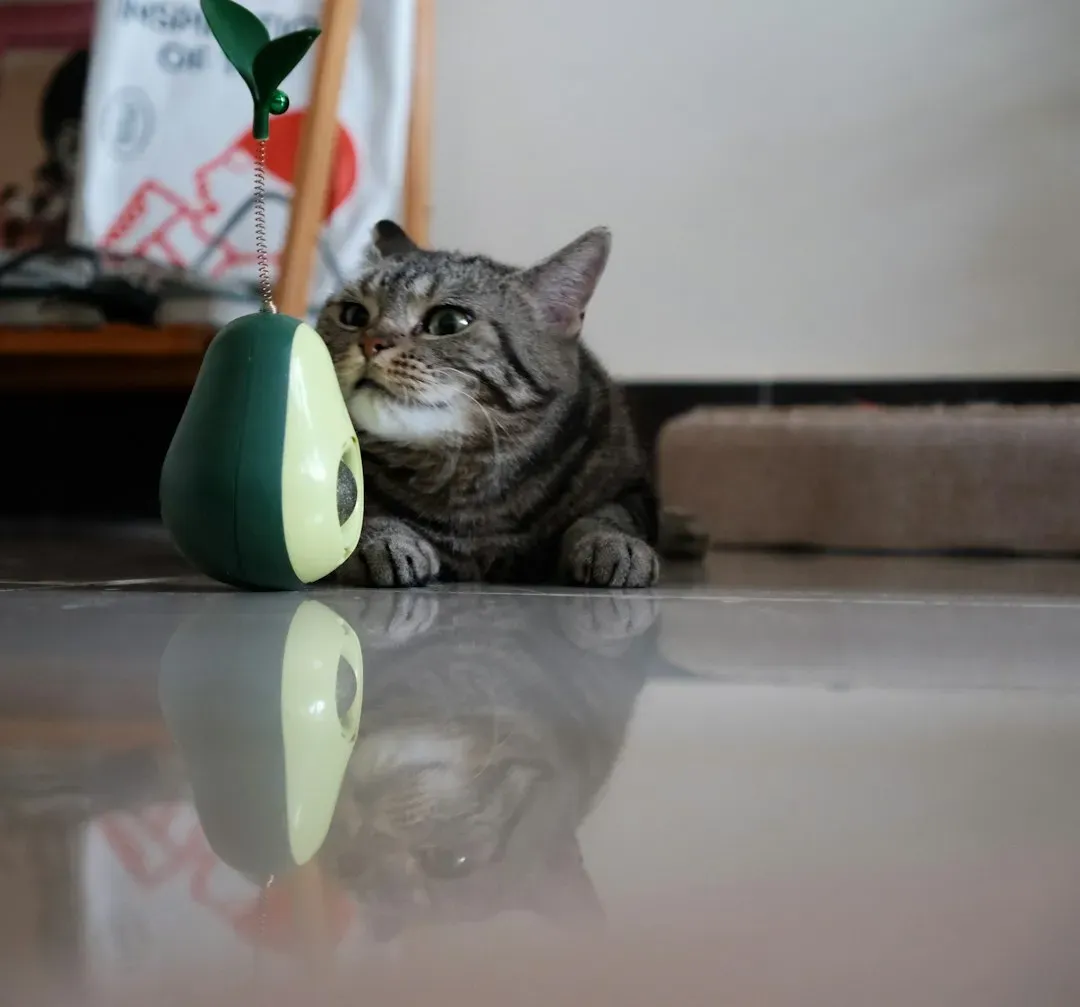
You might think hiding a toy behind your back would fool your cat, but controlled experiments show cats demonstrated fully developed concepts of object permanence. This means your feline friend understands that just because something disappears from view doesn’t mean it ceases to exist. Think about that for a second.
Behaviorists believe an adult cat’s intelligence is comparable to that of a two-year-old human toddler, and this skill proves it. Cats mastered Stage 5 object permanence, where they saw a desirable object disappear behind a box, then searched for and found the food. It’s hard to say for sure, but this kind of mental representation suggests they’re constantly mapping their world in sophisticated ways.
They Train Humans With Calculated Precision
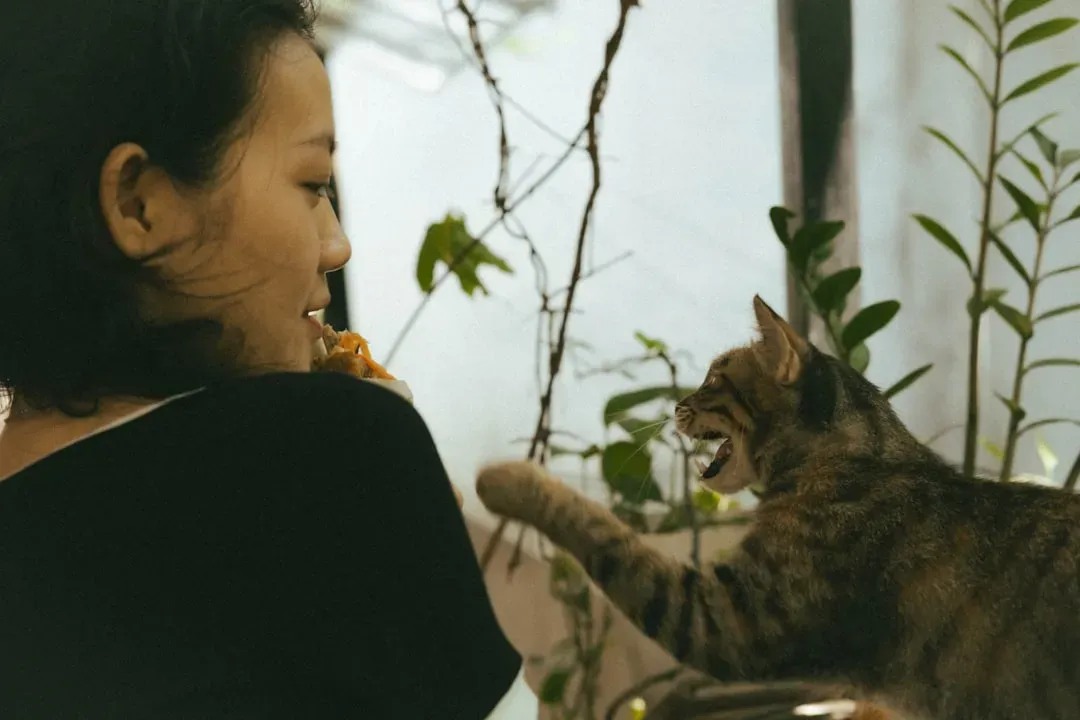
Your cat hasn’t just learned your routine. They’ve engineered it. A study on cat intelligence and communication found that humans react in different emotional ways depending on the tone and urgency of the cat meow. Your clever companion has basically figured out which sounds get which responses from you.
If your cat has trained you to feed them at a particular time using meows or attention-getting behavior, this indicates an understanding of cause and effect and a grasp of the concept of time. They’re not just meowing randomly. They’ve learned that specific vocalizations produce specific results, and they’re using this knowledge to manipulate you into doing exactly what they want.
They Demonstrate Exceptional Long-Term Memory
Forget the myth that cats are forgetful creatures. Cats returned to the correct box as long as 16 hours later, exhibiting a power of recall superior to that of monkeys and orangutans. That’s not just impressive. That’s genuinely shocking when you consider the complexity of information they’re retaining.
Research shows these memories last ten years or more. Your cat remembers that one time you accidentally stepped on their tail five years ago. They remember the vet visit from last year. Cats possess excellent long-term memory, can remember people, places, and experiences for extended periods, and this memory capacity contributes to their problem-solving abilities.
They Solve Problems Through Observation and Imitation
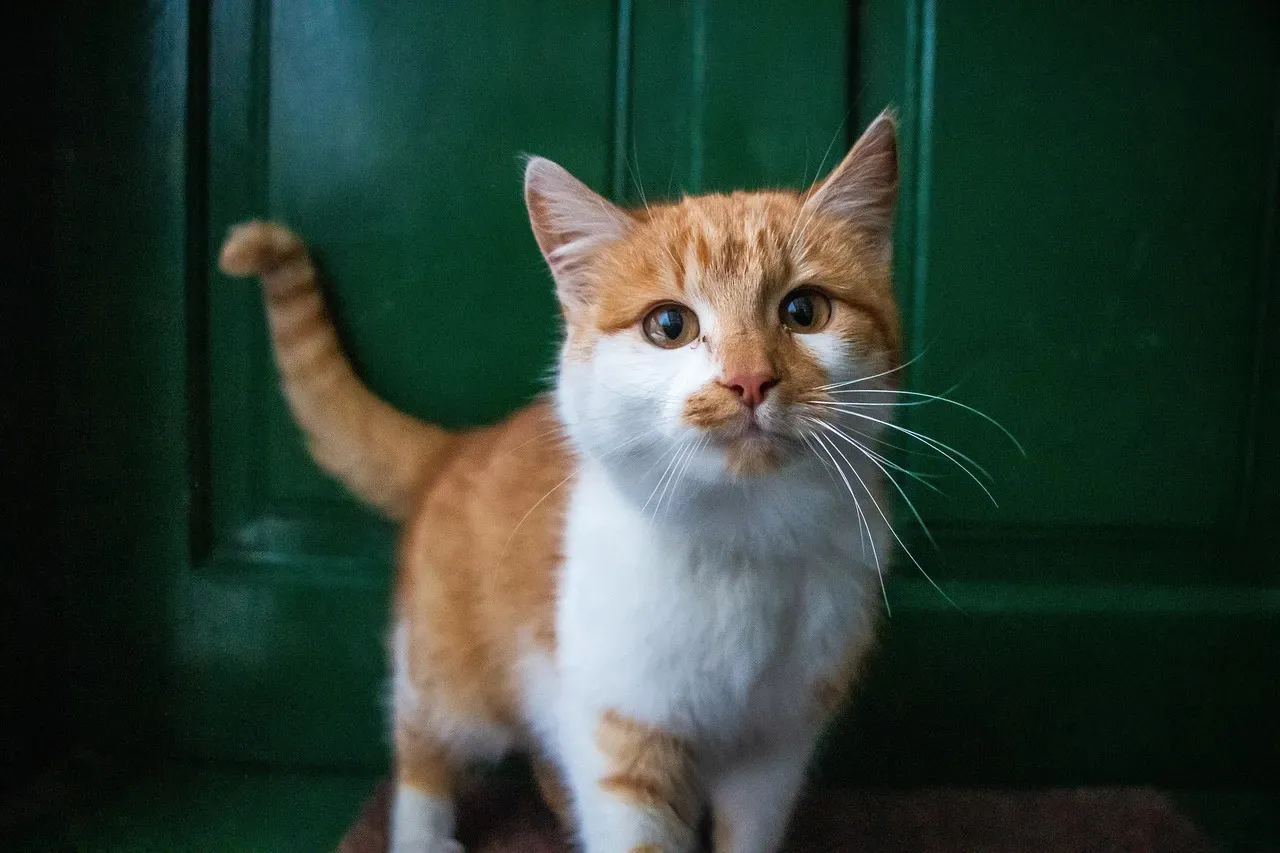
Here’s where things get really interesting. Simply by watching their owners and mirroring their actions, cats are capable of learning human-like behaviors like opening doors and turning off lights. They’re not just mimicking for fun. They’re actually learning complex sequences of actions.
Kittens that were able to observe their mothers performing an experimentally organized act were able to perform the same act sooner than kittens that had observed a non-related adult cat. This demonstrates genuine social learning. Cats learn by observation, imitation, trial and error just as humans do, with stories describing cats turning doorknobs to open doors, ringing doorbells, opening cupboards, and turning off lights.
They Adapt Their Social Behavior Based on Circumstances

Let’s be real: cats are often labeled as aloof, but that’s missing the bigger picture. Wild counterparts were solitary and territorial, but with the emergence of towns, tolerance of the proximity of other cats became an important adaptation, gradually evolving into cooperative social behavior. Your cat has inherited this remarkable flexibility.
Most cats will generally adapt to indoor housing provided there is sufficient space and that they are accustomed to these conditions from an early age. This adaptability extends to their relationships with you. Cats display a high level of social intelligence, are capable of reading human emotions and body language, often responding accordingly, which allows them to navigate complex social situations.
They Excel at Puzzle-Solving When Motivated
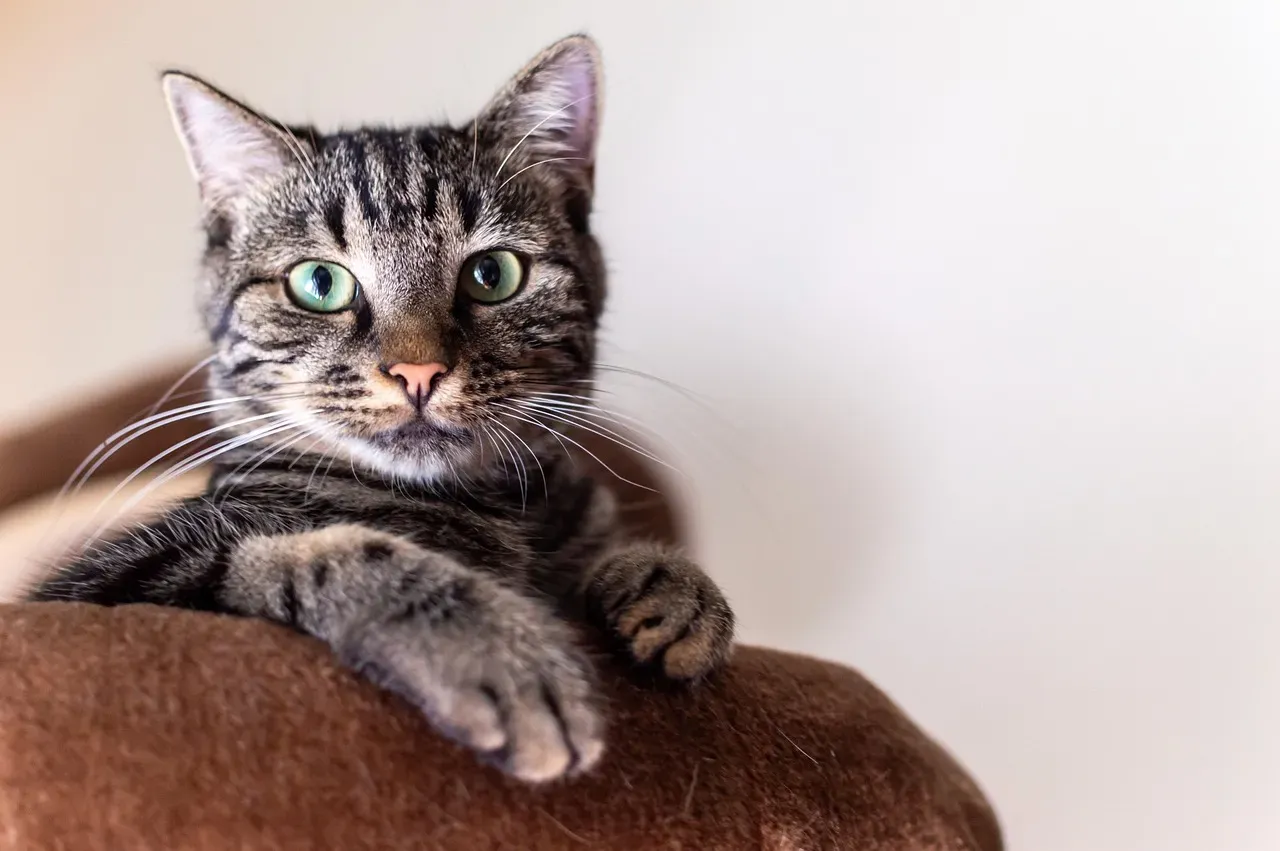
Give your cat a challenge and watch what happens. More social cats were more likely to solve the puzzle box and solve it faster, as they were more willing to approach and interact with it. The key word here is willingness. Your cat isn’t less intelligent if they ignore your puzzle toys; they’re just deciding whether the reward is worth their effort.
More socialized cats were more likely to solve the problem, solve it faster, and approach the apparatus sooner. Younger cats showed particular prowess at these tasks. Thorndike’s experiments demonstrated that cats could learn to manipulate levers and latches through trial-and-error, revealing their capacity for associative learning.
They Use Superior Sensory Abilities to Navigate Their World
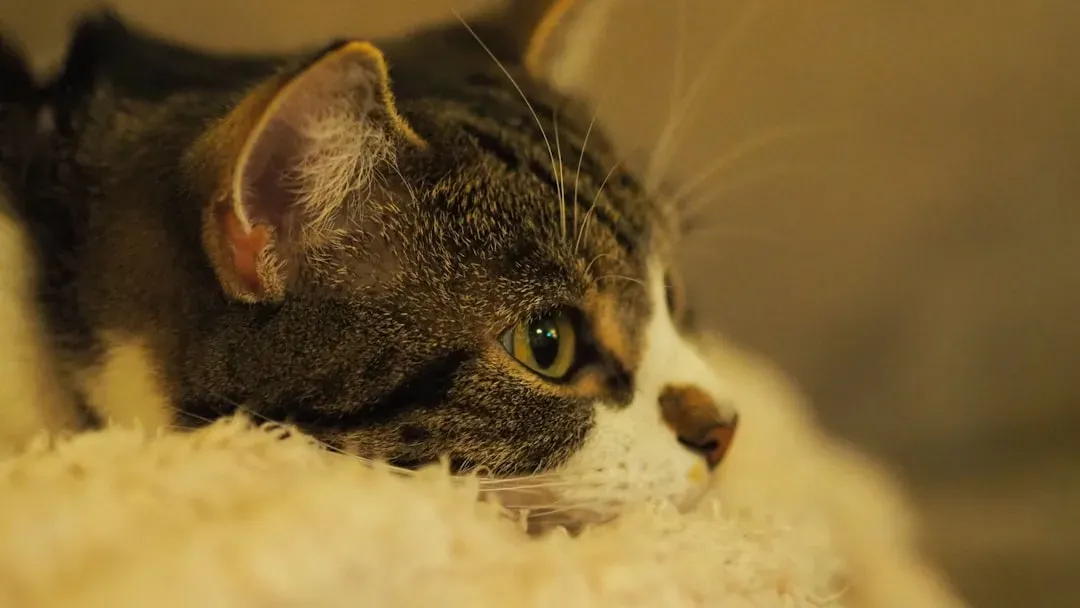
Your cat’s intelligence isn’t just cognitive; it’s sensory too. They have a reflective layer behind the retina called the tapetum lucidum that allows them to see up to seven times better than humans at night. This isn’t just a neat trick. It’s a sophisticated adaptation that reveals their evolutionary intelligence.
A cat’s ears swivel back and forth and can move independently to pinpoint the exact origin of a sound, judging the origination within three inches of accuracy from one yard away. The domestic cat’s sense of smell is fourteen times stronger than ours. These sensory superpowers combine to create a remarkably aware and adaptive creature.
They Communicate Through Complex Territorial Marking
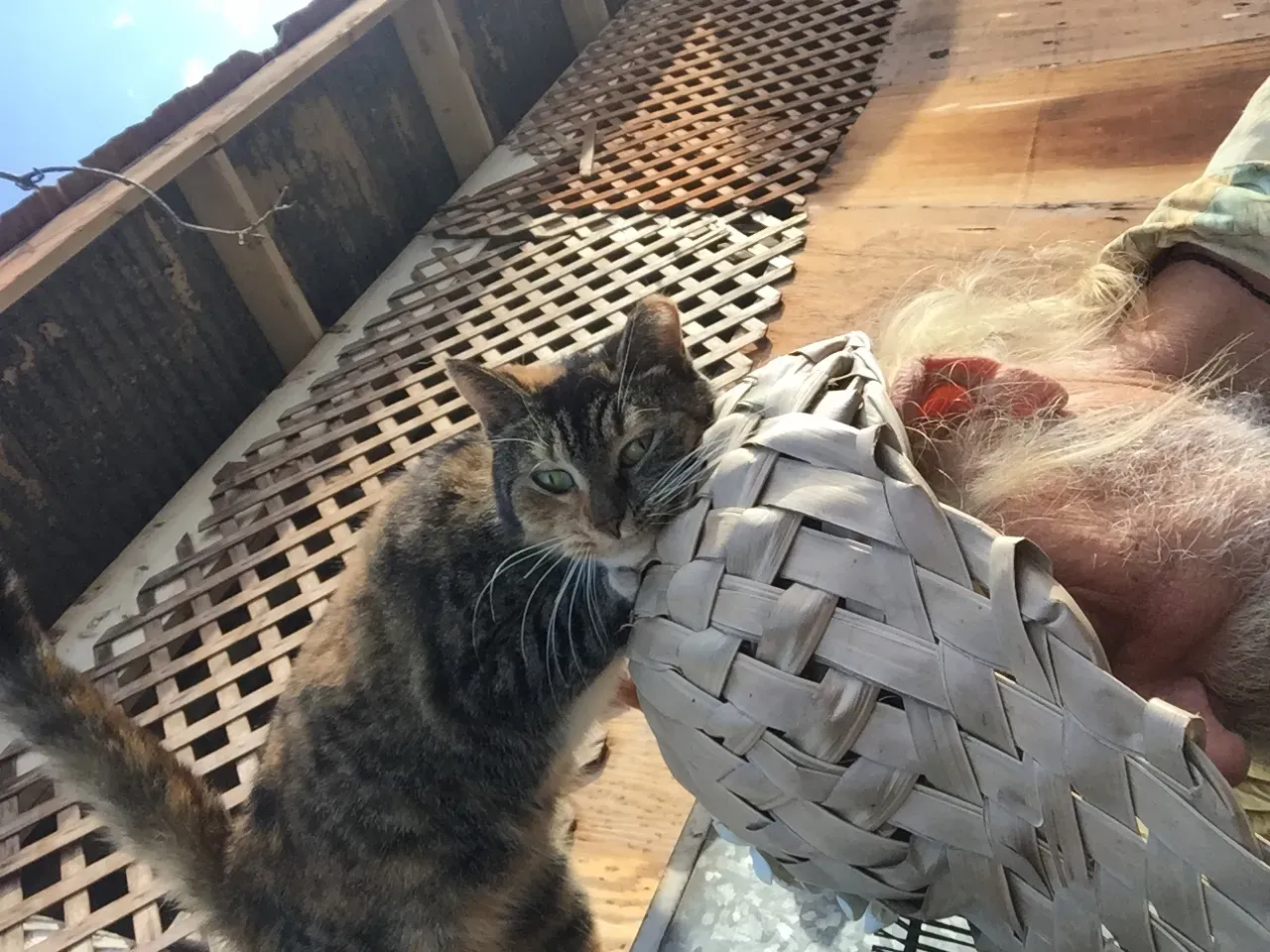
Think your cat rubbing against your leg or head is just cute? It’s actually strategic. Facial marking behavior is used to mark territory as safe, with cats rubbing their cheeks on prominent objects to deposit a chemical pheromone known as a contentment pheromone. They’re literally labeling you as part of their secure environment.
Cats are territorial, with most territories centered around a food source, and intact males display stronger territorial behavior than females, with both sexes marking territory through urine spraying and scratching vertical surfaces. Every scratch on your furniture serves a purpose in their mental map of their domain.
They Adjust Their Hunting Instincts to Different Environments
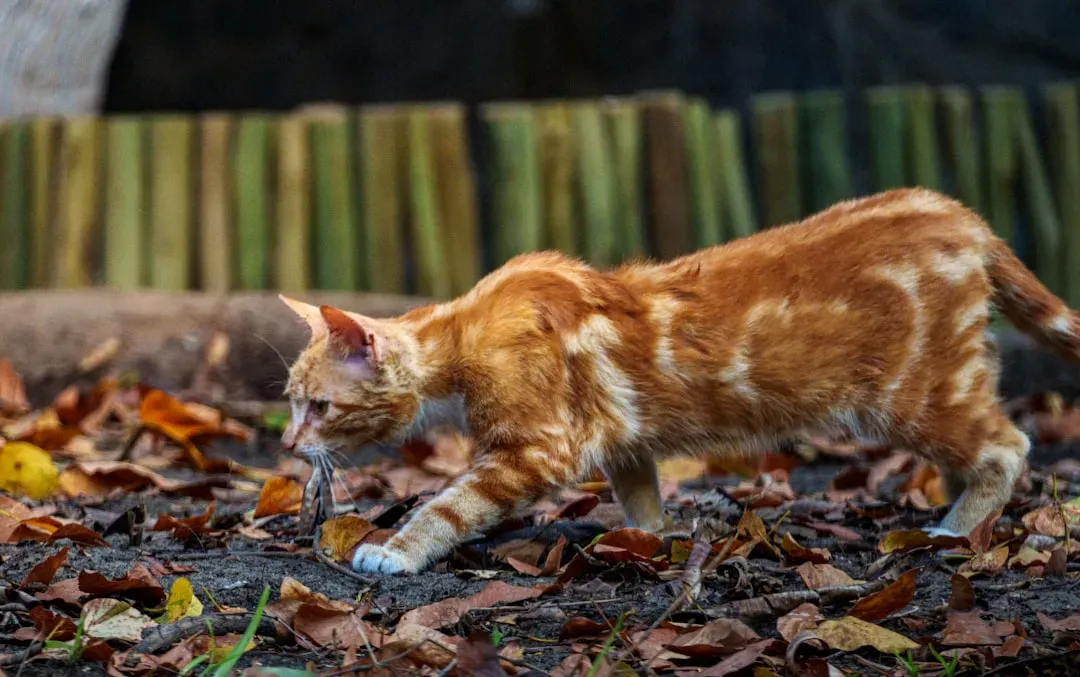
Even your indoor cat who’s never caught a mouse retains sophisticated hunting behaviors. Indoor cats retain their predatory instincts even if they have never caught prey. This isn’t just instinct; it’s intelligent behavioral retention that proves their adaptability.
Cats have an innate hunting instinct, which manifests in them bringing dead birds, rodents, or bugs to their humans as a way to show affection and demonstrate their desire to contribute to the group’s wellbeing. They’re not being gross. They’re treating you like family and trying to ensure you’re properly fed, which honestly shows a pretty sophisticated social understanding.
They Modify Their Problem-Solving Approach With Age and Experience
Your cat’s intelligence isn’t static. It evolves. Older cats demonstrated a higher probability of physically interacting with apparatus for shorter durations and later from the beginning of unsolvable trials compared to younger cats. This suggests they’re learning efficiency through experience rather than losing intelligence.
Living in urban environments has exposed them to challenges that require adaptive behaviors, contributing to cognitive development. Your cat is constantly learning from their environment, adjusting strategies, and becoming more efficient at navigating the human world. Living style and age affect the problem-solving approach of domestic cats, with indoor/outdoor cats spending less time interacting with apparatus and showing stress behaviors sooner.
Conclusion
Your cat isn’t just a pretty face with whiskers. They’re problem-solving, memory-retaining, socially intelligent creatures who’ve adapted brilliantly to living alongside humans. From their remarkable sensory abilities to their capacity for learning through observation, cats prove every day that intelligence comes in many forms.
The next time your cat outsmarts you or figures out how to open that supposedly cat-proof container, remember you’re witnessing millions of years of evolutionary intelligence at work. They’ve survived and thrived by being clever, adaptable, and remarkably perceptive. What do you think about your cat’s intelligence now? Has your furry companion ever surprised you with their cleverness?