Have you ever returned home from a trip and felt like your cat was giving you the cold shoulder—or maybe throwing a wild welcome-back party? The truth is, cats are masters of their own world, and when you leave, they don’t just patiently wait by the door. They adapt, they strategize, and when you finally walk back in, they have a hundred ways to remind you whose home it really is. Let’s step into the secret life of your cat and discover the surprising, hilarious, and sometimes touching ways they reclaim their territory the moment you return.
1. The Scent Reset: Rubbing on Everything

When you walk through the door after being away, your cat may greet you with a full-on body rub—against your legs, your suitcase, and even the furniture. This isn’t just affection; it’s your cat’s way of re-marking their territory. Cats have scent glands on their cheeks, chin, and paws. By rubbing on objects, they’re spreading their scent, letting everyone—human or animal—know this is still their domain. It’s like a feline “welcome home… but don’t forget, this is my turf.” You may notice your cat gets especially enthusiastic about this after you’ve been gone for a while, as if they’re reclaiming every inch of their home with a fresh signature. Sometimes, they even rub on your shoes, which carry foreign scents from your travels. It’s both a greeting and a gentle reminder that you’re back in their world now. The scent reset ritual is one of the first things you’ll notice, and it’s always a little surprising just how determined cats are to reestablish their personal stamp.
2. The Inspection Tour: Sniffing and Investigating
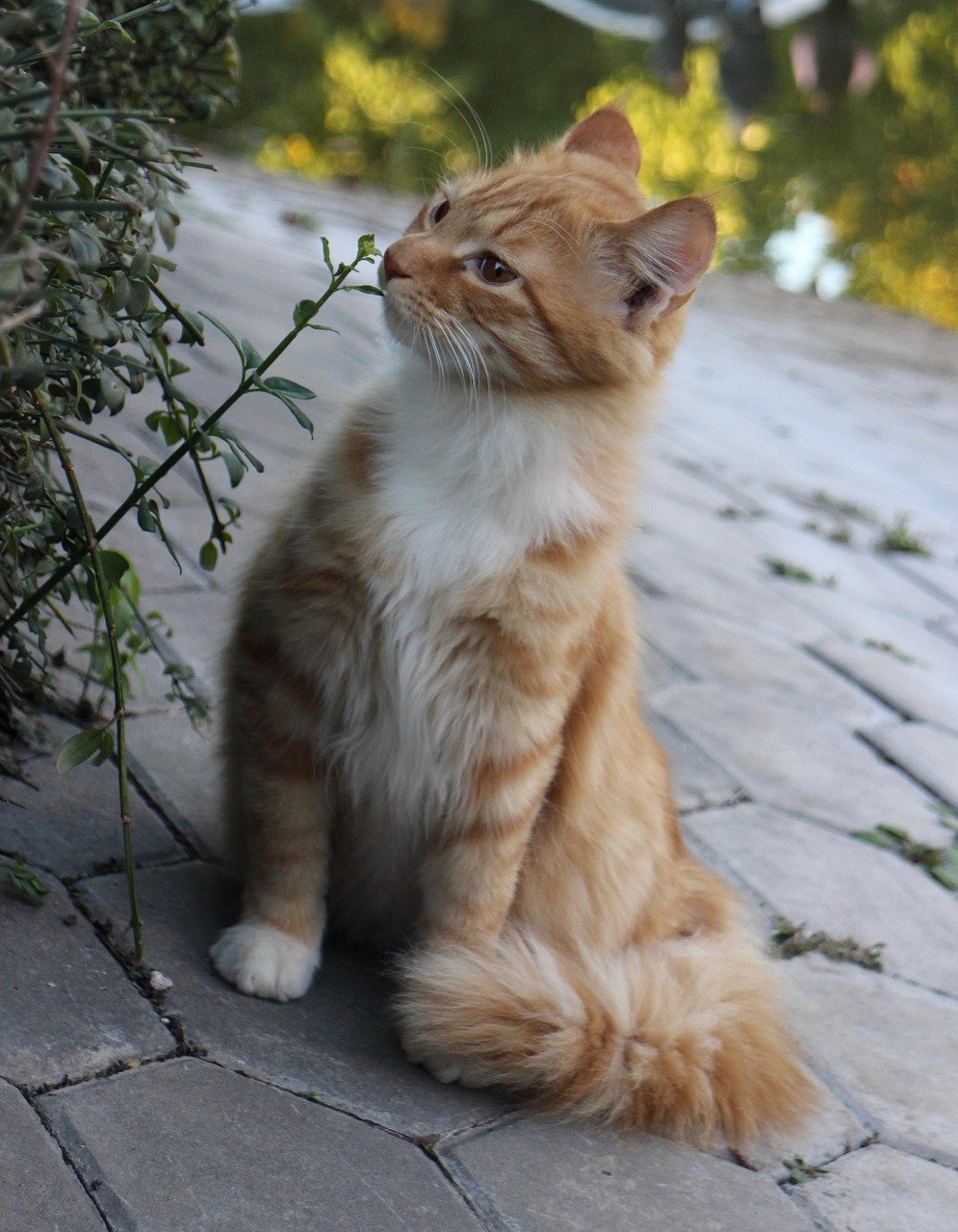
Shortly after you arrive, your cat may embark on a thorough inspection tour of the house. They’ll sniff your bags, your clothes, and even the air around you. This isn’t just curiosity; it’s serious detective work. Cats have a remarkable sense of smell, and they can pick up on all the new scents you’ve brought home. They’re checking for changes—have you been around other animals, or maybe visited a place with strange smells? A cat’s sniffing tour is their way of making sure nothing has shifted too much in their domain. Sometimes, the inspection can be intense, with your cat following you from room to room, their nose twitching with every step. It’s almost like a customs check, only fluffier and far less tolerant of contraband. This ritual helps your cat feel secure, knowing they’re still in control of their environment.
3. The Standoff: Sudden Aloofness
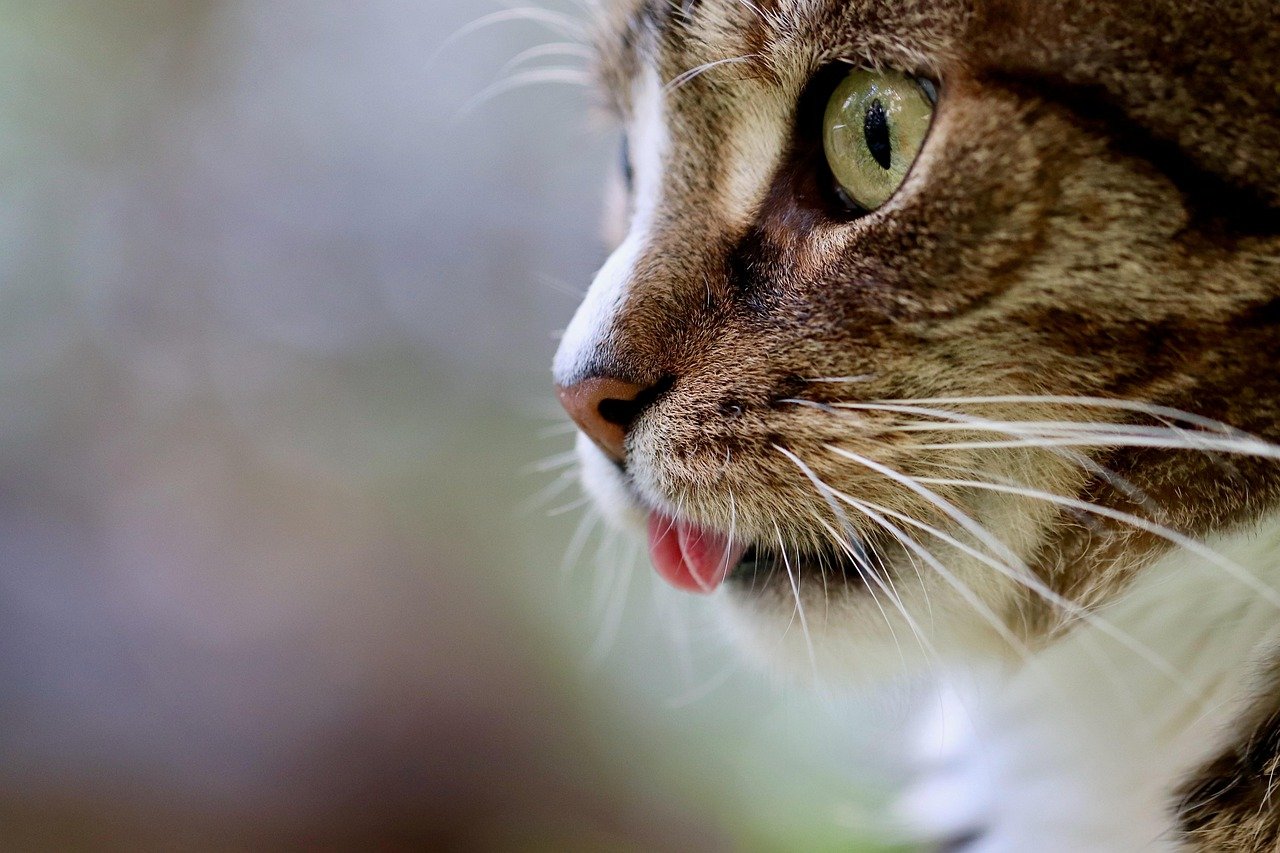
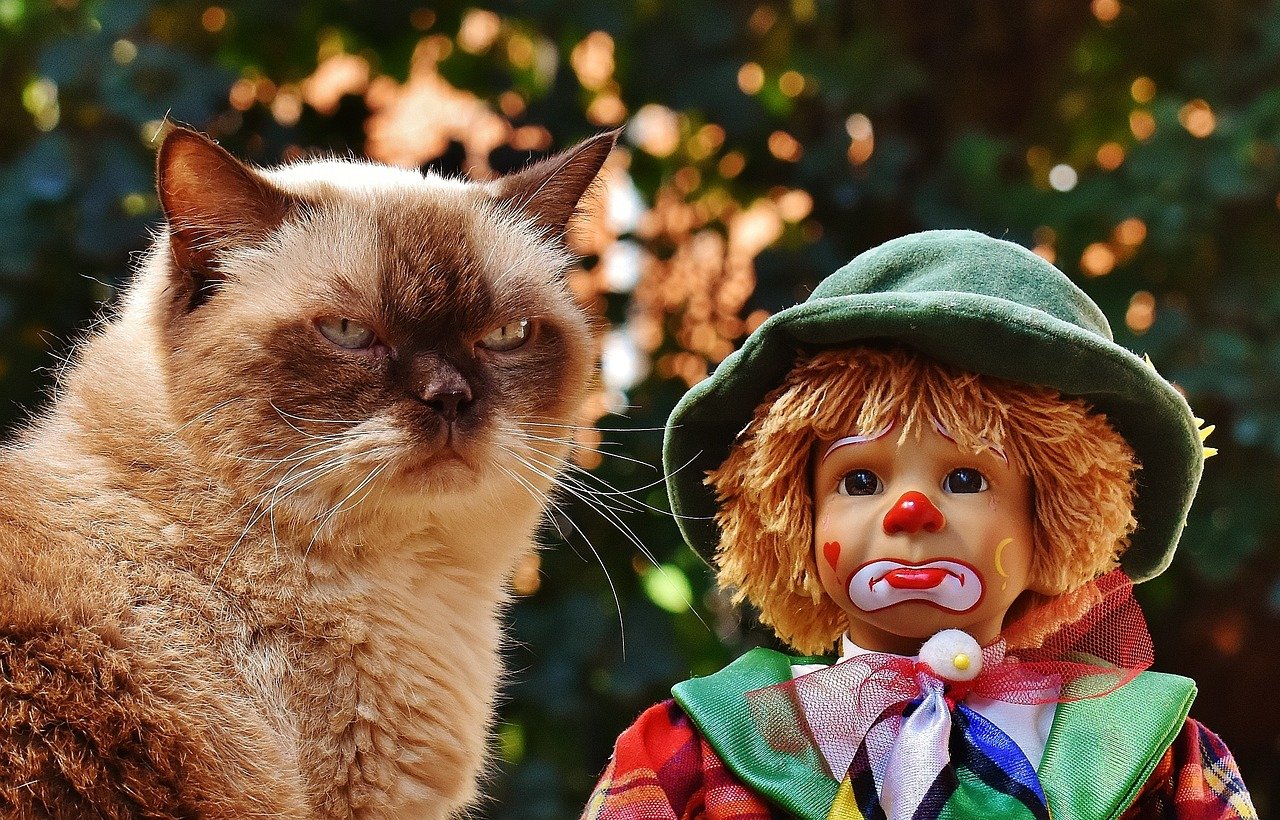
You might be expecting a warm, purring reunion, but sometimes, your cat will turn the tables and act like you don’t exist. This aloofness can be both hilarious and a little bit heartbreaking. It’s their way of saying, “Oh, you’re back? I barely noticed you were gone.” Cats are creatures of habit, and your absence is a big disruption. By ignoring you, they’re both expressing their disapproval and reasserting their independence. You may find them perched in a high spot, casting judgmental glances your way, or turning their back on you completely. This standoff doesn’t last forever, but it’s a classic move in the cat playbook for reclaiming emotional space. They need to remind you that, in their eyes, you’re just a guest in their kingdom.
4. The Midnight Zoomies: Releasing Pent-Up Energy
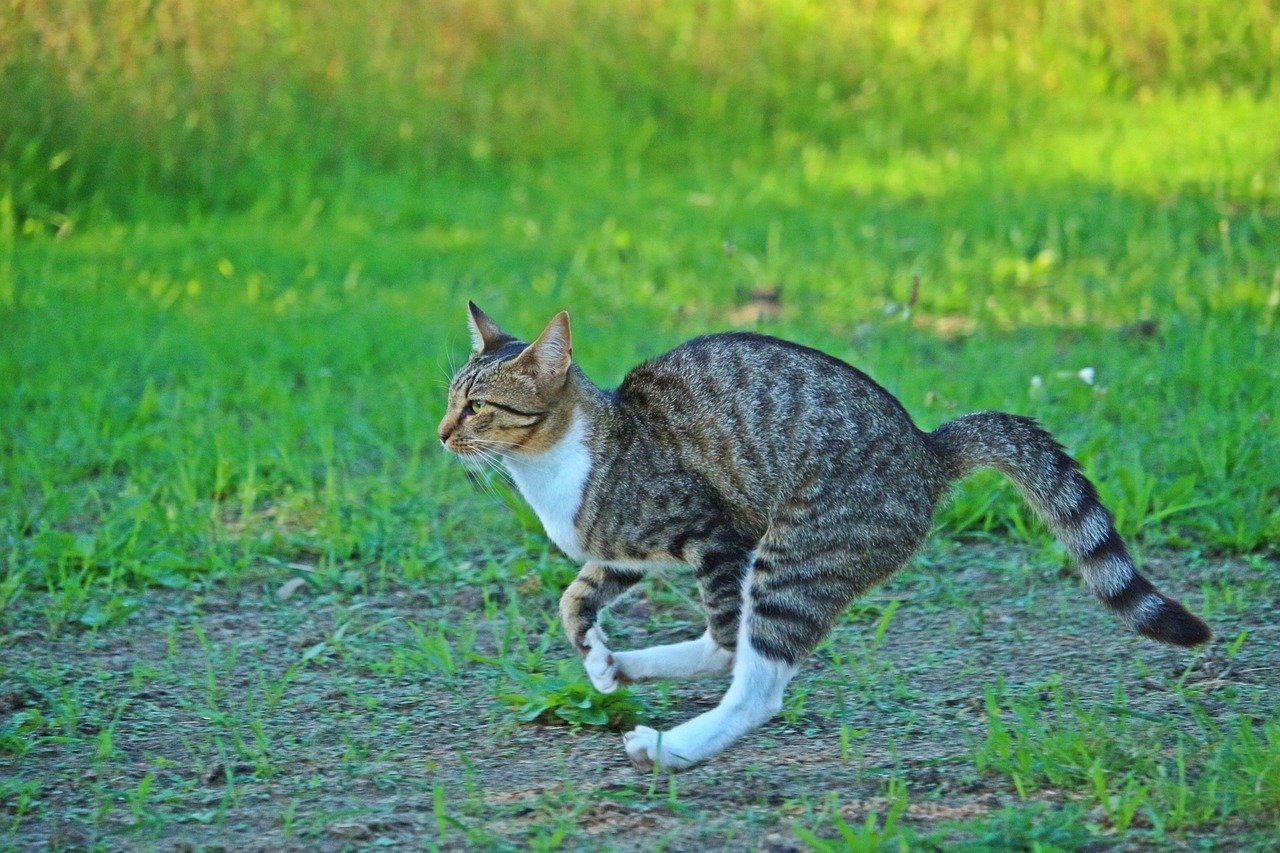
If you return home and suddenly hear the thundering sound of paws racing through the house at midnight, you’ve just witnessed the legendary “zoomies.” Cats often save up their energy while you’re away, especially if they’re not as playful when they’re alone. When you get back, it’s like the floodgates open—sprinting down the hallway, leaping off furniture, and chasing invisible prey. This burst of activity is your cat’s way of blowing off steam and reminding the house (and you) that they’re fully in charge of every corner. The zoomies can be wild, with your cat darting around like a tiny rocket, and it can even feel a bit chaotic. But this frenzied play is a sign of happiness and relief. Your cat is celebrating your return by turning their home into a personal race track, reclaiming every inch with joyful abandon.
5. The Blanket Takeover: Claiming Cozy Spots

One of the most endearing ways cats reclaim their space is by immediately occupying your favorite blanket, pillow, or even your spot on the couch. It’s almost as if they’ve been waiting for you to leave so they can pounce on the coziest places. When you return, don’t be surprised to find your cat nestled into the warmest, softest spot in the house—sometimes even before you have a chance to sit down! This takeover is more than just a search for comfort. It’s a demonstration of ownership. By curling up in your usual spot, your cat is blending their scent with yours and making it clear that everything in the house is fair game. It’s a gentle, purring power move that says, “Welcome back, but this is my throne now.”
6. The Silent Stare: Watching Your Every Move

After a period apart, some cats will just sit and stare at you. It can be both unnerving and oddly touching. These long, thoughtful gazes aren’t just for show—they’re a way of observing your behavior and making sense of your return. Your cat might watch from a distance, their eyes unblinking, as if they’re weighing whether you truly belong. This moment of scrutiny helps your cat reestablish the social order of the house. They’re reading your body language, your mood, and even your movements. Sometimes, it feels like you’re being interviewed for the role of “trusted human” all over again. The silent stare is your cat’s way of sizing up the situation before resuming normal interactions. It’s a quiet but powerful reclaiming of psychological space.
7. The Sudden Clinginess: Demanding Attention

Not all cats go the aloof route—some become velcro cats the moment you walk in. They’ll follow you from room to room, meowing for attention, and maybe even pawing at your leg. This sudden surge of affection is your cat’s way of making sure they’re still your number one priority. After time apart, they want reassurance that the bond is as strong as ever. You might find your cat jumping onto your lap at every opportunity or nuzzling your hand until you give in and start petting. This clinginess can be both adorable and a little overwhelming, but it’s a clear message: “Don’t you dare forget about me again.” It’s their way of reclaiming emotional space and making sure you know who’s really in charge of the cuddles.
8. The Door Patrol: Guarding Entryways
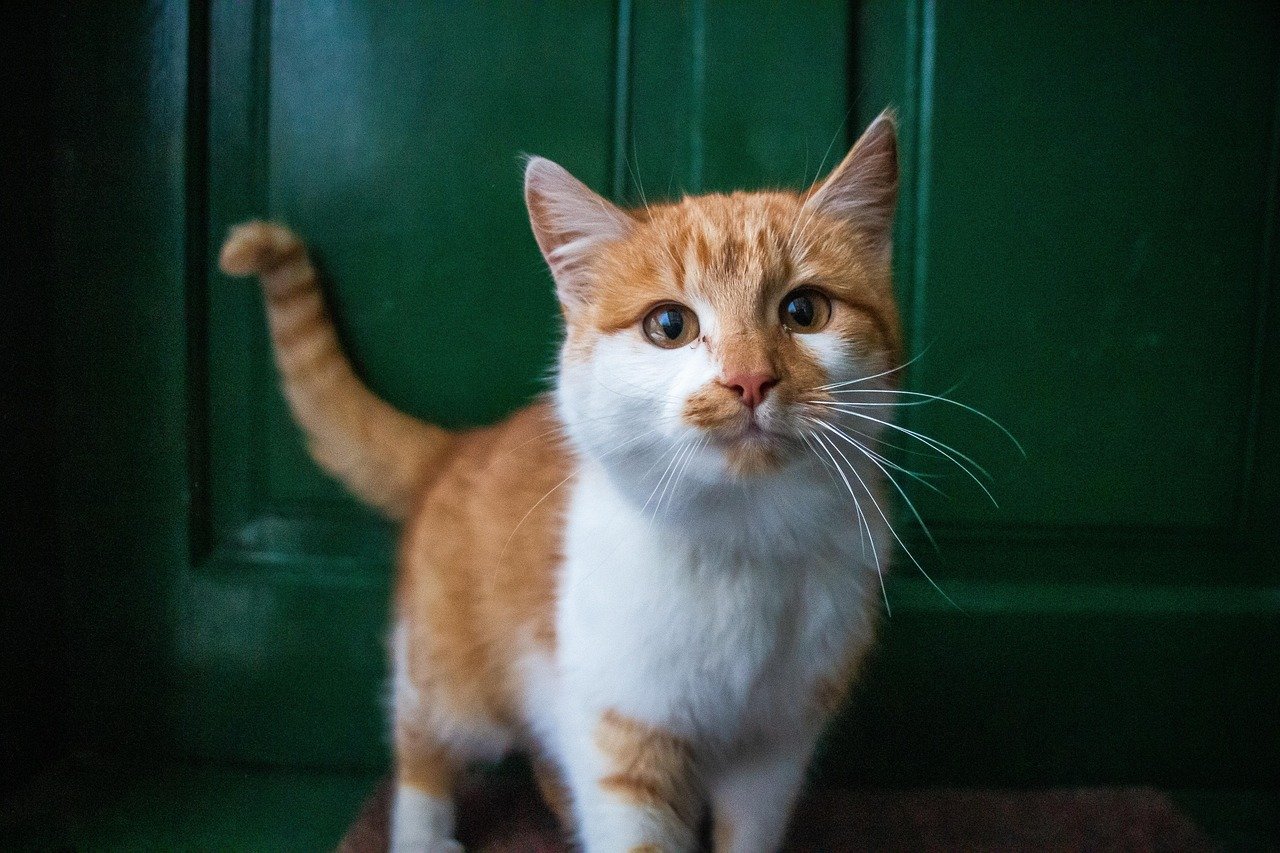
Cats are naturally territorial, and after a disruption in their routine, they often become hyper-vigilant about the boundaries of their home. You might notice your cat sitting by doors, windows, or other entryways, keeping a close watch on the world outside. This behavior is a mix of curiosity and security. By positioning themselves at key points, cats are reasserting control over their territory and making sure no unwanted intruders slip in while you were away. Sometimes, they’ll even block your path, as if to say, “Hold on—let me check first.” This door patrol is a silent but effective way for cats to reclaim their sense of safety and order.
9. The Food Demand: Asserting Meal Control

If you thought your cat’s eating habits would be business as usual when you got back, think again. Many cats become extra demanding about meals after you return, meowing louder or sitting by their food bowl with a look that says, “Let’s get back on schedule.” Some will even refuse to eat until you personally serve their food, just to remind you of your role in the household hierarchy. It’s a way for cats to reestablish routines and make sure you don’t forget the most important part of your job: feeding them on time. This insistence on meal control is both practical and symbolic—your cat wants things just the way they like them, and they’re not shy about letting you know.
10. The Toy Parade: Displaying Favorite Objects
One of the cutest ways cats reclaim their space is by parading their favorite toys around the house. You might find a collection of stuffed mice, crinkly balls, or feathers strategically placed in doorways or at your feet. Sometimes, your cat will even carry a toy to you as a welcome-back gift (or maybe as a gentle reminder of who the real hunter is). This display serves several purposes. It shows you what’s important in their world, reestablishes play routines, and marks the home with their chosen treasures. It’s a quirky but heartwarming way for cats to say, “Look what I’ve been up to while you were gone.”
11. The Litter Box Audit: Freshening Up Boundaries

Returning home can trigger your cat to immediately visit the litter box, even if they don’t really need to go. This isn’t just about biology—it’s about marking territory. By using the litter box, cats reinforce their scent in a key area of the home. Sometimes, especially in multi-cat households, this can also be a subtle message to other pets: “I’m back, and this is still mine.” You might notice your cat being more fastidious than usual, digging and covering with extra care. It’s all part of resetting the boundaries and making sure everything smells just right. This ritual also reassures your cat that the environment is clean, familiar, and under their control.
12. The Window Watch: Surveying the Landscape

After you return, your cat may spend more time than usual perched on a windowsill, watching the outside world with intense focus. This isn’t just idle daydreaming—it’s a security check. Cats are highly attuned to changes in their environment, and peering out the window lets them monitor for new threats, intruders, or even just interesting birds. By resuming their post, cats reclaim their role as household sentinels. They’re making sure the landscape hasn’t shifted while you were gone and reaffirming their place as the watchful guardian of the home. Sometimes, they’ll even chatter at passing squirrels or birds, expressing their opinions on the state of the neighborhood.
13. The High Ground Claim: Perching Up High

Cats love high places, and after a separation, they often make a beeline for their favorite elevated spots—be it the top of a bookshelf, a cat tree, or the back of the couch. Claiming the high ground is a classic feline move for asserting dominance and security. From these vantage points, your cat can survey their kingdom and keep an eye on everything that’s happening. It’s a way of saying, “I’m in charge from up here.” You might notice your cat lounging with an air of regal authority, tail twitching as they take in the scene. This behavior is deeply rooted in cat instincts—higher ground means safety, control, and the best view in the house.
14. The Furniture Shuffle: Rearranging the Scenery

If you find your cat pushing, nudging, or even knocking small objects off tables and counters after you get home, don’t take it personally. This playful (and sometimes frustrating) behavior is a way for cats to reassert control over their environment. By moving things around, they’re making subtle changes to the landscape, leaving their mark, and reestablishing a sense of order—cat-style. Even if it means your favorite mug ends up on the floor. It’s as if they’re saying, “This is my space, and I’ll set it up how I like.” The furniture shuffle can be a bit chaotic, but it’s a clear sign that your cat is back in charge.
15. The Vocalization Surge: Speaking Out

Some cats get especially vocal when you return home, meowing, chirping, or even trilling with excitement or protest. This surge in vocalization is more than just a greeting—it’s a way for cats to express their feelings about your absence and reestablish communication. You might hear a range of sounds, from happy purrs to indignant yowls, each with its own meaning. For some cats, it’s a running commentary on everything that’s happened while you were gone. For others, it’s a demand for explanations. Either way, your cat is making sure their voice is heard loud and clear, reclaiming their place in the daily conversation.
16. The Bathroom Escort: Supervising Routine

It’s a classic cat move: you head to the bathroom, and suddenly, your feline friend is right there, supervising your every move. After time apart, this behavior can become even more pronounced, as if your cat wants to make sure you’re not planning to disappear again. Following you into the bathroom is a way of reestablishing routine and closeness. It’s also a little power play—if you thought you had privacy, think again. Your cat is reminding you that every part of the house, even the most private spaces, is part of their domain. This quirky habit can be both funny and oddly reassuring.
17. The Head Bump: Reaffirming Bonds

A gentle head bump from your cat is one of the most heartwarming ways they reclaim their space. Known as “bunting,” this behavior is a sign of affection and trust. By pressing their head against you, your cat is depositing scent from glands located on their forehead and cheeks, reinforcing the bond between you. After a separation, head bumping is a way of saying, “We’re still a team.” It’s also a subtle claim of ownership—your cat is marking you as part of their social group. The head bump is often accompanied by purring and slow blinks, making it a powerful gesture of connection and reassurance.
18. The Grooming Session: Reestablishing Comfort

When you return home, you might notice your cat grooming themselves—or even you—more than usual. Grooming is a self-soothing behavior, and it helps cats reestablish a sense of normalcy after disruption. Sometimes, your cat will lick your hand or arm, sharing their scent and reinforcing the social bond. Watching your cat settle in for a long grooming session can be oddly mesmerizing. It’s a sign that they’re starting to relax and reclaim their comfort zone. In multi-cat households, you might even see cats grooming each other as a way of reaffirming group harmony.
19. The Purring Power Play: Taking Over Your Lap

Few things feel more comforting than your cat curling up on your lap and purring contentedly. After you’ve been away, this behavior can become almost insistent. Your cat may jump onto your lap as soon as you sit down, purring loudly and kneading with their paws. This is their way of reclaiming physical closeness and reminding you that, in their world, you’re the ultimate source of comfort. The powerful vibrations of a cat’s purr can be incredibly soothing—not just for them, but for you as well. It’s a shared moment that reinforces the deep, mutual connection between cat and human.
20. The Strategic Naps: Reclaiming Territory by Sleeping

Last but certainly not least, cats often reclaim their space through strategic napping. After you return, you might find your cat sprawling in the middle of the hallway, on your bed, or even across your laptop. These nap spots aren’t random—they’re carefully chosen to maximize comfort and visibility. By sleeping in key locations, your cat is marking their territory and reestablishing a sense of security. It’s a quiet but unmistakable statement: “I’m home, and I belong here.” The sight of a peacefully napping cat is the ultimate sign that all is well in their world, now that you’re back where you belong.

Hi, I’m Bola, a passionate writer and creative strategist with a knack for crafting compelling content that educates, inspires, and connects. Over the years, I’ve honed my skills across various writing fields, including content creation, copywriting, online course development, and video scriptwriting.
When I’m not at my desk, you’ll find me exploring new ideas, reading books, or brainstorming creative ways to solve challenges. I believe that words have the power to transform, and I’m here to help you leverage that power for success.
Thanks for stopping by, Keep coming to this website to checkout new articles form me. You’d always love it!