Have you ever wondered how a creature as beautiful as a miniature leopard manages to survive in some of America’s most unforgiving environments? The ocelot, with its striking spotted coat and piercing golden eyes, isn’t just a pretty face. This medium-sized wildcat has carved out a niche for itself from the scorching thornscrub of South Texas to the humid tropical forests further south. It’s a master of stealth, a strategic hunter, and an adaptable survivor in places where many others would falter.
Think about it for a moment. While most wildcats in North America get the spotlight, the ocelot quietly goes about its business in the shadows, thriving against all odds. Today, these cats face tremendous challenges from habitat loss, vehicle collisions, and shrinking territories, yet they persist. Let’s explore the remarkable strategies that allow this feline to not just survive but excel in landscapes that test every aspect of its being.
1. Camouflage That Defies Detection
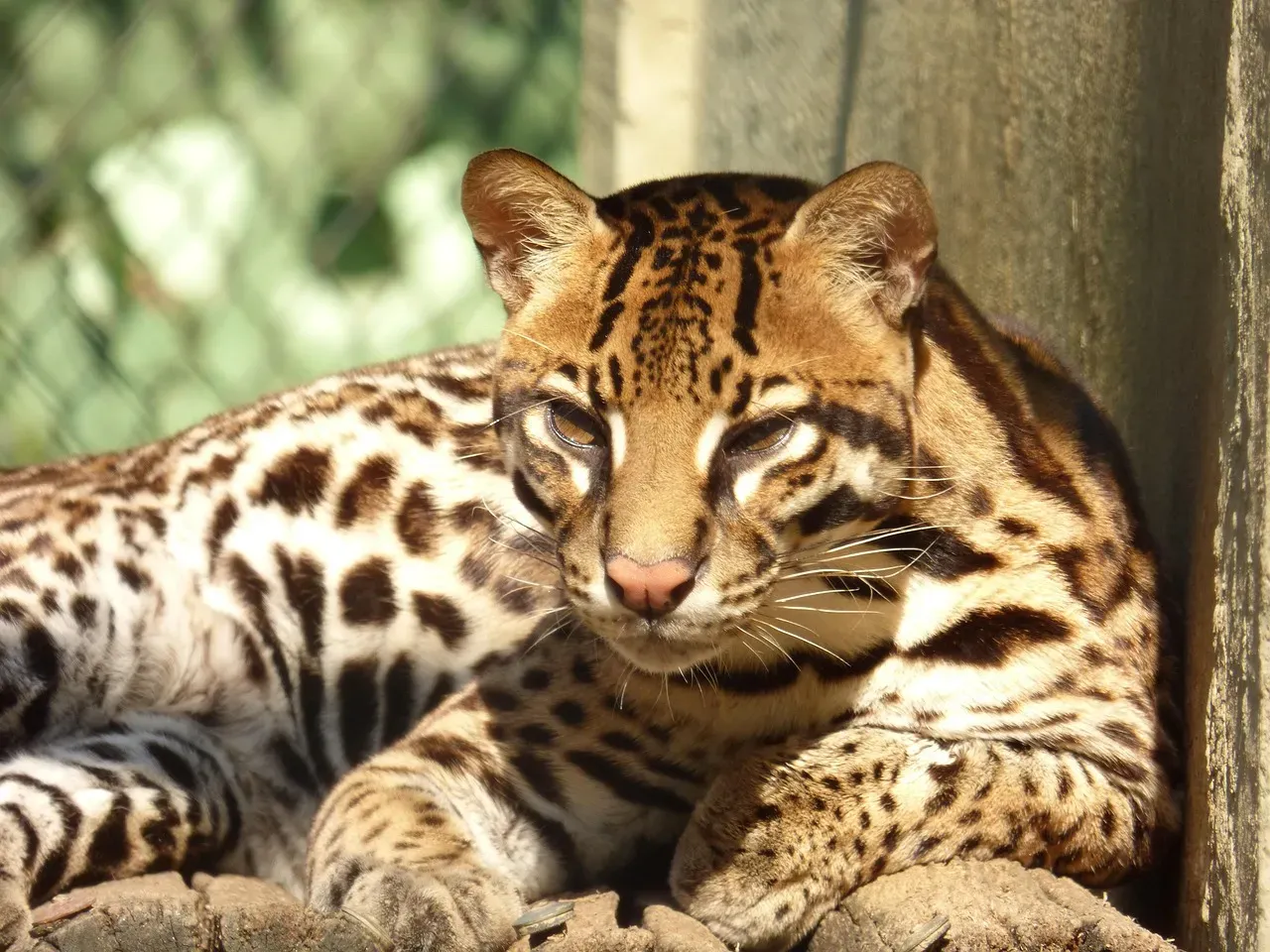
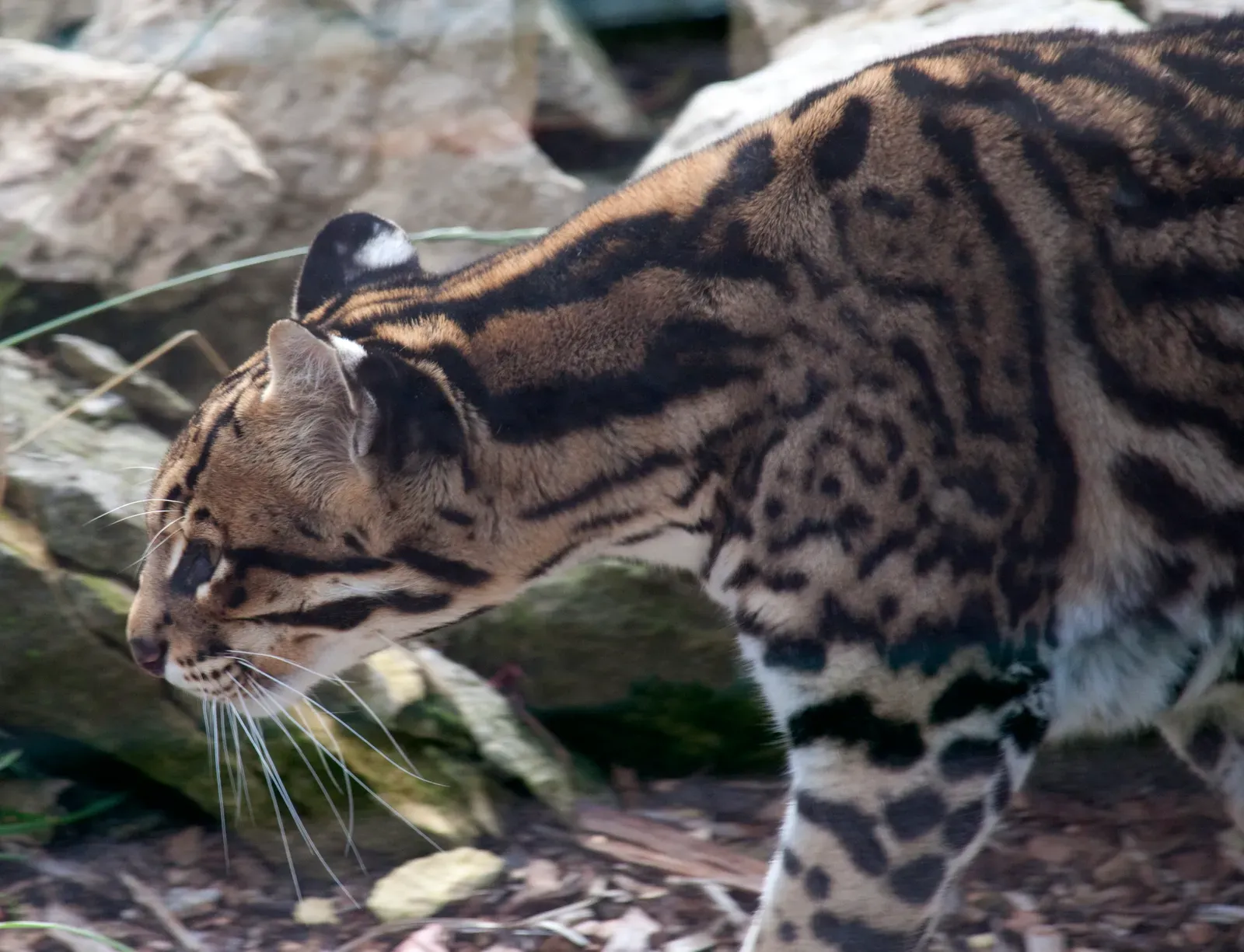
The ocelot’s spotted coat helps it blend into the forest while it hunts for prey. Each individual animal possesses a completely unique pattern, almost like a fingerprint, which allows researchers to identify them but more importantly provides exceptional concealment in their natural habitat. These markings not only contribute to its beauty but also serve a practical purpose, providing camouflage in the dense forests and scrublands it inhabits.
When you observe an ocelot in dappled sunlight filtering through thornscrub or dense vegetation, you’ll understand why prey rarely sees it coming. The ocelot’s fur is extensively marked with solid black markings on a creamy, tawny, yellowish, reddish gray or gray background color, and the spots on the head and limbs are small, but markings on the back, cheeks, and flanks are open or closed bands and stripes. This natural artistry transforms the cat into a living ghost, invisible until the moment it strikes.
2. Night Vision That Sees Through Darkness
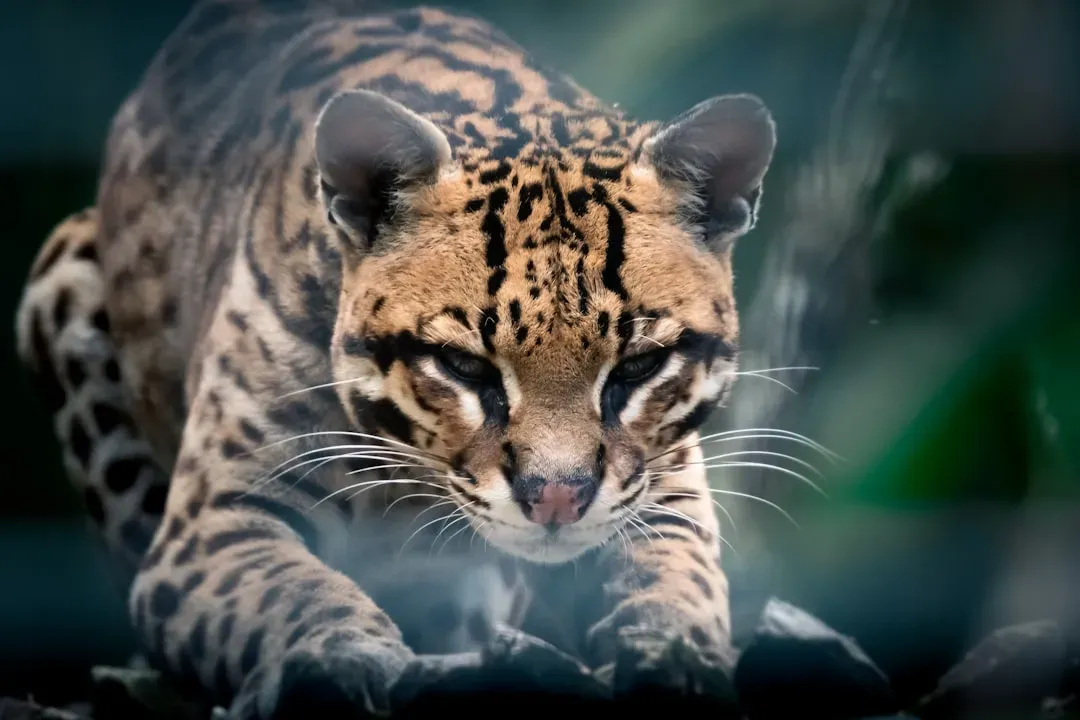
Ocelots have superior night vision, being six times better than ours. Honestly, this adaptation alone gives them a massive advantage over both prey and potential threats in their environment. Their large, luminous eyes contain specialized structures that reflect light, allowing them to navigate and hunt with astonishing precision when most animals are essentially blind.
Ocelots see much better in the dark than we can, and it is as easy for an ocelot to walk around at night as it is for you to walk around during the day. This isn’t just about seeing better; it’s about transforming the night into a hunting arena where they hold every advantage. The darkness that terrifies most creatures becomes the ocelot’s ally, where every rustle, every movement stands out in sharp relief.
3. Dense Vegetation as Their Shield and Hunting Ground
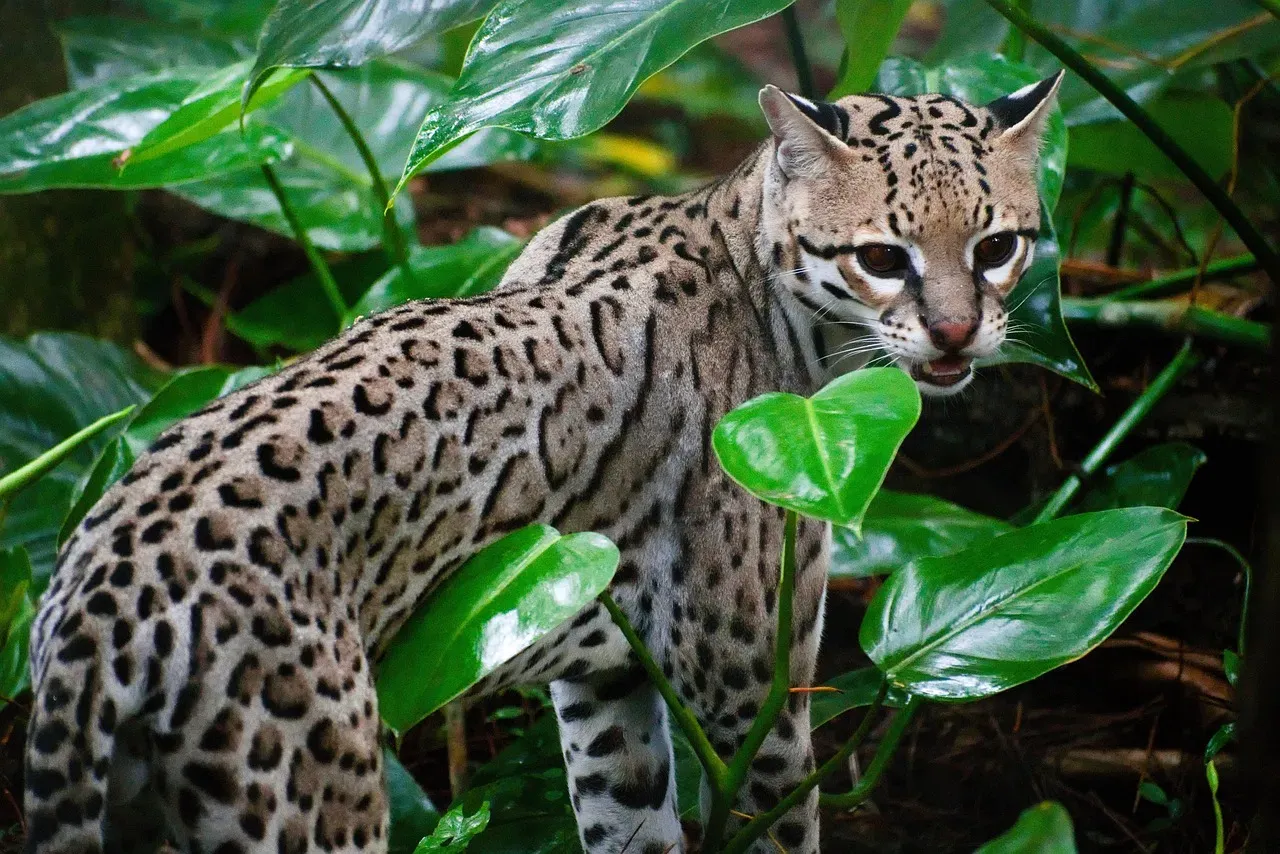
Ocelots depend on dense vegetation for protection, denning, raising young, and hunting. This requirement isn’t just a preference; it’s absolutely essential to their survival strategy. In harsh American landscapes like the South Texas thornscrub, where temperatures soar and predators lurk, thick brush becomes both fortress and hunting blind.
Here’s the thing: without this cover, ocelots become vulnerable. Their primary habitat requirement is dense vegetative cover, and ocelots are found in open areas only when it’s cloudy or at night when there is a new moon. They’ve essentially evolved to become specialists of the shadowy understory, where their hunting techniques and physical adaptations work in perfect harmony. When human development clears this vegetation, it doesn’t just remove habitat; it strips away the ocelot’s entire survival system.
4. Opportunistic Diet for Maximum Flexibility
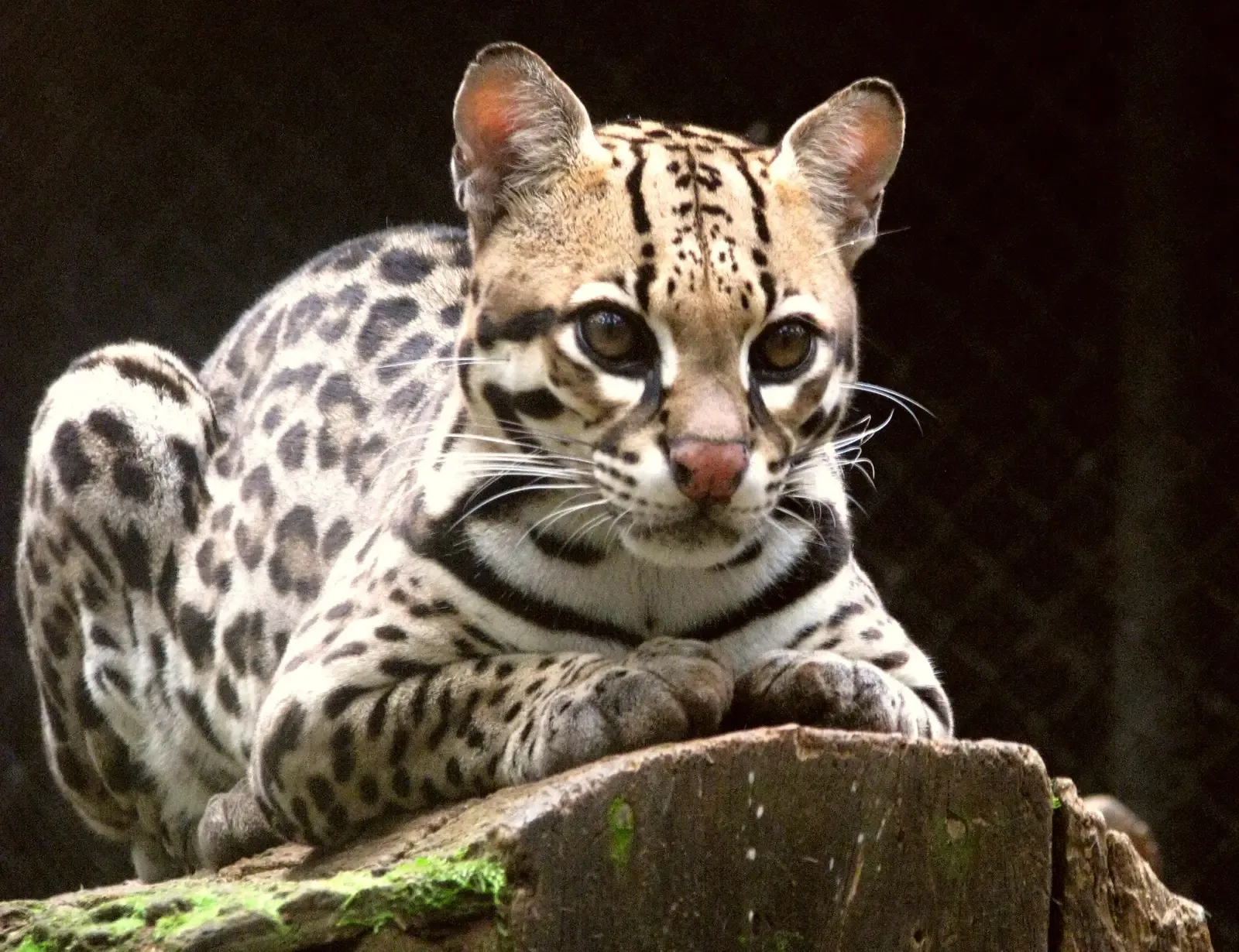
They are not picky eaters and can eat up to 80 different types of animals. Let’s be real, this dietary flexibility might be one of the most underrated survival tools the ocelot possesses. From rodents and rabbits to reptiles, birds, fish, and even crustaceans, these cats will consume whatever the landscape provides.
The diet of ocelots consists of 65 to 66% small rodents, 12 to 18% reptiles, 6 to 10% medium-sized mammals, 4 to 11% birds, and 2 to 7% crustaceans and fish, and their primary prey consists of nocturnal species. This adaptability means that when one food source becomes scarce, they simply shift to another. where resources fluctuate with seasons and environmental conditions, this kind of versatility can mean the difference between starvation and survival.
5. Patient Hunting Strategy Built on Stealth
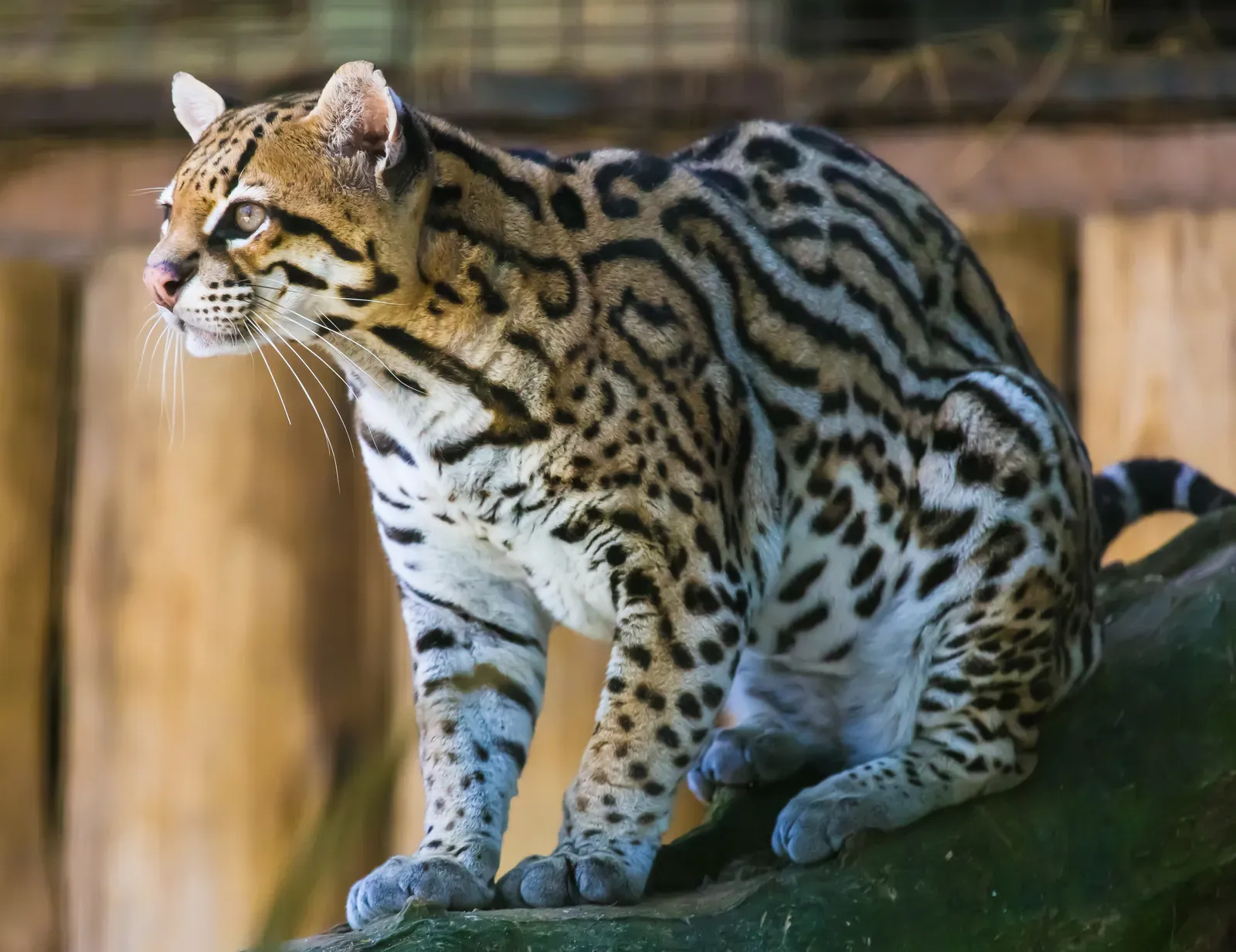
Ocelots walk slowly at a speed of about 0.3 km/h searching for prey, and alternatively, an ocelot may wait for prey for 30 to 60 minutes at a certain site. Think about that patience. In a world where energy conservation matters, the ocelot has perfected the art of efficient hunting through methodical stalking and strategic ambush points.
Moving silently through the terrain, it minimizes noise by placing its paws carefully, a skill essential for sneaking up on unsuspecting animals, and this calculated approach allows the ocelot to close the distance without alerting its prey. Often, they will freeze mid-step if they sense the slightest disturbance. This hunting technique requires incredible discipline but yields results in environments where a failed hunt could mean going hungry for days. The combination of patience, silence, and explosive speed when the moment arrives makes them devastatingly effective predators.
6. Territorial Behavior That Secures Resources
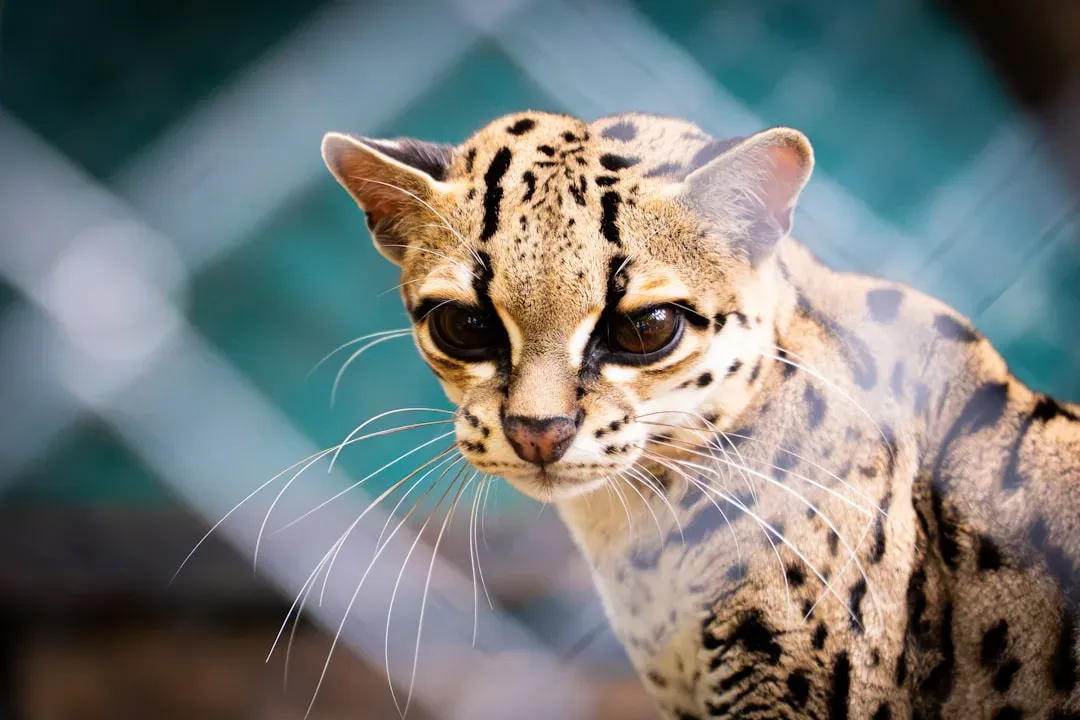
The territories of males are 3.5–46 km2 large, while those of females cover 0.8–15 km2, and territories of females rarely overlap, whereas the territory of a male includes those of two to three females. This territorial organization isn’t random; it’s a carefully balanced system that ensures adequate hunting grounds and breeding opportunities.
To mark their territory, ocelots employ a combination of scent-marking and visual signals, using glandular secretions, urine, and feces to leave a distinct olfactory footprint along the boundaries of their domain. In harsh landscapes where resources are limited, knowing your territory intimately provides enormous advantages. You know where the prey congregates, where water sources exist, and where to find shelter during extreme weather. This territorial knowledge is survival wisdom accumulated over months or years.
7. Climbing and Swimming Skills for Escape and Pursuit
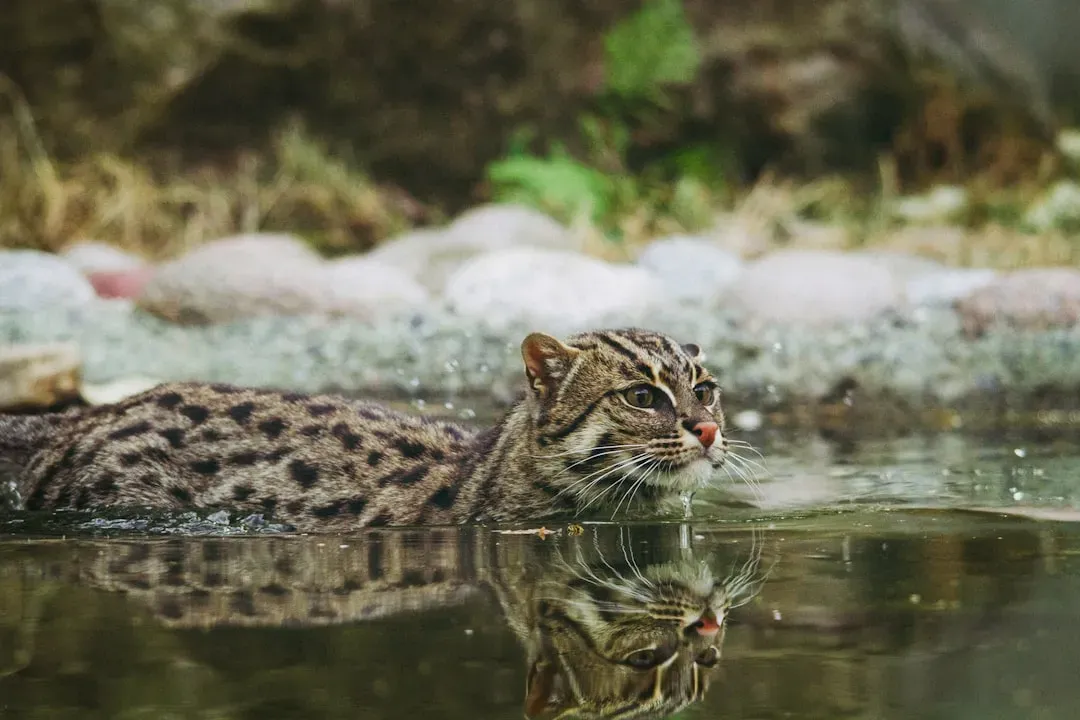
The ocelot is efficient at climbing, leaping and swimming. I think this three-dimensional mobility is absolutely crucial in varied American landscapes. When threatened by larger predators like jaguars or cougars, it escapes predators by jumping on trees.
Despite being observed climbing trees, most hunting is done on the ground, but ocelots are also known to be strong swimmers and have been observed not only foraging in shallow waters but also crossing deeper rivers. This versatility allows them to exploit resources other predators might miss, pursue arboreal prey like birds and tree-dwelling mammals, and navigate landscapes fragmented by waterways. In South Texas where seasonal flooding and drought create constantly changing conditions, being equally comfortable on land, in trees, or in water expands their survival options dramatically.
8. Nocturnal Lifestyle to Avoid Competition and Heat
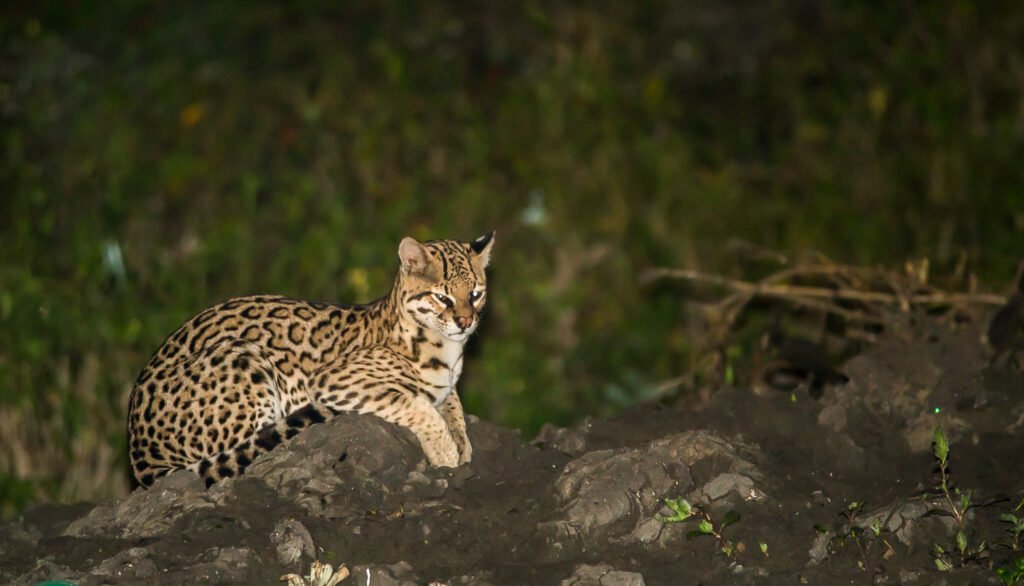
Ocelots are strongly nocturnal, resting in trees or dense brush during the day, and they are very active, traveling from one to five miles per night. This isn’t just about hunting; it’s a strategic choice that reduces competition with larger predators and helps them avoid the brutal daytime heat of places like the South Texas thornscrub.
It has been suggested that the ocelot’s nocturnal behaviour is an avoidance mechanism, allowing it to coexist with the cathemeral puma, and diurnal human activity, and research indicates that ocelots alter their temporal and spatial activity to explicitly avoid humans. By operating under the cover of darkness, they’ve essentially carved out a temporal niche that reduces conflict and danger. The harsh landscapes they inhabit become slightly less harsh when you only have to deal with them during the cooler night hours.
9. Acute Senses of Hearing and Smell for Detection
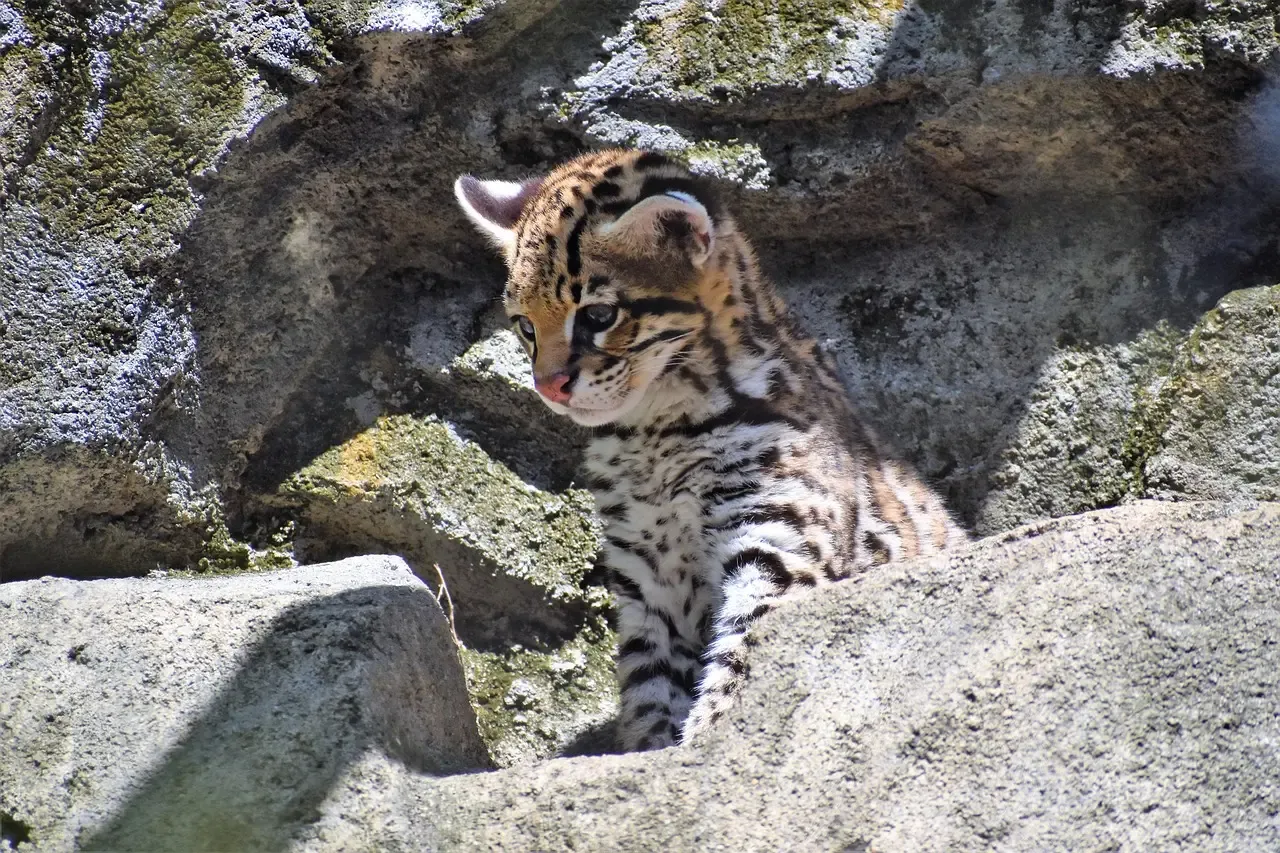
Leopardus pardalis has keen senses of smell and vision. It uses its sense of smell to locate, track, and approach prey as well as to determine territorial boundaries. They have acute binocular vision that is well-developed for hunting at night.
The combination of exceptional hearing and smell creates a sensory network that few prey animals can evade. The ocelot’s keen eyesight is complemented by acute hearing, with ears that can swivel independently to pinpoint the source of sounds. In dense vegetation where visibility is limited, these senses become even more critical. An ocelot can detect the faint scratching of a mouse under leaf litter, follow scent trails hours old, and hear approaching danger long before it becomes visible. This sensory sophistication transforms harsh, challenging environments into readable landscapes rich with information.
10. Proximity to Water Sources for Survival
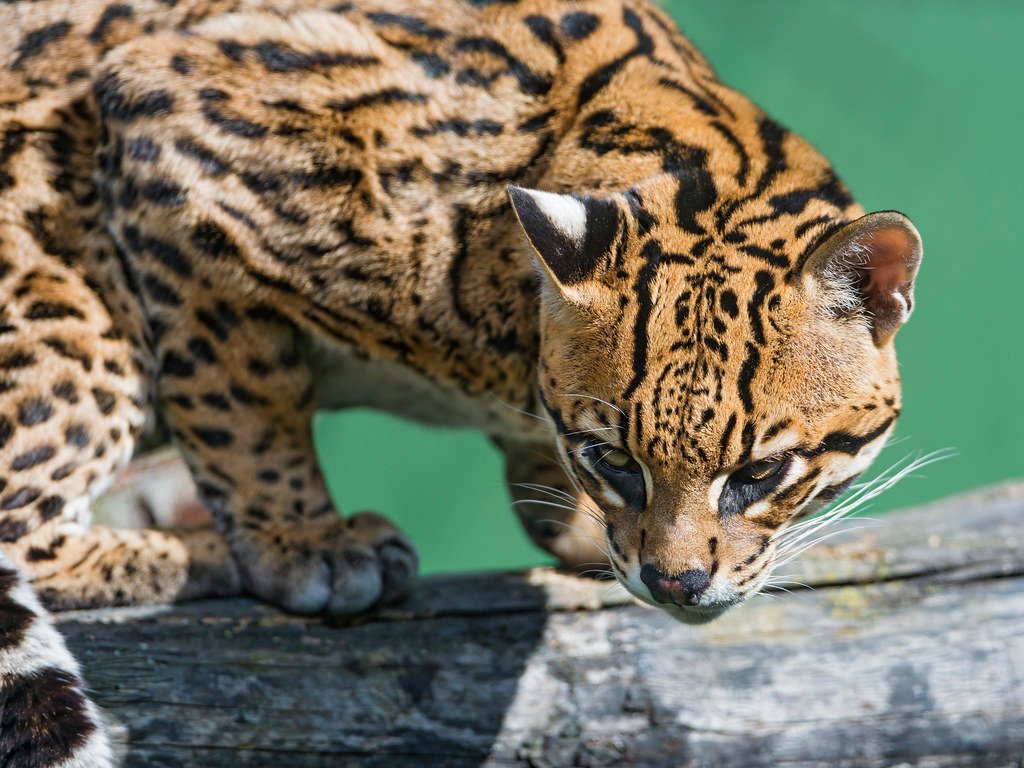
It prefers areas close to water sources with dense vegetation cover and high prey availability. Water is life, and where droughts can last months, knowing where to find reliable water sources is absolutely essential. Ocelots are known to frequent areas near rivers, streams, and other water bodies, which not only provide hydration but also attract prey.
This strategic positioning near water creates a survival multiplier effect. The water attracts prey animals, which in turn attracts the ocelot. The dense vegetation that typically grows along waterways provides the cover they require for hunting and protection. During extreme weather events, these riparian corridors offer microclimates that are more moderate than surrounding areas. By anchoring their territories around water sources, ocelots ensure they have access to the most critical resource while simultaneously maximizing hunting opportunities.
Conclusion
The ocelot’s survival is a testament to evolutionary brilliance and behavioral flexibility. From their unmatched camouflage and night vision to their patient hunting strategies and territorial wisdom, every aspect of their biology works in concert to overcome extreme challenges. These cats remind us that survival isn’t about being the biggest or the strongest; it’s about being perfectly adapted to your environment and flexible enough to respond when conditions change.
Yet their future remains uncertain. With fewer than 100 individuals surviving in the United States and constant pressure from habitat loss and human activity, the ocelot’s remarkable adaptations may not be enough without our help. What do you think about it? Should we do more to protect these incredible survivors? Tell us in the comments.