Your feline companion has spent years bringing joy, comfort, and companionship to your home. Now that they’ve reached their golden years, it’s your turn to return the favor by creating a peaceful haven tailored to their evolving needs. Senior cats face unique challenges that younger felines don’t encounter, from achy joints to heightened sensitivities. The good news? You can transform your living space into a calm sanctuary that helps your aging friend feel secure, comfortable, and cherished.
Honestly, watching a cat age can be bittersweet. They may not leap onto the highest shelf anymore or chase toys with the same ferocity, yet there’s something deeply touching about how they seek out warmth, quietude, and your gentle presence. Let’s dive into how you can make their remaining years as serene and joyful as possible.
Establish Cozy, Orthopedic Resting Spots Throughout Your Home
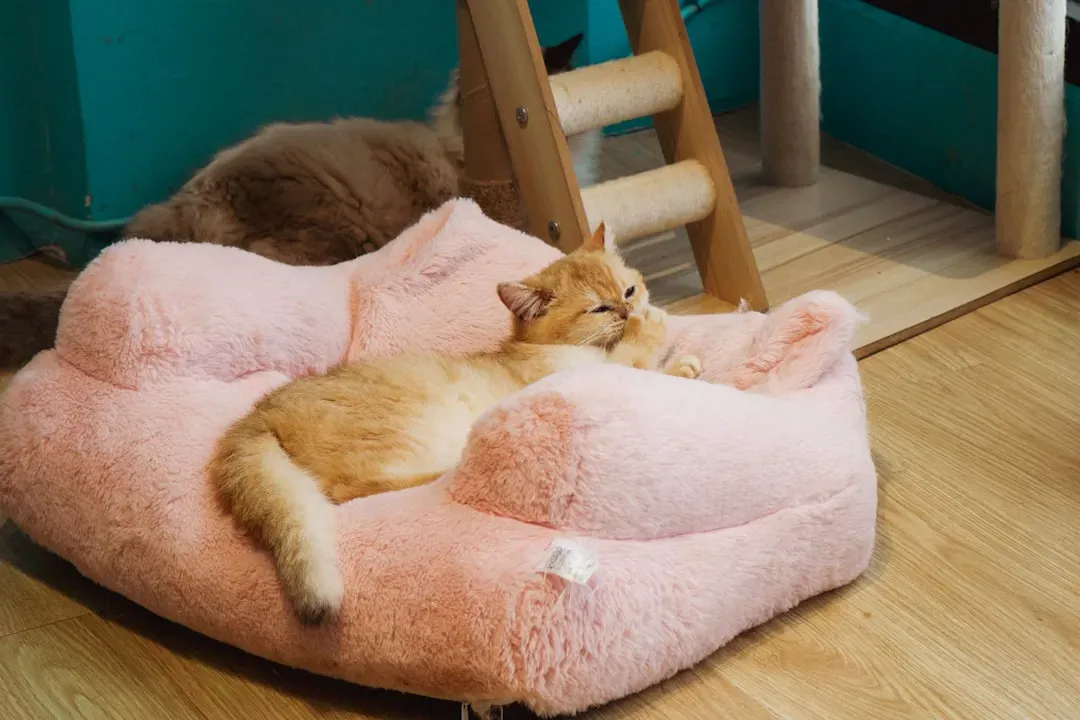
Your aging feline deserves cloud-like comfort for their achy joints, and a plush, orthopedic bed can make all the difference in their sleep quality. Think about placing these beds in draft-free corners where sunlight filters in during the day. Warmth is incredibly soothing for senior cats dealing with arthritis or stiffness.
Position the bed in a draft-free corner where sunlight filters in during the day, and many senior cats appreciate having multiple resting spots throughout your home to accommodate their changing preferences. Consider setting up one bed near a sunny window, another in a quiet bedroom, and perhaps one in a cozy closet where they can retreat when household activity gets overwhelming. The variety allows them to choose based on their mood and comfort level at any given moment.
Create Easy Access to Food, Water, and Litter on Every Level
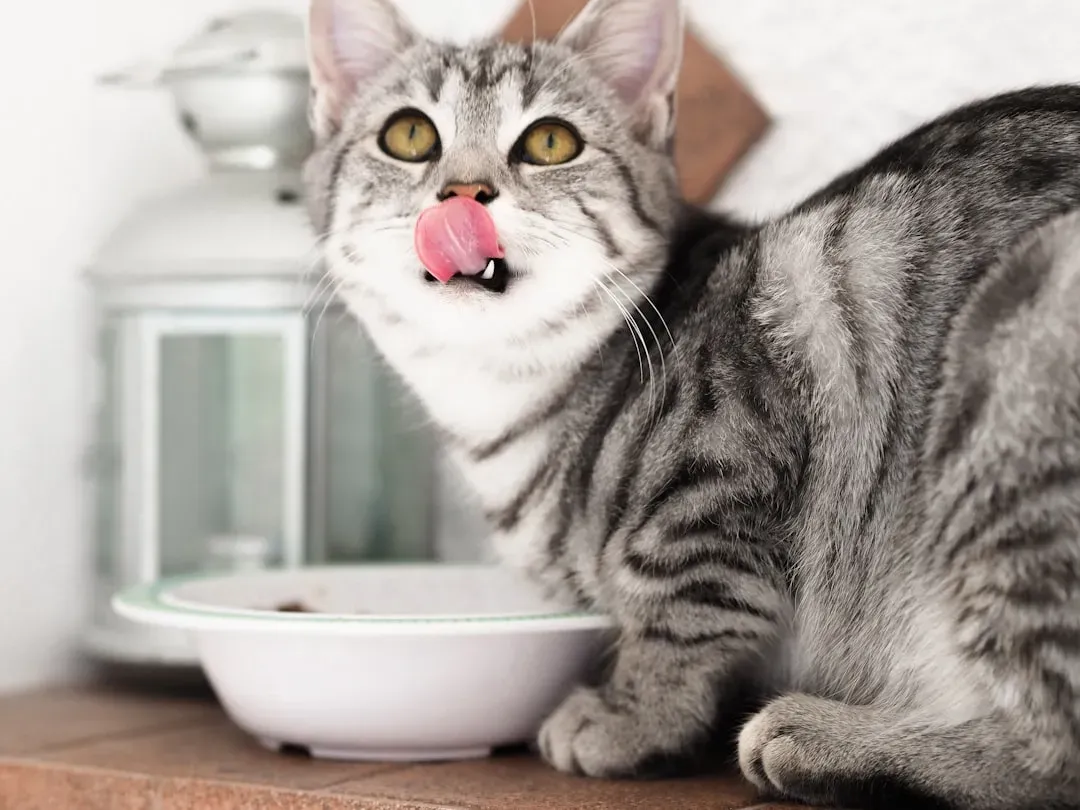
Older cats should have easy access to food, water, and litter boxes, so if they choose not to climb stairs they don’t have to, which may mean placing food and water bowls in more than one place as well. Climbing stairs can become painful or frightening for cats with declining mobility or vision. Eliminating the need to navigate multiple levels for basic necessities reduces stress significantly.
It’s a good idea to install litter boxes on every floor to make them easy to reach, and to help solve problems, use a litter box with very low sides or place newspaper around the litter box. Some senior cats struggle to climb into standard litter boxes due to arthritis in their joints. Providing shallow options makes it easier for them to maintain their dignity and bathroom habits without discomfort or accidents.
Install Ramps and Steps to Favorite Perches
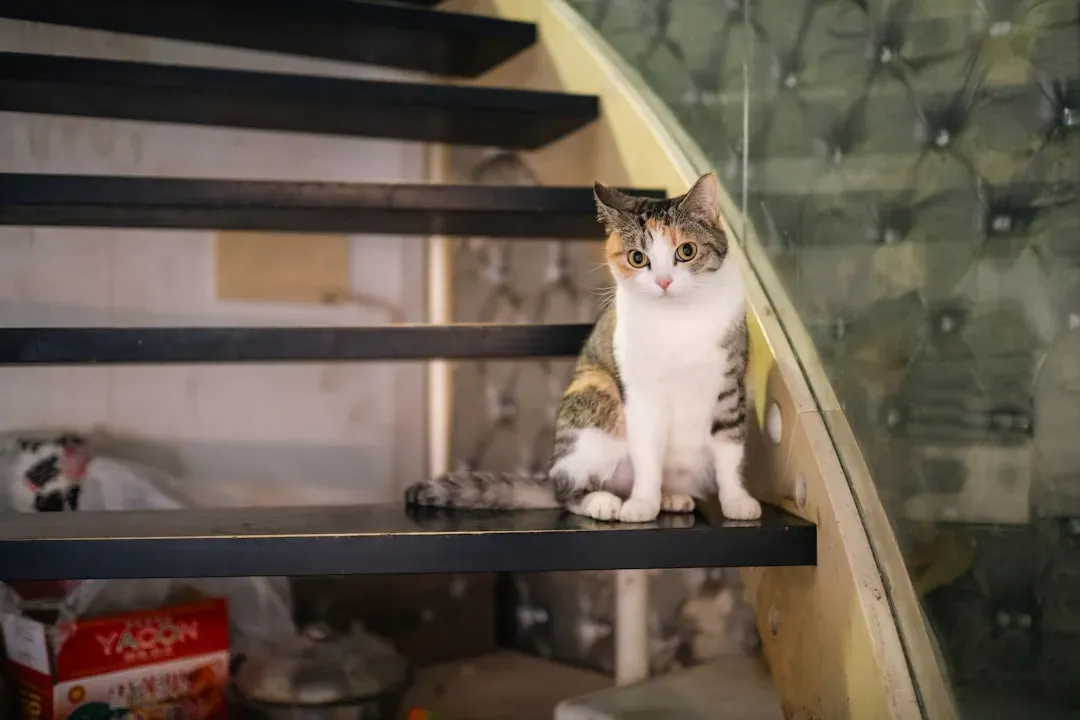
Watching the world from above remains a feline joy, even when jumping becomes difficult, so create a series of low steps or ramps leading to favorite windowsills or perches. Cats are naturally inclined to seek elevated positions where they can survey their territory. Denying them this because of physical limitations can lead to frustration and stress.
Carpeted stairs provide crucial traction for uncertain paws, and the gradual climb preserves their dignity while protecting joints from painful leaps that could result in falls and injuries. You can purchase pet stairs from retailers or get creative with DIY solutions using sturdy boxes or furniture arrangements. The key is ensuring stability and a gentle incline that your senior cat can navigate confidently.
Designate a Quiet Zone Away from Household Chaos
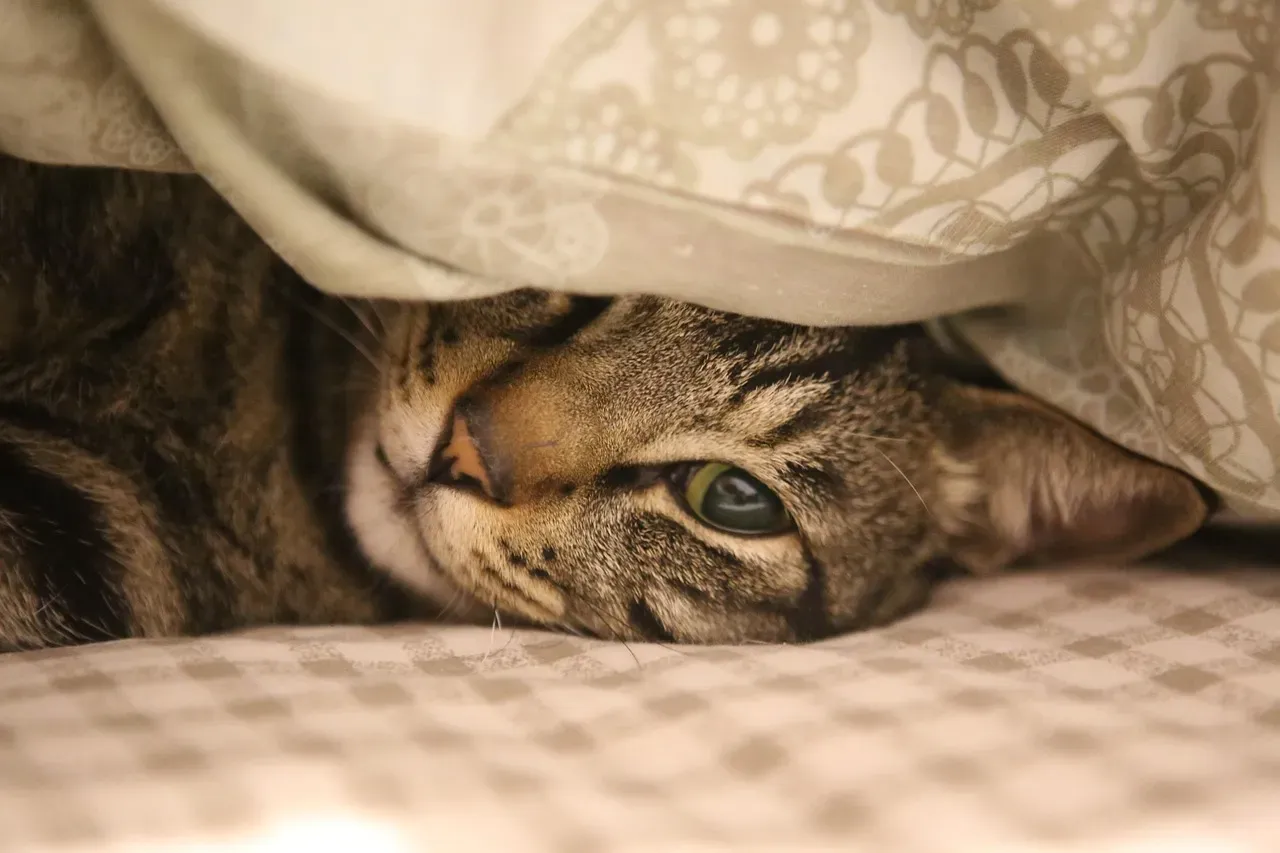
Create a peaceful sanctuary by setting up a quiet zone away from household traffic, and consider using white noise machines near their favorite spots to mask disruptive sounds like street noise or household appliances. Aging cats become more sensitive to noise and commotion. What once seemed like background hum can now feel overwhelming to their heightened sensitivities.
A dedicated sanctuary offers essential security when household activity becomes overwhelming, and a partially enclosed space like a converted cabinet or specialized cat tent provides the perfect escape with familiar-scented bedding positioned away from household traffic. Let’s be real, even the most social cat needs solitude sometimes. This becomes especially true as they age and their tolerance for stimulation decreases.
Use Calming Pheromones to Ease Anxiety
Synthetic feline pheromones work wonders for anxious senior kitties as these miraculous molecules mimic the natural facial pheromones cats leave when they rub against objects, creating an invisible comfort zone that helps reduce stress. These diffusers are undetectable to humans but speak volumes to your cat’s emotional state. They essentially create an olfactory message that says “this place is safe.”
Place diffusers strategically in rooms where your elderly cat spends most time for maximum benefit. Products like Feliway have become increasingly popular among cat owners dealing with anxiety issues. The best part? They’re easy to use and completely non-invasive, requiring no pills or stressful administration routines.
Maintain a Predictable Daily Routine
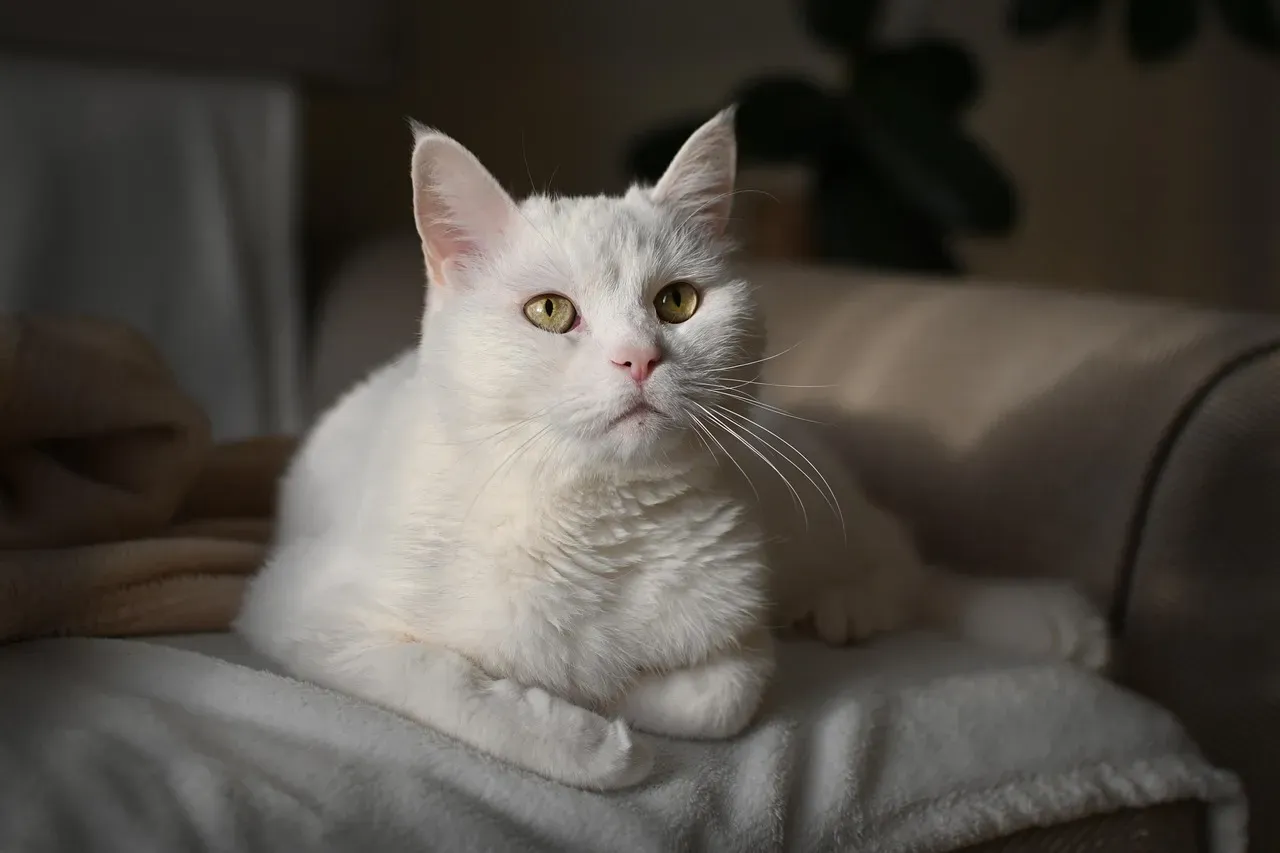
Older cats cherish predictable days more than younger cats do, as just like we become set in our ways as we get older, cats do too. Routine provides a sense of security and control in a world that might be becoming more confusing or difficult for your senior companion. They find comfort in knowing when meals arrive, when playtime happens, and when you’ll be home.
Try to keep your senior cat on a set schedule of feedings, naps, and play times as this helps stimulate their brains and gives them something to look forward to. Disruptions to established patterns can trigger anxiety or behavioral changes. If you must make modifications to your household, introduce them gradually and always with your cat’s comfort in mind.
Provide Gentle Grooming Assistance
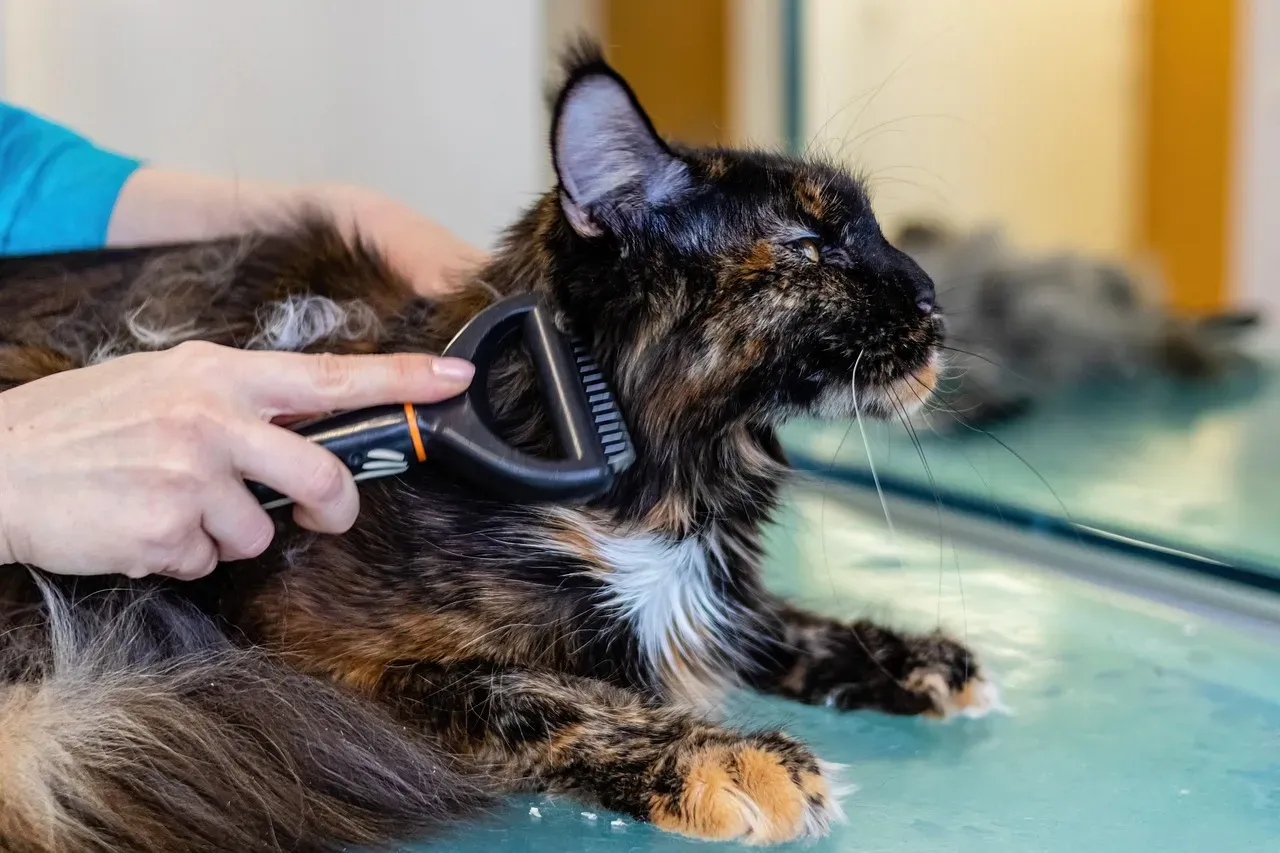
Arthritis often prevents older cats from reaching all areas during self-grooming, and a soft-bristled brush removes loose fur that could form uncomfortable mats while stimulating healthy blood circulation. Grooming isn’t just about appearances. It’s about maintaining your cat’s dignity and preventing painful tangles that can pull at sensitive skin.
Keep sessions brief, just 5 to 10 minutes daily, as the rhythmic strokes release endorphins, creating a bonding ritual that soothes anxious seniors who may feel vulnerable as their physical abilities change. I think there’s something incredibly tender about helping an aging cat with tasks they once handled independently. It deepens your connection and shows them they’re still cared for, even as their capabilities shift.
Offer Low-Impact Play and Mental Stimulation
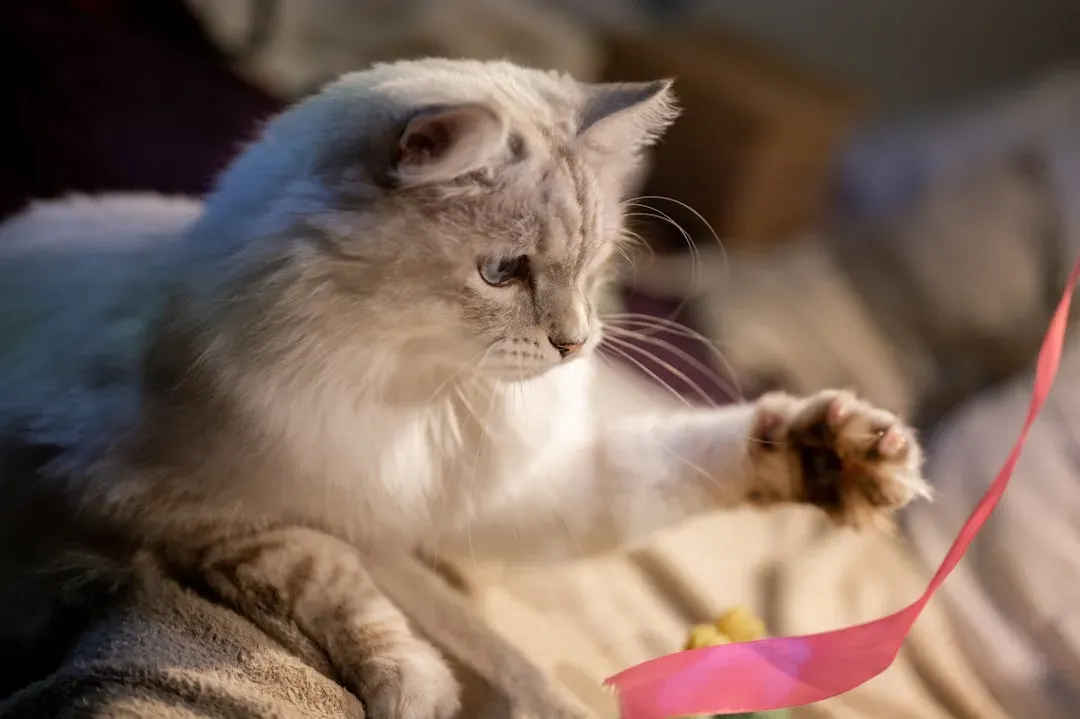
Appropriate activity maintains muscle tone and joint flexibility in aging cats, and feather wands moved slowly along the ground accommodate limited mobility while satisfying hunting instincts. Play doesn’t have to be vigorous to be valuable. Even gentle interaction keeps their mind engaged and their body moving, which helps prevent both physical and cognitive decline.
Catnip-filled soft toys offer enrichment without requiring jumping or running, and keeping play sessions brief – just 2 to 3 minutes several times daily – prevents fatigue while celebrating even minimal participation helps maintain their confidence during this vulnerable life stage. You might also consider puzzle feeders that stimulate their natural hunting behaviors without demanding physical exertion. The mental challenge alone provides valuable enrichment.
Adjust Lighting for Comfort and Safety
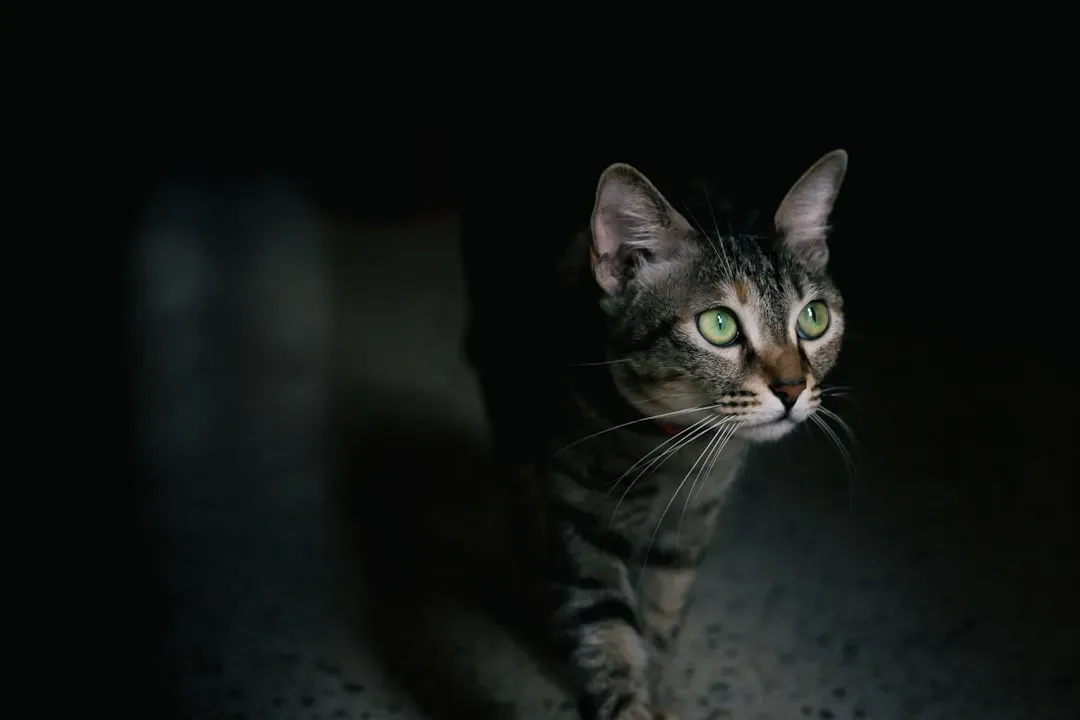
Senior cats often experience vision decline, making nighttime navigation particularly challenging. Installing nightlights throughout your home helps them move around safely after dark without bumping into furniture or missing steps. This simple modification can dramatically reduce anxiety and prevent injuries from falls or collisions.
Conversely, some aging cats become more sensitive to bright light. Providing dimmer switches or adjustable lighting options allows you to create a soothing atmosphere that doesn’t strain their eyes. Pay attention to your cat’s behavior around different lighting conditions and adjust accordingly to maximize their comfort.
Keep Their Environment Warm and Draft-Free
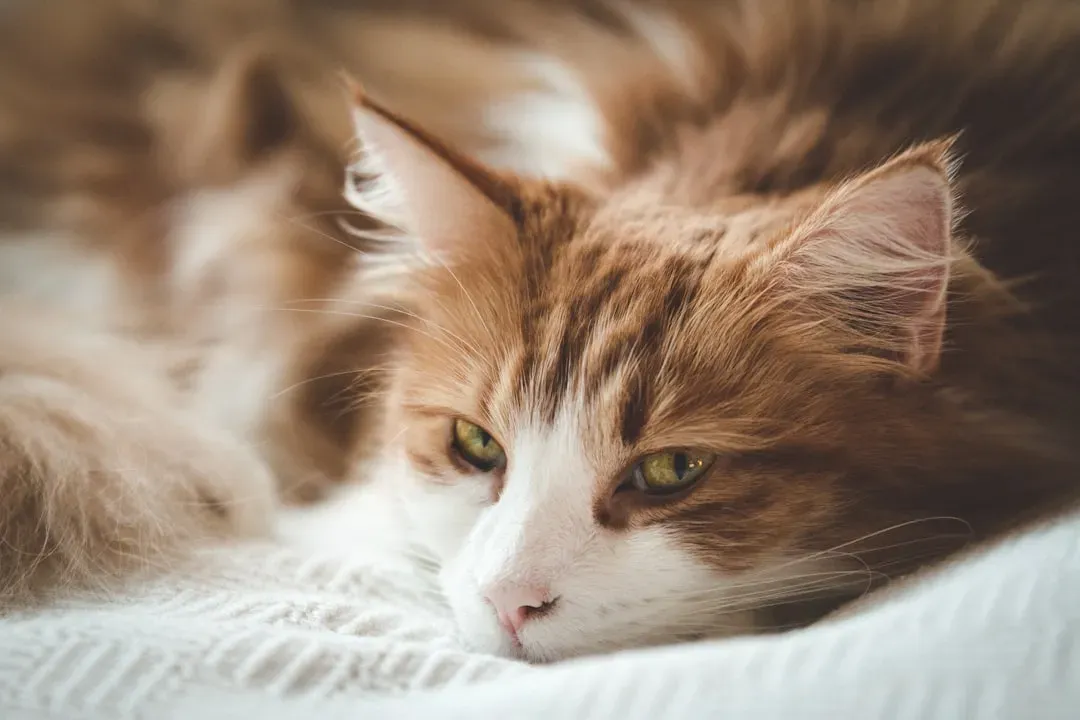
Place beds against a wall, furniture or in a corner to help them feel safe, and keep the space at a comfortable temperature as older pets are more sensitive to temperature extremes. Senior cats often struggle to regulate their body temperature effectively. What felt comfortable a few years ago might now leave them shivering or seeking out heat sources constantly.
Consider providing heated beds with safety features designed for senior cats. These offer gentle warmth that soothes achy joints and provides the cozy comfort your aging feline craves. Position regular beds near heating vents or in sunny spots, and always ensure they have access to cooler areas if they become too warm.
Conclusion
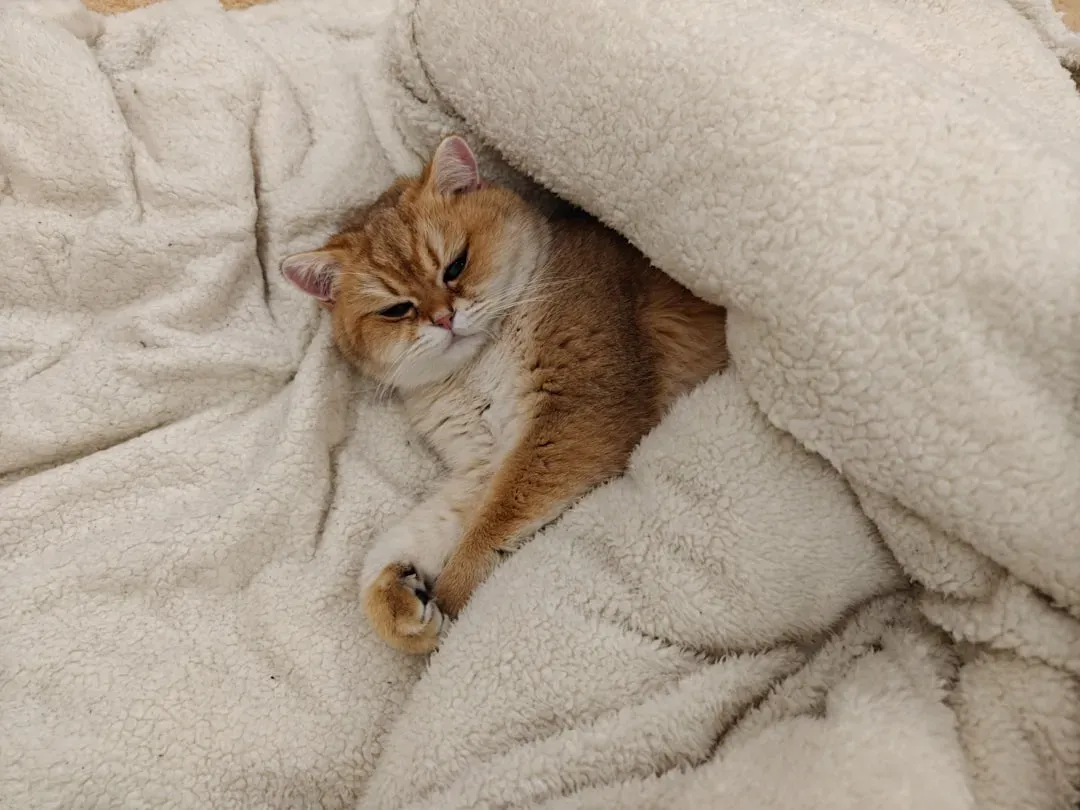
Creating isn’t about expensive renovations or complicated systems. It’s about understanding their changing needs and making thoughtful adjustments that honor the years of companionship they’ve given you. From orthopedic beds to predictable routines, each modification sends a powerful message: you’re safe, you’re loved, and you’re home.
The golden years can be some of the most rewarding times with your feline friend if you take the time to accommodate their evolving requirements. What changes have you made to help your senior cat feel more comfortable? Share your experiences in the comments below.