You notice your feline friend scratching more than usual, and that familiar feeling of dread sets in. Fleas. Just the thought of those tiny, jumping parasites makes most cat owners cringe. Here’s the thing, though: dealing with fleas doesn’t have to be the nightmare scenario you’re imagining. Your cat’s sudden obsession with scratching might actually be their way of showing just how resourceful they are at trying to solve their own problems. That itchy behavior? It’s smart survival instinct kicking in.
What makes your cat truly clever is that they already know something’s wrong, even before you spotted the first flea. Their grooming habits intensify, their alertness spikes. They’re trying to tell you something important. So let’s dive into the practical ways you can help your brilliant companion win this battle against these persistent pests. Be surprised by what simple solutions might already be sitting in your home.
Reach For Veterinary Prescribed Flea Treatments First
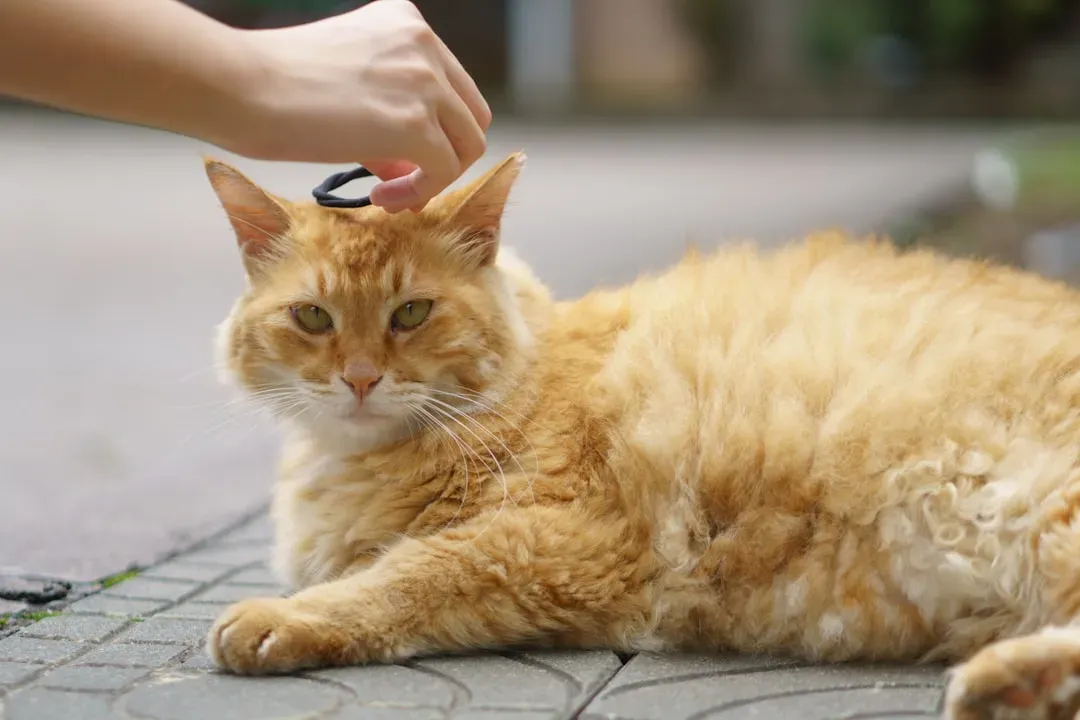
Using a vet-recommended flea preventive is the most effective treatment for eliminating fleas on cats. Let’s be real here: when your cat has fleas, you want them gone fast. Many veterinary-approved products are available, including topical preventives that are applied to the skin and kill adult fleas, typically applied monthly and ideal for cats who don’t easily accept pills.
Your vet knows your specific cat, their health history, and what works best for felines in your area. Some topicals provide broad-spectrum coverage, treating a range of external and internal parasites. Think of it like this: you wouldn’t try to fix your car’s engine with duct tape when a mechanic has the right tools, would you? Same principle applies here. Modern flea medications are designed to break the flea life cycle at multiple stages, something home remedies simply can’t match.
Give Your Cat A Gentle Bath With Dish Soap
Bathing your pet with a mild soap or shampoo will kill adult fleas, and soap will kill adult fleas. Now, before you panic about wrestling your cat into the tub, know that this method works surprisingly well for immediate relief. Dish soap is effective at killing fleas by breaking down their exoskeletons, so you wet your cat’s coat, lather with dish soap, and rinse thoroughly.
The trick is being patient and using lukewarm water. Most cats tolerate baths better when they’re introduced gradually. Be cautious, as frequent use can dry out your cat’s skin. You’re not trying to bathe your cat every day; this is a strategic strike against the adult fleas currently on their body. One bath can physically remove many of those pests, giving your cat instant relief while you implement longer-term solutions.
Use A Flea Comb Daily For Hands-On Control
Use a flea comb to remove fleas, their feces, and dried blood, focusing on the neck and the area around the tail. This method requires patience, but honestly, it’s one of the most satisfying ways to tackle fleas because you can see your progress immediately. Aim to brush your cat with a flea comb at least once per day to pull fleas off of them, keeping a bowl of dish-soapy water nearby to dip the comb into, as this will drown the fleas.
Think of flea combing as quality bonding time with your clever cat. They’re smart enough to appreciate the relief you’re providing. Fleas typically reside around the neck and tail areas, and even if you think the problem is handled, comb your pet for a few days to ensure fleas aren’t recurring. Your cat might even start coming to you for these sessions once they realize how much better they feel afterward. That’s feline intelligence at work.
Apply Apple Cider Vinegar As A Natural Repellent
Although apple cider vinegar does not kill fleas, it may be helpful as a natural flea repellent, and pet parents can mix one cup of vinegar with one cup of water and gently spray or wipe their cat’s fur using a cloth. Your ingenious cat has skin pH levels that can be slightly altered by this mixture, making them less appealing to fleas.
The key word here is “repellent” rather than “killer.” Homemade recipes generally do not kill fleas on cats, but instead repel them. This works best as a preventive measure or alongside other treatments. Some cats actually don’t mind the smell, while others might give you that classic feline look of disapproval. Start with small applications to see how your particular cat reacts. I think it’s fascinating how such a simple kitchen staple can make your cat less attractive to parasites.
Treat Your Entire Home And All Bedding

When treating cat fleas, you’ll also need to treat your home, including any bedding your pets use, all carpets and rugs, plush toys, and anything else that might harbor flea eggs. Here’s where many people make a critical mistake: they treat the cat but forget that roughly about ninety-five percent of the flea population actually lives in your environment, not on your pet.
All flea life stages must be eradicated to prevent reinfestation. Think of it like this: you wouldn’t just remove the visible ants and ignore the nest, right? Vacuum thoroughly, especially in corners and under furniture where your smart cat likes to nap. Thoroughly clean or throw out and replace your pet’s bedding. Wash everything in hot water. It’s tedious work, but your cat’s comfort depends on it. They chose you as their human for a reason, and this is where you prove you’re worthy of that trust.
Try Coconut Oil For Soothing And Smothering
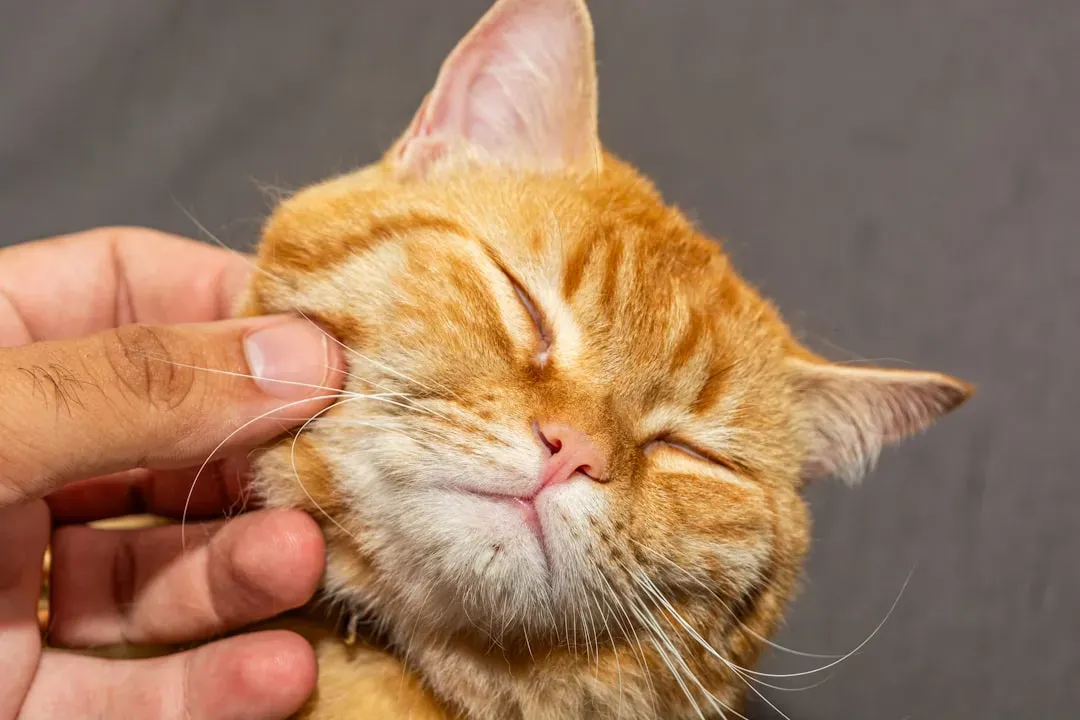
Coconut oil can smother fleas and soothe itchy skin, and after a bath with flea shampoo, you can apply coconut oil to your cat’s fur, let it sit, then rinse and dry your cat thoroughly. Your cat might actually enjoy this treatment because coconut oil has a naturally pleasant scent and provides immediate relief to irritated skin.
Applying coconut oil to your feline’s skin can help soothe irritation as well as battle infestation, killing many parasites, including fleas, while also providing your pet with a comforting relief from skin irritation. The oil works by essentially suffocating the fleas. It’s hard to say for sure, but some cats seem to instinctively understand that this treatment helps them. Just watch for any stomach upset if your fastidious groomer decides to lick off more than they should.
Vacuum And Clean Your Home Obsessively
Adult fleas only account for about five percent of an existing flea population, and ninety-five percent of the fleas in your home are in earlier stages of the life cycle. This is the stat that should motivate you to break out the vacuum cleaner daily. Your cat can’t tell you about the flea eggs hiding in your carpet, but they’re counting on you to figure it out.
Homes with carpets and central heating provide ideal conditions for the year-round growth of fleas, and the highest numbers of flea eggs, larvae, and pupae are found in areas of the house where pets spend the most time, such as their beds and furniture. Focus your cleaning efforts where your clever cat spends most of their time. That sunny spot by the window? That’s probably a flea nursery now. Empty your vacuum immediately after each use, preferably outside, to prevent fleas from crawling back out. Your cat will notice the difference even if they don’t show it right away.
Consider Food-Grade Diatomaceous Earth For Carpets
Vacuum carpets and furniture frequently, and consider using diatomaceous earth in your home as a natural pest control method, including food-grade diatomaceous earth in your home and lawn to keep fleas away. This powdery substance works like tiny shards of glass to insects but is harmless to you and your cat when you use the food-grade version.
Sprinkle it lightly on carpets, leave it for a few hours, then vacuum thoroughly. The microscopic particles damage the fleas’ exoskeletons, causing them to dehydrate. Your smart cat might be curious about this new powder at first, but since it’s non-toxic, there’s no need to panic if they investigate. Still, you want to minimize dust in the air during application. This method requires patience; it won’t work overnight, but it adds another layer to your comprehensive flea battle strategy.
Treat All Pets In Your Household Simultaneously

, you’ll need to treat all the pets in your home, including dogs, other cats, and small mammals, such as rabbits or guinea pigs. Your cat might be the smartest pet in the house, but they can’t protect themselves from fleas jumping over from your dog or other animals.
It is important that if you have additional pets in your home, you make sure they are all on safe and effective flea preventatives as well, and if your cat has fleas, it’s likely that your other pets do too, so they will all need to be treated. Think of flea treatment as a team sport. One untreated animal becomes a reservoir for reinfestation, and all your hard work goes out the window. Coordinate with your vet to ensure you’re using appropriate treatments for each species, because what works for dogs might be dangerous for cats.
Maintain Year-Round Prevention For Long-Term Success

Year-round flea prevention is important for indoor cats as well as those who are allowed to spend time outdoors. Let me tell you, the biggest mistake cat owners make is stopping flea prevention once they don’t see any more fleas. Your observant cat would probably tell you that’s a terrible idea if they could talk.
A product will only be effective for as long as the manufacturer states, which is typically one month for most preventative products, so strict compliance is necessary if you wish to maintain a parasite-free home and cat. Once a preventative has lapsed, it can take roughly about one to two days for the next dose to start working and to re-start any protection for your cat, and the period between protection lapsing can be critical, as an adult female flea can lay approximately forty to fifty eggs a day. Set phone reminders. Make it a routine. Your cat’s intelligence shows in how they trust you to handle these invisible threats they can’t control.
Conclusion: Your Cat’s Comfort Is Worth The Effort
Getting rid of fleas on cats requires persistence, patience, and a multi-pronged approach. Your cat is clever enough to know when they’re uncomfortable, and they’re relying on your problem-solving skills to help them out. From veterinary treatments to home remedies, from deep cleaning to prevention, each step plays a crucial role in winning this battle.
The truth is, your cat’s constant grooming and heightened awareness during a flea infestation shows their natural intelligence at work. They’re not just being difficult or dramatic. They’re responding to a genuine threat to their comfort and health. By implementing these ten methods consistently, you’re not just eliminating pests; you’re proving yourself worthy of your cat’s trust. What do you think? Ready to show those fleas who’s boss? Your brilliant cat is counting on you.