You love your indoor cat and want them to live their best life. Yet sometimes you wonder if the daily routine of eat, sleep, repeat is really enough to keep your feline friend thriving. The good news is that indoor living doesn’t have to mean boredom or frustration.
Without access to the outdoors, cats often face boredom, stress, obesity, and even behavioral issues. Providing your cat with activity will give them an outlet to vent their excess energy, and it can also help with problem behaviors like aggression, litter box issues, and bullying. Think of enrichment as your cat’s daily dose of adventure, all contained within the safety of home.
Create Vertical Territory for Natural Climbing
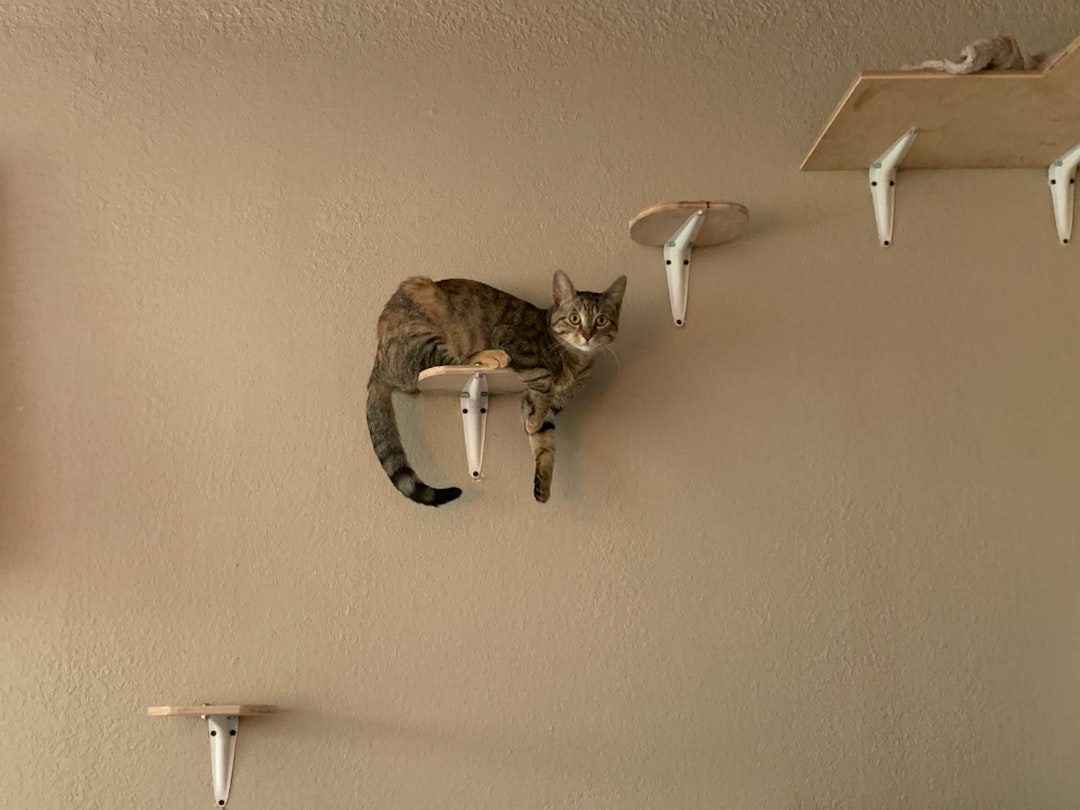
In the wild, felines are predators and prey, and they feel more comfortable and confident when they can survey their environment from above. Your indoor cat still carries these instincts deep in their bones.
Installing wall shelves, cat trees, or climbing towers transforms your empty wall space into a feline highway. Cats need their vertical space for well-being, activity and weight loss, natural instincts and mental stimulation. I’ve seen the most sedentary cats suddenly turn into acrobats when given proper vertical options.
Even simple floating shelves spaced about twelve to sixteen inches apart can create an exciting climbing route. Climbing, jumping, and balancing on shelves keeps indoor cats active, preventing obesity and boredom. Elevated perches reduce anxiety in shy cats by offering them “safe zones”.
Transform Mealtime into Interactive Hunt Sessions
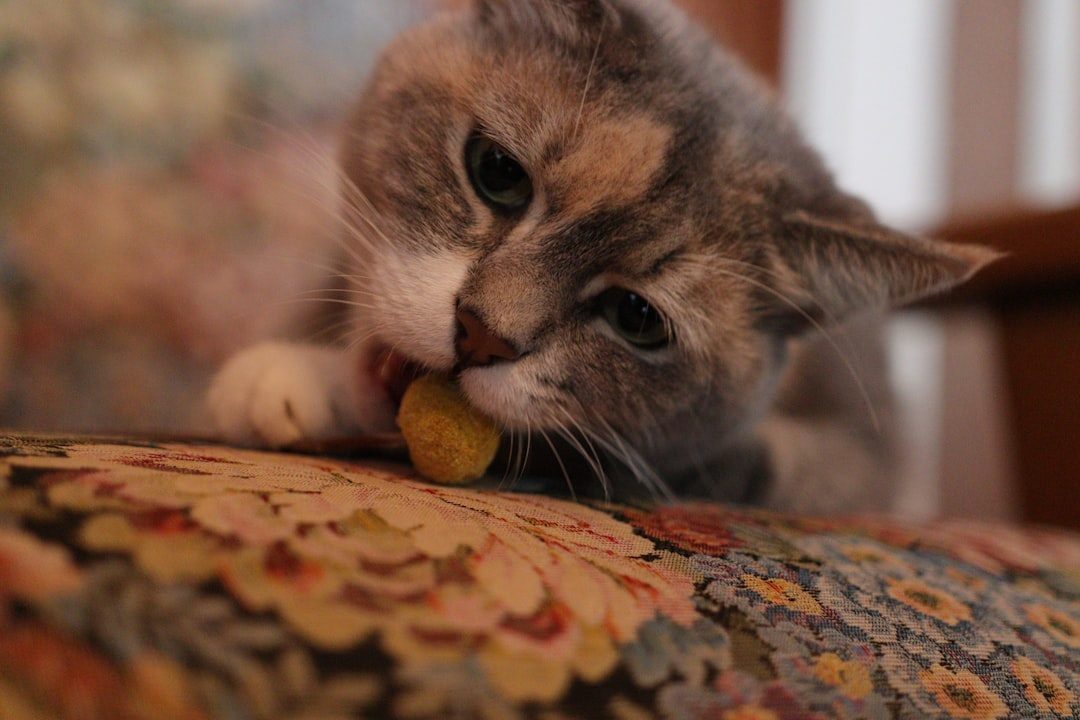
Just like dogs, cats can benefit from turning their typical mealtime routine into an enrichment activity. Puzzle feeders and interactive toys encourage mental stimulation by making your cat work for their food. This simple change can revolutionize your cat’s entire day.
Puzzle feeders dispense small amounts of kibble when your cat interacts with them, stimulating their hunting instincts and providing a rewarding challenge. You can start with commercially available puzzle feeders or get creative with DIY options using toilet paper rolls or muffin tins.
This slows down fast eaters, prevents overeating, and gives indoor cats a foraging challenge similar to hunting. Even homemade options – like scattering dry food in egg cartons or toilet paper tubes – can stimulate problem-solving instincts while keeping mealtime interesting. Watching your cat figure out these feeding puzzles becomes entertainment for both of you.
Establish Daily Interactive Play Routines
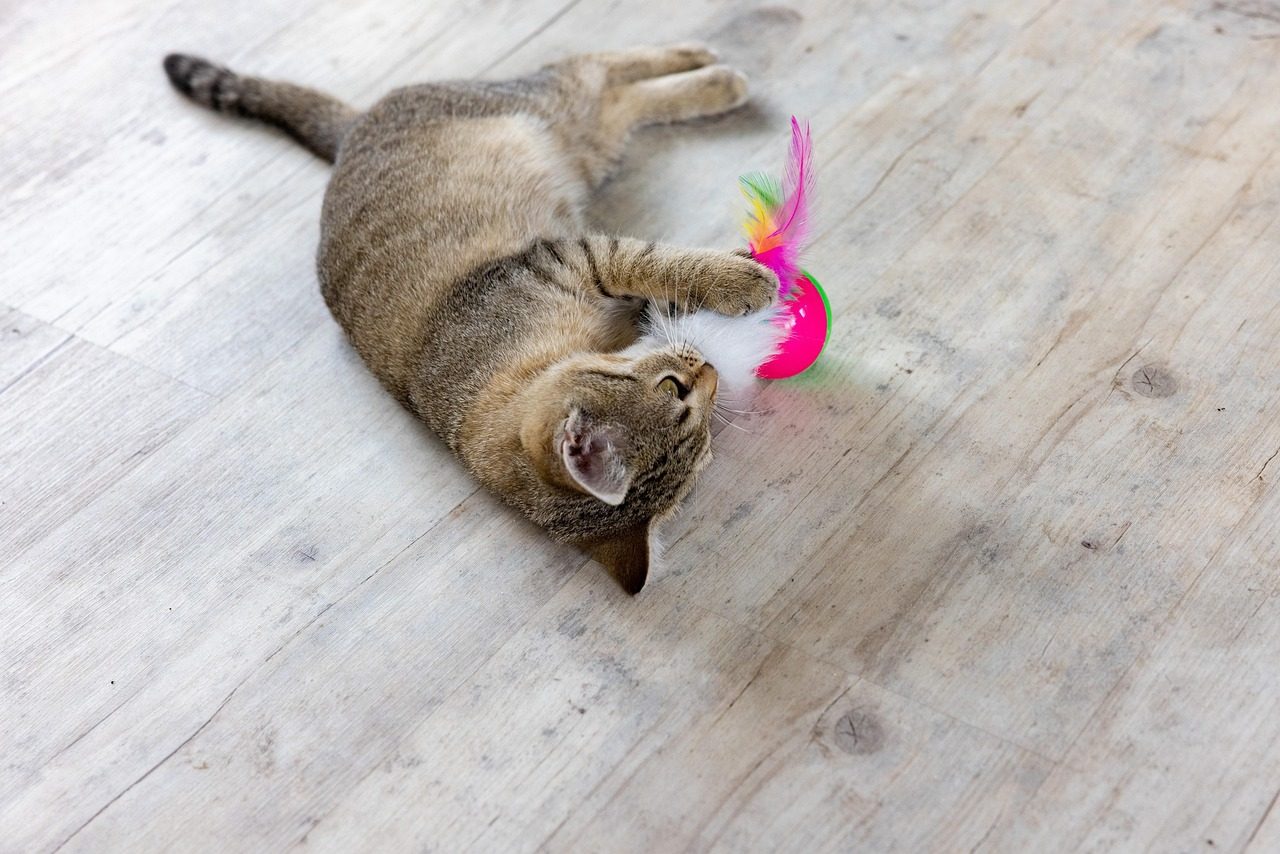
Schedule daily one-on-one playtime with interactive toys like feather wands, string chasers, or laser pointers. This not only keeps your cat physically active but also strengthens your bond. Think of yourself as the director of your cat’s personal action movie.
You can use feather wands or motorized toys to mimic prey animal movements and encourage your cat to run and jump as they go in for the “kill”. The key is consistency rather than duration. Even fifteen minutes of focused play can make a dramatic difference.
Engaging your cat in play encourages physical activity, contributing to their overall health and fitness. Play stimulates your cat’s mind, challenging their intelligence and satisfying their natural curiosity. I’ve noticed that cats who get regular interactive play sessions tend to sleep more soundly and cause less mischief during the night.
Install Window Entertainment Centers
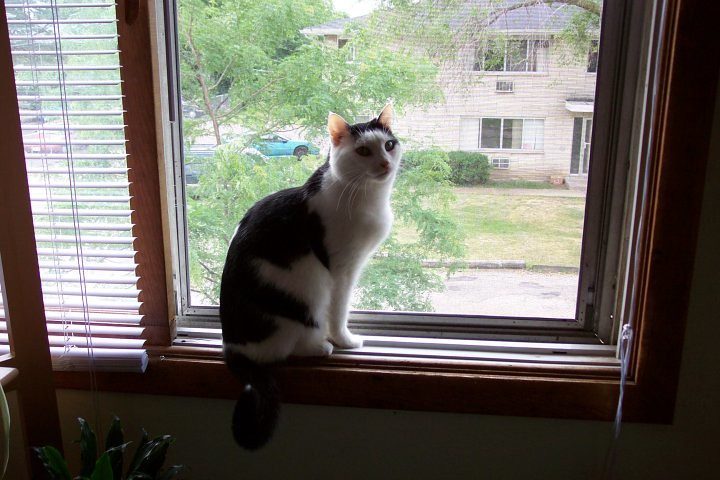
Cats are fascinated by bird activity, passing wildlife, and changing scenery. By providing a window view, you enable them to engage with the sights and sounds of the outdoors, stimulating their senses and preventing boredom. Your windows become nature’s television for your indoor cat.
One of my all-time favorite cat enrichment ideas is giving cats a front-row seat to the outside world. I set up sturdy window perches in sunny spots, and they’ve become prime real estate in my house. The combination of warmth and visual stimulation proves irresistible to most cats.
A birdbath or bird feeder placed within sight of the window can increase your cat’s enjoyment. Even the smallest apartment window can become an entertainment hub with the right setup and a comfortable perch.
Provide Diverse Scratching Opportunities
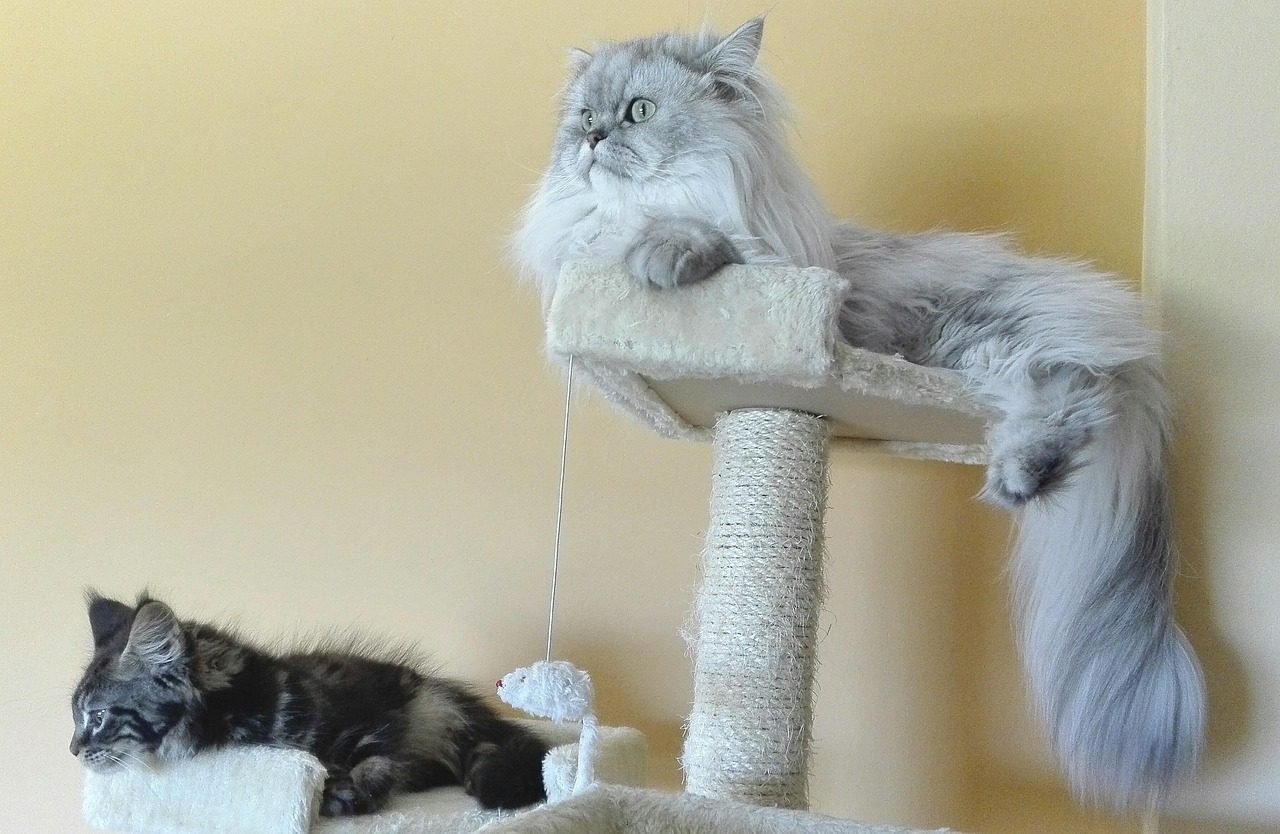
Scratching is a natural instinct for cats that’s essential for their mental health. Cats scratch to keep their claws healthy, stretch out their muscles, and leave scent messages for other cats. This behavior isn’t optional for your cat – it’s hardwired into their DNA.
Scratching posts come in various materials, such as sisal, cardboard, and rope. Offer several options at first to determine your cat’s scratching preference. Offer vertical and horizontal scratching posts and pads. Some cats prefer the satisfying resistance of sisal rope, while others enjoy the corrugated texture of cardboard.
Scratching is part exercise, part manicure, and part stress relief for cats. Place scratching surfaces near your cat’s favorite sleeping spots and high-traffic areas where they naturally want to mark their territory.
Design Hiding Spots and Safe Retreats
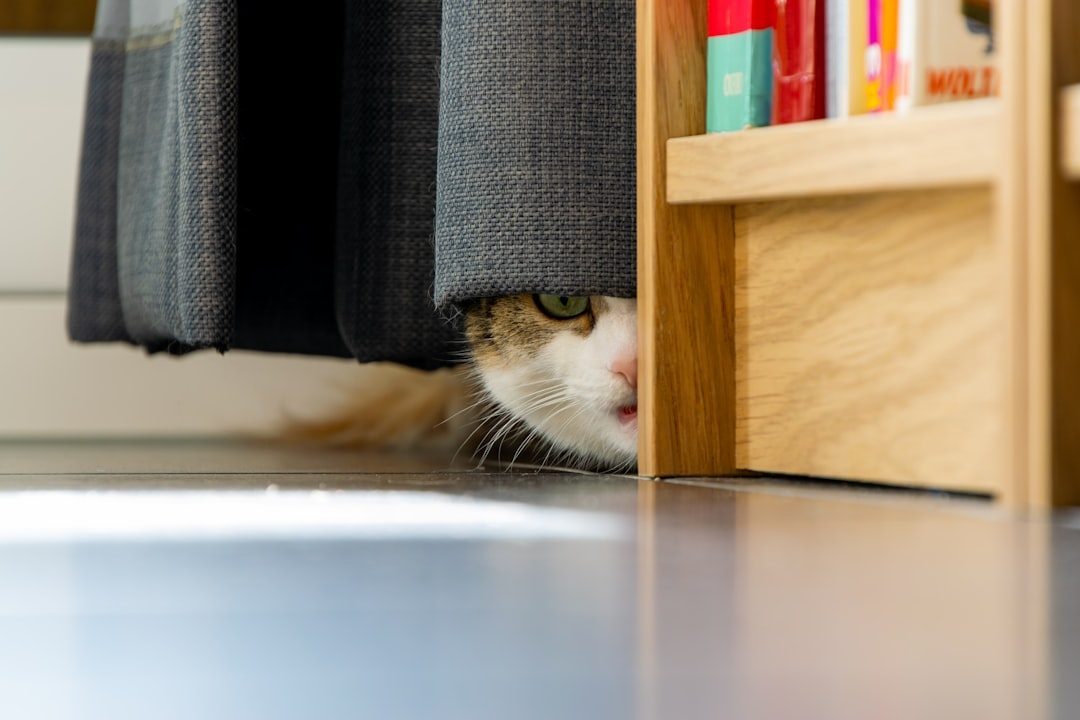
Every animal needs a “comfort zone” where they can go to feel safe and relax. Closets, open crates, high shelves, cat trees, the space under beds, and rooms sectioned off with baby gates are great places to put a comfy cat bed or blanket to create a safe place. Even the most confident cats need somewhere to decompress.
Use cardboard boxes, paper bags, or soft fabric tunnels to create hiding spots. These mimic prey-hunting scenarios and offer a fun space for your cat to explore and retreat. The beauty of cardboard boxes is their disposability – when they get worn out, simply replace them.
Think of these spaces as your cat’s personal stress-relief centers. Providing opportunities for safe exploration and hiding spaces can reduce anxiety and stress in indoor cats. Even a simple cardboard box can become a fortress of solitude for an overwhelmed feline.
Rotate Toys to Maintain Novelty
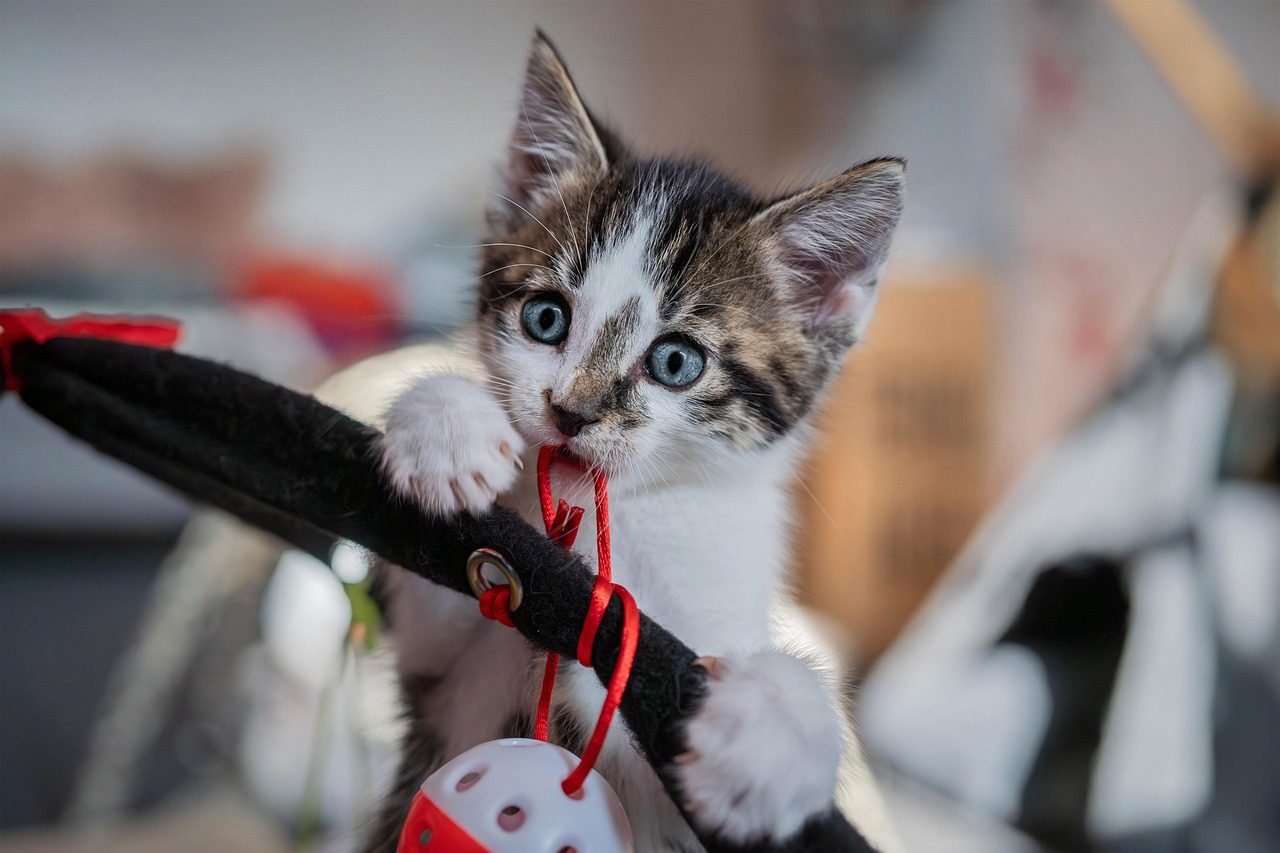
Don’t leave all your cat’s toys out at once. Rotate them weekly to keep things fresh and exciting. This simple tactic keeps cats curious and prevents overstimulation. It’s like having a constantly refreshed toy store for your cat.
Every cat is an individual and might not always enjoy the same things as other cats. What captivates one cat might bore another completely. Keep a mental note of which toys generate the most enthusiasm and make those part of your regular rotation.
The goal isn’t to overwhelm your cat with choices but to provide just enough variety to spark curiosity. I often make a few at once and rotate them, so the cats never get bored of the same toy. It’s such an easy, inexpensive way to keep indoor cats active, curious, and happily tired out by the end of the day.
Use Scent Enrichment for Sensory Stimulation
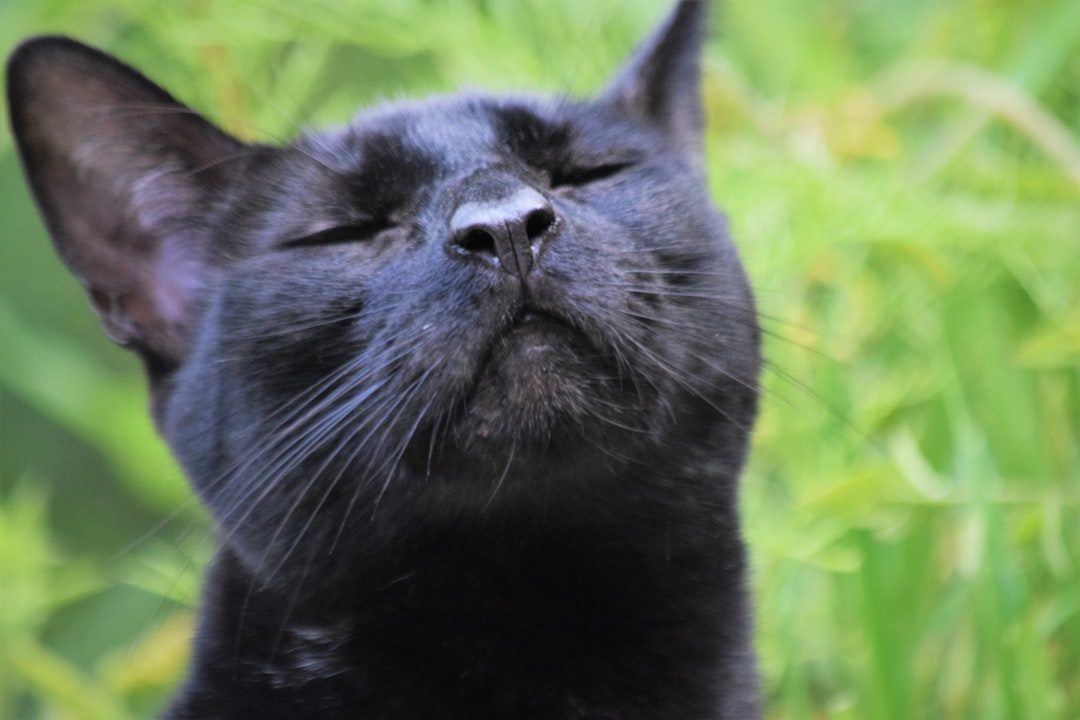
Use cat-safe herbs like catnip, silvervine, or valerian to stimulate your cat’s sense of smell. Sprinkle these on toys or scratching pads for a sensory experience that cats love. Your cat’s nose is incredibly sensitive, and scent-based enrichment taps into this natural superpower.
Nose work activities are when you hide treats or food for your cat to sniff out and forage. Examples of nose work activities include hiding treats in crumpled up paper or paper bags and placing them around a room, or filling plastic Easter eggs with treats for your cat to “hunt”. This transforms your living room into an exciting treasure hunt.
Both catnip and silvervine can spark bursts of playful energy, encourage exercise, and add variety to your cat’s routine. I like to rotate between them so the effect stays fresh and exciting. Remember that not all cats respond to catnip, but silvervine often works for those who don’t.
Create Outdoor Access Safely
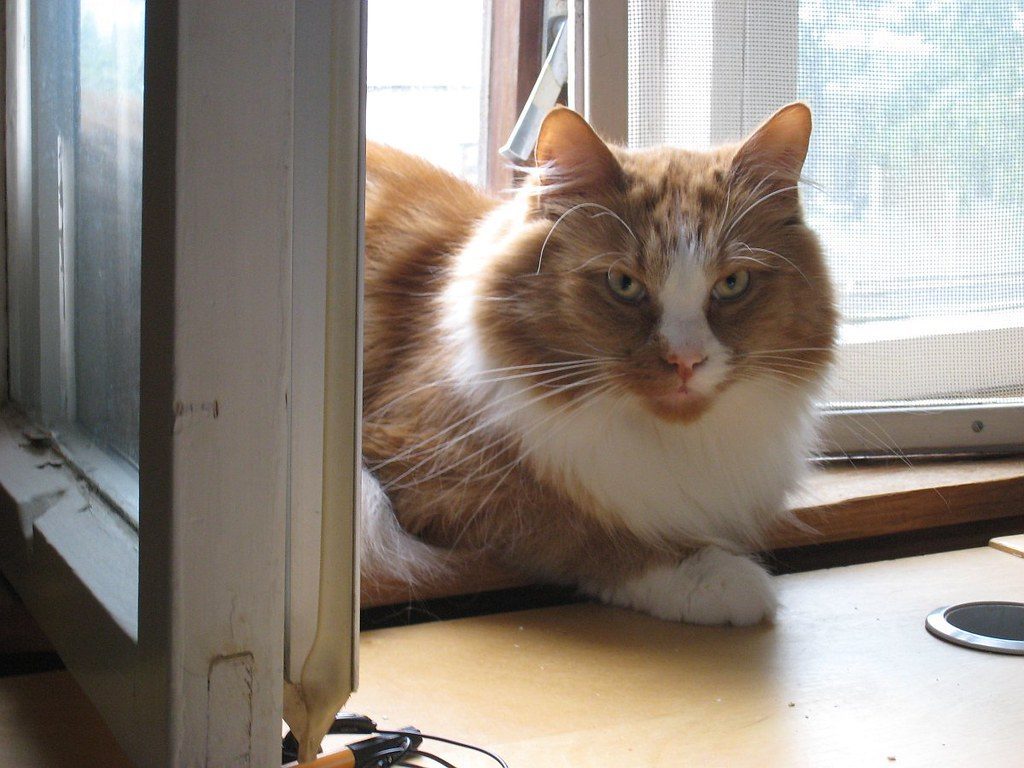
If you have the space and resources, consider building a cat enclosure that allows your indoor cat to experience the outdoors safely. A catio can be a small window box or a larger, enclosed area connected to your home or placed in your backyard. It provides cats with fresh air, sunshine, and the opportunity to engage with nature while protecting them from potential hazards like traffic or predators.
In a catio, they can watch birds flutter by, feel the breeze, soak up the sun, and listen to the rustling leaves. Spring and Summer: Warm sunlight, birds chirping, and insects buzzing by providing mental stimulation and physical enjoyment, keeping your cat relaxed and happy. Even a small screened-in balcony can provide this outdoor connection.
If a catio isn’t possible, Create perching areas near windows so your cat can observe the world and open screened windows to let fresh air in. The sounds and smells that drift through screens can provide sensory enrichment that pure indoor air cannot.
Establish Quiet Bonding Time
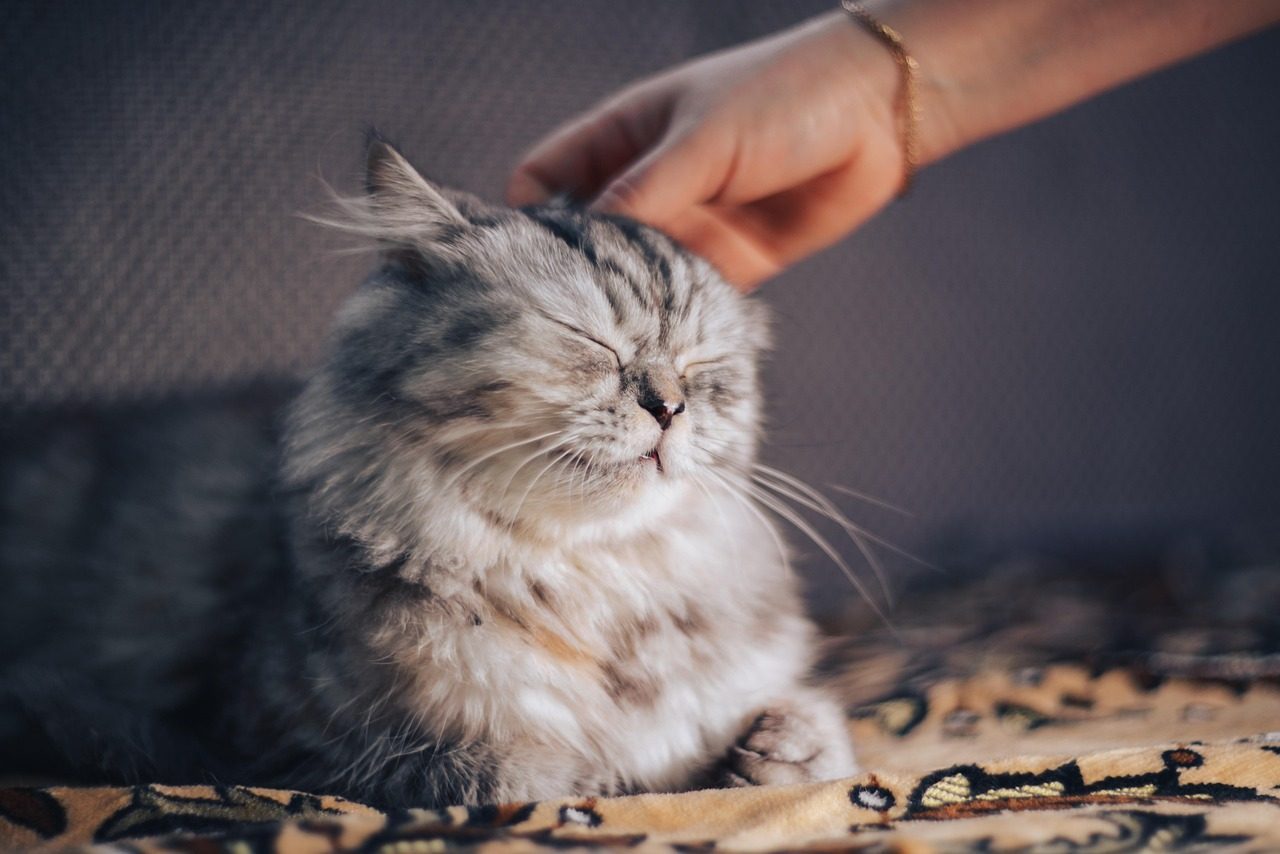
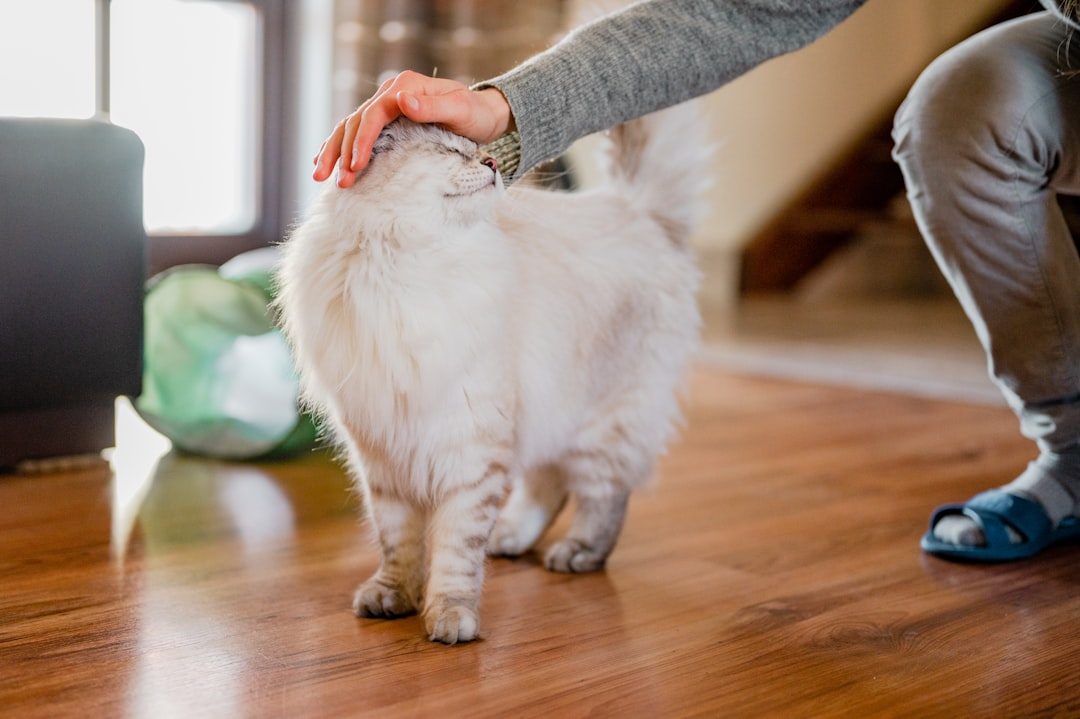
Most important of all: Spend time interacting with your cat doing things you both enjoy. Maybe that’s playtime or maybe it’s gently brushing your cat. This personal connection shouldn’t be underestimated as a form of enrichment.
Quality playtime with your cat can create a deep bond, engendering affection, trust, and an emotional connection. Some cats crave physical interaction like gentle petting or brushing, while others prefer parallel activities where you’re simply present in the same space.
And it can allow you to forge a stronger bond with your cat. This relationship itself becomes a source of security and contentment for your indoor cat. Set aside time each day for these quiet moments – they’re as important as any toy or climbing structure.
Conclusion
Enrichment isn’t just about keeping your cat entertained – it’s about nurturing their well-being and giving them a fulfilling life. By providing your cat with several types of enrichment to exercise both their body and mind, you are helping them to live their healthiest and best life. Not only that, the relationship and bond between you and your cat will become stronger than ever.
The most effective approach combines multiple enrichment strategies rather than relying on just one. Your indoor cat doesn’t need expensive gadgets or elaborate setups – they need thoughtful attention to their natural instincts and behaviors. What’s your cat’s favorite enrichment activity? Tell us in the comments.