You’ve just filled the food bowl, cleaned the litter box, and given your feline friend a generous head scratch. But does your cat appreciate all this effort? Honestly, the answer might surprise you. Cats have their own unique language of gratitude, and it’s nothing like the wagging tail or excited jumps you’d get from a dog. Their thank yous are subtle, nuanced, and sometimes downright bizarre.
Think about it this way. Your cat isn’t going to send you a greeting card or say thanks out loud. Instead, they communicate through a complex system of body language, vocalizations, and behaviors that many of us miss entirely. Learning to recognize these signals can transform your relationship with your feline companion and help you understand when they’re genuinely grateful versus when they’re making demands.
The Slow Blink Kiss
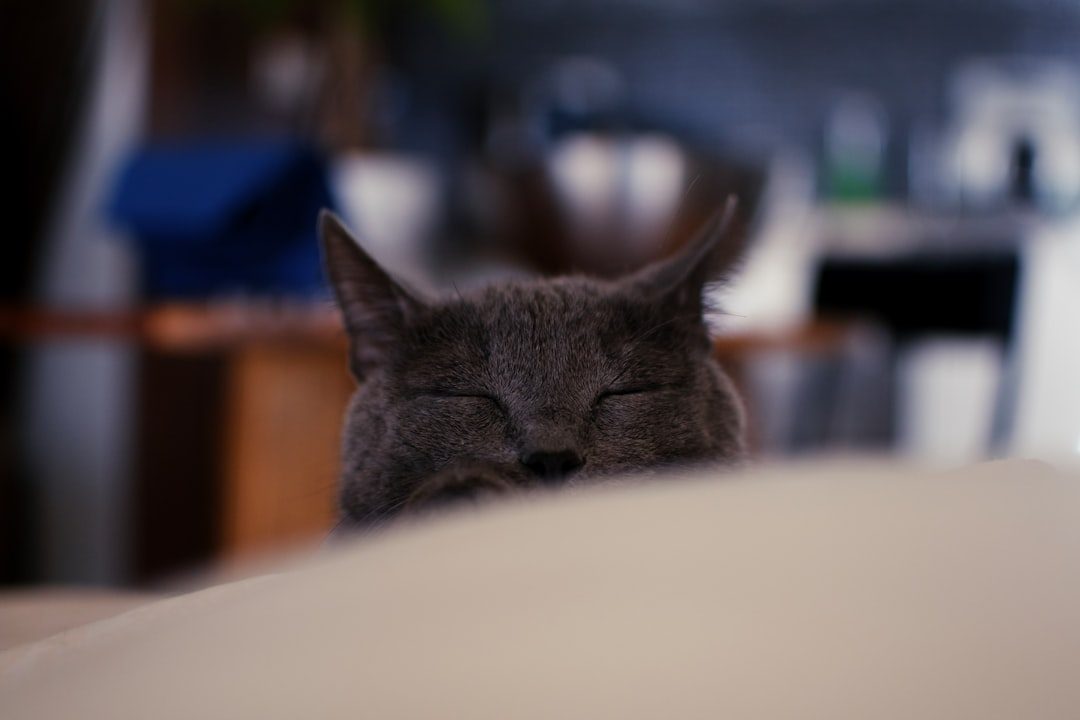
When your cat looks directly at you and slowly closes their eyes, they’re communicating trust and comfort. This gesture, often called a cat kiss, is a sign of love and trust. In the wild, prolonged eye contact signals aggression or threat, so closing their eyes around you means they feel completely safe.
Try slow blinking back at your cat to strengthen your bond, and you might find they respond in the same way. Some cats will even approach you for cuddles after exchanging this silent conversation. It’s like having a secret handshake, but with eyelids.
The Purr of Contentment
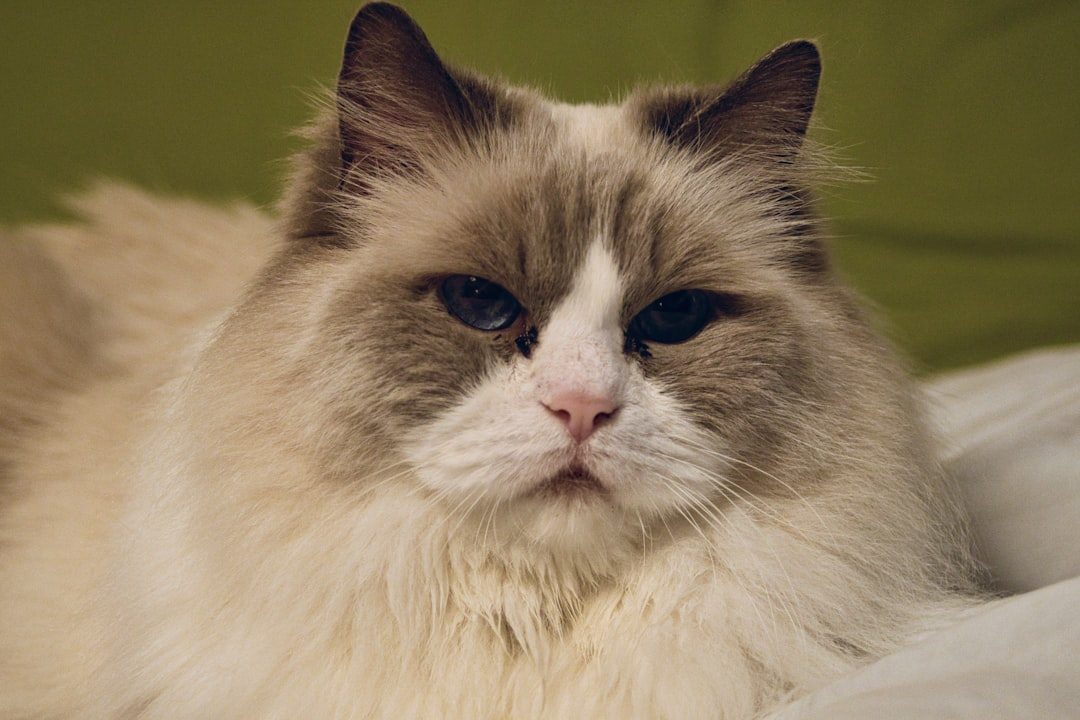
You’re sitting on the couch reading, and suddenly you hear that familiar rumbling sound. Purring is the number one way your cat shows they’re thankful and pleased. That low, vibrating hum isn’t just noise – it’s your cat’s way of saying everything is right in their world.
When cats receive attention or love from their owners, they often express gratitude by purring. Though, here’s the thing: cats also purr when they’re stressed or in pain, so you need to read the room. If your cat is relaxed, stretched out, and purring away, that’s pure appreciation right there.
The Kneading Ritual
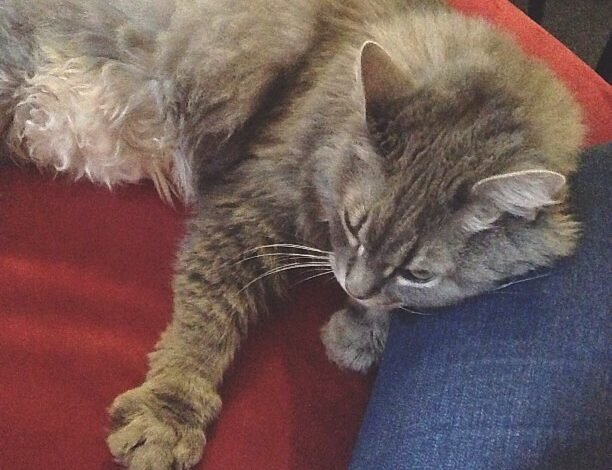
Kneading stems from kittenhood when kittens press their paws against their mother’s belly to stimulate milk, and if your cat does this to you, they’re showing appreciation and feeling relaxed and happy. This rhythmic push-pull motion, often called making biscuits, is one of the highest compliments a cat can give you.
When your cat kneads on your lap or a soft surface, it’s a sign of comfort and gratitude, as adult cats continue this behavior to express contentment and appreciation for the warmth and security you provide. Sure, those claws might dig in a bit, but that slight discomfort is your badge of honor. Your cat sees you as a safe haven, much like their mother was.
Head Bunting Love
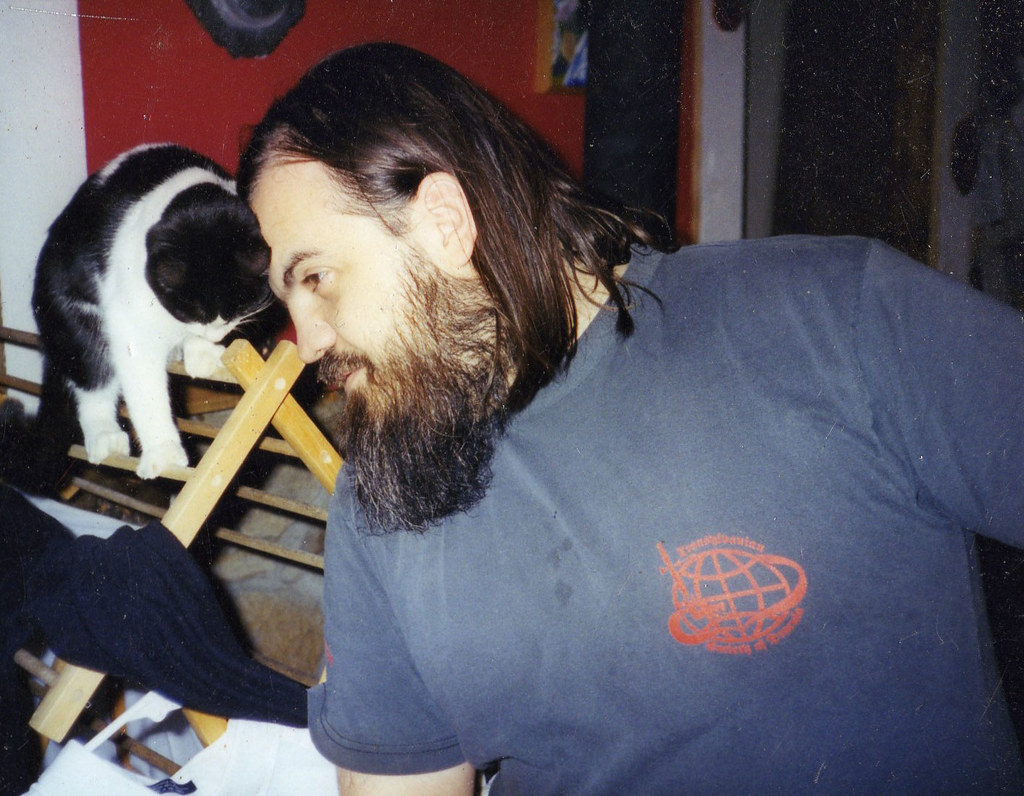
When your cat butts their head against you, they’re marking you as their own by leaving their scent on you, which is their way of saying thank you and claiming you as their special human. This behavior, called bunting, is deeply affectionate and social.
The head butt or bunting is a common feline behavior that signifies affection and gratitude, as cats nudge you with their head to mark you with their scent and claim you as part of their territory. Let’s be real: if your cat is willing to rub their face all over you, that’s genuine love. They’re essentially saying you belong to their chosen family.
The Belly Display
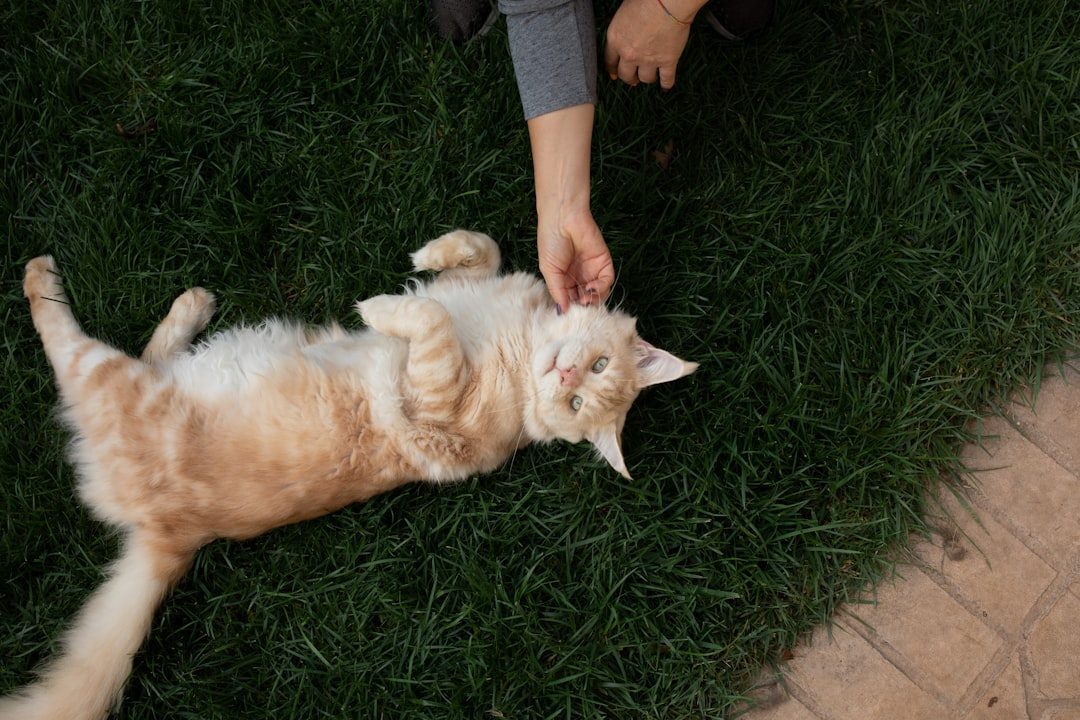
When your cat shows their belly to you, they’re indicating trust and appreciation for protecting them, as lying on the back is a vulnerable position for cats. This isn’t always an invitation for belly rubs, though. Many cats hate having their stomachs touched, even when they expose them.
When a cat rolls over and shows its belly, it’s a gesture of ultimate trust and gratitude, as the belly is a vulnerable area and exposing it means they feel completely safe and secure with you. Think of it as visual trust. Your cat is vulnerable and relaxed enough to show you their most defenseless spot. That’s a massive thank you in cat language.
Following You Around
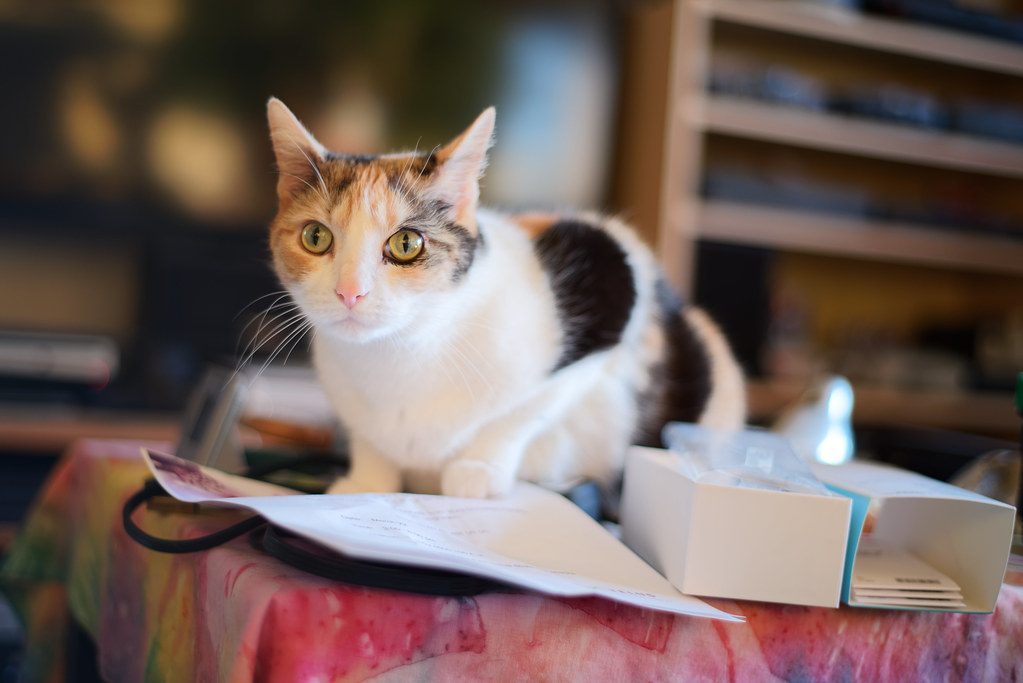
If your cat follows you almost everywhere, it’s a big word for cats because they’re independent creatures by nature, but if your pet loves you very much, they’ll love to follow you, which means they’re grateful for your presence. Your little shadow isn’t being clingy – they’re showing genuine affection.
When your cat often follows you from room to room, it’s not just curiosity but a sign of gratitude and attachment, as cats are independent by nature so choosing to be around you is a significant gesture of appreciation. Honestly, there’s something quite touching about a cat who decides your company is worth abandoning their afternoon nap spot. They’re choosing you over sleep, which for a cat is basically the ultimate sacrifice.
The Gift Giving Tradition
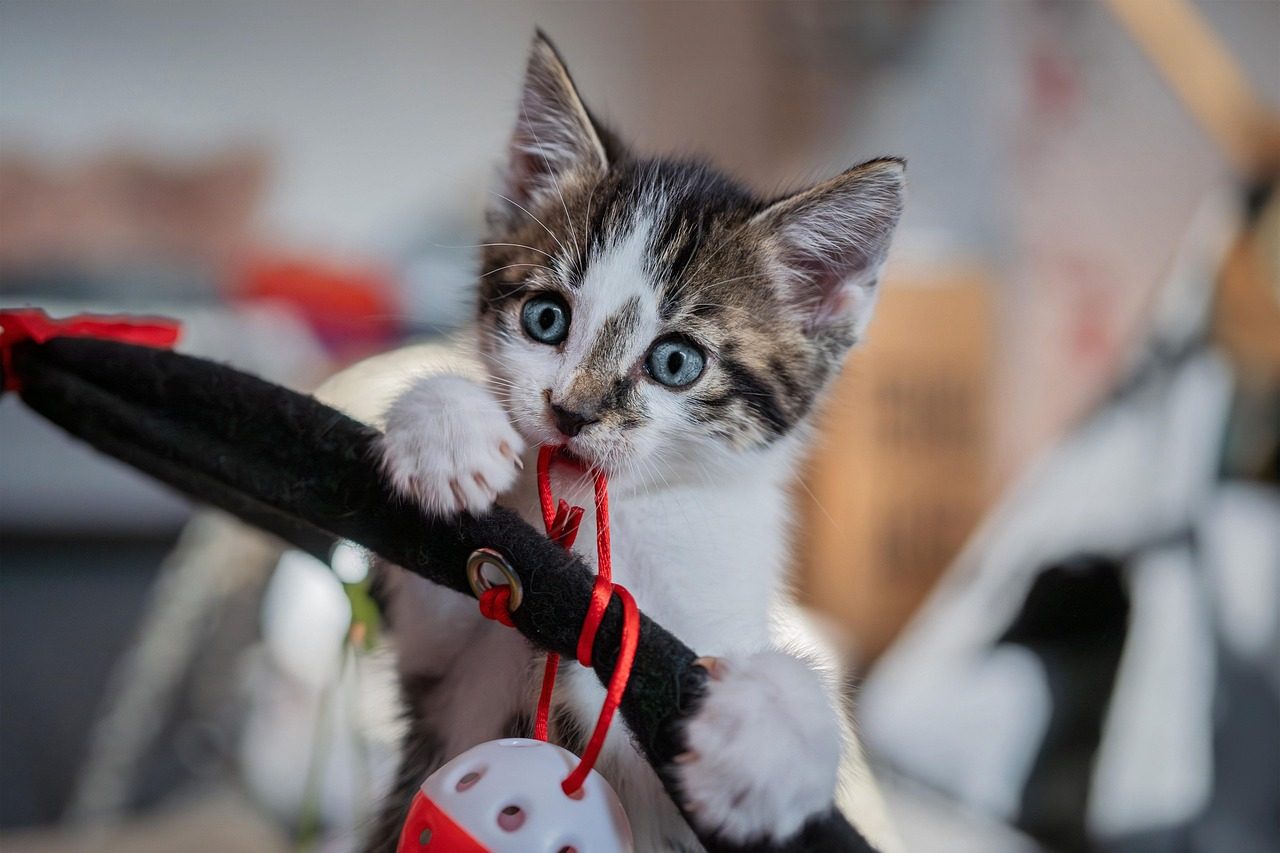
Cats often express gratitude by giving gifts, like bringing you one of their toys after you’ve done something nice for them, or if they spend time outdoors, greeting you with a dead or almost dead animal. Yeah, this one isn’t exactly pleasant for most humans.
In the wild, cats share their hunts with those they care about, and whether it’s a squeaky toy or something more organic, your kitty is proudly offering you a token of appreciation, choosing to share it with you instead of enjoying it themselves. I know it sounds crazy, but that deceased mouse on your doorstep is actually a compliment. Your cat thinks you’re family and wants to contribute to the household.
The Grooming Gesture
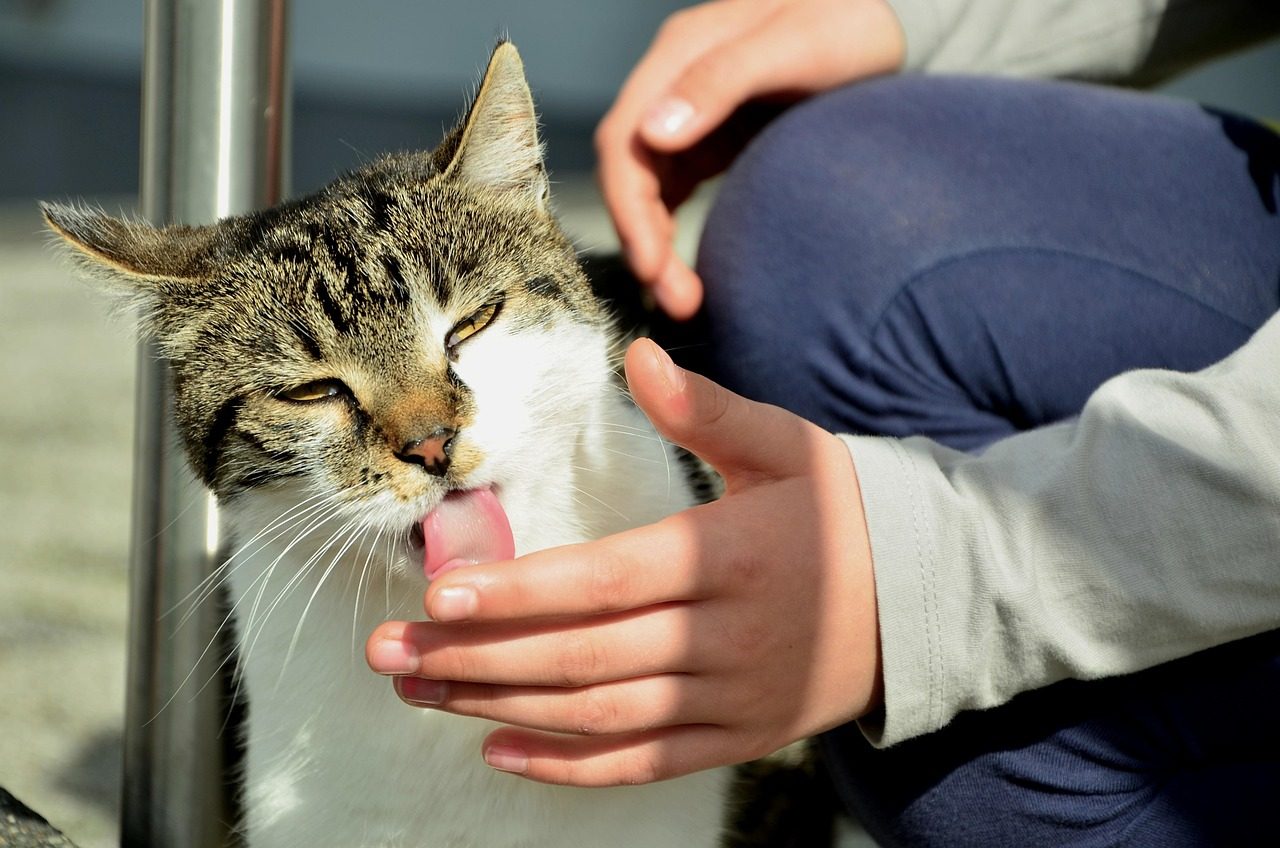
Cats groom each other as a sign of affection and appreciation, and if your cat starts licking you, they’re showing you that same love and gratitude. That sandpaper tongue rasping against your skin might feel strange, but it’s a deeply social behavior.
Cats may use their grooming behavior to show gratitude by licking their owners’ hands or faces, which is a way for cats to show their affection and appreciation and is often a sign of a strong bond. When your cat grooms you, they’re treating you like another cat – a member of their colony. They’re essentially saying you’re worth the effort of keeping clean.
The Tail Question Mark
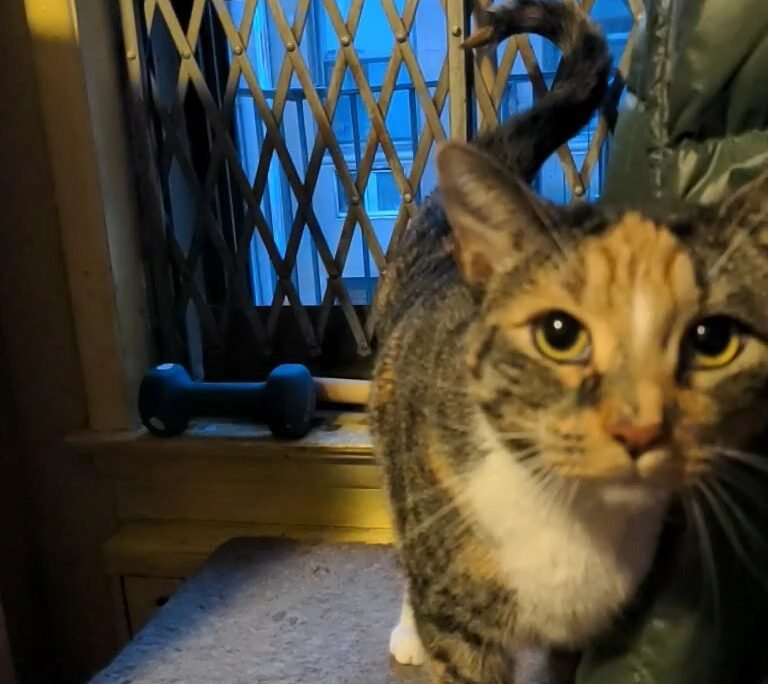
Cats often approach you with an upright, softly hooked tail that looks like a question mark, which is a clear feline gratitude signal meaning they’re happy you’re here. This cheerful tail position is one of the most reliable indicators of a content cat.
A tail that is pointed straight up with a curl at the tip is a reliable sign that a cat is happy and confident. When you see this bouncy, curved tail coming toward you, your cat is basically broadcasting their good mood. It’s their way of greeting you with enthusiasm and showing they’re pleased with the current situation.
The Social Roll
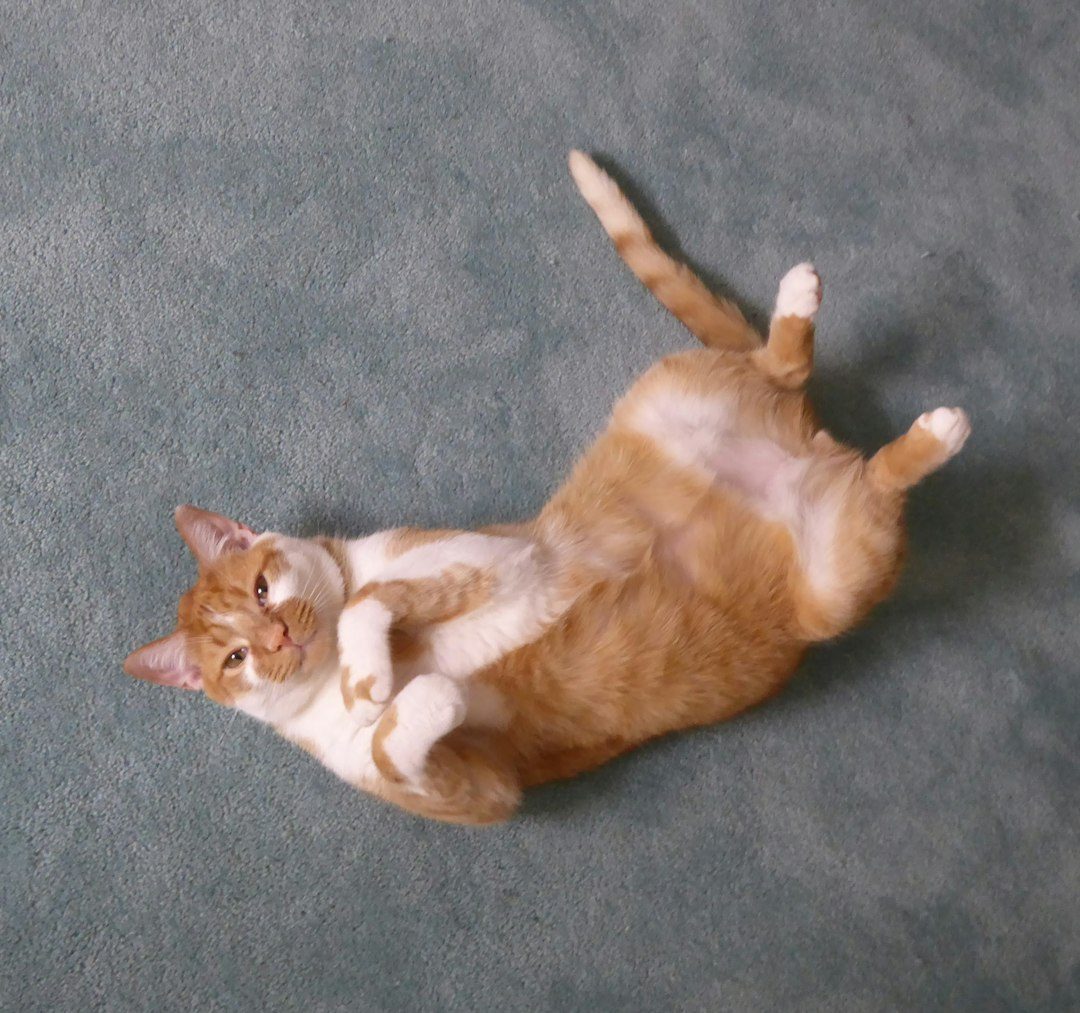
When a cat performs the social roll, flopping over onto their back and stretching out, they’re letting you know that they trust you, as showing off their stomach is a sign of a happy cat since it’s a particularly vulnerable area. This dramatic flop is pure feline theater.
When cats happy flop by rolling on their side, stretching or giving you that upside-down stare, it’s a cat appreciation sign, as lying on the floor in front of you shows they feel safe enough to expose their belly, which is the ultimate trust gesture. Watch for this behavior when you come home or after playtime. It’s your cat’s way of saying they’re comfortable and grateful for the life you’ve provided.
Excessive Meowing
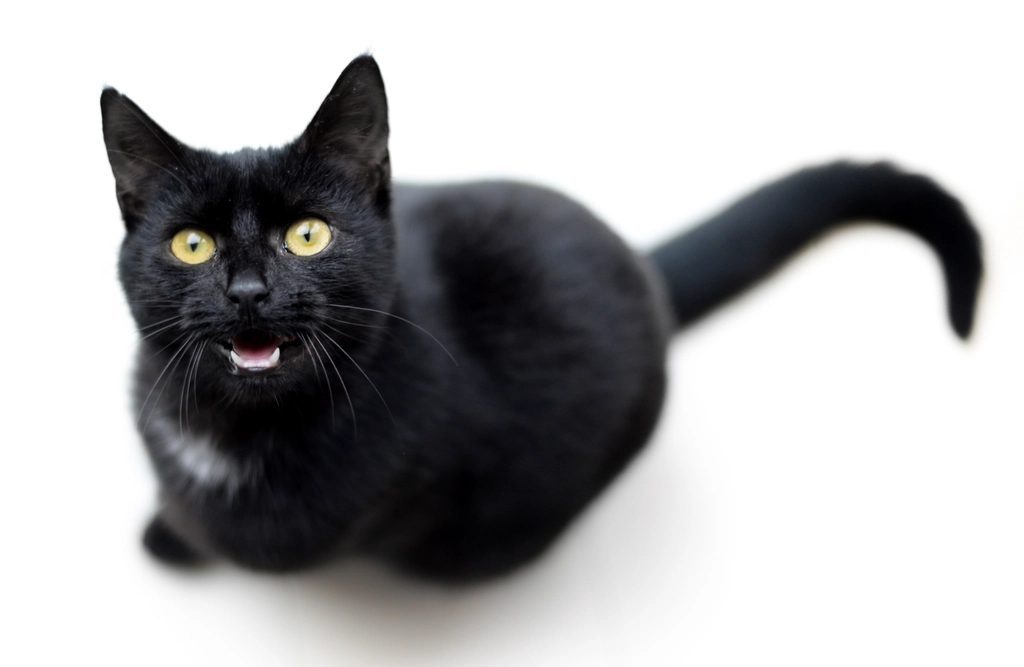
Now we’re moving into demand territory. Cats may use vocal cues to get your attention and eye contact, starting as a meow but becoming a persistent wail if they’re not getting the desired attention and continue to be ignored. This isn’t gratitude – this is your cat telling you they need something, and they need it now.
A cat’s main method of communication is the meow, with pitches and tones changing depending on what they’re trying to tell you, starting with a quiet but persistent meow similar to a newborn’s cry, then moving to a loud screech. If your normally quiet cat suddenly becomes a chatterbox, they’re demanding your immediate attention. It might be dinner time, playtime, or they just want you to acknowledge their royal presence.
Sitting On Your Stuff
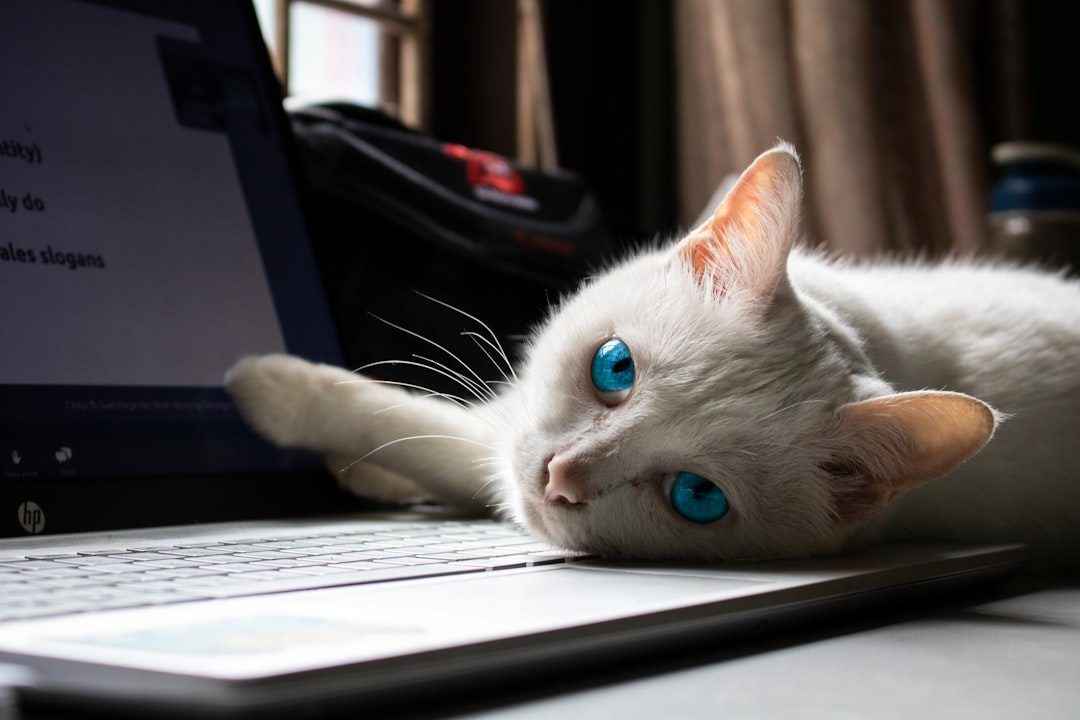
Sitting on your laptop or tablet is your persistent cat’s way of saying they are the most important thing in your life, asserting dominance over the inanimate object that stands in their way. Your cat isn’t interested in your work deadline or that book you’re reading.
Cats can become demanding about getting your attention to the point that they try to distract you from your current task, and you could be working or reading a book and find your cat lying on top of it as their way of redirecting your attention to them. This is classic attention-seeking behavior. Your cat has learned that parking themselves on your keyboard gets an immediate response, even if that response is you gently moving them aside.
Pawing At You
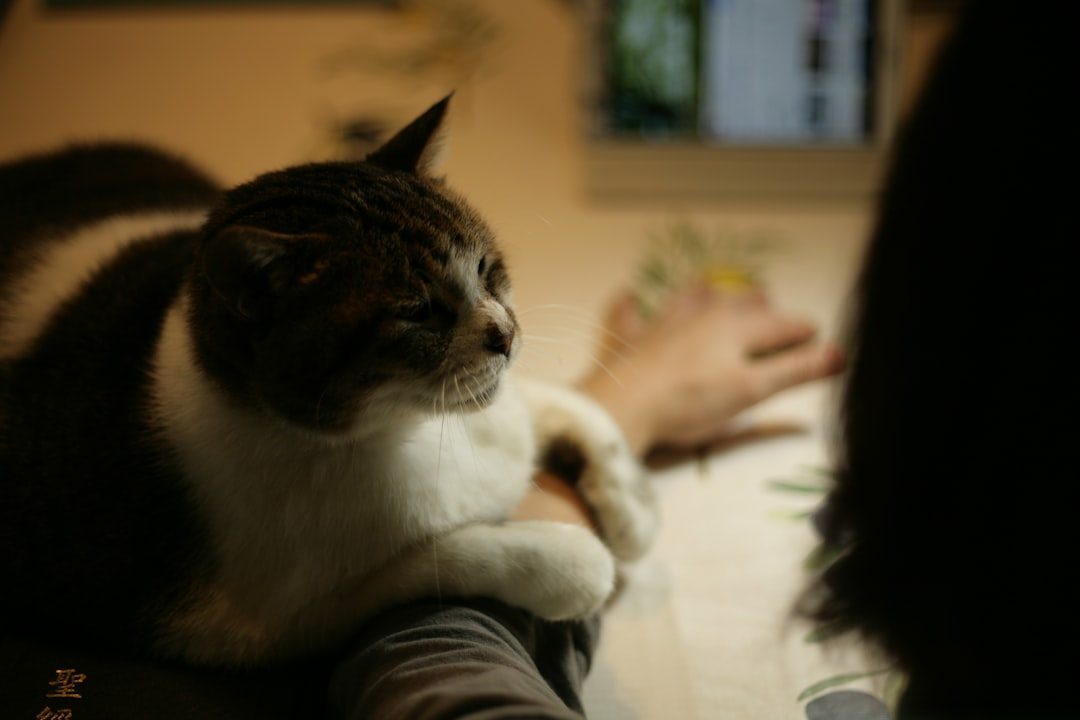
If your cat gently taps you with their paw or claws on your face or limbs, they may be trying to signal that they want you to engage with them. This can range from soft, gentle touches to more insistent poking.
If you notice that your cat paws at you, whether you are working or relaxing on the couch, they likely want your attention, and this form of attention could stem from a simple head scratch or signal that they want food. Some cats are remarkably persistent with this technique. They’ll keep tapping until you acknowledge them, like a tiny furry alarm clock that won’t shut off.
Knocking Things Over
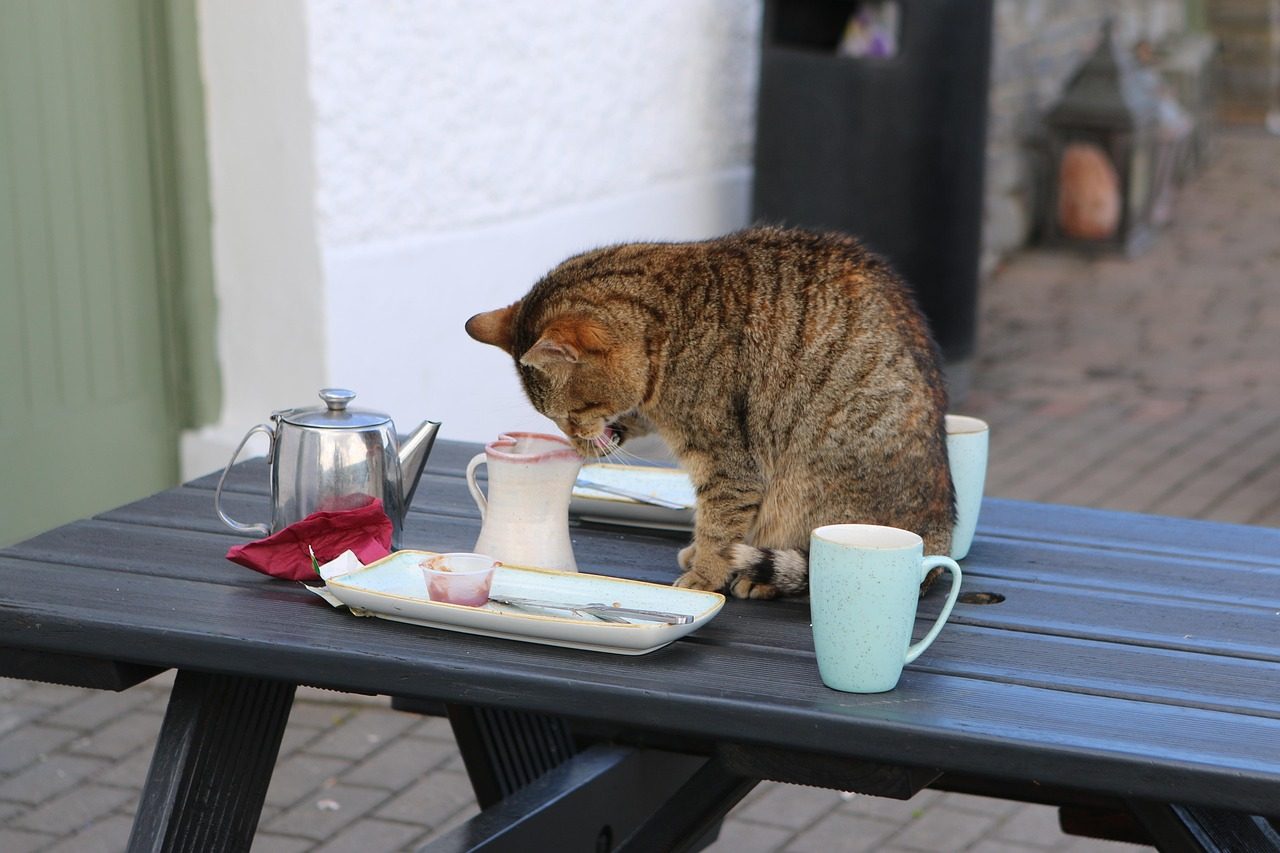
Some cats will deliberately knock items off tables or counters to gain your attention. That glass of water didn’t just fall off the table by accident. Your cat knew exactly what they were doing.
Cats use the trick of reaching out and pushing something off the countertop with their paw to get attention, and cats usually do this when we are there to watch it happen. Here’s the thing: this behavior works incredibly well. The moment something crashes to the floor, you jump up and look at your cat, giving them exactly what they wanted – your undivided attention.
The Intense Stare
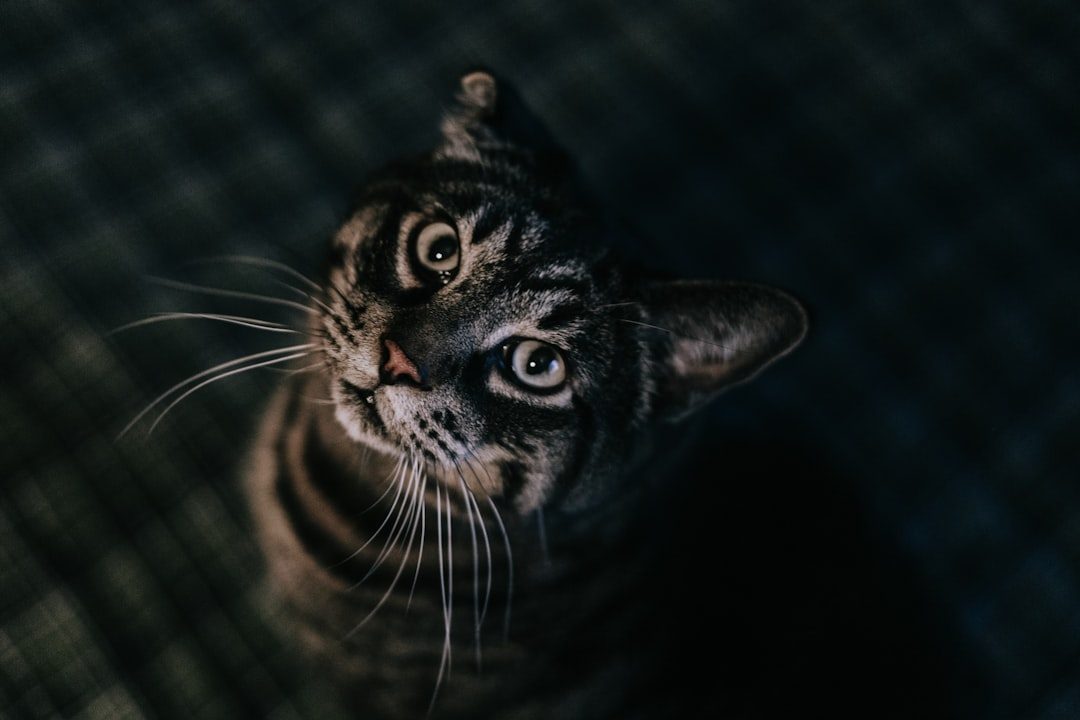
Cats have a way of getting our attention simply by staring at us, as they seem to have mastered the art of getting our attention by staring intensely from across the room and speaking with their eyes. This unblinking gaze can feel almost supernatural.
Your cat’s longing gaze could signal they want to be fed, especially if they do it from their feeding area, but some cats will stare until you eventually give them attention, whether in the form of cuddles, a toy, or their favorite treat. You know that feeling when you sense someone watching you? That’s your cat, sitting across the room, boring holes into your soul until you cave and give them what they want.
Conclusion
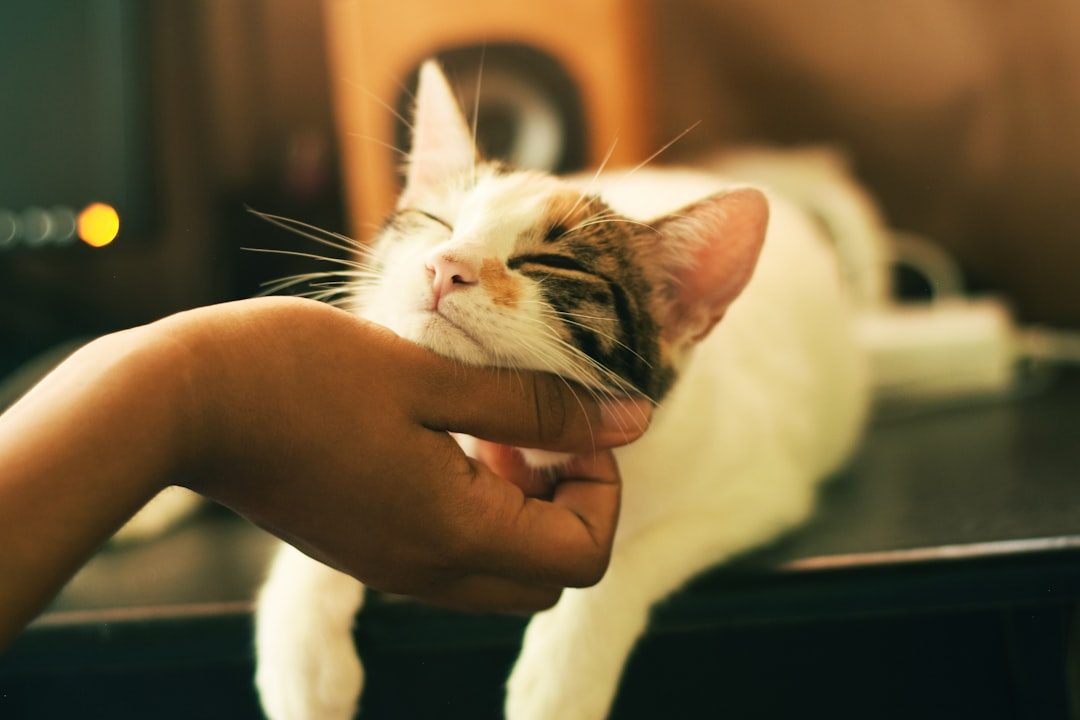
Understanding your cat’s communication style makes all the difference between feeling like you live with an aloof roommate versus a loving companion. Cats do say thank you, though their expressions of gratitude are embedded within their unique communication system which includes vocalizations, body language, and affectionate behaviors, and by understanding and appreciating these signs, cat owners can nurture their relationship with their pets.
The reality is that cats show both gratitude and demands through remarkably similar behaviors, just with different intensity levels. A gentle head bunt says thank you, while a persistent head bunt followed by loud meowing is clearly a demand. Learning to read these subtle differences transforms how you interact with your feline friend. So next time your cat slow blinks at you or brings you a questionable gift, remember they’re speaking their own language of appreciation. What’s the most unusual way your cat has said thank you? Did any of these behaviors surprise you?