You probably think of your cat as a lovable, occasionally dramatic roommate who sleeps eighteen hours a day and judges you silently from the windowsill. Honestly, fair enough. But here’s what most cat owners completely miss: that seemingly lazy furball curled up on your couch might actually be one of the most effective household protectors you have ever owned. Not in an obvious, tail-wagging, bark-at-everything sort of way. No, cats are quieter about it. More subtle. Almost secretive.
From sensing danger you cannot see, to repelling creatures you did not even know were nearby, your cat is running a quiet operation you never signed up for but absolutely benefit from. The science behind some of these abilities is genuinely astonishing, and a few of them might make you look at your cat in a completely different light. Let’s dive in.
1. Your Cat’s Scent Marks Your Home as a No-Go Zone for Rodents
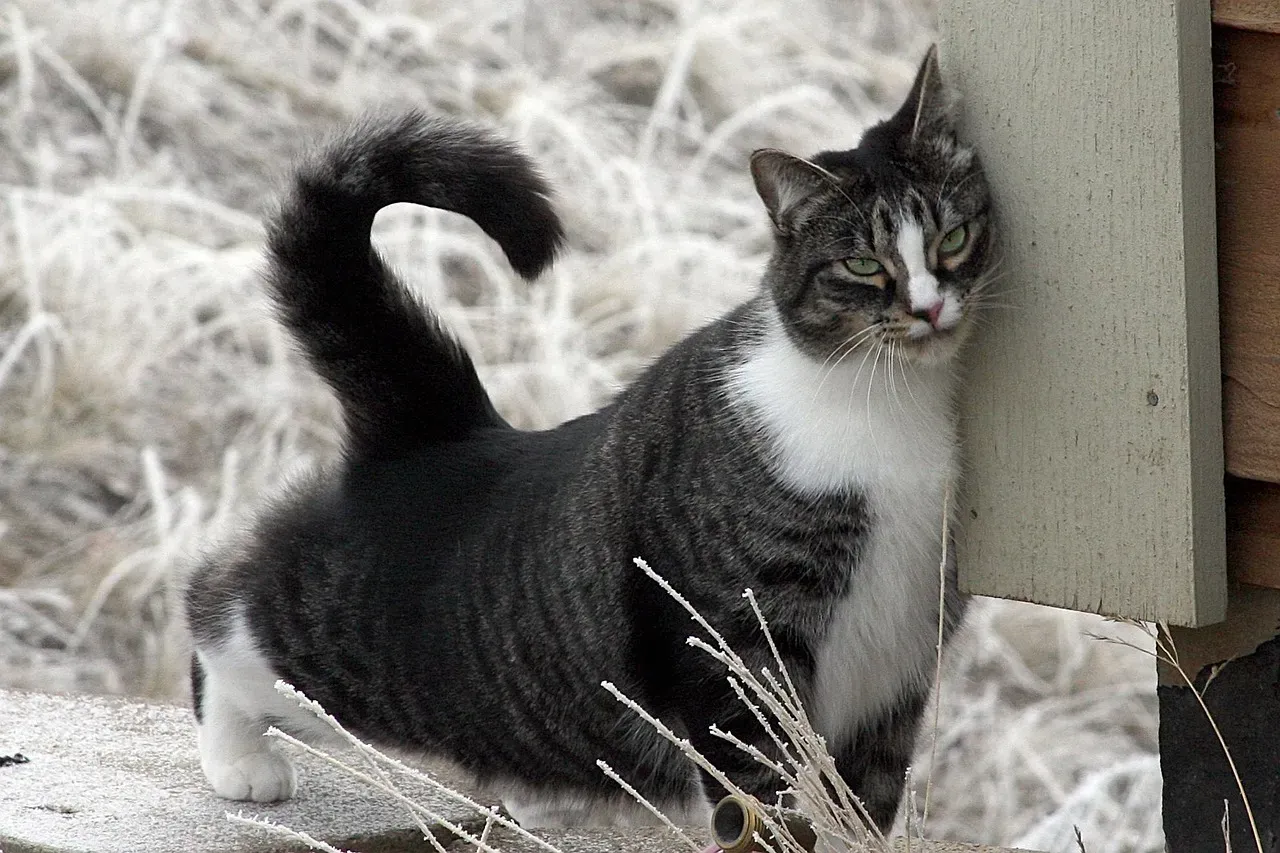
Let’s be real, you have probably watched your cat rub its face against the couch, your legs, or literally every doorframe in the house and thought it was just being weird. It is actually doing something strategically brilliant. Cats communicate through scent glands on their cheeks, flanks, and paws, and when you see your cat rubbing on furniture, the corner of a wall, or even your legs, that is marking territory and claiming ownership of that space.
Here is the thing: those chemical signals do far more than decorate your furniture with invisible cat graffiti. Whether your cat is on constant patrol or literally lays around all day, just the very presence of a cat on the premises can send a serious signal to any pests eager to explore the premises. One word: pheromones. Research shows that just the smell of cats in and around your home deter mice and other rodents. Think of it like a warning broadcast that only rodents can receive, playing on repeat, twenty-four hours a day.
2. Your Cat Acts as a Living Rodent Deterrent Without Even Trying
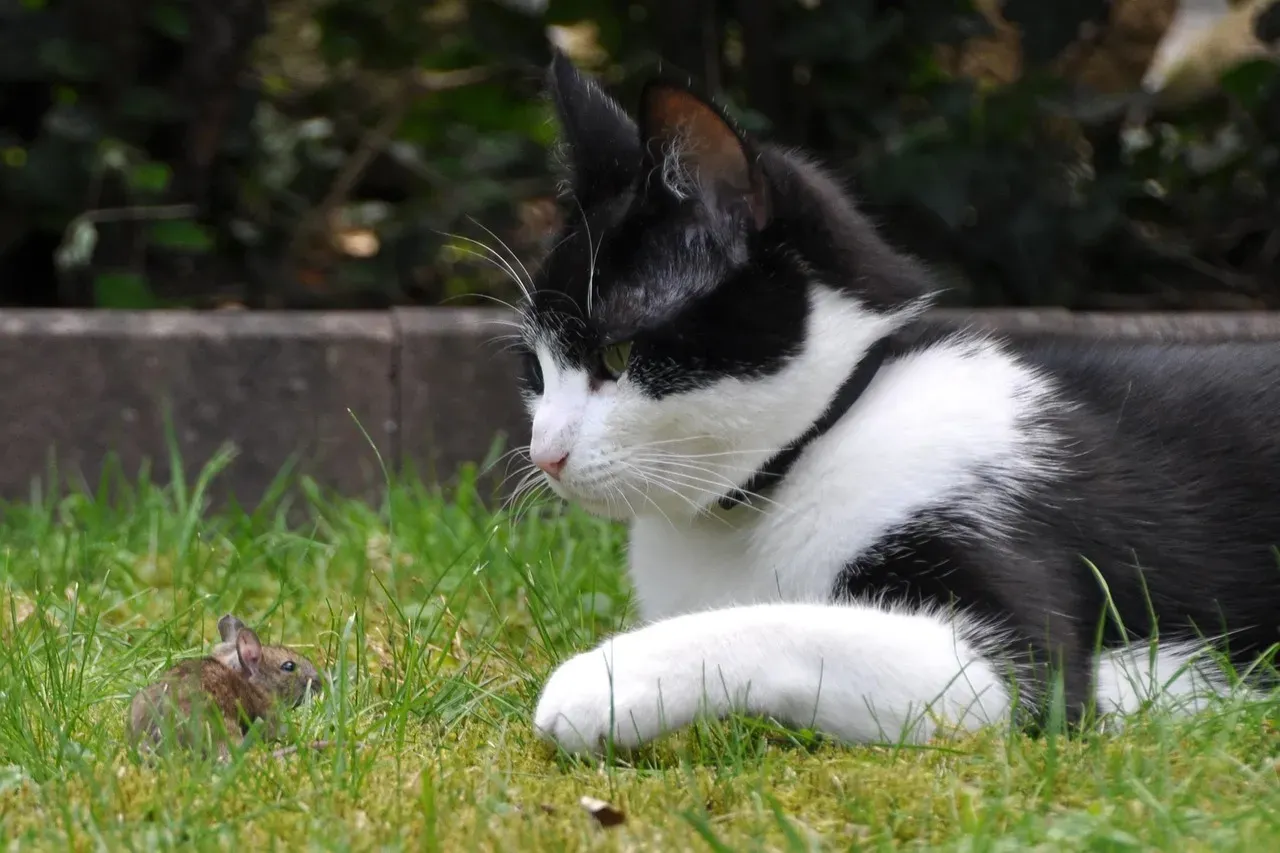
Mice are naturally cautious creatures, and their survival depends on their ability to detect threats. Cats, as natural predators, are often a key threat that mice must avoid. This relationship goes back thousands of years. Cats have worked as the world’s fuzzy exterminators for at least 10,000 years, ever since wild cats cozied up to the Natufians, the first human farmers who stored grain, which attracted rodents. Your indoor cat is carrying a legacy that stretches back to the earliest human settlements.
If you have a cat inside your home, the rodents would smell it and sense it as a sign of danger. As a result, they would tend to stay out as much as possible. In other words, the rodents would look for a better place that they can call home, where there aren’t any threats. It is less about your cat hunting anything and more about your cat simply existing. That lazy afternoon nap your cat is taking? Consider it a security shift.
3. Your Cat Keeps Watch Over Insects You Never Even Notice
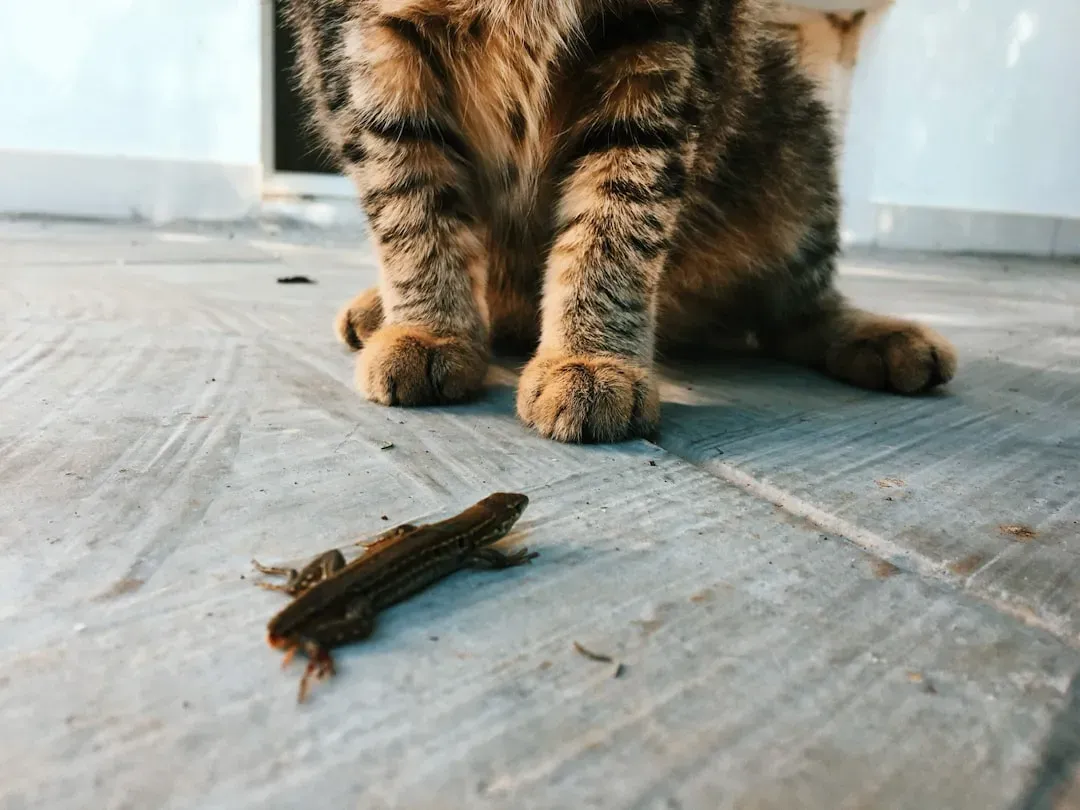
Rodents are the obvious ones people think about, but what about the creepy-crawly threats? Cats are also great at noticing insects and will sometimes knock them out of the air and kill them. They can at least alert you to insect activity you might have missed, and you can take it from there. If your cat is fixated on something in your home, it’s probably a mouse or bug. That intense staring session at the baseboard is rarely random.
Even in urban settings, house cats have been known to catch the occasional cockroach or spider, much to the delight of their owners. Think of your cat like a motion-activated sensor for biological intruders, one that also happens to dramatically bat the intruder around before dealing with it. Unlike professional exterminators, cats do not leave dangerous poisons around your home. They offer a natural, entertaining, and cost-effective solution to pest problems.
4. Your Cat Can Sense an Intruder Before You Even Hear a Sound
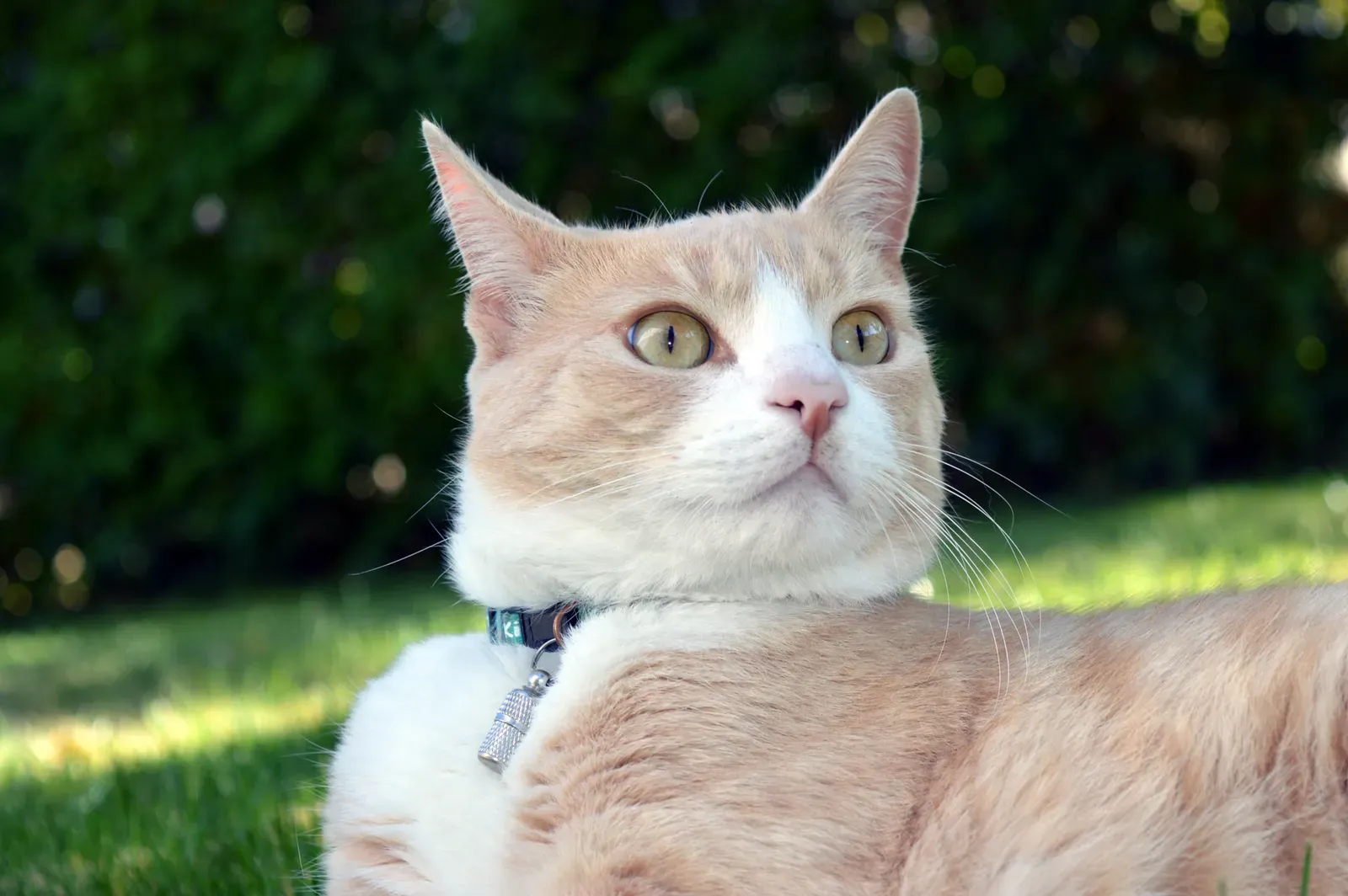
This one deserves more attention than it gets. Cats can hear, see, and smell much better than we humans can. This means that they could potentially sense an intruder before you know that they’re there. If your cat suddenly bolts upright, stares at a door, or begins making low, unusual vocalizations at two in the morning, pay attention. That is not random behavior.
Cats have senses that are far superior to ours, including a highly specialized sense of smell, excellent vision, and very sensitive hearing. This means that they can detect changes in their environment quickly and in ways that you cannot. If something is wrong, chances are your cat will pick up on it before you do. Your cat is essentially a biological alarm system with better hardware than anything you could buy at a home security store.
5. Your Cat Can Sense Approaching Storms Before the Weather App Does
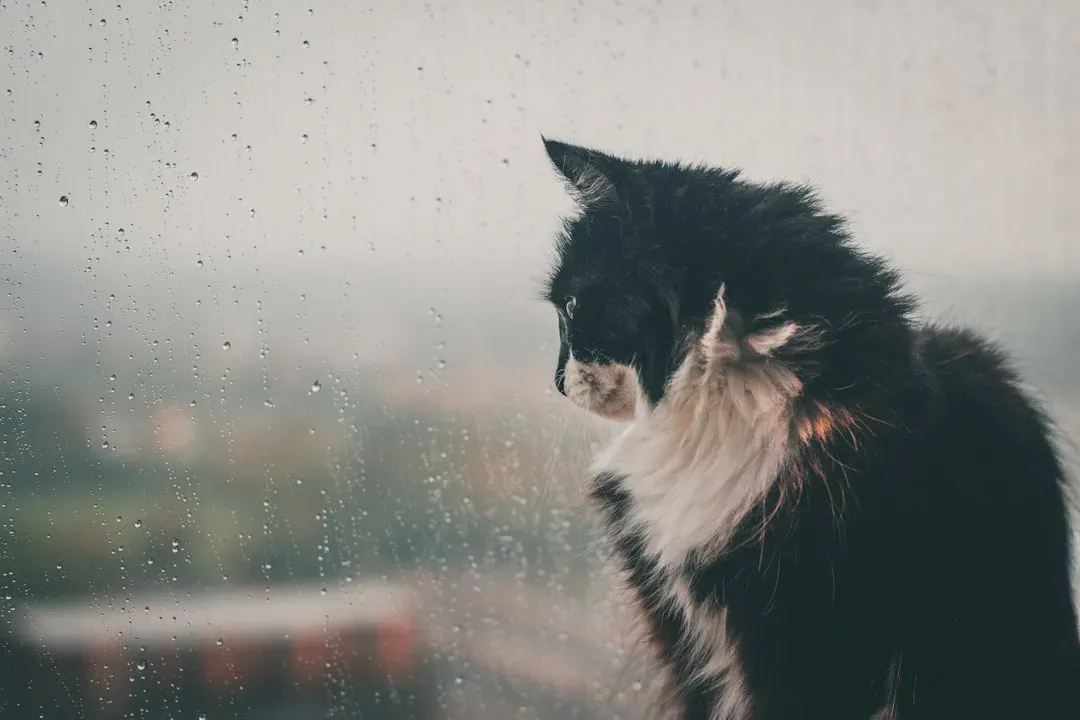
You have probably noticed your cat acting restless or hiding under the bed on a perfectly clear afternoon, only for a massive thunderstorm to roll in two hours later. That is not a coincidence. Cats can often sense approaching thunderstorms due to their sensitivity to changes in atmospheric pressure. As a storm is brewing, the drop in pressure, along with changes in humidity and a buildup of static electricity, can make them feel uneasy or anxious. They can also hear the distant rumble of thunder long before we do and may even sense static in the air.
Cats’ heightened senses enable them to detect changes in barometric pressure and static electricity in the air. These subtle atmospheric shifts alert cats to impending bad weather. You might notice your cat becoming more anxious, hiding under furniture, or seeking reassurance by staying close to you. Keeping an eye on your cat’s behavior can serve as a natural weather alert, prompting you to prepare for changing weather conditions. Honestly, watching your cat might be more reliable than pulling up a weather app.
6. Your Cat May Be Able to Detect Earthquakes Seconds Before They Strike
I know it sounds crazy, but consider this: cats have sharper senses than humans and can detect tiny vibrations we can’t feel or hear. Earthquakes start with fast, subtle P-waves, which we don’t notice, followed by stronger shaking S-waves. Unlike us, cats can likely sense the initial P-waves, which is why they often act anxious before an earthquake hits, or at least before we notice it’s there.
The delicate skin of feline toe pads is packed with nerve endings, making them extra sensitive to textures, movements, and vibrations, so they may be able to detect micromovements in the earth before we can. Feline whiskers are attached to sensitive nerves, allowing them to pick up on the tiniest of vibrations. We can easily explain the cause of unusual animal behavior seconds before humans feel an earthquake. Very few humans notice the smaller P wave that travels fastest from the earthquake source and arrives before the larger S wave. But many animals with more keen senses are able to feel the P wave seconds before the S wave arrives. Those few extra seconds of warning, however brief, can genuinely matter.
7. Your Cat May Be Able to Sniff Out Changes in Your Health
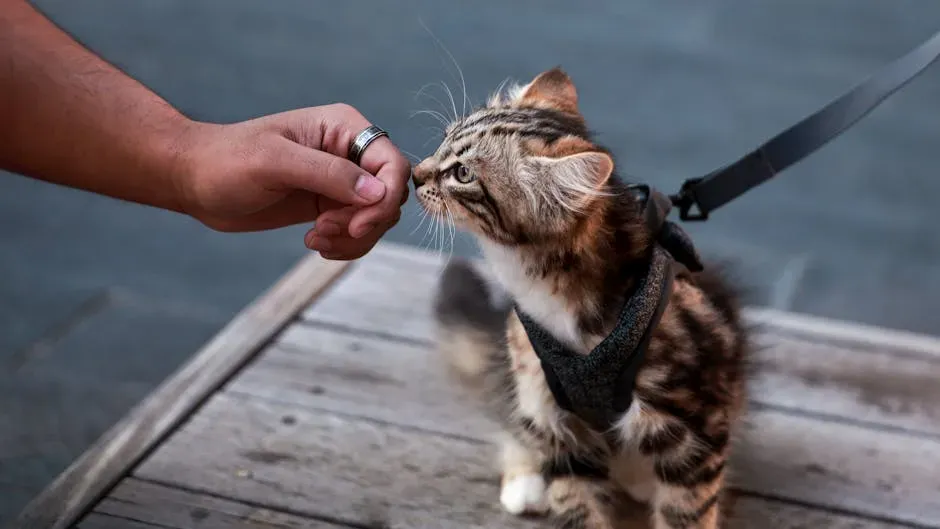
Cats are extremely sensitive animals and have very close bonds with their owners. They can smell chemical changes in humans and recognize changes in body language and facial expression. A combination of these can help cats detect when their owners might be suffering from an illness. This is one of those areas where the science is still catching up to what cat owners have been saying for years.
Cats possess a remarkable number of olfactory receptors, allowing them to differentiate between a wide range of scents. Changes in volatile organic compounds associated with illness can be detected by these receptors, providing a scientific basis for cats’ ability to sense disease. Cats have been observed reacting to their diabetic owners’ low blood sugar episodes. They seem to sense changes in scent and behavior, alerting owners to potential danger. Your cat sitting unusually close to you when you feel off might be more purposeful than pure coincidence.
8. Your Cat’s Nose May Even Detect Cancer Before a Diagnosis
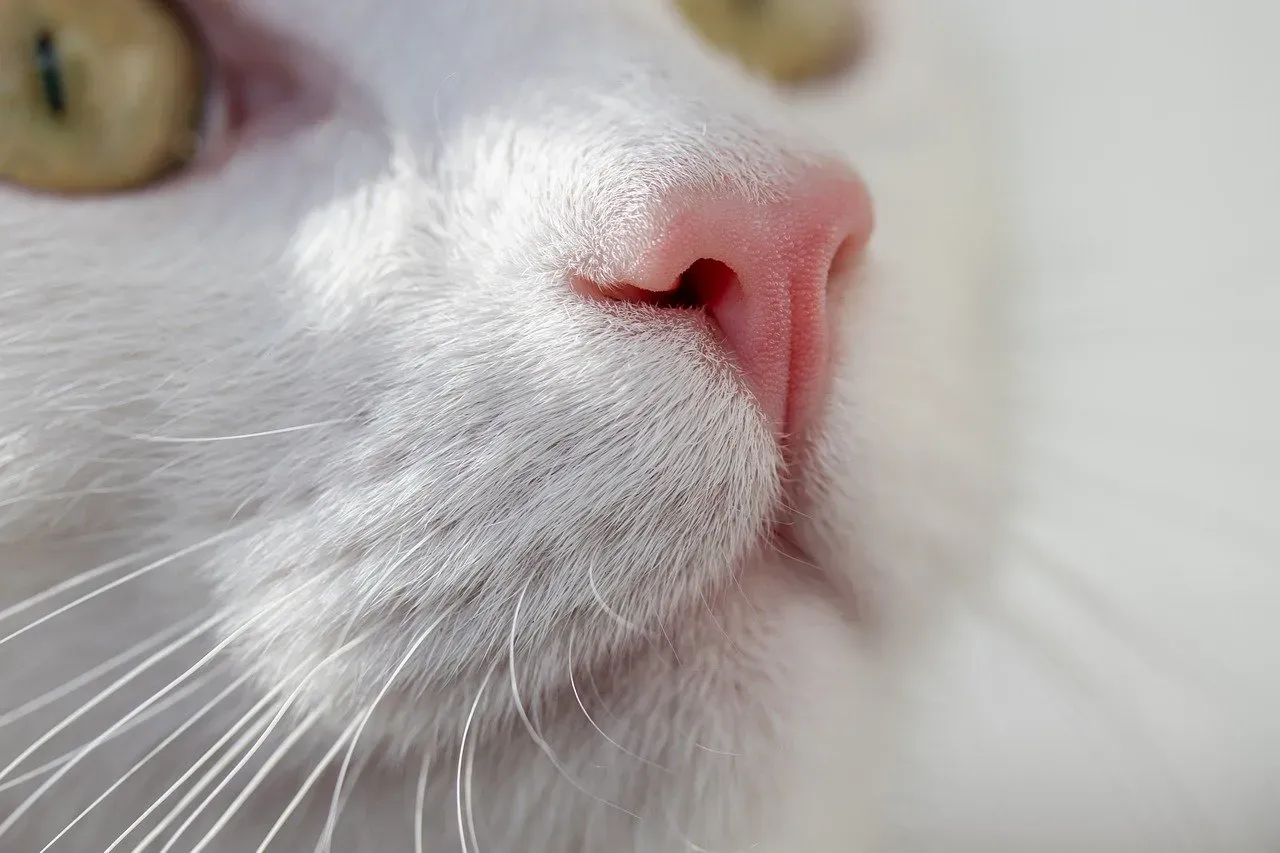
This one is genuinely jaw-dropping, and while it remains an area of developing research, the stories are hard to ignore. Certain diseases like cancer are known to alter body odors, and it appears that cats can sense these changes well before visible symptoms set in. Owners have reported that their cats start sniffing persistently or settle near specific areas of their body as if trying to signal that something isn’t right.
A 2017 paper published in the journal Applied Animal Behavior Science points out that cats have better “olfactory discrimination” than dogs do. There are numerous case studies where cats have reportedly detected cancerous tumors by smell. These reports suggest that cancer alters a person’s scent profile, making it detectable to a cat’s sensitive nose. While scientific analysis supports this notion, research into animal-assisted cancer detection is still developing. It is hard to say for sure what all the evidence means just yet, but the idea that your cat’s nose could catch what a doctor has not yet spotted is both fascinating and worth paying attention to.
9. Your Cat Patrols and Guards Your Home’s Territory Around the Clock
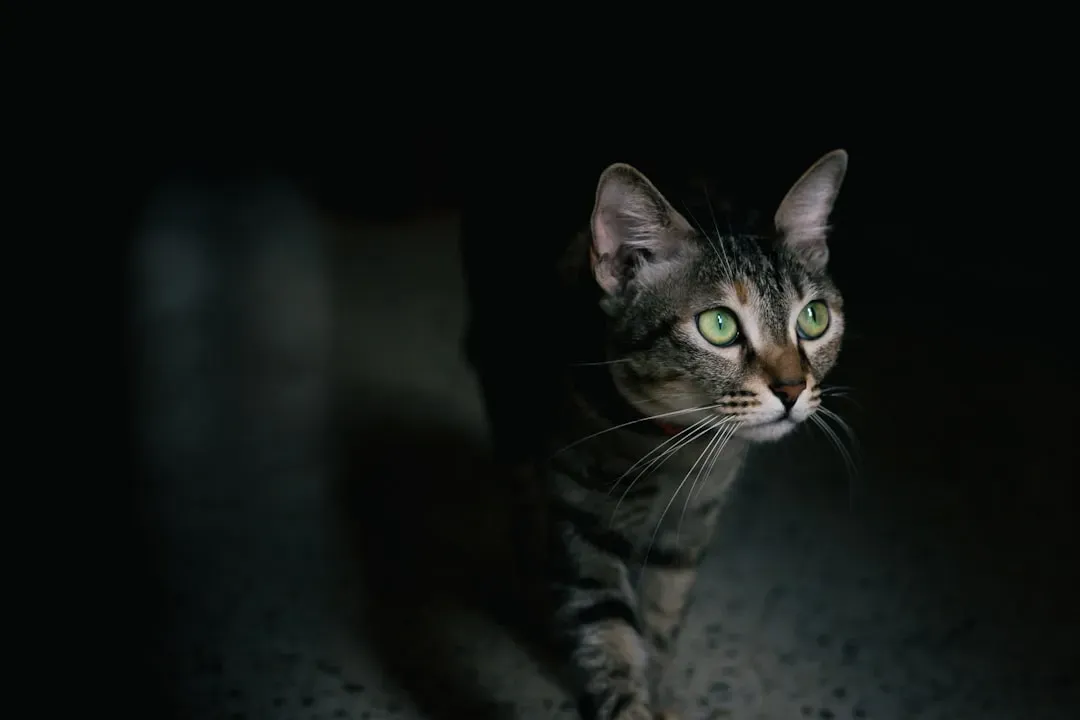
You might think of your cat’s late-night zoomies as random madness. It is actually closer to a patrol shift. Agile and nocturnal, cats need little light to hunt. With rodents most active at night, cats became their perfect nemesis. Cats have much better vision than humans and can detect even the smallest of movements. They are particularly adept at seeing in low light levels, with their vision in dim light being six times better than a human’s.
Cats are naturally territorial animals like their wildcat ancestors. They’re defensive of their territory, which is the area where they sleep, eat, and hunt. They mark and defend their territory in many ways and will fight to protect it if they need to. While you sleep peacefully, your cat is running its own independent night watch, alert to every creak, shadow, and unfamiliar scent that drifts through the house.
10. Your Cat’s Very Presence Deters Wild Animals from Approaching Your Property
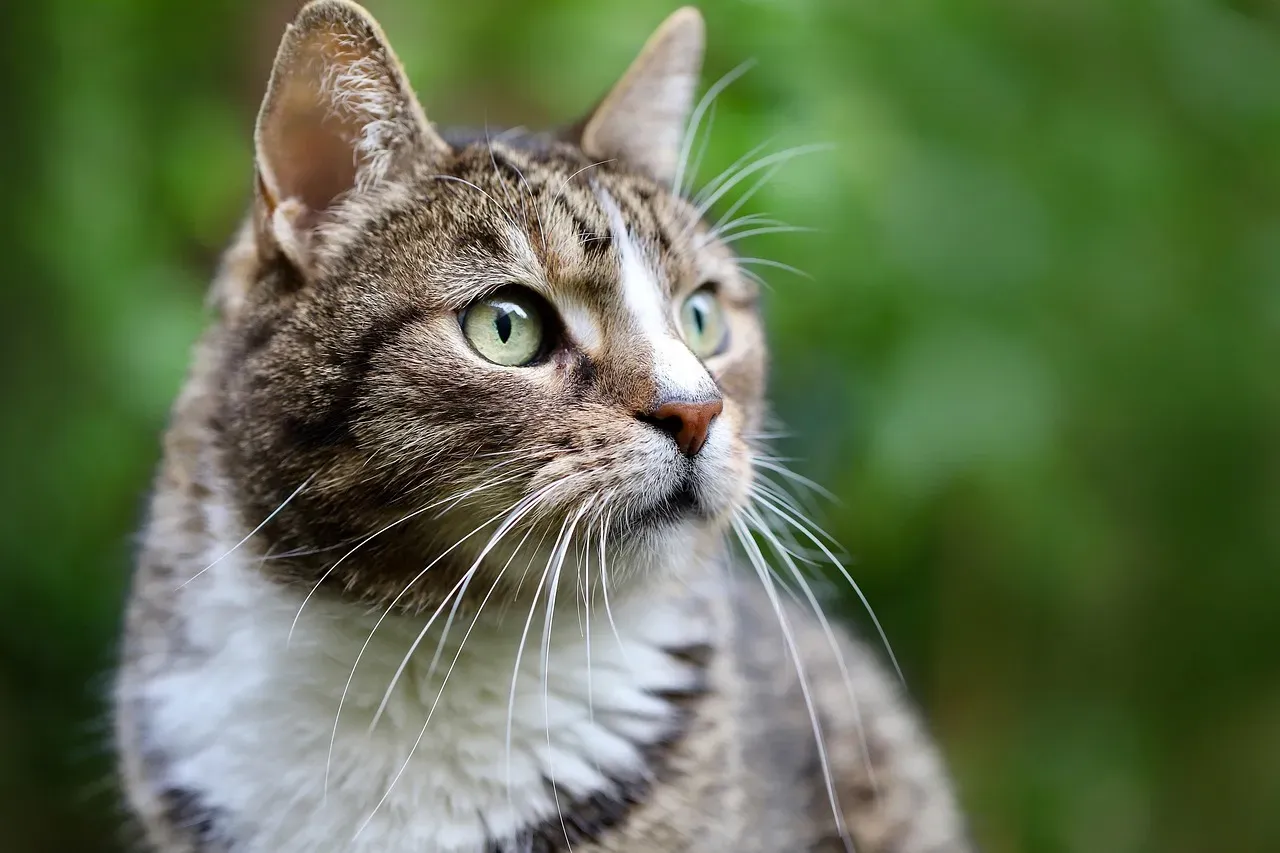
Cats may eat rats, but they also deter rats from coming near by, as cats mark their territory, not with urine, but by simply rubbing up against things. Cats deter rats from coming near, as cats mark their territory by simply rubbing up against things. Even this scent of a cat can make rats scatter. This applies to more than just rats. Larger wildlife, smaller birds hunting for easy scraps, and even neighborhood strays tend to avoid turf that carries a cat’s chemical signature.
The mere presence of a cat in a territory can significantly impact the behavior of mice. Cats are territorial animals, and they use scent marking to communicate their dominance in an area. These scent markers can serve as a warning to mice, signaling that a predator is nearby. This can result in a natural form of pest control, as mice may choose to avoid areas that cats mark. In this sense, your cat is not just a pet occupying your home. Your cat is actively broadcasting to the entire local animal kingdom that your home is spoken for.
Conclusion: Your Cat Is More Bodyguard Than Bystander
Most people underestimate what their cat is quietly doing around the clock. You feed them, you give them a warm spot to nap, and in return they are patrolling your home, repelling rodents, monitoring your health, and picking up on dangers your senses would miss entirely. That feels like a pretty good trade, if you think about it.
The next time your cat plants itself in the middle of the hallway at midnight and stares at the wall with those focused, luminous eyes, maybe instead of shooing them back to bed, you should ask yourself what they are picking up on that you simply cannot. Your cat’s quiet vigilance might be the most underrated household security system you have ever had. What do you think about that? Drop your thoughts in the comments below.