You’ve heard it a thousand times. Cats are independent. Self-sufficient. Easy to care for compared to dogs. While that might be true for some felines, there are certain breeds that completely flip that script. These cats demand constant grooming, crave endless attention, or come with health issues that require you to become their personal assistant. If you’re someone looking for a furry companion that pretty much takes care of itself, you’ll want to steer clear of these high-maintenance divas.
Let’s be real, not all cats are created equal when it comes to how much work they need from you. Some of these breeds look absolutely stunning with their flowing coats or exotic features, which makes them tempting choices at first glance. The reality hits you later when you realize your day now includes multiple grooming sessions, vet appointments, or dealing with a cat that literally won’t leave you alone for even five minutes.
Persian
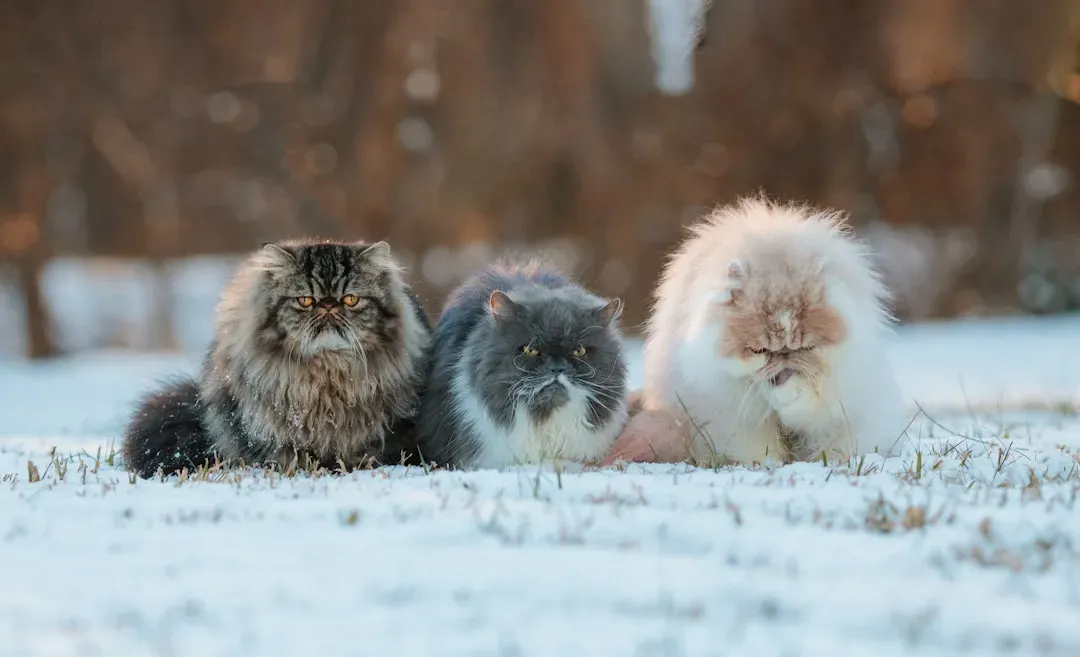
The Persian cat demands daily grooming due to its long, lavish coat with a soft, dense undercoat, and you’ll need to pay close attention to their eyes, noses, ears, and all the hard-to-reach areas because of their short snouts. Think about it like this: imagine waking up every single day knowing you absolutely must brush your cat or face dealing with painful mats and tangles later. That’s your life with a Persian.
These cats are prone to numerous health issues including kidney and heart conditions, plus brachycephalic airway syndrome that causes breathing struggles. The Peke-faced Persians with flatter faces are especially prone to eye problems and breathing difficulties due to their shortened skulls. Their gorgeous appearance comes at a price you’ll be paying in time, effort, and veterinary bills throughout their entire lives.
Sphynx
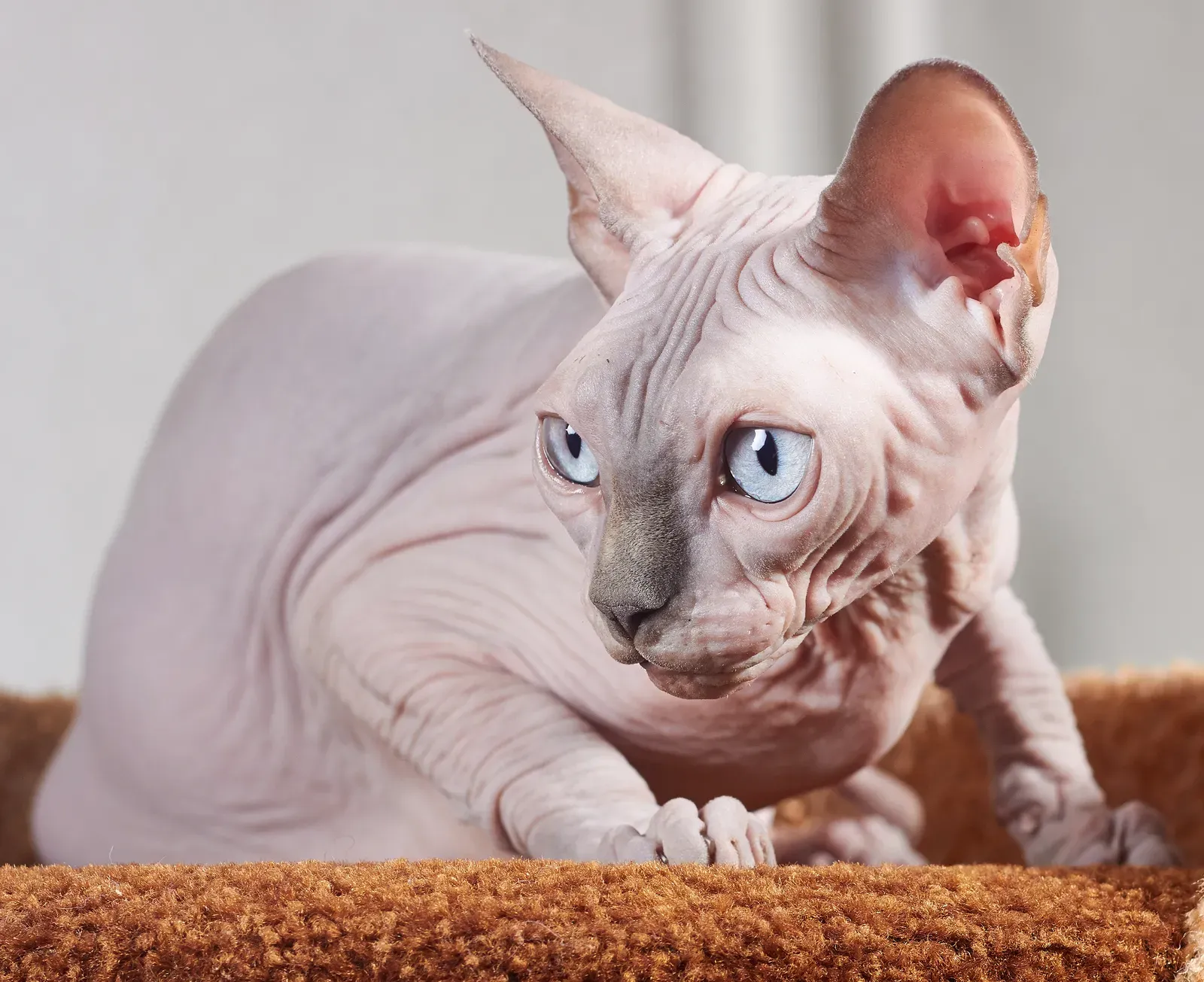
Here’s the thing about hairless cats that surprises most people. The Sphynx might not have fur, but their skin’s natural oils can build up and collect dirt, which means weekly or bi-weekly baths are a must for these kitties. You thought no hair meant no grooming? Think again.
They require sweaters and heaters when the weather is cold and are prone to sunburn if allowed outside. The Sphynx is one of the most attention-demanding cat breeds, being highly social and affectionate while preferring constant contact with people. This cat will follow you everywhere, demand to be under your blankets at night, and generally act like a needy toddler who happens to have four legs.
Maine Coon
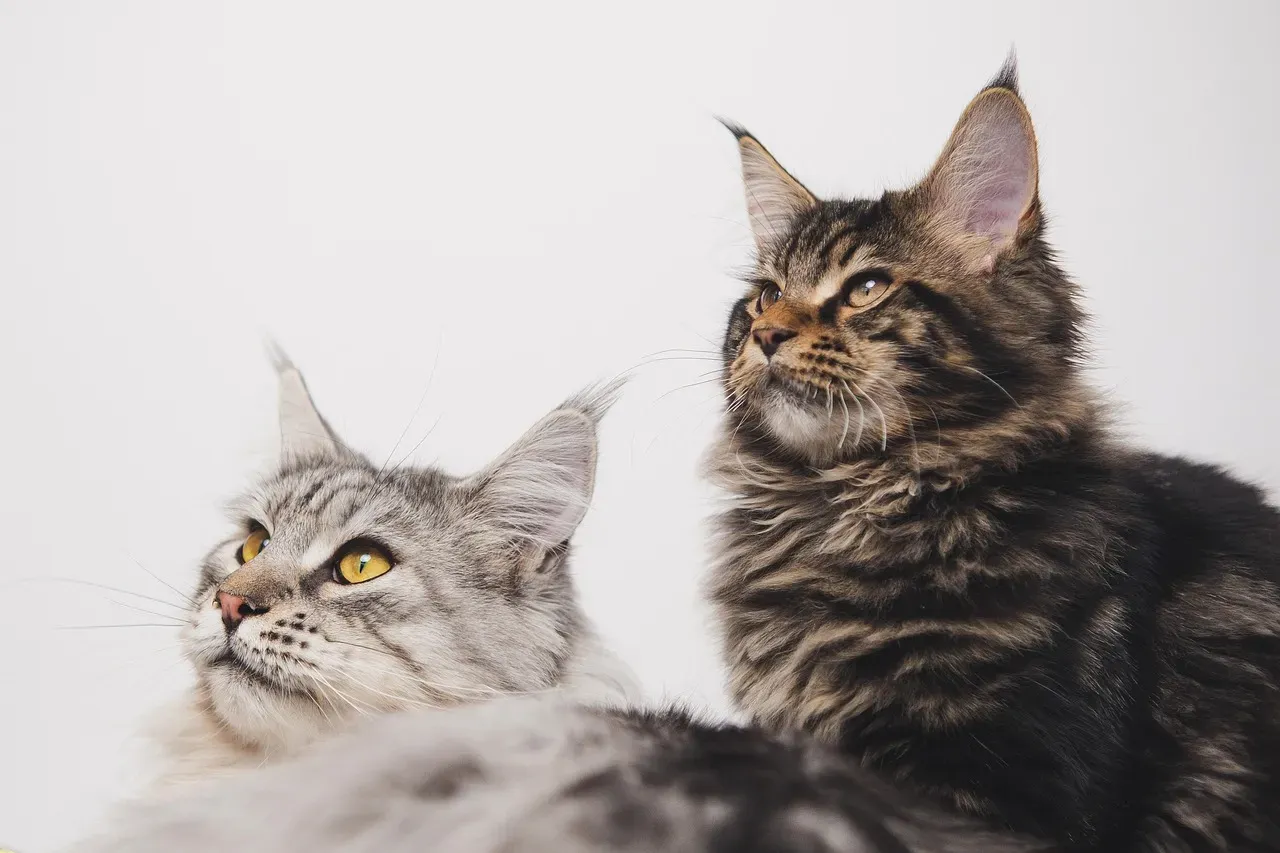
Maine coons are among the largest cat breeds, and their coats comprise a short underlayer and a longer, thick, and waterproof top coat that requires frequent grooming. We’re talking about a cat that can weigh more than many small dogs, which means everything about their care is supersized.
Their biggest demands are attention since they crave their owner’s company, plus plenty of exercise. Maine coons have a high prevalence of hypertrophic cardiomyopathy, hip dysplasia, patellar luxation, pyruvate kinase deficiency, and spinal muscular atrophy, plus they shed quite a bit. You’re basically signing up for a part-time job when you bring one of these gentle giants home.
Himalayan
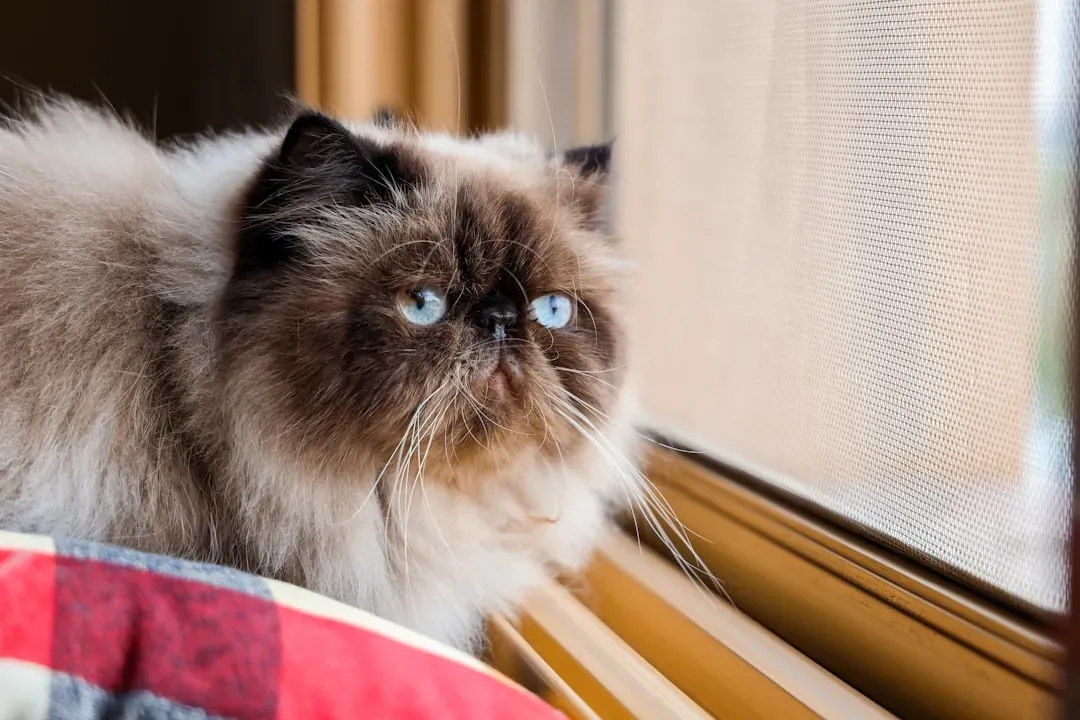
Himalayans need daily grooming to prevent tangles and matting, remove dirt and debris and to minimize shedding. Think of them as Persians with a different color scheme and roughly the same amount of work required.
Like many flat-faced cats, Himalayans often have breathing problems due to deformed nasal passages, and the breed is at risk for polycystic kidney disease which can cause kidney problems in adult animals. This breed is more prone to overgrooming behaviors due to their sensitive and attention-seeking personalities. Between managing their coat, monitoring their health issues, and dealing with their emotional needs, you’ll quickly discover why these aren’t exactly low-maintenance pets.
Siamese
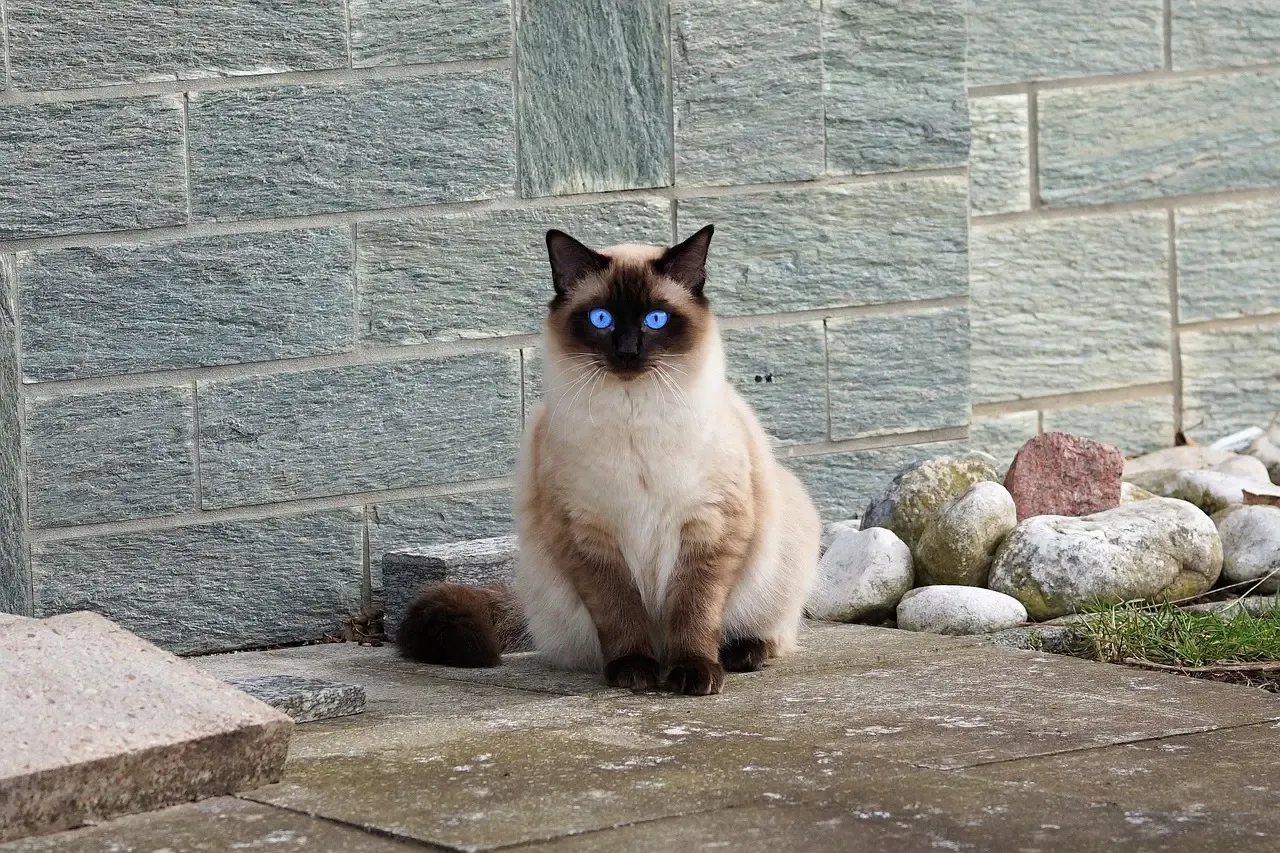
Sure, Siamese cats have short coats requiring minimal grooming, but don’t let that fool you into thinking they’re easy. The talkative, outgoing Siamese candidly and confidently declares his loyalty to his chosen people while craving attention and affection and delighting in engaging in loud, yowl-filled conversations.
Super-smart and fiercely devoted, the Siamese is never far from you at home, demanding human interaction and not enjoying being left home alone for long durations. These cats will literally follow you into the bathroom and have a loud opinion about everything you do. They can become anxious or demanding when left alone for extended periods. If you value peace and quiet, this breed is absolutely not for you.
Norwegian Forest Cat
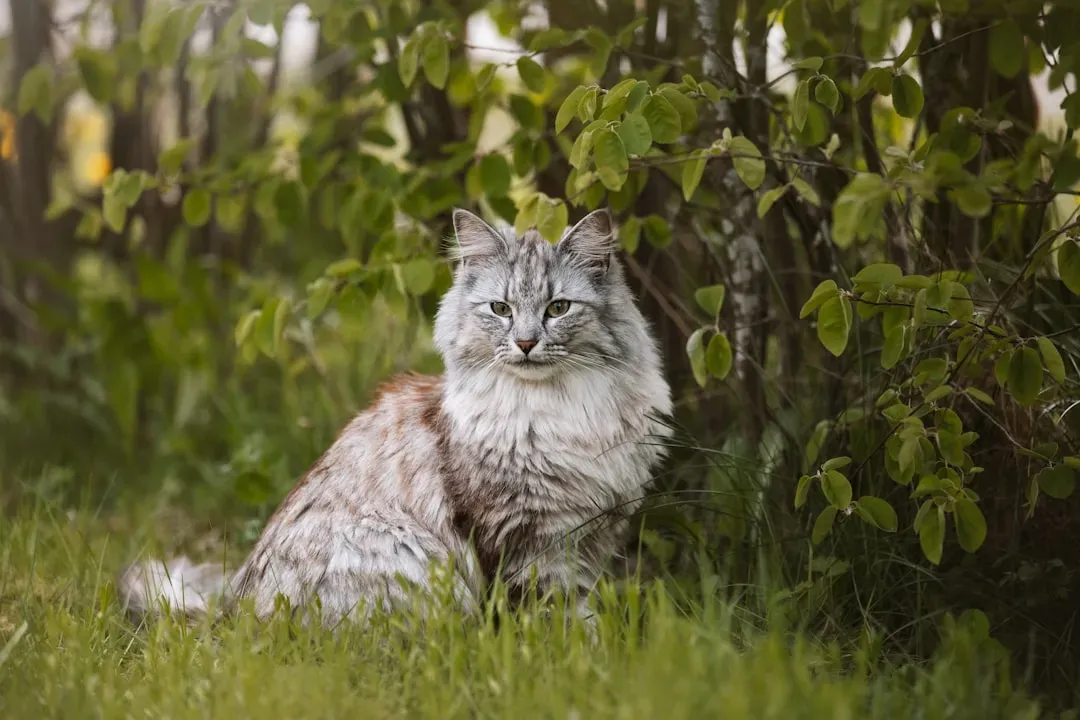
The Norwegian Forest Cat has a long, dense coat with a water-repellant top layer and thick, woolly undercoat that requires weekly or every-other-day brushing to prevent mats and tangles from forming. That fluffy exterior evolved to survive harsh Norwegian winters, which is great for them but exhausting for you.
Their overarching requirement is play and exercise, as they are big-time outdoor cats who love to climb and explore, benefiting from outdoor cat enclosures and puzzle feeders to keep them mentally and physically occupied. These cats need constant stimulation and aren’t content lounging around all day like some breeds. You’ll need to dedicate serious time to keeping them entertained or deal with a bored, destructive cat.
Bengal
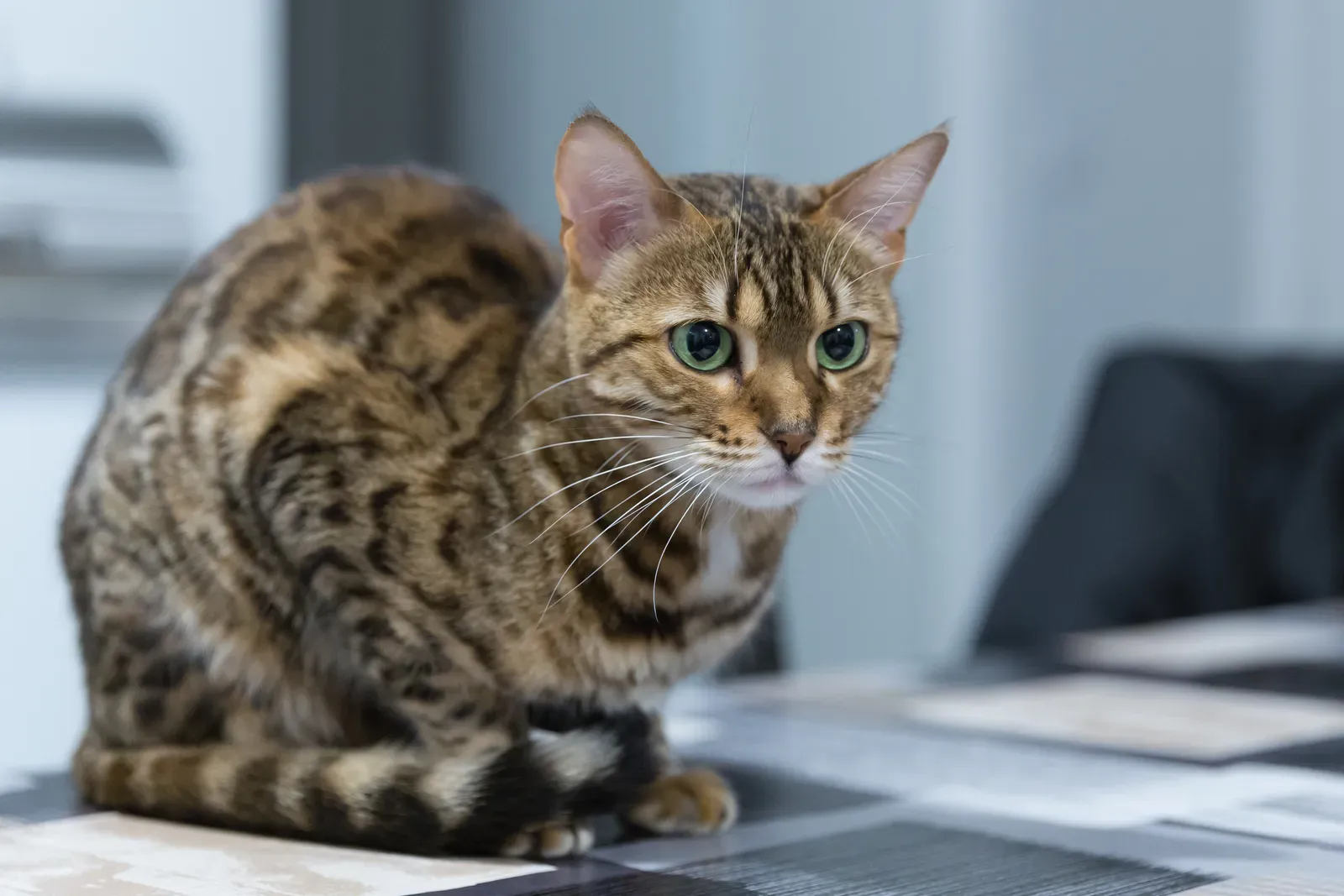
The Bengal features markings reminiscent of a wild leopard because it was created by cross breeding a domestic cat with an Asian Leopard Cat, maintaining a domesticated temperament along with striking looks, but its heightened energetic nature makes this exotic cat more of a high-maintenance breed. These cats are basically tiny wild animals living in your house.
Bengals require constant mental and physical stimulation. They’re not the type to nap peacefully while you work from home. Instead, they’ll be climbing your curtains, knocking things off shelves, and demanding you play with them right now. Their energy levels are honestly exhausting for anyone hoping for a calm, easygoing pet. Some Bengal owners even report that their cats enjoy playing in water, which sounds cute until you realize they might turn on your faucets.
Ragdoll
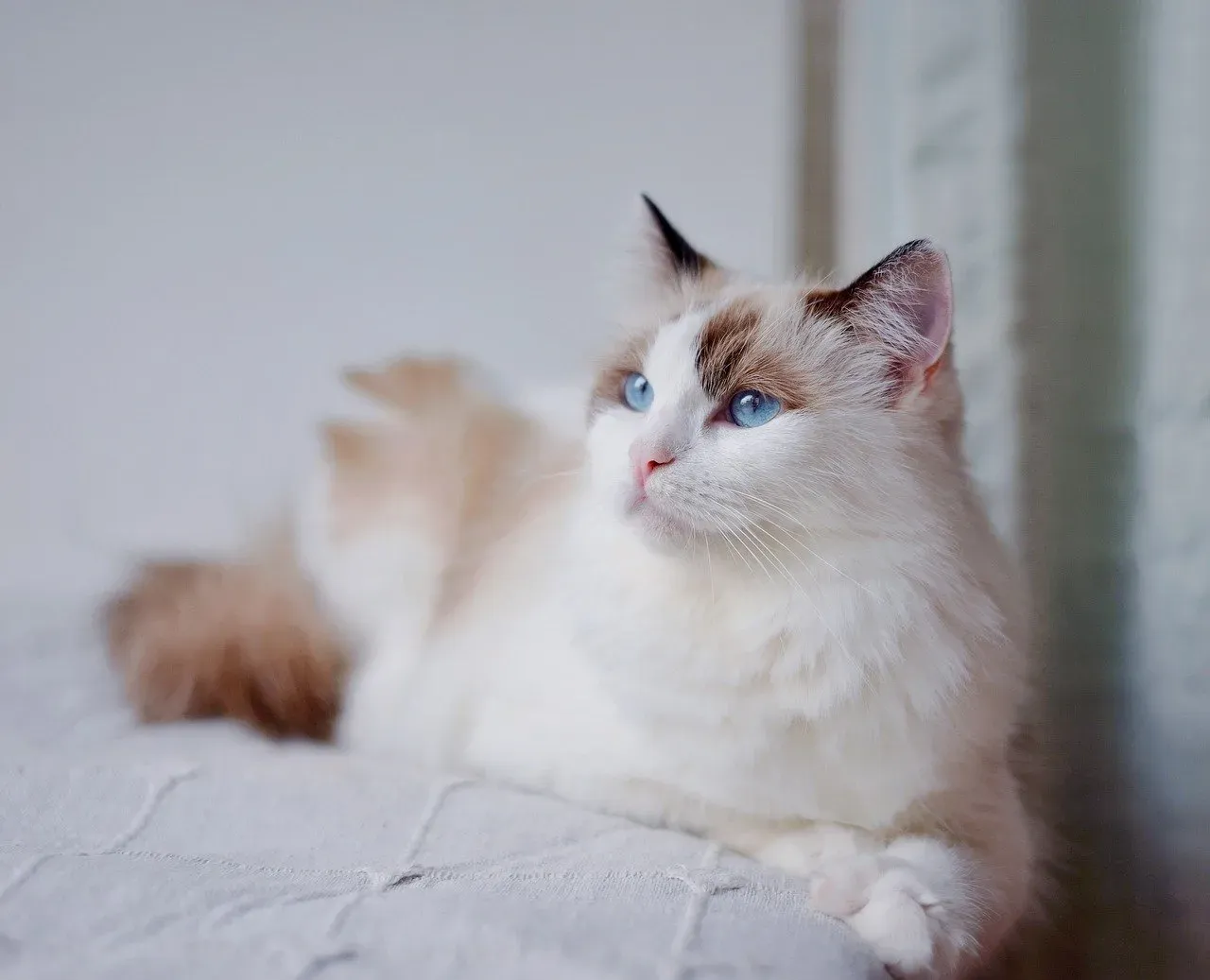
Ragdolls have semi-long coats that need regular grooming multiple times a week to reduce shedding and prevent mats. While that might sound manageable compared to daily grooming, it’s still way more than the occasional brush most people imagine when they think about cat ownership.
Ragdolls tend to be very attached to their owners and often prefer indoor living due to their low awareness of road dangers, requiring consistent affection and benefiting greatly from interactive play and mental stimulation as their trusting nature means they depend heavily on their owners. These cats are nicknamed “puppy cats” for a reason. They’ll greet you at the door, follow you around constantly, and genuinely seem lost without human interaction. If you travel frequently or work long hours, a Ragdoll will not be happy.
Chausie
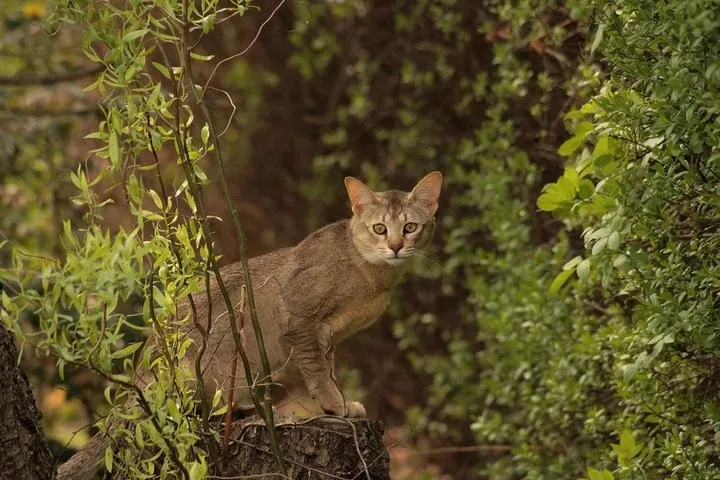
The chausie’s need for exercise, play, and mental stimulation makes them a high-maintenance cat breed, needing plenty of toys and climbing opportunities and shouldn’t ever be unsupervised. They are generally friendly but like their space too, with their unpredictability making them unsuitable for families, and free access outdoors should never be allowed.
These cats have a cougar-like appearance and energy levels to match. They’re not satisfied with a simple feather wand toy for ten minutes a day. Chausies need serious enrichment, dedicated play sessions, and constant supervision because they can get into trouble faster than you can imagine. The combination of high energy, need for space, and unpredictable temperament makes them a challenging choice for most households.
Birman
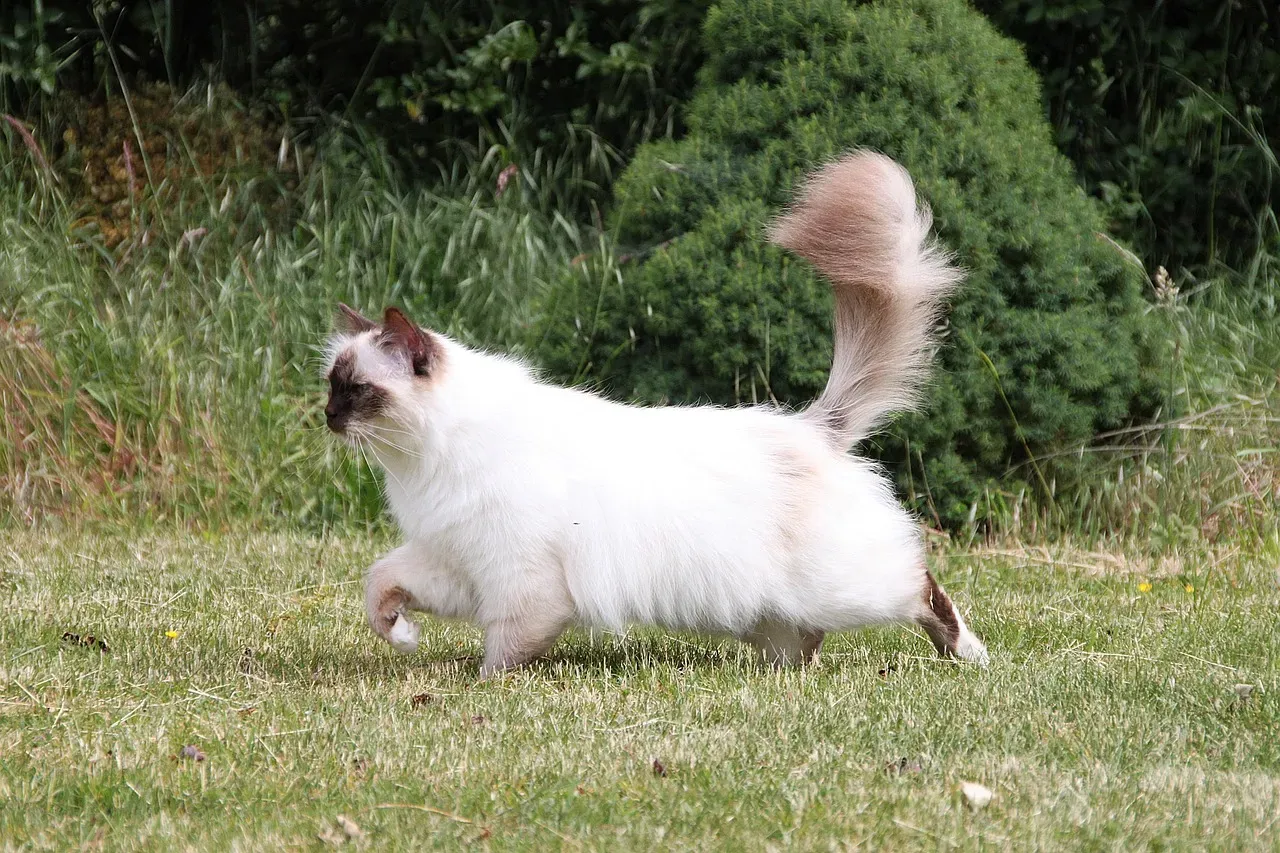
The Birman requires daily brushing to prevent tangles and matting, remove dirt and debris, and to minimize shedding. Their silky coat might look beautiful, but maintaining it becomes a daily commitment you can’t skip.
Long-haired cat breeds like Birman have really long, fluffy hair that gets matted easily and traps anything unfortunate enough to find its way in there, typically requiring brushing a few times a week to prevent matting and keep shedding at a minimum. Miss even a couple of days and you’ll be dealing with painful mats that might require professional grooming or even shaving. That gorgeous coat comes with responsibilities that many people underestimate until they’re already committed.
Conclusion
Looking back at these ten breeds, there’s a clear pattern. The cats that require the most maintenance usually fall into one or more categories: extensive grooming needs, demanding personalities that crave constant attention, or health issues that need monitoring. Sometimes you get the trifecta and end up with all three.
That doesn’t mean these breeds don’t make wonderful companions for the right person. Someone who genuinely enjoys daily grooming sessions, has plenty of time for interactive play, and doesn’t mind being followed around by a chatty companion might find their perfect match among these high-maintenance felines. The key is being honest with yourself about your lifestyle before bringing home a cat that needs more than you can realistically provide.
If you’re still drawn to one of these breeds despite the warnings, make sure you’re truly prepared for the commitment. Research reputable breeders, understand the specific needs of your chosen breed, and budget for grooming supplies or professional grooming services plus potential veterinary expenses. What do you think? Would you take on the challenge of a high-maintenance cat, or are you sticking with a more independent breed?