You’ve probably imagined it a hundred times. A sweet, purring feline curled up in your lap, gazing lovingly into your eyes after a long day. The reality? Some cat breeds take everything you’ve got emotionally and give back very little warmth in return. It’s not that they’re heartless, exactly. They’re just wired differently, bred for traits that make them beautiful, exotic, or striking but not necessarily affectionate companions.
Honestly, it’s a tough pill to swallow when you realize your dream cat might be more about demanding your attention on their terms while keeping you at arm’s length. Let’s be real, not every cat is a cuddly lap warmer. Some breeds are downright exhausting to live with, constantly needing something from you yet remaining emotionally distant when you need them most.
What follows might surprise you or maybe confirm what you’ve suspected all along. These eleven breeds are sometimes described as high maintenance emotionally, with affection levels that vary according to sources. Ready to see which cats made the list?
Persian Cats With Their Aloof Majesty
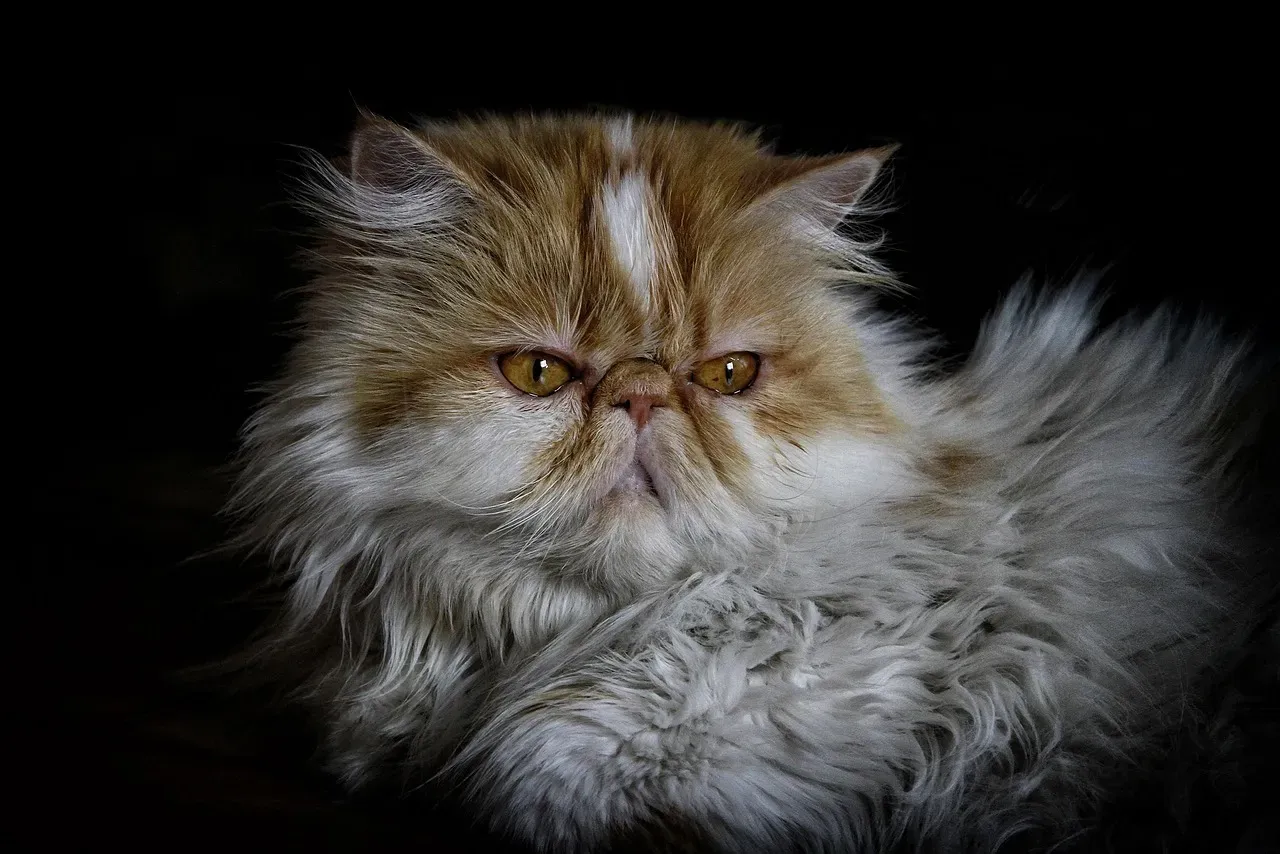
Persian cats are notably quiet and docile, choosing to give their attention only to close family members or a select few who have earned their trust, while any visitors to the household will likely be ignored. They’re stunning creatures with those luxurious coats and flat faces, sure. Their grooming needs alone demand daily commitment from you, yet they often act like pieces of decorative furniture rather than interactive companions.
The breed is content being left at home for extended periods and won’t cause distractions, preferring to stick to one comfortable spot like a bed or couch. You pour time into their elaborate grooming routines, manage their health issues related to their flat faces, and what do you get? A cat that tolerates you at best and completely ignores guests. They want a serene environment without disturbance, which basically means you adapt your entire household to their preferences while they remain emotionally unavailable.
Siamese Cats and Their One-Sided Demands
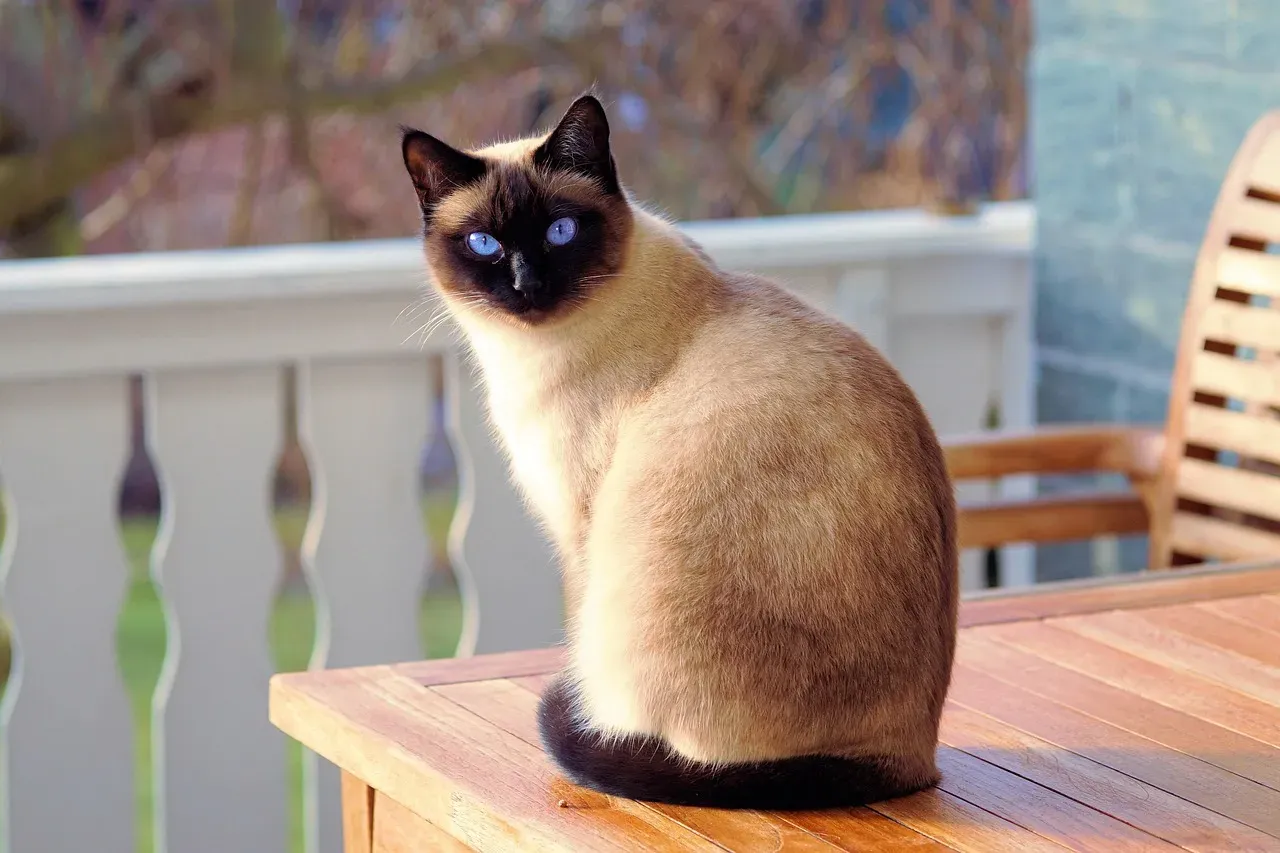
While Siamese cats are affectionate and enjoy human companionship, they also tend to be demanding and crave attention while disliking being ignored. These cats are highly vocal and crave constant interaction, following their owners around and often chatting loudly, yet they are not happy when left alone for extended periods and can become anxious or demanding. Think about that for a second. They want you available constantly, but the affection flows mostly one way.
Because Siamese tend to bond strongly with only one human, they may be considerably less affectionate toward others, especially strangers and children. So you become their emotional support person while they show little regard for anyone else in your life. Their vocal nature isn’t charming conversation, it’s incessant demands for your undivided attention. You’re essentially held hostage by a cat that insists on your presence but on strictly their terms.
Bengal Cats With Wild Temperaments
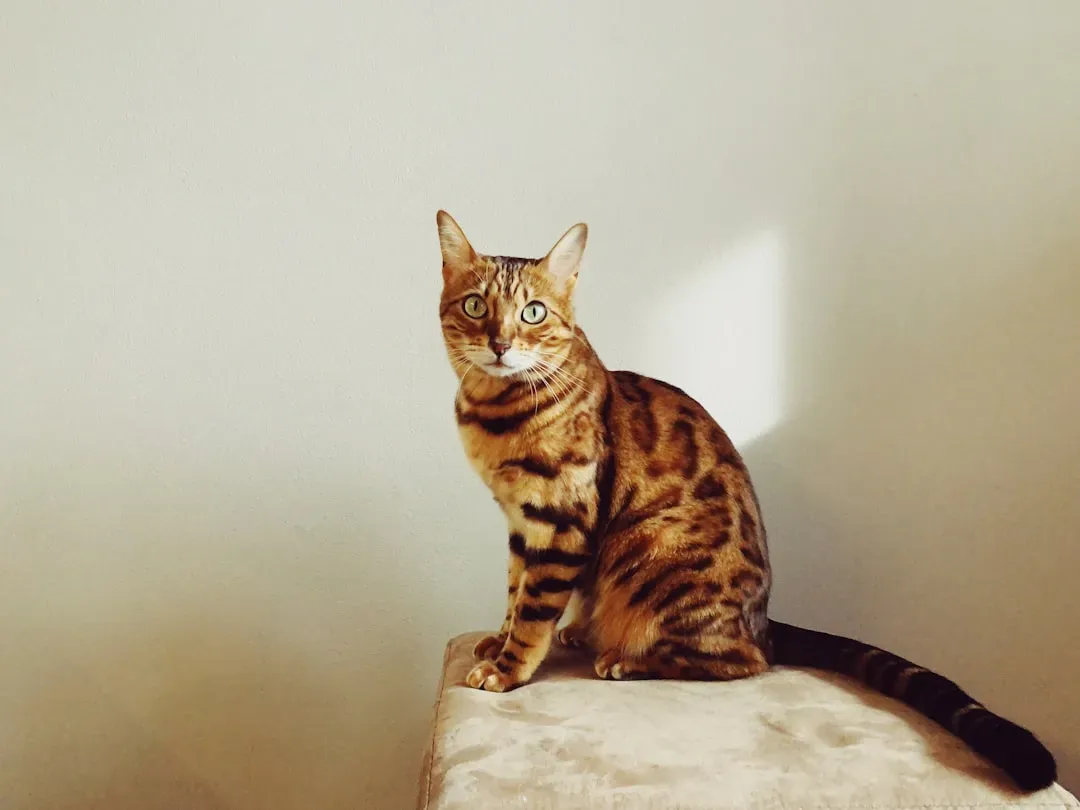
Bengals are breathtakingly beautiful with their exotic spotted coats. They’ve been described as like having a wrecking ball with a warped sense of humor in your home. This breed is known to be highly temperamental and can stay angry or withdrawn for long periods, and Bengals require proper socialization, as fear toward humans can limit their affection if not addressed.
Their wild ancestry makes them unpredictable and challenging. Bengals are fiercely territorial, meaning introductions can be hard, and they do not generally like big changes in their environment, always needing a box or cat tree to retreat to when feeling threatened. You invest massive amounts of energy managing their territorial behavior, providing constant stimulation, and walking on eggshells around their moods. Yet they remain emotionally distant, driven more by instinct and fear than any desire to connect with you.
Scottish Fold With Selfish Interactions
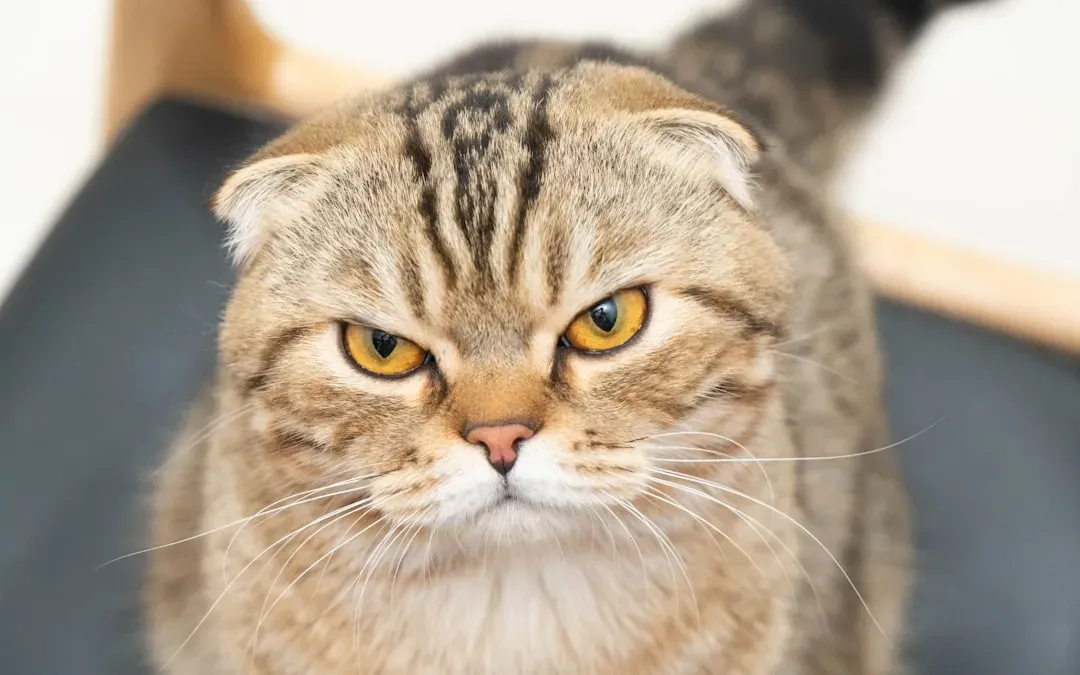
Those adorable folded ears are misleading. Although Scottish Folds interact with humans quite a bit, it is usually for their own needs such as food, rather than an attempt to give affection. They’re masters at manipulating you into thinking they care when really they just want something from you. It’s transactional, not relational.
They’ll come around when the food bowl is empty or when they need something specific. Once their needs are met? They disappear back to their favorite lounging spot. You’re essentially a service provider rather than a beloved companion. The emotional investment is completely lopsided, with you constantly trying to read their moods and meet their needs while receiving very little genuine warmth in return.
Russian Blue Cats and Their Reserved Nature
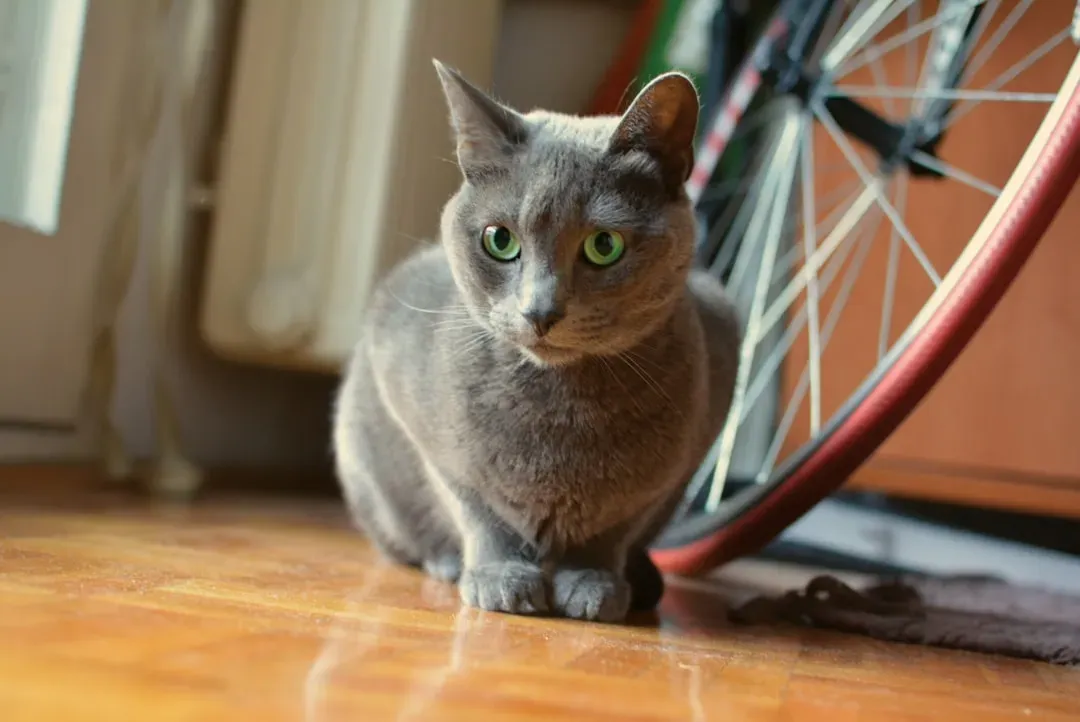
Russian Blues are loyal and sweet-tempered cats who prefer to stay quiet except at mealtimes, and while devoted to close family members, they are extremely reserved and unaffectionate toward strangers, being highly intelligent and sensing what a person is thinking. They take forever to warm up to anyone, including you.
Russian Blues are sensitive cats who thrive on predictability and routine, preferring quiet, calm homes, and they can be aloof around strangers while being affectionate in their own way with those they love. Their “own way” usually means sitting in the same room as you occasionally. You structure your entire life around their need for routine and quietness, yet they remain emotionally guarded. It’s exhausting constantly accommodating their sensitivities while getting minimal affection back.
Norwegian Forest Cats With Independent Streaks
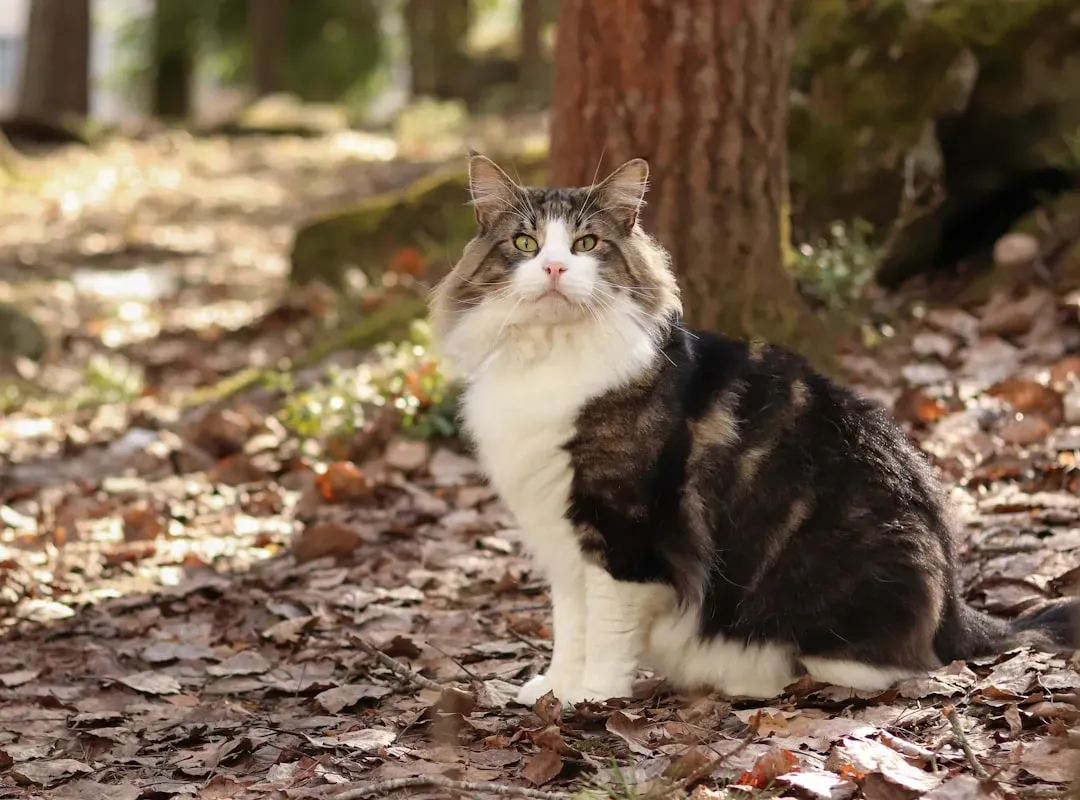
Norwegian Forest Cats have an independent personality and like to operate on their own time, often perched high on a cat tree or scratching post, and will only come to you occasionally for brief hugs and kisses before returning to their activities. They’re majestic creatures, no doubt. Their thick coats and wild appearance are stunning.
But living with one? They treat you like an occasional pit stop rather than a companion. You provide everything they need, manage their grooming requirements, and they repay you with maybe five minutes of attention before disappearing to their elevated perch. They’re content observing life from a distance, with you firmly kept in the supporting role rather than as a central figure in their world.
Singapura Cats and Their Toy Obsession
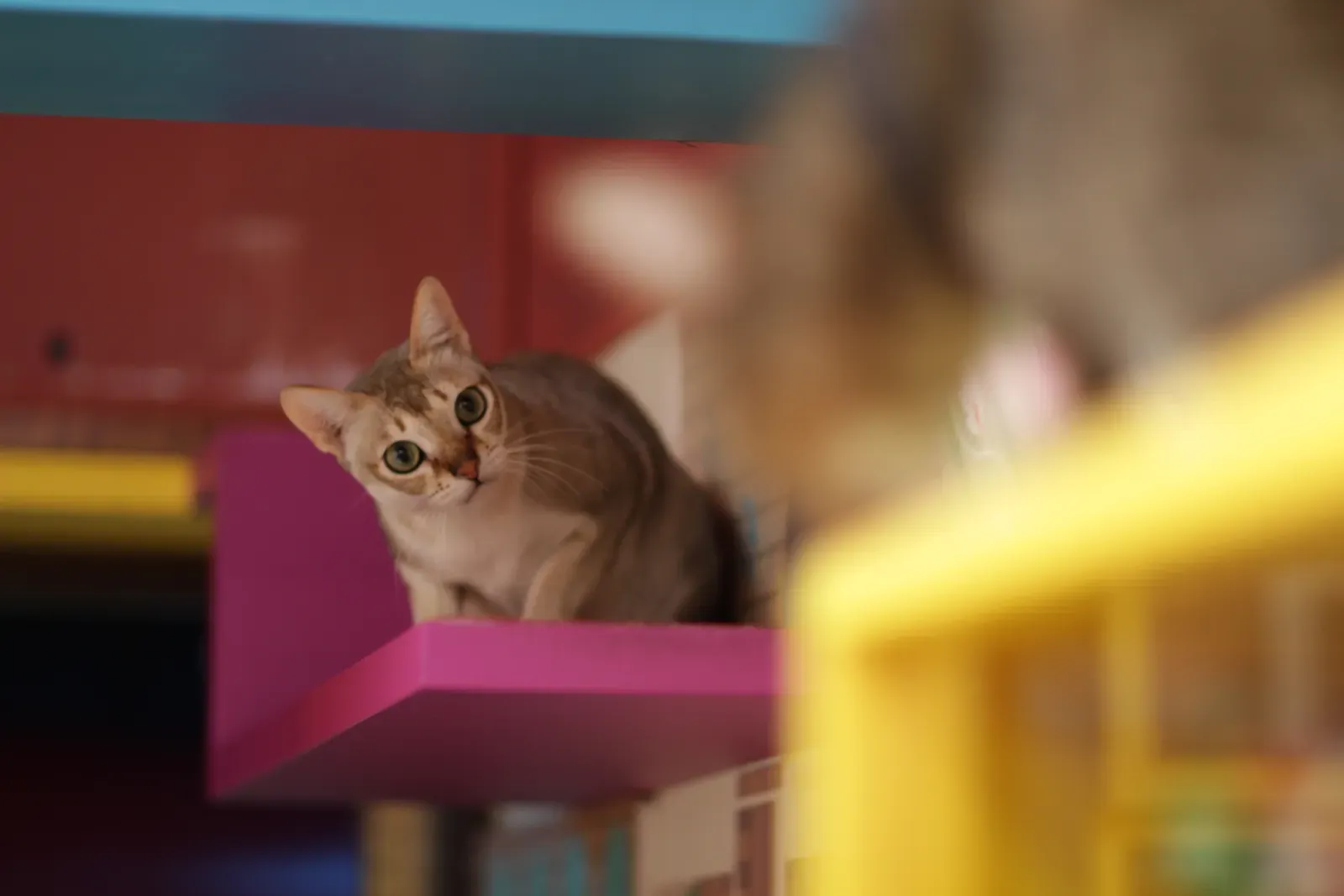
The petite Singapura has a history filled with hardship on Singapore’s streets, which has instilled in them a deep-seated mistrust of humans, particularly strangers, with their tiny voice and quiet personality reflecting a breed affected by past experiences. This breed is obsessed with interactive toys, and as long as you provide plenty of them, they won’t demand your affection, being content to be left alone for long hours.
So basically, you’re a toy supplier. They’d rather play with inanimate objects than bond with you. You invest in elaborate toy collections and enrichment activities, yet they remain emotionally detached. Their past trauma has made them wary, which is understandable, but it also means you’re constantly giving emotional energy to a cat that keeps you at a safe distance no matter how hard you try to connect.
American Wirehair With Minimal Affection
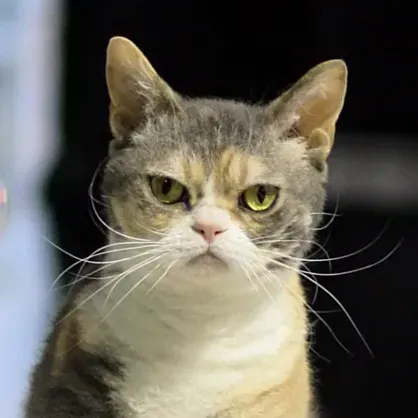
The American Wirehair is known for its independent nature. This breed is sweet with an outgoing personality but is not necessarily one that needs or requires its owner’s attention, as these kitties are very content to be on their own. Their unique wiry coat makes them distinctive looking, and that’s about where their appeal ends for someone seeking emotional connection.
They’re perfectly happy ignoring your existence most of the day. You feed them, house them, and care for their needs, yet they treat you like an optional addition to their lives. It’s hard not to feel rejected when your cat clearly prefers solitude to your company. They won’t get into trouble when left alone, which sounds convenient until you realize it’s because they genuinely don’t care whether you’re there or not.
Exotic Shorthair With Selective Attention
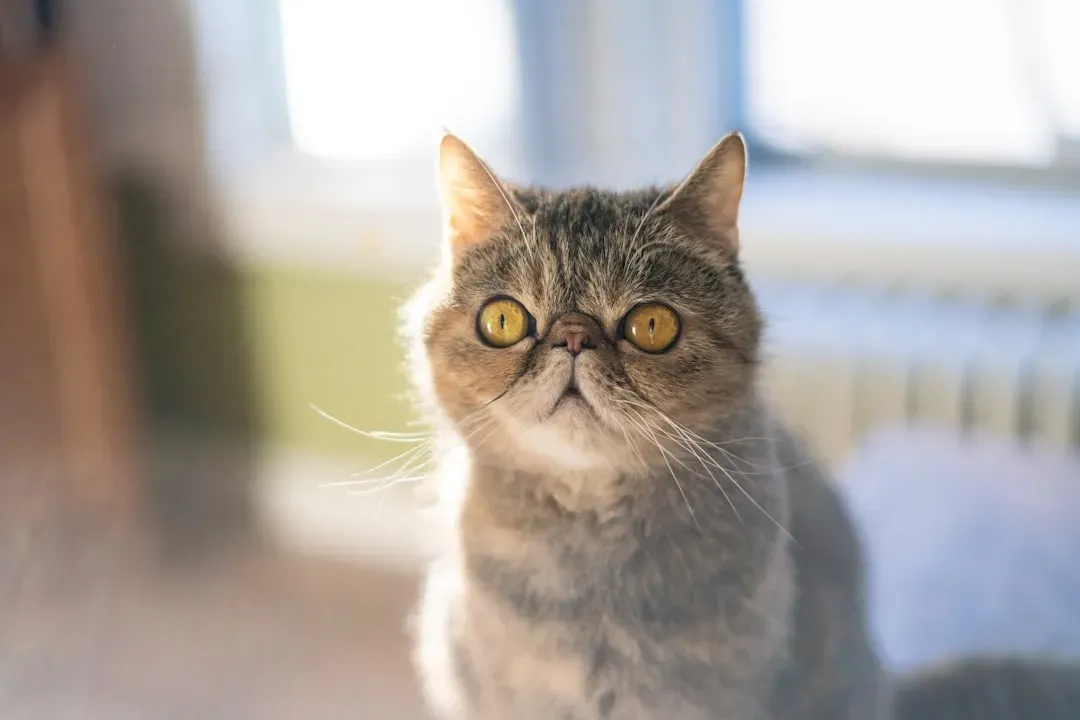
The medium-sized Exotic Shorthair is notable for being as playful as it is pretty, but as they age their independent nature slowly reveals itself, and these cats settle into relaxed personalities. They start off seeming affectionate and playful when young, which draws you in. Then they gradually withdraw as they mature, leaving you wondering what changed.
The reality is they grow into their true independent nature, which means less interaction with you over time. You bonded with a playful kitten only to end up with an adult cat that prefers its own company. It’s a bit of a bait and switch, honestly. You put in years of care expecting the relationship to deepen, but instead it becomes more distant as they age into their relaxed, self-contained personalities.
Sphynx Cats With High Maintenance Personalities
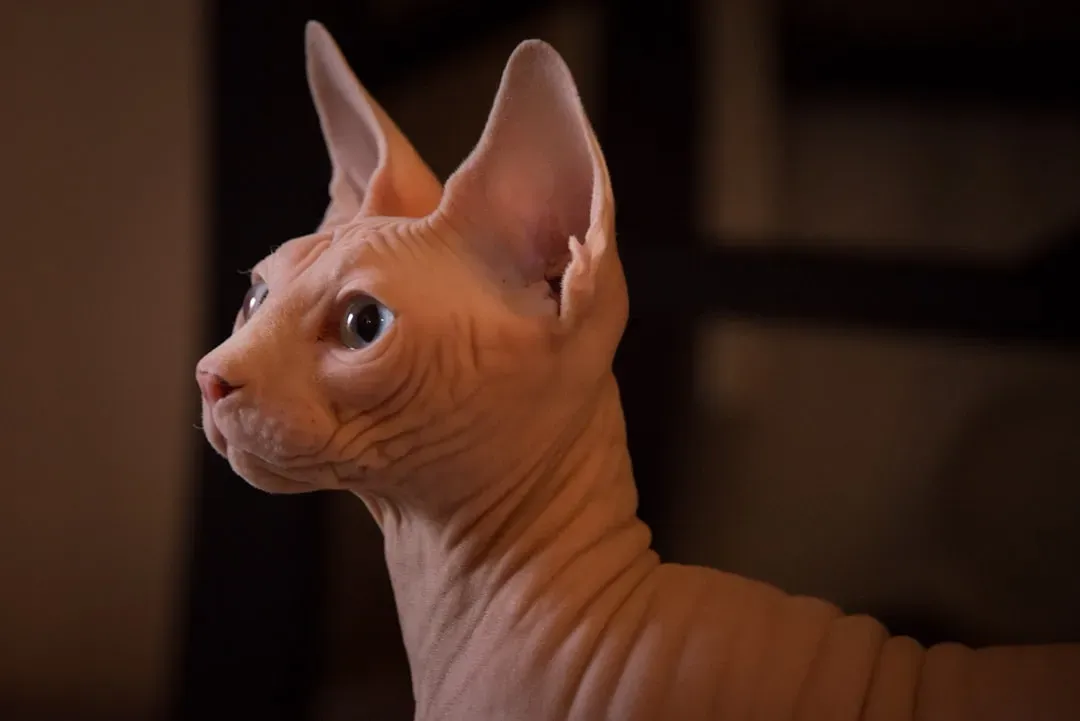
Sphynx cats are very social and demand a lot of attention and interaction from their pet parents, yet their need for regular skin care, attention to diet, temperature management, and social needs cannot be neglected. They’re incredibly demanding, requiring constant care for their unique hairless bodies. Weekly baths, temperature regulation, special dietary needs – the list goes on.
Yet despite all their demands for attention, they tend to be both needy and highly affectionate. There’s a difference between a cat that wants to be near you out of love versus one that needs constant reassurance and management. You become their caretaker rather than their companion. Every aspect of your life revolves around meeting their extensive needs, but the emotional payoff is surprisingly limited given how much they demand from you.
Chausie Cats and Their Unpredictable Nature
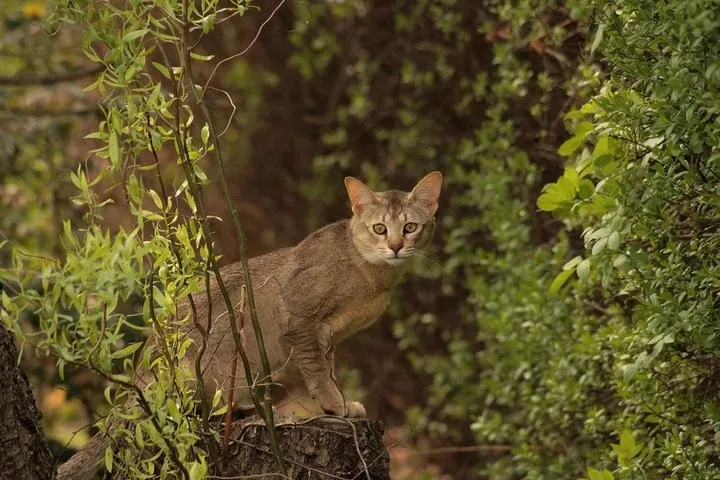
The Chausie has a cougar-like appearance and while usually in good health, their need for exercise, play, and mental stimulation makes them a high-maintenance cat breed, requiring plenty of toys and climbing opportunities while never being unsupervised, and they are generally friendly but like their space too, with their unpredictability making them unsuitable for families. Their wild hybrid background makes them stunning but difficult.
They need constant supervision, elaborate enrichment, and careful management. Free access outdoors should never be allowed, meaning you’re responsible for channeling all their wild energy indoors. They like their space, which is code for “don’t expect cuddles.” You’re essentially running a wildlife sanctuary in your home, dedicating enormous resources to their care while they remain aloof and unpredictable in their affections.
Finding Balance With Demanding Breeds
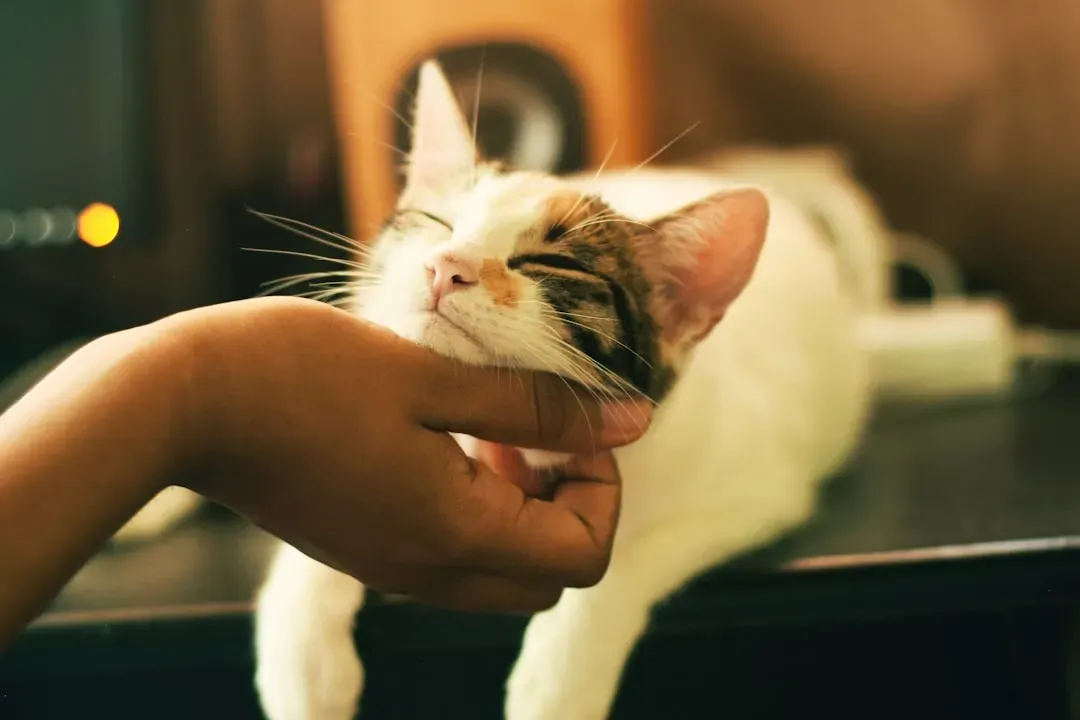
Living with emotionally demanding yet distant cats teaches you something about expectations and acceptance. These breeds aren’t necessarily wrong or bad, they’re just wired differently than what most people envision when they dream of cat ownership. The key is understanding what you’re signing up for before bringing one home.
Every cat deserves love and proper care regardless of their personality type. Yet it’s worth being honest about whether you can handle the lopsided emotional investment these breeds require. Some people thrive with independent cats, while others need that reciprocal affection to feel fulfilled. There’s no shame in recognizing which category you fall into before committing to a breed that might leave you feeling emotionally depleted and underappreciated for years to come. What kind of cat owner are you, really?