You’ve just welcomed a cat into your life. Congratulations! These mysterious, independent little creatures have a way of transforming your house into a home, filling it with purrs, unexpected zoomies at three in the morning, and that unmistakable feeling that someone’s watching you from across the room.
Here’s the thing, though. While cats may have a reputation for being low maintenance compared to dogs, they still need the right supplies to truly thrive. Think of it like this: you wouldn’t move into a new apartment without furniture, dishes, or a working bathroom, right? Well, your feline friend has similar needs. Getting the essentials right from the start means fewer vet visits, less stress for both of you, and a cat who actually seems happy you exist. So let’s dive into what you really need to set up your home for feline success.
Quality Food and Water Bowls
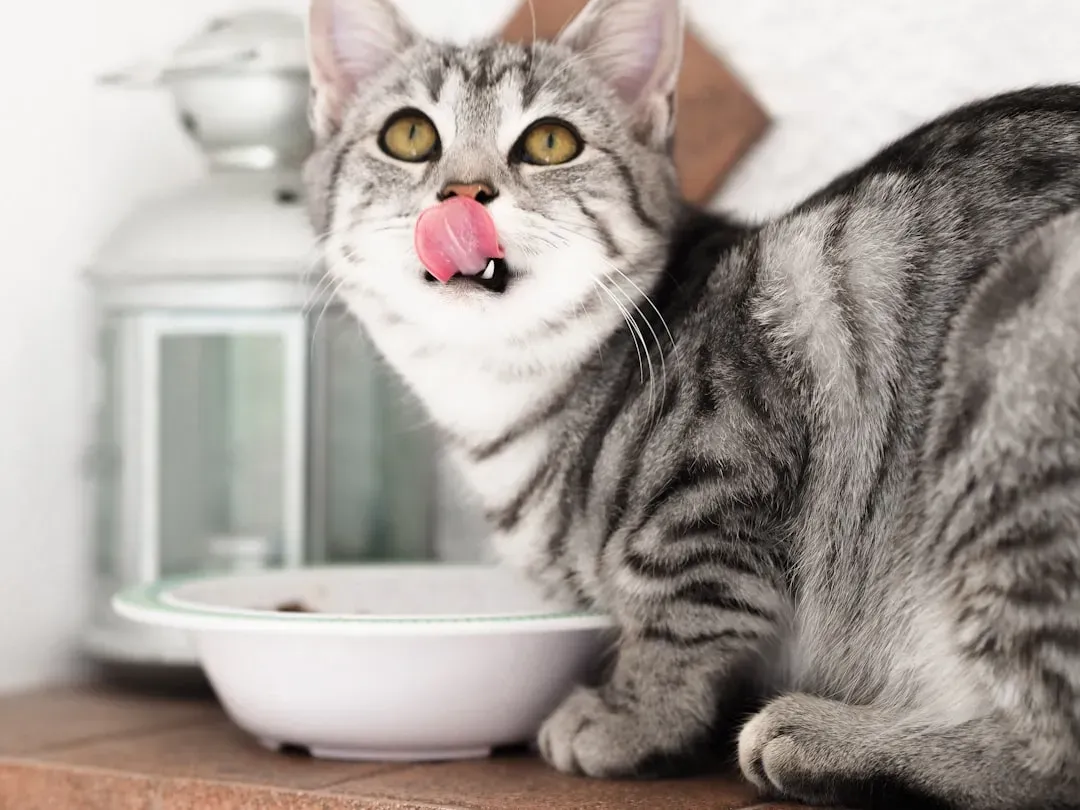
Your cat needs to eat and drink every single day, obviously. Yet the bowls you choose matter more than you might think. Ceramic or stainless steel bowls are the top choices because they’re easy to clean and durable. Plastic bowls, on the other hand, can harbor bacteria even after washing and may even cause chin rash in sensitive cats.
Provide your cats with a food dish and a water dish that are wide and shallow. Cats don’t like when their whiskers touch the sides of deep bowls. It’s called whisker fatigue, and trust me, your cat won’t appreciate it. Some cats are also obsessed with running water, so consider a water fountain if hydration seems to be an issue.
Nutritious, High Quality Cat Food
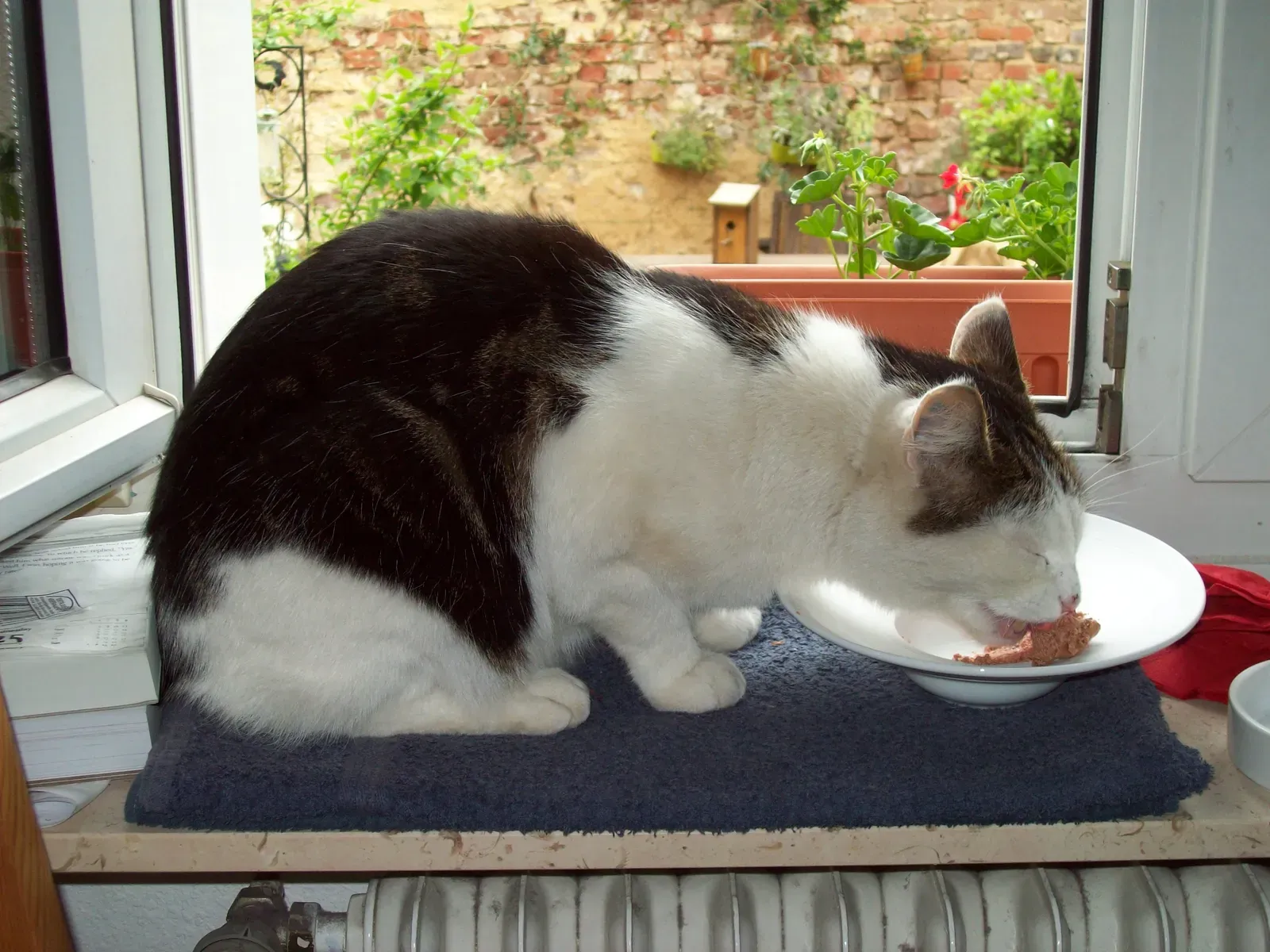
The best cat food is complete and balanced, formulated with high quality ingredients, and backed by research, suited to your cat’s life stage and tailored to any specific health needs. It’s hard to say for sure, but this is probably the single most important decision you’ll make for your cat’s long term health. If you’ve just adopted your cat, start with whatever they were eating at the shelter or breeder’s home to avoid digestive upset.
When you’re ready to switch, do it gradually over about a week. Look for cat food with an AAFCO nutritional adequacy statement printed on the label, which confirms the food is complete and balanced for all life stages. Both dry and wet cat food are great nutrition sources, so consider your cat’s specific needs, preferences, and your budget. Wet food has higher moisture content, which is great for cats who don’t drink enough water.
A Properly Sized Litter Box
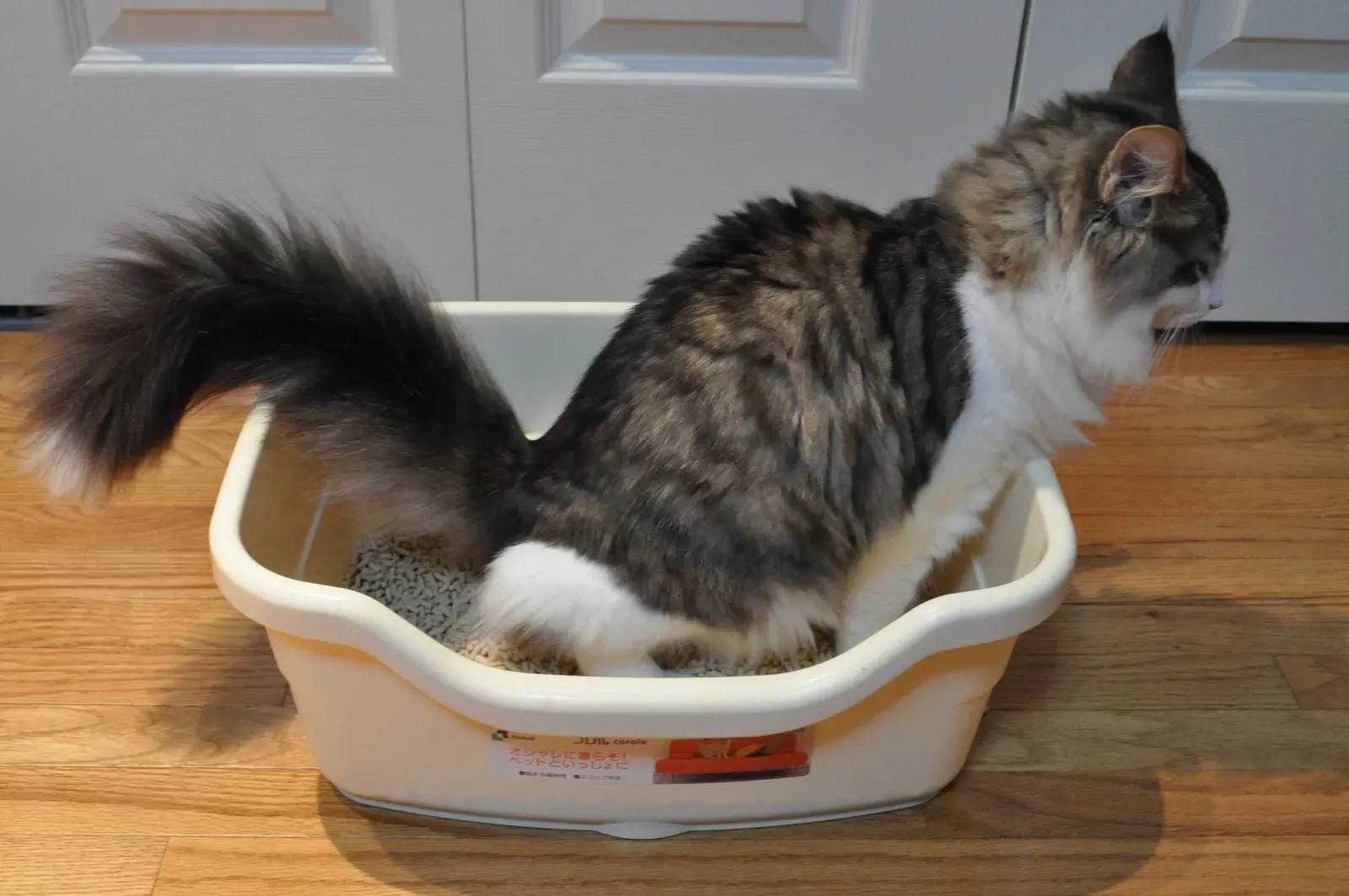
Let’s be real, nobody enjoys talking about cat bathrooms. Yet this is non negotiable if you want your cat to actually use it. A large litter box is ideal for urination and defecation, and the litter box should be one and a half times the size of your cat. Too small, and your cat might decide your favorite rug looks like a better option.
Each cat in your household should have their own litter box, plus one additional box, meaning if you have one cat, provide two litter boxes to help prevent territorial issues. Place them in quiet, accessible locations far from food and water bowls. Cats are clean creatures and prefer privacy when doing their business.
Unscented, Quality Cat Litter
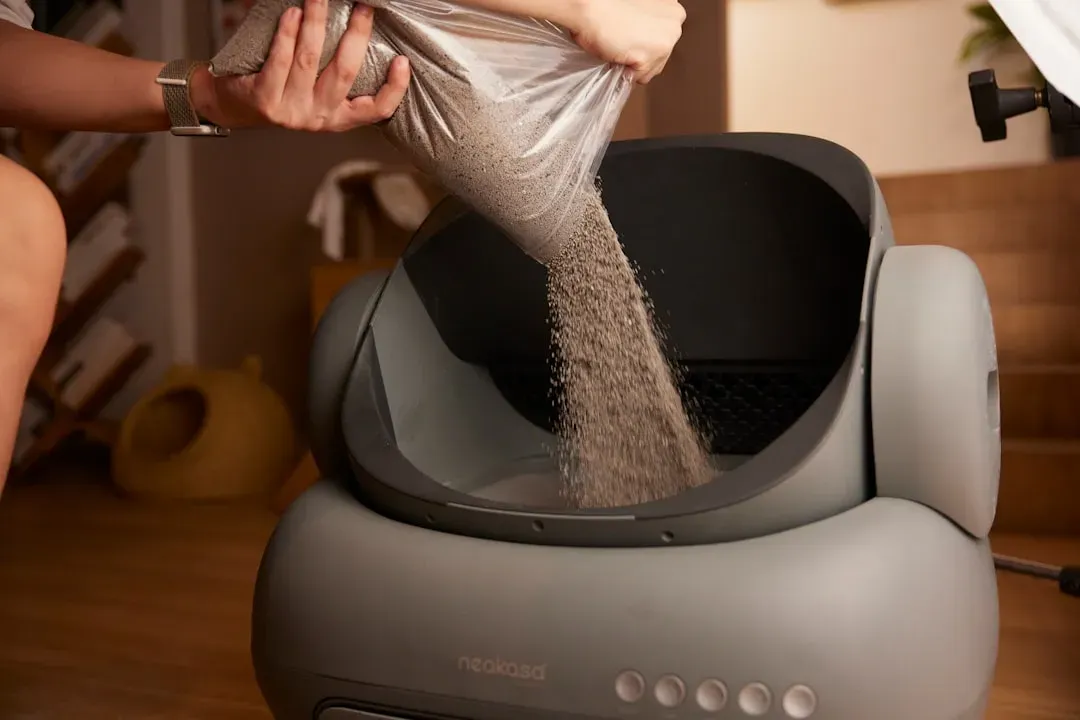
Most cats prefer an unscented, clumping litter. Those heavily perfumed litters might smell nice to you, yet your cat’s nose is far more sensitive than yours. What smells like “tropical breeze” to you might smell overwhelming and unpleasant to them. The texture matters too, since the pads on cats’ feet are very sensitive to touch.
You might need to experiment with a few types to find what your cat prefers. Some cats like fine grain litter that feels like sand, while others prefer larger pellets. Just remember that it’s important to have a sturdy scoop to clean out fecal matter and urine balls every day, with metal scoops recommended over plastic versions as they tend to be more durable.
Scratching Posts and Cat Trees
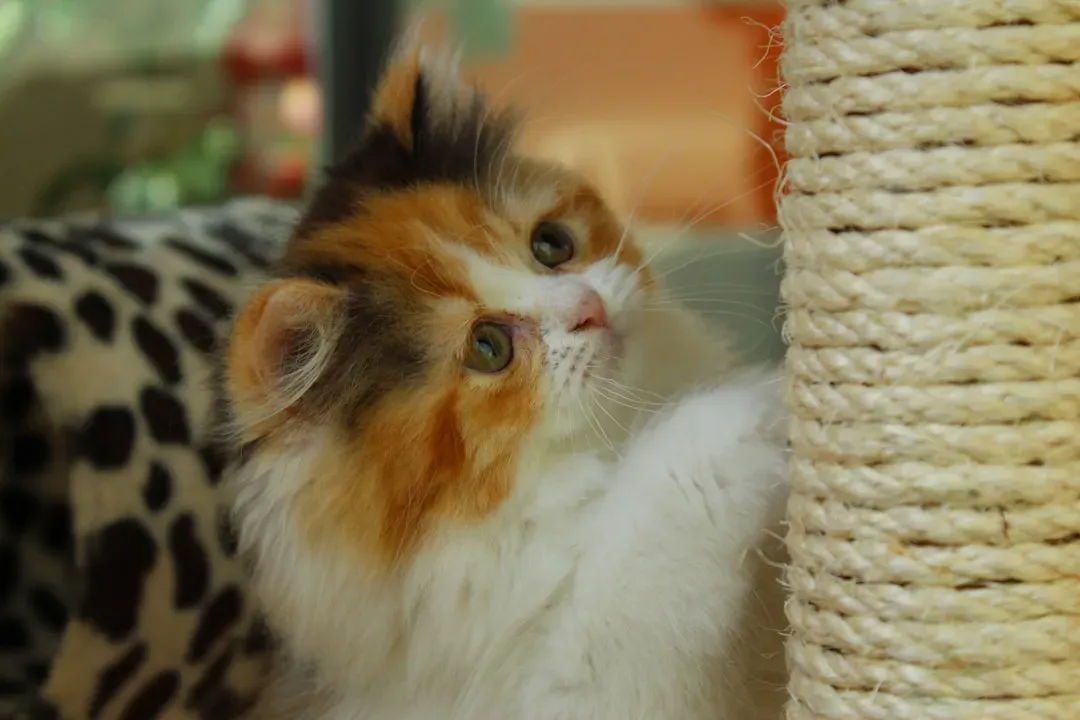
Scratching is natural for cats because it keeps their claws healthy and helps them mark territory. If you don’t provide appropriate scratching surfaces, your couch will become the scratching surface. It’s not a matter of if, it’s when. Scratching posts help with maintaining nail length and help your kitty adjust to their new space quickly.
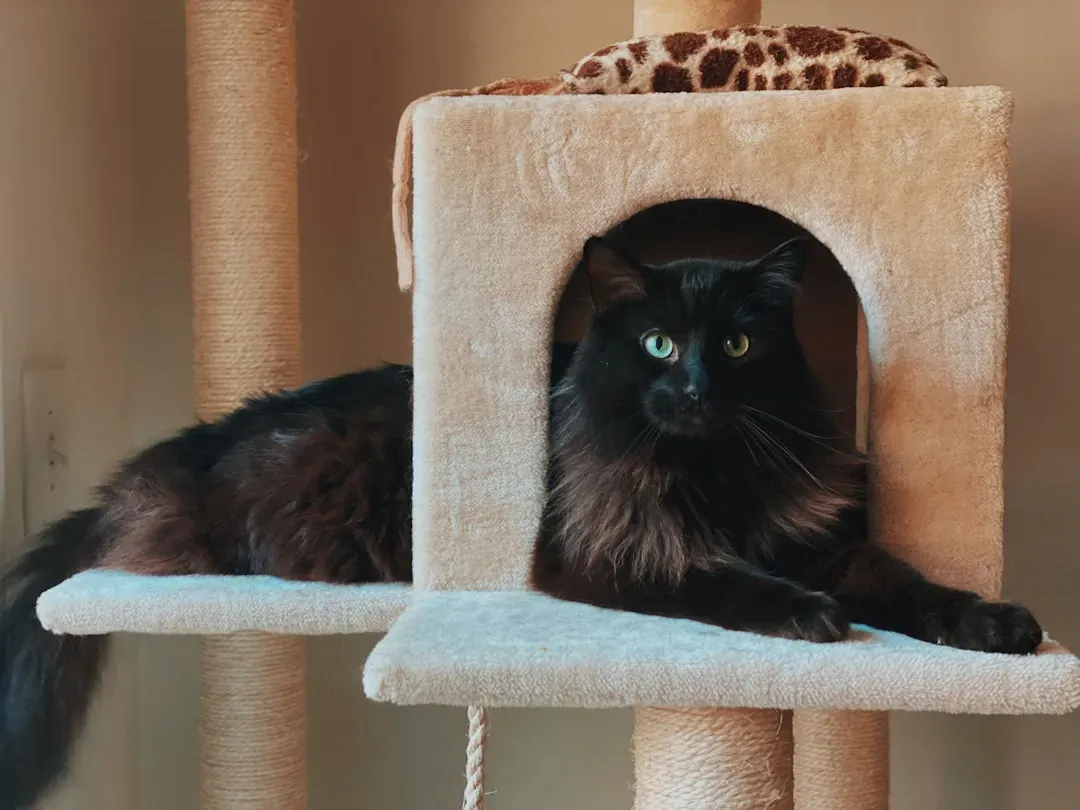
Cat trees are a great addition for new cats adjusting to your home because they can act as a safe space, especially important when your kitty is getting used to their new house. Cats love vertical spaces where they can observe their kingdom from above. Honestly, if you’ve ever watched a cat choose the highest point in a room, you know they’re secretly judging us all from up there.
A Variety of Engaging Toys
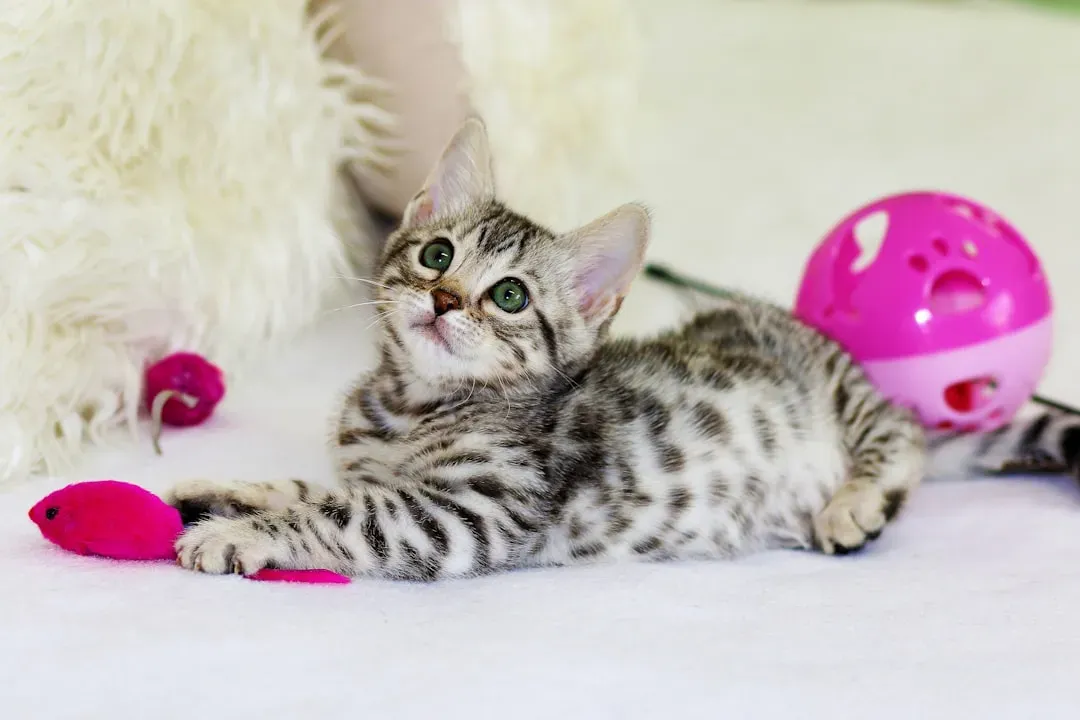
Cats are smart and need a ton of entertainment and brain stimulation to avoid boredom, as a bored cat may act out by biting and swatting or even destroying the furniture. Toys aren’t just for fun, they’re essential mental and physical exercise. Toys encourage physical and mental stimulation and allow your cat to use its natural hunting and stalking behaviors.
Get a variety of toys that keep your cat entertained like an assortment of balls, feather toys, pole toys, mice and more, since every cat has different tastes. Some cats go absolutely wild for a simple ping pong ball, while others prefer elaborate feather wands. Keep things interesting for your kitty by having about four or five toys available and rotating them each week. Even household items like cardboard boxes can become favorite toys.
Grooming Supplies
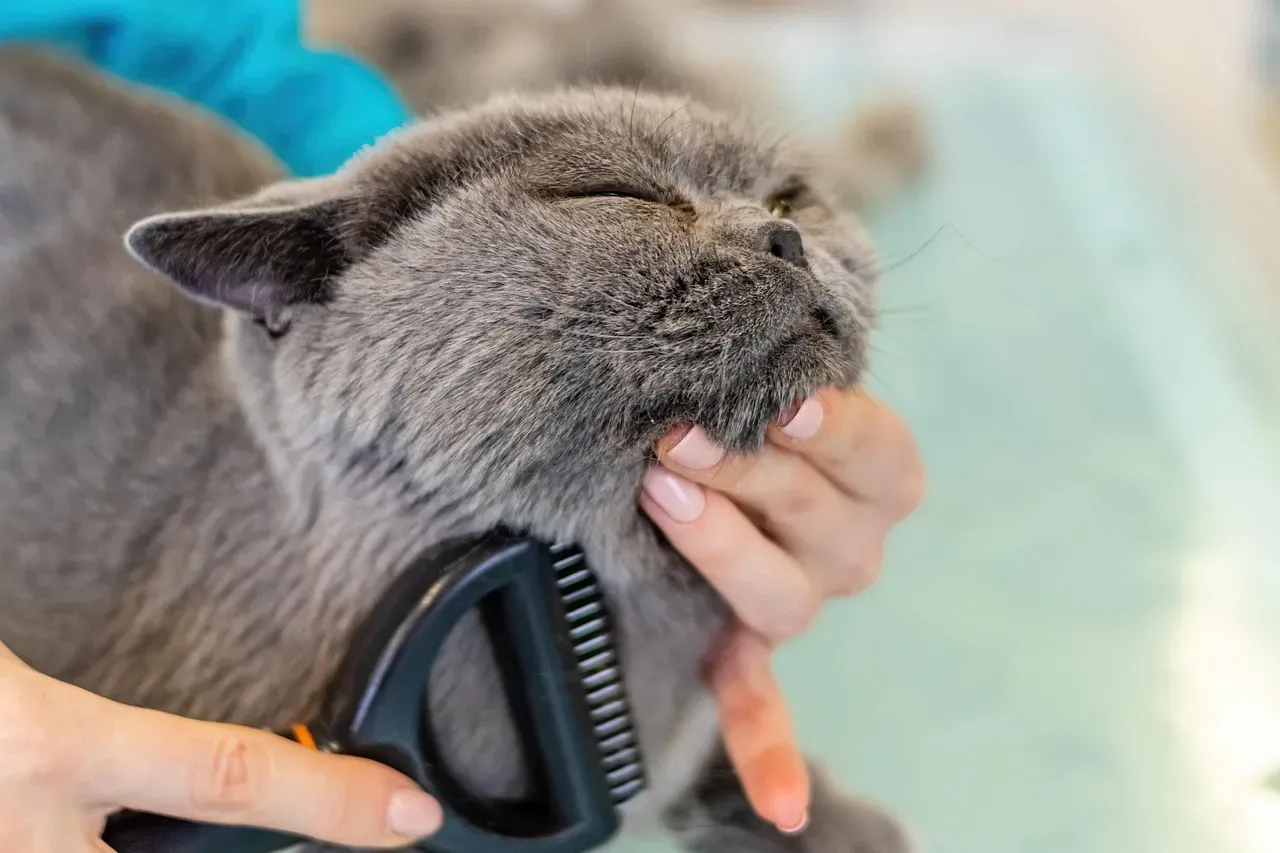
Having a brush on hand helps with shedding, matted fur and preventing hairballs. Brushing often is essential, especially for long haired cats. Short haired cats can usually get by with weekly brushing, yet long haired breeds often need daily attention to prevent painful mats from forming.
Overgrown claws can cause discomfort and even injury, so using a cat nail clipper makes trimming quick and easy, helping to prevent furniture damage and scratches. Most cats need their nails trimmed every few weeks. Start slowly if your cat isn’t used to it, and use treats and praise to make the experience positive rather than traumatic.
A Comfortable Bed or Sleeping Space
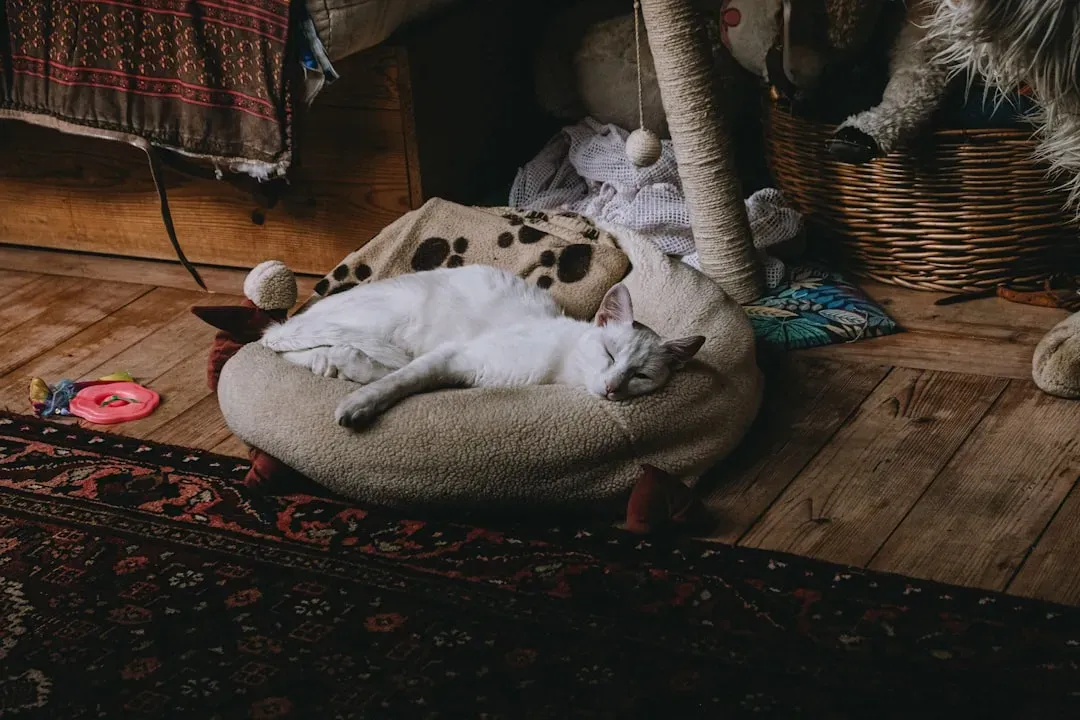
Cats spend 12 to 16 hours per day sleeping, making this one of the most important aspects of their comfort. Your cat will likely claim several sleeping spots throughout your home, yet having a dedicated bed gives them a consistent safe space. There are different bed styles from caves to swirls, all made to keep your kitty cozy, so think about your lifestyle and your cat’s personality when picking out the perfect pad.
Some cats prefer enclosed cave style beds where they can hide away and feel secure. Others like open beds where they can stretch out and keep an eye on everything happening around them. You might find your cat ignores the fancy bed you bought and prefers a cardboard box instead. That’s just how cats are, honestly.
A Sturdy, Safe Cat Carrier

You need a cat carrier to bring your new cat or kitten home safely, and for vet visits, making a carrier a must. The first thing you need is a cat carrier or crate, and it should be safe and sturdy with plenty of ventilation and easy access for you to get your kitty in and out. You can choose from backpack styles, soft sided carriers with shoulder straps, or hard sided carriers with swing doors.
Look for a cat carrier that allows you to drop your cat in from the top versus one of the ends. Trust me on this, trying to shove a reluctant cat through a front opening is like trying to fold a fitted sheet. It just doesn’t work smoothly. Adding a comfortable mat or familiar towel inside makes the carrier less stressful for your cat.
Treats for Training and Bonding
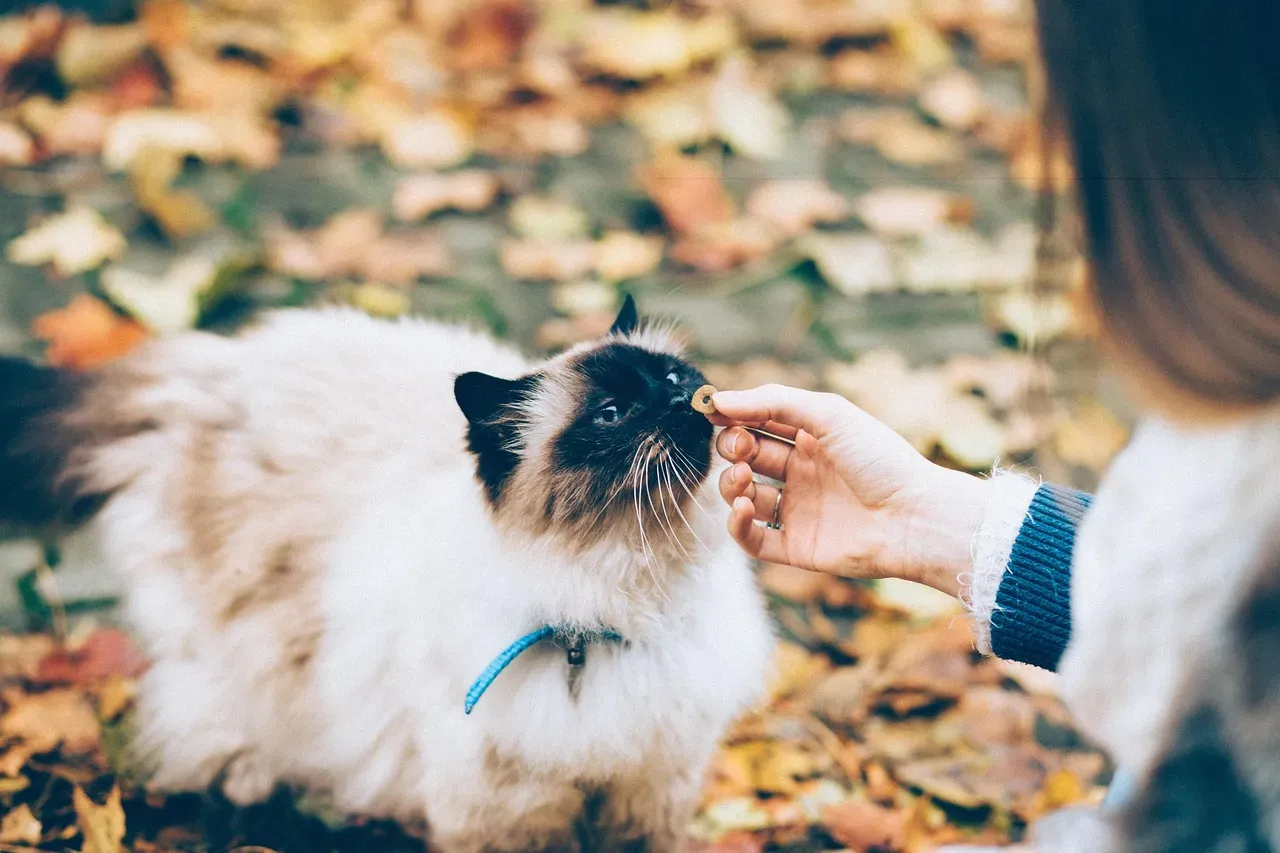
Treats can seem like an easy fix to win a cat’s heart fast, but it’s important to remember everything’s good in moderation. Treats should never exceed 10 percent of your cat’s daily calorie intake to avoid weight gain and related health issues. Use treats strategically for training, rewarding good behavior, or simply strengthening your bond.
High value treats work best for training because they’re irresistible enough to motivate your cat to learn new behaviors. Soft, chewy treats or lickable purees are perfect because they can be consumed quickly without interrupting training sessions. Some cats also love freeze dried chicken or salmon treats, which are packed with protein and low in unnecessary fillers.
Interactive Feeding Puzzles
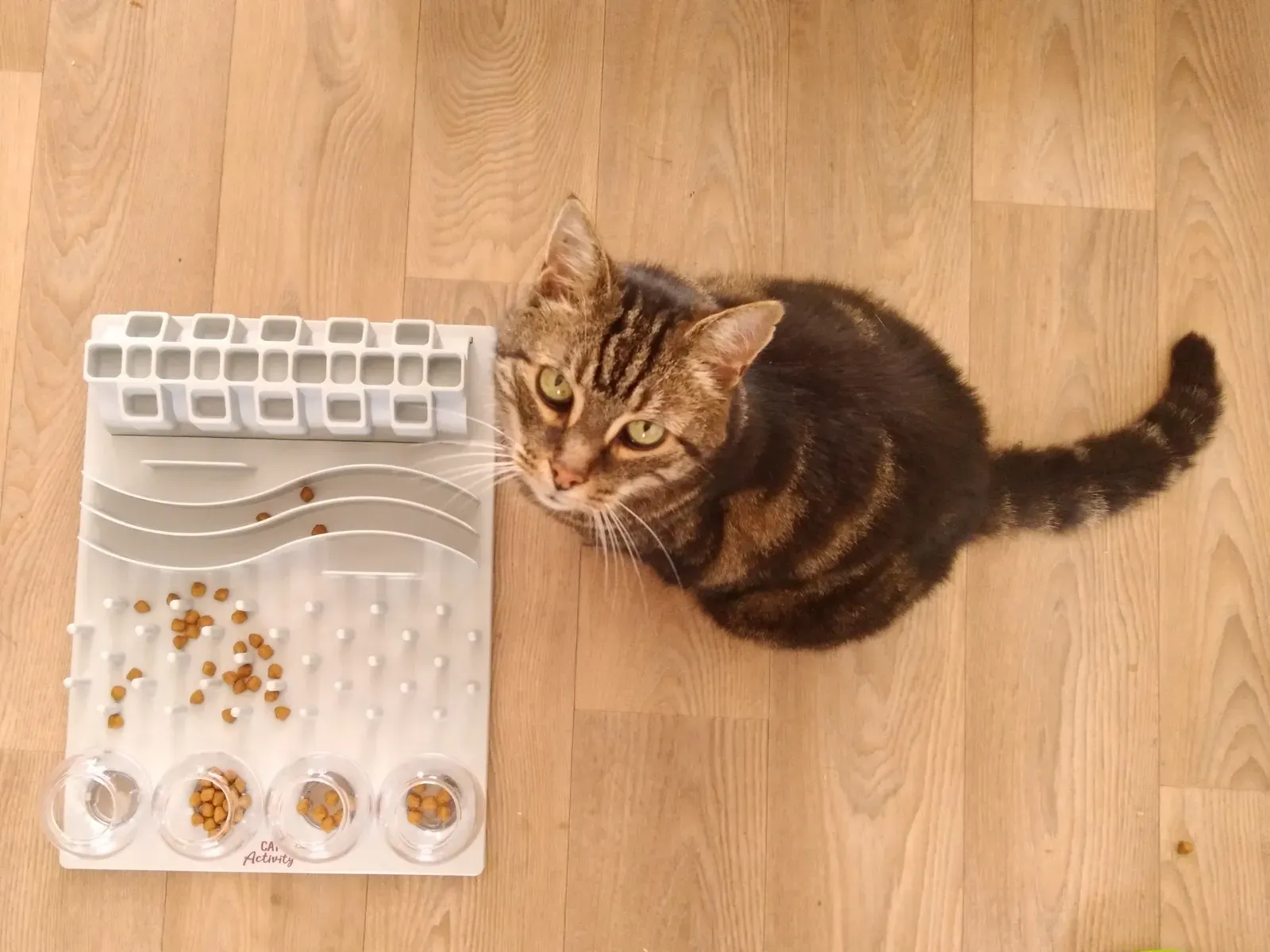
You can get kicker toys, little mice, wands, scratchers, and feeding puzzles to keep your cat mentally stimulated. Feeding puzzles are underrated, honestly. They tap into your cat’s natural hunting instincts by making them work for their food, which slows down fast eaters and provides mental enrichment at the same time.
These puzzles come in various difficulty levels, from simple balls that dispense kibble as they roll to complex boards with hidden compartments. Start with easier puzzles and gradually increase the challenge as your cat figures them out. You might be surprised at how clever your cat can be when food is the motivation. It’s like watching a tiny, furry problem solver at work.
Conclusion
Setting up your home with these eleven essential items creates a foundation for your cat’s happiness and health. From nutritious food and proper litter box setups to engaging toys and grooming supplies, each item plays a specific role in your cat’s wellbeing. Remember that every cat is unique, with their own preferences and personalities. What works perfectly for one cat might need adjusting for another.
The investment you make in quality supplies now pays dividends in the form of a confident, comfortable cat who feels secure in your home. Your feline companion will reward you with purrs, head bumps, and those precious moments when they choose to curl up next to you. What surprised you most about preparing for your new cat? Share your experiences in the comments below.