If you’ve ever watched your cat methodically push a glass off the counter while making direct eye contact with you, you already know there’s something deeply deliberate going on. Cats have a reputation for being aloof, mysterious, and occasionally maddening. But here’s the thing – what looks like chaos might actually be careful observation, data-gathering, and experiment-running. Honestly, I’ve started to wonder if our cats have been conducting quiet little studies on us all along.
From the way they stare at empty corners to the very specific ritual of kneading your lap before settling down, every feline habit has a reason rooted in science, instinct, and surprisingly sophisticated cognition. You might be shocked at just how much method exists inside all that apparent madness. Let’s dive in.
1. Knocking Things Off Tables: Gravity Research in Progress
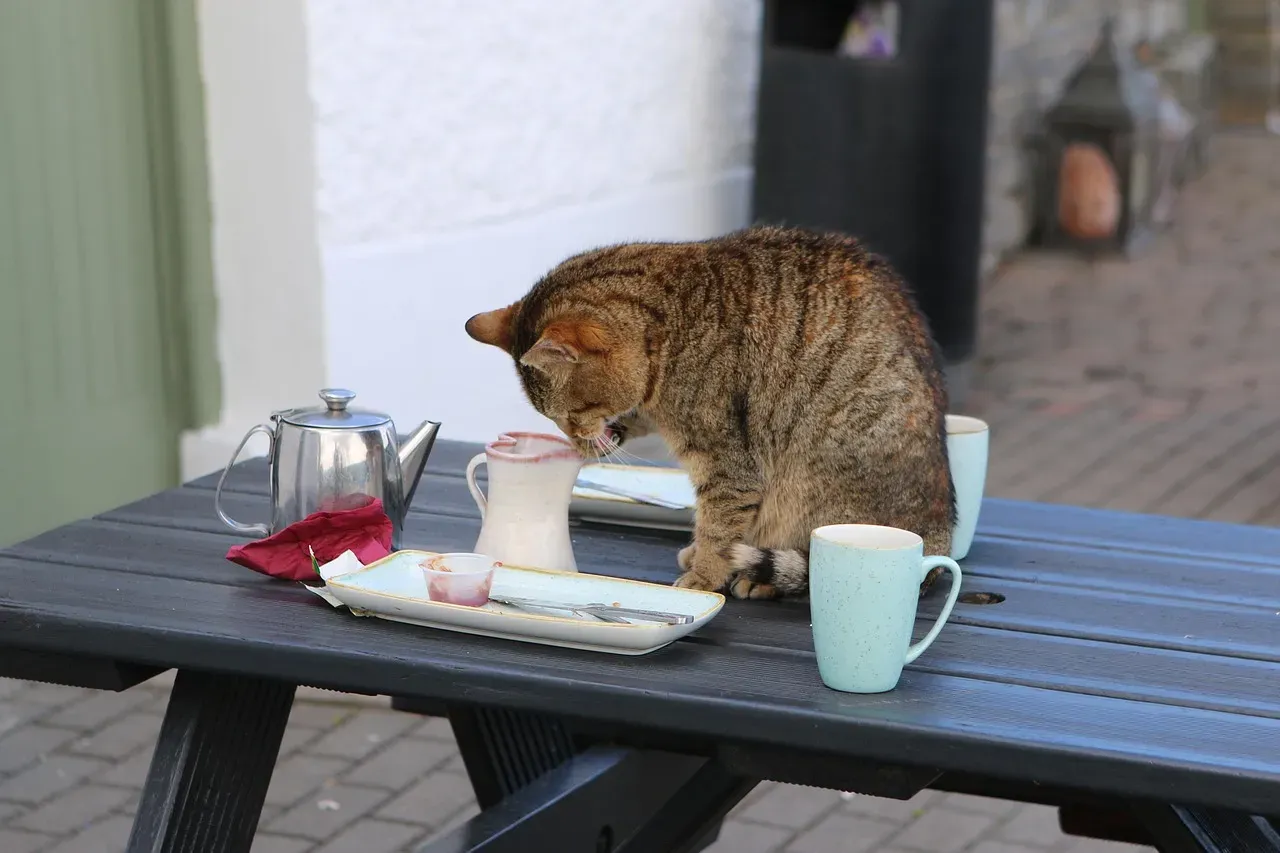
Let’s be real – this is the one that drives most cat owners absolutely crazy. You set something down, your cat walks over, makes slow, deliberate eye contact, and sends it tumbling. It feels personal. It feels theatrical. Here’s the thing: gravity is endlessly fascinating, especially when you don’t fully understand the physics behind it, and cats seem genuinely intrigued by the fact that things fall when pushed.
At its core, this table-sweeping behavior stems from your cat’s powerful hunting instincts. Cats are natural predators, and their paws are precision instruments designed for capturing prey. When they encounter objects on surfaces, especially small items that move or make noise when touched, their predatory drive kicks in automatically. Think of your pen as an unwitting stand-in for a field mouse. Your cat isn’t trying to ruin your morning – they’re running a physics experiment and a prey-assessment test simultaneously.
2. The Slow Blink: Your Cat’s Version of a Scientific Trust Signal
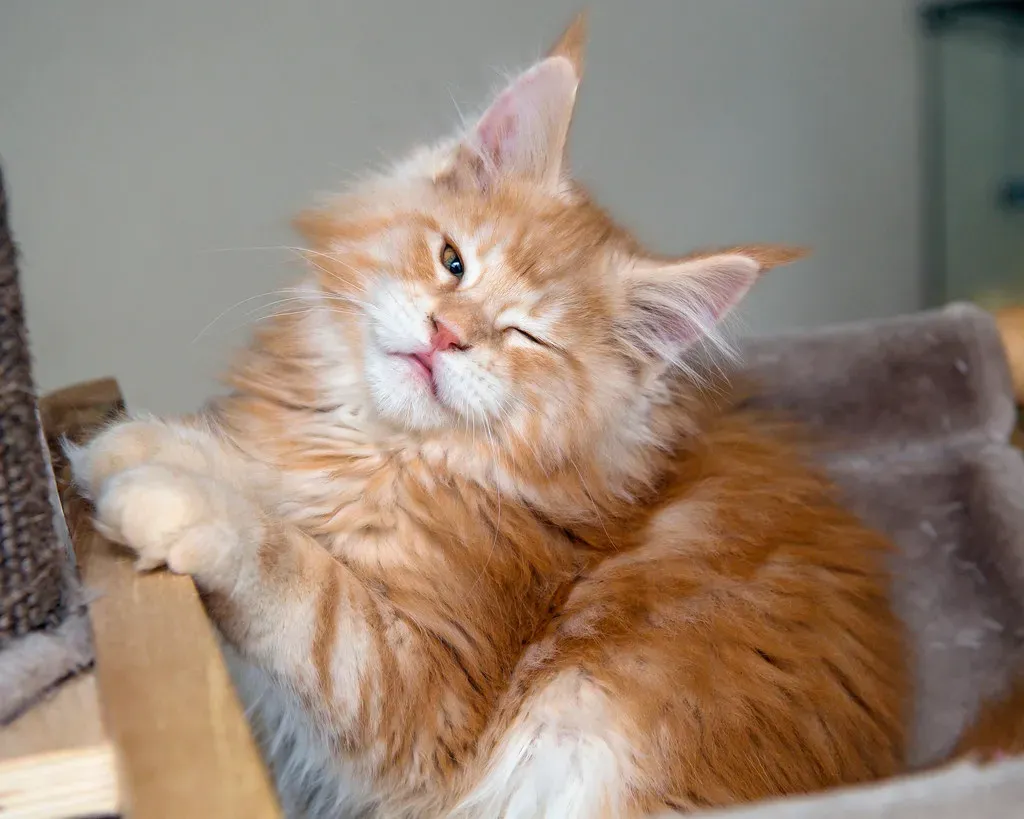
Often interpreted as a sign of affection and trust, the slow blink is more than just a cute quirk; it is a scientifically supported form of communication. Think of it as the feline equivalent of extending a handshake, except far more deliberate and infinitely more dignified. When your cat narrows their eyes at you and lets them drift slowly shut, they’re not just being drowsy.
An unblinking stare into another’s eyes is typically seen as a threat and a challenge. When your cat looks at you and slow blinks, they are relaxing their guard; after all, a cat in the middle of a slow blink is vulnerable at that moment. Your cat knows this, so just like when they roll onto their backs and show their bellies in your presence, they are making themselves vulnerable, knowing that they are safe with you. That tiny eye gesture? It’s one of the most calculated forms of trust-building in the animal kingdom.
3. Obsessive Grooming: Running Quality Control at All Times

A cat can spend a remarkable portion of its waking day grooming. To us, it can look almost neurotic. This is because they are self-cleaning creatures, and their grooming habits are quite impressive. Cats are born with the essential grooming tools: paws, a rough barbed tongue, and saliva. It’s a whole built-in cleaning system, and they run it with the obsessive consistency of a researcher checking their instruments every hour.
Cats groom themselves to maintain cleanliness, reducing the need for bathing and grooming. They also lick humans to show affection and bond. So when your cat decides your forehead needs a thorough licking, consider yourself officially included in the quality-control process. You’ve been assessed, approved, and marked as part of the colony. In cat logic, that’s a very high honor.
4. Kneading: The Comfort Experiment That Never Gets Old
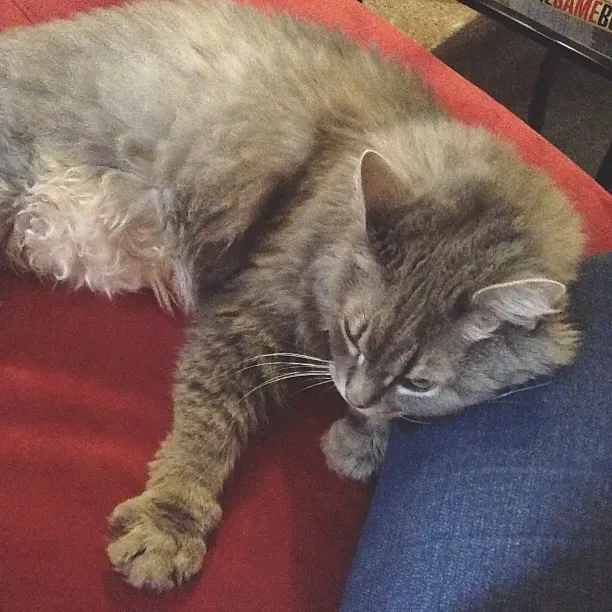
There’s something almost hypnotic about watching a cat knead. That rhythmic pushing of paws, alternating left and right, often accompanied by closed eyes and a purr – it looks like they’re baking invisible bread. Kneading, also known as “making biscuits,” is when cats rhythmically push their paws against soft surfaces, alternating between left and right. While it might look quirky, this behavior has deep-rooted meaning. Kneading is instinctive and stems from kittenhood nursing behavior, as kittens knead their mother’s belly to stimulate milk flow.
Purring while kneading may be a residual behavior from kittenhood, as kittens tend to knead and purr while nursing. For adult cats, this may be a behavior pattern they perform when in a positive emotional state. So when your cat kneads your lap, they are essentially running a comfort-verification test using behavioral data stored from the very earliest days of their life. You are the soft surface. You passed.
5. The Zoomies: High-Intensity Energy Discharge Protocol
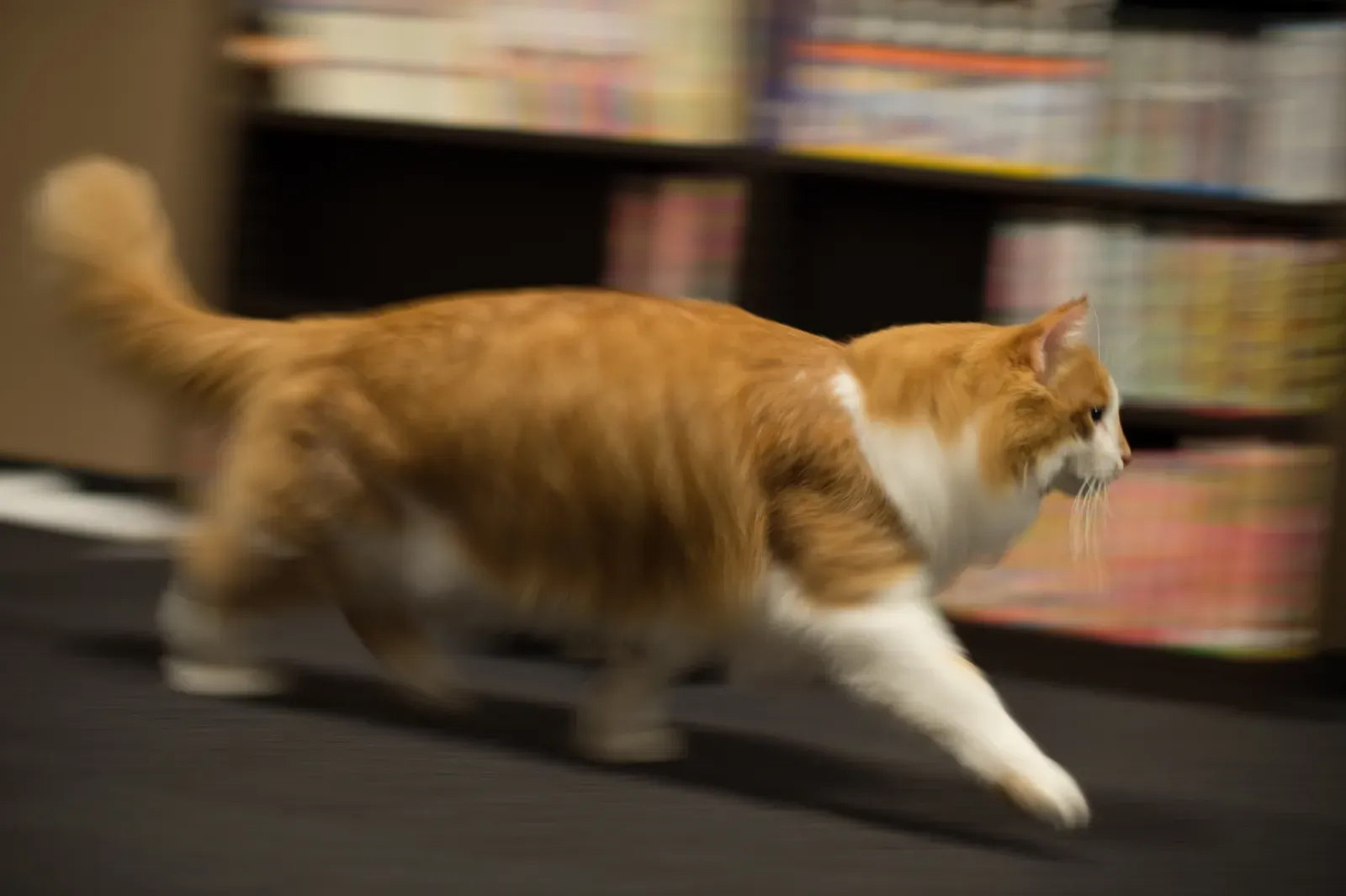
It’s 2 AM. The house is quiet. Then, from somewhere in the darkness, comes the thundering gallop of tiny paws. Your cat explodes out of nowhere, rockets around the hallway, ricochets off your bed, and vanishes. The infamous “zoomies” refer to sudden bursts of energy when cats sprint around the house, often accompanied by playful antics. This behavior is completely normal and is a way for cats to release pent-up energy.
In addition to being active at dusk, cats are also known for getting the zoomies at dawn. This is probably a time when you’d like to get a little more sleep before your alarm goes off, but this cat behavior comes naturally, and your feline doesn’t care what time your alarm is set for. It’s worth appreciating that this is essentially your cat stress-testing their own physical capabilities – measuring speed, agility, and reaction time. The fact that your sleep schedule gets disrupted is purely incidental. Probably.
6. Sitting in Boxes: Environmental Control Experiments
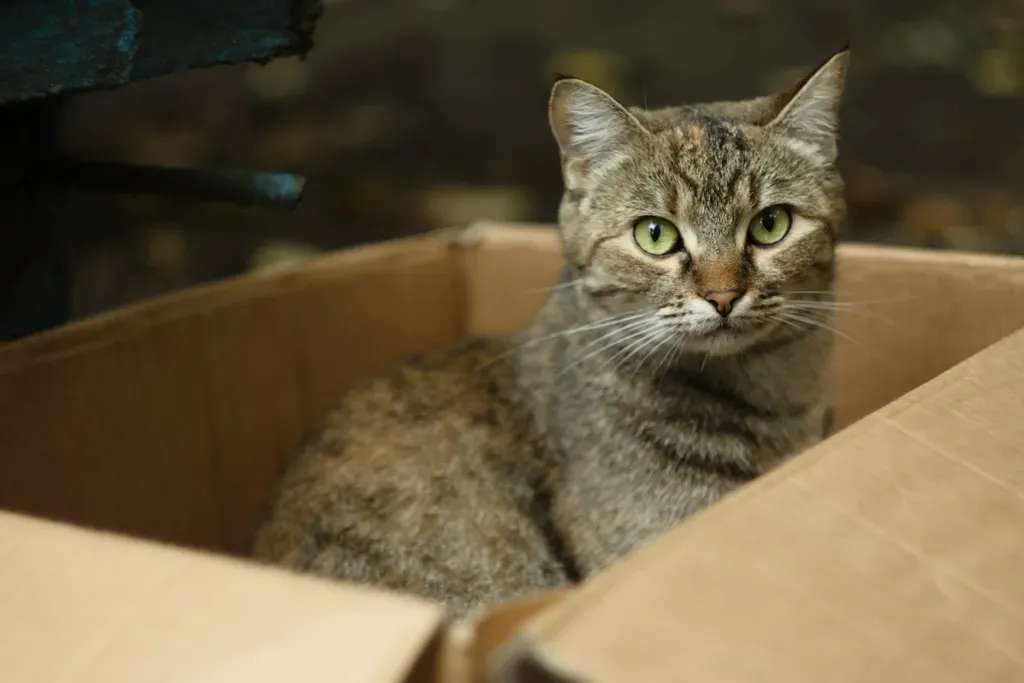
You spend real money on a plush, ergonomically designed cat bed. Your cat ignores it entirely and climbs into the cardboard box it arrived in. If you’ve ever wanted to feel profoundly humbled by a small animal, cat ownership will deliver that experience efficiently. Enclosed spaces give cats a sense of security and a place to find refuge, especially in new environments. A study on Dutch shelter cats found that when cats are given boxes, their stress levels decrease significantly faster than cats not given boxes.
What’s even more fascinating is that cats don’t even need a real box. A study published in Applied Animal Behavior Science found cats were more likely to sit inside 2-D shapes that imitate an illusion of a square, giving researchers more insight into their furry friends’ perception of visual illusions. Your cat is essentially running perception experiments on themselves, testing whether the feeling of enclosure is determined by physics or by geometry. That’s not quirky. That’s science.
7. Bringing You “Gifts”: Sharing Research Specimens
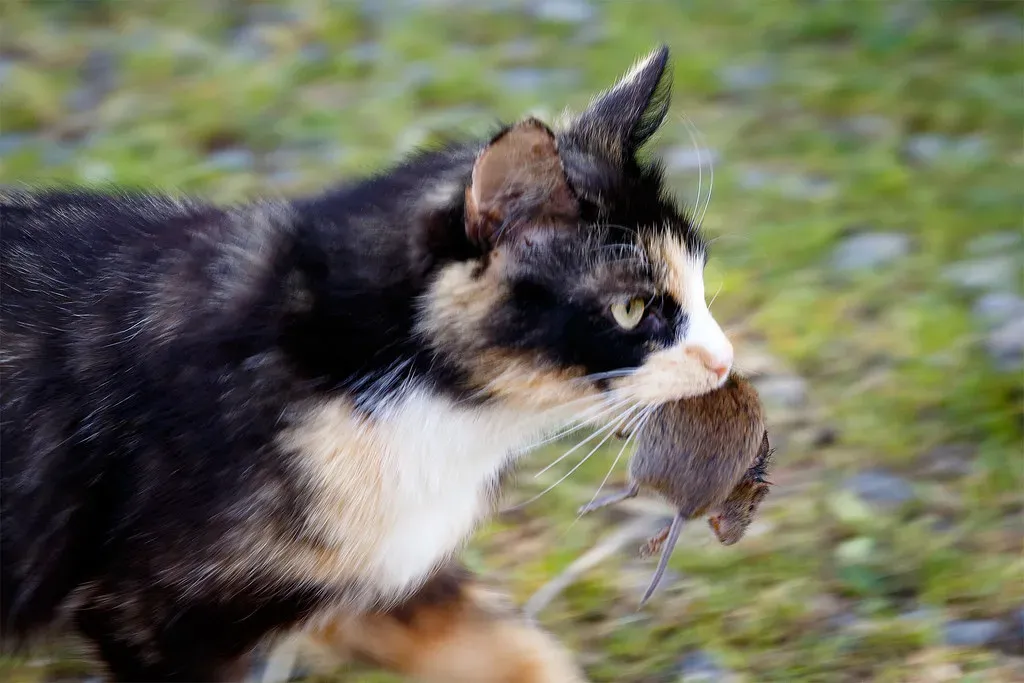
Few experiences are quite as jarring as waking up to find a deceased mouse placed lovingly on your pillow. Your cat stares at you with unmistakable pride. You try to feel grateful. This gift-giving behavior is as instinctual for cats as scratching their scratching posts, grooming their fur, kneading, and other classic feline activities, and it’s actually a positive indicator of how they feel about you. In other words, the gross little offering is a compliment of the highest order.
Because cats will often play with their prey before eating it, your cat might bring you dead animals or toys to engage in a play session with you. As such, gift-giving might be a kind of attention-seeking and bond-building behavior in cats. Think of yourself as a fellow member of the research team. Your cat caught the specimen, documented its behavior during the hunt, and is now sharing findings with a trusted colleague. That’s you. Try to look appropriately impressed.
8. Staring at Nothing: Sensory Data Collection Beyond Human Range
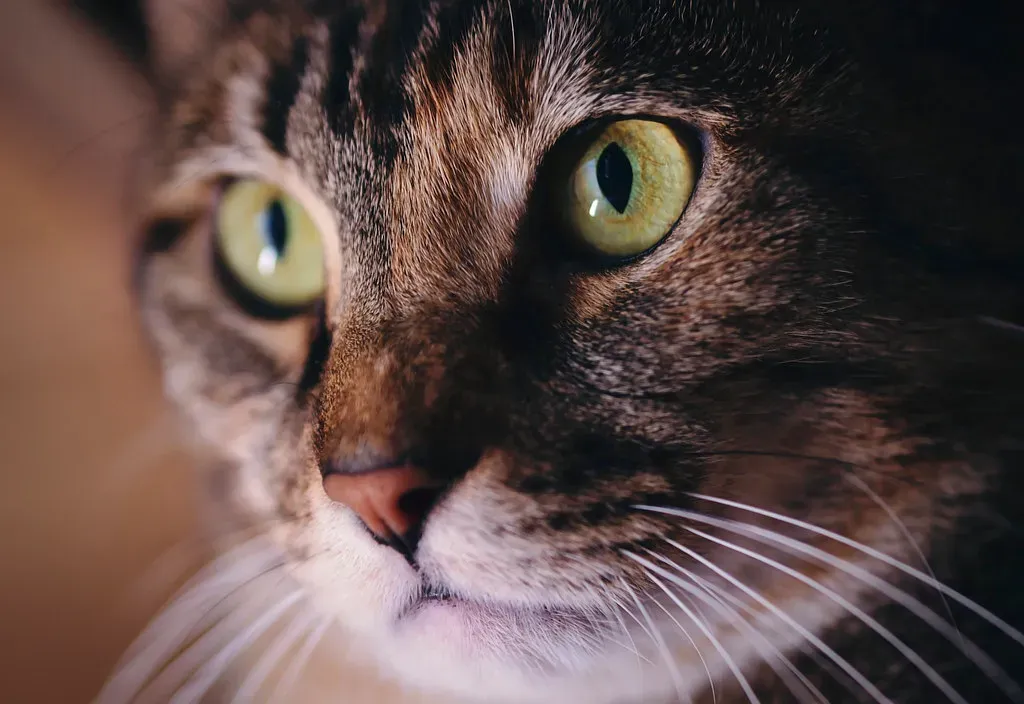
Your cat suddenly locks onto a fixed point on the ceiling. They stare with unblinking intensity at what appears to be absolutely nothing at all. You look. You see nothing. Your cat continues staring. It’s unsettling in a way that’s hard to describe. In the wild, cats rely on hunting to survive, using their sharp senses, stealth, and patience to catch prey. While domesticated cats no longer need to hunt for food, the instinct remains strong. This is why your cat may stalk moving shadows, chase toys, or curiously peer into every nook and cranny of your home.
The truth is, your cat’s sensory equipment operates at a level that makes yours look embarrassingly basic. Cats have acute hearing, so when something scares them, their ears tend to pin to the side or back, and the further they are, the more terrified the cat is. They are detecting sounds, vibrations, and minute movements that your human biology simply cannot register. It’s not supernatural. It’s just superior data-gathering hardware running constantly. Your cat is always monitoring the environment. Always.
9. Purring: Self-Regulation Through Sound Frequency
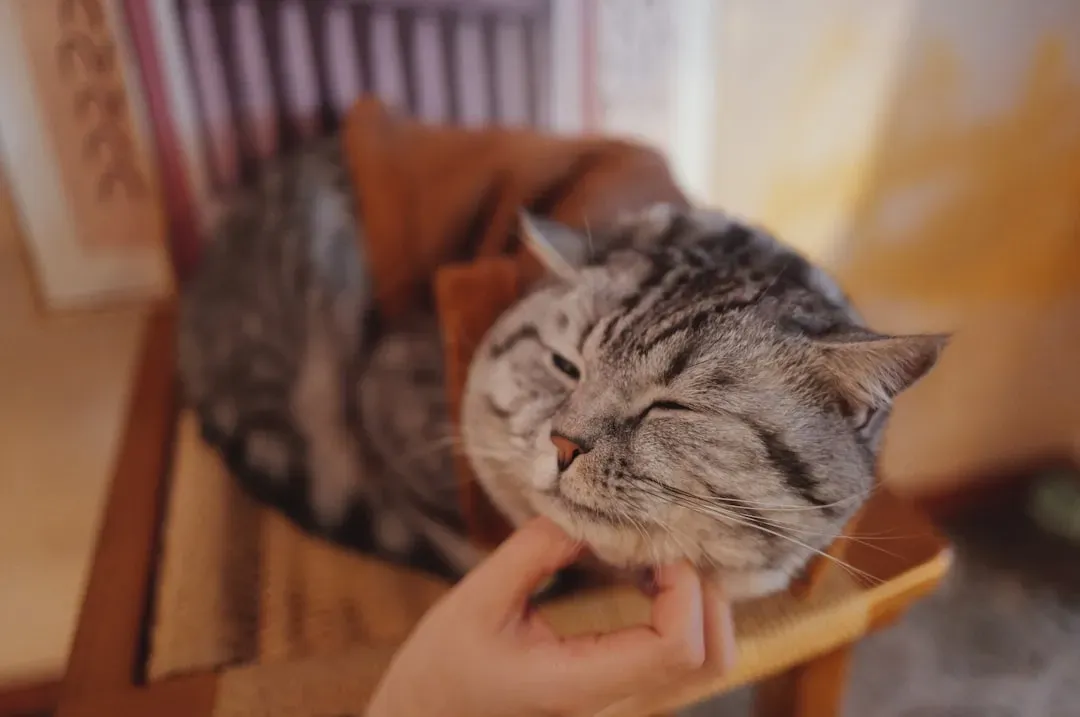
Purring is one of the most universally beloved sounds in the animal world. It’s comforting, rhythmic, warm. Most people assume a purring cat is simply a happy cat, and that’s often true. Cat purring is a complex vocalization that can mean many different things. A cat purring has mostly been associated with contentment, excitement, or other positive emotional states. However, the reality is considerably more nuanced and, honestly, more impressive than simple happiness.
Some cats purr when they are anxious. They may walk around the house alternating between purring and meowing. This may be a coping mechanism to help reduce their anxiety. In other words, your cat can deploy purring as a deliberate self-soothing mechanism, essentially using sound frequency to regulate their own emotional state. That’s not just instinct. That’s applied self-regulation – the kind of technique that takes humans years of mindfulness practice to even attempt.
10. Curiosity About New Stimuli: Systematic Environmental Auditing
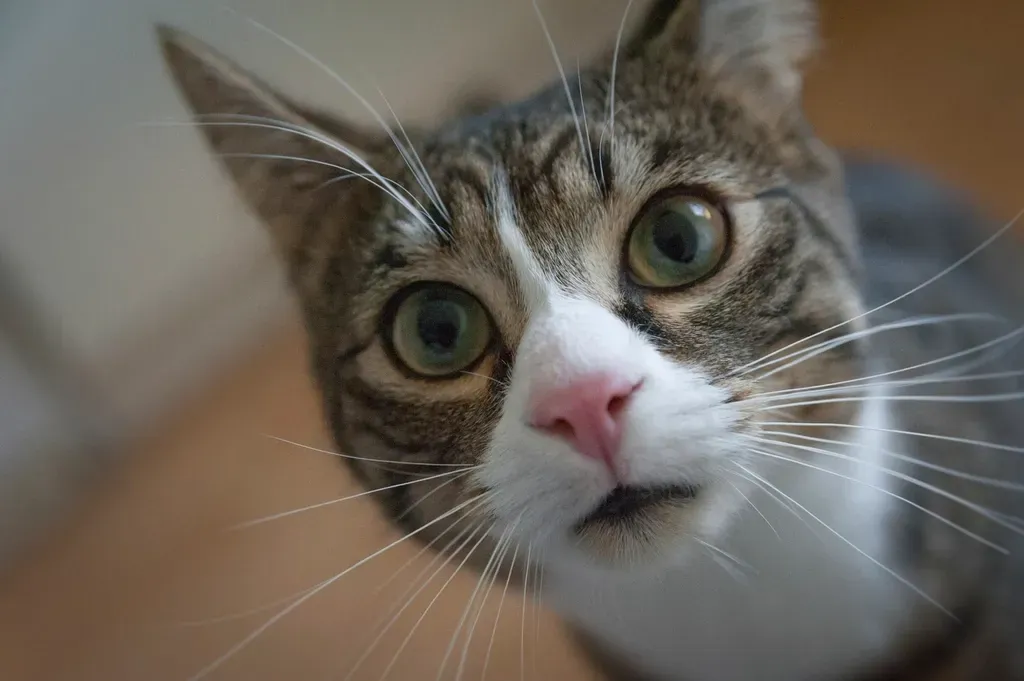
You bring a new bag into the house. Before it hits the floor, your cat is already there, circling it, sniffing every inch, pressing a tentative paw against the zipper. Among the reported behaviors, the vast majority of cat owners noted their cats’ curiosity towards new stimuli. This isn’t random nosiness. It’s a thorough environmental audit conducted with genuine methodological consistency.
Beyond object permanence, cats also demonstrate memory, learning, and reasoning skills. They can recognize patterns, remember feeding times, and even associate sounds or actions with specific outcomes. Some studies suggest cats can recall past experiences for years, particularly those involving comfort, danger, or routine. Every new item in your home gets logged, assessed for threat level, and filed into a behavioral database your cat has been building since the day they moved in. You didn’t know you were living with an archivist. Now you do.
11. Fetching Without Being Trained: Self-Directed Research Into Play Dynamics
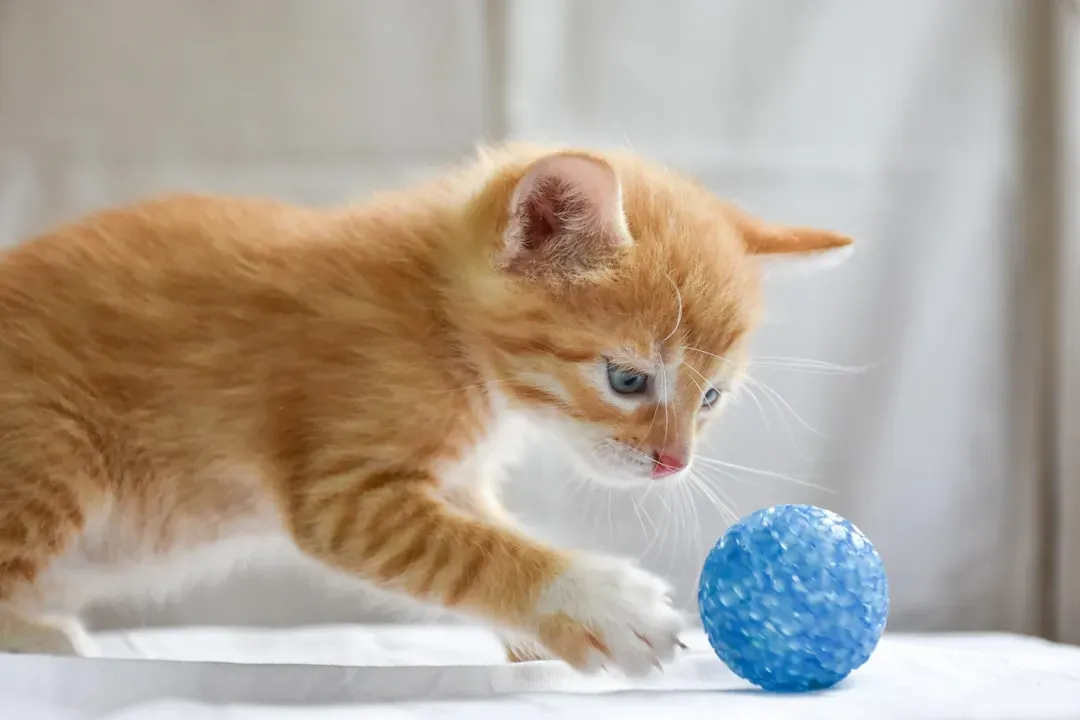
Dogs fetch. That’s the assumption. What most people don’t realize is that a significant number of cats fetch too, and here’s where it gets particularly interesting – they mostly taught themselves. A survey of 924 cat owners reported fetching behavior in more than a thousand cats. The overwhelming majority of these owners reported that fetching emerged in the absence of explicit training. Nobody told them to do it. They figured it out, decided it was worth doing, and began initiating sessions on their own terms.
Cats initiated and terminated fetching bouts more often than did their owners. Thus, cats who fetch demonstrate independent and coordinated agency in the onset and maintenance of fetching behavior with their human partners. This is the detail that really gets me. Your cat isn’t just participating in a game you designed. They’re running the game. They decide when it starts, how long it lasts, and when it ends. You’re not the researcher here – you’re the research subject. The cat is collecting data on how long you’ll keep throwing that toy before giving up.
Conclusion: Your Cat Is Running Experiments. You’re Just the Lab.
It’s hard to say for sure exactly how much our cats consciously understand about what they do, but the science makes one thing increasingly clear: nearly every baffling, maddening, or adorable thing your cat does has a sophisticated reason behind it. Their curiosity is rooted in evolution, serving as a tool for learning, survival, and social connection. By understanding the science behind feline curiosity, you can create an enriched environment that keeps your cat mentally stimulated, physically active, and emotionally content.
Whether they’re testing gravity with your coffee mug, analyzing your emotional state through a slow blink, or archiving the scent profile of your grocery bags, cats are engaged in a constant, methodical study of the world around them. As veterinarians often remind pet parents, cats rarely do anything without a reason. Every head butt, chirp, zoomie, or kneading session is your cat trying to communicate something – comfort, affection, stress, or natural hunting instincts. The next time your cat does something that makes absolutely no sense to you, take a moment before reacting. There’s a very good chance you’re just failing to understand the experiment. What does your cat do that you’ve always found puzzling – and does any of this change the way you see it?