You’ve probably laughed at your cat sprinting around the house at two in the morning for no obvious reason. Or maybe you’ve watched them stare intensely out the window for what feels like an hour, then – bam – it starts pouring rain. Coincidence? Maybe not. The truth is, your cat might be doing something far more impressive than just being weird. They could be reading the atmosphere in ways that would make a meteorologist genuinely jealous.
Cats have lived alongside humans for thousands of years, and across that entire stretch of history, one thing has consistently stood out: they seem to know when bad weather is coming. Farmers noticed it, sailors depended on it, and folklore from dozens of countries was built around it. So before you dismiss your cat’s strange behavior as just another quirky feline moment, let’s take a closer look at what they might actually be telling you. You might be surprised by what you find.
1. Your Cat’s Inner Ear Is Basically a Barometer
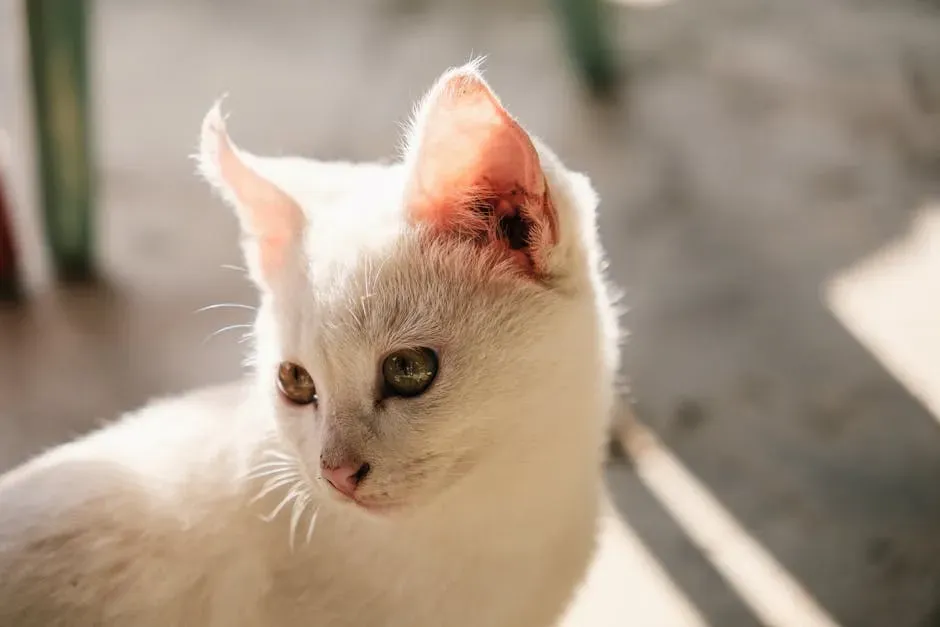
Here’s the thing – your cat has something you don’t. Cats are incredibly sensitive to changes in atmospheric pressure, and their inner ears are finely tuned to detect even the slightest fluctuations. When the air pressure drops, which often happens before a storm, your cat can sense this change. Think of it like having a built-in barometer sitting right inside their head, always running silently in the background.
A cat’s inner ear likely registers that shift well before any rain or wind arrives. This may explain why some cats begin acting unusually five to ten minutes before a storm hits, even when there’s no visible change outside. So next time your cat seems suddenly restless for no apparent reason, don’t dismiss it. Check the weather app on your phone. You might owe your cat an apology.
2. They Can Smell a Storm Coming Before You See a Single Cloud
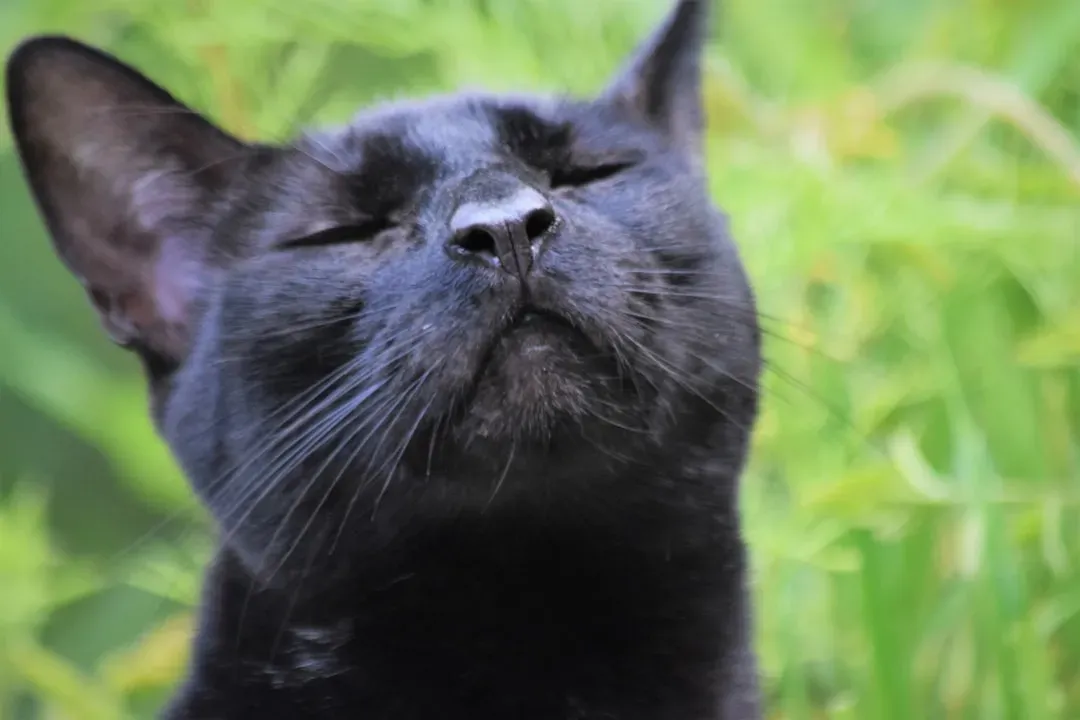
While humans have only five million smell sensors in the nose, cats have over 200 million odor sensors. That’s not a small difference – that’s an entirely different sensory universe. It means your cat is processing the world in a way that is almost incomprehensible from a human perspective.
Your cat may be able to smell the incoming rain, or the characteristic whiff of ozone gas, which is often created by lightning and has a sharp, metallic odour. A cat’s sense of smell is estimated to be 14 times stronger than that of humans. So while you’re sniffing the air and noticing nothing, your cat has already filed a full weather report. Honestly, it’s a little humbling.
3. Sudden Restlessness and Zoomies Out of Nowhere
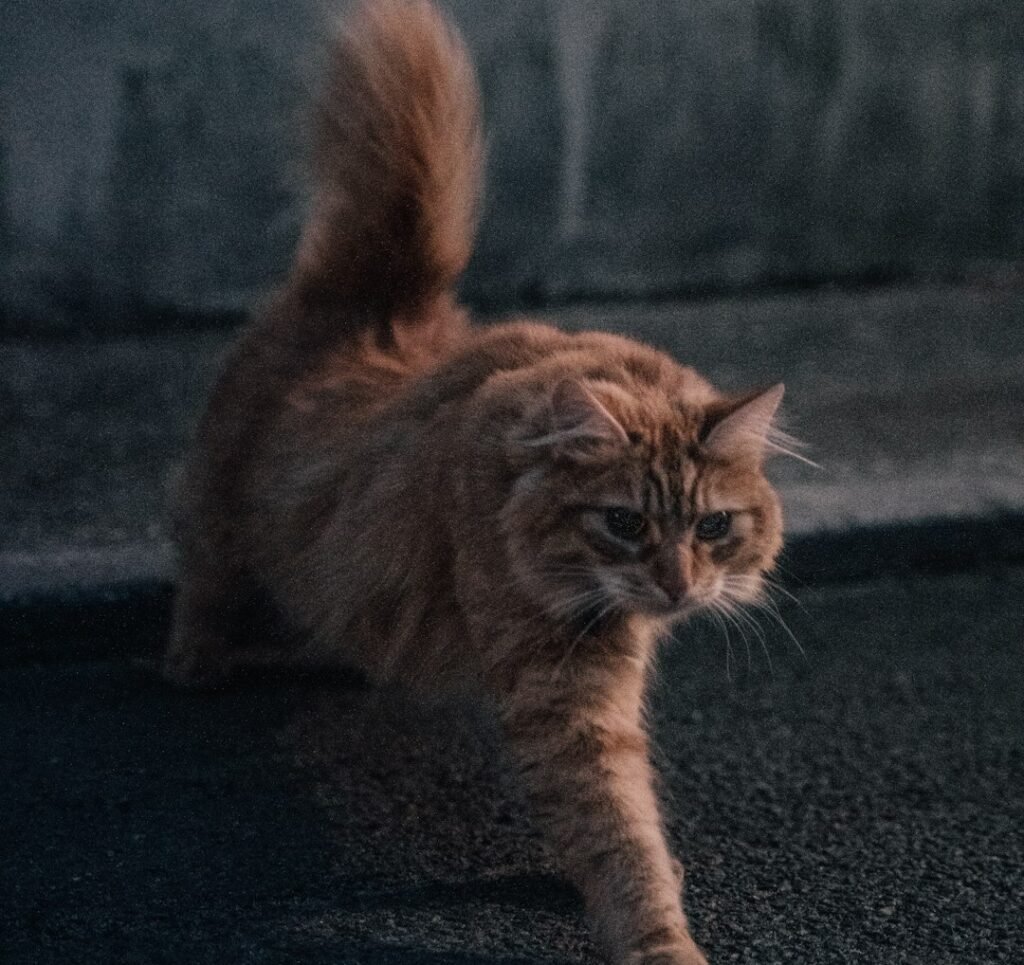
You know the look. Your cat is calm, then suddenly they’re a furry rocket bouncing off every wall in the house. Cats respond to approaching storms in a few recognizable patterns, the most common being restlessness, hiding, and excessive grooming. Some cats crawl low to the ground and tuck themselves under beds or sofas, while others get bursts of frantic energy, racing between rooms for no obvious reason.
Cats may become restless, hide, or groom excessively because they feel pressure shifts and vibrations caused by approaching storms. I think we’ve all had that moment of standing in the kitchen asking “what on earth is wrong with you?” at a sprinting cat – and the answer might actually be “a thunderstorm in about forty-five minutes.” That zoomie session deserves a little more respect.
4. Excessive Face and Ear Grooming Is a Weather Signal
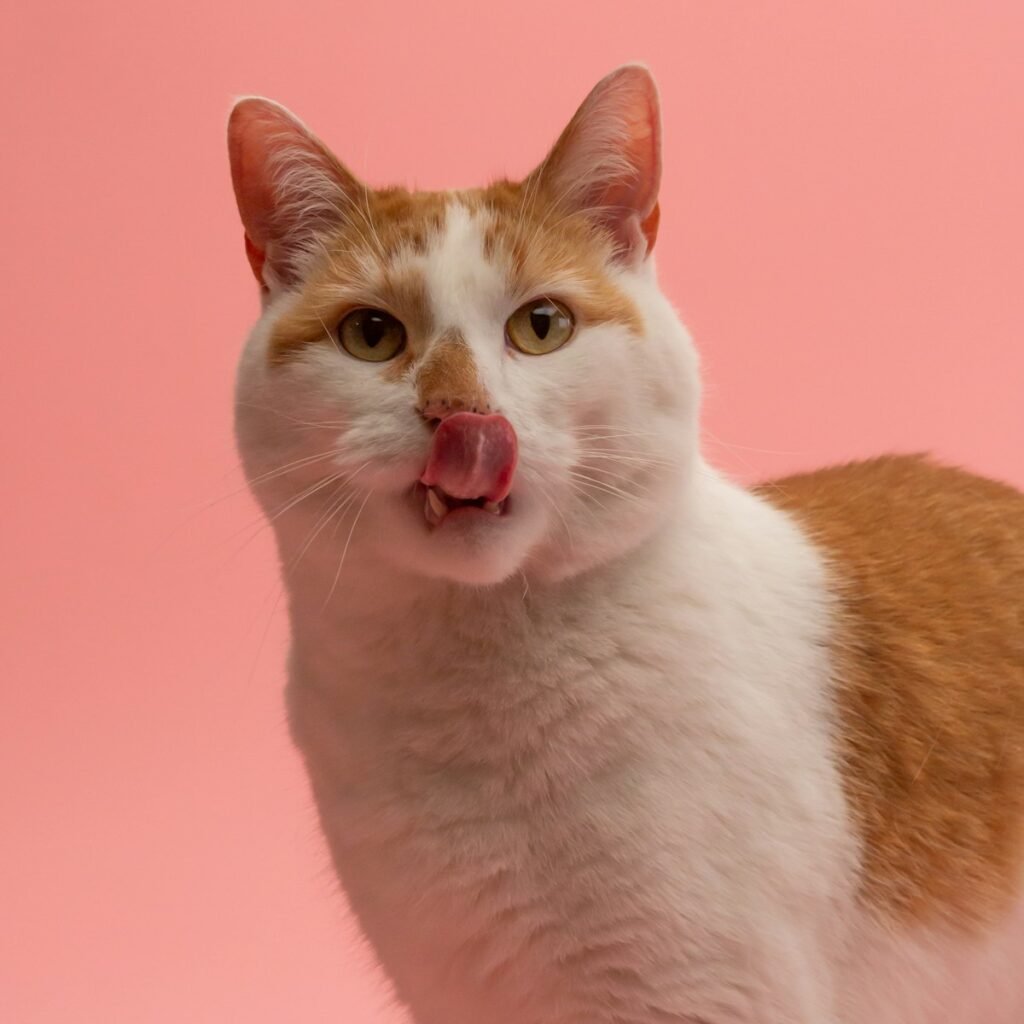
When your cat starts aggressively scrubbing their face and running their paws over and over their ears, it looks cute. It’s also potentially meaningful. According to Allen Moller of the National Weather Service, a cat wiping her paws repeatedly over her face could be an indication that the low atmospheric pressure and electromagnetic changes caused by storms are causing discomfort. By running her paws over her face and across her ears, she could be trying to relieve some of that unpleasant feeling.
A cat washing its ears excessively could be reacting to discomfort from a pressure change in the ear canal. In Welsh culture, rain was expected if a cat groomed their ears – and it turns out those old Welsh farmers weren’t just telling fairy tales. They were onto something real. Folklore and science actually agree here, which doesn’t happen as often as you’d think.
5. Hiding in Small, Dark Spaces Before the Sky Turns Grey
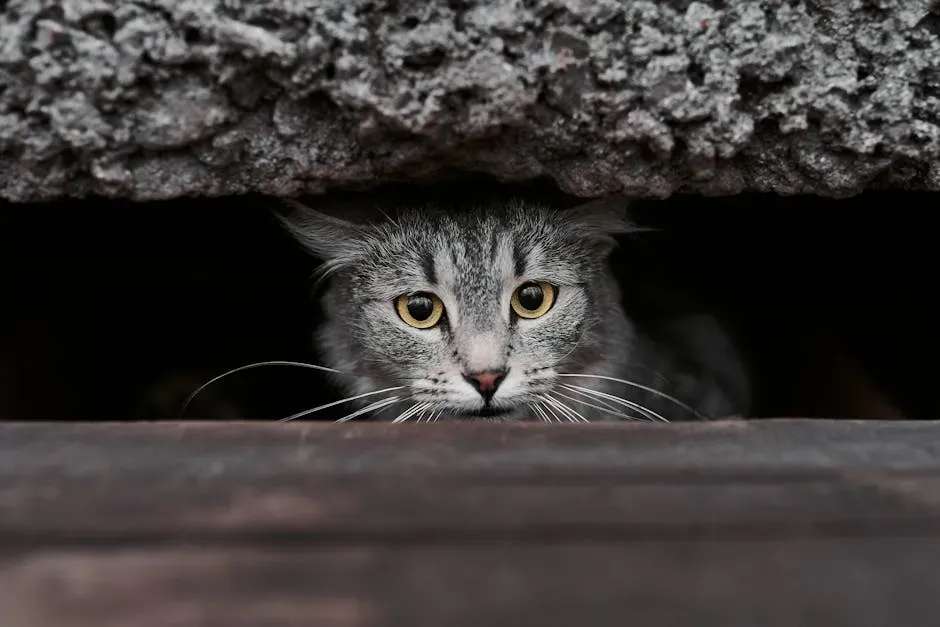
Once a cat detects an oncoming storm, her first instinct may be to flee or hide. This is a survival tactic in which she tries to run to the safest place she can find. In lieu of making it out of her perceived danger zone, she might hide in an enclosed spot and ride out the storm. It’s ancient wiring at work – the same instinct that kept wild cats alive through countless storms long before cozy indoor living was an option.
If your cat is breaking their usual routine, it’s possible they are reacting to signals that the weather is changing. Cat behaviorists note that your cat could be sensing bad weather if they are retreating to hiding spots at a time of day when they normally wouldn’t. So if you find your cat wedged behind the washing machine at noon when they’re usually sunbathing, maybe go close the windows.
6. Their Fur Stands on End – and It’s Not Because of You
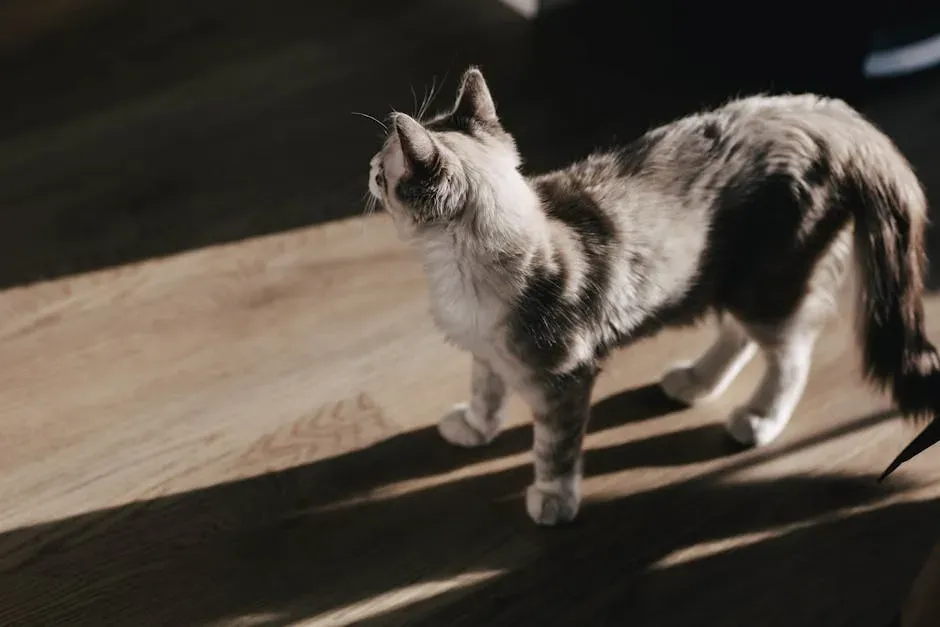
Have you ever noticed your cat’s fur standing on end during a storm? This is due to static electricity in the air. Cats, with their fine fur, can feel the buildup of static electricity that often precedes thunderstorms. It’s actually a physical sensation your cat experiences in their coat, not just a visual quirk you’re imagining.
Cats can sense changes in barometric pressure and static electricity in the air, which can make them feel uncomfortable. These changes precede a storm and can aggravate feline arthritis or even headaches. Both cats and dogs might seek places where the static feeling is minimized, like bathtubs or behind appliances. If your cat has suddenly become obsessed with the bathroom tiles before a big storm, now you know why.
7. Their Whiskers Are Picking Up Wind Shifts You Can’t Feel
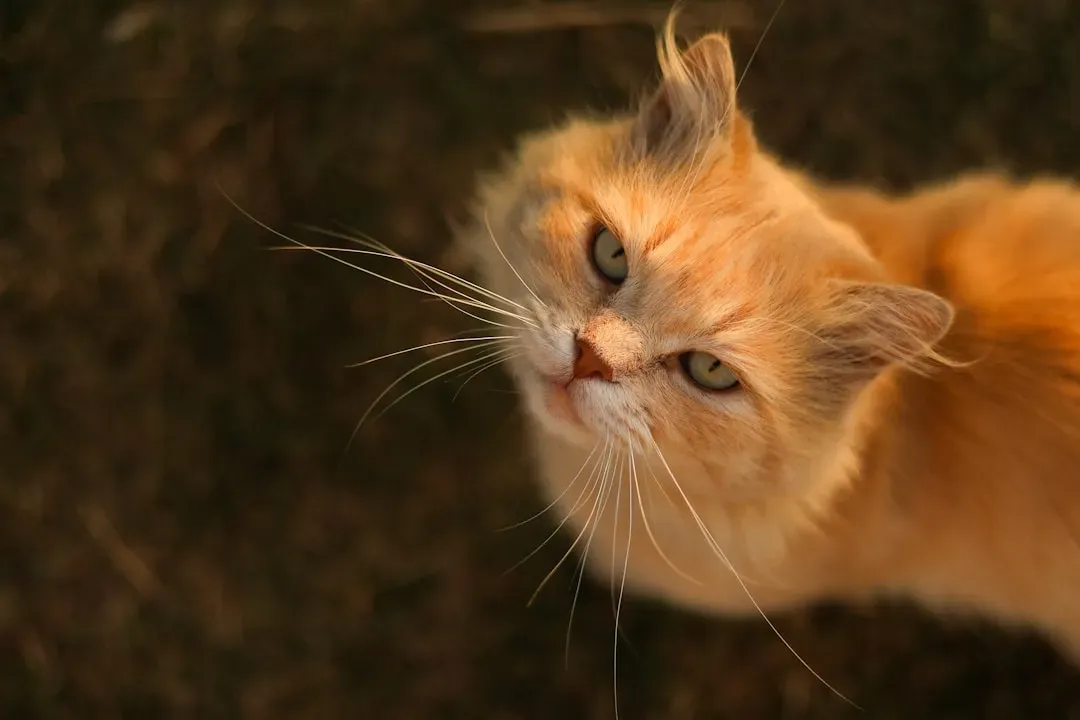
Whiskers aren’t just for looking distinguished. They are highly sophisticated sensory tools. A cat’s whiskers are incredibly sensitive to even the slightest changes in air currents. As weather changes, particularly wind direction and speed, a cat can detect these shifts with its whiskers. It’s like having a weather vane attached directly to your face at all times – except far more elegant.
Cats might become more alert or try to find shelter when they sense strong winds or atmospheric disturbances. By combining their sense of smell and hearing, cats create a mental map that helps them predict weather changes. The whiskers are a key part of that puzzle. Your cat is essentially running a constant atmospheric analysis with their face, which is either impressive or mildly unsettling, depending on how you look at it.
8. Staring Out the Window for Long Stretches
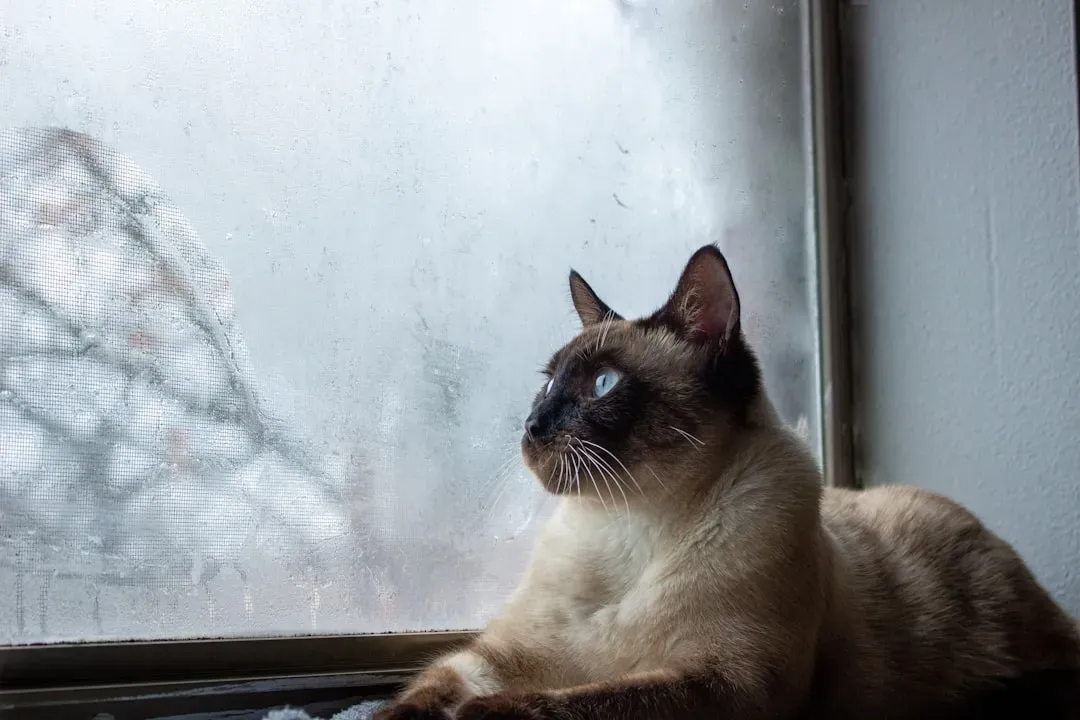
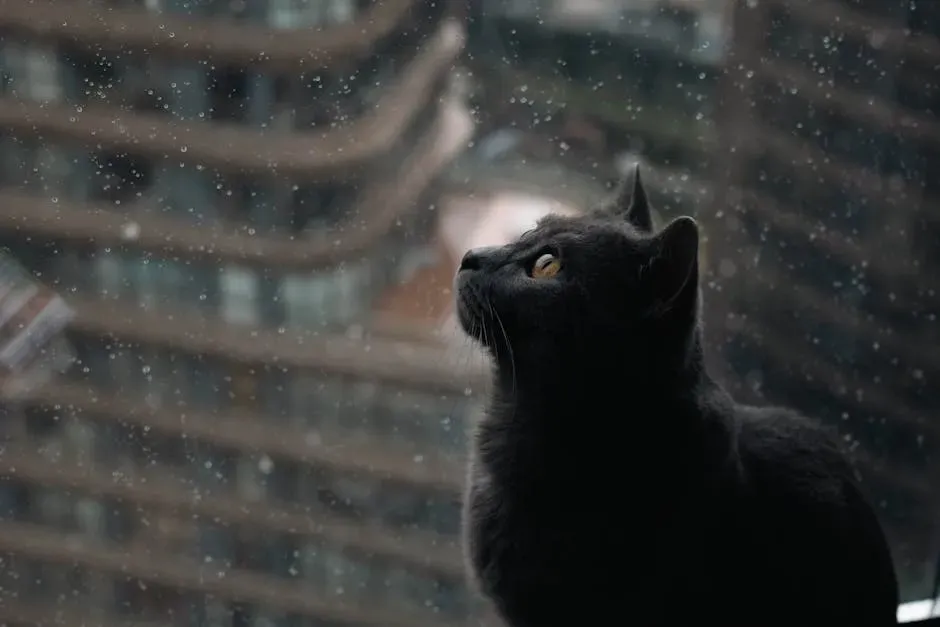
We’ve all seen it – the cat sitting perfectly still, eyes fixed on the grey sky outside like a tiny philosopher. When a cat stares out of the window for a long time, it means rain, according to long-held folk observation. The theory is that cats use their superior senses to predict a weather change. They can smell incoming rain, feel trembles in the earth, hear thunder and wind, and sense pressure changes long before their human counterparts.
Your cat isn’t zoning out. They’re processing. Your feline buddy can hear clear sounds at greater distances, and can pick up thunderstorm rumbles that are four to five times further than the typical human hearing range. So while you see empty sky and a neighbor mowing a lawn, your cat has already heard the rumble of something much bigger rolling your way. It’s a little like watching someone use a radio you can’t tune into.
9. The “Cat Loaf” Position Might Be a Cold Front Warning
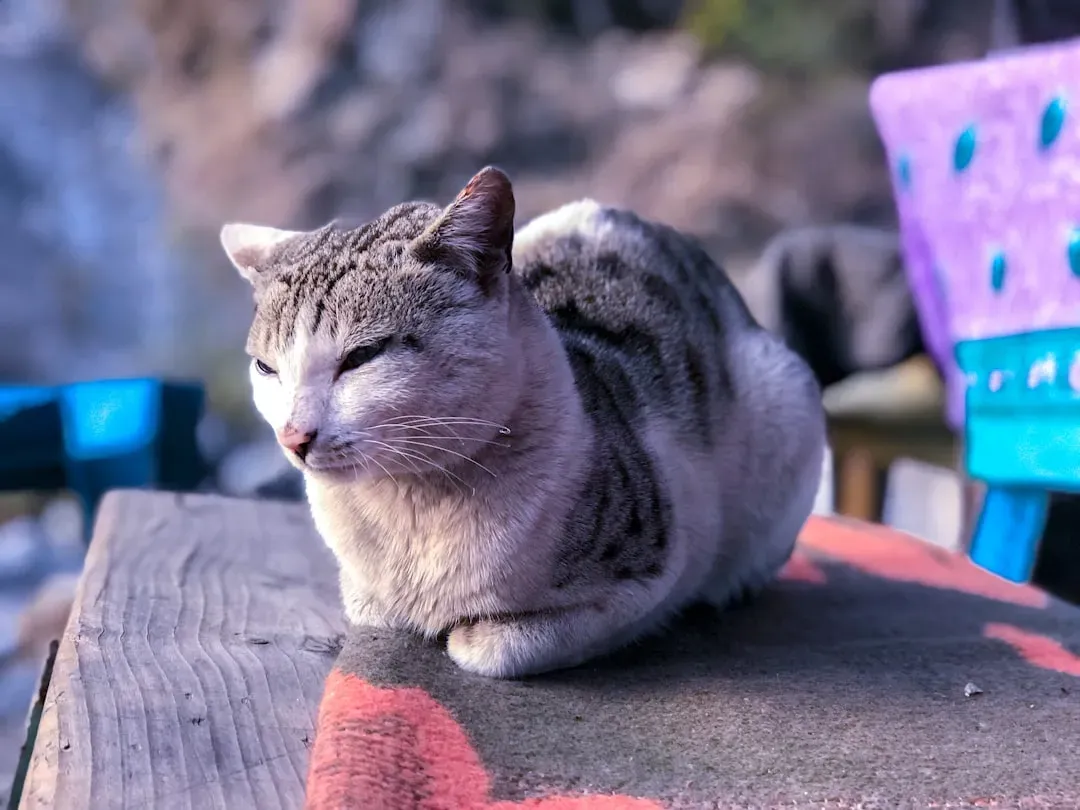
You might think your cat is just being adorable when they tuck all four paws neatly under their body into that perfect little loaf shape. Americans of the past also thought that when a cat napped with all legs tucked in – what we now call the ‘cat loaf’ position – turbulent weather was on the way. There’s an old logic to it: conserving body heat and making themselves as compact as possible before conditions worsen.
A longitudinal study published in the journal Animals tracked how weather variables affected domestic cat behavior over time. Researchers found that rainfall, temperature, humidity, and daylight length all produced measurable behavioral shifts. Cats spent more time lying down and eating in hot, humid conditions and less time grooming and scratching when it rained. Sudden drops in temperature triggered increased eating. These weren’t dramatic one-off reactions but consistent, statistically significant patterns across many cats. Your cat’s loafing is more scientific than it looks.
10. Turning Their Back to the Fire or Heat Source
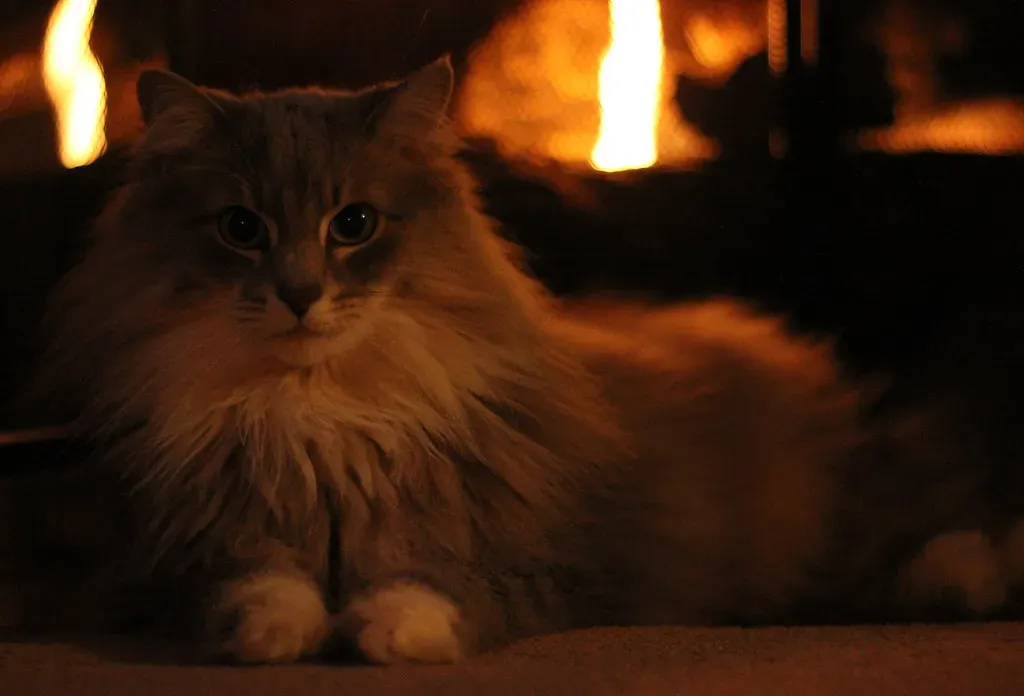
This one has genuinely deep roots in weather folklore. Over a hundred years ago, some Americans believed that if a cat warmed themselves by a fire facing away from the flames, a cold front was coming. In early America, if a cat sat with its back to the fire, it was foretelling a cold snap. It’s easy to write this off as superstition, but there’s actually some sensory logic lurking underneath it.
Cats are extraordinarily attuned to shifts in temperature and humidity – two things that change dramatically ahead of a cold front moving through. Cats can sense changes in humidity and temperature, prompting behavioral adjustments. In anticipation of colder weather, you might find your pet seeking warmth, perhaps snuggling up against you or curling up in a sunny spot. Conversely, sensing an oncoming heatwave might prompt them to search for cooler spots to rest. Your cat is essentially dressing for the weather before the weather even arrives.
11. Suddenly Becoming Clingy or Unusually Vocal
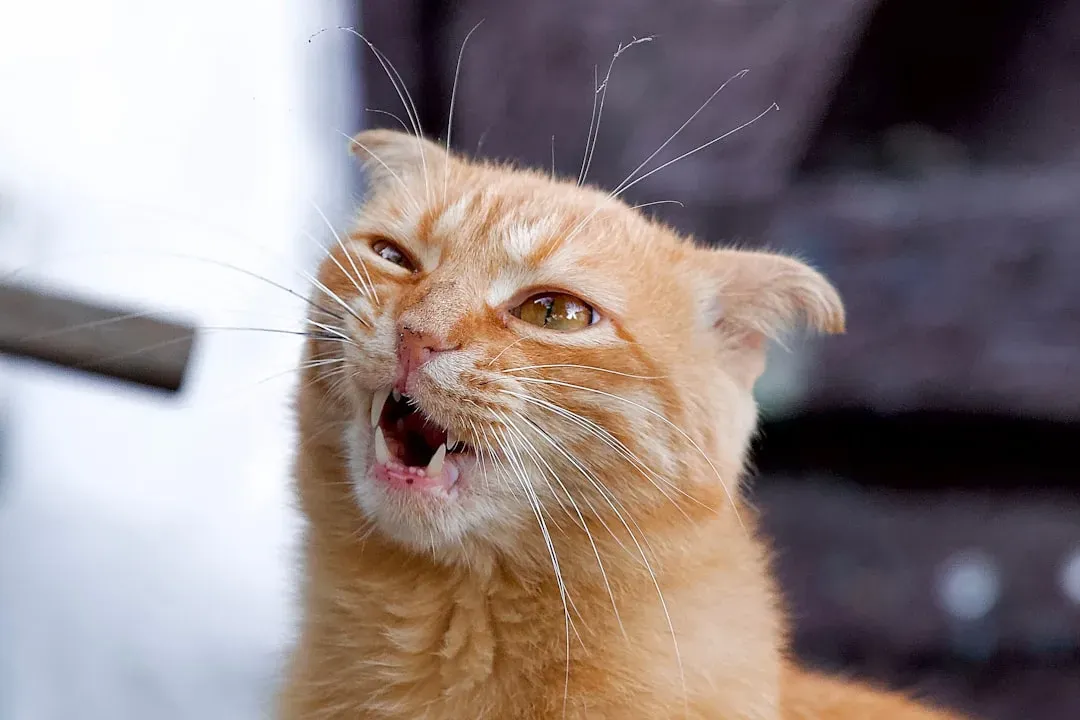
Some cats don’t hide before a storm. They do the opposite – they find you and they stay with you. A few become clingy, sticking close to their owners instead of retreating to their usual perch. Cats with thunderstorm phobia immediately become anxious when they hear a storm approaching, and they sense changes in barometric pressure before and during a storm. The anxiety is real, and so is the communication attempt.
Cats might try to find shelter or become more vocal when they pick up on atmospheric changes. Think of it as your cat’s version of sending a weather alert. They can’t tap you on the shoulder and say “grab an umbrella,” so they do the next best thing: they pace, they meow, they follow you from room to room until you pay attention. It’s a clumsy but endearing weather briefing, and honestly, more reliable than some apps.
Your Cat Might Just Be the Best Forecaster in the Room
It’s easy to underestimate a creature that spends most of its day napping and knocking things off shelves. Cats can smell incoming rain, feel trembles in the earth, hear thunder and wind, and sense pressure changes long before their human counterparts. What confuses scientists is how they can sense it before all that pricey technological equipment can. That’s not a small thing. That’s actually extraordinary.
Cats have long been linked to weather predictions, but their skills are not supernatural. Cats are sensitive to changes in air pressure, and their advanced senses of hearing and smell likely help them sense changes in the weather. The magic isn’t mystical – it’s biology. Thousands of years of evolution have quietly turned your cat into a precision atmospheric sensor wrapped in fur.
Next time your cat starts acting strangely, instead of scrolling past it, maybe pay a little closer attention. They’re not malfunctioning. They could be filing a weather report. Have you ever noticed your cat predict a storm before you did? What do you think about it? Tell us in the comments.